

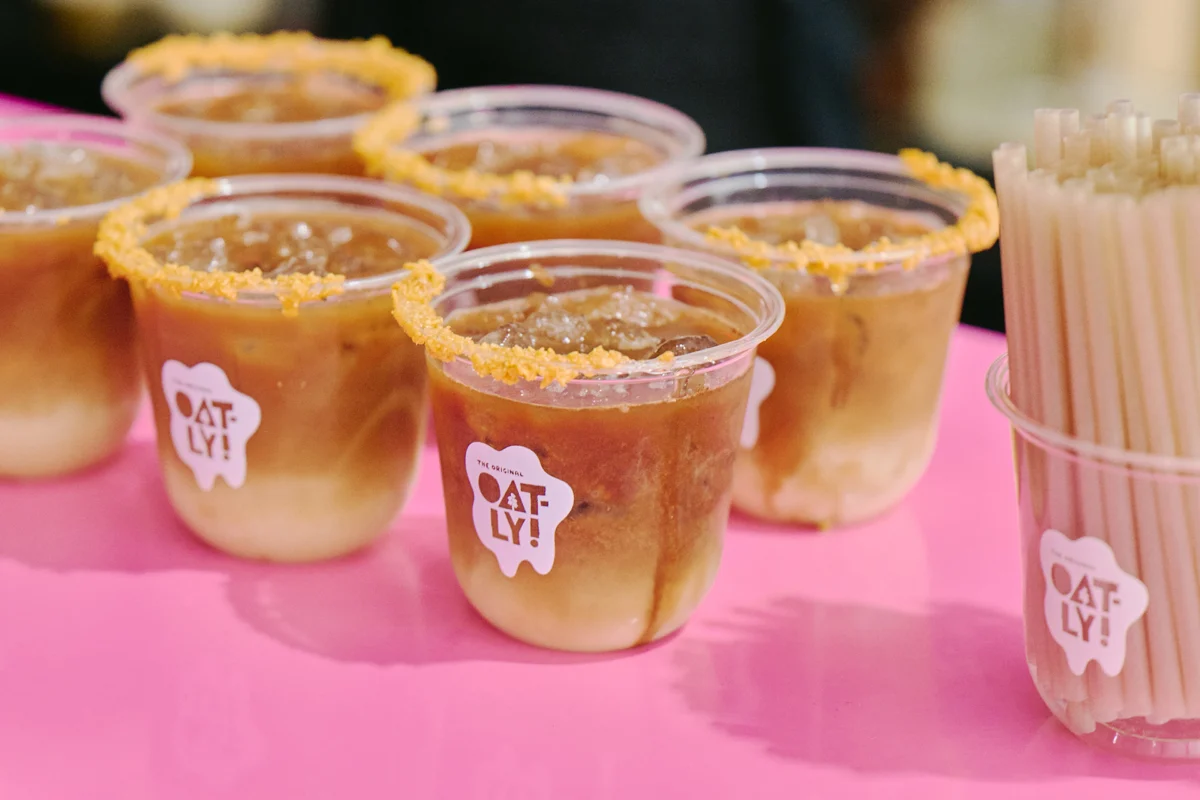
The global beverage market is witnessing a fundamental shift in consumer behavior, where the choice of a drink is no longer merely a matter of thirst or utility but a profound expression of personal identity. Oatly, the Swedish oat milk pioneer that transformed the dairy-alternative industry, is doubling down on this cultural evolution with the release of its latest creative endeavor: Look Book Vol. 3. This publication, characterized by high-end photography, global trend forecasts, and avant-garde recipes, serves as the centerpiece of a strategic marketing philosophy designed to sustain brand engagement long after the initial launch of a campaign. Jeremy Elias, Executive Creative Director at Oatly, emphasizes that the brand’s approach is rooted in the belief that beverages now occupy a space previously reserved for fashion, art, and music—a realization that has led the company to rethink how it produces and distributes content.
The Evolution of Beverage Culture as Self-Expression
For decades, the marketing of milk and its alternatives focused on nutritional value, bone health, and convenience. However, as the plant-based movement matured, a new demographic of consumers emerged, particularly among Gen Z and Millennials, who view their coffee orders and drink choices as aesthetic markers. Elias notes that coffee, tea, and matcha are increasingly merging with the worlds of sport, nightlife, and high fashion. In this context, Oatly’s Look Book is not just a recipe guide; it is a cultural artifact designed to resonate with a community that sees its daily latte as a component of its personal brand.
This shift reflects broader market trends. According to industry data from Grand View Research, the global oat milk market was valued at approximately $2.83 billion in 2022 and is projected to expand at a compound annual growth rate (CAGR) of 14.2% through 2030. This growth is driven not only by dietary restrictions but by a "lifestyle" adoption of plant-based products. By positioning its content within the framework of a fashion magazine, Oatly aligns itself with these lifestyle aspirations, moving beyond the grocery aisle and into the realm of cultural influence.
The Chronology of Oatly’s Strategic Brand Building
To understand the success of Oatly’s current content strategy, one must look at the company’s decade-long trajectory in the North American and European markets.
- 2012–2014: The Radical Rebrand: Under the leadership of former CEO Toni Petersson, Oatly pivoted from a clinical, health-focused brand to a "challenger brand" with a quirky, self-deprecating, and often provocative voice.
- 2016: The Boutique Entry Strategy: Instead of launching in major supermarkets, Oatly entered the US market through high-end boutique coffee shops. By winning over baristas first, they established a foundation of professional credibility.
- 2018–2020: The Rise of "Oat-Mania": The brand experienced massive shortages as demand skyrocketed, turning the product into a "hype" commodity.
- 2021: Public Offering and Global Expansion: Oatly went public on the Nasdaq, providing the capital necessary to scale production and marketing efforts globally.
- 2023–2024: Content Maturity: The launch of the Look Book series and the "Future of Taste" reports marks a shift from gaining market share to maintaining cultural dominance through sophisticated storytelling.
Lesson One: Creating Flexible Content Frameworks
One of the primary challenges for modern marketing teams is the "content treadmill"—the constant need to produce new material to feed social media algorithms. Oatly’s solution is to create a "hero" asset, like the Look Book, that is designed for longevity and adaptability. Elias explains that a strong creative idea should be flexible enough to support multiple stories, audiences, and channels over time.
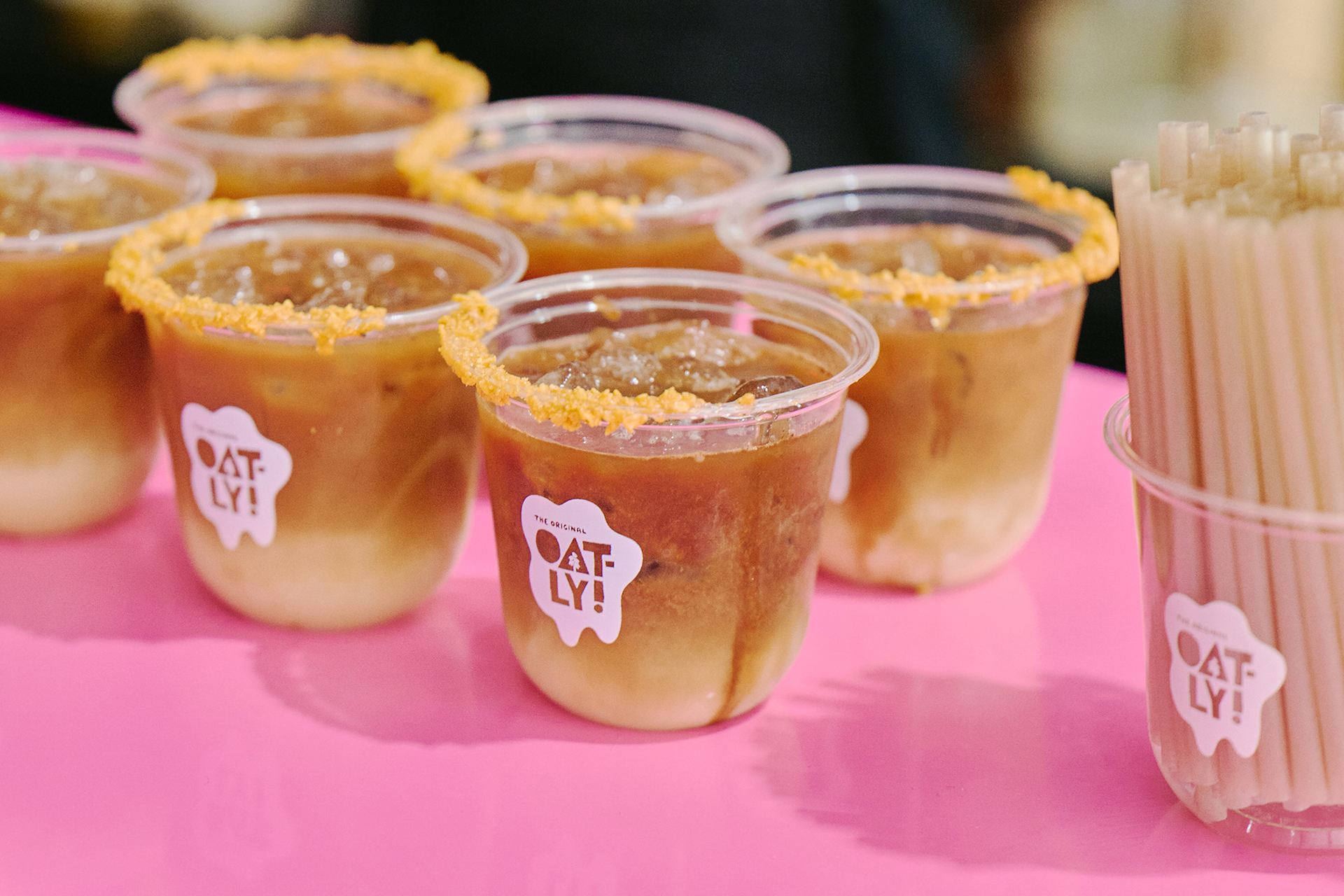
By releasing the Look Book in volumes, similar to a seasonal fashion collection, Oatly creates a recognizable format that audiences can anticipate. This structure allows the creative team to build upon a foundation rather than starting from scratch for every campaign. For communicators, this illustrates the value of the "hub-and-spoke" model: a central, high-quality piece of content (the hub) that provides the raw material for dozens of social media posts, videos, and articles (the spokes).
Lesson Two: The Decade-Long Feedback Loop
Oatly’s credibility in the beverage space was not built overnight. For over ten years, the company has cultivated deep relationships with baristas, cafe owners, and industry experts across North America, Europe, and Asia. These individuals are not just customers; they are active participants in Oatly’s research and development process.
"The work that you’re seeing come through in things like the Look Book and some of our other executions is over a decade in the making," Elias said. This ongoing dialogue ensures that the brand’s trend forecasts and recipes are grounded in the actual experiences of those at the forefront of beverage culture. In an era where "authenticity" is often a buzzword, Oatly’s commitment to two-way communication with industry professionals provides a genuine competitive advantage. This approach shifts the brand’s role from a broadcaster of messages to a facilitator of industry-wide conversations.
Lesson Three: From Digital Content to Real-World Experience
In a digital-first world, Oatly has found significant success by bringing its content into the physical realm. The Look Book serves as a catalyst for live events such as "Aftertaste" and "Bar Ista." These in-person gatherings allow members of the beverage community to taste the recipes featured in the book, meet the creators, and contribute their own ideas to the brand’s ecosystem.
This strategy addresses a growing consumer desire for experiential marketing. According to a 2023 report by Eventbrite, 78% of consumers would rather spend money on an experience than a physical product. By turning a digital or print look book into a live event series, Oatly deepens its relationship with its most influential advocates. It also generates a secondary wave of organic social media content as attendees share their experiences, further extending the life of the initial campaign.
Lesson Four: Content as a B2B Sales Tool
While much of Oatly’s marketing appears consumer-facing, it serves a critical function in the company’s Business-to-Business (B2B) strategy. Alongside the Look Book, Oatly produces an annual "Future of Taste Report." This document utilizes the research gathered during the creation of the Look Book to provide actionable insights for restaurant and cafe partners.
Elias highlights that this resource transforms the relationship between Oatly and its partners. Instead of being a mere commodity supplier, Oatly becomes a strategic consultant. "We’re really acting as these long-term partners that can help with menu ideation," he noted. For a cafe owner, receiving a report on global beverage trends and a book of seasonal recipes is far more valuable than a standard sales pitch. This integrated approach ensures that marketing efforts pay dividends across all departments, from retail sales to wholesale partnerships.
Analysis of Market Implications and Brand Longevity
Oatly’s strategy offers a blueprint for how brands can navigate an increasingly fragmented media landscape. By focusing on "slow content" that is rich in detail and aesthetic value, they differentiate themselves from the "fast content" of competitors who may prioritize volume over depth.
The implications for the broader PR and communications industry are significant. First, it suggests that the line between B2B and B2C marketing is blurring; a high-quality consumer asset can be just as effective in a boardroom as it is on an Instagram feed. Second, it emphasizes the importance of community-led growth. By empowering baristas—the primary gatekeepers of the coffee world—Oatly has built a grassroots defense against larger, more traditional dairy and beverage conglomerates.
However, this strategy is not without risks. As Oatly moves further into the "lifestyle" space, it must continue to balance its edgy, challenger-brand persona with the logistical and financial demands of being a publicly traded global corporation. The challenge for Elias and his team will be to keep the "Look Book" series feeling fresh and subversive as the brand itself becomes a household name.
Conclusion: Building Campaigns That Last
The success of Oatly’s Look Book Vol. 3 demonstrates that the most effective campaigns are those that don’t end on launch day. By creating a flexible framework, fostering long-term industry relationships, bridging the gap between digital and physical experiences, and providing tangible value to business partners, Oatly has created a self-sustaining marketing engine.
As Jeremy Elias summarizes, a strong brand with a clear, distinctly different message pays dividends for every other effort the company makes. In a world of fleeting trends, Oatly’s commitment to building a deep, multi-layered narrative ensures that its voice remains influential long after the initial "aftertaste" of a campaign has faded. For communicators and brand builders, the lesson is clear: stop building one-off campaigns and start building platforms for ongoing dialogue.









