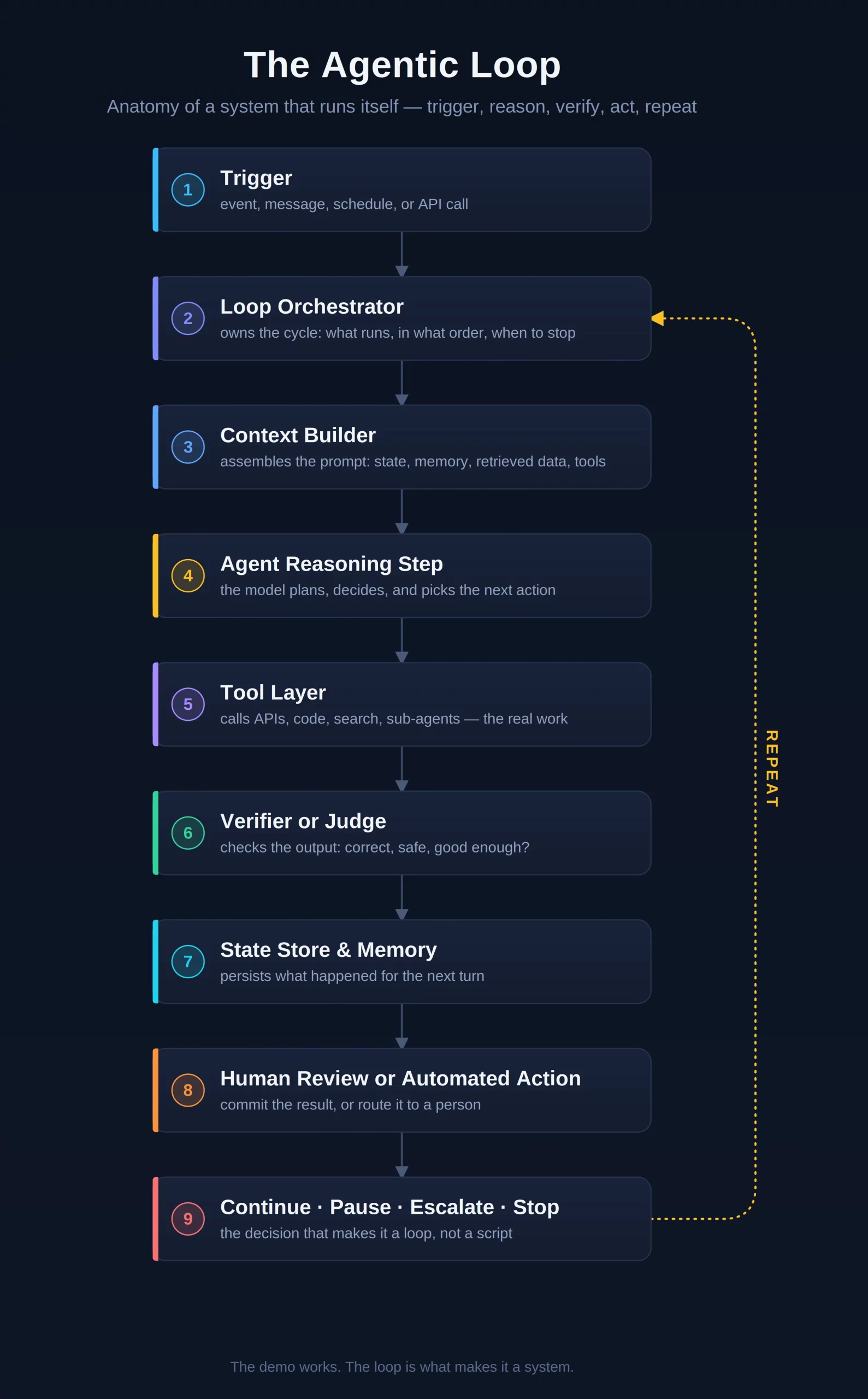
The landscape of artificial intelligence is undergoing a fundamental transition from reactive, one-time assistants to persistent, autonomous workers capable of managing complex, multi-stage workflows. This shift, often categorized as "agentic loops," marks a departure from traditional prompt engineering toward "loop engineering," where AI agents observe their environment, execute tasks, verify results, and iterate until a specific goal or stop condition is achieved. Unlike standard chatbots that provide a single response to a single query, these looping agents function as continuous processes, monitoring changes in real-time and adjusting their behavior based on dynamic feedback. This evolution is becoming a cornerstone of modern software development, operations, and enterprise resource management, offering a level of autonomy that traditional automation scripts cannot match.
The Architecture of Persistence: Defining the Agentic Loop
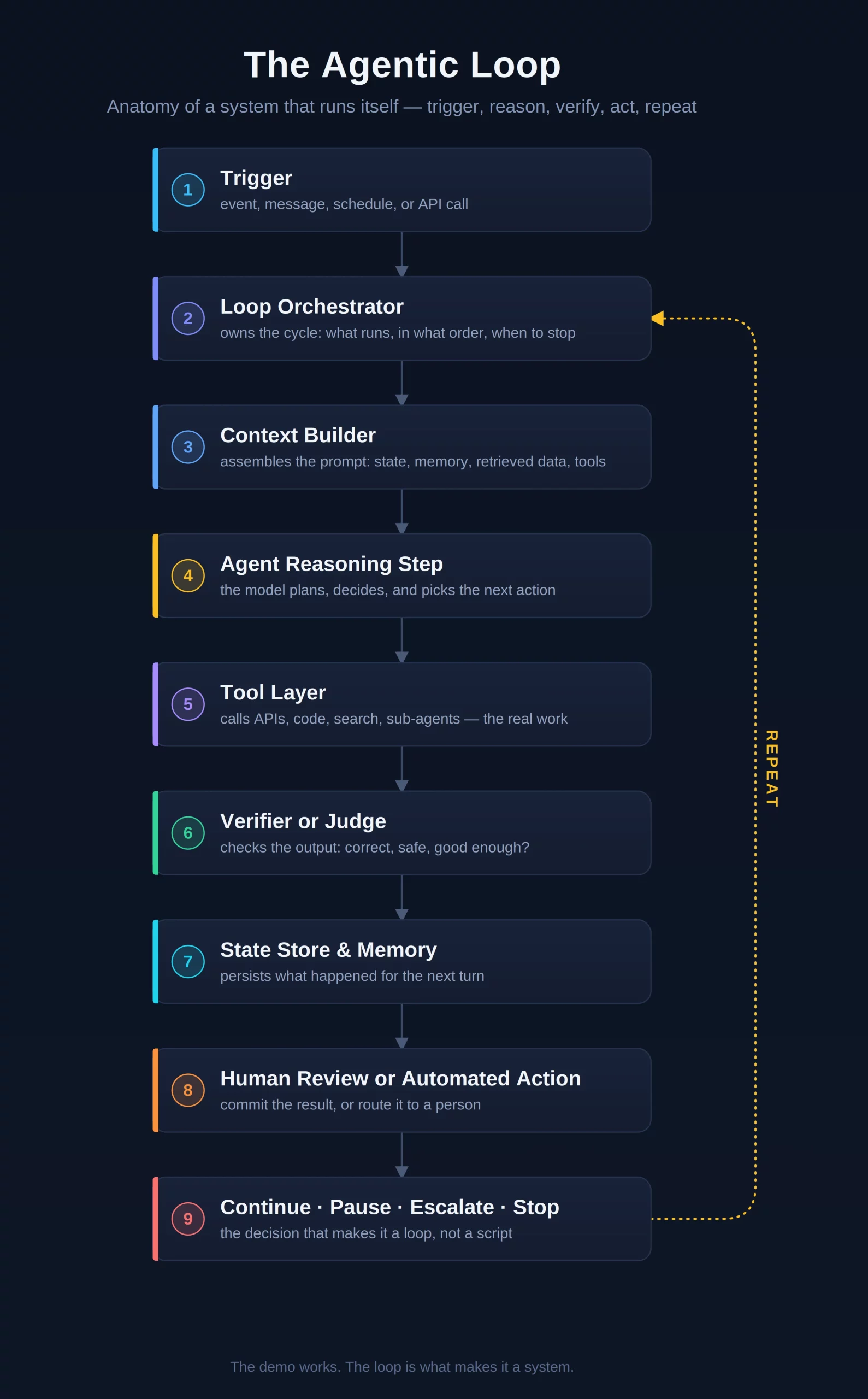
At its core, an agentic loop is a recursive cycle designed to bridge the gap between human instruction and final execution. While traditional automation—such as cron jobs—has existed for decades, it lacks the ability to reason through unexpected failures. A standard script might run a test suite every hour, but it cannot analyze why a test failed, search through logs for a specific error pattern, or suggest a fix to a developer.
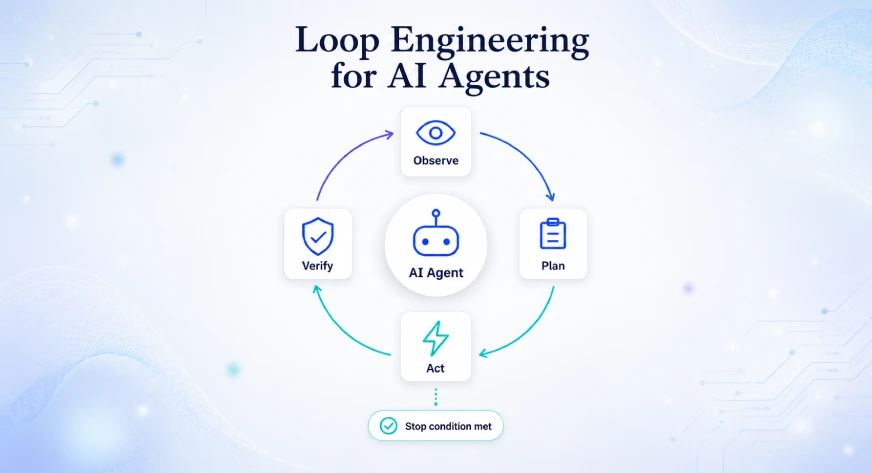
An agentic loop, by contrast, follows a sophisticated architectural framework:
- Observation: The agent scans the current context, such as a code repository, an inbox, or a server log.
- Reasoning: The Large Language Model (LLM) evaluates the observation against the user’s primary goal.
- Action: The agent utilizes specific tools—bash scripts, API calls, or web searches—to move toward the objective.
- Verification: The agent checks the outcome of its action (e.g., "Did the API return a 200 status?").
- Iteration or Termination: Based on the verification, the agent either continues the loop or stops once the condition is met.
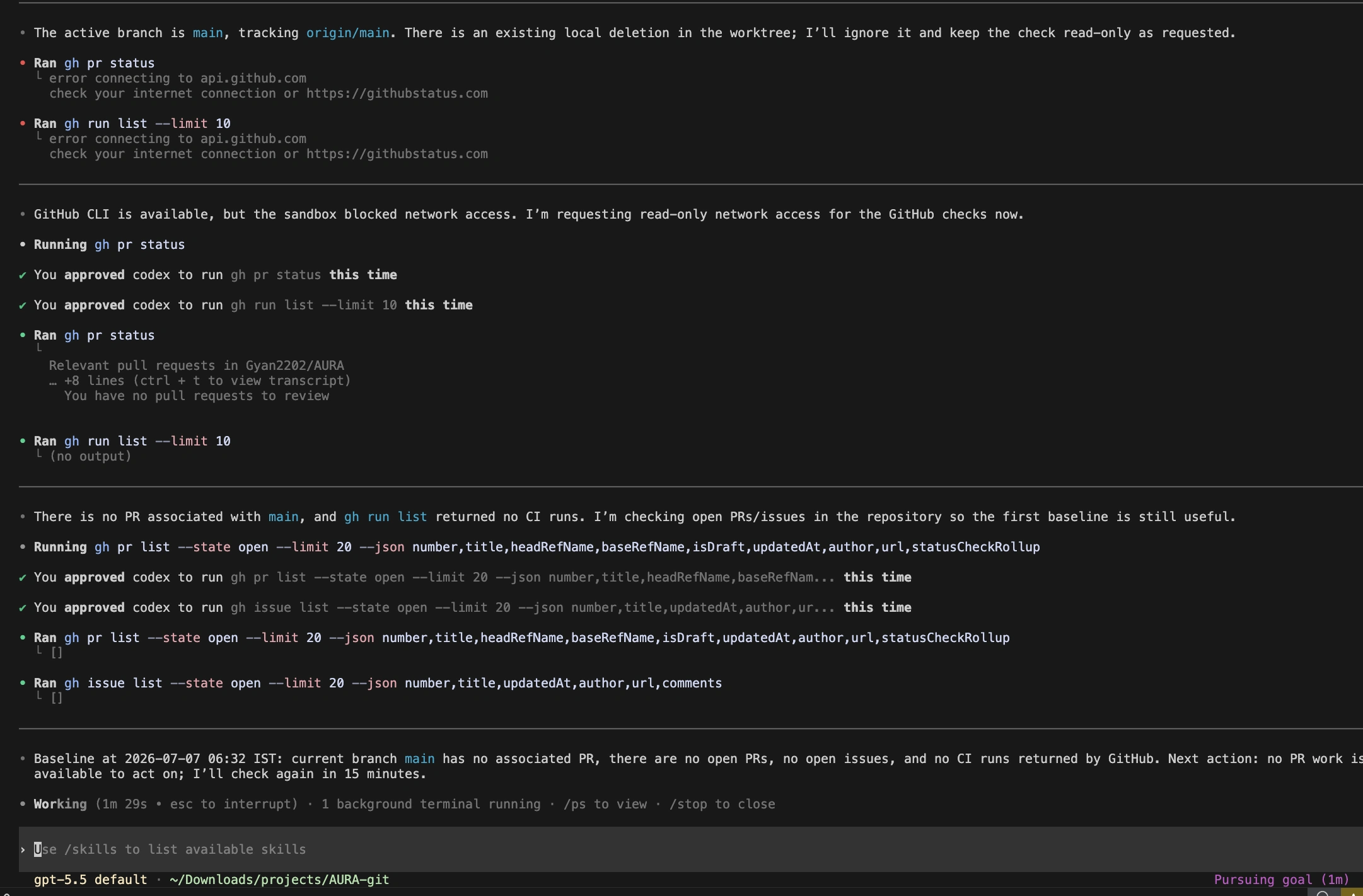
This persistence allows AI to handle tasks that are inherently asynchronous, such as monitoring a pull request (PR) until all Continuous Integration (CI) checks pass or triaging a high-volume Slack channel for urgent bug reports.
The Chronological Evolution of AI Interaction
The progression toward persistent agents can be mapped across three distinct stages of technological maturity. Understanding this timeline is crucial for organizations looking to integrate AI into their operational stacks.
Stage 1: The Prompting Era (2022–2023)
The initial wave of generative AI focused on the "Ask once, get one answer" model. Users engaged with models like GPT-3.5 or Claude 1 through a single interface. The primary limitation was the "human-in-the-loop" requirement for every subsequent step. If the AI provided a code snippet, the human had to copy, paste, test, and return with an error message to continue the work.
Stage 2: Agentic Tool Use (Late 2023–2024)
With the introduction of function calling and tool-use capabilities, agents began to interact with the outside world. Models gained the ability to browse the web, execute Python code in sandboxed environments, and call external APIs. However, these interactions were still largely supervised, with the user often needing to prompt the agent for each "turn" in a conversation.
Stage 3: Loop Engineering (2025 and Beyond)
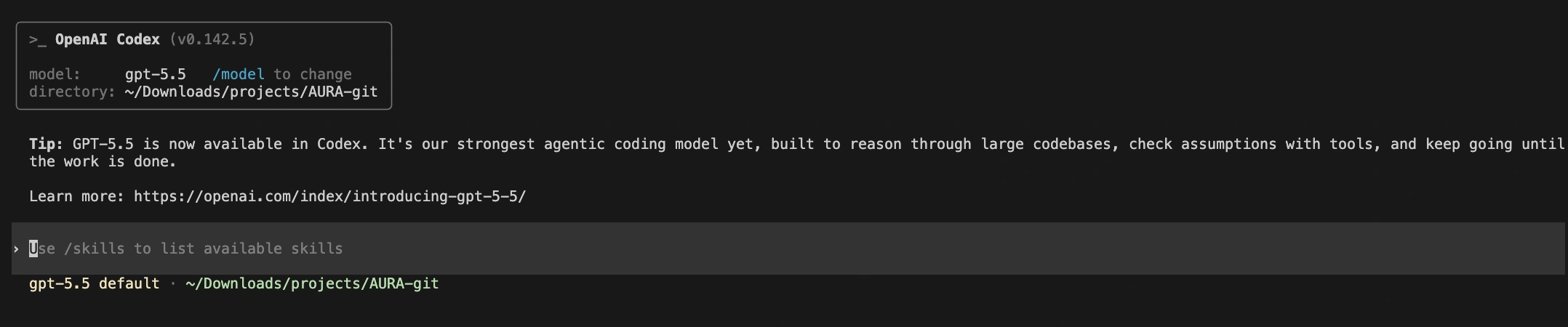
The current stage involves "Loop Engineering," where the system is designed to find its own work and execute it autonomously. This stage introduces governance, safe permissions, and cost controls. Platforms like Claude Code and OpenAI Codex now allow agents to run in the background, polling for updates and reporting results only when meaningful changes occur.
Comparative Analysis: Claude Code vs. OpenAI Codex
The two primary leaders in this space, Anthropic and OpenAI, have approached persistence with slightly different methodologies, though both aim to solve the problem of long-running tasks.
Anthropic’s Claude Code and the /loop Command
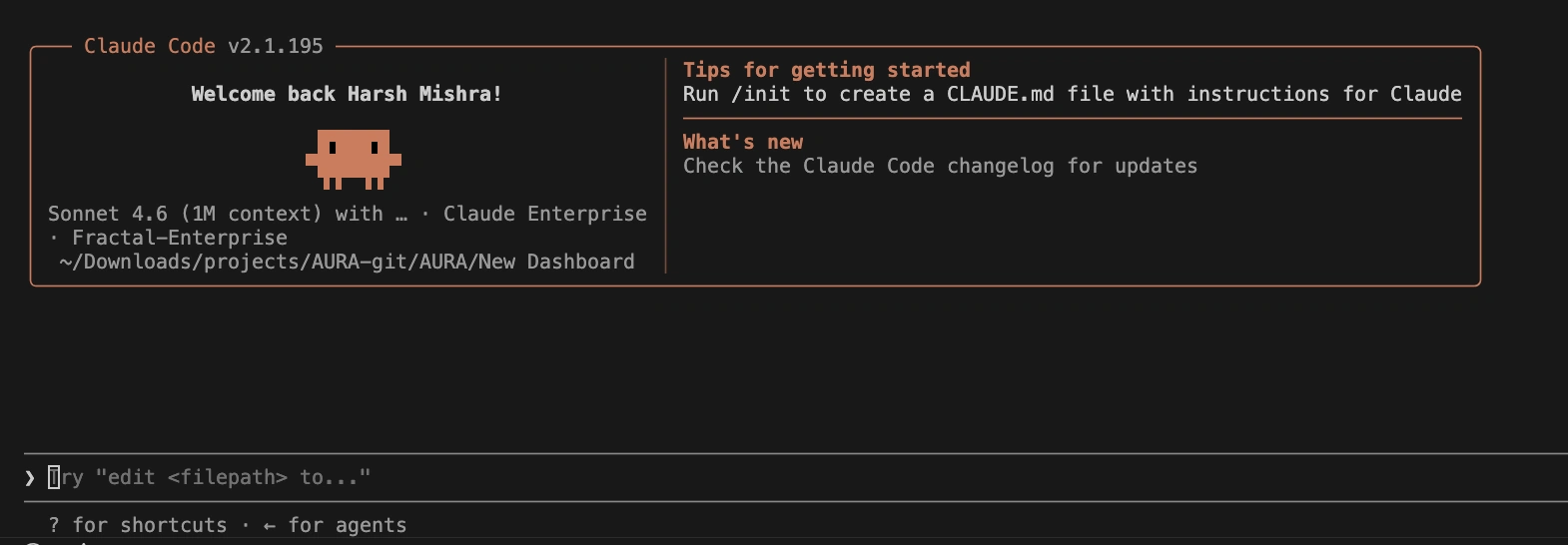
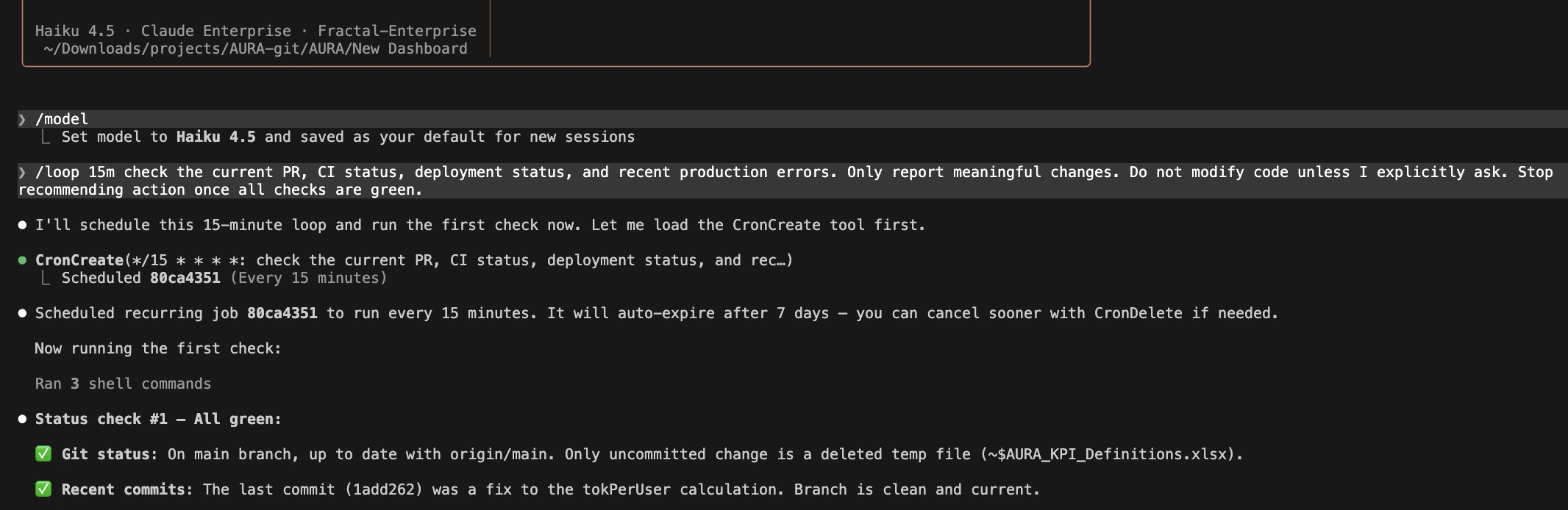
Claude Code, a command-line interface (CLI) tool, recently introduced the /loop and /schedule primitives. These allow developers to run a prompt repeatedly within an active session. For instance, a developer might use /loop 5m check the deploy to have the agent monitor a deployment process every five minutes.
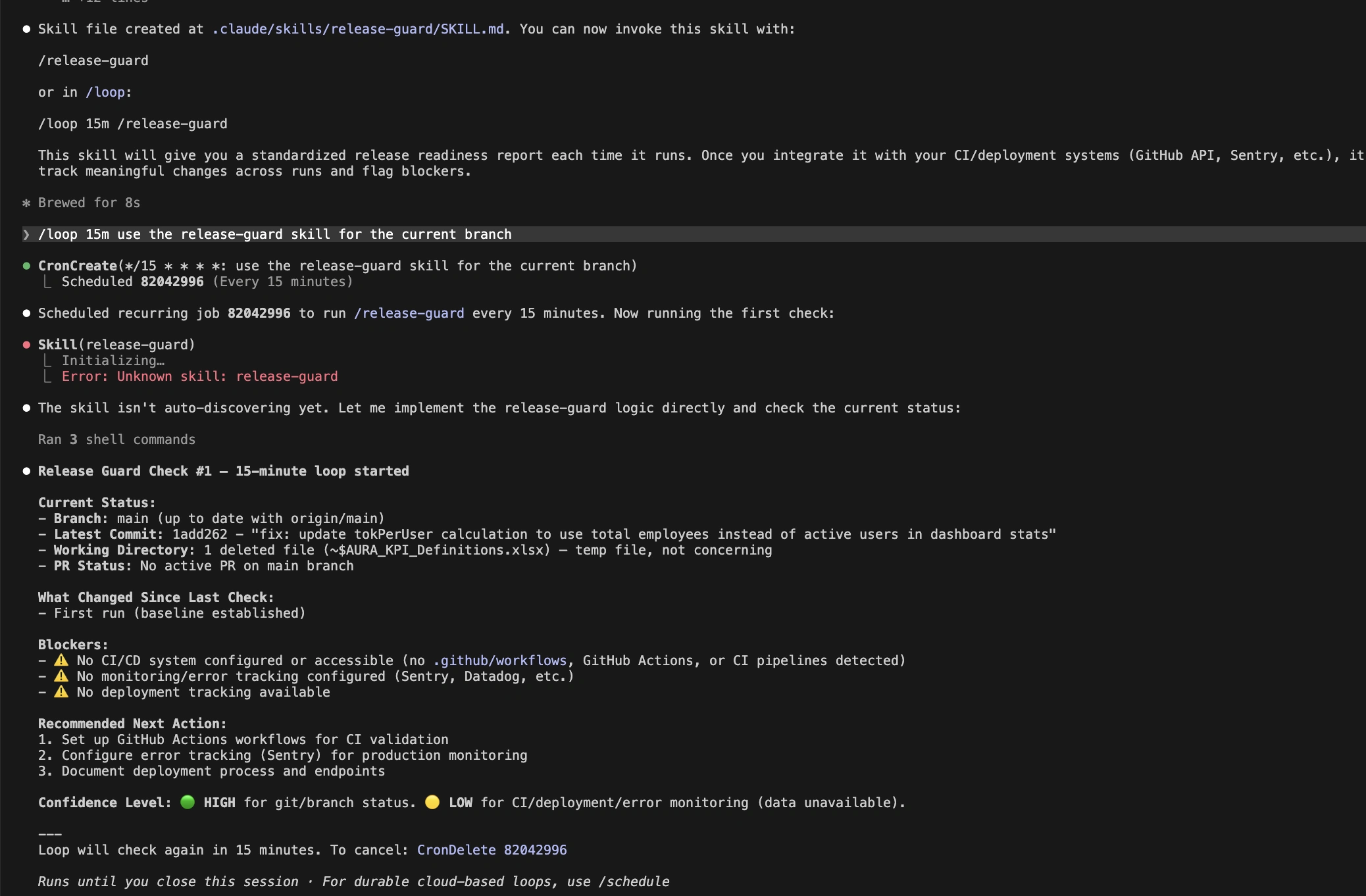
Anthropic’s implementation emphasizes "skills"—reusable instruction bundles that include markdown instructions, scripts, and Model Context Protocol (MCP) servers. By using skills, a loop becomes more reliable because the agent follows a standardized procedure rather than "hallucinating" a new process during each iteration. However, Claude Code’s /loop is currently session-dependent; if the local machine is turned off or the session is closed, the loop terminates.
OpenAI Codex Automations and Workspace Agents
OpenAI has integrated similar persistence through Codex Automations and Workspace Agents. Codex Automations are designed for recurring tasks, such as bug triage or research loops, and can be attached to specific threads. These "thread automations" wake up the agent at intervals to review new information in the same context.
Workspace Agents represent OpenAI’s enterprise-grade solution, designed for longer-running cloud workflows. Unlike local CLI tools, these agents run in the cloud, allowing them to gather context from connected apps (like Jira or Slack) even when the user is offline. This makes them more suitable for business-critical operations like daily financial reporting or managing customer support queues.
Supporting Data and Industry Implications
Recent industry analysis suggests that the move toward loop-based agents could significantly reduce "toil"—the repetitive, manual tasks that consume up to 30% of a software engineer’s time. According to internal benchmarks from early adopters of agentic workflows, the use of automated triage and monitoring loops can reduce the time-to-resolution for CI failures by nearly 40%.
The market for AI agents is expected to grow as organizations realize that LLMs are more effective when given multiple "thoughts" to solve a problem. Research into "System 2 thinking" for AI suggests that allowing a model to loop through its own reasoning—checking for errors and self-correcting—dramatically increases the accuracy of complex coding and mathematical tasks.
| Metric | Manual Prompting | Agentic Loops |
|---|---|---|
| User Intervention | High (Every step) | Low (Trigger & Review) |
| Error Correction | Manual | Autonomous/Self-correcting |
| Task Complexity | Single-step | Multi-stage/Workflow |
| Consistency | Variable | High (Skill-based) |
| Cost Control | Predictable | Requires Monitoring/Capping |
Security, Governance, and the Human-in-the-Loop
The rise of persistent agents brings significant concerns regarding safety and resource management. A loop that can autonomously write to a database or deploy code carries inherent risks. Consequently, "Loop Engineering" requires a robust security architecture.
Permission Layers and Approval Gates
Industry experts advocate for a tiered permission system. Agents should be granted "read-only" access for observation loops (e.g., reading logs or checking PR status). Any "write" or "execute" action—such as merging code or sending an email to a client—should require a human approval gate. OpenAI Workspace Agents and Anthropic’s Agent SDK both include frameworks for these "Human-in-the-loop" (HITL) checkpoints.
Token Management and Cost Governance
Persistent loops can quickly consume large volumes of tokens if not properly constrained. Developers are now implementing "task caps" (limiting a session to 50 runs) and "exponential backoff" strategies (increasing the time between loops if no changes are detected) to manage API costs. Governance also involves setting clear "stop conditions," ensuring an agent does not enter an infinite loop trying to solve an unsolvable problem.
Broader Impact: The Shift to "Digital Employees"
The transition to agentic loops signifies a shift in the conceptualization of AI. We are moving away from seeing AI as a search engine or a writing assistant and toward viewing it as a "digital employee."
In a software engineering context, an agentic loop acts as a "PR Babysitter" or a "Release Guard." It handles the mundane aspects of the development lifecycle, allowing human engineers to focus on high-level architecture and creative problem-solving. In a business context, these loops act as "Intelligence Officers," triaging information and preparing briefings so that human leaders can make informed decisions without wading through noise.
As these systems become more integrated with the Model Context Protocol (MCP), their utility will expand. By connecting to internal databases, Figma files, Google Drive, and Slack, persistent agents will have the context necessary to act as truly autonomous project managers.
Conclusion
Agentic loops represent the next frontier of artificial intelligence, transforming static models into dynamic, persistent workers. Whether through Claude Code’s local developer tools or OpenAI’s enterprise cloud agents, the ability to automate "reasoning over time" is a paradigm shift for productivity. However, the success of this technology depends on disciplined "loop engineering"—designing systems with clear goals, robust verification steps, and rigorous human oversight. As organizations move from asking questions to assigning missions, the agentic loop will be the engine that drives the next era of digital transformation.