

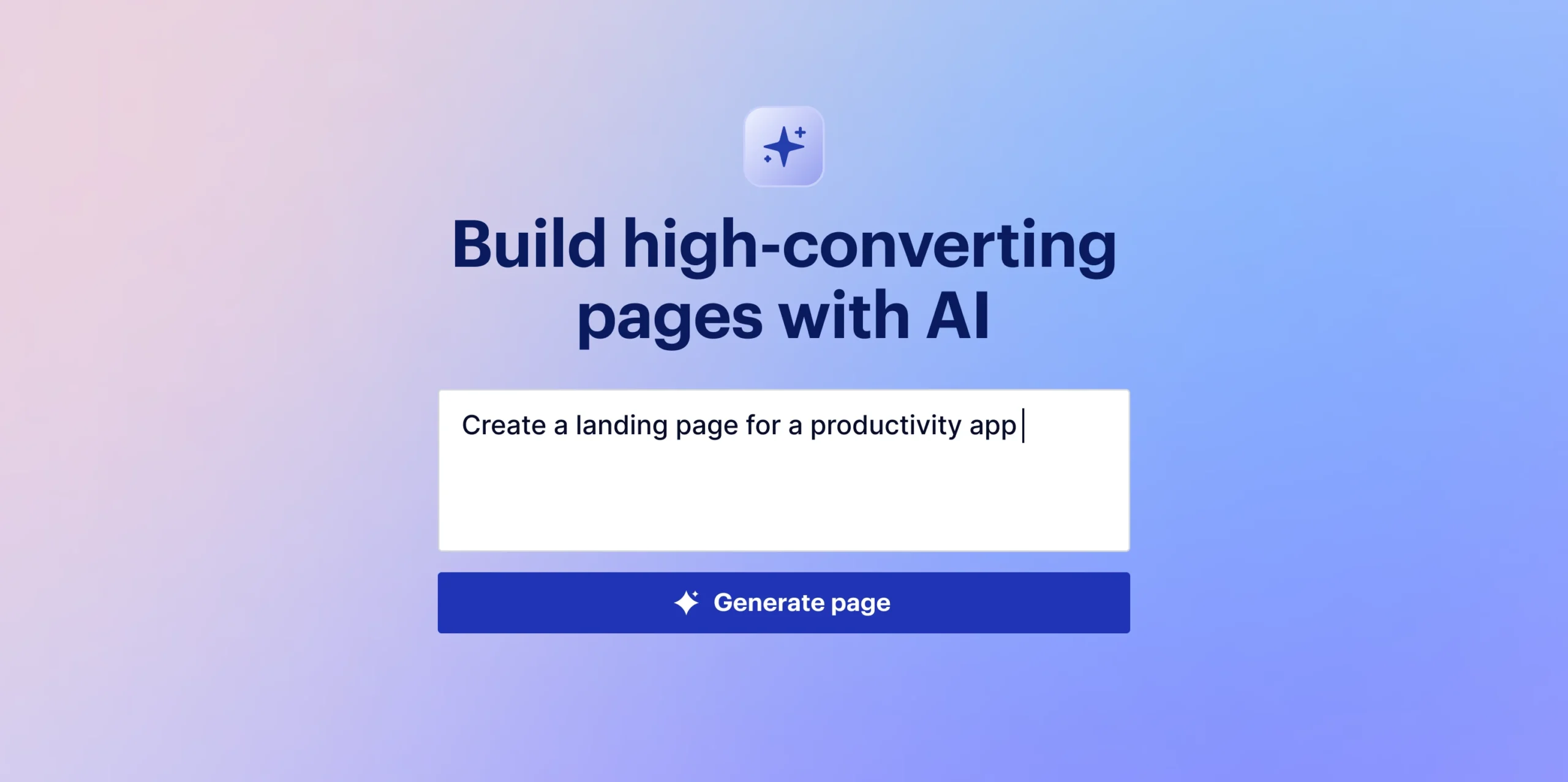
The digital marketing landscape has reached a pivotal juncture as Instapage, a long-standing leader in landing page technology, officially announced the transition of its services into a comprehensive, end-to-end AI-powered marketing platform. This strategic evolution, which integrates generative artificial intelligence across the entire marketing lifecycle—from initial page design to automated lead nurturing—marks a significant shift in how businesses approach Conversion Rate Optimization (CRO). Since its inception in 2012, Instapage has evolved from a specialized landing page builder into a multifaceted suite encompassing websites, personalization, experimentation, and analytics. The latest release introduces AI page generation, AI email generation, and "AI Collections," designed to eliminate the technical friction and fragmented workflows that have historically hampered marketing teams.
The Evolution of Landing Page Technology: From Static Builders to Generative Ecosystems
To understand the significance of Instapage’s latest announcement, it is necessary to examine the trajectory of the MarTech (Marketing Technology) industry over the past decade. In 2012, the primary challenge for marketers was the "developer bottleneck." Creating a high-converting landing page required significant coding knowledge or a dedicated web development team, which often led to delays and high overhead costs. Instapage entered the market as a pioneer of the "pixel-perfect" drag-and-drop builder, democratizing design for non-technical users.
By the early 2020s, the challenge shifted from simple creation to optimization and scale. Marketing teams began "stitching together" disparate tools—using one platform for page building, another for A/B testing, a third for heatmaps, and a fourth for email automation. This fragmentation resulted in data silos and inefficient manual handoffs. The industry’s move toward AI integration represents an attempt to consolidate these functions into a single, cohesive workflow.
Instapage’s new AI-centric model aims to solve the "blank page syndrome," a common psychological barrier where the complexity of coordinating copy, layout, and design prevents marketing campaigns from launching. By leveraging Large Language Models (LLMs) and proprietary design algorithms, the platform now allows users to generate complete, conversion-ready pages from simple text descriptions.
Technical Analysis of AI Page Generation and Creative Control
A recurring criticism of early generative AI tools in web design was the lack of granular control. Many standalone AI generators produce a static output that is difficult to modify without regenerating the entire asset—a process that is both time-consuming and resource-heavy. Instapage’s implementation of AI page generation addresses this by wedding generative capabilities with its established visual editor.
When a user provides a prompt describing their goal, audience, and brand tone, the AI assembles a structured layout, writes tailored copy, and selects optimized design elements. However, unlike "black box" AI tools, the resulting page remains fully editable within a pixel-perfect environment. This hybrid approach ensures that the AI handles the "heavy lifting" of the initial build, while the human marketer retains final creative authority. This reduces the "token cost" and time investment typically associated with repeated prompting, allowing for a more efficient path from concept to publication.
Bridging the Gap: AI-Powered Email and Lead Nurturing
The expansion into AI-powered email marketing represents Instapage’s bid to manage the full "post-click" experience. Capturing a lead through a landing page is only the first half of the conversion equation; the second half involves timely and relevant follow-up. Industry data from the Harvard Business Review suggests that firms that contact prospects within an hour of receiving a query are nearly seven times as likely to have a meaningful conversation with a key decision-maker than those that wait even an hour longer.
Instapage’s new AI email generator is designed to facilitate this "speed to lead." By integrating email generation directly into the landing page ecosystem, the platform eliminates the need for manual lead exports to third-party Email Service Providers (ESPs). Marketers can now use AI to draft tailored follow-up sequences based on the specific landing page the lead interacted with, ensuring a consistent brand voice and message. The system allows users to define goals, audience segments, and tone, which the AI then uses to produce automated, context-aware responses.

Market Context: The Lean Marketing Era of 2026
The rollout of these features comes at a time when the global economic landscape has placed increased pressure on marketing departments. As of 2026, many organizations are operating with leaner teams and more scrutinized budgets. The "growth at all costs" mentality of the previous decade has been replaced by a focus on efficiency and measurable ROI (Return on Investment).
According to recent industry reports on SaaS (Software as a Service) trends, the average enterprise now uses over 100 different applications across various departments. For marketing teams, this "tool sprawl" often leads to "subscription fatigue" and a decrease in productivity as employees spend significant time toggling between platforms. Instapage’s move to provide an all-in-one AI suite is a direct response to this market demand for consolidation. By offering page generation, experimentation, and email within a single interface, the platform claims to help businesses scale their digital presence without the need to increase headcount or technical infrastructure.
Supporting Data and Industry Implications
The integration of AI into CRO tools is supported by emerging data regarding productivity gains. Early adopters of generative AI in marketing report a 30% to 40% reduction in the time required for content production. Furthermore, AI-driven personalization—a core component of the Instapage suite—has been shown to increase conversion rates by as much as 15% to 20% by delivering more relevant experiences to diverse audience segments.
From a broader perspective, Instapage’s pivot reflects a larger trend in the tech industry where AI is no longer a "bolt-on" feature but the foundational architecture of the software. This has significant implications for the competitive landscape. Established players like HubSpot, Unbounce, and Adobe are also racing to integrate generative AI, creating a high-stakes environment where ease of use and the quality of the underlying AI models are the primary differentiators.
Chronology of Instapage’s Innovation Path
To understand the current state of the platform, it is helpful to look at the milestones that led to this AI-centric relaunch:
- 2012: Instapage is founded, focusing on a high-end, user-friendly landing page builder.
- 2015-2018: The company introduces advanced collaboration tools and "Instablocks," allowing teams to save and reuse page sections, laying the groundwork for scalable design.
- 2019-2021: Shift toward "Post-Click Automation" (PCA) and the introduction of AdMap, connecting search ads directly to personalized landing pages.
- 2022-2024: Integration of initial AI copywriting tools and basic experimentation features (A/B and multivariate testing).
- 2025-2026: Launch of the comprehensive AI-powered marketing platform, including AI page and email generation, and AI Collections for automated asset management.
Official Responses and Strategic Outlook
While official statements from Instapage emphasize the user-centric nature of these updates, industry analysts view the move as a necessary step to remain competitive in an AI-first world. In communications regarding the launch, the company noted that while many platforms "bolt AI onto one part of the workflow," their goal was to ensure AI runs through the "entire marketing workflow… with no gaps."
Company representatives have also addressed the transition period for current users, noting that several AI features are currently in beta. This gradual rollout is intended to allow for user feedback and fine-tuning of the generative models to ensure high output quality. For the broader marketing community, this represents a shift in the required skillset; the "marketer of the future" will likely spend less time on manual execution and more time on "AI orchestration"—prompting, refining, and strategizing based on AI-generated insights.
Conclusion: The Future of AI-Driven Conversion
The transition of Instapage into an end-to-end AI platform is a microcosm of the changes occurring across the entire software industry. By automating the most labor-intensive aspects of digital marketing—designing layouts, writing copy, and managing follow-ups—Instapage is positioning itself as a tool for the "lean" era of business.
The implications for small to medium-sized businesses (SMBs) are particularly noteworthy. Historically, the level of sophistication offered by integrated CRO and automated nurturing was reserved for large enterprises with significant technical budgets. With the democratization of these tools through AI, the barrier to entry for high-performance digital marketing has been significantly lowered. As these AI features move out of beta and into general availability, the industry will be watching closely to see if the promised efficiencies translate into a sustained increase in global conversion rates. For now, Instapage’s evolution serves as a clear indicator that the future of marketing is not just automated, but intelligently integrated.







