
 rifanmuazin
The landscape of B2B software procurement has undergone a fundamental shift, moving away from sales-led demonstrations toward self-serve research and peer-based evaluation. In this high-stakes environment, the traditional SaaS comparison page—long a staple of the digital marketing playbook—is facing a crisis of credibility. As modern buyers become increasingly desensitized to biased "us versus them" checklists, industry experts are calling for a radical restructuring of how software companies present competitive data.
The evolution of the B2B buyer journey is well-documented. According to research from Gartner, B2B buyers spend only 17% of their total purchase journey meeting with potential suppliers. When buyers are comparing multiple vendors, that time is split even further, often leaving only 5% or 6% of the journey for direct interaction with any single sales representative. Consequently, the digital assets a company provides—specifically comparison pages—must function as a surrogate for a consultative sales process.
The Crisis of Credibility in SaaS Marketing
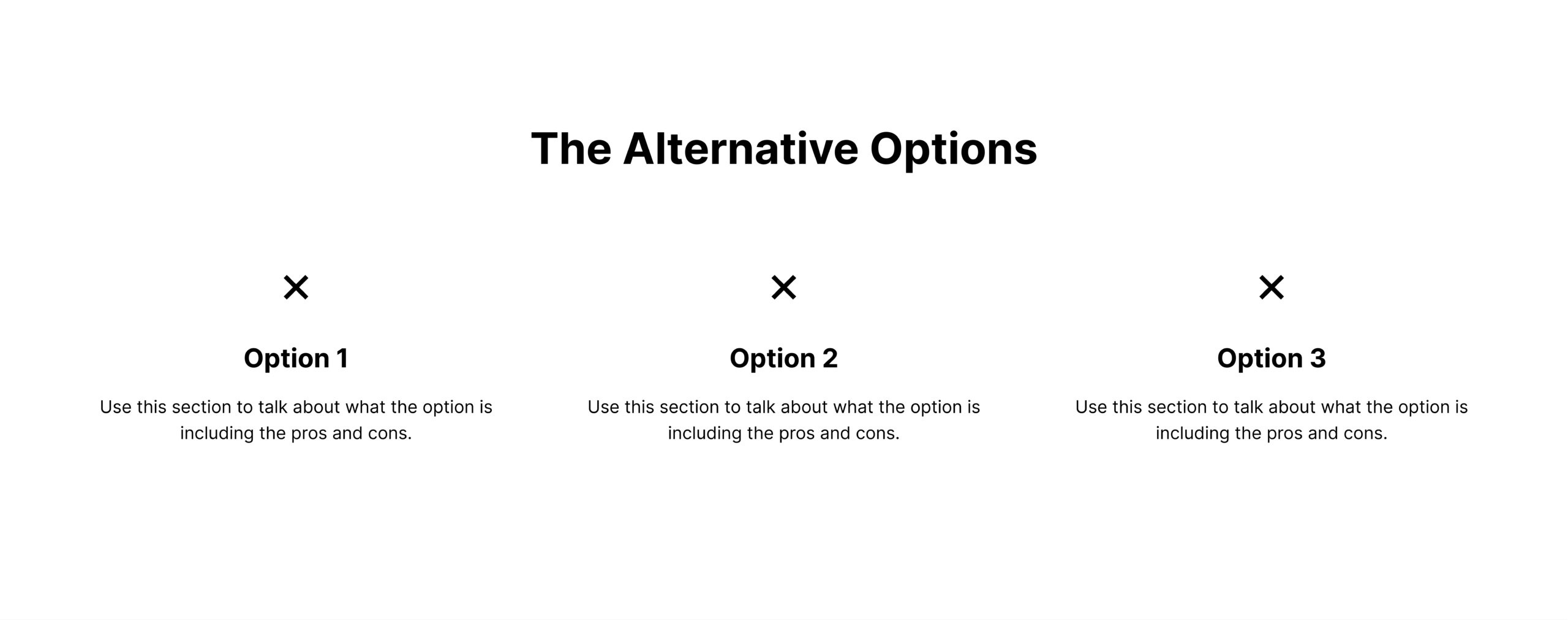
For years, the standard approach to competitive positioning involved creating "feature matrices" where the host company miraculously achieved a perfect score of green checkmarks while the competitor suffered from a sea of red "X" marks. This binary approach, while satisfying to internal stakeholders, has become a liability in the eyes of the informed buyer.
"Buyers have seen that playbook too many times, and they’re desensitized to it," notes Danielle Torrie, a content strategist at Unbounce. The modern buyer is not looking for a "universal best" product but rather the "best fit" for their specific organizational constraints, budget, and existing technical stack. When a comparison page feels engineered to win an argument rather than facilitate a decision, it ceases to be a marketing asset and becomes a brand detractor.
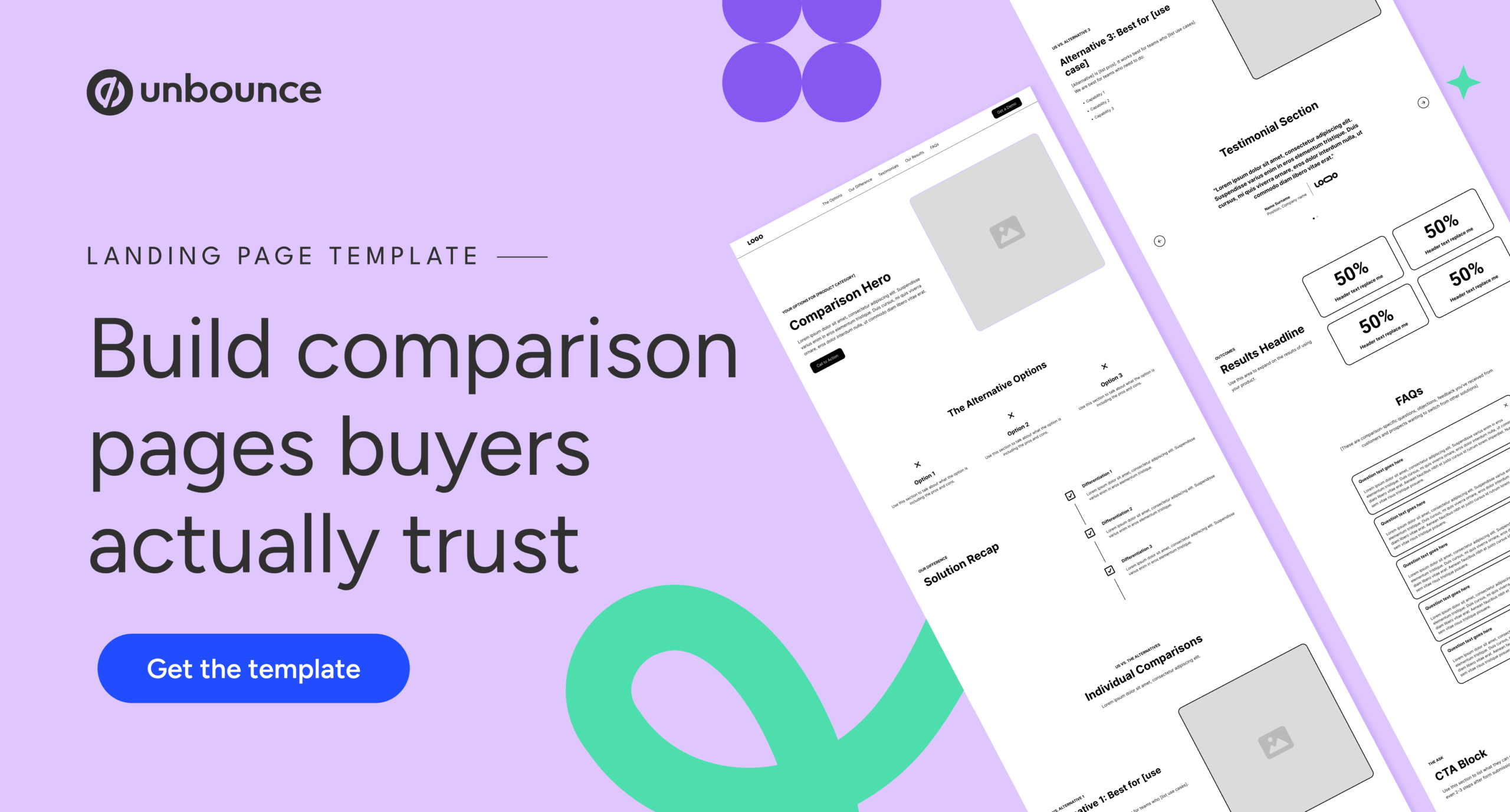
This sentiment is echoed by landing page expert Tas Bober, who argues that the most effective comparison pages are those built with integrity. The goal is no longer to pressure a buyer into a "yes" but to help the right buyer self-qualify while allowing the wrong buyer to move on, thereby increasing the efficiency of the sales funnel.

The Psychological Barrier: The Cost of Inaction
One of the most significant challenges facing SaaS marketers is not necessarily the direct competitor, but the status quo. Research published in the Harvard Business Review indicates that between 40% and 60% of B2B deals are lost not to a competitor, but to "no decision" or customer indecision. This phenomenon often stems from a lack of clarity during the evaluation phase.
When a comparison page is overly biased, it increases the buyer’s cognitive load and fuels skepticism. Instead of moving closer to a purchase, the buyer becomes paralyzed by the fear of making a wrong choice—a risk that involves not just financial loss, but a loss of professional credibility for the internal champion. To combat this, comparison pages must evolve from "takedown pieces" into objective "buying guides."
A Chronology of Competitive Positioning
The methodology for competitive comparison has evolved through three distinct eras:
- The Feature War Era (2000s–2015): Marketing was dominated by exhaustive lists of features. The company with the longest list was perceived as the winner. Trust was high because information was scarce.
- The SEO Landing Page Era (2015–2022): Companies began creating hundreds of "[Brand A] vs [Brand B]" pages specifically to capture search traffic. These pages were often thin on content and high on bias, designed primarily for algorithms rather than humans.
- The Utility and Trust Era (2023–Present): With the rise of AI-driven search and sophisticated buyers, the focus has shifted to transparency. Pages now include "cons," "limitations," and "best for" sections that admit where a product might not be the ideal choice.
Strategic Framework: The Three Types of Comparison Pages
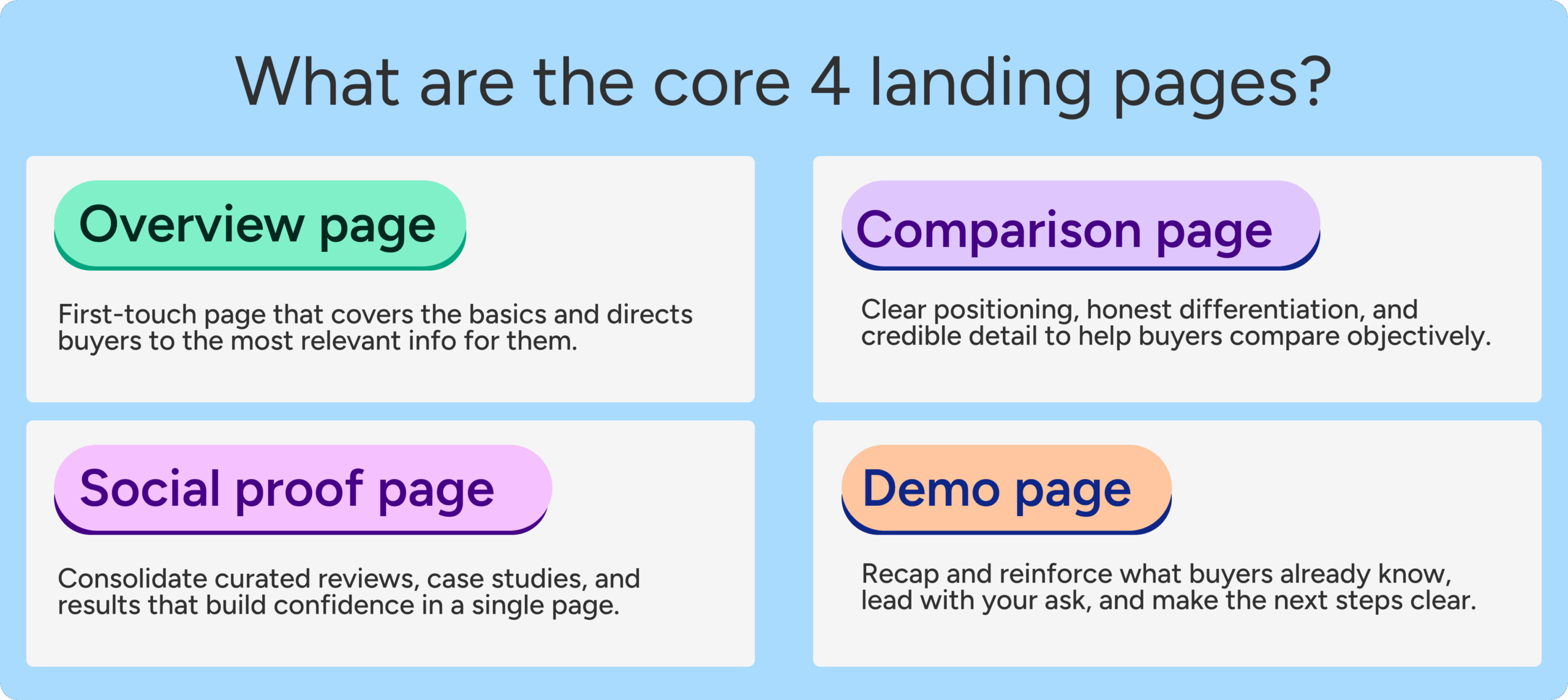
To effectively support the buyer journey, marketers must deploy different types of comparison content based on the user’s intent and stage in the funnel.
1. The Comparison Overview Page
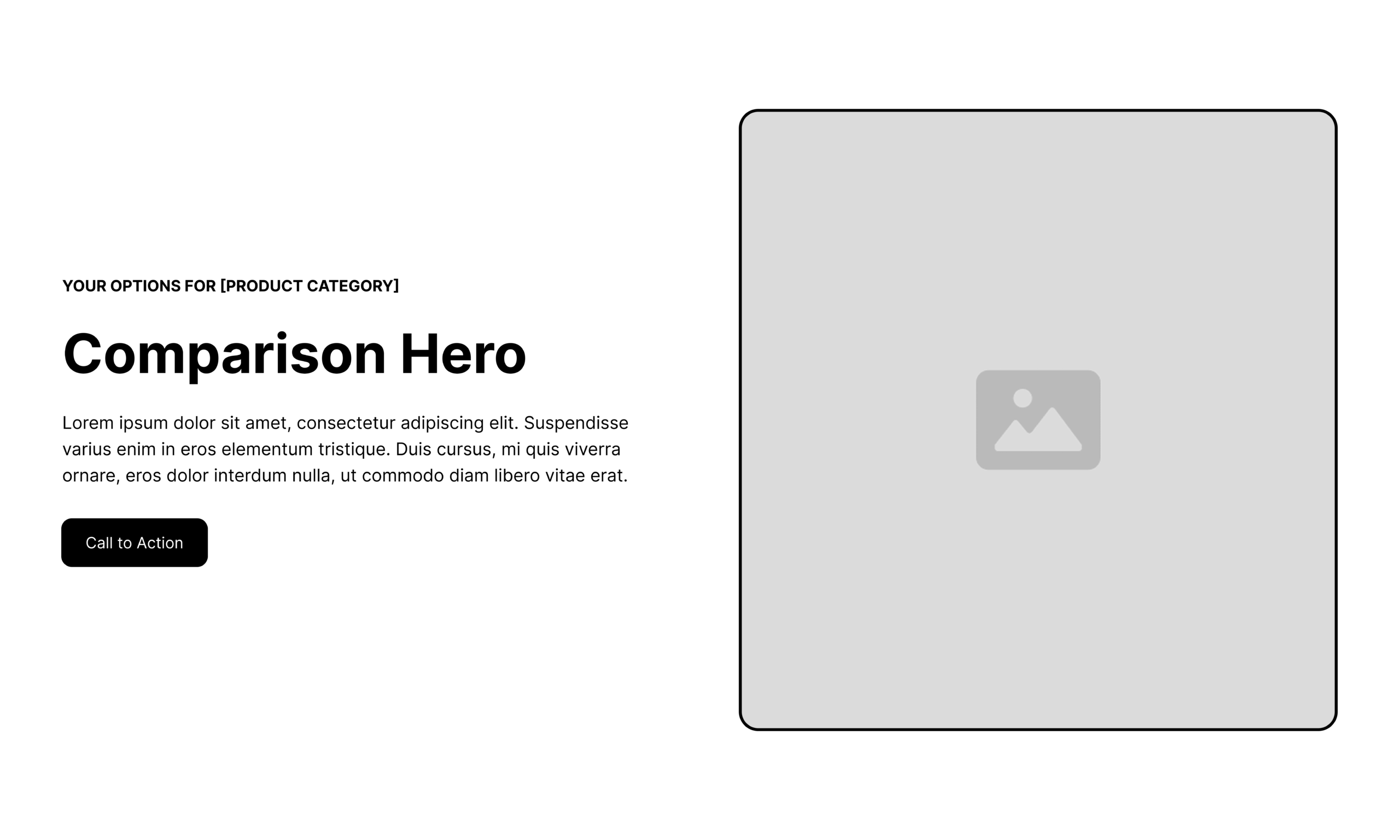
This serves as a high-level map of the category. It answers the fundamental question: "What are my options for solving this problem?" This page is crucial because it addresses the "status quo" competitor, such as manual spreadsheets or internal workarounds. It groups options into categories like "Legacy Systems," "Point Solutions," and "All-in-One Platforms."
2. The One-to-One Matchup
This is the classic head-to-head evaluation. It is most effective for buyers who have already narrowed their shortlist to two finalists. To maintain trust, these pages must use objective language and acknowledge the competitor’s strengths in specific use cases.
3. The Competitor Alternatives Page
Targeting "switcher" traffic, these pages are designed for users who are currently unhappy with a specific incumbent. The messaging focuses on the specific pain points—such as pricing complexity or lack of flexibility—that drive users away from the legacy tool.
Anatomy of a High-Trust Comparison Page
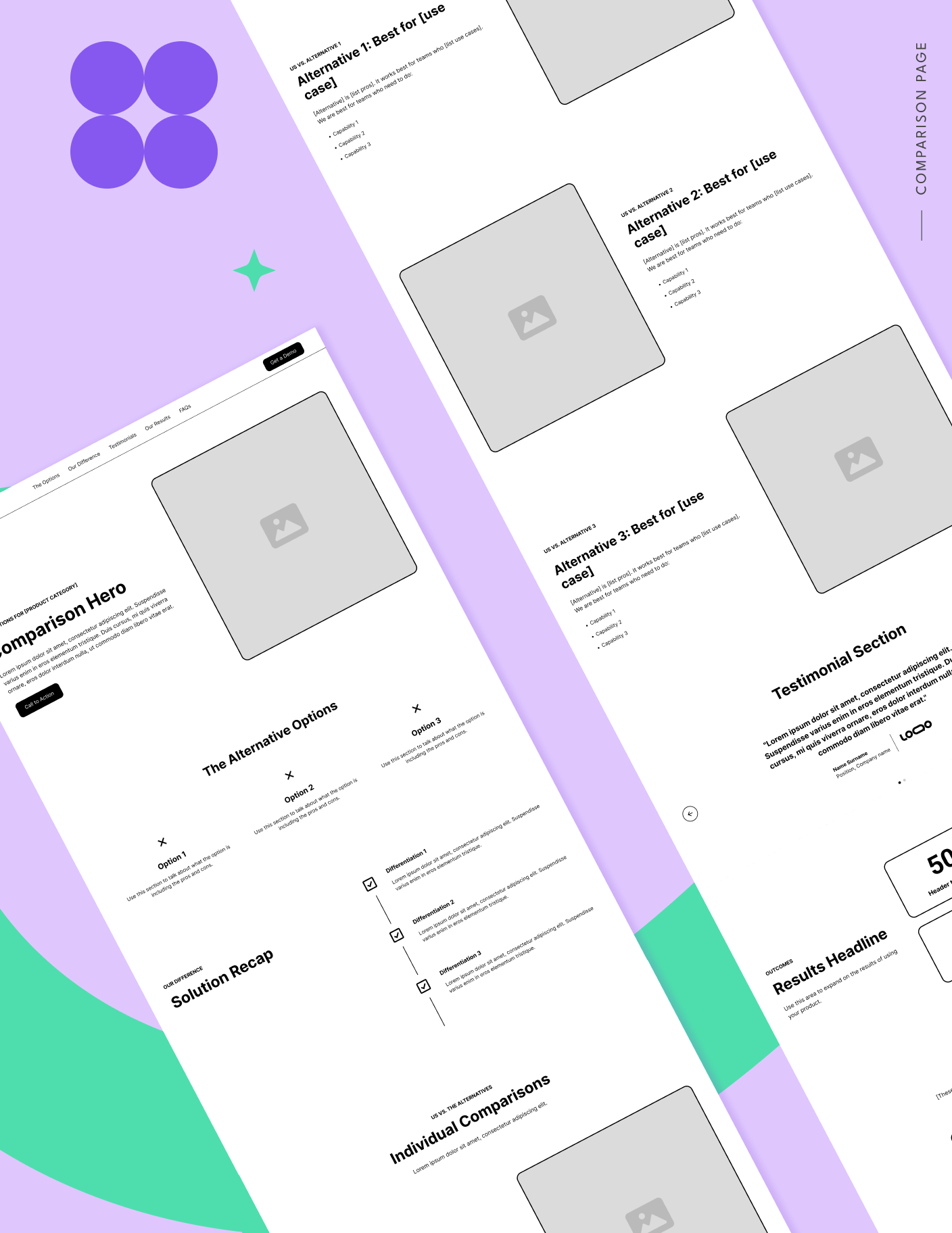
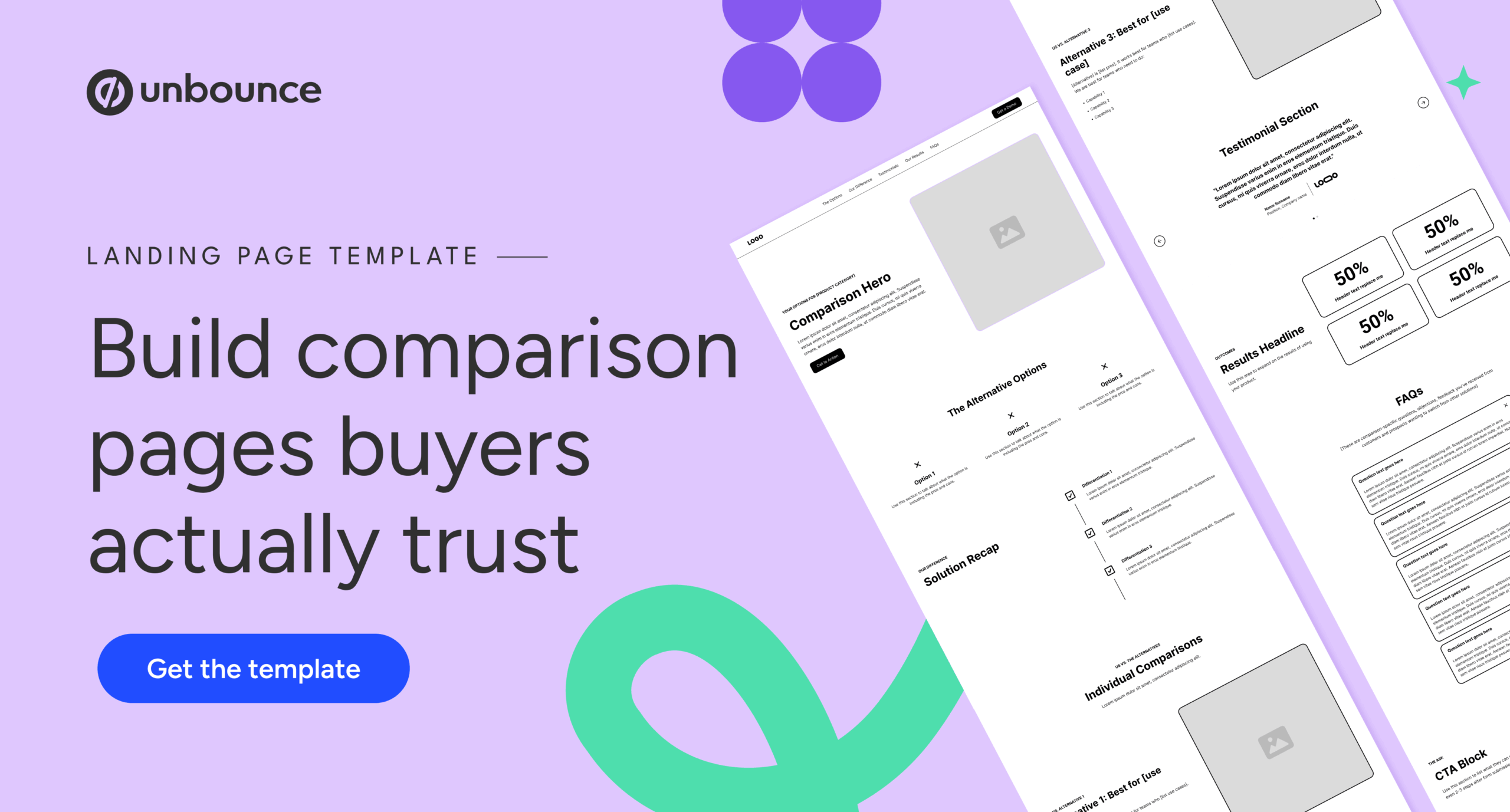
Tas Bober’s framework for a trusted comparison page moves away from the "dead-end" landing page model. Instead, it creates a structured narrative that guides the buyer. Key components include:
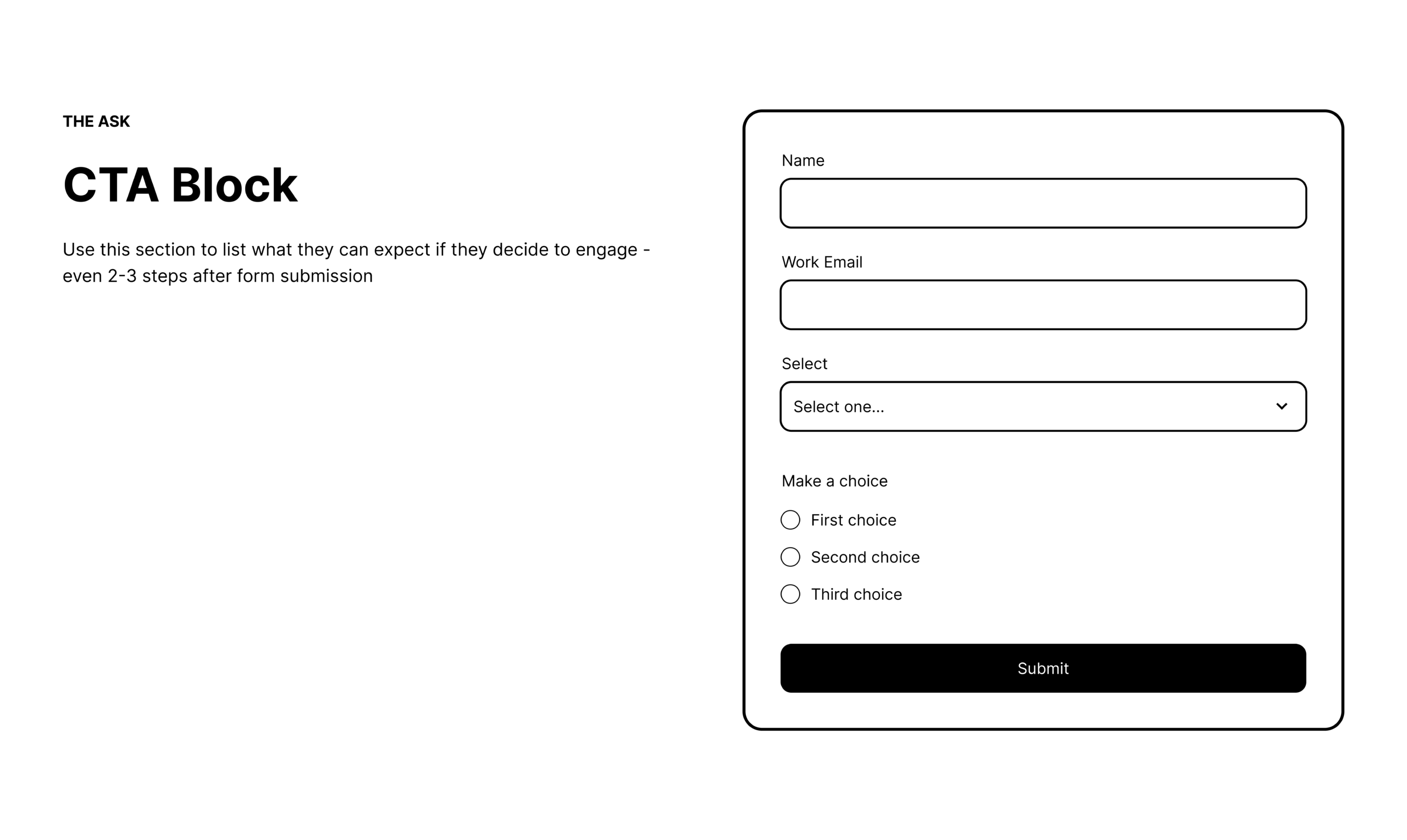
- Intent-Matched Navigation: Modern landing pages should not be "walled gardens." Providing navigation that anchors to specific sections (Pricing, Features, Migration) allows buyers to find the data they need quickly.
- The Guided Hero Section: Instead of a generic "We are better" headline, the hero should frame the decision. For example: "Choosing the right project management tool for your creative agency."
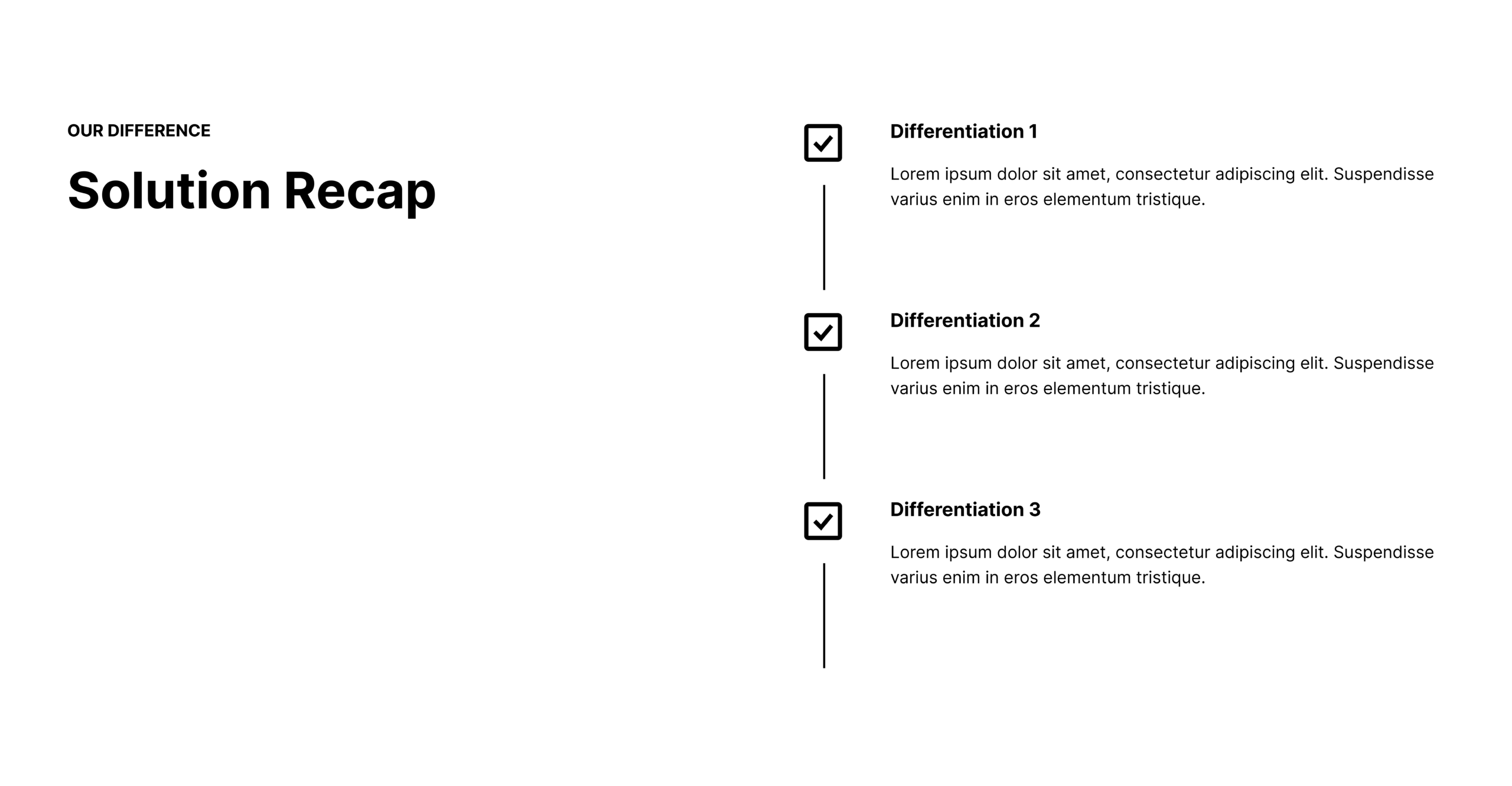
- Objective Differentiation: This section summarizes where the host solution sits in the market. It uses phrases like "If you need X, we are the best fit; if you need Y, [Competitor] might be a better choice."
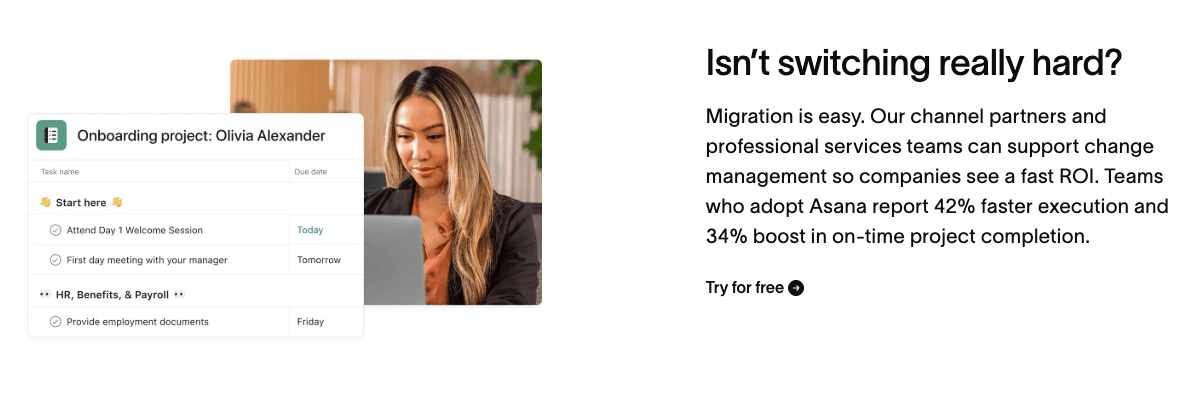
- Migration-Focused FAQ: The biggest barrier to switching software is the fear of data loss and downtime. A trust-based page must address the logistics of the transition.
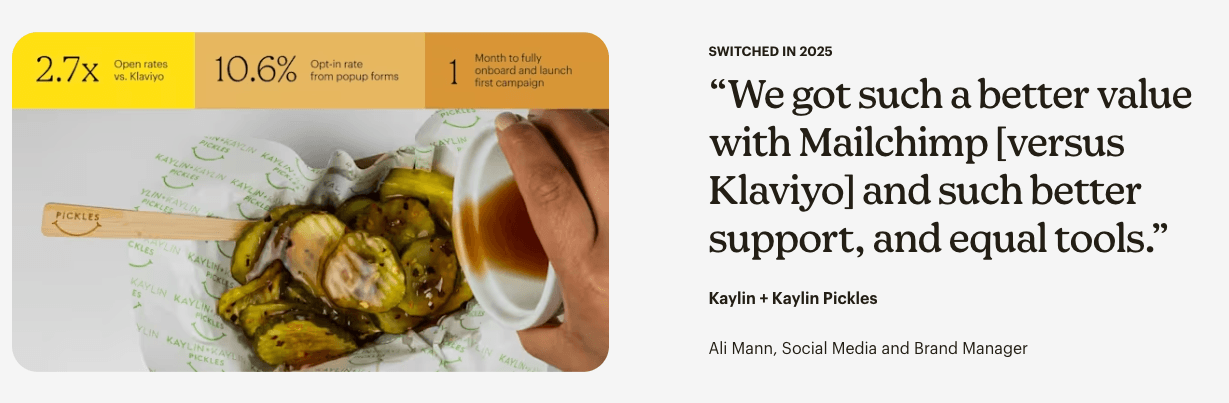
- Proof of Transition: Testimonials should not just be "Great product" quotes. They should specifically feature customers who switched from the competitor being discussed on the page.
Industry Analysis: Case Studies in Integrity
Several B2B leaders have begun implementing these high-trust strategies with measurable success.
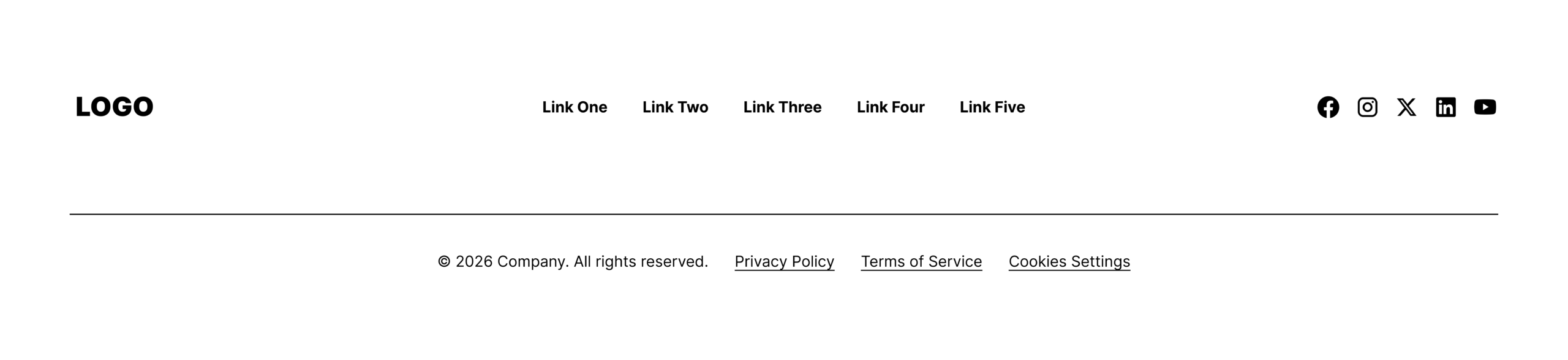
Vidyard vs. Loom: Vidyard’s approach is notable for its use of a "primary focus" table. Rather than just checking boxes, they describe the philosophy of each platform—acknowledging that Loom is built for quick internal communication while Vidyard is optimized for external sales prospecting. This helps the buyer choose based on their specific use case rather than a perceived "winner."

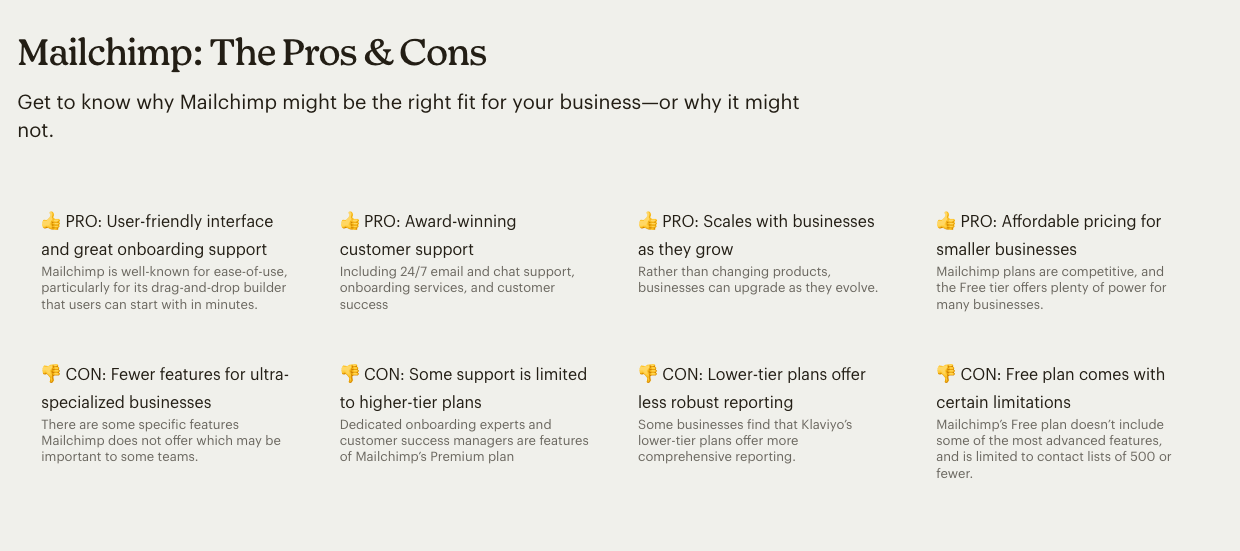
Mailchimp vs. Klaviyo: In a rare display of marketing transparency, Mailchimp’s comparison content has been known to call out its own gaps. By acknowledging that Klaviyo may offer more comprehensive reporting on certain lower-tier plans, Mailchimp builds enough trust to make its own claims about ease of use and integration more believable.
Zendesk vs. Freshdesk: To combat the perception of bias, Zendesk utilized an independent research firm to interview customers who had used both products. By grounding the comparison in third-party data, they removed the "marketing fluff" and provided a more clinical, fact-based evaluation that appeals to enterprise procurement teams.
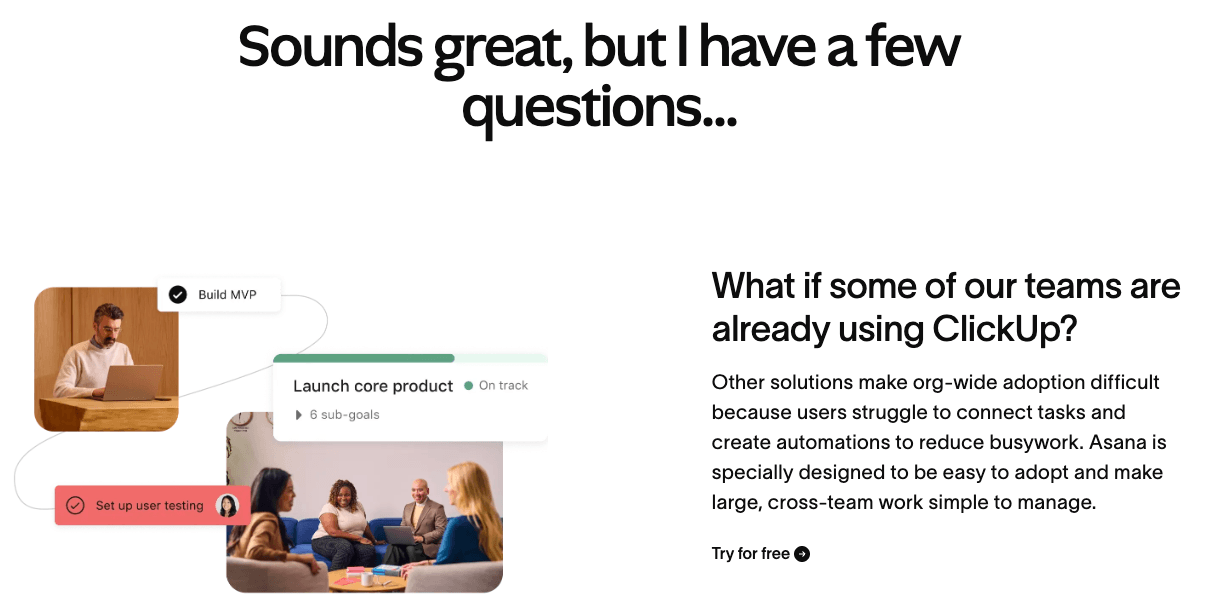
The Role of AI and Search Evolution
The shift toward helpful, objective content is also being driven by technical necessity. Google’s recent "Helpful Content" updates and the rise of Large Language Models (LLMs) like ChatGPT and Perplexity have changed the stakes for SEO. Search engines are increasingly capable of identifying "thin" or overly biased content.
If a comparison page is merely a sales pitch, it is less likely to be cited by AI search engines or ranked in organic results. Conversely, pages that provide structured, objective, and comprehensive data are being treated as authoritative sources. In this sense, "integrity" has become a measurable SEO signal.
Conclusion: The Broader Impact on B2B Growth
The transition to trust-based comparison pages represents a broader maturation of the SaaS industry. As the market becomes more crowded, the companies that win will be those that act as consultants rather than just vendors.
By providing buyers with the tools to make a confident, informed decision—even if that decision occasionally leads them elsewhere—brands build long-term equity. In an era where 80% of B2B buyers say they expect the same level of transparency from a business purchase as they do from a consumer purchase, the "biased feature table" is no longer just a cliché; it is a business risk. The future of SaaS marketing lies in the ability to guide, not just to sell.








