
 rifanmuazin
In the modern software-as-a-service (SaaS) landscape, the moment of user registration is no longer viewed as the conclusion of a marketing campaign but rather as the critical starting point of the customer lifecycle. Industry data indicates that the window for proving a product’s value is remarkably narrow, with significant percentages of users abandoning applications within the first 24 hours if they encounter friction. An onboarding funnel serves as the strategic framework designed to navigate these users from their initial sign-up to a state of "activation"—the point where the user first experiences the core value of the product. By mapping this journey, businesses can identify specific drop-off points, optimize user interactions, and establish a reliable engine for long-term growth and retention.
The Strategic Framework of the Onboarding Funnel
An onboarding funnel is defined as a structured series of steps that track a user’s progress from the initial account creation to full product adoption. Unlike an acquisition funnel, which focuses on top-of-the-funnel lead generation, the onboarding funnel is concerned with activation and early-stage retention. The primary objective is to minimize "time-to-value" (TTV), ensuring that the user achieves their desired outcome before losing interest.
Market analysts suggest that a well-designed onboarding funnel provides several measurable benefits to an organization. These include increased activation rates, where a higher percentage of sign-ups become active users; improved long-term retention, as early success correlates with lower churn; and higher customer lifetime value (CLV). Furthermore, by identifying where users stall, companies can allocate engineering and design resources with surgical precision to the areas of highest impact.

The Chronology of the User Onboarding Journey
While the specifics of an onboarding funnel vary across industries, most successful journeys follow a standardized six-step progression. This sequence is designed to build momentum and psychological commitment through a series of micro-wins.
Step 1: Account Configuration and Workspace Setup
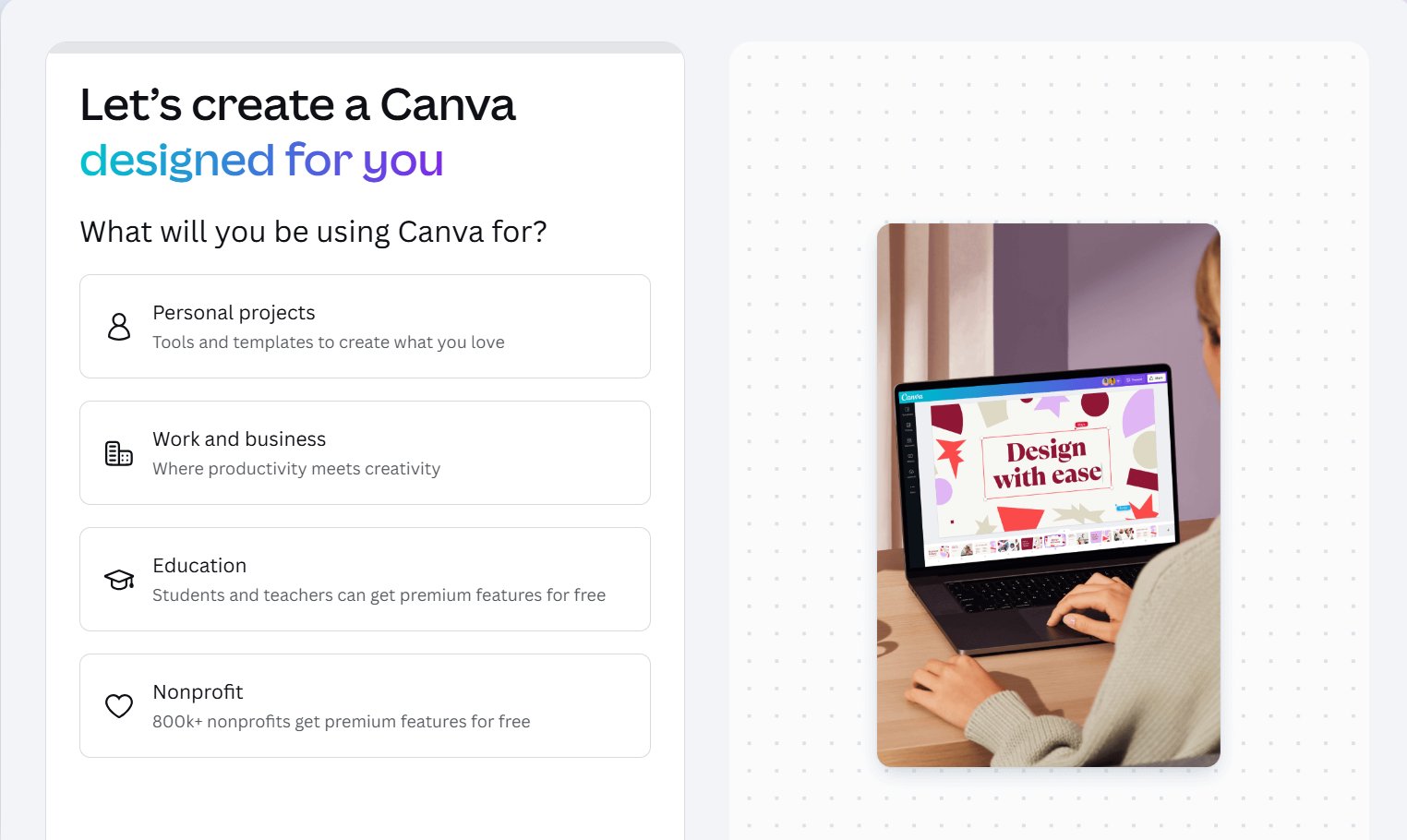
The journey begins with the initial configuration. For complex tools, this may involve creating a workspace, naming a project, or inviting team members. For consumer-facing apps like Canva, this stage involves segmenting the user by asking for their intent—whether for personal use, education, or corporate branding. This segmentation allows the platform to customize the subsequent experience, ensuring the user is not overwhelmed by irrelevant features.
Step 2: Product Education and Guided Exploration
Once the foundation is set, the funnel moves into the education phase. This typically involves interactive tooltips, video tutorials, or "empty state" prompts that guide the user toward key features. The goal is to bridge the gap between logging in and taking the first meaningful action. In high-performing funnels, this stage is often personalized based on the data collected during the setup phase.
Step 3: The Activation Event (The "Aha!" Moment)
The activation event is the most critical milestone in the funnel. It is the specific action that confirms the product’s utility to the user. For a communication tool like Slack, this might be sending a certain number of messages; for an e-commerce platform, it might be listing the first product. This is the moment the user realizes the value proposition is not just a marketing promise but a tangible reality.
Step 4: Core Feature Adoption
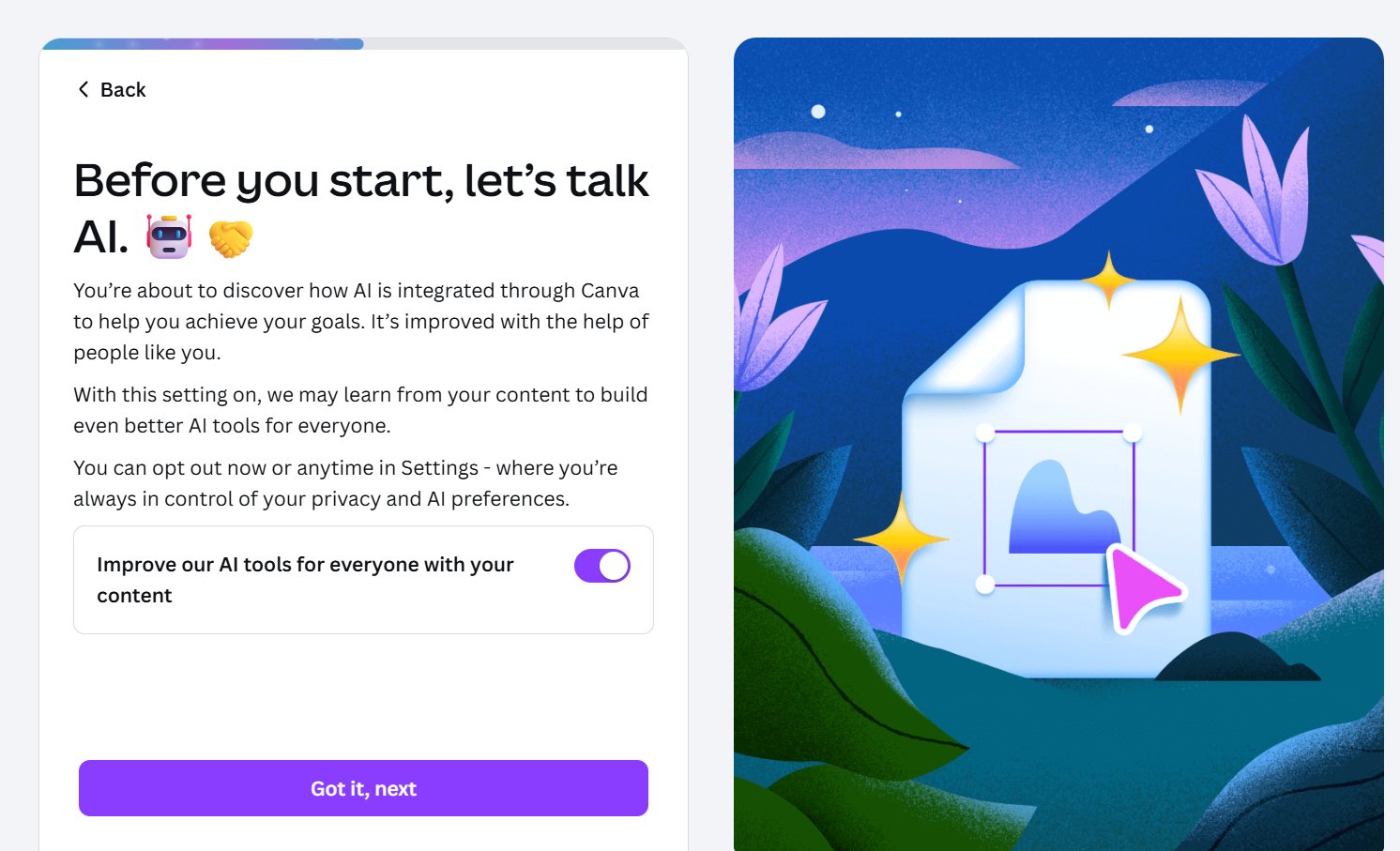
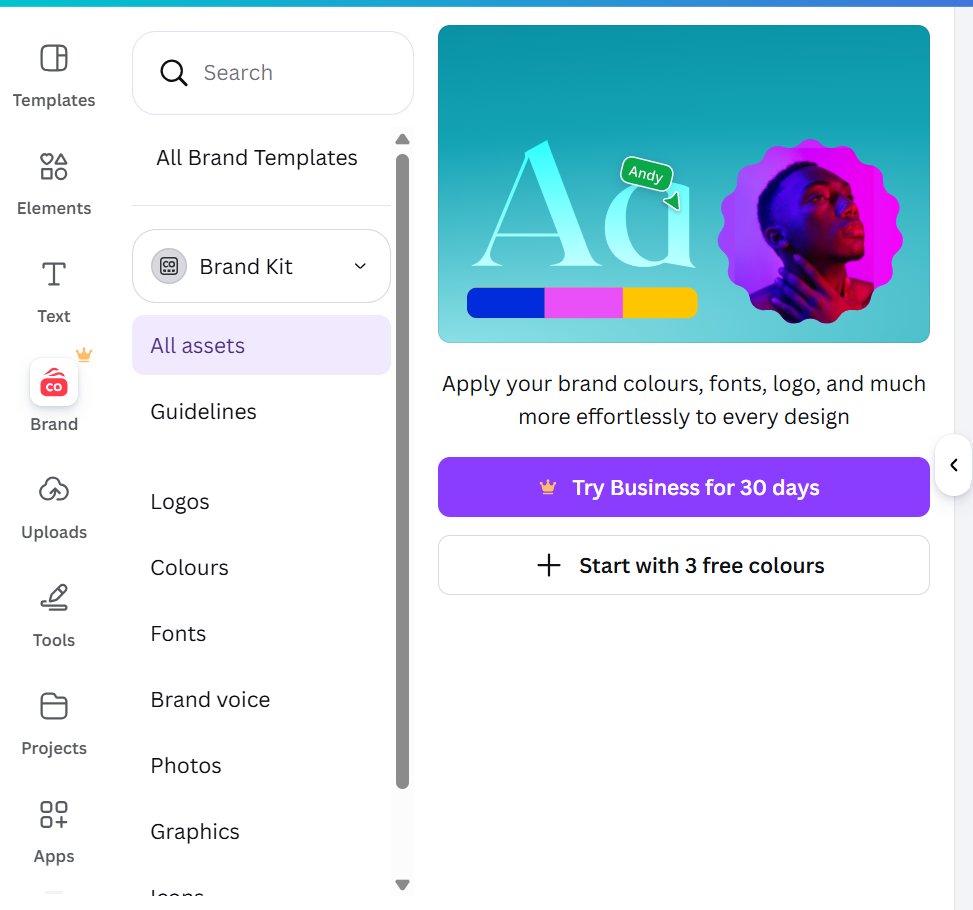
Following the initial activation, the funnel tracks the adoption of secondary but essential features. This stage separates casual explorers from power users. For example, in a design tool, this might involve using an AI-powered editing feature or creating a "Brand Kit" to save custom assets.
Step 5: Habit Formation
Habit formation occurs when the user returns to the product within a defined timeframe, such as seven or thirty days. This indicates that the product has successfully integrated into the user’s workflow or daily routine. At this point, the onboarding process begins to transition into the broader retention phase of the customer journey.
Step 6: Conversion and Long-Term Retention
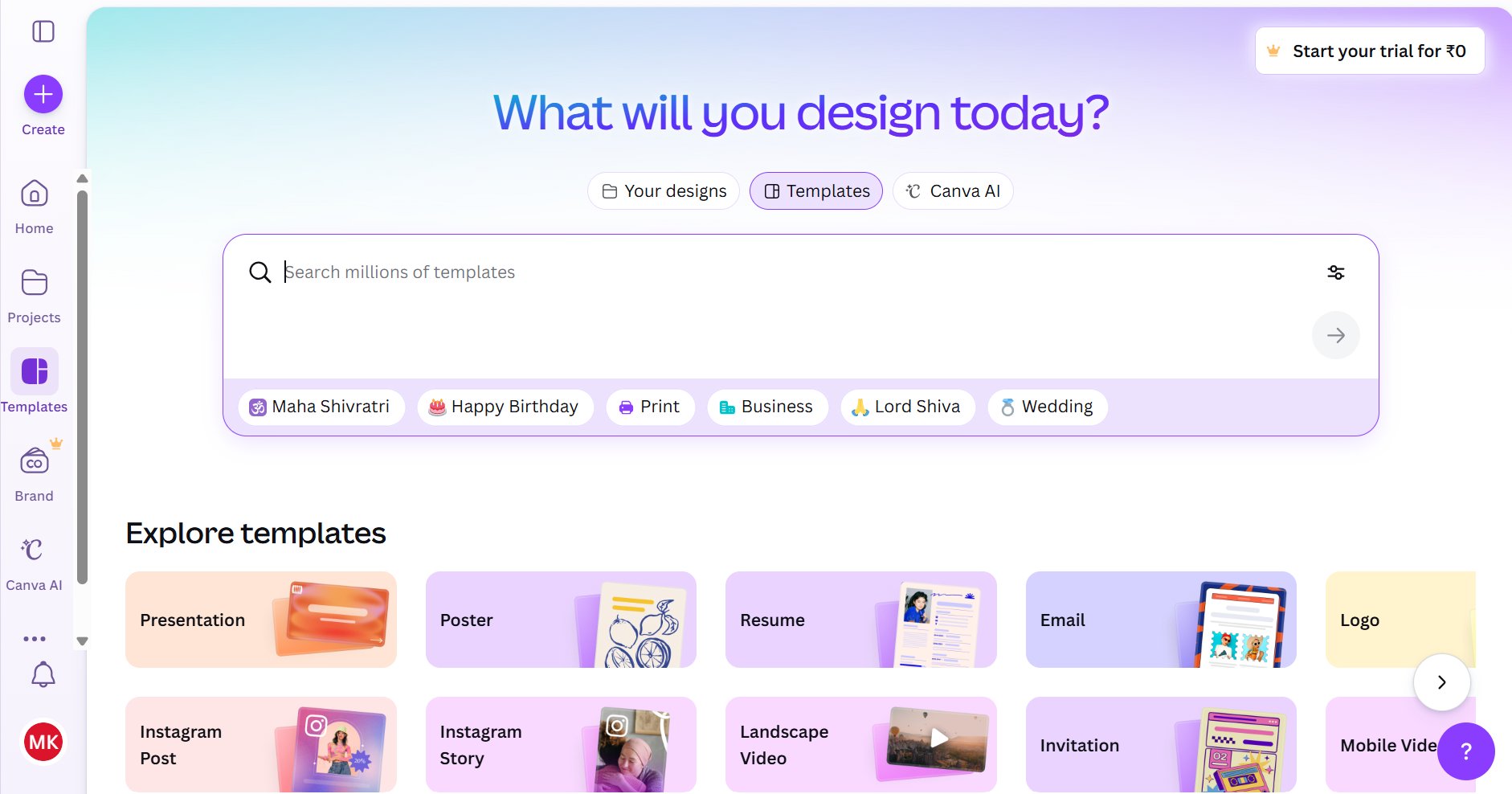
The final stage of the onboarding funnel is often the conversion from a trial or "freemium" user to a paying customer. By prompting users to upgrade at the peak of their engagement—such as after they have successfully completed several projects—businesses can maximize conversion rates.
Data-Driven Analysis and Identification of Friction Points
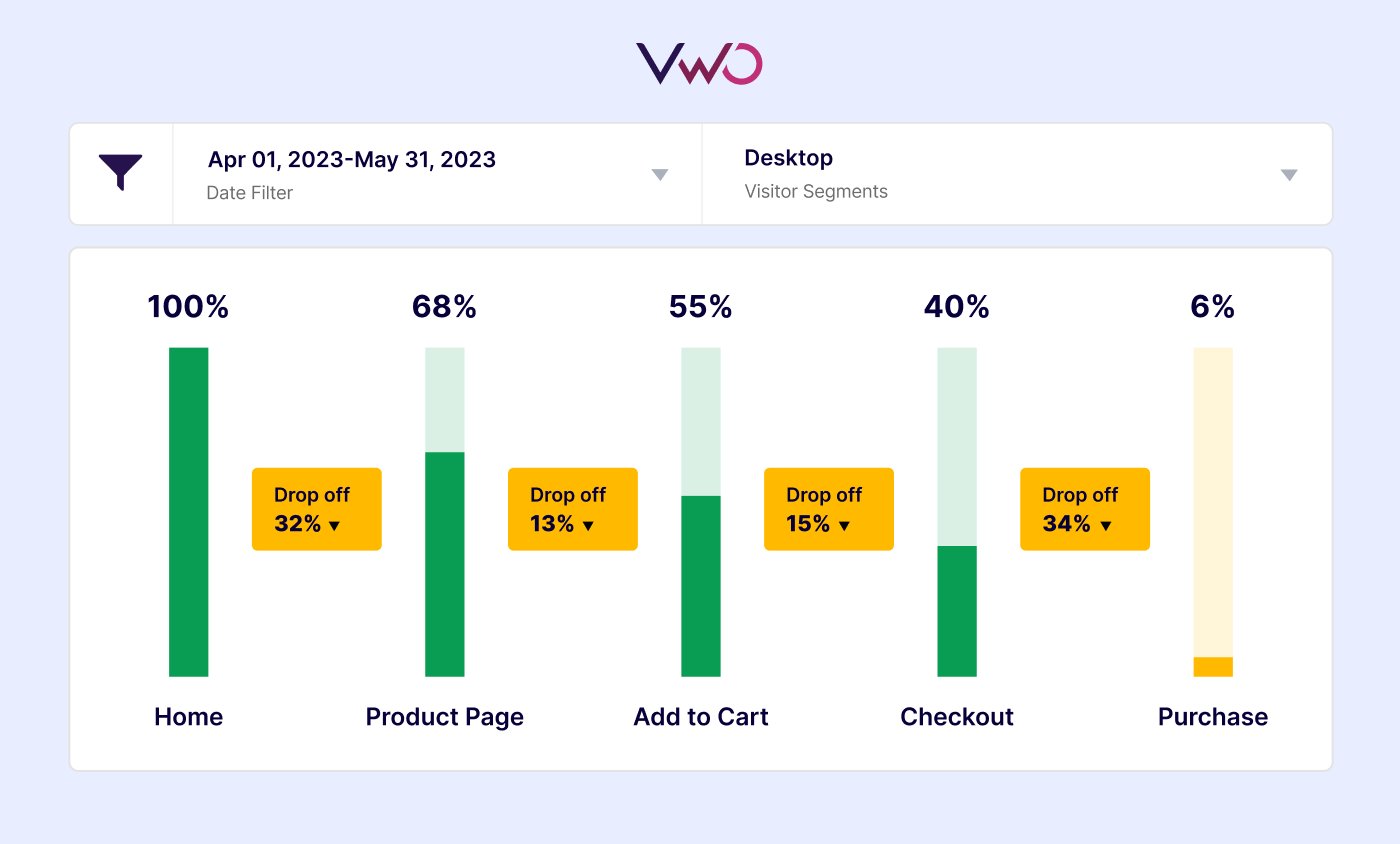
Mapping the funnel is only the first step; the true value lies in rigorous analysis. Quantitative data reveals where users are leaving, while qualitative insights explain why. Organizations often utilize funnel reports to track "stage-to-stage" conversion rates. A significant drop-off between the setup and education phases, for instance, suggests that the initial configuration is too complex or demanding.

Industry leaders, such as David Isaac Mathews, Chief Growth Officer, emphasize the importance of aligning organizational goals around these milestones. "Activation, or the moment of value perception, is crucial as it’s a great point to improve conversion and enhance the performance of all other phases," Mathews stated during a recent industry webinar. He noted that as startups scale, they risk operating in silos, making a unified view of the onboarding funnel essential for cohesive growth.
Case Study Analysis: Vandebron and AURUM
The impact of funnel optimization is evidenced by several high-profile case studies. Vandebron, an energy company, utilized behavioral insights to examine their sign-up process. They discovered that a single "date of birth" field was causing significant friction due to a complex calendar input. By simplifying this one field, the company achieved a 16.3% increase in total sign-ups and reduced field-level drop-offs by 80%.
Similarly, the legal-tech platform AURUM addressed a significant delay in their activation process. For their product Astrea, the key activation moment—processing the first legal clipping—initially took up to 48 hours. This waiting period caused momentum to fade. By redesigning the experience to be more guided and reducing the time-to-value, AURUM saw a 105% lift in activation and a 125% increase in core engagement.
Technical Implementation and Tooling
To effectively manage an onboarding funnel, modern SaaS teams rely on a specialized stack of tools. These are categorized into four primary functions:
- Product Analytics: Platforms like Mixpanel and Amplitude allow teams to track user events and calculate conversion rates between stages.
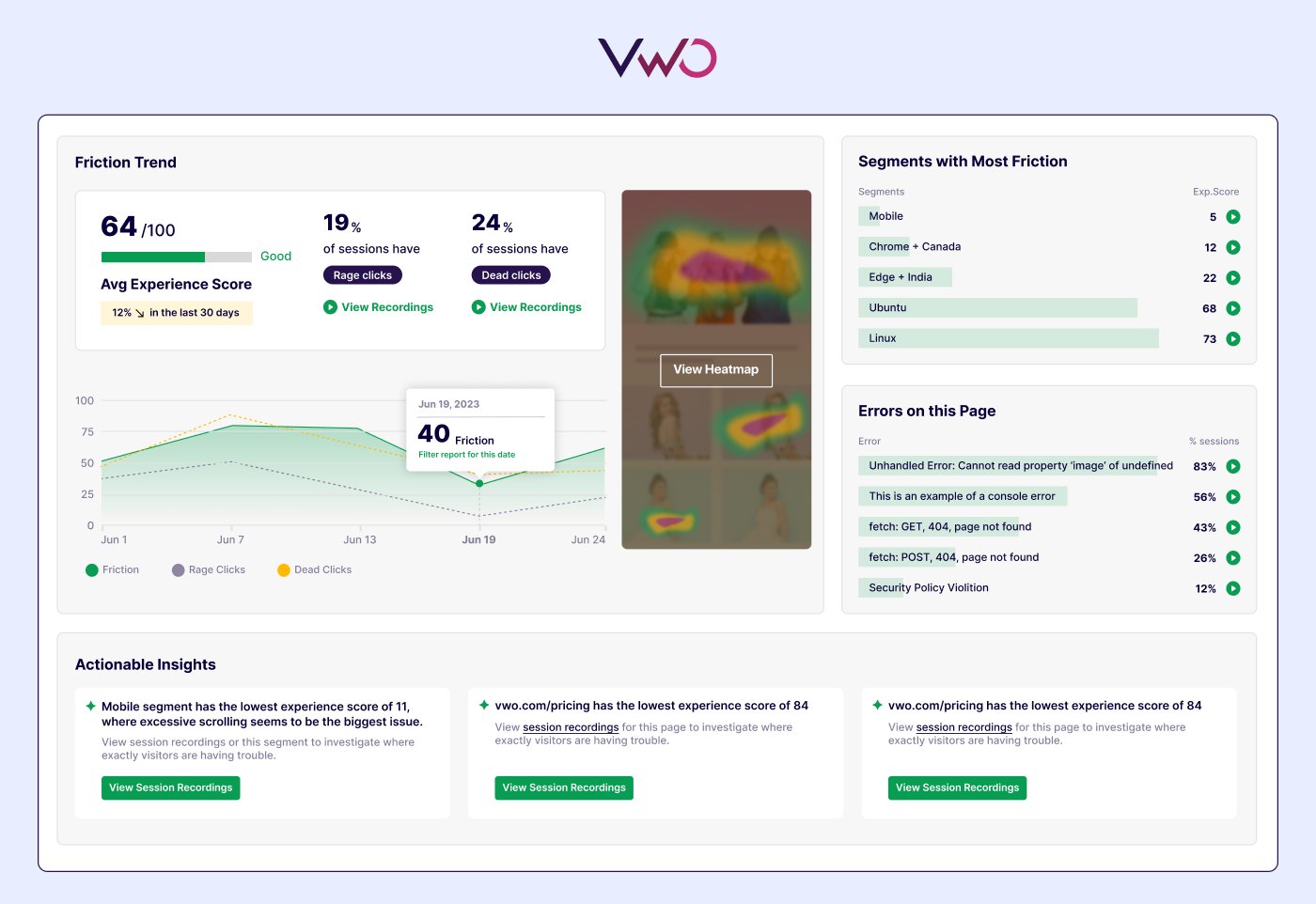
- Behavioral Insights: Tools such as VWO Insights or Hotjar provide heatmaps and session recordings, allowing designers to see exactly where users become confused or frustrated.
- In-Product Guidance: Services like Appcues or Pendo enable the creation of "no-code" walkthroughs and tooltips to guide users through the funnel.
- Experimentation: A/B testing frameworks are essential for validating hypotheses. For every identified friction point, teams should run experiments—such as changing button copy or removing a form field—to measure the direct impact on funnel throughput.
Broader Implications for Market Competitiveness
The optimization of onboarding funnels has broader implications for a company’s financial health. In a saturated market, the cost of customer acquisition (CAC) continues to rise. If a company fails to activate the users it pays to acquire, the "leaky bucket" effect can lead to unsustainable burn rates. Conversely, a high-performing onboarding funnel improves the efficiency of every marketing dollar spent.
Furthermore, the rise of "Product-Led Growth" (PLG) strategies has made the onboarding funnel the primary driver of revenue. In a PLG model, the product must sell itself through the experience. This places the burden of proof entirely on the first few minutes of the user experience. Companies that master this transition—from curiosity to habit—are significantly more likely to achieve market leadership.
Conclusion and Future Outlook
As artificial intelligence and machine learning become more integrated into software, the future of onboarding funnels lies in "hyper-personalization." Future funnels will likely move away from linear paths toward dynamic journeys that adjust in real-time based on user behavior and intent. By leveraging predictive analytics, platforms will be able to anticipate user frustration before it occurs, offering proactive support or alternative paths to value.
In conclusion, the onboarding funnel is not a static set of screens but a living performance system. It requires constant monitoring, hypothesis-driven experimentation, and a deep understanding of user psychology. For businesses looking to build a reliable growth engine, the mandate is clear: identify the activation goal, map the path to reach it, and relentlessly remove every obstacle in the user’s way. Success in the modern digital economy is increasingly determined by who can provide the fastest, most seamless path to value.








