

The holiday shopping season, anchored by the critical Black Friday and Cyber Monday weekend, represents an unparalleled opportunity for businesses, yet its success hinges significantly on the effectiveness of email marketing campaigns. While the frenetic pace of BFCM often captures headlines, consumer purchasing behavior extends well into the final week of December, making every single email send a potential revenue driver. At the core of these campaigns, the subject line stands as the gatekeeper, determining whether an email even gets opened amidst a deluge of competing messages. Industry experts and data consistently affirm that a compelling subject line is not merely a nicety but a strategic imperative, influencing open rates, engagement, and ultimately, sales performance.
The Intensifying Holiday Inbox Battleground
The digital landscape during the holiday season transforms into a crowded bazaar, with consumers’ inboxes receiving hundreds, if not thousands, of promotional emails. This sheer volume elevates the subject line from a simple descriptor to a crucial differentiator. In this hyper-competitive environment, understanding the psychological triggers that prompt a user to click "open" is paramount. It’s a delicate balance of piquing curiosity, conveying value, and establishing relevance in a matter of seconds. Beyond the subject line itself, the entire "inbox envelope" experience—comprising the sender name and preview text—plays a synergistic role. Subscribers often scan sender names first; therefore, clarity and brand recognition are non-negotiable. Utilizing a clear, recognizable brand name, rather than an individual’s name or extraneous keywords, builds immediate trust. Furthermore, verifying an email program with Brand Indicators for Message Identification (BIMI) before the season commences offers a dual advantage: it enhances deliverability by signaling authenticity and prominently displays a verified brand logo next to the subject line, instantly boosting credibility and visibility.
Beyond the Bargain: Crafting Emotional Connections
While the holiday season is undeniably driven by deals and discounts, an over-reliance on aggressive, heavy-handed urgency tactics can prove counterproductive. Phrases like "LAST CHANCE" or "This deal ends soon!" become ubiquitous during BFCM, leading to subscriber fatigue and desensitization. Savvy consumers are increasingly aware that another promotion is often just around the corner. This tactical saturation risks eroding brand connection, replacing it with a transactional-only relationship. Instead, leaning into elements of whimsy, storytelling, or genuine value creation can foster a more positive emotional bond.
The focus should extend beyond mere transactional offers to remind subscribers why they engaged with the brand in the first place. By weaving a narrative that resonates with the brand’s core values or the spirit of the season, marketers can transcend the noise of pure discounting. For instance, highlighting the craftsmanship behind a product, the joy it brings as a gift, or the sustainable practices of a company can create a deeper connection than a simple percentage off. This approach aligns with broader trends in consumer behavior, where purpose and brand affinity increasingly influence purchasing decisions, especially during a season focused on giving.
The Nuances of Personalization During Gift-Giving Season
Traditional personalization, often lauded for its ability to significantly boost engagement and revenue (with some marketers reporting a 20% increase after implementing personalized subject lines and segmented campaigns driving 760% more revenue than unsegmented ones), requires a thoughtful adaptation during the holidays. A key insight, as highlighted by email marketing expert Chad S. White, is that holiday shoppers frequently purchase for others. This shifts the utility of typical zero- and first-party data, as a subscriber’s past purchase history or stated preferences might not directly inform their gift-giving needs. While basic "first name" personalization remains a pleasant touch, its impact on gift-oriented sends might be attenuated. In such scenarios, broader gift-giving language or phrases like "just for you" (even if not strictly personalized to individual preferences) can serve as effective substitutes.
However, this doesn’t diminish the overall power of segmentation. Tailoring subject lines and content to distinct audience segments—such as loyal customers, first-time buyers, or those who have shown interest in specific product categories—can still yield substantial returns. For example, a segment of customers known for purchasing children’s toys could receive subject lines focused on "gifts for little ones," while another segment might see "luxurious gifts for her." The key is to adapt personalization strategies to the unique context of holiday shopping, understanding that the recipient of the gift, not always the email subscriber, is the ultimate target.
Strategic Best Practices for High-Impact Subject Lines
Regardless of the specific promotional angle, several fundamental best practices underpin successful holiday email subject lines:
- Conciseness is King: In a rapidly scanned inbox, brevity is crucial. Aim for subject lines of no more than nine words and approximately 60 characters. This ensures optimal visibility across diverse email clients and mobile devices, where truncated subject lines can obscure vital information.
- Strategic Personalization: While the gift-giving context requires nuance, leveraging personalization where data is genuinely relevant (e.g., past self-purchases, loyalty program status) continues to drive superior performance.
- Robust Segmentation: Dividing your email list into meaningful segments allows for highly targeted messaging. This precision ensures that each recipient receives an offer or message that aligns with their likely intent, whether they are shopping for themselves, family, or friends.
- Genuine Urgency and Intrigue: While avoiding "cry wolf" tactics, authentic urgency (e.g., "Ends Tonight," "Limited Stock") or intriguing questions can effectively spark FOMO (Fear Of Missing Out). The emphasis must be on genuine scarcity or time-sensitivity, not manufactured pressure.
A Phased Approach: Chronology of Holiday Email Campaigns
Effective holiday email marketing unfolds across a carefully orchestrated timeline, requiring different subject line strategies at each stage:
- Pre-Season Teasers (Early November): Deals often begin to surface as early as November 1st. Brands can capitalize on this by generating anticipation with "early access" or "something’s coming" messages. These subject lines prime subscribers, encouraging them to actively look out for upcoming promotions amidst the eventual inbox flood. Examples: "Get Ready! Our Holiday Sale Starts Soon," "Exclusive Early Access: Be the First to Shop."
- Black Friday/Cyber Monday (BFCM) Lead-up and Live: This period demands front-loading critical information. Subject lines should clearly state the offer, discount percentage, or unique selling proposition. The competition is fierce, so differentiation is key. Overused phrases and generic AI-generated clichés should be avoided in favor of creative, brand-specific messaging. Emojis, when used sparingly and appropriately, can enhance visibility but should never replace words for accessibility reasons. Examples: "Black Friday Starts NOW! Up to 50% Off Everything," "Cyber Monday Madness: Don’t Miss These Deals!"
- Mid-December: Gift-Giving Focus: As BFCM subsides, the focus shifts squarely to gifting. Subject lines should address common gift-giving dilemmas, offering solutions, curated guides, and highlighting shipping deadlines. Emotional appeals related to joy, thoughtfulness, and convenience become more potent. Examples: "Find the Perfect Gift for Everyone on Your List," "Last Day for Standard Shipping: Gifts Still Guaranteed!"
- Last-Minute Shopping (Week Before Christmas): This segment targets procrastinators. Urgency is genuinely high, but the messaging should offer clear solutions like expedited shipping, e-gift cards, or local pickup options. Examples: "Still Shopping? E-Gift Cards Deliver Instantly!," "Your Last Chance for Christmas Delivery!"
- Post-Holiday Sales (Late December/Early January): After the main gift-giving rush, many consumers are experiencing "gift fatigue" or looking for deals for themselves with gift cards. Subject lines should balance attention-grabbing offers with a slightly more restrained tone, perhaps focusing on clearance or self-indulgence. Examples: "Treat Yourself: Shop Our Post-Holiday Sale," "New Year, New Arrivals & Last Chance Deals!"
The Unseen Guardian: Deliverability’s Critical Role
Even the most meticulously crafted, psychologically astute subject line is rendered useless if the email never reaches the intended inbox. Deliverability—the ability for an email to bypass spam filters and land in the primary inbox—is as critical as the message itself. During peak seasons, email service providers (ESPs) and mailbox providers (MBPs) become particularly vigilant, scrutinizing sender reputation more closely due to the exponential increase in email volume and potential for spam.
A poor sender reputation signals to MBPs that a sender might be a spammer, leading to emails being flagged, quarantined, or outright blocked. This creates a compounding problem: more emails landing in spam folders further damages reputation, leading to even more spam placements, directly impacting email ROI. Factors influencing deliverability include sender IP reputation, domain reputation, engagement rates (opens, clicks), spam complaint rates, and technical authentication protocols like SPF (Sender Policy Framework), DKIM (DomainKeys Identified Mail), and DMARC (Domain-based Message Authentication, Reporting & Conformance).
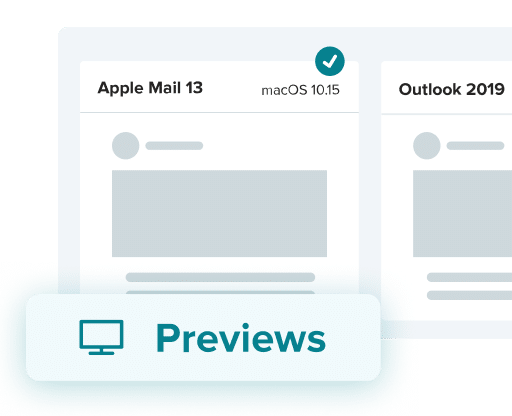
Managing deliverability effectively demands specialized expertise and robust technological solutions. Platforms like Validity Engage, for instance, offer tools for testing, monitoring, and optimizing email programs. They allow marketers to preview how emails will appear across 100+ email clients, catch errors like Dark Mode misses, ensure accessibility, and, crucially, monitor their sender reputation and inbox placement rates. Neglecting deliverability can nullify all efforts invested in crafting compelling subject lines, leading to missed sales opportunities and a diminished brand presence during the most lucrative time of the year.
Conclusion: A Holistic Approach to Holiday Email Dominance
The holiday shopping season is a defining period for retailers, with email marketing remaining a cornerstone of their promotional strategies. Success in this crowded arena is not accidental; it is the result of a meticulously planned, multi-faceted approach. While the subject line is undeniably the initial point of engagement, its efficacy is deeply intertwined with a broader strategy that encompasses the entire inbox experience, thoughtful psychological considerations, precise segmentation, and an unwavering commitment to email deliverability. Brands that invest in understanding these dynamics, creatively adapt their messaging, and diligently manage their email infrastructure will be best positioned to cut through the holiday clutter, connect with consumers, and convert festive cheer into sustained revenue growth. As the digital shopping landscape continues to evolve, the art and science of the email subject line will only grow in importance, demanding continuous innovation and strategic refinement.








