

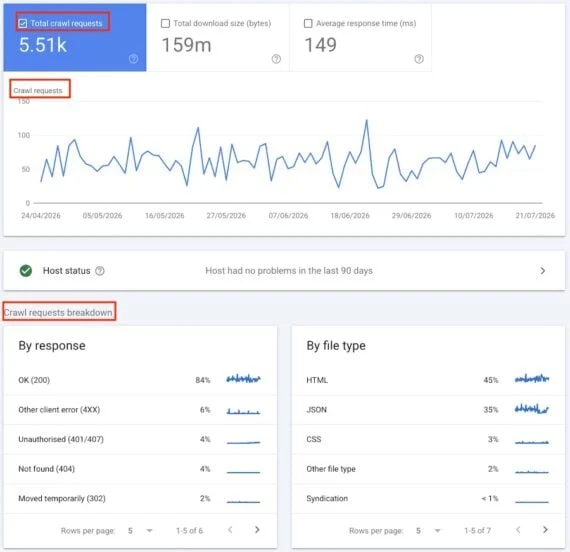
Google has recently refreshed its comprehensive "Crawling infrastructure" documentation, introducing a pivotal new section titled "Optimize your crawl budget." This update provides website owners with actionable strategies to enhance the discoverability of their pages by Google’s web crawlers, known as Googlebot. The imperative to understand and manage crawl budget stems from the fundamental requirement that pages must be successfully crawled and processed by Google to be included in its vast index and subsequently appear in search engine results pages (SERPs).
The introduction of a "crawl budget" concept acknowledges the immense scale of the global internet and the finite resources Google dedicates to crawling. For websites, a well-organized and technically sound structure is paramount. A poorly optimized site can lead to extended crawling times, inefficient use of Googlebot’s resources, and ultimately, a reduced number of indexed pages, directly impacting a website’s potential to reach a wider audience. This revision signifies Google’s ongoing commitment to assisting webmasters in presenting their content effectively to its search engine.
The new guidelines offer several key takeaways designed to help websites maximize their crawl budget and, by extension, their search visibility. These recommendations underscore a multi-faceted approach, encompassing site architecture, content freshness, technical performance, and link equity.
Understanding the Crawl Budget: A Dynamic Allocation
Google’s approach to crawl budget is not static; it’s a dynamic allocation of resources influenced by numerous factors. The newly updated documentation clarifies that every new website initially receives a "conservative" crawl budget. This cautious approach ensures that Googlebot can comprehensively cover the essential content of a new site without inadvertently overwhelming the website’s servers, a crucial consideration for both new and established businesses.
The Evolution of a Crawl Budget
As a website matures and demonstrates consistent activity, its crawl budget can naturally expand. Googlebot is designed to recognize signs of a healthy and active website. The frequency of Googlebot’s return visits is significantly influenced by the site’s size and the regularity of its updates. Websites that consistently add new content or update existing information, particularly when these updates are effectively communicated through mechanisms like XML sitemaps, are more likely to see their crawl budgets increase over time.
This principle is particularly relevant for e-commerce platforms and content-driven sites. For instance, a retailer launching new products might find it more beneficial to gradually introduce inventory rather than a large batch all at once. Instead of releasing 100 new product pages on a single day, a strategy of adding approximately three new products per day over a month could lead to more consistent crawling and better integration into Google’s index. Similarly, blogs and news sites that publish content regularly and ensure these new articles are discoverable will foster a stronger relationship with Googlebot.
Performance as a Catalyst for Crawling
Website performance, specifically load time, has long been recognized as a critical factor in search engine optimization, and this continues to be a cornerstone of crawl budget optimization. Googlebot, like any user, benefits from faster loading pages. Websites that exhibit superior performance are generally crawled more efficiently. The updated documentation reinforces this, advising webmasters to diligently monitor their site’s performance metrics and actively pursue improvements in speed. Tools like Google PageSpeed Insights and other performance testing utilities can provide valuable diagnostics for identifying and rectifying speed bottlenecks. A faster website not only enhances user experience but also allows Googlebot to process more pages within a given timeframe, effectively increasing the amount of content that can be crawled.
The Influence of Authority and Popularity
The concept of page authority, often correlated with the number and quality of inbound links, plays a significant role in crawl frequency. Googlebot prioritizes crawling pages that are perceived as more important or authoritative. Pages that attract a substantial number of inbound links, both from external reputable sources and through effective internal linking strategies within the website itself, are likely to be crawled more frequently. This is because a high volume of links suggests that a page is a valuable resource, worthy of repeated visits from the search engine’s bots.
Strategies for Enhancing Crawl Frequency and Speed
Beyond the fundamental principles, the documentation hints at other methods that can significantly boost crawl frequency and efficiency. While the specific techniques were not fully enumerated in the provided excerpt, common industry best practices that align with these goals include:
- Optimized Site Navigation and Internal Linking: A logical and intuitive site structure, supported by a robust internal linking strategy, helps Googlebot discover new and updated content efficiently. Well-placed internal links act as signposts, guiding the crawler through the website’s hierarchy.
- Clear URL Structures: Simple, descriptive, and consistent URL structures make it easier for both users and search engines to understand the content of a page.
- Effective Use of Robots.txt: While a crucial tool for controlling crawler access, the robots.txt file must be configured correctly. Overly restrictive directives can inadvertently block important pages from being crawled.
- Minimizing Redirect Chains: Excessive redirects can slow down the crawling process and may lead to link equity dilution. Streamlining redirects is essential for efficient crawling.
- Structured Data Markup: Implementing schema markup can help Google understand the content of a page more effectively, potentially leading to richer search results and improved crawl prioritization.
- Regular Content Audits: Periodically reviewing content for outdated or low-quality pages can help eliminate "crawl waste," allowing Googlebot to focus on more valuable content.
The Nuances of URL Caching: A Cautionary Note
A particularly interesting addition to the guidelines is the recommendation regarding "URL caching," specifically the support for 304 (Not Modified) HTTP status codes. This recommendation suggests that if a page has not changed since its last crawl, returning a 304 code signals Googlebot to reuse its cached version. This can indeed save server bandwidth and resources for both the website owner and Google.
However, the practical application of this recommendation warrants careful consideration. While technically sound for static or rarely updated content, applying 304 codes indiscriminately could have unintended consequences for page visibility. For instance, flagging pages like expired product listings or static policy pages as "not modified" might signal to Google that they are less dynamic or relevant. In some scenarios, this could potentially impact a page’s ranking or even its status within Google’s index if the search engine interprets the consistent 304 response as a sign of stagnation. Therefore, a nuanced approach, reserving 304 responses for content that is genuinely static and not critical for dynamic SERP performance, is advisable.
The Impact on Search Engine Optimization
The emphasis on crawl budget optimization underscores a critical evolution in how search engines interact with websites. It moves beyond simply indexing pages to a more resource-aware approach. For website owners, this means that technical SEO is no longer just about satisfying a checklist of requirements; it’s about actively managing the relationship with Googlebot and ensuring that valuable content is discovered and prioritized.
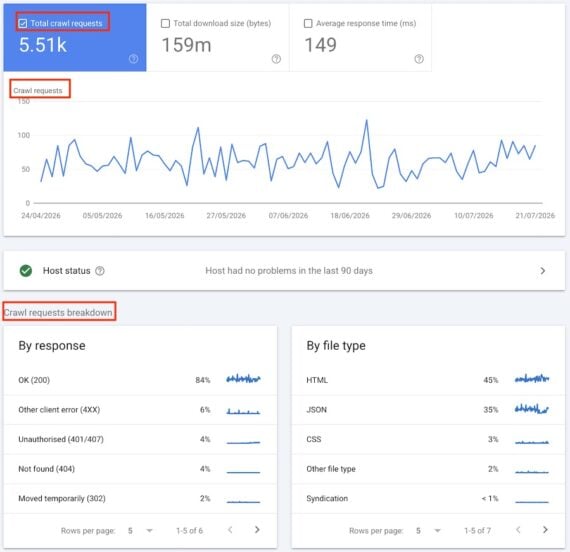
The inclusion of this detailed guidance in Google’s official documentation is a clear signal to webmasters that investing in site performance, logical structure, and content freshness directly translates into tangible benefits for search visibility. As the digital landscape continues to expand, effectively managing the crawl budget will become an increasingly vital component of a successful SEO strategy. Websites that proactively implement these recommendations are likely to see improved indexing rates, more frequent content updates reflected in search results, and ultimately, a stronger presence in Google’s search ecosystem. The "Crawl stats" report within Google Search Console will be an indispensable tool for website owners to monitor their crawl budget and identify any potential issues that may be hindering their discoverability.








