Google may have initiated an unconfirmed search ranking algorithm update on Friday, June 19th, 2026, with initial observations and community discussions suggesting a disproportionate impact on websites employing “black hat” SEO tactics. While most third-party search volatility tracking tools exhibited relatively stable readings, a significant surge in discussions within black hat SEO forums, contrasted with more moderate chatter in white hat communities, points to a targeted adjustment rather than a broad core update. This potential rollout follows a period of heightened algorithmic activity throughout late May and early June, keeping the SEO industry on high alert for shifts in search visibility.

The Dynamic Landscape of Google Search Algorithms
Google’s search algorithm is a complex and constantly evolving system designed to deliver the most relevant and high-quality results to users. To achieve this, Google frequently deploys updates, ranging from minor, unconfirmed tweaks to significant “core updates” that reshape the ranking landscape. These updates are integral to Google’s mission to combat spam, demote low-quality content, and reward websites that genuinely serve user intent and adhere to ethical SEO guidelines.
SEO practices are broadly categorized into “white hat” and “black hat.” White hat SEO encompasses ethical, long-term strategies that comply with Google’s Webmaster Guidelines, such as creating valuable content, building natural backlinks, and optimizing for user experience. In contrast, black hat SEO involves manipulative tactics designed to trick search engines into ranking a site higher, often at the expense of user experience and search quality. Examples include keyword stuffing, cloaking, spamming links, and using private blog networks (PBNs). Google’s ongoing battle against such manipulative practices often manifests in updates that specifically target and penalize sites employing these methods. The perceived impact of the June 19th update on black hat communities aligns with Google’s historical commitment to maintaining a clean and trustworthy search environment.
A Recent History of Algorithmic Volatility
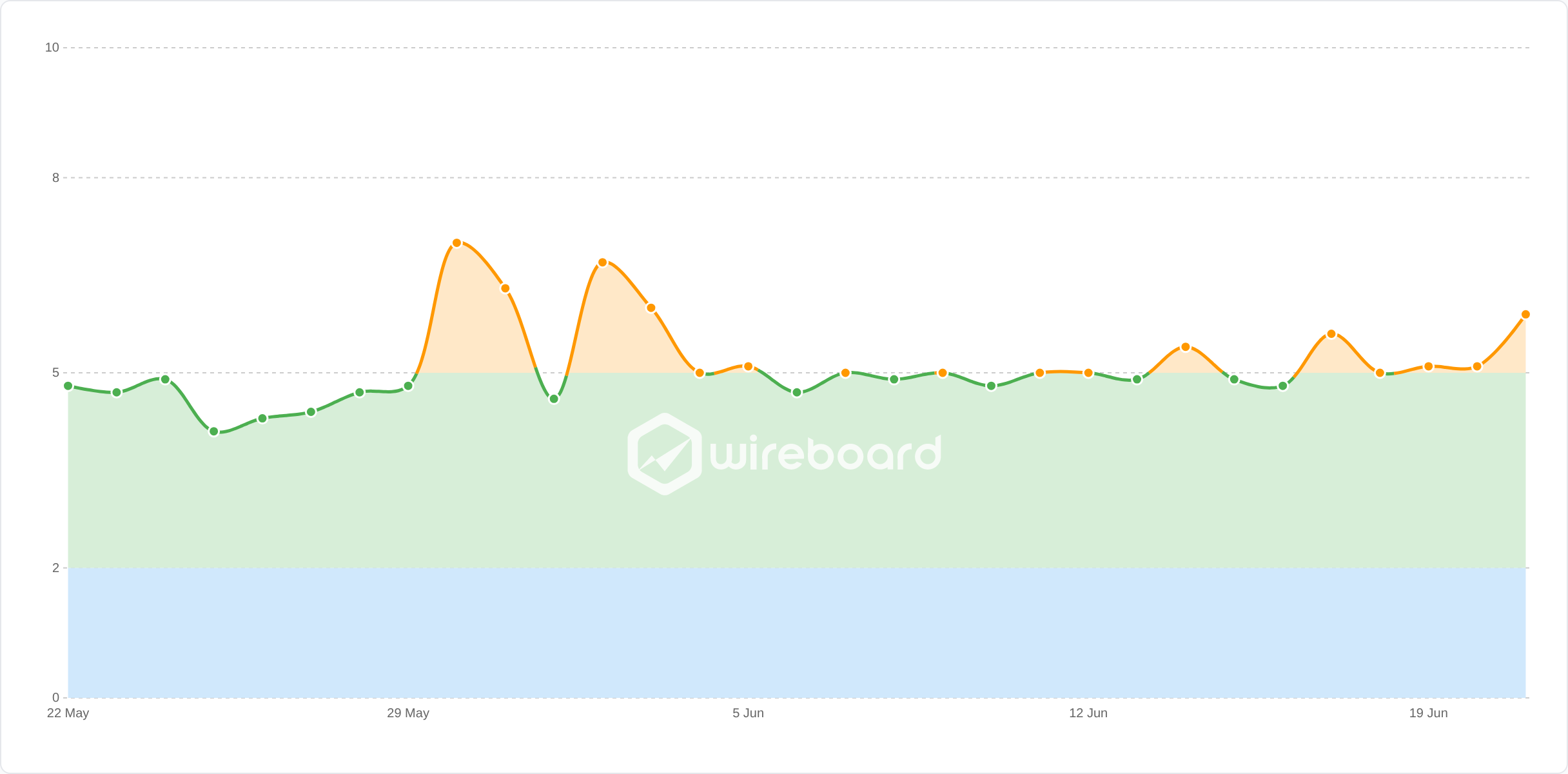
The digital marketing community has experienced a particularly turbulent period leading up to the suspected June 19th update. This recent activity provides crucial context for understanding the current shifts. Just the week prior, search ranking volatility was observed across various industries, prompting discussions among webmasters. Before that, another period of noticeable ranking fluctuations occurred between June 8th and June 12th, signaling Google’s continuous adjustments.
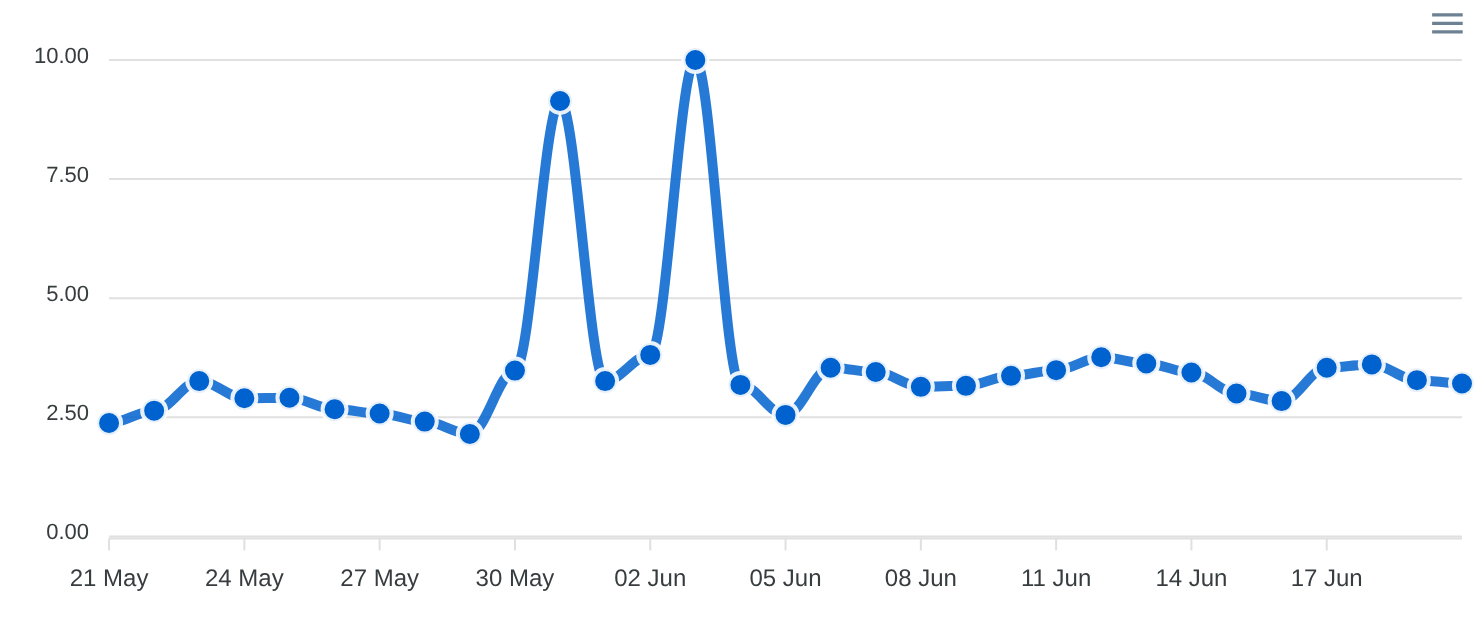
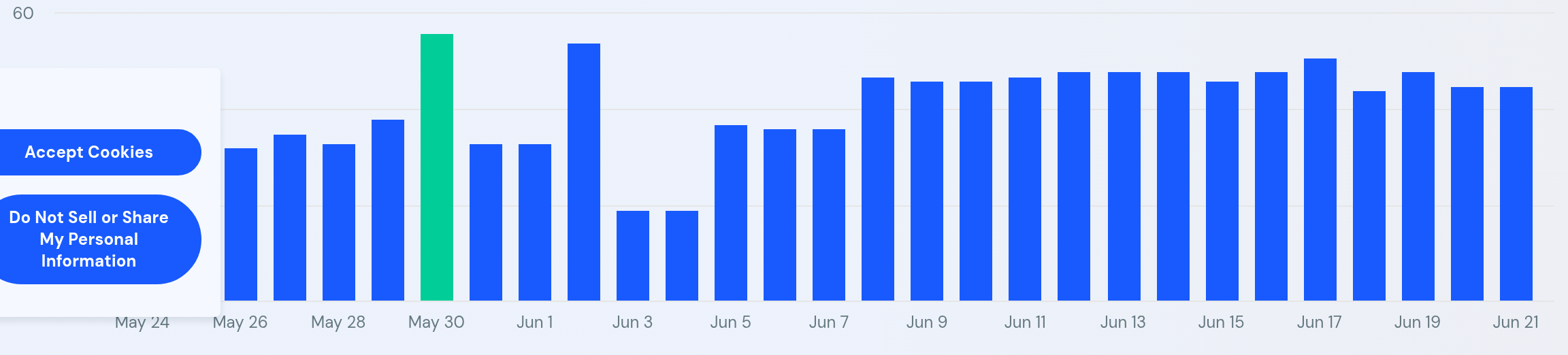
The most significant event in this chronology was the Google May 2026 Core Update. This major algorithm overhaul commenced its rollout on May 21st, 2026, and was officially declared complete on June 2nd, 2026. Core updates are broad, foundational changes to Google’s ranking algorithms and typically result in widespread and substantial shifts in search results. During the May 2026 Core Update, the SEO community witnessed pronounced volatility on several key dates:
- May 21st, 2026: The initial day of the rollout brought significant changes, causing immediate ripples across many websites.
- The Weekend Following May 21st: Continued volatility was reported, as the update progressively permeated Google’s vast index.
- The Subsequent Weekend: More ranking fluctuations were noted, indicating the protracted nature of core update deployments.
- June 2nd, 2026: On the very day Google confirmed the completion of the May 2026 Core Update, a final surge of volatility was observed, marking the stabilization phase of the update.
This series of continuous movements – from the large-scale May core update to subsequent, smaller fluctuations in early June – set a precedent for an environment where further unannounced changes, like the one on June 19th, are not entirely unexpected. It underscores Google’s commitment to iterative improvements and adjustments, often without explicit confirmation for minor shifts.
Echoes from the SEO Community: Chatter and Concern
The most compelling evidence for an unconfirmed update on June 19th, 2026, comes from the vibrant discussions across various SEO forums. While general SEO communities like WebmasterWorld saw some reports of fluctuations, the volume and intensity of concern were markedly higher within “black hat” focused platforms, notably Black Hat World. This disparity in chatter is a critical indicator, suggesting a localized rather than universal impact.
Webmasters and site owners began reporting significant negative impacts shortly after Friday, June 19th. Common themes emerging from these discussions included:
- Drastic Traffic Drops: Numerous reports cited substantial declines in organic search traffic, with figures ranging from 30% to as high as 50% for some websites. One user lamented, “We are experiencing a -30% hit in traffic since Friday. Anyone else feel like there is a huge update happening? Since the beginning of June we’ve been getting good gains but last Friday it’s like a continuous downturn.”
- Immediate and Sustained Downturn: The drops were often described as sudden, starting precisely on Friday and continuing into the weekend, indicating a clear trigger point.
- Varied Site Impact: While some reported general losses, others noted a specific targeting. One user mentioned, “Saw some volatility on my end too starting late Thursday. Mostly on my informational sites, commercial intent seems stable for now,” hinting at potential shifts in how different content types or search intents are valued.
- Existential Concerns for Webmasters: The severity of the impact led to desperate statements, such as one reporting, “Traffic to the shop has virtually come to a complete standstill, and the news site is just limping along. Other websites are also reporting today that they are receiving little to no traffic from Google.” Another, facing severe losses, even considered radically altering their site: “After 11.5 hrs my global site is at 10% of average, most likely this in-depth site will be replaced from 1st July with a much lighter site containing possibly 10% of the information. Precisely what has to be decided however simply leaving this out there for occasional fleeting visitors is no longer tolerable.” This reflects the profound financial and operational implications of such ranking shifts.
The consensus from these discussions, particularly within black hat circles, was that a significant, albeit unconfirmed, algorithmic adjustment had taken place. The sentiment was one of frustration and a scramble to identify the root cause of the sudden decline in visibility and traffic.
Analysis of Third-Party Google Tracking Tools
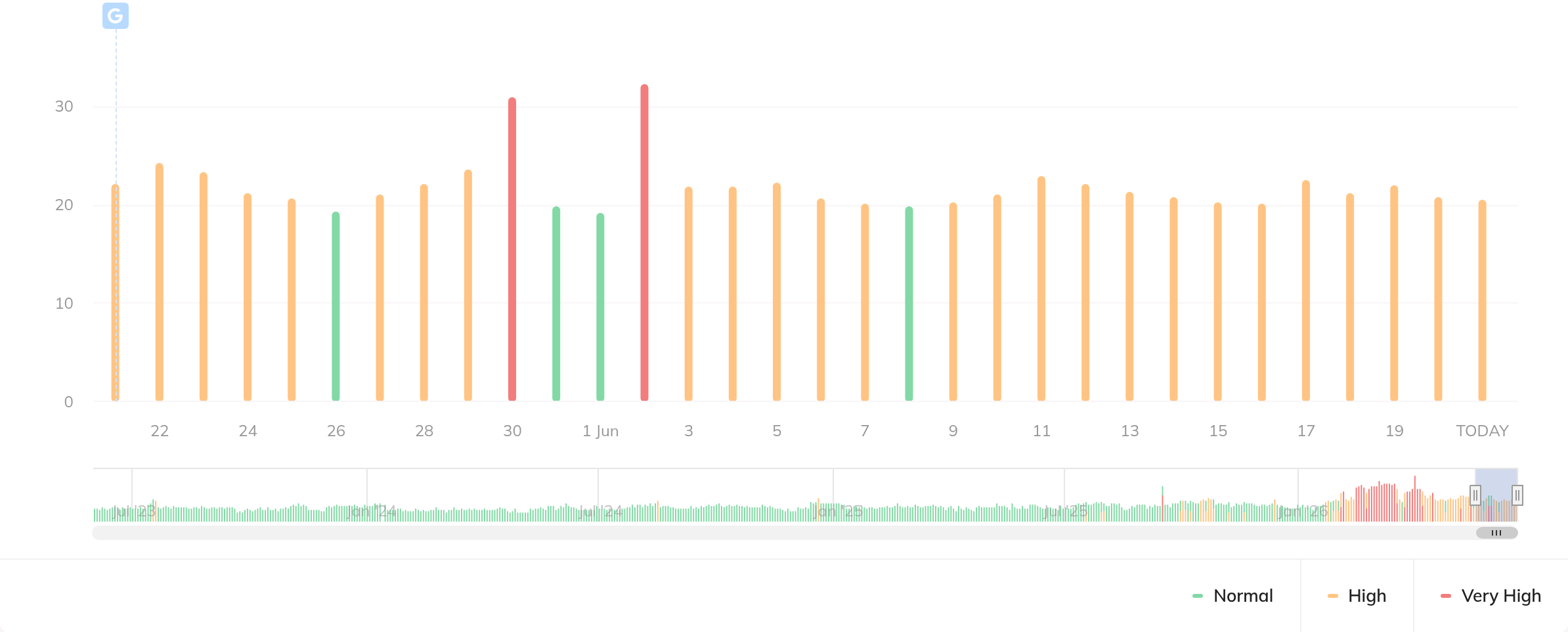
In contrast to the fervent community discussions, the major third-party Google search volatility tracking tools presented a more subdued picture, largely indicating moderate to low levels of overall SERP (Search Engine Results Page) turbulence. These tools, which monitor fluctuations in keyword rankings across vast datasets, are often the first objective indicators of an algorithmic update.
A review of the aggregated data and individual tool reports around June 19th, 2026, reveals the following:

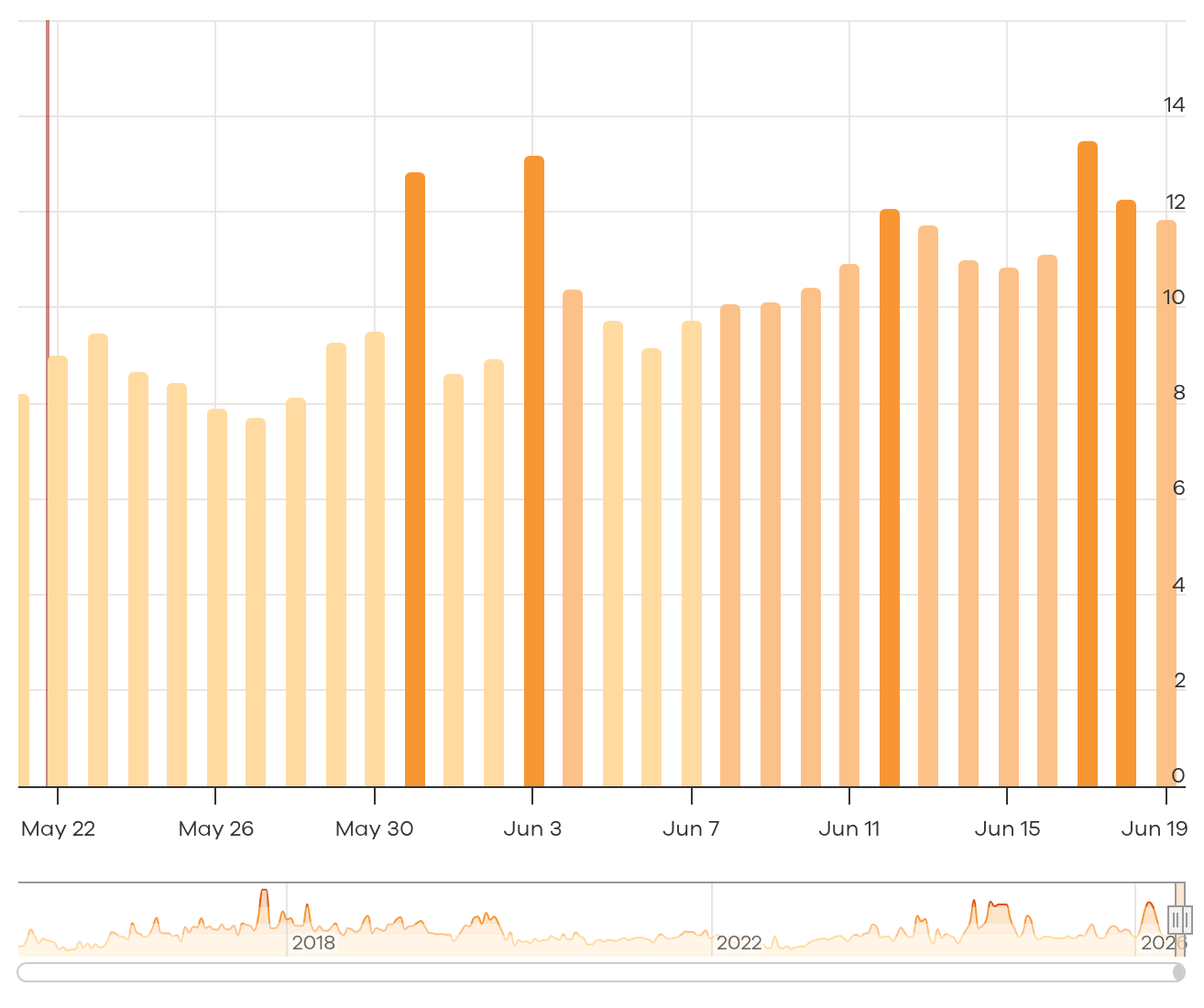
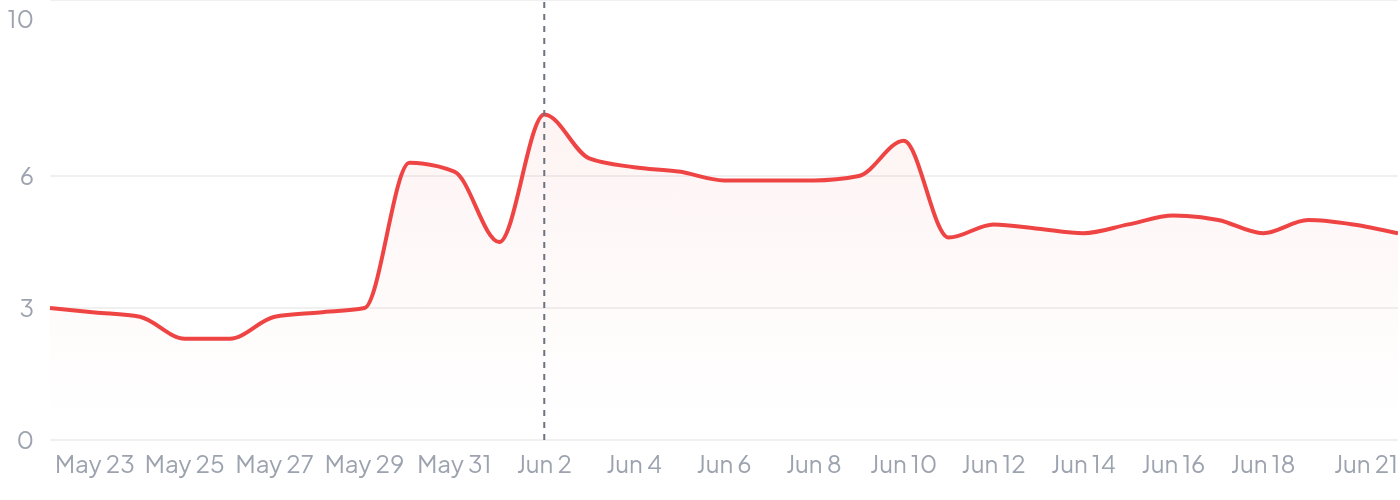
- Aggregate Volatility: The aggregated volatility chart, which synthesizes data from multiple sources, showed a slight elevation around June 19th but did not register a dramatic spike indicative of a major core update. The values hovered in the moderate range, suggesting localized or niche-specific changes rather than a widespread shake-up.
- AccuRanker Grump: This tool, known for its “Grump” metric, showed elevated but not extreme volatility around June 19th, suggesting some movement but not an industry-wide earthquake.
- Algoroo: Algoroo’s readings remained relatively stable, with no significant spikes reported for the period in question.
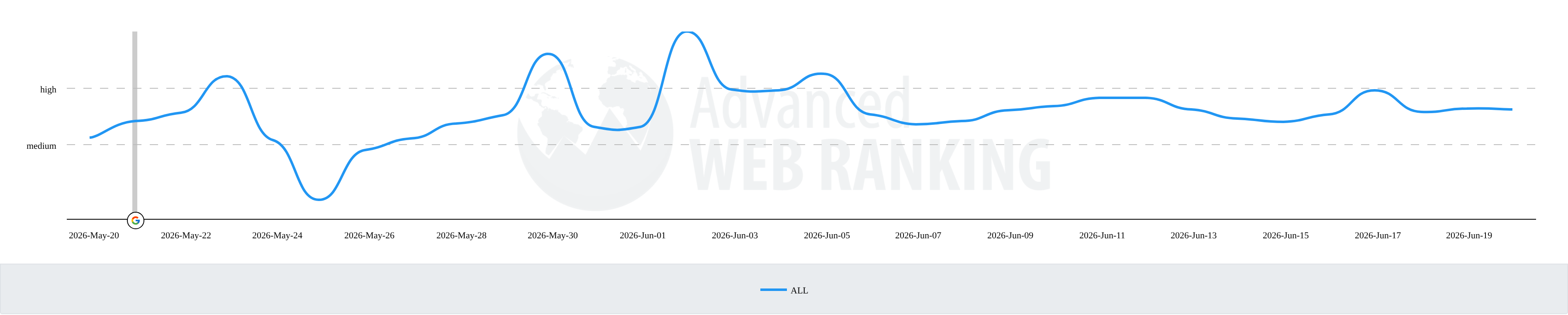
- AWR (Advanced Web Ranking): AWR’s algorithm change tracker also indicated moderate activity, consistent with minor adjustments rather than a major update.
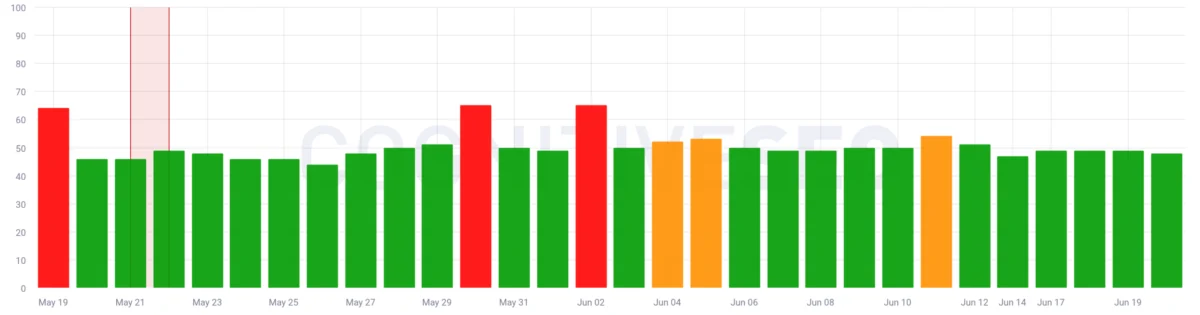
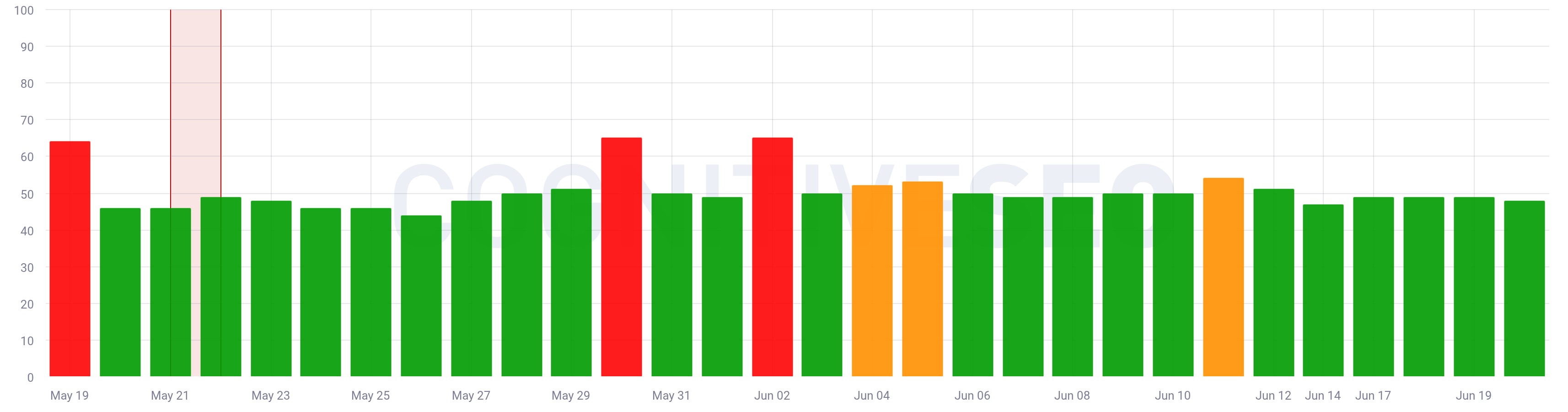
- CognitiveSEO Signals: CognitiveSEO’s metrics showed a relatively flat line around the 19th, suggesting minimal broad-scale impact detected by their system.
- DataForSEO SERP Volatility: This tool, which often provides granular insights, reported low to moderate volatility, further supporting the idea that the update was not broadly disruptive.
- Mangools SERPWatcher: Mangools also displayed low volatility, reinforcing the general stability reported by many tools.
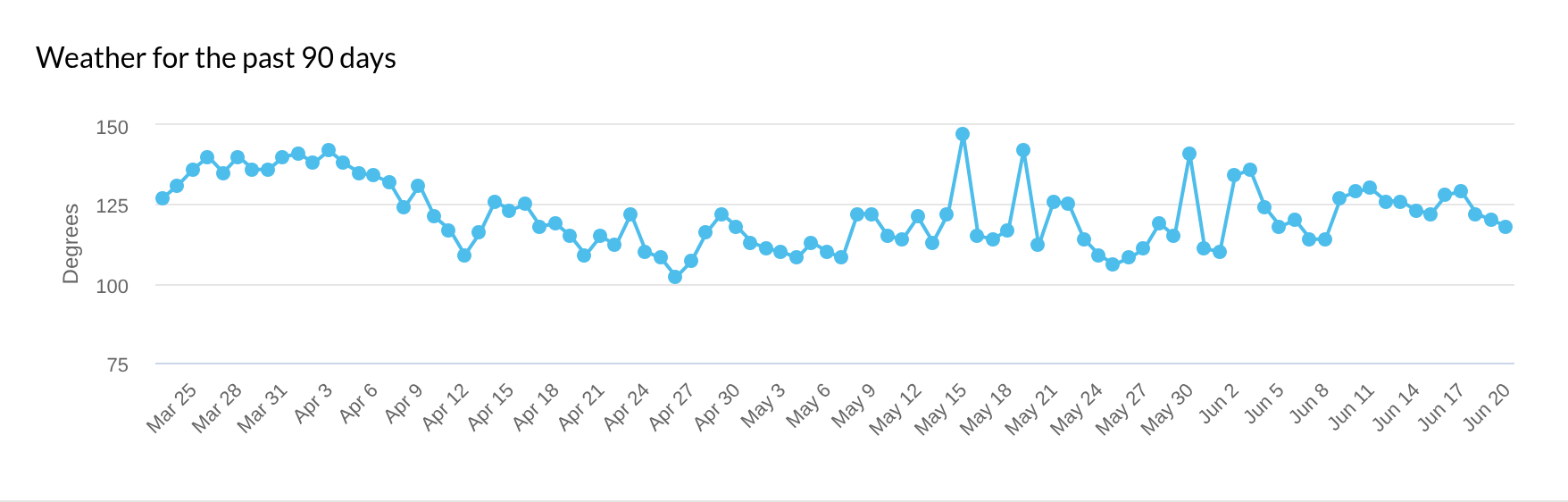
- Mozcast: Mozcast, often referred to as “the weather report for the Google algorithm,” showed moderate cloudiness rather than a full-blown storm, indicating some changes but not a severe upheaval.
- SEMRush Sensor: SEMRush Sensor, a widely used tool, consistently showed low levels of volatility, which would typically contradict the notion of a major, broad-reaching update. This suggests that if an update occurred, its scope might have been narrower or highly targeted.
- Serpstat Search Engine Storm: Serpstat’s data for the period was either stable or showed minor fluctuations, not pointing to a large-scale event.
- SimilarWeb SERP: SimilarWeb’s tracker also showed average volatility for the period, indicating no significant anomaly.
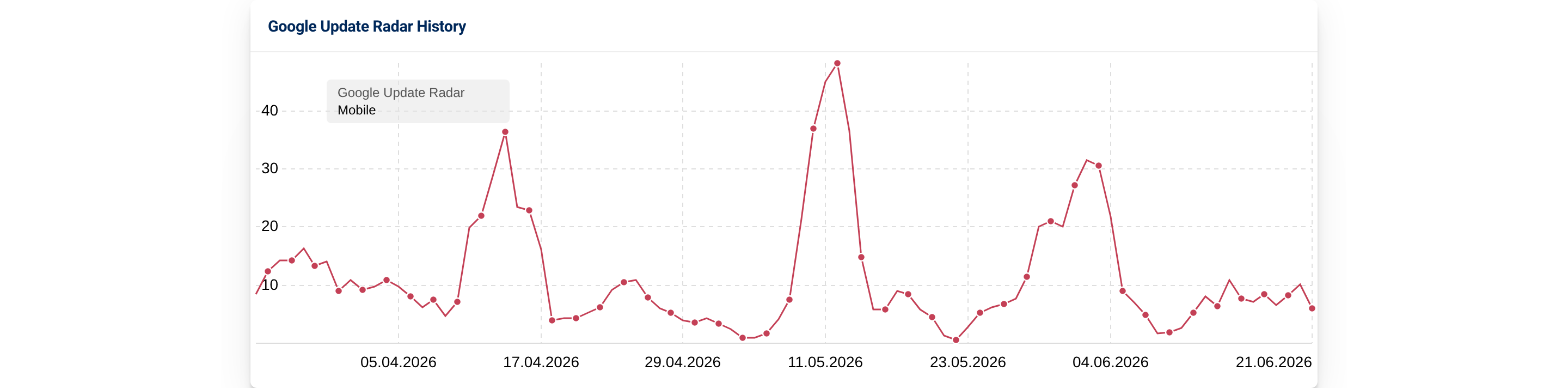
- Sistrix Google Update Radar: Sistrix reported moderate fluctuations, but again, not at the level typically associated with a confirmed core update.
- Wincher SERP Volatility: Wincher’s metrics were in the moderate range, aligning with the general trend of subtle movements.
- Wireboard: The Wireboard aggregate also reflected moderate changes, providing a consolidated view that aligned with the overall stability observed across most individual tools.
- Zutrix Tension: Zutrix, too, showed moderate tension, not signaling a widespread, impactful update.
The discrepancy between the relatively calm signals from tracking tools and the intense chatter from certain SEO communities is a key aspect of this unconfirmed update. This often happens when an update targets very specific niches or penalizes particular tactics, affecting a subset of websites dramatically without causing a universal shift in the broader SERP landscape that these tools measure. This further strengthens the hypothesis that the June 19th update was specifically aimed at “black hat” practices.
The Target: Unraveling Black Hat SEO Practices
Given the pronounced impact on black hat forums and the relatively stable readings from white hat-focused tools, the unconfirmed June 19th update appears to be a targeted strike against manipulative SEO practices. Google has a long history of algorithmically identifying and penalizing websites that attempt to game the system. Such updates are crucial for maintaining the integrity and utility of its search engine.
Common black hat SEO tactics that Google consistently aims to detect and devalue include:
- Keyword Stuffing: Overloading a webpage with keywords in an attempt to manipulate ranking, often resulting in unnatural and unreadable content.
- Cloaking: Presenting different content or URLs to search engine spiders than to human users, often to hide spammy content from Google.
- Link Schemes: Any attempt to manipulate PageRank by acquiring artificial links, such as buying links, excessive link exchanges, or using automated programs to create links. This includes the use of Private Blog Networks (PBNs), which are networks of websites created solely to build links to a target site.
- Spun Content: Automatically generated content that rephrases existing articles, often leading to low-quality, redundant, and nonsensical text.
- Hidden Text and Links: Placing text or links on a page that are invisible to users but visible to search engine crawlers (e.g., white text on a white background).
- Doorway Pages: Pages created solely to rank for specific search queries and funnel visitors to another page, offering little to no value themselves.
- Negative SEO: Malicious tactics aimed at harming a competitor’s ranking, such as building spammy backlinks to their site or submitting their site for removal from Google’s index.
An update targeting black hat practices would likely employ more sophisticated machine learning models to identify patterns indicative of these manipulations. For example, Google’s algorithms can detect unnatural link profiles, unusual content generation patterns, or discrepancies between content shown to users versus crawlers. When such patterns are identified, affected websites can experience a significant and sudden drop in rankings, sometimes leading to a complete de-indexing from search results. The reports of 30-50% traffic losses and sites coming to a “complete standstill” are consistent with the effects of such penalties.
Implications for the SEO Industry
The suspected June 19th update carries significant implications for various stakeholders within the SEO landscape:
- For White Hat SEO Professionals: This update serves as a reinforcement of the long-term viability and ethical approach. By largely remaining unaffected (or even seeing slight gains as penalized sites drop), white hat practitioners can further validate their strategies focused on high-quality content, genuine user experience, and compliant link building. The message is clear: adherence to Google’s guidelines provides greater stability and resilience against algorithmic shifts. However, even white hat SEOs must remain vigilant, as Google’s algorithms are constantly refined, and what constitutes “quality” can evolve.
- For Black Hat SEO Practitioners: The update underscores the inherent risk and unsustainable nature of manipulative tactics. While black hat methods might yield quick, short-term gains, they are perpetually vulnerable to Google’s improving detection capabilities. The significant traffic collapses reported highlight the potential for devastating losses, forcing many to either abandon their sites, radically alter their strategies, or continuously chase new exploits in an increasingly difficult “cat-and-mouse” game with Google. This cycle often results in wasted resources and ultimately, failed ventures.
- For Businesses and Website Owners: The update emphasizes the critical importance of selecting reputable and ethical SEO partners. Businesses that unknowingly (or knowingly) employ black hat agencies risk sudden, catastrophic losses in organic traffic, which can severely impact revenue, brand visibility, and overall online presence. Investing in sustainable, white hat SEO practices is not merely a recommendation but a necessity for long-term online success and stability. It reinforces the need for due diligence when hiring SEO services and understanding the strategies being implemented.
- For Google’s Search Quality: If indeed targeted at black hat practices, this update contributes to Google’s ongoing efforts to improve search quality. By weeding out manipulative content and low-quality sites, Google enhances the user experience, making search results more trustworthy, relevant, and useful. This continuous refinement helps maintain Google’s dominant position as the world’s primary search engine.
Google’s Unofficial Stance
Google rarely confirms minor, unannounced algorithmic updates. Their communication strategy typically reserves official confirmations for major “core updates” or specific, named updates (e.g., Penguin, Panda). For the vast majority of daily or weekly algorithmic adjustments, Google maintains that these are part of their ongoing efforts to improve search quality and user experience, often advising webmasters to focus on creating “great content” and adhering to their Webmaster Guidelines rather than chasing specific algorithmic changes.
In the absence of an official confirmation, the SEO community relies on a combination of anecdotal evidence from forums, analysis of third-party tracking tools, and historical patterns to infer the nature and impact of such changes. The strong consensus from the affected communities, despite the muted signals from broad-scale tracking tools, strongly suggests a deliberate, targeted action by Google against non-compliant websites.

Conclusion: Vigilance in a Volatile Ecosystem
The unconfirmed Google search ranking update on Friday, June 19th, 2026, while not registering as a major seismic event across all tracking tools, appears to have delivered a significant blow to websites engaging in black hat SEO practices. The stark contrast between the intense chatter within black hat forums and the relatively stable readings from most volatility trackers paints a clear picture of a targeted algorithmic adjustment. This event serves as a potent reminder of Google’s relentless commitment to refining its search algorithms, continuously striving to reward quality and penalize manipulation. For webmasters and businesses, the takeaway remains consistent: long-term success in search visibility hinges on adhering to ethical SEO practices, prioritizing user experience, and creating genuinely valuable content, rather than seeking fleeting gains through risky, manipulative tactics. The digital landscape remains dynamic, and continuous vigilance, coupled with adherence to best practices, is the only sustainable path forward.