Jia Lissa
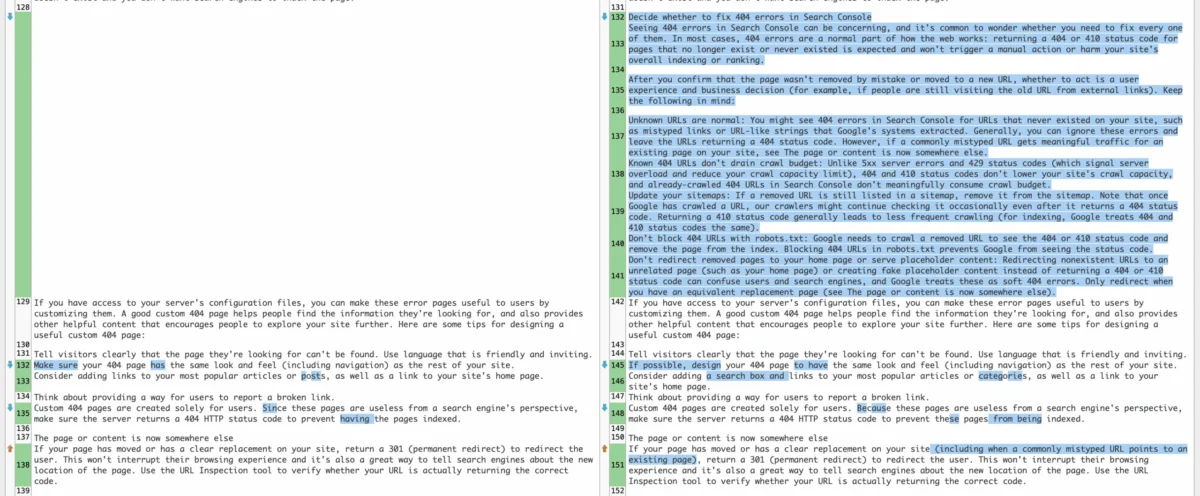
Google has recently rolled out significant updates to its core developer documentation, specifically targeting the troubleshooting of crawling errors and the foundational understanding of sitemaps. These revisions, pushed to the "troubleshoot Google Search crawling errors" and "what is a sitemap" help documents, represent a crucial clarification for webmasters and SEO professionals alike. The most impactful change centers on Google’s nuanced perspective regarding 404 "Not Found" errors, asserting that they are often a normal and expected part of the web’s functionality rather than an inherent sign of site damage. Beyond this, the updates also consolidate longstanding sitemap guidance, incorporating insights previously scattered across older blog posts and help centers, thus providing a more unified and accessible resource for optimizing site discoverability.
Background: Navigating the Complexities of Web Crawling and Indexing
The intricate world of search engine optimization (SEO) has long been shaped by webmasters’ understanding, or sometimes misunderstanding, of how search engines like Google discover, crawl, and index content. At the heart of this process are two critical components: error handling and site structure. For years, the appearance of 404 errors in Google Search Console often triggered alarm bells for site owners, leading to a scramble to "fix" every reported instance. This perception stemmed from an understandable desire to present a flawless website to search engines, fueled by early SEO advice that sometimes overemphasized the negative impact of broken links. The belief was that 404s could signal a neglected site, waste "crawl budget," or even directly harm rankings.
Simultaneously, sitemaps have served as a vital communication channel between websites and search engines, offering a roadmap of a site’s structure and important URLs. While their utility is widely accepted, the specific technical requirements and best practices for creating and submitting sitemaps have evolved, often leading to fragmented guidance across various Google resources. The ongoing challenge for Google has been to distill complex technical information into clear, actionable advice that supports the health and discoverability of billions of web pages. These recent updates directly address these historical pain points, aiming to streamline best practices and alleviate unnecessary concerns.
The Paradigm Shift: Understanding 404 Errors as a Normal Web Phenomenon
The most notable addition to Google’s documentation is a dedicated section titled "Decide whether to fix 404 errors in Search Console." This section fundamentally reframes the perception of 404 errors. Google explicitly states: "Seeing 404 errors in Search Console can be concerning, and it’s common to wonder whether you need to fix every one of them. In most cases, 404 errors are a normal part of how the web works: returning a 404 or 410 status code for pages that no longer exist or never existed is expected and won’t trigger a manual action or harm your site’s overall indexing or ranking."
This statement is a significant departure from the often-anxious approach webmasters previously adopted. It reassures site owners that the mere presence of 404s does not automatically equate to a penalty or a decline in search performance. Instead, Google encourages a more pragmatic approach. After confirming that a page was not removed by mistake or moved to a new URL, the decision of whether to act on a 404 error should primarily be a "user experience and business decision." This means considering factors such as whether external links still point to the old URL, if users are actively trying to access the content, or if the broken link impacts a critical user journey on the site. For instance, a 404 on an old, forgotten blog post with no inbound links might require no action, whereas a 404 on a popular product page that has been moved would necessitate a 301 redirect to the new location to preserve user experience and link equity.
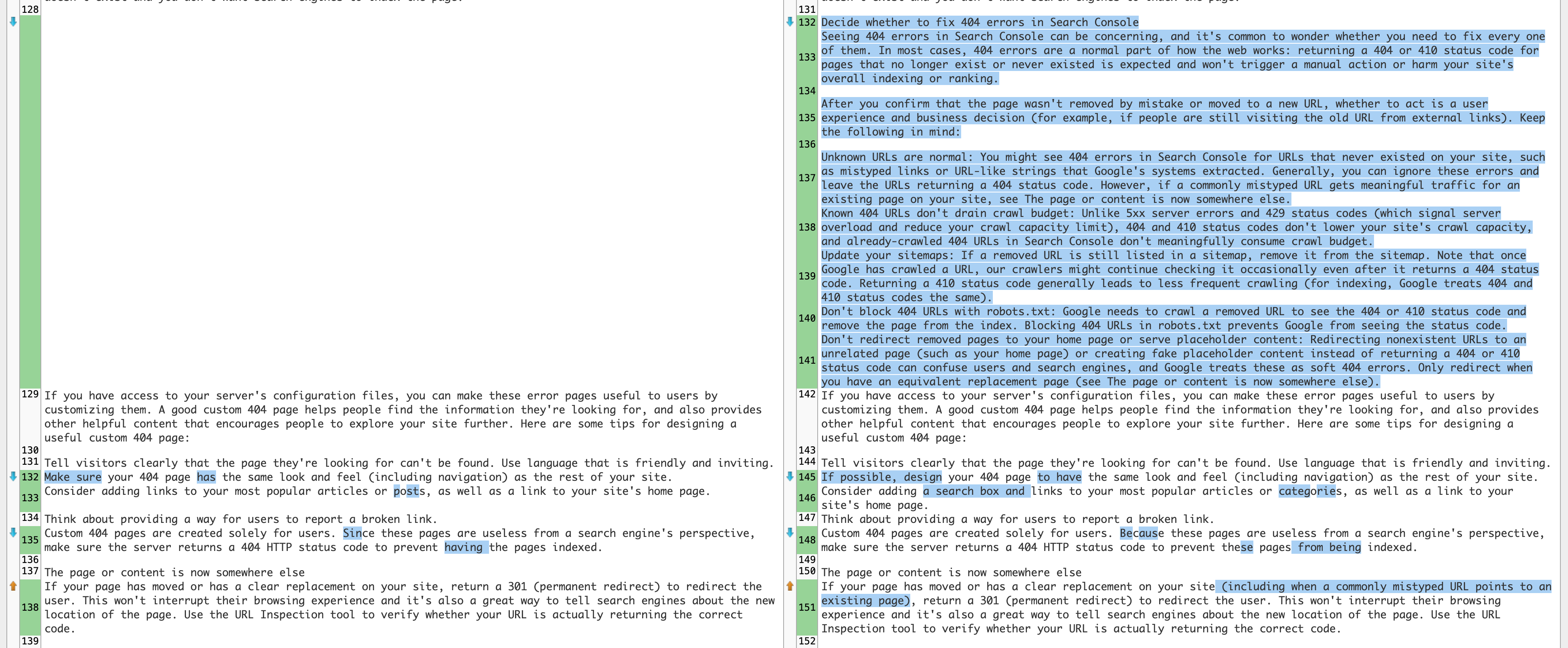
Google further clarifies common pitfalls to avoid when dealing with 404s. These include:
- Blocking 404 pages in
robots.txt: This prevents Google from even discovering the 404 status code, which can lead to prolonged indexing of the non-existent page as Google can’t confirm its removal. - Redirecting 404 pages to the homepage: Known as "soft 404s," this practice can confuse both users and search engines. Users expect specific content and are met with an irrelevant homepage, while search engines might interpret the homepage as the intended content for the broken link, potentially indexing it incorrectly and wasting crawl budget on non-existent content.
While 404s don’t directly harm ranking, they can consume "crawl budget." Crawl budget refers to the number of URLs Googlebot can and wants to crawl on a site within a given timeframe. If a site has a high volume of persistent 404 errors on pages that Google previously knew existed or continues to discover via internal/external links, Googlebot might spend valuable crawl budget repeatedly checking these non-existent pages instead of discovering new or updated, valuable content. Therefore, a strategic approach to managing 404s, focusing on high-impact instances, can contribute to more efficient crawl budget allocation.
Sitemaps: Consolidating and Clarifying Best Practices
Parallel to the 404 guidance, Google has also significantly updated its sitemap documentation, including the "what is a sitemap" and "build sitemaps" documents, and introducing clarifications in the "large sitemaps" section. These updates aim to centralize information, address common misconceptions, and provide clearer technical specifications.
One key clarification addresses the relationship between sitemaps and indexing: "Also, omitting or removing a URL from your sitemap doesn’t prevent Google from crawling or indexing it if Google discovers the URL through links from other web pages. To keep a page out of Google Search, block indexing with noindex." This statement reinforces the power of links (both internal and external) as the primary discovery mechanism for Google. While sitemaps are crucial for guiding Google to new or updated content, they are not the sole means of discovery, nor can they be used to de-index content. For definitive removal from search results, the noindex directive remains the authoritative method.
The updates also highlight the consolidation of legacy guidance. Google explicitly stated that it "Ported information that’s still relevant today from our oldest blog posts (from 2005!) to our sitemaps documentation." This move is a commendable effort to "preserve still-accurate guidance from early Search Central blog posts in our documentation," ensuring that foundational knowledge is readily available in one authoritative source rather than scattered across historical archives. This consolidation includes important technical specifics:
- Nested Sitemap Index Files: The documentation now explicitly states, "A sitemap index file can only list individual sitemaps; nested sitemap index files (a sitemap index file that references another sitemap index file) aren’t supported." This clarifies a long-standing point of confusion for complex site architectures.
- HTML Sitemaps vs. XML Sitemaps: Google differentiates between user-facing "HTML sitemaps" (regular pages with links for human navigation) and machine-readable "XML sitemaps" for search engines. It clarifies: "While an HTML sitemap (a regular page that links to your important pages) can help visitors and search engines navigate your site, it isn’t a sitemap format you can submit in Search Console." Only XML sitemaps or their compressed variations are acceptable for submission.
- Sitemap Size Limits: The guidelines reiterate the limits: "All supported formats limit a single sitemap to 50MB (uncompressed) or 50,000 URLs." It also notes the option to compress files using gzip (e.g.,
sitemap.xml.gz) to reduce bandwidth, with the 50MB limit still applying to the uncompressed size. For larger sites, breaking the sitemap into multiple files and referencing them in a sitemap index file is the recommended approach. The ability to submit multiple sitemaps and sitemap index files is emphasized for better tracking of individual sitemap performance in Search Console.
Chronology of Google’s Evolving Guidance
Google’s efforts to guide webmasters have a rich history, dating back to the early days of search.

- 2005: Many of Google’s initial blog posts on sitemaps and crawling best practices emerged, laying the groundwork for webmaster education. These foundational articles, though valuable, became dispersed over time.
- Mid-2010s: The "Google Search Console Help Center" (formerly Webmaster Tools) became a primary hub for technical SEO guidance, alongside the growing Google Developers documentation.
- Late 2010s – Early 2020s: Google began a strategic initiative to consolidate its vast array of help content under the "Search Central" brand, aiming for a unified, comprehensive resource. This involved migrating content from various platforms and updating it for current best practices.
- Recent Update (Late 2023/Early 2024): The specific updates to 404 troubleshooting and sitemap overview documents mark a significant milestone in this consolidation effort. Google explicitly states this was done to "consolidate our 404 troubleshooting guidance from the Search Console Help Center (now redirecting) into Search Central documentation." Furthermore, the "ported information" from 2005 blog posts into the sitemaps documentation underscores a commitment to historical accuracy while ensuring present-day relevance.
- Ongoing Disclaimers: As part of this process, older blog posts that contain potentially outdated information are now being updated with clear disclaimers, directing users to the current, authoritative Search Central documentation for the most accurate guidance. This ensures that historical context is preserved, but users are always pointed to the most up-to-date information.
Implications for Webmasters and the SEO Community
These comprehensive updates carry significant implications for the SEO landscape:
- Reduced Anxiety and More Efficient Resource Allocation: The most immediate benefit for webmasters is the clarification on 404 errors. By explicitly stating that most 404s are normal and not harmful, Google empowers site owners to reduce unnecessary time and resources spent chasing every reported broken link. This frees up resources to focus on more impactful SEO activities, such as content creation, user experience improvements, and strategic link building.
- Strategic 404 Management: The shift towards a user experience and business-driven approach for 404s encourages a more nuanced, intelligent strategy. Webmasters will now focus on identifying and fixing 404s that genuinely impact user journeys, conversion rates, or valuable inbound links, rather than mass fixes. This leads to better site maintenance practices that prioritize actual user needs.
- Reinforced Sitemap Best Practices: The consolidated sitemap guidance provides a clearer, single source of truth for technical sitemap implementation. This clarity helps prevent common errors like incorrect sitemap index file structures or misunderstanding the role of HTML sitemaps. For large enterprise sites, adherence to these specific guidelines is critical for ensuring efficient crawling and discovery of vast amounts of content.
- Emphasis on Core SEO Principles: By clarifying the roles of 404s and sitemaps, Google implicitly redirects focus back to fundamental SEO principles: providing high-quality content, ensuring a good user experience, and building a robust internal and external linking structure. These elements remain paramount for search visibility.
- Improved Documentation and User Experience for Webmasters: The ongoing effort to consolidate and update documentation across Search Central significantly improves the user experience for webmasters seeking accurate information. Having a single, reliable source reduces confusion and the need to cross-reference multiple, potentially outdated, articles.
Industry Reactions and Future Outlook
While Google rarely provides direct "statements" beyond its documentation updates, the industry reaction to these clarifications is largely positive. Many SEO professionals have long advocated for a more pragmatic view of 404 errors, understanding that a perfect, error-free website is an unrealistic ideal in the dynamic environment of the internet. These updates validate that perspective.
For example, discussions across platforms like X (formerly Twitter), where SEO community members like Marie Haynes often share insights, indicate that these updates are generally welcomed. They are seen as Google making its internal understanding of web dynamics more explicit and accessible to the public, fostering better alignment between Google’s expectations and webmaster actions.
Looking ahead, this trend of clarification and consolidation is likely to continue. As the web evolves and Google’s algorithms become more sophisticated, the need for clear, unambiguous guidance becomes even more critical. These updates serve as a testament to Google’s commitment to educating webmasters, helping them navigate the complexities of search engine optimization, and ultimately, contributing to a healthier and more discoverable internet for everyone. The shift from a "fix all errors" mentality to a "strategically manage issues based on impact" approach marks a maturation in SEO best practices, aligning more closely with user-centric design and business objectives.


 Azzam Bilal Chamdy

 Reynand Wu