rifanmuazin

Pinterest has firmly established itself as a pivotal platform for discovery, inspiration, and increasingly, commerce, presenting unique opportunities for marketers. As of the first quarter of 2026, the visual search engine boasts a robust 631 million monthly active users (MAUs), marking an impressive 11% year-over-year increase and its tenth consecutive quarter of double-digit user growth. This sustained expansion underscores Pinterest’s resilience and growing influence in a highly competitive digital landscape, signaling its enduring value as a marketing channel.
Growth and Platform Dynamics

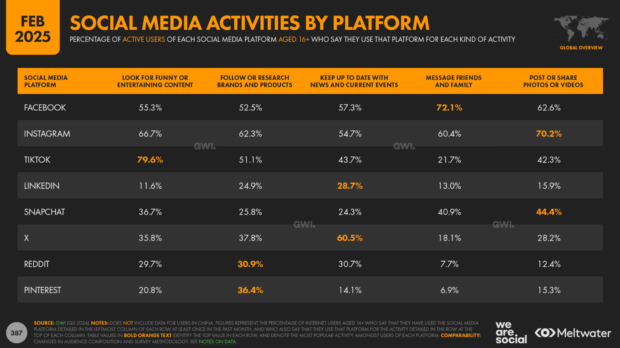
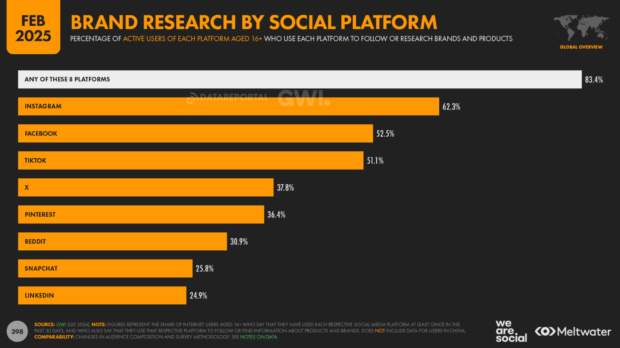
The platform’s consistent user growth is not merely a numbers game; it reflects a deep-seated utility that resonates with its audience. Unlike many social networks primarily focused on entertainment or news consumption, Pinterest’s primary use case, cited by 36.4% of its users, is brand and product research. This intent-driven behavior positions Pinterest as an invaluable resource for consumers actively seeking inspiration and solutions, effectively transforming it into a visual search engine rather than just a social feed. This fundamental difference means that users are often in a receptive, pre-purchase mindset, making branded content a welcome addition to their experience, rather than an interruption.
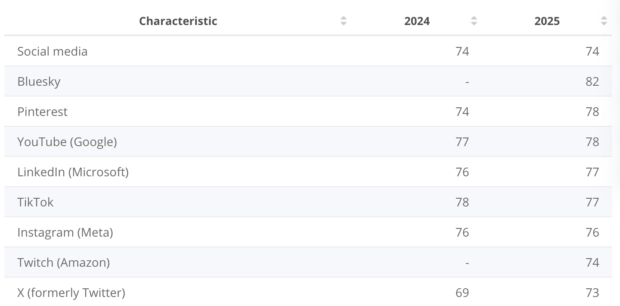
User sentiment further solidifies Pinterest’s unique standing. In 2025, it achieved a score of 78 on the American Customer Satisfaction Index (ACSI), surpassing major competitors like Instagram, TikTok, and Facebook. This high satisfaction level points to a "calmer corner of the internet," where users feel less overwhelmed and more positive about their interactions. For marketers, this goodwill translates into a more fertile ground for engagement, where brand messages are more likely to be received positively, fostering deeper connections and potentially higher conversion rates.
The platform’s top-performing accounts are often retailers and brands, including giants like Etsy (11.0M followers), Shein (7.9M), Nordstrom (5.5M), and Target (4.8M), as of February 2025. This organic prominence of commercial entities further validates Pinterest’s role as a commerce-enabling platform, where users actively follow and engage with brands they admire or from whom they seek inspiration. The diverse range of top accounts, from craft marketplaces to fashion retailers and home improvement publishers, highlights Pinterest’s broad appeal across various consumer categories.

Staying ahead of trends is crucial for any marketing strategy, and Pinterest provides valuable insights through its trend reports. The Summer 2026 Trend Report, for instance, revealed a significant surge in searches related to sports culture, with "World Cup jerseys" up 840%, "dad sneakers" climbing 906%, and "Formula 1 aesthetic" outfits increasing by 483%. These early indicators allow brands to align their content and campaigns with emerging consumer interests, creating timely and highly relevant Pins that capture audience attention before trends become mainstream. Leveraging such data enables proactive content creation and strategic product placement, offering a competitive edge.
Demographic Insights and Global Reach
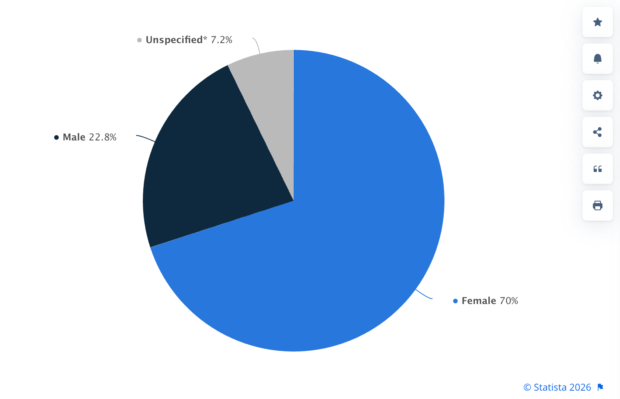
Pinterest’s audience demographics offer precise targeting opportunities. The platform maintains a predominantly female user base, with women constituting 70% of its audience, while men account for 22.8%. This gender skew is consistent across all age groups, with women leading usage in every bracket, from 16-24 year olds to those over 65. This characteristic makes Pinterest particularly appealing for brands in sectors traditionally catering to women, such as fashion, beauty, home decor, DIY, and family-oriented products.
However, the platform is also rapidly diversifying its audience. Gen Z represents Pinterest’s fastest-growing demographic, now making up over 40% of global monthly users. In the United States, Pinterest reaches a substantial 46% of adults aged 18 to 24. This growth among younger users is significant, as Gen Z is known for its strong influence on consumer trends and its digital savviness. Understanding and catering to this demographic’s unique preferences—such as their search for authentic, visually appealing content and their strong interest in brand values—is key for future-proofing marketing strategies on the platform.
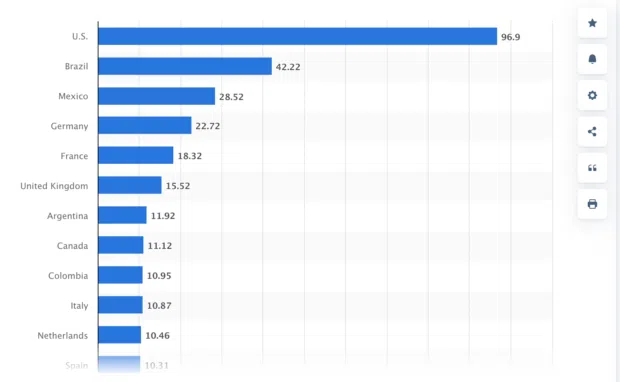
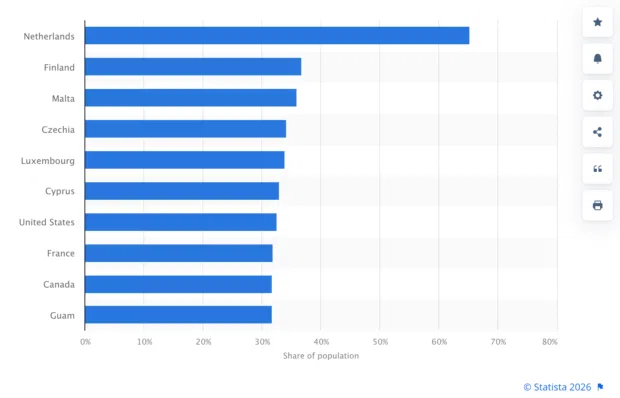
Geographically, the United States remains Pinterest’s largest market, with 96.9 million users as of October 2025. Other significant markets include Brazil (42.2M), Mexico (28.5M), Germany (22.7M), and France (18.3M). This global distribution highlights Pinterest’s international potential, allowing brands to tailor campaigns for specific regional audiences. Furthermore, the platform’s penetration rate, indicating its popularity relative to a country’s population, is highest in the Netherlands (65.3%), followed by Finland (36.8%) and Malta (36%). These figures suggest that in certain regions, Pinterest is deeply integrated into daily digital habits, offering concentrated marketing opportunities.
An often-overlooked demographic insight is Pinterest’s reach among affluent households. The platform connects with 40% of US households boasting an annual income exceeding $150,000. This statistic is particularly compelling for luxury brands or those offering high-value products and services. The increasing presence of Gen Z within Pinterest’s luxury audience—now nearly half—indicates a generational shift in how younger, affluent consumers discover and engage with high-end brands, moving away from traditional channels towards visual and inspirational platforms.
Cross-platform usage is also a critical consideration for integrated marketing strategies. A significant portion of Pinterest users are also active on other major social networks, including Instagram, YouTube, and WhatsApp. Notably, 60% of Reddit users also engage with Pinterest. This intriguing overlap between a text-heavy, community-driven platform like Reddit and a visually-oriented one like Pinterest suggests a shared user base that values niche interests, detailed information, and idea sharing. For marketers, this implies that audiences reached on Reddit might be receptive to visual content on Pinterest, facilitating a holistic campaign approach across diverse digital touchpoints.
User Behavior and Content Consumption
Understanding how users interact with Pinterest is paramount for effective content strategy. As previously highlighted, 36% of Pinterest users actively engage with the platform to follow or research brands and products. This proactive search behavior stands in stark contrast to passive scrolling on other platforms, where brand content might be viewed as intrusive. On Pinterest, users are actively seeking inspiration and solutions, placing them in an ideal mindset for brand discovery and engagement. This makes Pinterest a powerful "brand discovery engine" rather than just another social feed, where content isn’t just consumed but saved for future action.

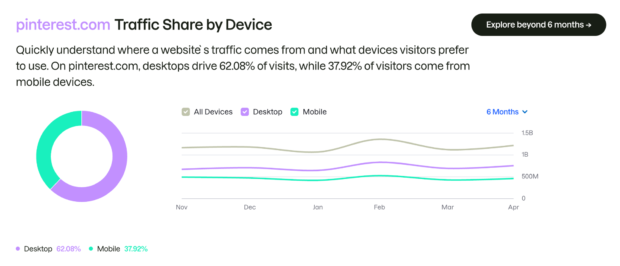
While the Pinterest app dominates quick, on-the-go interactions, desktop usage for the pinterest.com website accounts for 62% of visits, according to 2026 Semrush data. This distinction is important: mobile is often for spontaneous inspiration, while desktop might be favored for more detailed planning, browsing extensive boards, or researching purchases. Marketers should consider optimizing content for both experiences, ensuring high-quality visuals and user-friendly interfaces across devices.
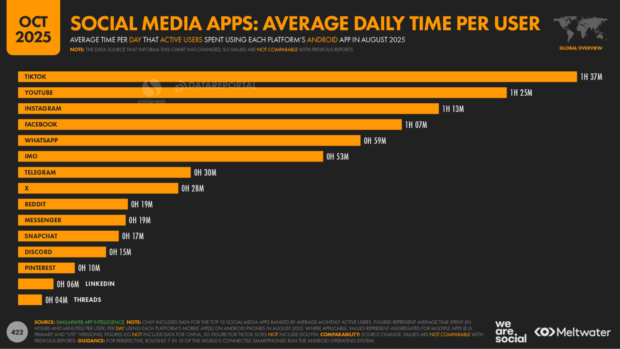
The average Pinterest user opens the app 2.8 times per day, spending an average of 10 minutes per session. While this might seem less than platforms like TikTok or YouTube, these shorter, more frequent sessions are indicative of high intent. Users typically visit Pinterest with a specific goal: to find a recipe, plan an outfit, or gather ideas for a project. This "job to be done" mentality means that each minute spent on Pinterest is often highly purposeful, leading to more meaningful interactions with content and brands.
The core action on Pinterest is saving, and users save an astounding 1.5 billion Pins per week. A save is a powerful signal of genuine interest and intent, transforming content into a bookmark for future reference. This extended shelf life for Pins means that content can continue to drive engagement and conversions long after its initial publication, providing a sustained return on investment for creators.
Pinterest’s search engine capabilities are central to its user behavior. The platform records over 80 billion searches every month, with more than half being commercial in nature. This vast volume of searches, coupled with the fact that 96% of Pinterest’s top searches are unbranded, presents an enormous opportunity for brands. Instead of competing for attention in a crowded ad space, marketers can optimize their Pins for relevant keywords, becoming the direct answer to a user’s explicit query. This organic discovery mechanism allows brands, especially smaller ones, to gain visibility without solely relying on paid promotions, resonating with Pinterest’s ethos of inspiring rather than interrupting. Gen Z, in particular, leverages Pinterest extensively for product and brand information, searching and saving more than other generations on the platform. Keywords like "nails" (52.1M monthly searches), "wallpaper aesthetic" (26.9M), and "outfit ideas" (23.6M) consistently rank high, indicating a strong user interest in visual inspiration, personal style, and DIY projects.
E-commerce and Shopping Statistics
Pinterest’s inherent shopping intent is arguably its biggest differentiator. The platform seamlessly integrates discovery with the path to purchase, creating an experience that users find inspiring rather than intrusive. A remarkable 80% of weekly Pinners report feeling inspired by the shopping experience on Pinterest. This high level of satisfaction and inspiration is a testament to how effectively Pinterest blends visual appeal, idea generation, and direct commerce functionalities.
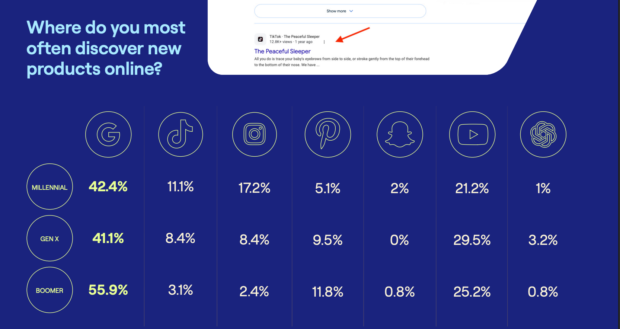
Interestingly, product discovery on Pinterest shows an increase with age. While 5.1% of Millennials primarily discover new products on the platform, this figure rises to 9.5% for Gen X and 11.8% for Boomers, according to GRIN’s 2025 survey. This trend suggests that marketers should not overlook older demographics, as they are increasingly turning to Pinterest for shopping inspiration and product research, potentially for higher-value purchases or planning significant life events.
The platform’s investment in shoppable content formats is paying dividends, with clicks and saves on buyable content both increasing by 50% year-over-year. This surge indicates a growing comfort and willingness among consumers to engage with and purchase directly through Pinterest. The "ready to shop" mindset of Pinterest users is a critical advantage for brands; users are nearly 90% more likely to express an intention to shop compared to users on other platforms. This translates into higher conversion potential, as marketers are reaching consumers at the crucial point of decision-making.
Beyond intent, Pinterest users demonstrate higher purchasing power. On average, Pinterest users spend 40% more per month than non-Pinterest users. This higher average transaction value underscores the platform’s ability to attract and engage a demographic that is not only ready to buy but also willing to spend more, making it a highly attractive channel for brands focused on revenue generation and basket size optimization.
Marketing Landscape and Ad Performance
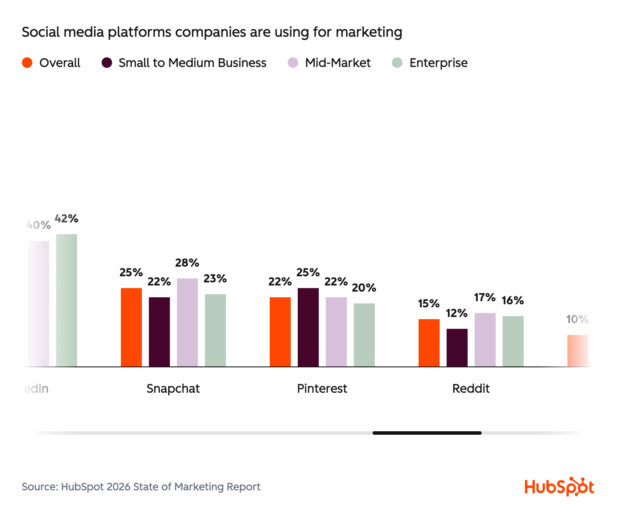
Despite its significant user base and unique advantages, Pinterest remains a relatively less crowded marketing channel compared to social media giants like Instagram or Facebook. HubSpot’s 2026 State of Marketing Report indicates that 22% of companies utilize Pinterest for marketing, placing it ahead of Reddit (15%) but behind Snapchat (25%). This "white space" presents a substantial opportunity for brands to stand out and capture attention without the intense competition found elsewhere.
Small and midsize businesses (SMBs) are particularly keen on Pinterest, with 25% leveraging it for marketing, compared to 20% of enterprises. This inclination among SMBs suggests that Pinterest offers a cost-effective and accessible avenue for growth, allowing smaller brands with compelling visuals to compete effectively with larger corporations. The platform’s visual nature and strong search capabilities provide a more level playing field for creative and agile businesses.
Brands are also increasing their investment in Pinterest content, publishing an average of 10 posts per week, a remarkable 43% increase over 2024. This ramp-up in content creation signals growing confidence in the platform’s ability to deliver results and reflects an understanding that consistent pinning is rewarded by the Pinterest algorithm, which favors active and engaged accounts. For optimal engagement, Hootsuite data suggests that the best times to post on Pinterest are 12 PM on Tuesdays and Fridays, aligning with lunch breaks and pre-weekend planning periods when users are most active and receptive.
Content and Engagement Statistics
Understanding engagement benchmarks is crucial for evaluating content performance. Average engagement rates on Pinterest vary by Pin format: Standard Pins typically see 0.15% to 0.25%, while Idea Pins can reach 0.5% to 1%, and Video Pins fall between 0.3% to 0.5%. Save rates, a key indicator of intent, range from 0.2% to 0.5% overall, but can climb to 1% to 2% for content in high-interest categories such as food, DIY, and fashion. These benchmarks provide valuable guidance for marketers to refine their content strategy, emphasizing formats and categories that naturally drive higher user interaction. Leveraging Idea Pins and Video Pins, which offer richer, multi-page or dynamic content experiences, often leads to superior engagement.
Revenue and Financial Health
Pinterest’s financial performance reflects its growing strength and strategic monetization efforts. In Q1 2026, the company’s quarterly revenue surpassed $1 billion for the first time, a significant milestone that accompanied its tenth consecutive quarter of double-digit user growth. For the full year 2025, Pinterest generated $4.2 billion in revenue, representing a healthy 16% increase from 2024. This consistent financial growth signals a stable and attractive platform for advertisers and investors alike.
Globally, Pinterest’s average revenue per user (ARPU) stands at $2.16 as of Q4 2025. This figure varies significantly by region, with ARPU at $9.41 in the US and Canada, $1.59 in Europe, and $0.27 in the rest of the world. Notably, Pinterest’s fastest ad revenue growth in Q1 2026 originated from outside North America, with a 59% increase in the rest of the world and 27% in Europe, compared to 13% in the US and Canada. This trend highlights the increasing global adoption and monetization potential of Pinterest, encouraging brands with international footprints to explore opportunities in emerging markets where audience growth and ad revenue are rapidly expanding.
Pinterest Advertising Statistics
The advertising landscape on Pinterest offers compelling advantages for marketers. The platform’s advertising audience grew by 3.8% in 2025, reaching approximately 340 million people. While this growth rate is modest compared to TikTok (17.6%) or Instagram (13.1%), it represents a substantial global online audience, encompassing 6.1% of all internet users. For a platform often perceived as niche, this reach is meaningful and indicative of its broad appeal.
One of the most attractive aspects of advertising on Pinterest is its cost-effectiveness. The average cost per click (CPC) for Pinterest ads ranges from $0.50 to $1.50, significantly undercutting competitors like Meta ($1.06 to $1.72) and X ($3 to $5). This lower CPC means that marketing budgets can stretch further, potentially yielding higher returns on ad spend (ROAS) when those clicks translate into conversions. This affordability makes Pinterest an ideal platform for brands looking to experiment with social media advertising or maximize their budget efficiency.
Beyond clicks, Promoted Pins demonstrate strong conversion rates, typically ranging from 2% to 4%. For specific verticals such as luxury and home goods, conversion rates can climb even higher, reaching 5% to 8%. These robust conversion figures, combined with the platform’s high user intent and lower ad costs, position Pinterest as a powerful channel for driving direct sales and achieving tangible business outcomes.
Strategic Implications for Marketers
The collective body of Pinterest statistics paints a clear picture: the platform is a vibrant, growing, and financially healthy ecosystem uniquely positioned for brand discovery and e-commerce. Its intent-driven user base, high customer satisfaction, and welcoming environment for branded content offer a refreshing alternative to the often-saturated and engagement-challenged landscapes of other social networks.
For marketers, this translates into several key strategic imperatives:
- Embrace the "Visual Search Engine" Mindset: Optimize Pins for relevant keywords, focusing on what users are actively searching for rather than solely on brand-centric messaging. High-quality visuals are non-negotiable.
- Prioritize High-Intent Content: Create content that directly addresses user needs for inspiration, planning, and product research. Idea Pins and Video Pins should be integrated into content strategies due to their higher engagement potential.
- Leverage Demographic Nuances: Tailor content and campaigns to Pinterest’s predominantly female audience, while also capitalizing on the rapid growth of Gen Z and the increasing product discovery among older, affluent demographics.
- Explore Global Opportunities: With fast-growing ad revenue outside North America, international expansion on Pinterest should be considered for brands with a global reach.
- Capitalize on E-commerce Potential: Integrate shoppable Pins and leverage the platform’s high shopping intent. Focus on inspiring the purchase journey rather than simply pushing products.
- Maximize Ad Efficiency: Take advantage of Pinterest’s lower CPC and strong conversion rates to achieve higher ROAS, especially for luxury and home goods categories.
- Track and Adapt: Utilize Pinterest Analytics to monitor performance, understand audience behavior, and continuously refine strategies based on data. While individual user tracking is not available, aggregate data provides crucial insights.
In conclusion, Pinterest in 2026 is more than just a social media platform; it is a strategic marketing asset. Its unique blend of inspiration, discovery, and commerce, coupled with a highly engaged and intent-driven audience, makes it an indispensable channel for brands looking to connect with consumers at every stage of their purchasing journey. By understanding and leveraging these key statistics, marketers can unlock significant growth and achieve measurable success on Pinterest.


 Dwi Wanna

 Reynand Wu