Layla Zulfa
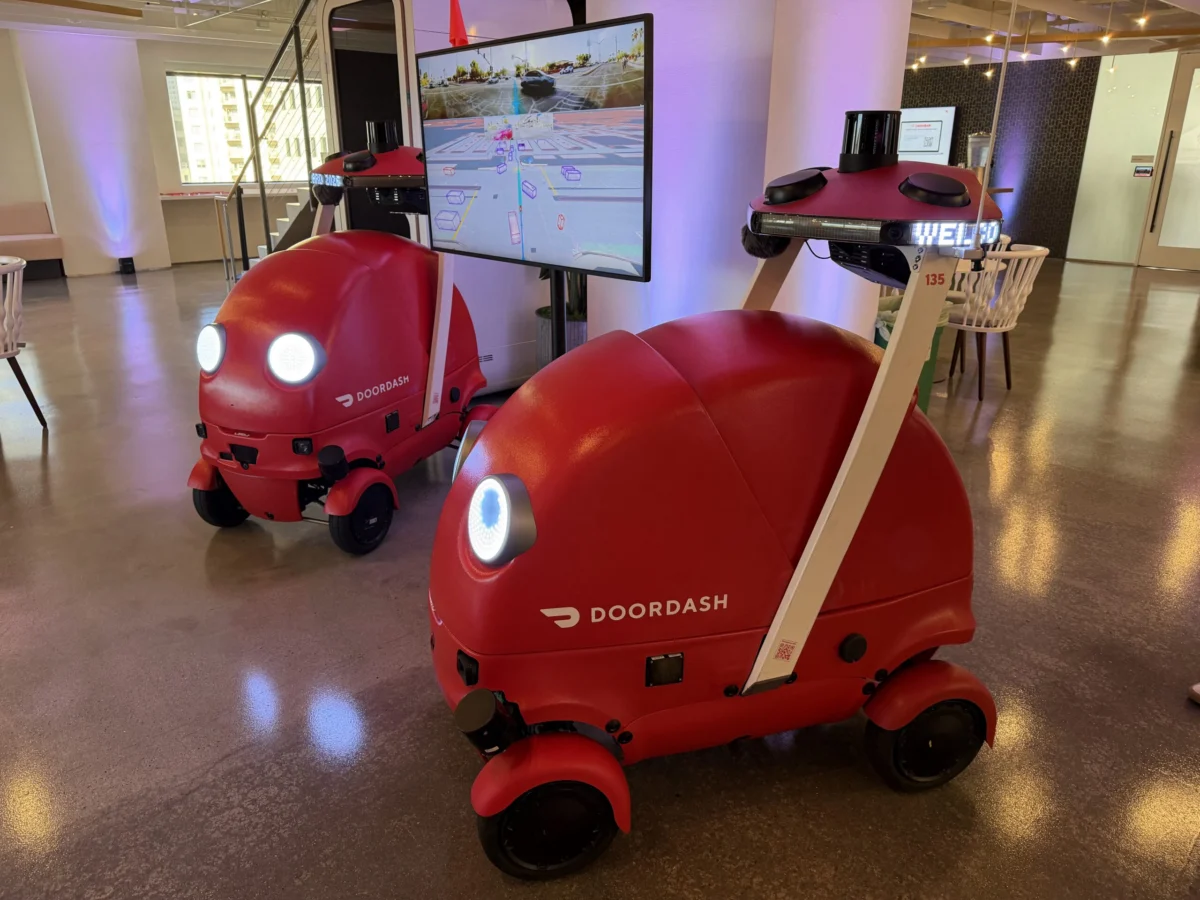
In a landmark transaction poised to reshape the landscape of online commerce, DoorDash Inc. has announced a definitive agreement to acquire its prominent last-mile delivery competitor, Instacart, in a deal valued at approximately $17 billion. This strategic acquisition, subject to regulatory approval and the consent of Instacart shareholders, aims to unite the operational strengths and technological prowess of two of the most significant players in the rapidly expanding retail and grocery delivery sectors. DoorDash plans to finance the substantial acquisition through a combination of cash, stock, and debt, signaling a major strategic investment in consolidating its market position and expanding its service offerings.
The rationale behind this ambitious merger, as articulated by DoorDash co-founder and CEO Tony Xu, centers on the inherent complexities of delivering groceries with the same care and precision as other goods. "Grocery is one of the hardest things to get right online," Xu stated in the acquisition announcement. "Someone has to pick a ripe avocado, find a substitute you’d choose yourself, and get the ice cream to you before it melts." He lauded Instacart’s dedication and success in mastering these intricate logistical challenges for grocers over many years. Concurrently, Xu highlighted DoorDash’s established delivery network and proprietary technology, which local businesses have come to depend on daily. "Together, we could give stores of every size more of those tools and unlock the potential of grocery delivery," Xu elaborated. "It’s still early innings, but we know that when more people shop local, more dollars stay local." This sentiment underscores a broader economic philosophy, suggesting that consolidated local delivery platforms can foster stronger community economies.
A Shifting Market and Strategic Convergence
The online grocery market has witnessed explosive growth in recent years. Data tracked by the firm Brick Meets Click indicates that online grocery sales in the U.S. have surged by over 20% year-over-year, steadily increasing their overall share of total grocery spending. This burgeoning market presents a fertile ground for consolidation, as companies seek to capture a larger slice of consumer demand and achieve greater operational efficiencies. The DoorDash-Instacart merger represents a significant response to this market dynamic, bringing together two entities that have become indispensable to millions of consumers and a vast network of retailers.
For Instacart, this acquisition marks a pivotal moment in its journey since its founding. Instacart CEO Chris Rogers emphasized the transformative impact the company has had on online grocery. "Over the last 14 years, Instacart has transformed online grocery by helping retailers of all sizes compete and grow, and joining forces with DoorDash allows us to do even more," Rogers commented. He articulated a vision where the combined entity can leverage Instacart’s specialized grocery technology and its deep-rooted relationships with retailers and brands, alongside DoorDash’s extensive consumer reach and sophisticated logistics capabilities. "When our purpose-built grocery technology and trusted retailer and brand relationships are combined with DoorDash’s global consumer reach and logistics capabilities, we can create new opportunities for our retail and brand partners, offer an even better experience for customers and shoppers, and deliver compelling value for our shareholders," Rogers added.
Operational Integration and Future Outlook
The companies anticipate the deal to be finalized around the end of 2027 or within the first half of 2028. Following the completion of the acquisition, DoorDash has indicated its intention to maintain the Instacart brand, recognizing its strong market identity and consumer trust. Furthermore, Instacart’s enterprise technology products and its established app are expected to be preserved. During the interim period leading up to the close of the deal, Instacart will continue to operate as an independent entity, ensuring continuity for its partners and customers.
One of the immediate strategic advantages highlighted by DoorDash is the potential to significantly expand the retail footprint available to Instacart users. The company estimates that the acquisition could bring an additional 50,000 stores onto the Instacart platform, augmenting the nearly 100,000 stores already participating. This expansion would offer consumers a wider selection of grocery options and provide more local businesses with access to a robust delivery infrastructure.
Background and Industry Context
The rise of both DoorDash and Instacart is intrinsically linked to the broader evolution of e-commerce and the increasing consumer demand for convenience. Both companies emerged during a period of significant technological advancement and shifting consumer behaviors, where the desire for on-demand services permeated various aspects of daily life.
DoorDash, initially focused on restaurant delivery, strategically diversified into grocery and convenience store offerings, recognizing the vast market potential beyond prepared meals. Its success has been built on a sophisticated logistics network, advanced data analytics, and a large base of independent contractors, often referred to as "Dashers."
Instacart, on the other hand, carved out its niche by focusing specifically on the complexities of grocery shopping. Its model involves employing "shoppers" who fulfill orders from physical grocery stores and deliver them to customers. Instacart has invested heavily in developing technology that streamlines the in-store shopping experience, from selecting fresh produce to managing inventory and communicating with customers about substitutions.
The proposed merger comes at a time when the delivery market is intensely competitive, with established players like Uber Eats also vying for market share. Consolidation in the sector is not entirely unexpected, as companies seek economies of scale, broader customer bases, and enhanced technological capabilities to stay ahead. The $17 billion valuation reflects the significant market power and growth potential attributed to both DoorDash and Instacart, particularly within the rapidly expanding online grocery segment.
Potential Implications and Analyst Perspectives
The acquisition is likely to have far-reaching implications for consumers, retailers, and the gig economy workforce. For consumers, the immediate benefit could be a more seamless and comprehensive delivery experience, with access to a wider array of goods and potentially faster delivery times as operational efficiencies are realized. Retailers, especially smaller businesses, could gain access to a more powerful and integrated platform, enhancing their ability to compete in the digital marketplace.
From a workforce perspective, the integration of two large delivery networks raises questions about the future of independent contractor roles, compensation models, and labor relations. Both companies rely heavily on a flexible workforce, and any changes in operational strategy could impact the earnings and working conditions of these individuals.
Industry analysts are closely watching the regulatory review process, which will likely scrutinize the potential for market concentration and its impact on competition. The Federal Trade Commission (FTC) and other antitrust bodies will assess whether the merger could lead to reduced choices for consumers, higher prices, or diminished innovation in the delivery sector. Historical precedents suggest that large-scale acquisitions in dominant markets often face rigorous review.
The successful integration of Instacart’s specialized grocery technology and retailer relationships with DoorDash’s expansive logistics network could indeed create a formidable force in the on-demand economy. This synergy has the potential to drive innovation in areas such as personalized shopping experiences, optimized inventory management for retailers, and more sustainable delivery practices. However, the execution of such a large-scale integration presents considerable challenges, including merging corporate cultures, aligning technological platforms, and ensuring a smooth transition for all stakeholders.
The "early innings" referred to by Tony Xu suggest that this acquisition is not merely about immediate market share but also about building a foundational infrastructure for the future of commerce. As online shopping continues to evolve, the ability to efficiently deliver a diverse range of goods, from a hot meal to a carton of milk, will be paramount. The DoorDash-Instacart merger represents a bold bet on that future, aiming to consolidate expertise and resources to meet the ever-increasing demands of convenience-seeking consumers. The coming months and years will reveal the true impact of this monumental deal on the competitive dynamics of the delivery industry and the broader digital economy.

 Nana