The opioid epidemic in the United States represents one of the most devastating public health crises in modern history, characterized by a staggering increase in drug overdose deaths and a fundamental shift in the landscape of substance abuse. This crisis, which has evolved through several distinct phases over the past three decades, has prompted researchers and data analysts to delve deep into statistical trends to understand the underlying patterns of addiction and mortality. By examining datasets from the Centers for Disease Control and Prevention (CDC), the United Nations Office on Drugs and Crime (UNODC), and demographic studies from organizations like FiveThirtyEight, a clearer picture emerges of how the United States became the epicenter of a global overdose phenomenon.
The genesis of the current crisis is often traced back to the late 1990s, when pharmaceutical companies reassured the medical community that patients would not become addicted to prescription opioid pain relievers. This led to a surge in prescriptions and a subsequent rise in the misuse of both prescription and non-prescription opioids. However, as the author of the original study noted, the full weight of the crisis often remains invisible to the general public until it is presented through the lens of comprehensive data and investigative journalism. A seminal moment in the public’s understanding of this issue was the publication of "Seven Days of Heroin" by the Cincinnati Enquirer, a Pulitzer Prize-winning report that documented a single week in the life of the heroin epidemic in one American city. This report served as a catalyst for many to move beyond anecdotes and seek a data-driven understanding of the crisis.
The Evolution of the Crisis: A Chronological Overview
To understand the current state of the epidemic, one must look at the three waves of opioid-related deaths identified by health officials. The first wave began in the 1990s with an increase in overdose deaths involving prescription opioids, such as natural and semi-synthetic opioids and methadone. The second wave began in 2010, marked by a rapid increase in overdose deaths involving heroin. As prescription opioids became harder to obtain due to tighter regulations, many individuals suffering from addiction transitioned to heroin, which was often cheaper and more readily available on the black market.
The third and most lethal wave began in 2013, characterized by significant increases in overdose deaths involving synthetic opioids, particularly illicitly manufactured fentanyl. Fentanyl, a synthetic opioid that is 50 to 100 times more potent than morphine, is often mixed with heroin or cocaine—with or without the user’s knowledge—to increase its potency. This third wave has resulted in a vertical spike in mortality rates, making the US opioid crisis a uniquely dangerous threat to national life expectancy.
Comparative Analysis: US vs. Global Overdose Rates
When placing the United States in a global context, the data reveals a stark disparity. According to UNODC figures, the United States leads the world in drug-related overdose deaths, both in absolute numbers and when adjusted for population. While countries like Iceland show high rates of deaths per million people, these figures are often skewed by very small total populations where a dozen deaths can significantly alter the per capita statistic. In contrast, the United States maintains a consistently high death rate across a massive and diverse population.
In comparison to other developed nations, the US rate of overdose is several times higher than that of Sweden or Australia. Experts attribute this disparity to several factors, including the historical over-prescription of pain medication, a lack of universal access to substance abuse treatment, and the rapid infiltration of synthetic opioids into the domestic drug supply. While the opioid crisis is often discussed as a global issue, the intensity of the "American epidemic" is unparalleled in the developed world.
Demographic Trends and Usage Patterns
One of the most revealing aspects of the data concerns the relationship between drug usage and lethality. When examining datasets regarding drug use by age, a counterintuitive trend emerges. While drugs like cocaine and crack show a broad adoption across various age groups, including older populations, heroin usage is most concentrated among individuals aged 20 to 34.
However, the mortality rate for heroin and synthetic opioids is disproportionately high compared to the total number of users. This indicates that while more people may experiment with or regularly use other substances, the "kill rate" of opioids is significantly higher. The data suggests that for heroin, the window between adoption and potential overdose is much narrower than for other illicit substances. This high lethality among younger demographics has profound implications for the labor market, family structures, and long-term societal health.
Regional Hotspots and Geographic Disparities
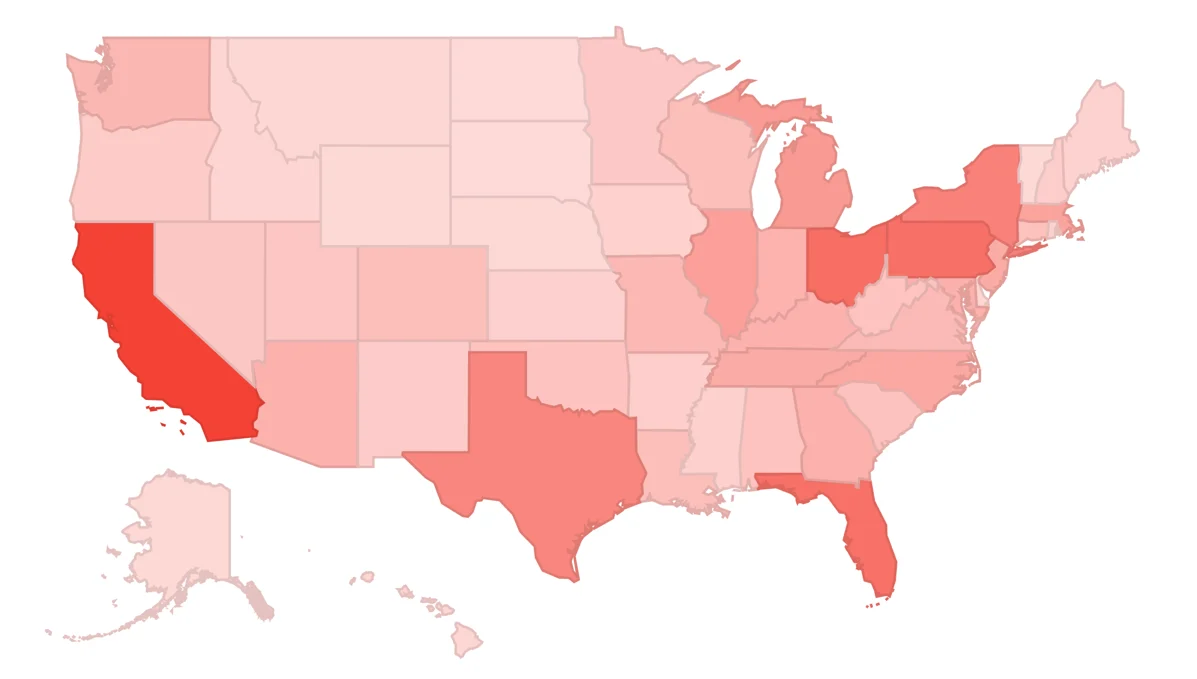
The impact of the opioid crisis is not uniform across the United States. Data from the CDC highlights specific geographic focuses where the epidemic is most acute. The Appalachian region, particularly states like West Virginia, Ohio, and Pennsylvania, has historically reported the highest rates of overdose deaths. These areas were often the initial targets of aggressive pharmaceutical marketing and have suffered from economic downturns that correlate with increased rates of "deaths of despair."
Analysis of state-level data reveals two critical metrics: current impact and developmental trends. Some states that were initially hit hard have seen a plateauing of death rates due to aggressive public health interventions and the widespread distribution of Naloxone, an overdose-reversal drug. Conversely, other states in the Midwest and New England have seen rapid escalations in recent years as fentanyl has replaced heroin as the primary driver of mortality. This geographic shift requires a dynamic policy response, as the "front lines" of the crisis continue to move.
Implications and Policy Responses
The socio-economic implications of the opioid crisis are vast. Beyond the tragic loss of life, the crisis places an immense burden on the healthcare system, the foster care system, and law enforcement. The economic cost of the opioid epidemic in the United States is estimated to be in the hundreds of billions of dollars annually, accounting for healthcare costs, lost productivity, and criminal justice involvement.
From a policy perspective, the data has driven a shift toward a "harm reduction" model in many jurisdictions. This includes:
- Expansion of Medication-Assisted Treatment (MAT): Utilizing medications like buprenorphine and methadone to help individuals manage withdrawal and cravings.
- Naloxone Access: Increasing the availability of overdose-reversal drugs for first responders and the general public.
- Prescription Drug Monitoring Programs (PDMPs): Electronic databases that track the prescribing and dispensing of controlled substances to prevent "doctor shopping."
- Fentanyl Testing Strips: Providing tools for users to detect the presence of lethal synthetic additives in other drugs.
The Role of Data in Public Health
The analysis provided by datasets such as those from FiveThirtyEight and the CDC serves a purpose beyond mere academic interest. For public health officials, data is a diagnostic tool. It allows for the identification of emerging trends before they become full-scale catastrophes. For the general public, data provides a way to grasp the immensity of a problem that is often hidden behind closed doors.
As the author of the original study concluded, the journey through this data changes one’s perspective on society. It shifts the conversation from one of "criminality" to one of "public health and systemic failure." The data reveals that the opioid crisis is not a series of isolated incidents of poor decision-making, but a systemic trend driven by corporate practices, healthcare gaps, and the chemical evolution of illicit substances.
Conclusion and Future Outlook
The United States remains in the grip of a lethal transition. While efforts to curb prescription opioid abuse have seen some success, the rise of synthetic opioids like fentanyl and its analogues has created a more dangerous environment than ever before. The "Fourth Wave" of the crisis is already being discussed by experts—a wave characterized by the co-use of opioids with stimulants like methamphetamine, which complicates treatment and increases the risk of heart failure and overdose.
To address this ongoing crisis, a multi-faceted approach informed by real-time data is essential. Analysts and researchers must continue to monitor usage patterns, geographic shifts, and the efficacy of various interventions. Only through a rigorous, data-driven understanding of the patterns of addiction and mortality can society hope to implement the solutions necessary to save lives and eventually bring an end to this devastating epidemic. The call to action for data analysts is clear: the skills used to track market trends and consumer behavior must be redirected toward solving the most pressing human crises of our time. Through data, the invisible patterns of the world become visible, providing a roadmap for intervention, recovery, and hope.