
 rifanmuazin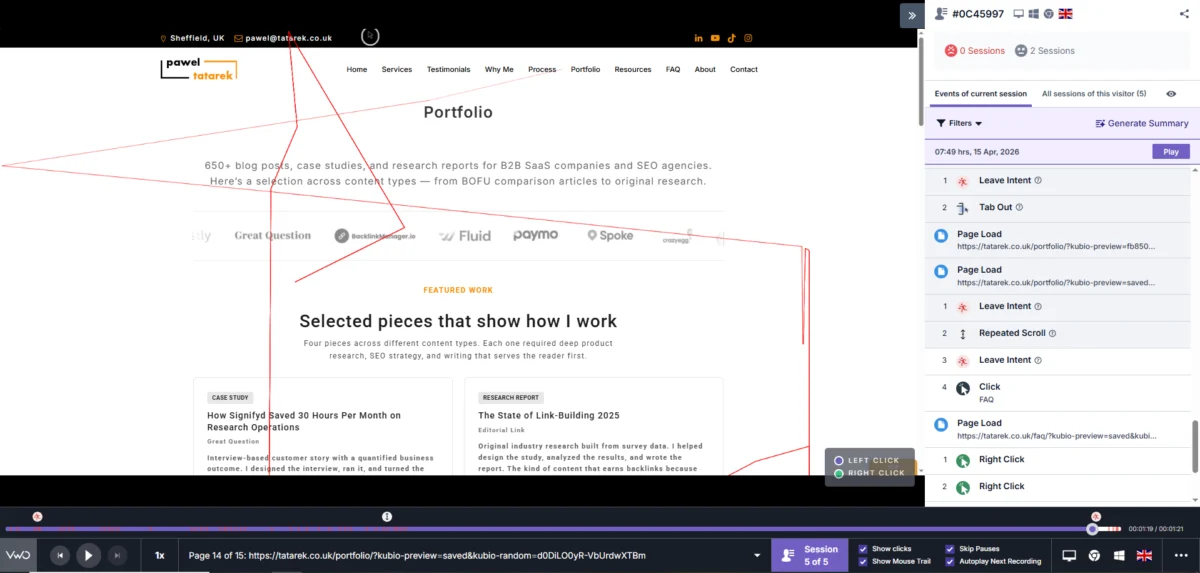
The landscape of conversion rate optimization (CRO) and user experience (UX) analytics has reached a critical juncture in 2026, as businesses increasingly prioritize data-driven decision-making to combat rising customer acquisition costs. At the center of this industry evolution are two primary contenders: Crazy Egg and VWO (Visual Website Optimizer). While both platforms aim to provide insights into visitor behavior, their divergent strategies regarding pricing, feature bundling, and technical scalability have created a clear divide in the market. As of April 2026, Crazy Egg has positioned itself as the high-value, streamlined alternative for small-to-medium enterprises (SMEs), while VWO remains the platform of choice for enterprise-level experimentation, albeit at a significantly higher price point.
The Evolution of Behavioral Analytics: A Brief Chronology
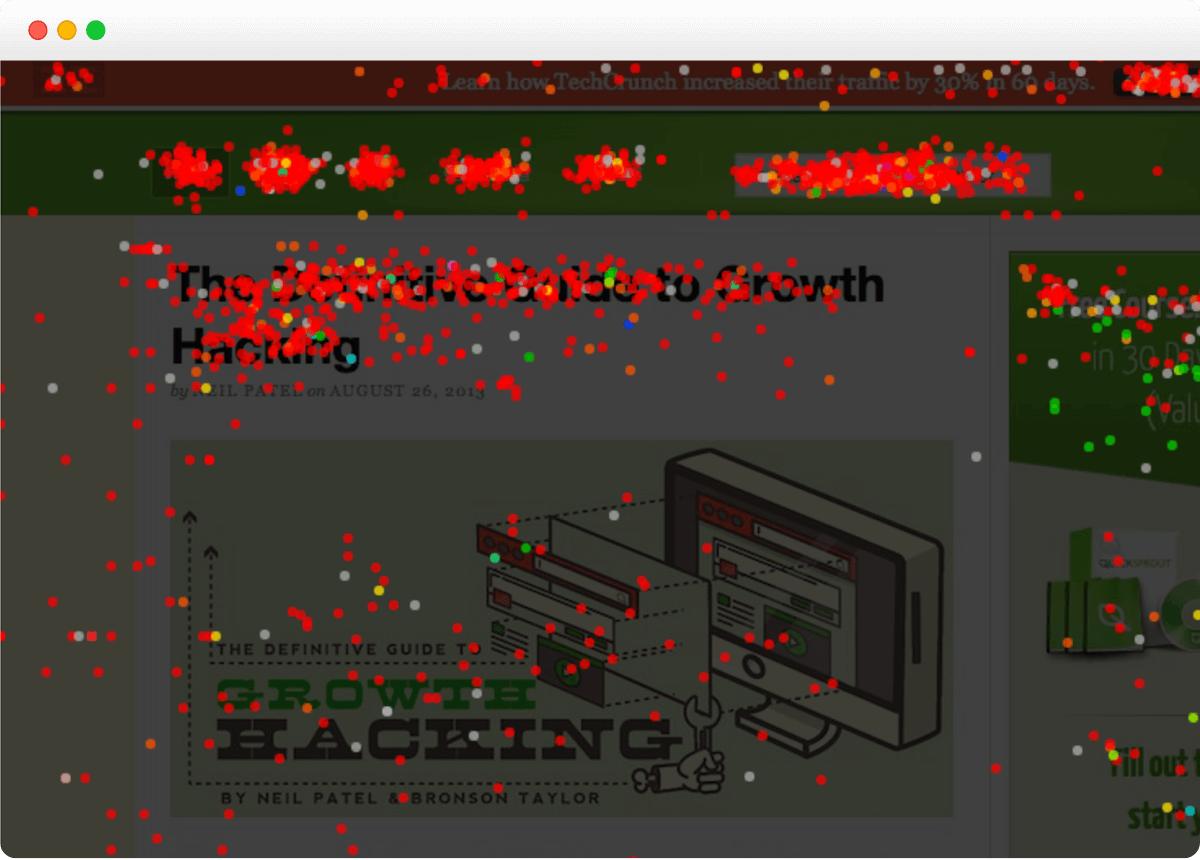
To understand the current rivalry, one must look at the trajectory of the CRO industry over the past two decades. Crazy Egg, co-founded by Hiten Shah and Neil Patel in 2006, was among the first tools to popularize "Heatmaps," a visual representation of where users click and scroll. For years, it remained the gold standard for visual analytics.
Conversely, VWO, launched by Paras Chopra in 2010, entered the market with a heavy focus on A/B testing. Over the subsequent 16 years, VWO expanded its ecosystem into a modular suite of products, including VWO Insights, VWO Testing, VWO Pulse, and VWO Personalize. By 2026, the industry has shifted from simple tracking to "Experience Optimization," where AI-driven insights and server-side testing are the new requirements. This shift has forced both companies to innovate rapidly, leading to the current feature sets that define their market standing today.
Core Feature Comparison: Visualizing the User Journey
The primary draw for both platforms remains their ability to visualize the user experience through heatmaps and session recordings. However, the technical implementation of these features differs in ways that impact both data accuracy and utility.
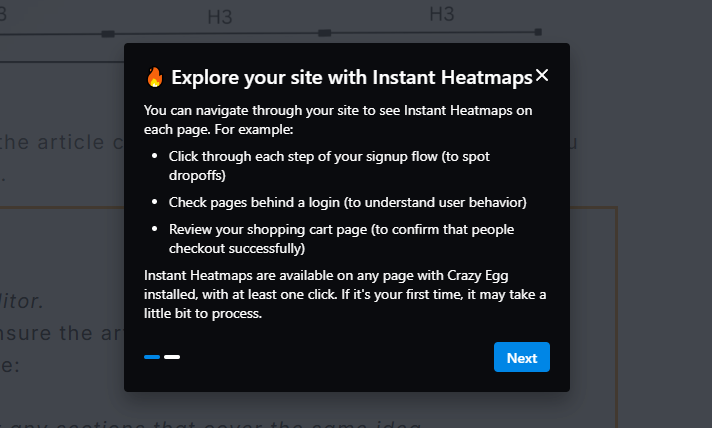
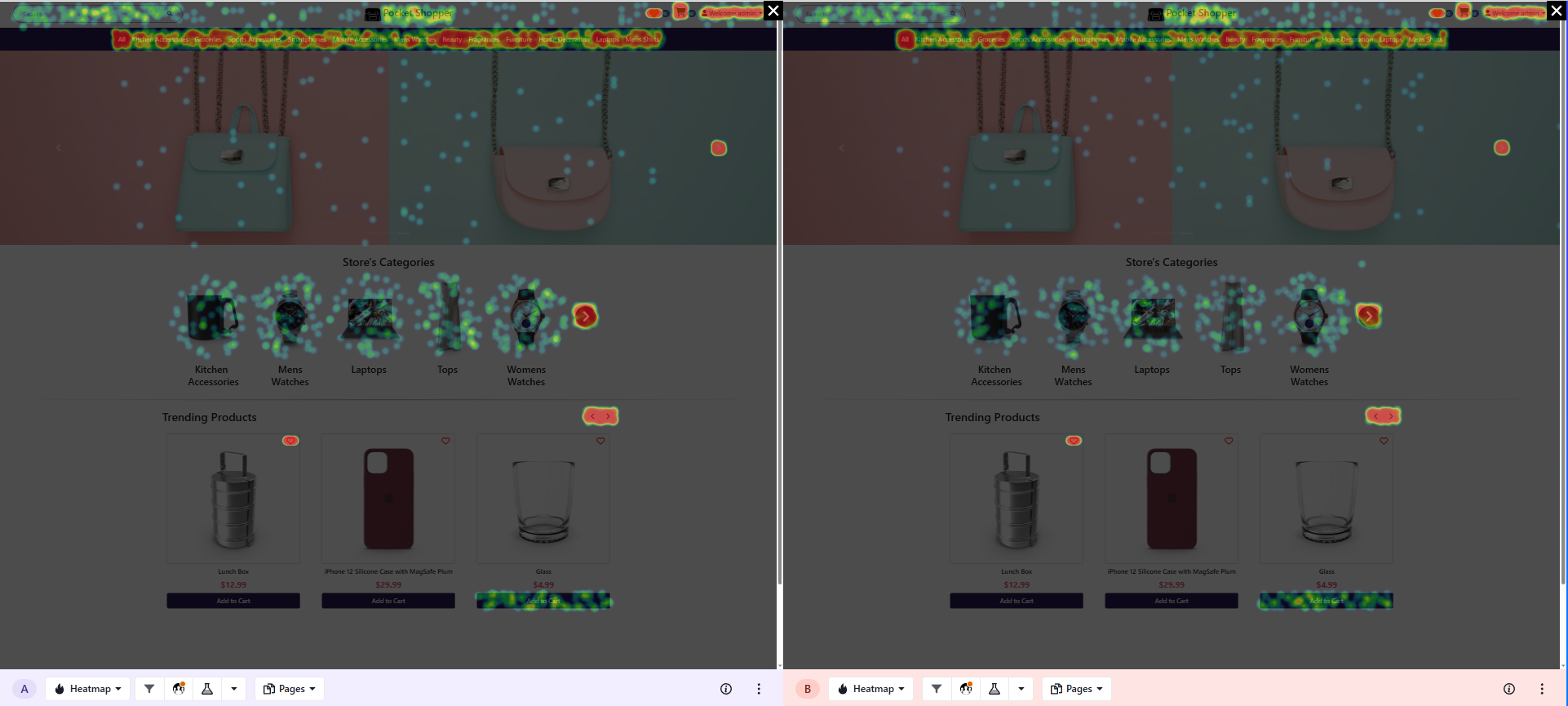
Crazy Egg offers five distinct heatmap types, including its proprietary "Confetti Map." This tool allows for per-click segmentation, enabling marketers to see traffic sources, device types, and conversion status on a single view. In a market where multi-channel attribution is increasingly complex, the ability to filter clicks by UTM parameters directly on a heatmap is a significant advantage for performance marketers. Crazy Egg also provides "Instant Heatmaps," a feature that auto-generates data across an entire site without requiring manual setup for individual pages.
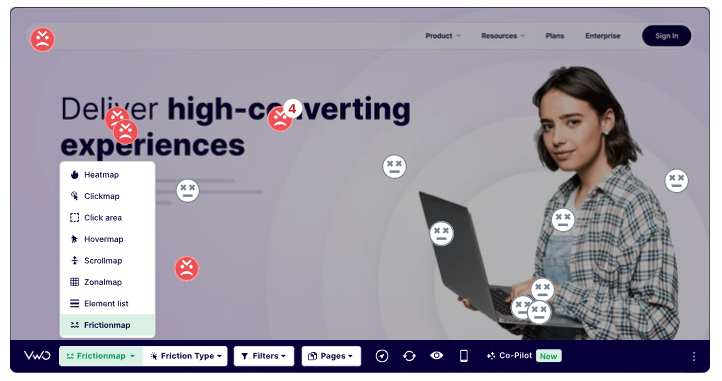
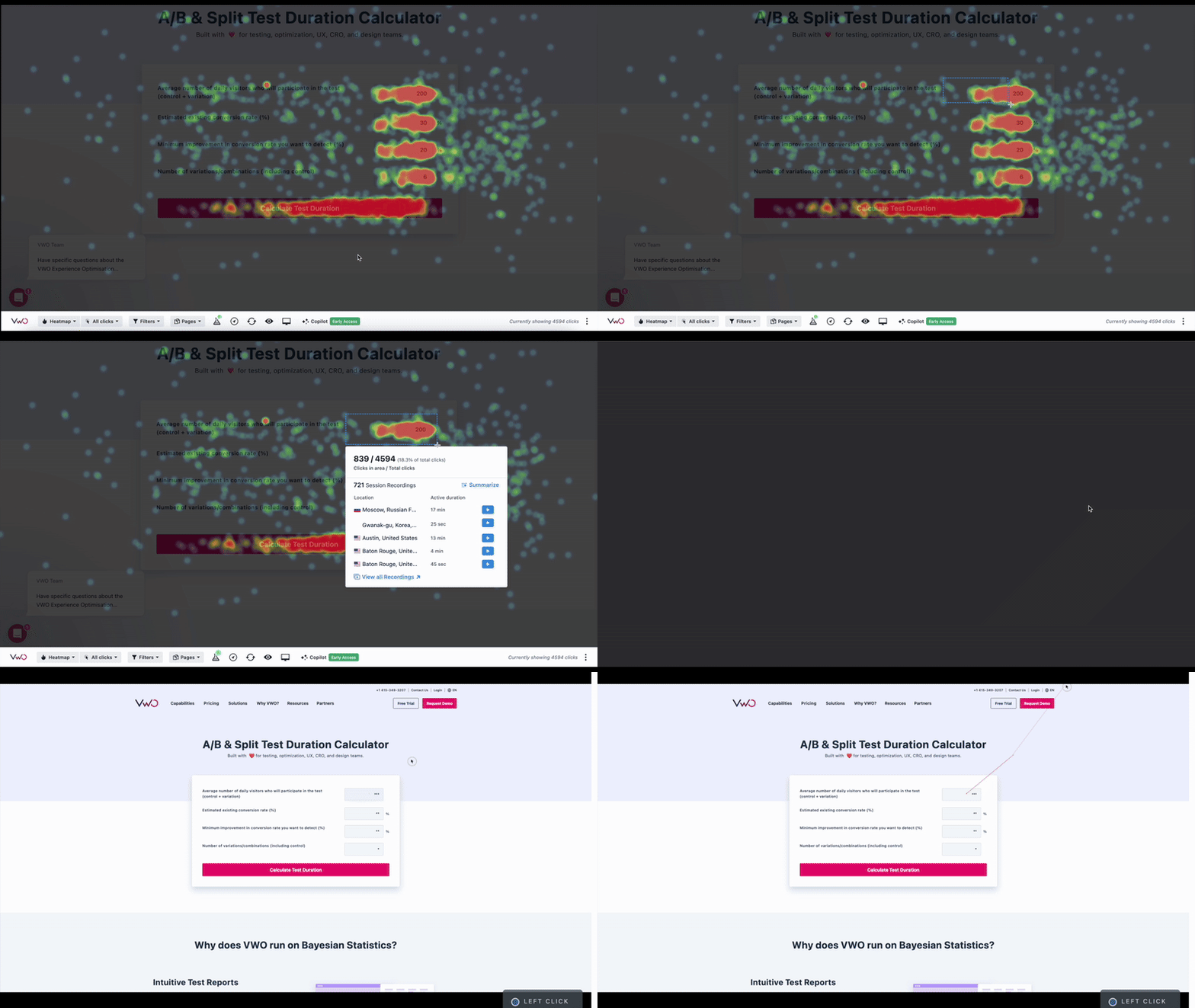
VWO provides a broader array of seven heatmap types, including specialized views like Frictionmaps and Zonalmaps. While VWO lacks a direct equivalent to Crazy Egg’s Confetti Map—meaning users cannot overlay multiple segments onto one view simultaneously—it excels in dynamic tracking. VWO’s heatmaps are designed to handle moving elements, such as carousels and modal pop-ups, more fluidly than traditional static overlays. Additionally, VWO’s "First-click filters" provide a specialized look at the initial user reaction, which is often cited by UX researchers as the most critical moment in the conversion funnel.
Data Retention and Sampling Logistics
A significant point of contention in 2026 is the handling of session recordings. In an era of strict data privacy and high storage costs, how a tool records and retains data has become a major factor in total cost of ownership.
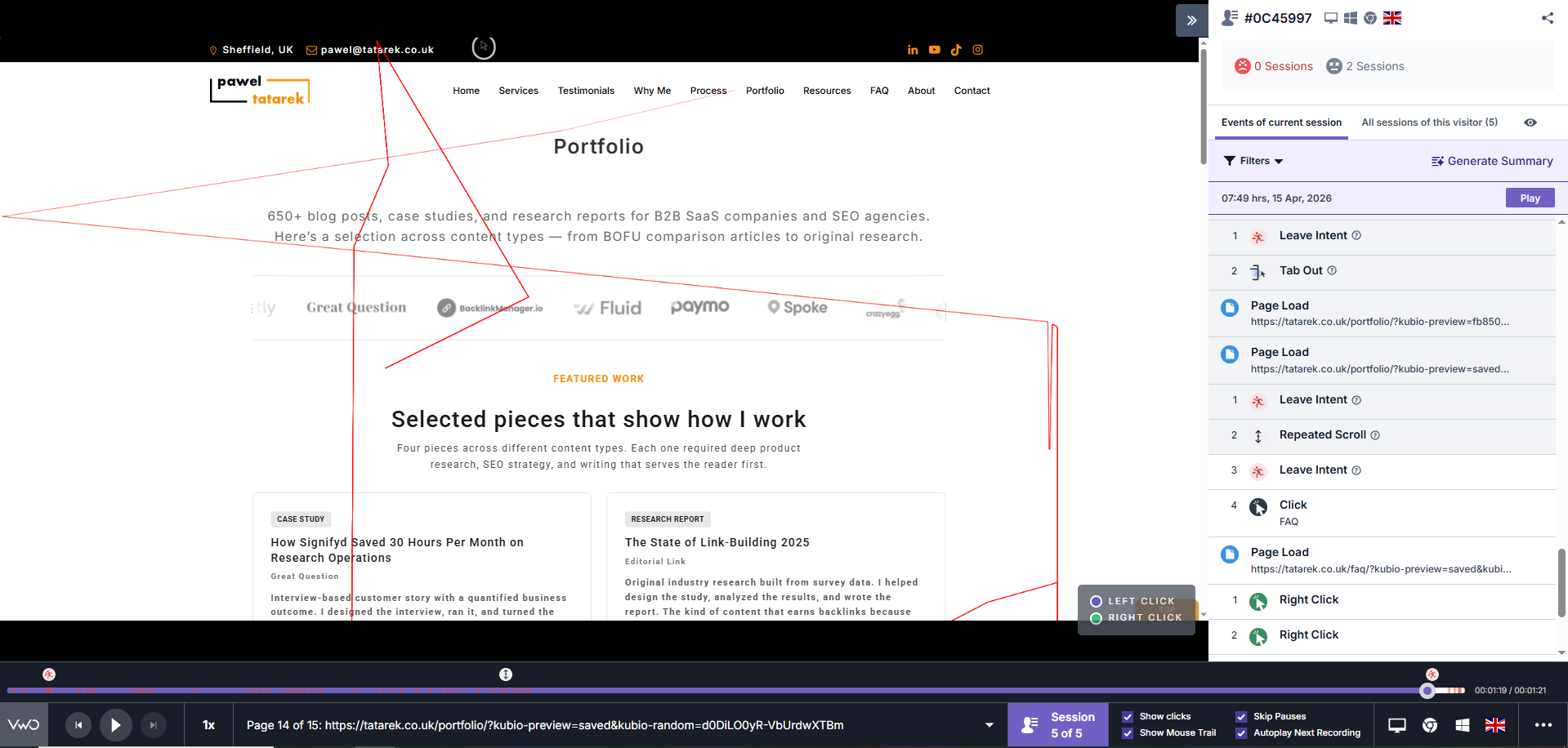
Crazy Egg utilizes a "Tracked Pageview" model. It captures recordings based on a specific budget or percentage of traffic, allowing users to focus their resources on high-value pages like checkout flows. Crucially, Crazy Egg offers a retention period of six months to two years, depending on the plan. This allows for long-term year-over-year analysis, which is vital for seasonal businesses.
VWO markets its recordings as "unlimited," but industry analysts note that the platform utilizes sampling. This means that not every visitor is recorded, which can lead to gaps in data when troubleshooting rare technical bugs. Furthermore, VWO’s data retention is significantly shorter, typically ranging from one to three months. For enterprise clients requiring historical audits, this necessitates more frequent data exports or higher-tier plan upgrades.
The Experimentation Engine: A/B and Multivariate Testing
While Crazy Egg has added A/B testing to its bundled offering, its engine is designed for marketing teams who need to test page-level changes—such as headlines, images, or CTA buttons—without developer intervention. It includes a visual editor, split URL testing, and Multi-Armed Bandit (MAB) capabilities, which automatically shift traffic to the winning variant to prevent revenue loss during a test.
VWO Testing, however, remains a more potent engine for technical teams. It supports multivariate testing (testing multiple variables simultaneously), server-side experiments, and mobile app testing. For large-scale retailers, VWO’s "Guardrails" feature is an essential safety net, ensuring that experiments do not inadvertently tank primary business metrics. However, this power comes with a structural catch: VWO Testing is a separate product. To match the basic testing and heatmap functionality found in a single Crazy Egg subscription, a business must subscribe to both VWO Insights and VWO Testing.
The AI Frontier: Proactive vs. Generative Analysis
In 2026, artificial intelligence has moved from a buzzword to a functional component of CRO. Both Crazy Egg and VWO have integrated AI, but their philosophies differ.
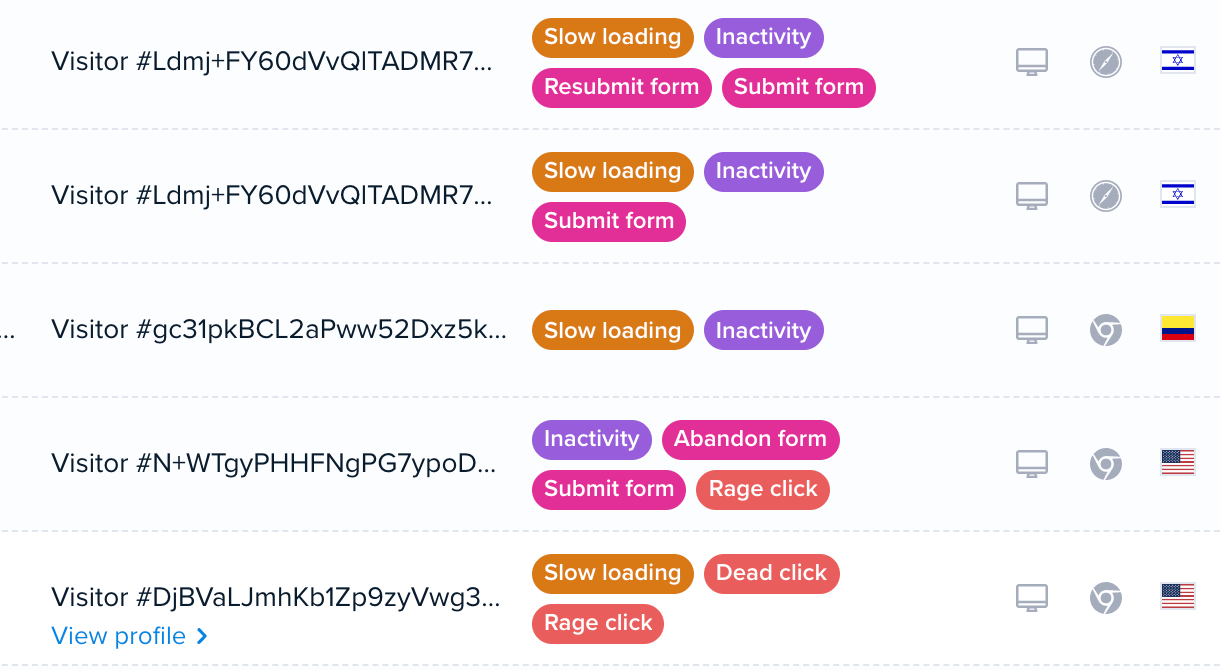
Crazy Egg’s AI is "proactive." It runs automatically across heatmaps, recordings, and surveys, surfacing insights without user prompting. For example, it might identify a specific "rage click" pattern on a mobile device and alert the user to a broken button before the user even opens the dashboard. It also allows users to export heatmap data directly into external LLMs like ChatGPT or Gemini for deeper custom analysis.
VWO has introduced "VWO Copilot," which leans toward generative AI. Beyond just analyzing data, Copilot assists in the creation of tests. It can generate A/B test ideas based on a URL, write copy for different variants, and even build custom audience segments for targeting. This makes VWO a more comprehensive tool for teams with high testing velocity but limited creative resources. However, as of April 2026, Copilot remains in "Early Access," with pricing structures still under development, leading to some uncertainty regarding its long-term cost.
Financial Implications: The Bundle vs. The Suite
The most stark difference between the two platforms lies in their billing models and total cost of investment.

Crazy Egg Pricing Structure:
- Starter: $29/month (billed annually)
- Plus: $99/month (billed annually)
- Enterprise: $599/month (billed annually)
- Billing Metric: Tracked Pageviews. Users only pay for the pages they actively choose to monitor. Surveys, web analytics, and conversion analytics are included for free and do not count against the quota.
VWO Pricing Structure:
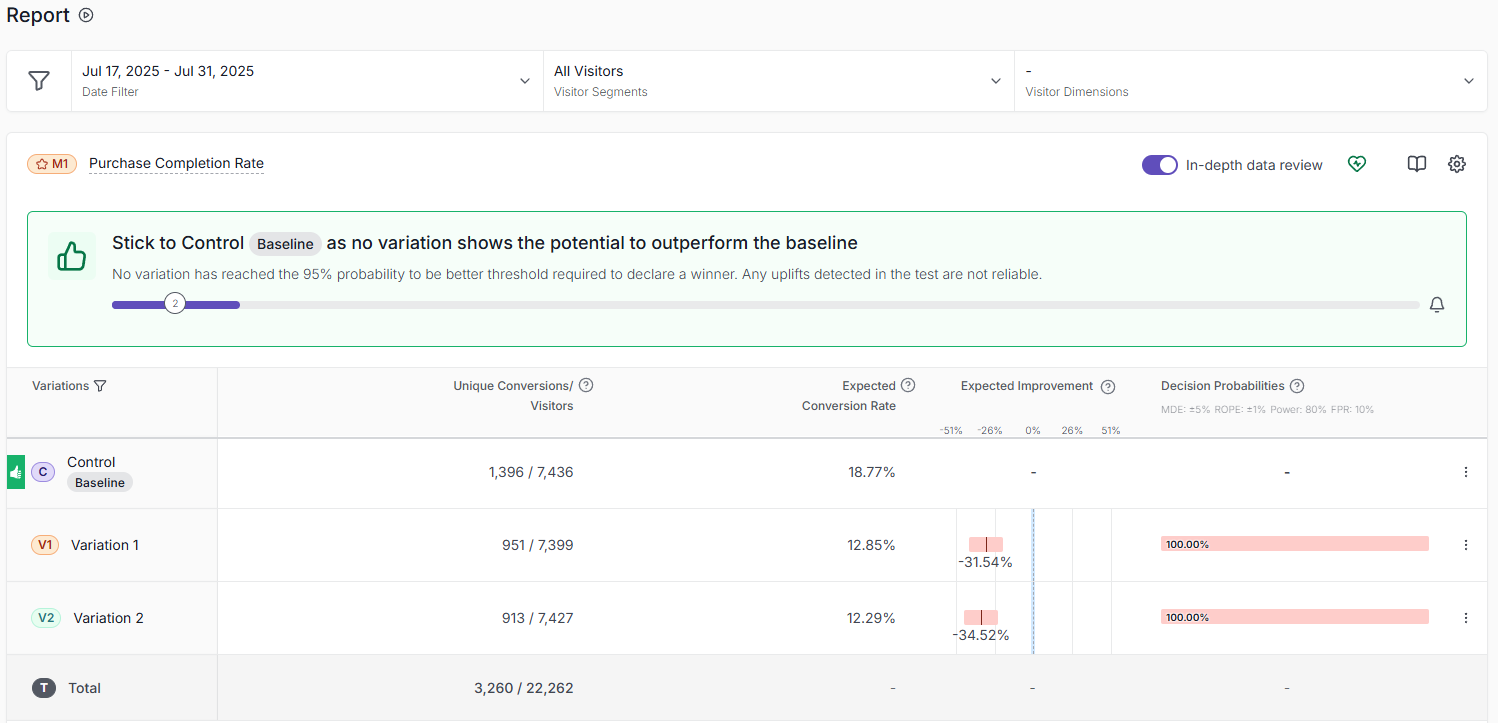
- VWO Insights (Growth): $339/month
- VWO Testing (Growth): $364/month
- VWO Pulse (Surveys): $357/month
- Total Bundle Cost: $1,060/month for the equivalent of Crazy Egg’s features.
- Billing Metric: Monthly Tracked Users (MTU). VWO charges for every unique visitor who lands on any page where the VWO code is installed, regardless of whether that visitor is part of a test or heatmap.
For a mid-sized company with 25,000 monthly visitors, the cost disparity is nearly ten-fold. Industry analysts suggest that Crazy Egg’s model is more sustainable for companies with high traffic but lower margins, whereas VWO’s model targets high-revenue enterprises where the cost of the tool is a negligible fraction of the potential lift in conversion value.
Broader Impact and Industry Implications
The competition between Crazy Egg and VWO reflects a broader trend in the software-as-a-service (SaaS) industry: the "Great Unbundling" vs. "The All-in-One." Crazy Egg’s success in 2026 is driven by its "all-in-one" simplicity, appealing to generalist marketers and small teams who are experiencing "tool fatigue." By bundling error tracking, surveys, and pop-up CTAs into a single subscription, Crazy Egg reduces the administrative burden of managing multiple vendors.
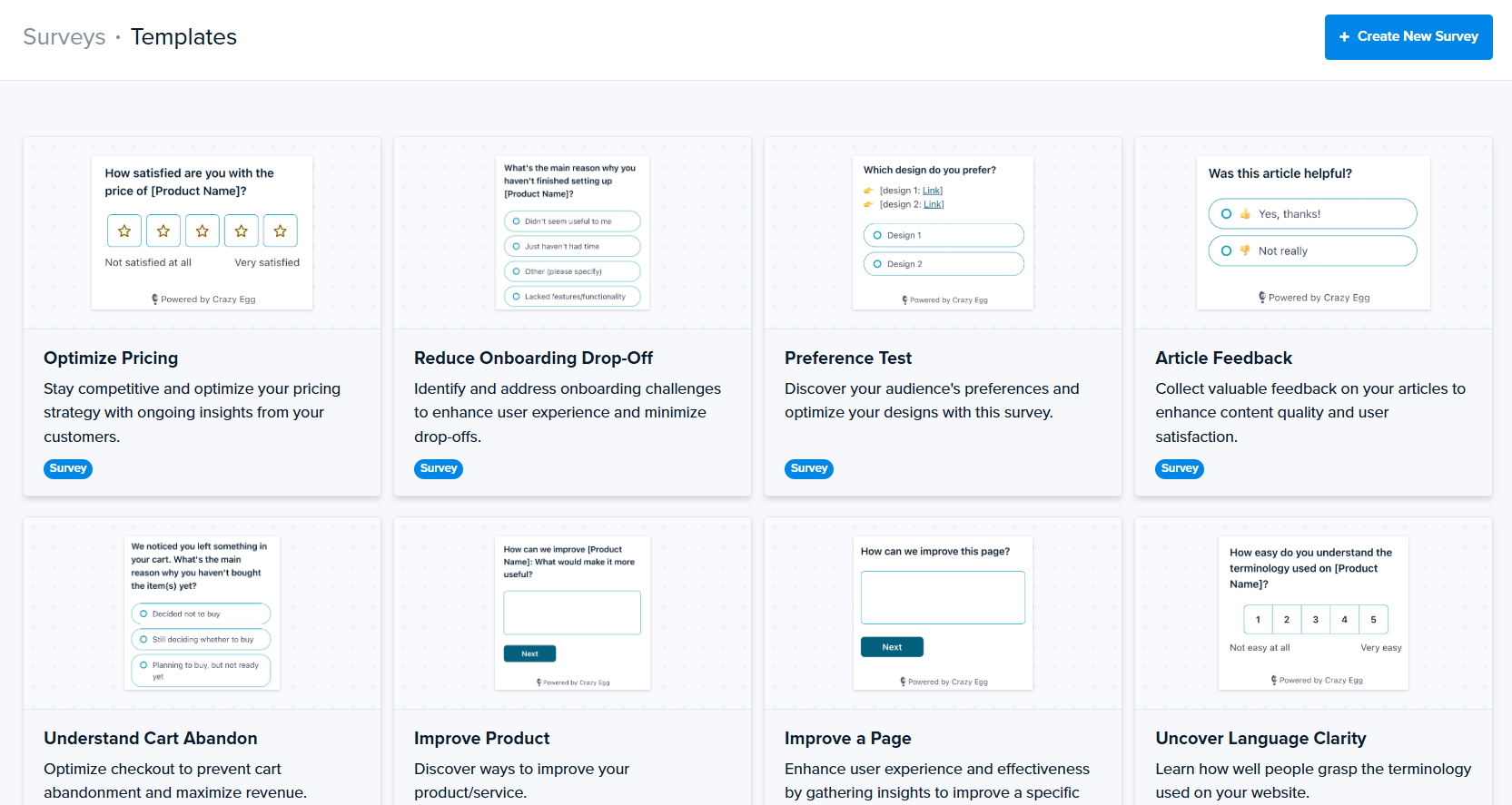
VWO, conversely, represents the "Best-of-Breed" approach. Its modularity allows enterprise IT departments to pick and choose exactly which capabilities they need. While more expensive and complex to implement, it offers a level of customization—such as native mobile app surveys and field-level form analytics—that Crazy Egg does not currently aim to provide.
The 2026 market data suggests that the "democratization of CRO" is being led by Crazy Egg, as its free tier (which includes Instant Heatmaps and Surveys) allows startups to begin optimizing without initial capital expenditure. VWO, by contrast, has moved away from a permanent free plan, offering only a 30-day trial, signaling its intent to focus on a more affluent, committed customer base.
Final Assessment
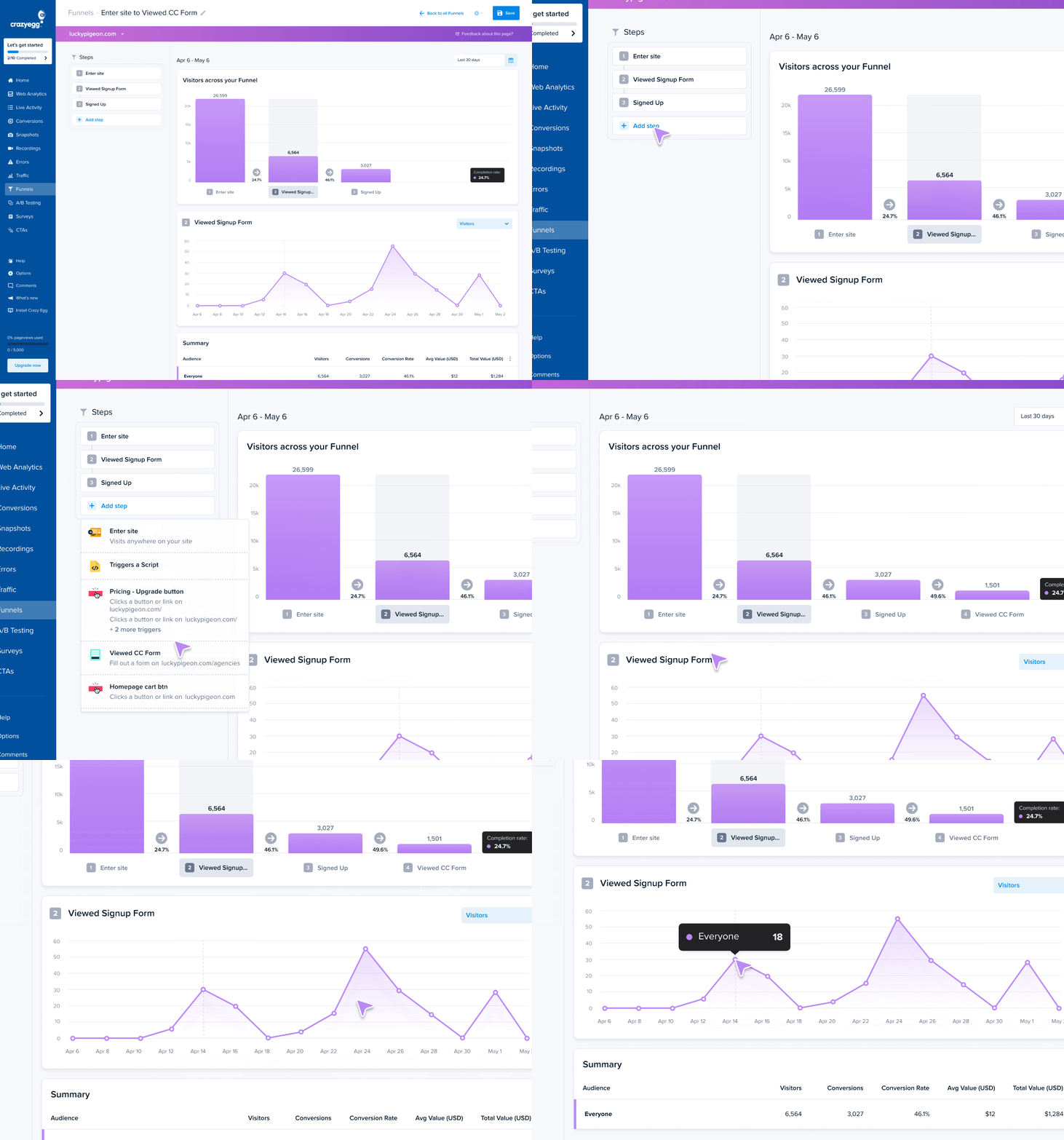
As businesses navigate the complexities of the 2026 digital economy, the choice between Crazy Egg and VWO comes down to the scale of experimentation required. Crazy Egg offers an accessible, predictable, and highly visual entry point for businesses that need to understand "the why" behind user behavior without breaking the bank. Its inclusion of retroactive funnels and long-term data retention makes it a powerful ally for growth-focused SMEs.
VWO remains the heavyweight champion for data scientists and dedicated CRO agencies. Its ability to handle complex server-side experiments and its AI-assisted test generation provide an edge for organizations where a 0.1% lift in conversion translates into millions of dollars in revenue. For most businesses, however, the bundled value and flat learning curve of Crazy Egg present a compelling case for efficiency in an increasingly expensive digital marketing landscape.








