

The digital landscape has reached a point of saturation where acquiring traffic is often less cost-effective than optimizing the traffic a website already receives. This paradigm shift has placed Conversion Rate Optimization (CRO) at the center of modern business strategy. Among the leaders in this space are Crazy Egg and Mouseflow, two platforms that have defined the way companies visualize user behavior. While both tools aim to increase conversions and reduce bounce rates, they cater to fundamentally different philosophies of web management. Crazy Egg functions as an all-in-one experimentation suite, while Mouseflow positions itself as a high-precision diagnostic tool for user friction.
The Evolution of User Behavior Analytics
To understand the current competition between Crazy Egg and Mouseflow, one must look at the trajectory of the CRO industry. Crazy Egg, co-founded in 2005 by marketing luminaries Neil Patel and Hiten Shah, was a pioneer in the concept of heatmapping. At a time when Google Analytics provided only numerical data, Crazy Egg introduced "Confetti" maps, allowing marketers to see exactly where users clicked based on referral sources.
Mouseflow entered the market later, in 2010, focusing on the technical nuances of user frustration. As web applications became more complex—moving from static pages to dynamic, single-page applications (SPAs)—the need for session replay and form analytics grew. Mouseflow capitalized on this by developing quantitative metrics like the "Friction Score," which attempts to turn qualitative behavior into a hard data point for developers and UX designers.
Today, the industry is moving toward consolidation. Marketing teams are increasingly wary of "tool fatigue" and are looking for platforms that can not only identify problems but also provide the infrastructure to test and implement solutions.
Crazy Egg: The Integrated Experimentation Platform
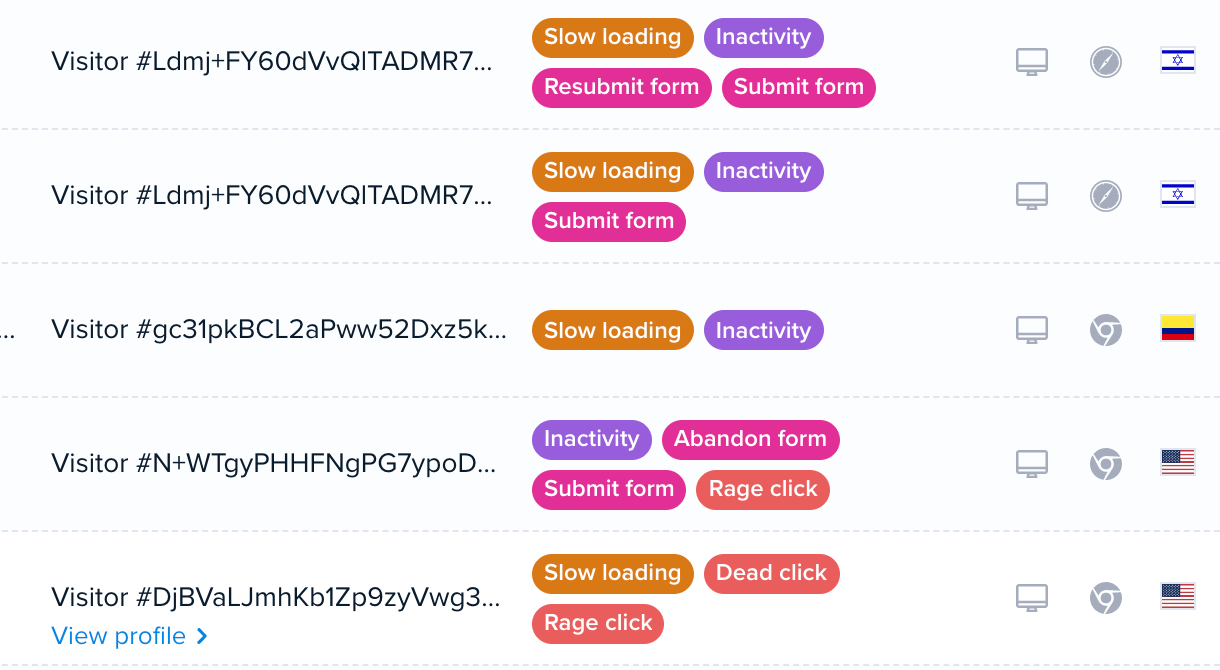
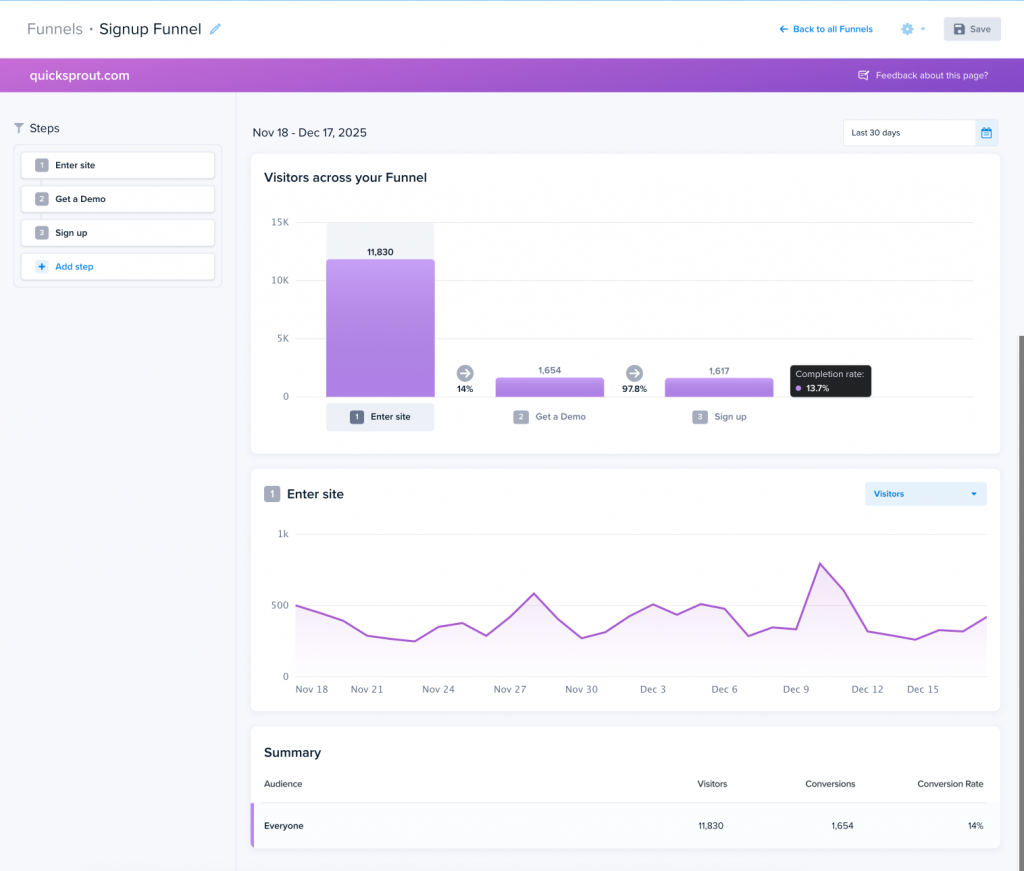
Crazy Egg’s primary value proposition lies in its ability to bridge the gap between insight and action. In a traditional workflow, a marketer might find a problem in a heatmap tool and then have to export those findings into a separate A/B testing tool like Optimizely or VWO. Crazy Egg eliminates this friction by housing both behavioral analytics and testing environments under one roof.
Heatmapping and the Confetti Legacy
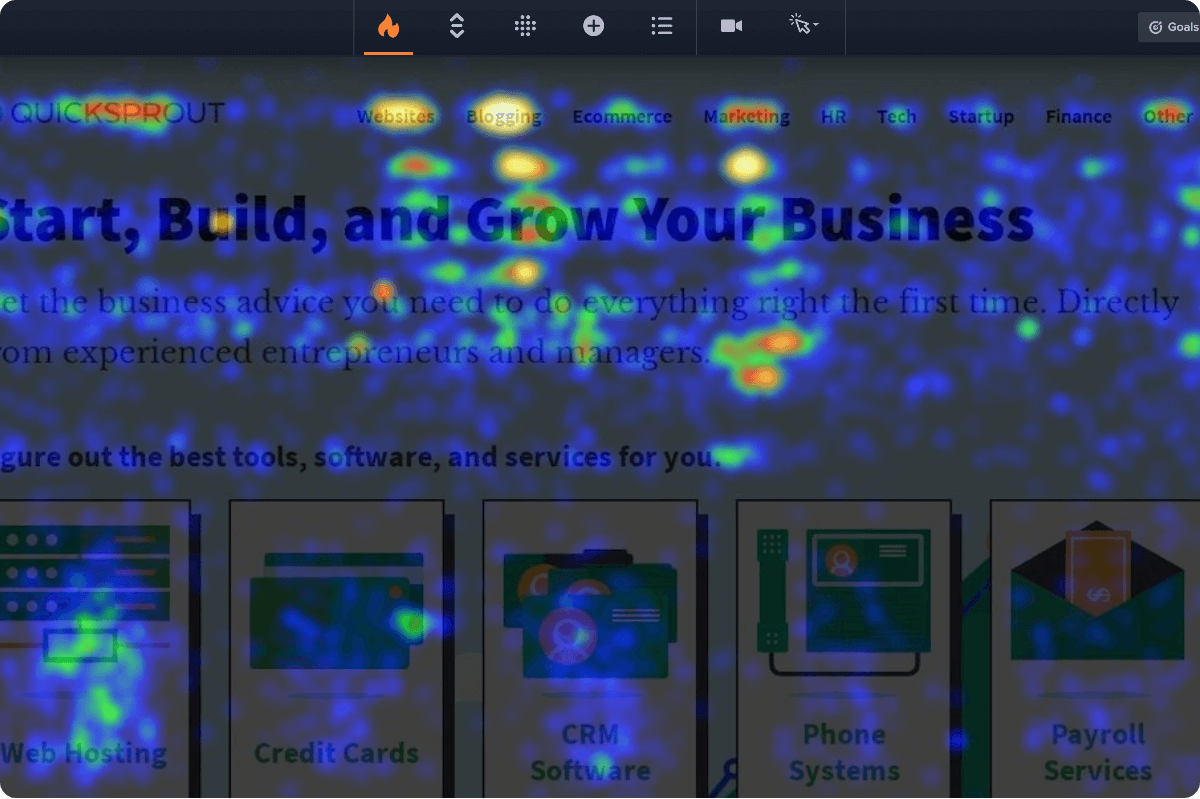
Crazy Egg offers five distinct map types, but its standout feature remains the Confetti map. Unlike standard heatmaps that show a "blob" of activity, Confetti maps allow for per-click segmentation using over 17 different metrics. This means a user can see how visitors from a specific Facebook ad campaign interact with a page differently than those arriving via organic search.
Native A/B Testing Capabilities
Perhaps the most significant differentiator for Crazy Egg is its native A/B testing suite. Users can utilize a visual editor to change headlines, button colors, or image placements without writing code. Because the testing tool is linked to the heatmaps and session recordings, the platform can automatically generate insights explaining why a certain variant won or lost. This creates a feedback loop that is difficult to replicate when using disparate tools.
Accessibility and AI Integration
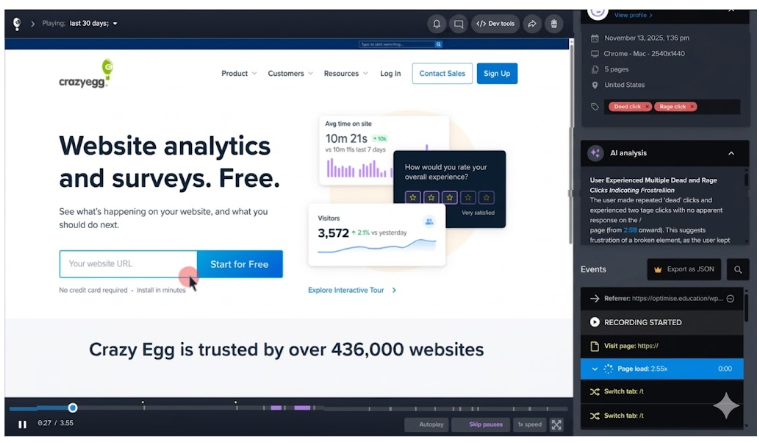
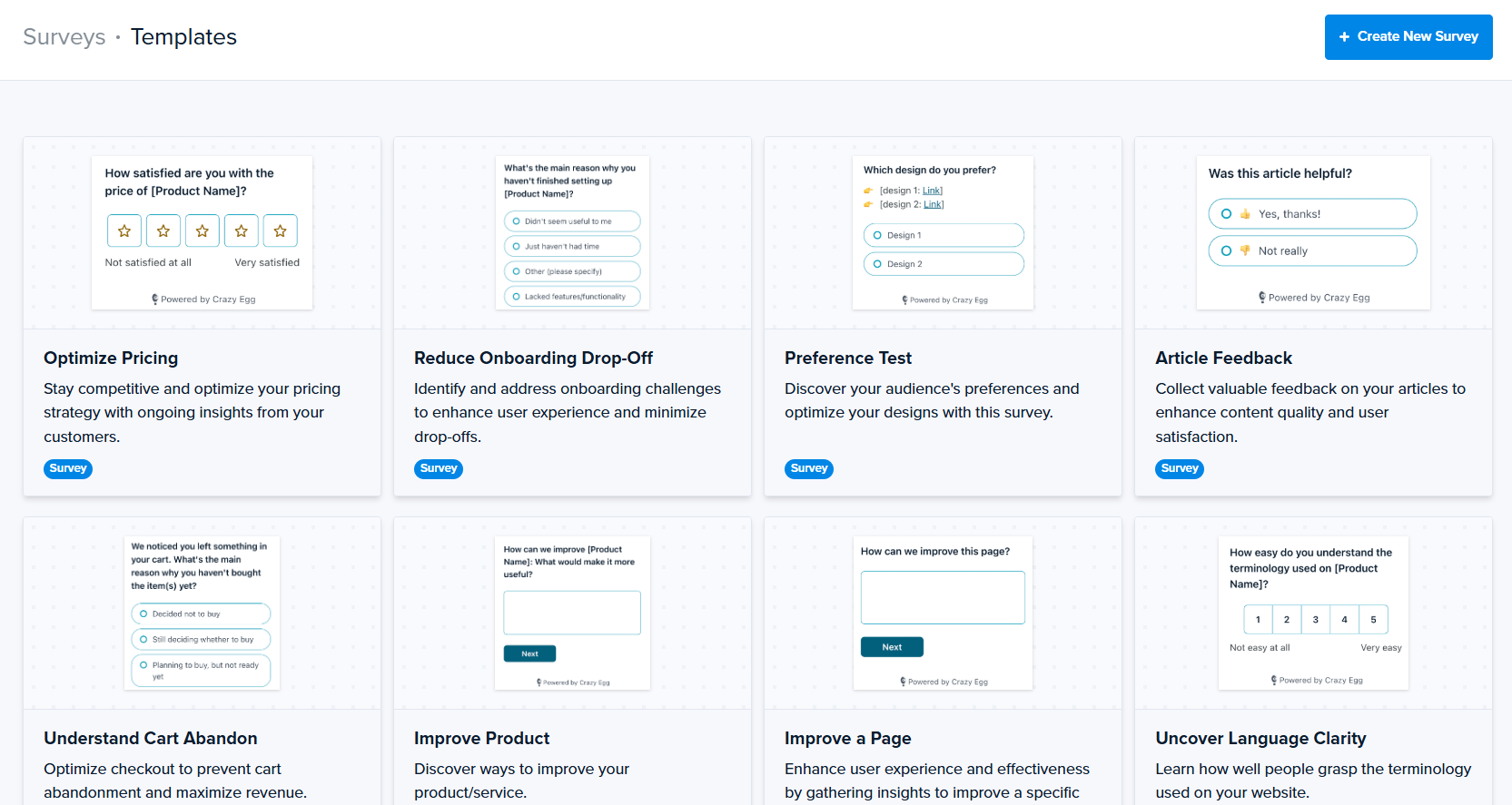
In recent updates, Crazy Egg has prioritized accessibility, ensuring its survey tools meet WCAG AAA standards. This makes it a preferred choice for government agencies and large public-sector organizations. Furthermore, its AI Analysis engine runs automatically across reports, surfacing "Top Insights" that highlight unusual behavior patterns without requiring the user to manually sift through hours of session recordings.
Mouseflow: The Precision Diagnostic Specialist
If Crazy Egg is a multi-tool for marketers, Mouseflow is a microscope for UX researchers and product managers. Its architecture is built around the identification of "friction"—the moments when a user struggles with a website’s interface.
The Friction Score and Industry Benchmarking
Mouseflow’s most sophisticated feature is its aggregate Friction Score. By analyzing behaviors such as "rage clicking" (rapidly clicking a non-responsive element) and "mouse thrashing," Mouseflow assigns a numerical value to the user experience. Crucially, it provides industry benchmarks, allowing a company to see how their checkout page friction compares to the average for the e-commerce sector.
Field-Level Form Analytics
Forms are the most common point of abandonment in the conversion funnel. While many tools show when a user starts or finishes a form, Mouseflow provides field-level analysis. It can identify which specific field (e.g., "Phone Number" or "Zip Code") causes the most hesitation or triggers the most validation errors. This level of granularity is essential for optimizing lead generation and checkout flows.
Live Session Viewing and Journey Mapping
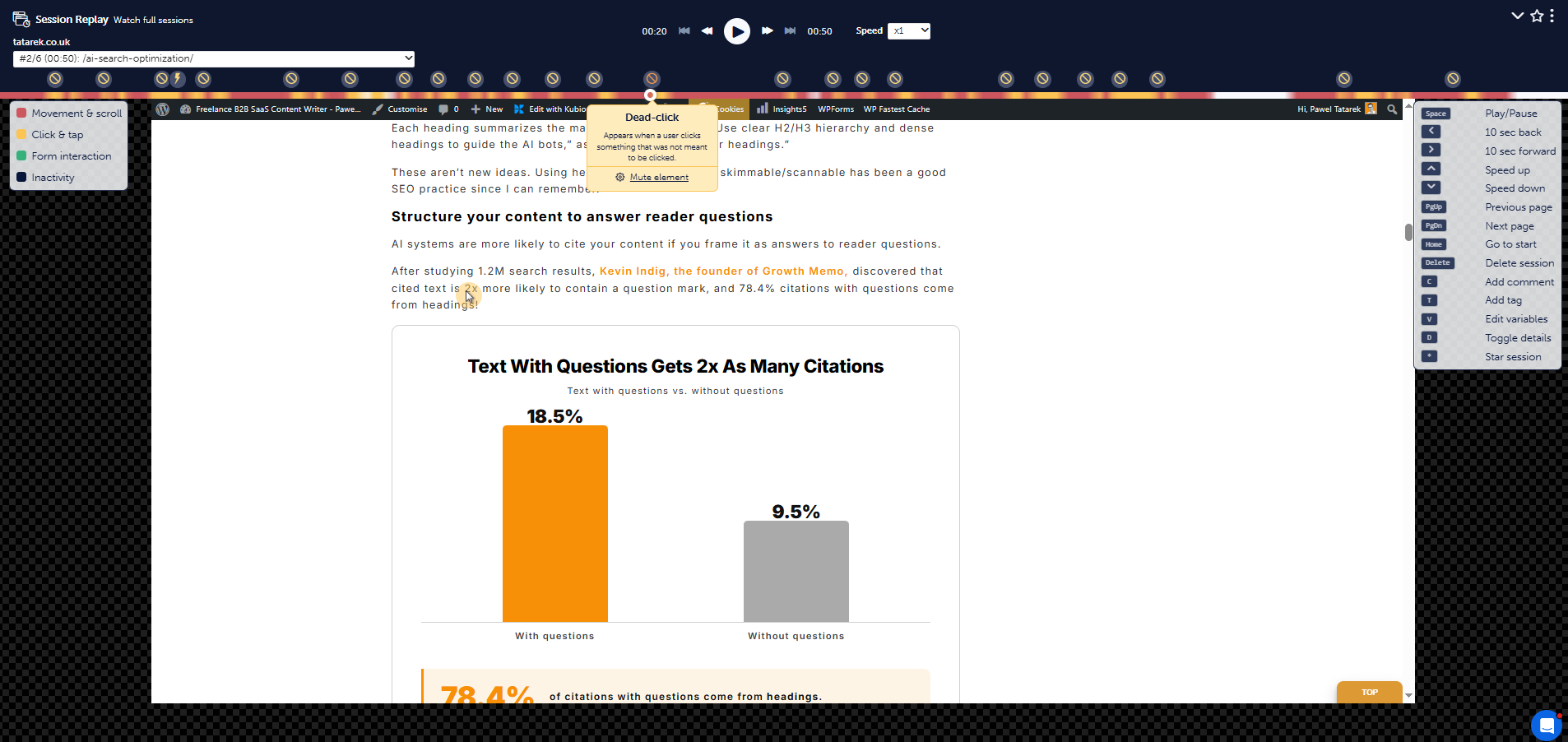
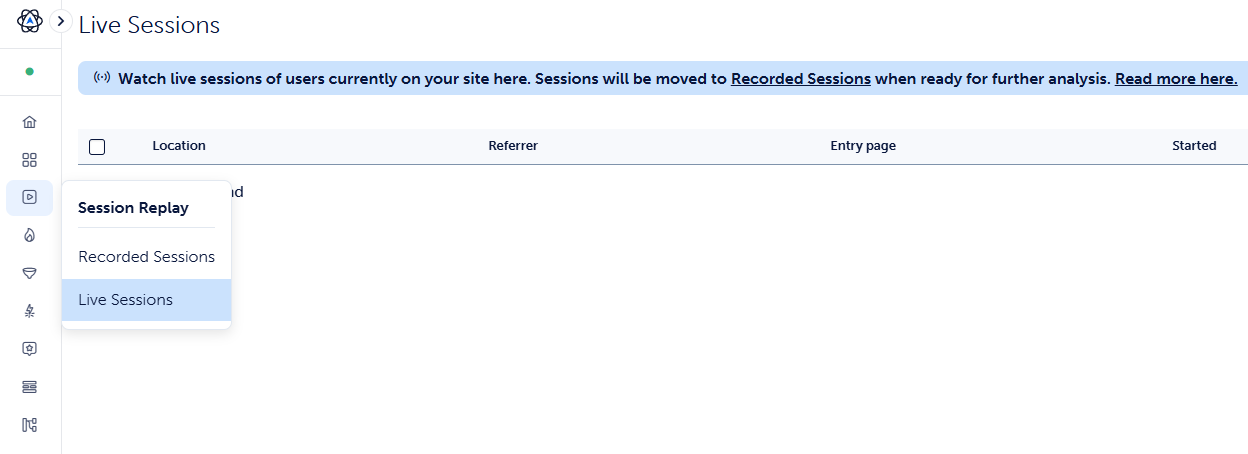
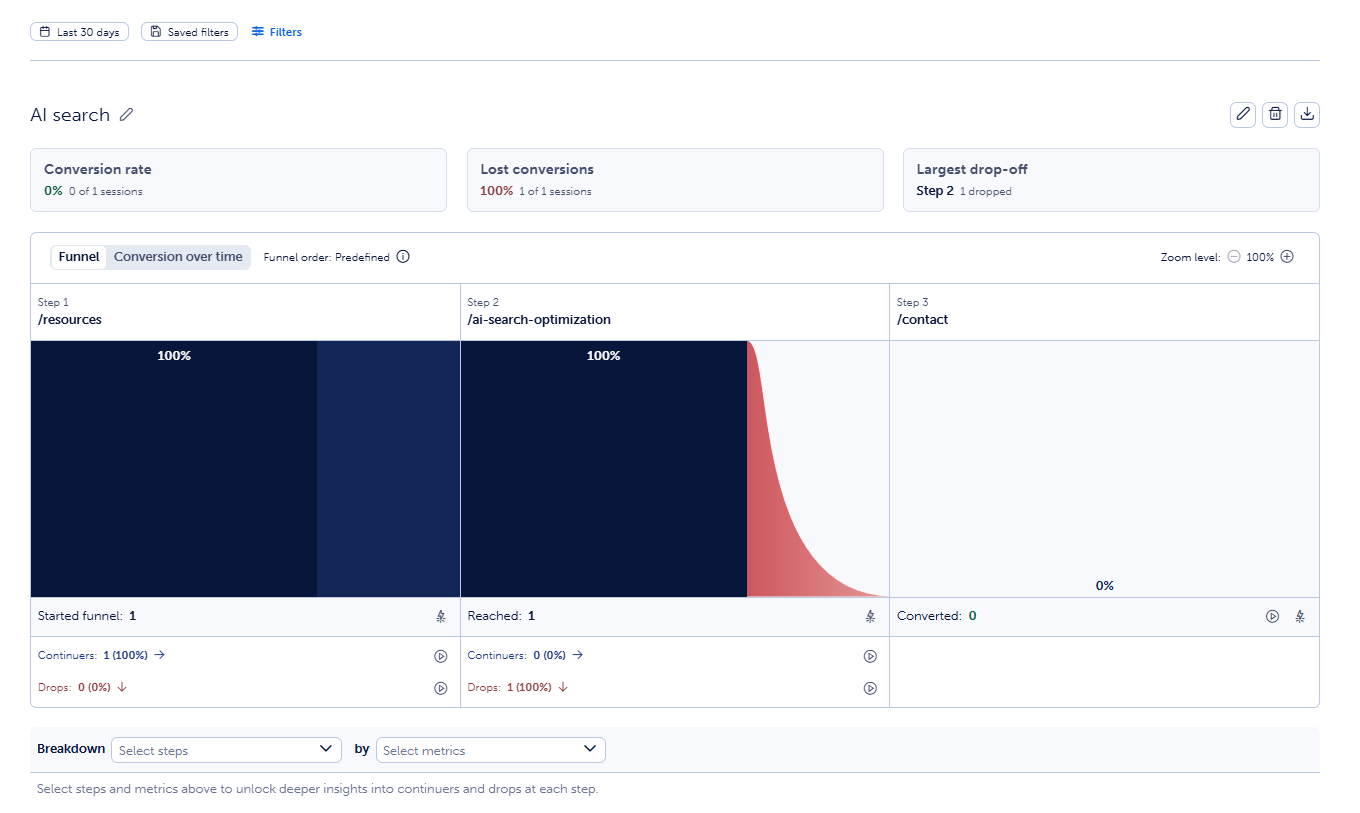
Unlike many competitors that offer only retroactive replays, Mouseflow allows for live session viewing. This is particularly valuable for customer support teams who can watch a user struggle in real-time and provide immediate assistance. Additionally, its user journey mapping tools visualize the paths users take across multiple pages, highlighting where the "happy path" breaks down.
Technical Comparison: Heatmaps and Visualization
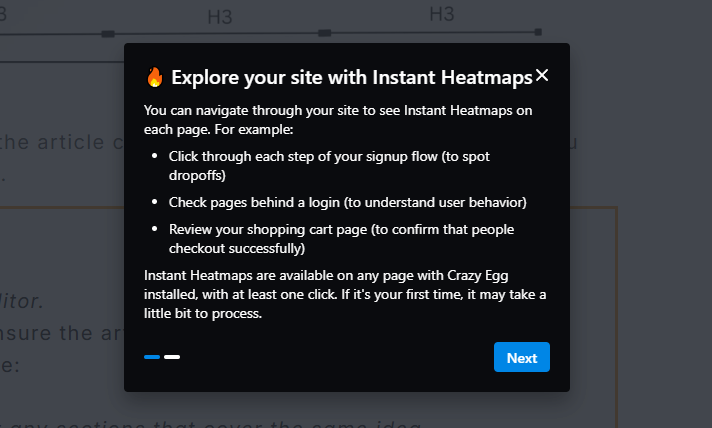
The technical execution of data visualization differs between the two platforms. Crazy Egg focuses on "Instant Heatmaps," which are generated the moment the tracking script is installed. This allows for immediate data gratification.
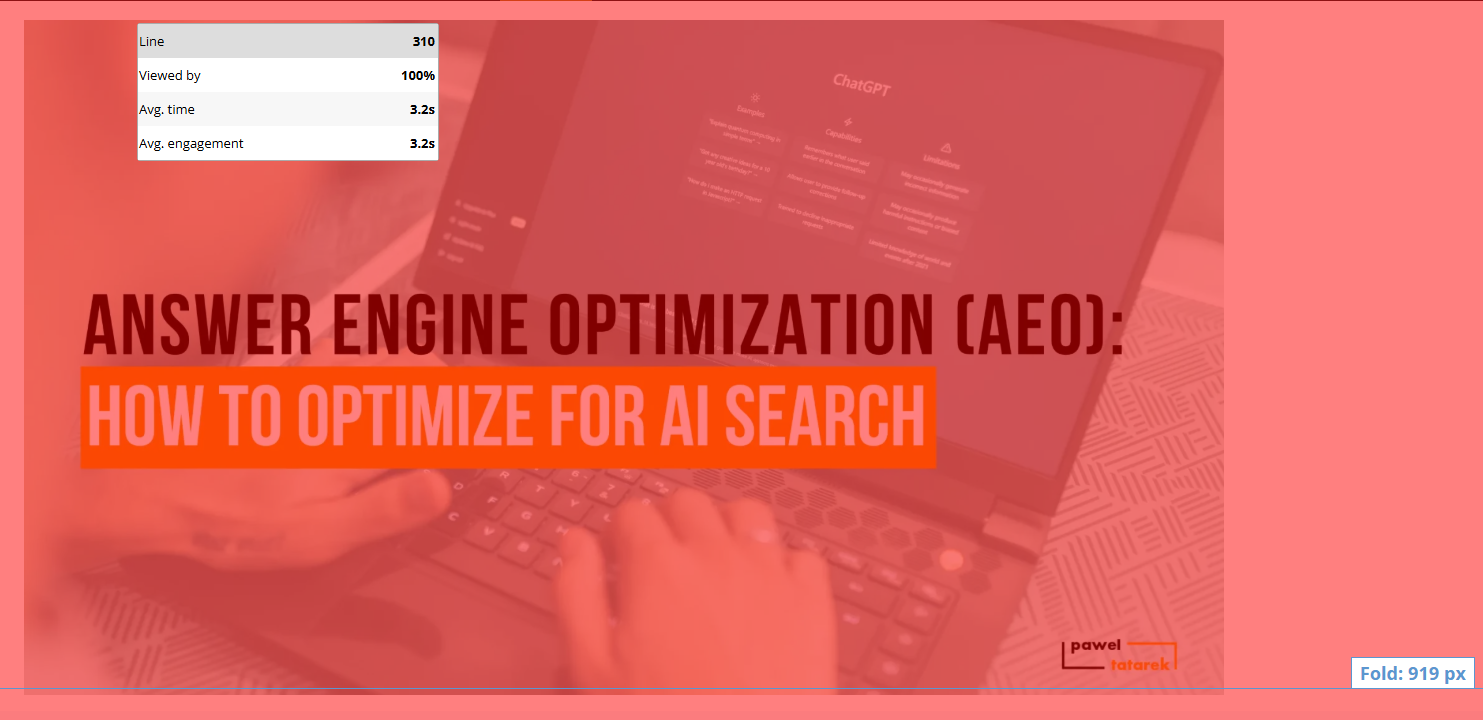
Mouseflow offers seven types of heatmaps, including "Attention Maps" and "Geo Maps." Attention maps are particularly useful for content-heavy sites, as they show which parts of a page users spend the most time looking at, regardless of whether they click. This helps editors determine if their most important messaging is being ignored or if users are skimming past key value propositions.
The Role of Artificial Intelligence in Modern Analytics
Both companies have integrated Large Language Models (LLMs) to help users process vast amounts of behavioral data. However, their approaches reflect their different target audiences.
Crazy Egg’s AI is "embedded." It acts as an automated analyst that sits inside the dashboard, providing summaries of session recordings and sentiment analysis for survey responses. It is designed to save time for busy marketing managers who need to report results to stakeholders quickly.
Mouseflow has introduced "Mina," a conversational AI assistant. Instead of just providing summaries, Mina allows users to ask complex questions like, "Why did users from Germany drop off at the shipping page yesterday?" Mouseflow also offers an MCP (Model Context Protocol) server, which allows enterprise clients to pipe their raw behavioral data directly into their own private LLMs for custom analysis.
Pricing Structures and Total Cost of Ownership
The financial implications of choosing one tool over the other depend heavily on a company’s traffic volume and organizational structure.
Crazy Egg uses a "tracked pageview" model. This is advantageous for large websites because the company only pays for the specific pages they want to monitor. If a site has 1 million total pageviews but only wants to optimize the 50,000 views on its landing pages, it only pays for the latter. Furthermore, Crazy Egg offers unlimited domains and seats on all paid plans, making it highly attractive for agencies managing multiple clients.
Mouseflow operates on a "session-based" model. A session includes a user’s entire journey across up to 100 pages. This is often better for understanding complex, multi-page user journeys, but it can lead to higher costs if a site has many low-value "window shoppers." Mouseflow’s entry-level plan is slightly more affordable at $25 per month, but it imposes stricter limits on the number of websites and users.
Chronology of Market Shifts
- 2005-2010: The "Visualization Era." Crazy Egg dominates by providing the first viable alternative to text-based analytics.
- 2011-2017: The "Recording Era." Mouseflow and other competitors introduce session replays, moving beyond clicks to full behavioral reproduction.
- 2018-2022: The "Integration Era." Tools begin adding surveys, funnels, and A/B testing to prevent data silos.
- 2023-Present: The "Intelligence Era." AI becomes the primary interface for data interpretation, shifting the focus from "what happened" to "why it happened and how to fix it."
Expert Analysis: Strategic Implementation
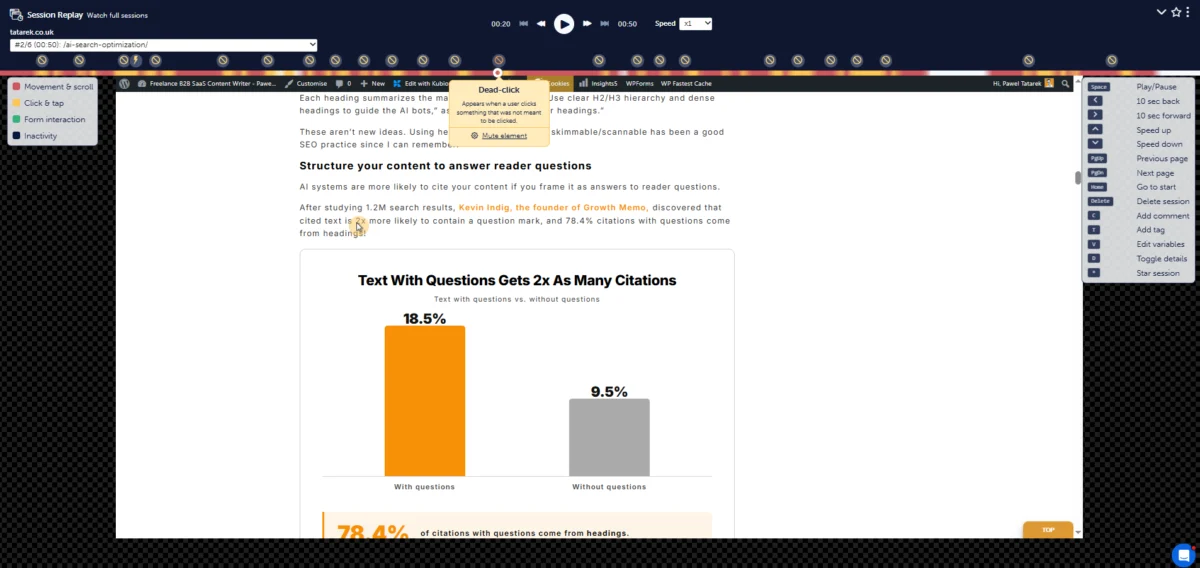
Industry analysts suggest that the choice between Crazy Egg and Mouseflow should be dictated by the existing "tech stack." For an organization that does not yet have a dedicated testing tool, Crazy Egg is the logical choice because it provides the means to act on its insights immediately. The ability to spot a "dead click" in a recording and then launch an A/B test to fix that element within five minutes is a powerful competitive advantage.
Conversely, for enterprise organizations that already use high-end experimentation platforms like Adobe Target, Mouseflow provides the "missing link" of friction diagnostics. These organizations often have dedicated UX researchers who need the field-level form data and friction scores that Mouseflow specializes in.
Broader Impact on the Digital Economy
The proliferation of these tools has democratized data-driven design. Small businesses no longer need a team of data scientists to understand why their sales are lagging. By using heatmaps and session recordings, even a single-person operation can identify technical bugs or confusing layouts.
As privacy regulations like GDPR and CCPA continue to evolve, both Crazy Egg and Mouseflow have invested heavily in data masking and anonymization. They ensure that PII (Personally Identifiable Information) is never recorded, allowing businesses to optimize their sites without compromising user trust. This balance of data utility and user privacy will be the defining challenge for the next generation of analytics tools.
In conclusion, the competition between Crazy Egg and Mouseflow represents a win for the consumer. While Crazy Egg offers a more holistic, action-oriented suite for those looking to consolidate their marketing stack, Mouseflow provides the deep-dive technical insights required for complex UX troubleshooting. The decision ultimately rests on whether a business needs a platform to "test and grow" or a tool to "diagnose and repair."







