rifanmuazin
The escalating significance of Smart Bidding across Google’s advertising ecosystem, particularly on YouTube, necessitates a comprehensive understanding of its intricacies for marketers aiming to maximize campaign efficacy. Moving beyond mere awareness of available options, this article delves into the strategic implementation of Smart Bidding to foster campaign success, focusing on its application within YouTube advertising. Andrea Haro, a key figure at Metric Theory, emphasizes that while understanding the mechanics is the first step, optimizing campaign setups for these powerful automated bidding strategies is paramount.
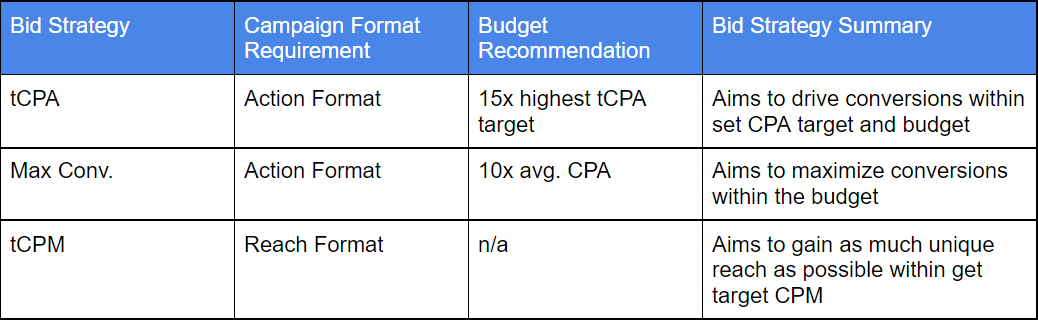
Smart Bidding on YouTube is predominantly geared towards campaigns designed to drive tangible outcomes such as sales, leads, or sign-ups. These typically fall under "Action Format" campaigns, which include prominent strategies like Target CPA (tCPA) and Maximize Conversions (Max Conv.). However, there exists a crucial exception for "Reach Formats," such as bumper ads, which are primarily engineered to cultivate brand awareness rather than direct conversions. This distinction is vital for advertisers to align their bidding strategies with their overarching campaign objectives.
Understanding YouTube Smart Bidding Options
At its core, Smart Bidding leverages Google’s machine learning to optimize bids in real-time, aiming to achieve specific campaign goals. On YouTube, the primary Smart Bidding strategies revolve around two key objectives: maximizing conversions and achieving a target cost per acquisition.
- Maximize Conversions: This strategy aims to get the most conversions possible within your budget. Google’s algorithms will adjust bids automatically to achieve this goal, without a specific CPA target. It’s an excellent starting point for campaigns seeking to establish a baseline understanding of conversion costs.
- Target CPA (tCPA): Once a baseline CPA has been established, advertisers can switch to tCPA. This strategy focuses on acquiring conversions at or below a specified target cost per acquisition. Google will still aim for the most conversions, but within the defined cost parameter.
For campaigns focused on brand awareness, a different set of Smart Bidding strategies might be employed, often integrated within formats like bumper ads. These strategies prioritize reaching a broad and relevant audience, optimizing for metrics like impressions and reach rather than direct conversion events.

The Critical Role of Bid-to-Budget Ratios
A cornerstone of successful Smart Bidding implementation on YouTube, as highlighted by industry experts, lies in adhering to recommended bid-to-budget ratios. Google consistently advises advertisers to set daily budgets that are significantly higher than their target or average cost per conversion. Specifically, recommendations often range from 10x to 15x the anticipated cost per acquisition.
This seemingly aggressive budgeting approach is not arbitrary. It provides the Smart Bidding algorithms with sufficient data and flexibility to learn and optimize effectively. For instance, if an advertiser aims for a tCPA of $85, Google’s recommendation would suggest a daily budget of at least $850 to $1,275. Similarly, for a Maximize Conversions campaign aiming for an $85 average CPA, a budget of at least $850 would be advised.
While these figures may appear substantial and potentially daunting, practical experience and case studies consistently demonstrate their necessity. Insufficient budgets can severely hamper the learning phase of Smart Bidding, leading to suboptimal performance and potentially frustrating outcomes. The algorithms require a consistent stream of data to identify patterns, predict user behavior, and make informed bid adjustments. A budget that is too restrictive can prematurely limit the campaign’s reach and its ability to gather the necessary information for effective optimization.
Strategic Sequencing: Max Conversions First, Then tCPA
A common and highly recommended practice for advertisers new to Smart Bidding on YouTube is to initiate campaigns with the "Maximize Conversions" strategy. This approach serves a dual purpose. Firstly, it allows the campaign to enter its initial learning phase without the constraint of a specific CPA target, enabling the algorithm to explore a wider range of bidding opportunities. Secondly, it helps to establish a reliable baseline CPA. By observing the actual cost per conversion achieved through Maximize Conversions, advertisers gain valuable insights into the realistic cost of acquiring their desired outcomes on the platform.
Once this baseline CPA has been established and the campaign has demonstrated consistent performance over a reasonable period (typically a few weeks, allowing for the learning phase to conclude), advertisers can then consider transitioning to the "Target CPA" strategy. This transition allows for more precise cost control, ensuring that subsequent conversions are acquired at or below the desired cost. This phased approach mitigates the risk of setting an unrealistic tCPA from the outset, which could otherwise lead to underperformance or limited delivery.

Mini Case Study: The Impact of Budget Adjustments
To illustrate the profound impact of adhering to bid-to-budget recommendations, consider the following scenario:
Situation: A YouTube campaign was running under the tCPA strategy and was frequently flagged with the "Limited By Budget" (LBB) status. This indicated that the daily budget was insufficient to allow the campaign to achieve its full potential for conversions at the target CPA.
Initial Bid-to-Budget Ratio: At the time of the issue, the campaign’s budget was set at approximately 10 times its current average CPA. While this met a minimum threshold, it was not providing enough room for optimization.
Update: Following the recommendation to increase the budget to 15 times the current CPA, a significant adjustment was made. This provided the Smart Bidding algorithm with substantially more resources to explore bidding opportunities and gather data.
Results: After implementing the budget increase and allowing for the typical two-week learning period to conclude, the campaign experienced notable improvements. Both overall conversion volume and efficiency metrics saw positive gains. This demonstrates that by providing the algorithm with adequate budget, it can overcome limitations and unlock greater performance, even within a tCPA framework. The accompanying data visually represents this improvement, showcasing a clear uplift in key performance indicators post-budget adjustment. This real-world example underscores the critical importance of aligning budgets with the inherent needs of automated bidding strategies.
Broader Considerations for YouTube Smart Bidding Success
Beyond the fundamental aspects of strategy selection and budget allocation, several other factors contribute to the overall success of Smart Bidding on YouTube:
- Audience Targeting: While Smart Bidding optimizes bids, the quality and relevance of your audience targeting remain paramount. Well-defined audience segments, whether based on demographics, interests, or custom intent, provide the algorithm with a better pool of potential converters. Broad targeting combined with aggressive Smart Bidding can lead to wasted ad spend.
- Creative Quality: YouTube is a visual platform. High-quality, engaging, and relevant ad creatives are essential for capturing user attention and driving action. Smart Bidding can optimize for conversions, but it cannot overcome poor creative. Compelling storytelling, clear calls to action, and mobile-first design principles are crucial.
- Conversion Tracking Accuracy: The efficacy of any Smart Bidding strategy is directly dependent on the accuracy and completeness of conversion tracking. Ensuring that all desired conversion events are correctly implemented and measured within Google Ads is non-negotiable. Inaccurate tracking can lead the algorithm to optimize for the wrong actions, leading to skewed results.
- Campaign Structure and Granularity: While Smart Bidding automates bid adjustments, a logical and well-structured campaign setup is still vital. Separating campaigns by objective, audience, or product category can provide more focused data for the algorithms to learn from. Overly broad campaigns can dilute performance signals.
- Experimentation and Iteration: The digital advertising landscape is constantly evolving. What works today may not work tomorrow. Therefore, a mindset of continuous experimentation and iteration is crucial. Regularly test different Smart Bidding strategies, audience segments, and creative approaches to identify new opportunities for optimization.
- Understanding the Learning Phase: It is critical to acknowledge and respect the "learning phase" of Smart Bidding campaigns. During this period, which can last up to two weeks, Google’s algorithms are gathering data and will exhibit fluctuating performance. It is generally advised not to make significant changes to campaign settings during this phase, as it can disrupt the learning process. Patience during this phase is a virtue that often leads to better long-term results.
Future Outlook and Implications
The ongoing development of AI and machine learning within Google’s advertising platforms suggests that Smart Bidding will continue to evolve, offering even more sophisticated optimization capabilities. For performance marketers, staying abreast of these advancements and adapting their strategies accordingly will be key to maintaining a competitive edge.
The increasing reliance on automated bidding strategies also signals a shift in the role of the digital marketer. While manual optimization will likely remain relevant for certain niche scenarios, the emphasis is moving towards strategic oversight, creative development, audience insights, and the intelligent application of automated tools. Marketers who can effectively leverage these tools, understand their underlying mechanics, and interpret their outputs will be best positioned for success.
In conclusion, optimizing YouTube campaigns with Smart Bidding is not simply a matter of selecting an automated option. It requires a strategic approach that encompasses careful planning, diligent execution, and a deep understanding of how these powerful algorithms function. By adhering to best practices regarding bid-to-budget ratios, employing a phased strategy for conversion-focused campaigns, and considering all associated factors, advertisers can unlock the full potential of YouTube advertising and drive meaningful business outcomes. For those seeking further guidance, engaging with experts and leveraging available resources is a prudent step towards mastering this critical aspect of digital marketing.