


The digital marketplace has evolved into a highly competitive landscape where the difference between a successful transaction and a bounced visitor often rests on minor user interface adjustments. As businesses increasingly shift their focus from mere traffic acquisition to the maximization of existing visitor value, Conversion Rate Optimization (CRO) tools have become indispensable components of the modern marketing stack. Among the primary contenders in this sector are Crazy Egg and Lucky Orange, two platforms that offer overlapping functionalities in behavioral analytics but diverge significantly in their specialized feature sets and pricing philosophies.
The Strategic Context of Behavioral Analytics
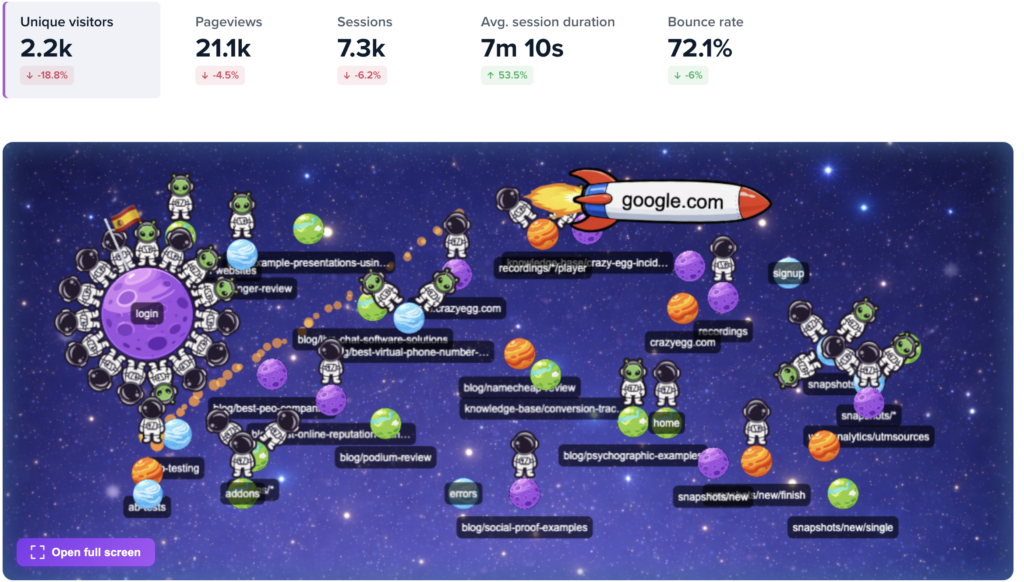
Conversion Rate Optimization is no longer a luxury for enterprise-level corporations; it is a necessity for any digital entity seeking to improve its Return on Investment (ROI). According to industry benchmarks, the average website conversion rate oscillates between 2% and 5%. For e-commerce entities, even a 0.5% increase in conversion can translate into millions of dollars in additional annual revenue. Platforms like Crazy Egg and Lucky Orange facilitate these gains by providing a visual layer to quantitative data, allowing stakeholders to see "the why" behind the "what" provided by traditional tools like Google Analytics 4 (GA4).
Historically, Crazy Egg, co-founded by Hiten Shah and Neil Patel in 2006, pioneered the commercial heatmap market. It established the standard for visual click tracking and scroll mapping. Lucky Orange entered the market later, in 2010, positioning itself as an all-in-one suite that integrated live chat and form analytics into the behavioral data mix. Today, the choice between the two often hinges on whether a business prioritizes experimental testing or direct customer engagement.
Core Comparative Analysis: Heatmapping and Visualization
At the heart of both platforms is the heatmap—a visual representation of where users click, move, and scroll. However, the methodology and depth of these maps vary between the two providers.
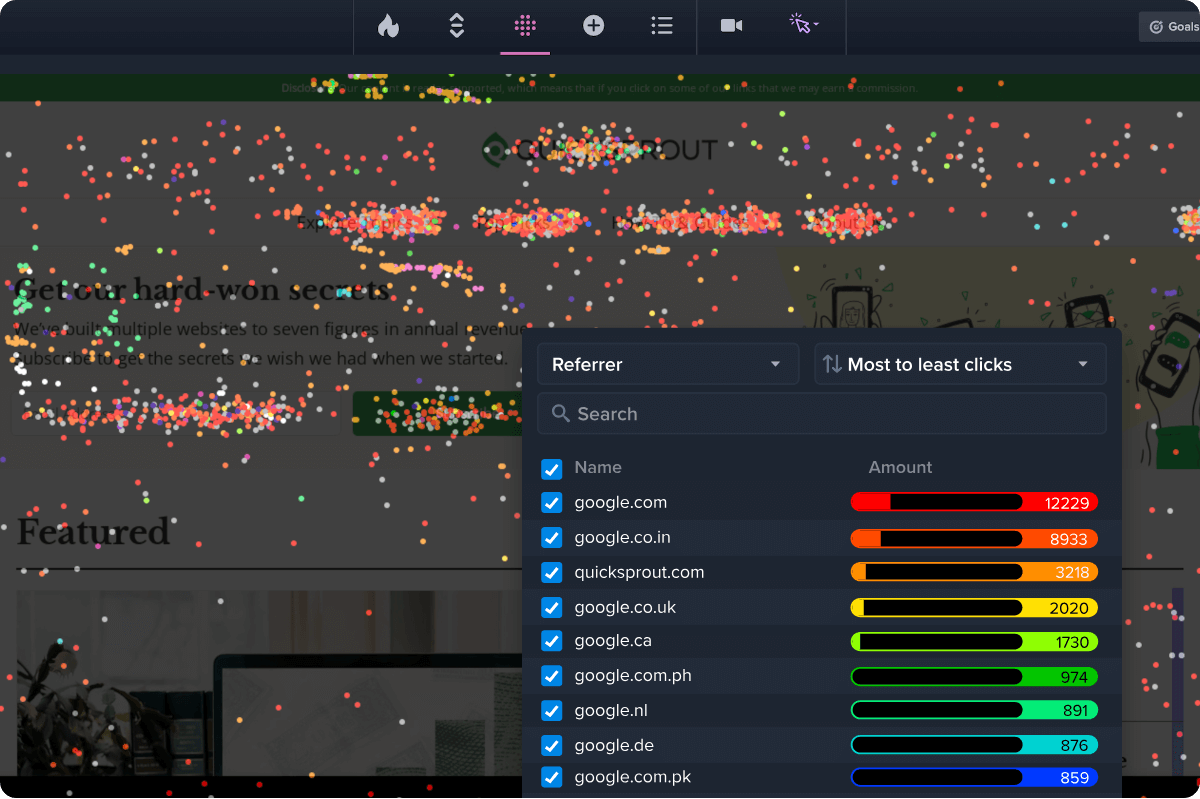
Crazy Egg offers a sophisticated suite of five distinct map types. The "Confetti" map remains its standout feature, allowing analysts to segment clicks based on 17 different attributes, such as referral source, search terms, and browser type. This allows a marketing team to identify, for instance, if visitors from a specific Facebook campaign are interacting with a page differently than those arriving via organic search. Additionally, Crazy Egg’s "Overlay" and "List" reports provide granular numerical data on every page element, making it easier to present hard evidence to design teams during a redesign process.
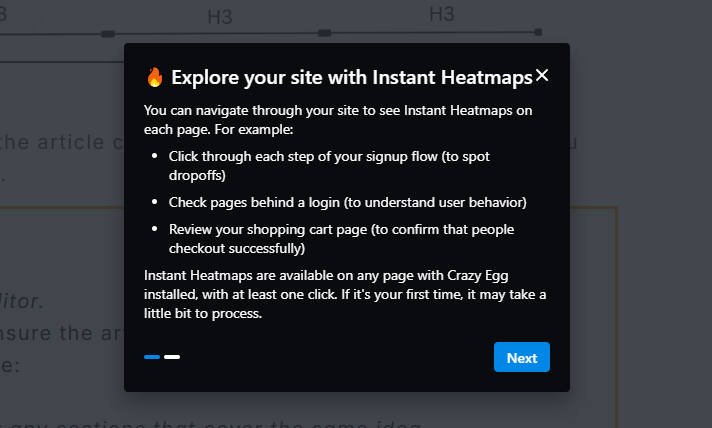
Lucky Orange provides three primary map types: click, scroll, and move. While it lacks the per-click segmentation depth of Crazy Egg’s Confetti map, it excels in dynamic environments. Lucky Orange’s heatmaps are designed to render clicks on interactive elements—such as pop-ups, drop-down menus, and sliders—in real-time. For websites built on modern frameworks like React or AJAX, where page content changes without a refresh, Lucky Orange’s ability to track Single Page Application (SPA) elements offers a distinct advantage in accuracy.
Session Recordings and User Friction Detection
Session recordings, or "visitor replays," allow researchers to watch a video-like playback of a user’s journey. Both Crazy Egg and Lucky Orange have automated the identification of "friction events," but they categorize and retain this data differently.

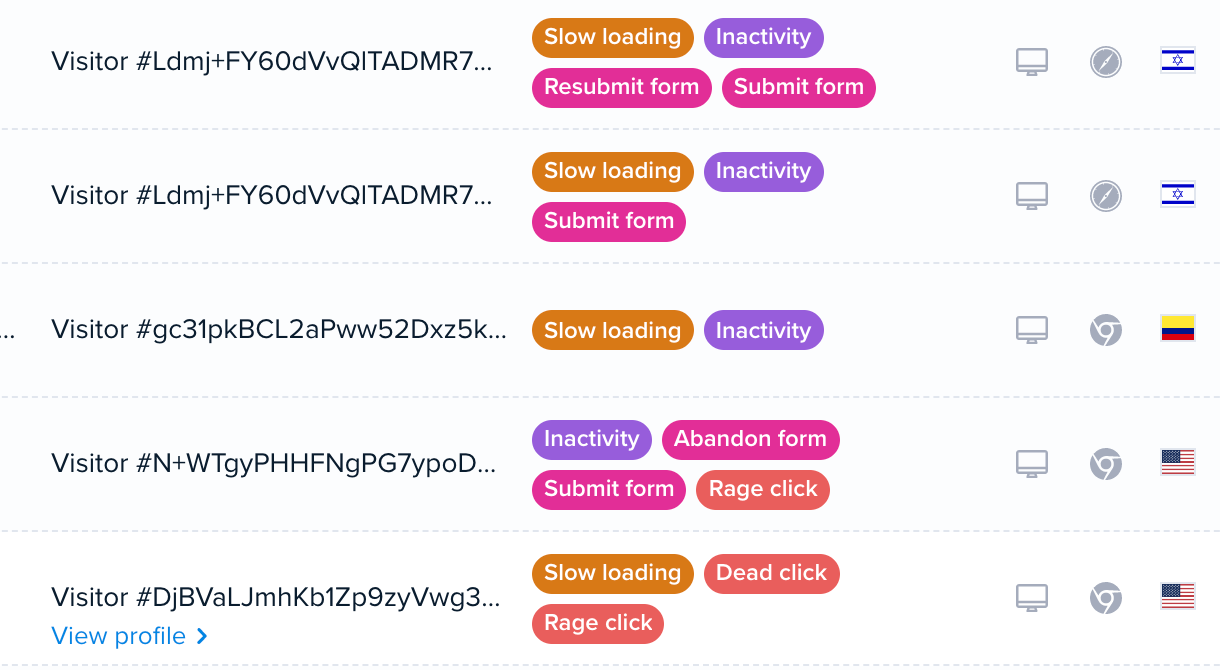
Crazy Egg features a robust auto-tagging system that identifies rage clicks, dead clicks, u-turns, and JavaScript errors out of the box. A significant logistical advantage for Crazy Egg is its data retention policy, which ranges from 6 to 24 months. This long-term storage is vital for seasonal businesses that need to compare year-over-year behavior during major events like Black Friday or Cyber Monday.
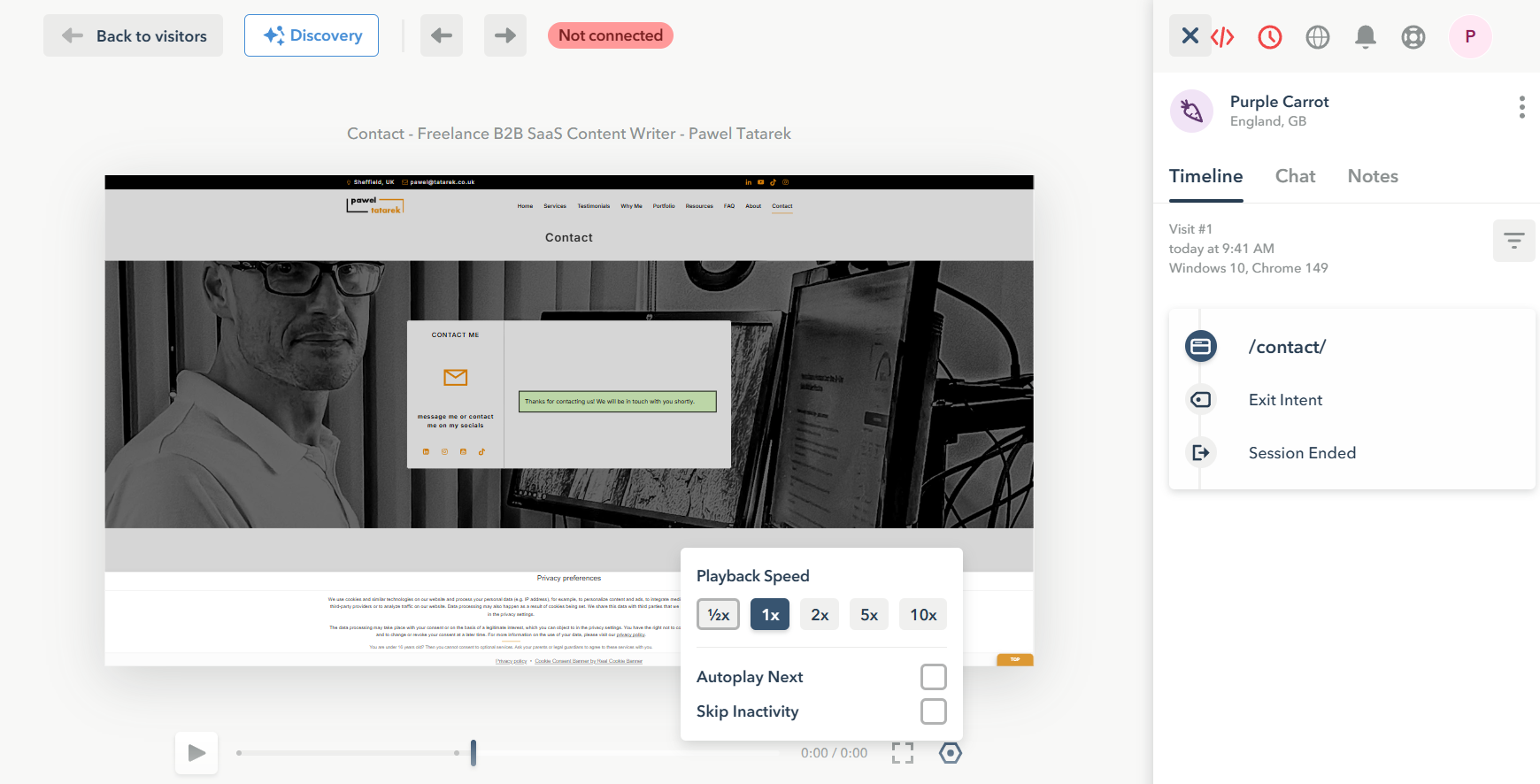
Lucky Orange provides similar playback controls and event timelines but focuses on the immediate "live" aspect of the visitor journey. While it detects rage clicks and e-commerce events like "add to cart," its base data retention is limited to 60 days, with paid upgrades available up to one year. This makes Lucky Orange more suitable for agile, short-term optimizations rather than long-term historical trend analysis.

Divergent Feature Sets: A/B Testing vs. Live Interaction
The most significant divergence between the two platforms lies in their secondary toolsets. This is where the strategic direction of the user’s organization dictates the better fit.
Crazy Egg includes native A/B testing and error tracking. The platform’s visual editor allows users to create variations of a webpage—changing headlines, button colors, or image placements—without writing code. Because the A/B testing is native to the platform, it syncs perfectly with heatmaps and recordings. An analyst can watch recordings specifically of users who saw "Variation B" to understand why it outperformed or underperformed against the control. The addition of error tracking, including stack traces, further bridges the gap between marketing and technical development teams.
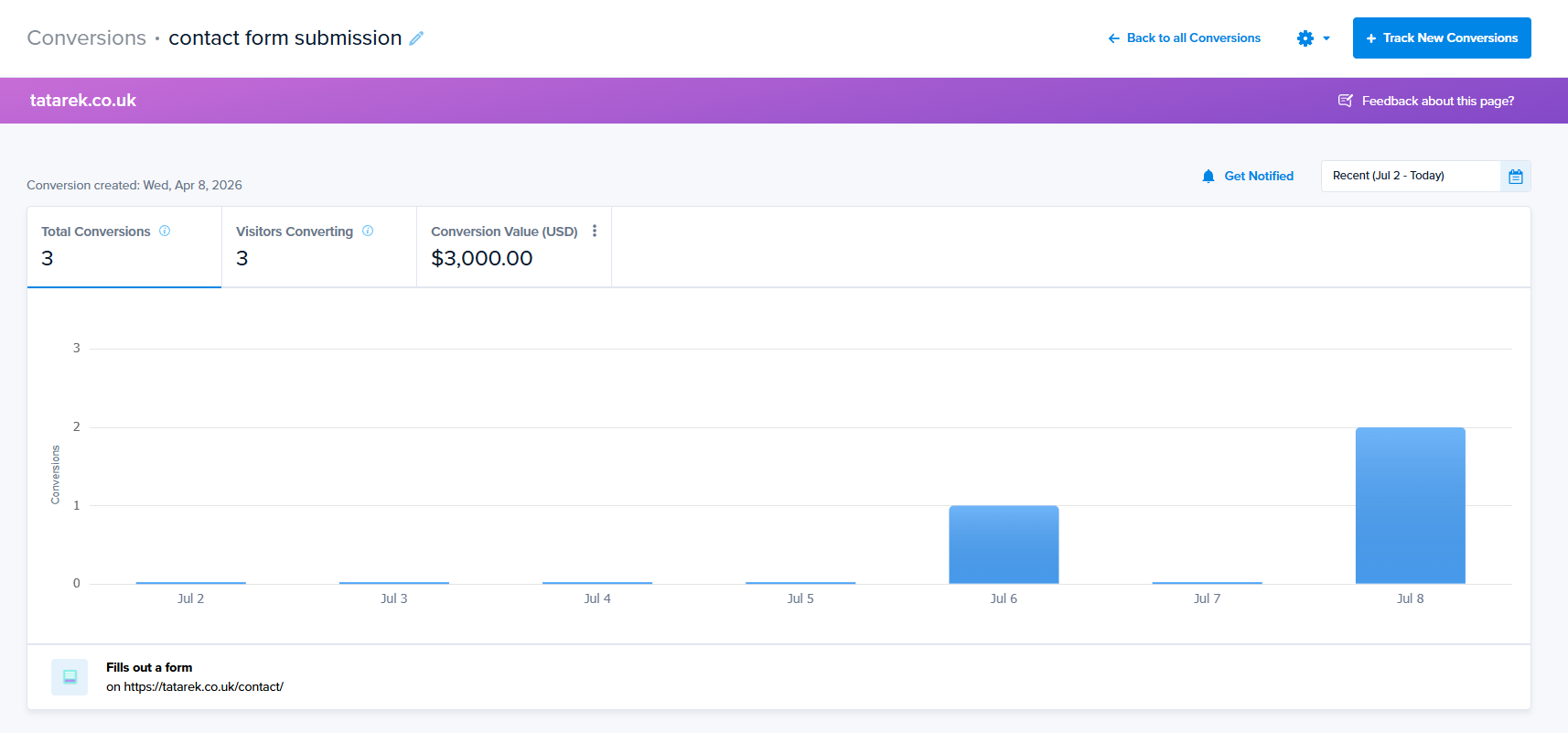
Lucky Orange, conversely, omits native A/B testing in favor of direct engagement tools: field-level form analytics and live chat. Form analytics is a critical feature for lead-generation sites, as it identifies exactly which field causes users to abandon a form—whether it is a request for a phone number or a confusing drop-down menu. Furthermore, Lucky Orange’s Live Chat integration allows an operator to see exactly what a visitor is doing on the screen while chatting with them. This "co-browsing" capability is a powerful tool for customer support teams aiming to reduce cart abandonment in real-time.
The Role of Artificial Intelligence in CRO
As with most SaaS sectors, AI has become a focal point for both Crazy Egg and Lucky Orange. The objective is to reduce the time spent manually watching hundreds of hours of recordings.
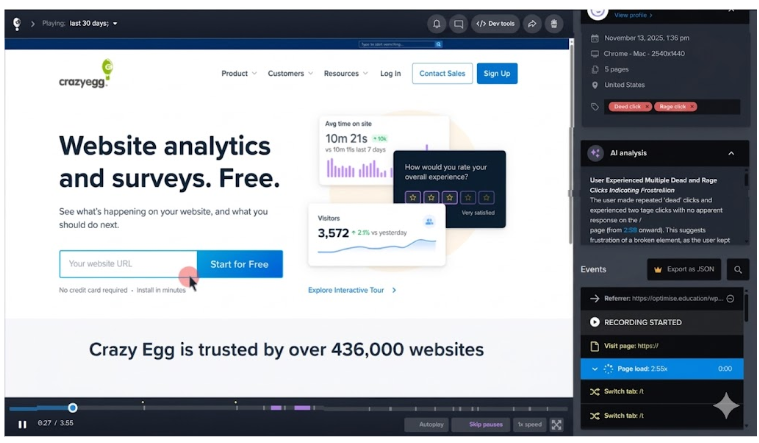
Crazy Egg integrates AI directly into its reporting structure. It provides automated summaries and recommendations based on visitor trends and friction points. For organizations using external Large Language Models (LLMs), Crazy Egg allows for JSON exports of behavioral data, enabling teams to feed their data into custom GPTs or Claude for bespoke analysis.
Lucky Orange utilizes a "Discovery AI" assistant, which functions as a conversational chatbot for the analyst. A user can ask, "Why are my mobile conversions dropping on the checkout page?" and the AI will crawl the site’s code and behavioral data to provide an answer, complete with links to relevant recordings or heatmaps. Unlike Crazy Egg, which includes AI in its paid tiers, Lucky Orange typically positions its AI features as a paid add-on.
Pricing Models and Economic Efficiency
The financial implications of choosing one platform over the other are rooted in how they measure usage.
Crazy Egg utilizes a "Tracked Pageview" model. This is highly efficient for businesses that only want to monitor specific high-value pages, such as landing pages or checkout funnels. By only tracking a subset of total traffic, businesses can often stay within lower pricing tiers while still gaining insights on their most important assets. Crazy Egg also maintains a "free-forever" plan that includes basic web analytics and surveys.
Lucky Orange bills based on "Total Sessions." This means every visitor to the site is tracked, regardless of which page they visit. While this ensures a comprehensive view of the entire site, it can lead to higher costs for high-traffic sites with low-margin products. However, Lucky Orange bundles most of its features—including chat and form analytics—into its lower-priced plans, offering high value for small to medium-sized businesses (SMBs) that need an all-in-one solution.
Chronology of Development and Market Evolution
- 2006: Crazy Egg launches, focusing on heatmaps to solve the "visual data gap" in web analytics.
- 2010: Lucky Orange launches, introducing the concept of "All-in-One" CRO by adding chat and polls to session recording.
- 2015-2018: Both platforms expand their integration ecosystems, connecting with Shopify, WordPress, and Google Analytics.
- 2020-2022: Crazy Egg pivots toward the "complete optimization" loop by integrating native A/B testing and error tracking.
- 2023-2024: Both platforms introduce generative AI layers to automate the interpretation of behavioral data.
Broader Impact and Industry Implications
The ongoing competition between Crazy Egg and Lucky Orange reflects a broader trend in the tech industry: the move toward platform consolidation. Marketers are increasingly fatigued by "tool sprawl" and prefer platforms that can handle multiple stages of the optimization funnel.
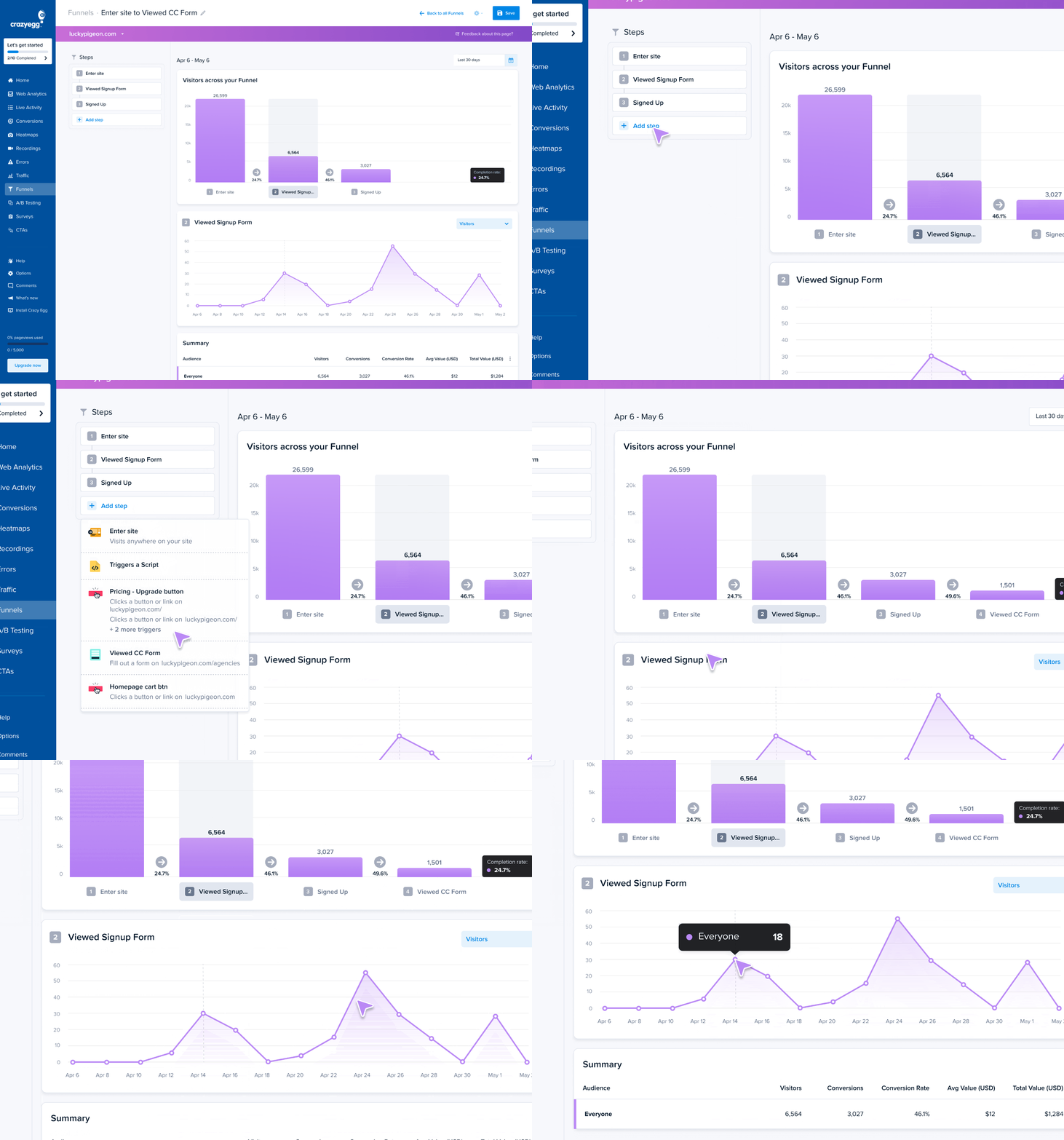
The choice between these two tools has significant implications for a company’s workflow. A team choosing Crazy Egg is likely leaning toward a "scientific" approach to CRO—hypothesizing, testing, and measuring through A/B experimentation. A team choosing Lucky Orange is likely prioritizing "customer experience" and support—identifying friction in forms and providing real-time assistance to close sales.
As the digital economy continues to tighten, the ability to squeeze more value out of existing traffic will remain a top priority for Chief Marketing Officers (CMOs). Whether through the deep segmentation and testing capabilities of Crazy Egg or the real-time engagement and form-level insights of Lucky Orange, the use of behavioral analytics has moved from a competitive advantage to a baseline requirement for digital survival. For stakeholders, the decision ultimately rests on which specific friction points they are most desperate to solve: the technical bugs and design flaws (Crazy Egg) or the communication gaps and form drop-offs (Lucky Orange).







