


The global eCommerce A/B testing software market is projected to reach a valuation of $12.5 billion by 2032, expanding at a compound annual growth rate (CAGR) of 16.2%. This surge reflects a fundamental shift in digital commerce strategy, where data-driven experimentation has transitioned from a specialized optimization tactic to a core pillar of modern business growth. In an increasingly saturated digital marketplace, the ability to continuously refine product pages, promotional structures, and checkout sequences is no longer a competitive advantage but a baseline requirement for survival. As the industry moves into 2026, the complexity of consumer behavior and the proliferation of multi-channel touchpoints have made the selection of the right testing infrastructure a critical executive decision.

The Evolution of eCommerce Experimentation: From Intuition to Data
The trajectory of the A/B testing market has been defined by a move away from "gut-feeling" design toward rigorous statistical validation. Historically, digital retailers relied on industry best practices or aesthetic preferences to guide site updates. However, the sunsetting of legacy tools like Google Optimize in late 2023 served as a catalyst for a more mature market, forcing brands to adopt enterprise-grade platforms capable of handling complex server-side testing and AI-driven personalization.
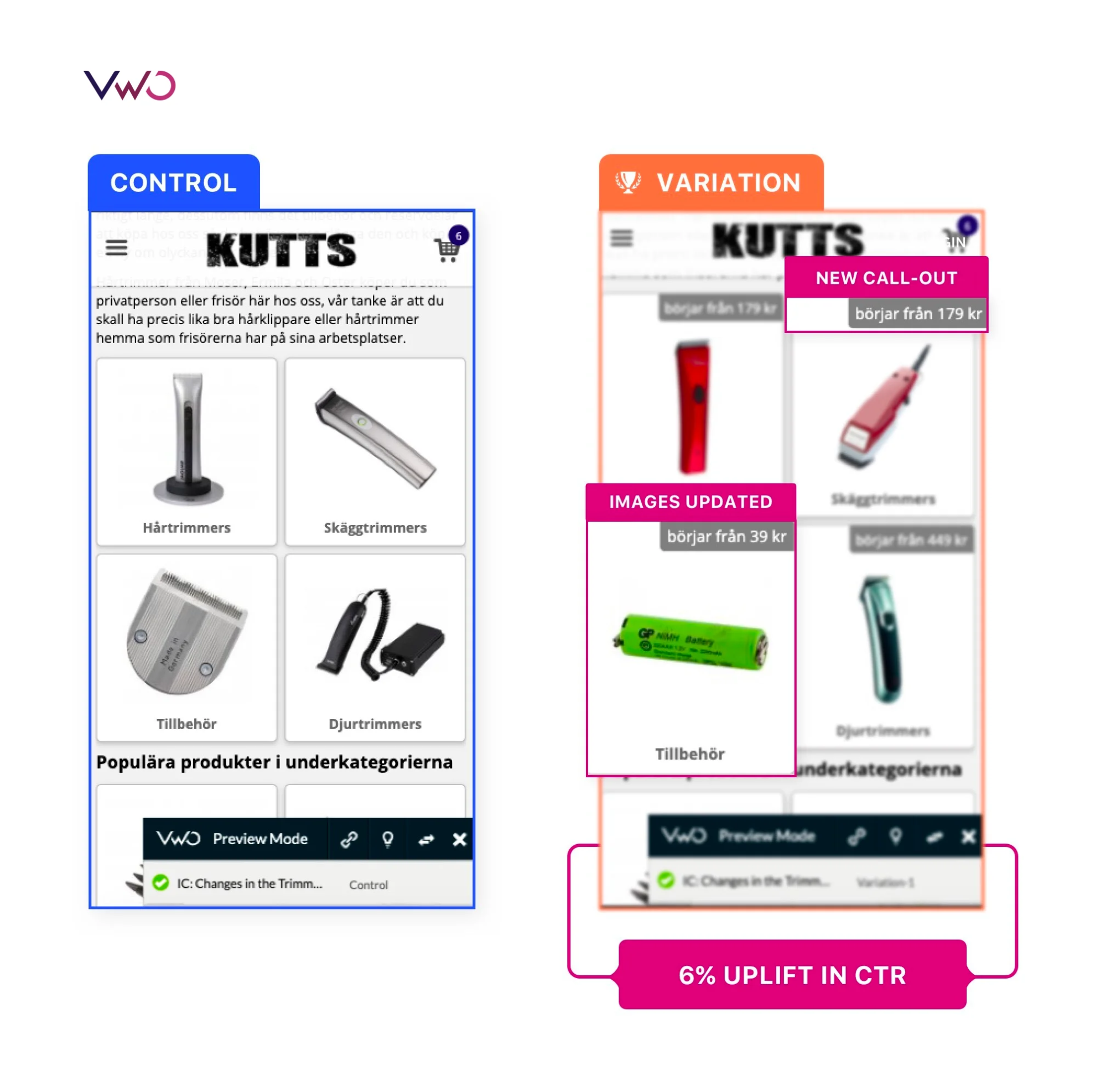
Today’s experimentation landscape is characterized by "continuous optimization." This approach involves testing small, incremental changes across the entire purchase path, which, when compounded, lead to significant improvements in conversion rates and customer lifetime value. Industry analysts note that even minor adjustments to navigation flows or call-to-action (CTA) placements can result in double-digit lifts in revenue when backed by behavioral data.

Strategic Advantages of Modern A/B Testing
For eCommerce enterprises, the benefits of a robust testing program extend beyond simple conversion lifts. These platforms serve as a bridge between qualitative user experience (UX) research and quantitative performance data.
1. Precision Conversion Rate Optimization
A/B testing allows teams to validate hypotheses before committing development resources. By comparing variations of product descriptions, imagery, and pricing displays, retailers can determine which elements resonate most with their specific audience segments. This validation ensures that every site change is an investment in growth rather than a gamble on design trends.
2. Behavioral Insights at Scale
Modern platforms integrate behavioral analytics—such as heatmaps, session recordings, and funnel drop-off reports—directly into the testing workflow. This provides a holistic view of the customer journey, identifying points of friction where shoppers hesitate or abandon their carts. Understanding the "why" behind user actions allows for more informed experiment design.
3. Mitigation of Implementation Risk
Through feature flags and server-side testing, engineering teams can deploy new backend functionalities to a small percentage of users before a full-scale rollout. This "canary testing" approach minimizes the risk of site-wide technical failures and allows for performance monitoring in real-world conditions.
Comparative Analysis: Leading A/B Testing Platforms for 2026
As of 2026, several platforms have emerged as leaders in the experimentation space, each catering to different business sizes, technical requirements, and strategic goals.
VWO (Visual Website Optimizer)
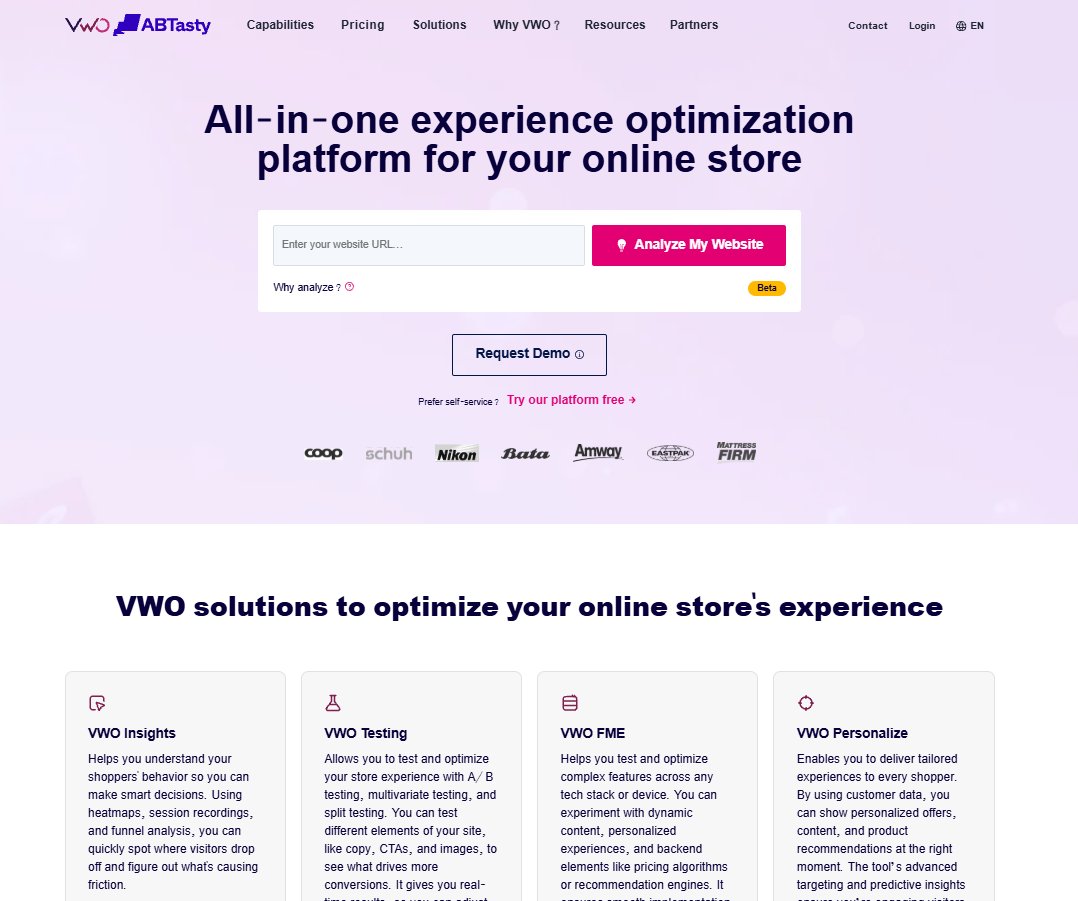
VWO remains a dominant force in the market, particularly for businesses seeking an all-in-one experimentation suite. Powered by its proprietary Bayesian SmartStats engine, VWO provides faster decision-making capabilities by calculating the probability of a variation outperforming the control group.

- Key Features: Multivariate testing, split URL testing, and a robust AI-driven idea generator.
- Best For: Mid-to-enterprise level brands that require deep behavioral insights integrated with testing.
- Pros: Seamlessly connects qualitative data with quantitative results.
Dynamic Yield
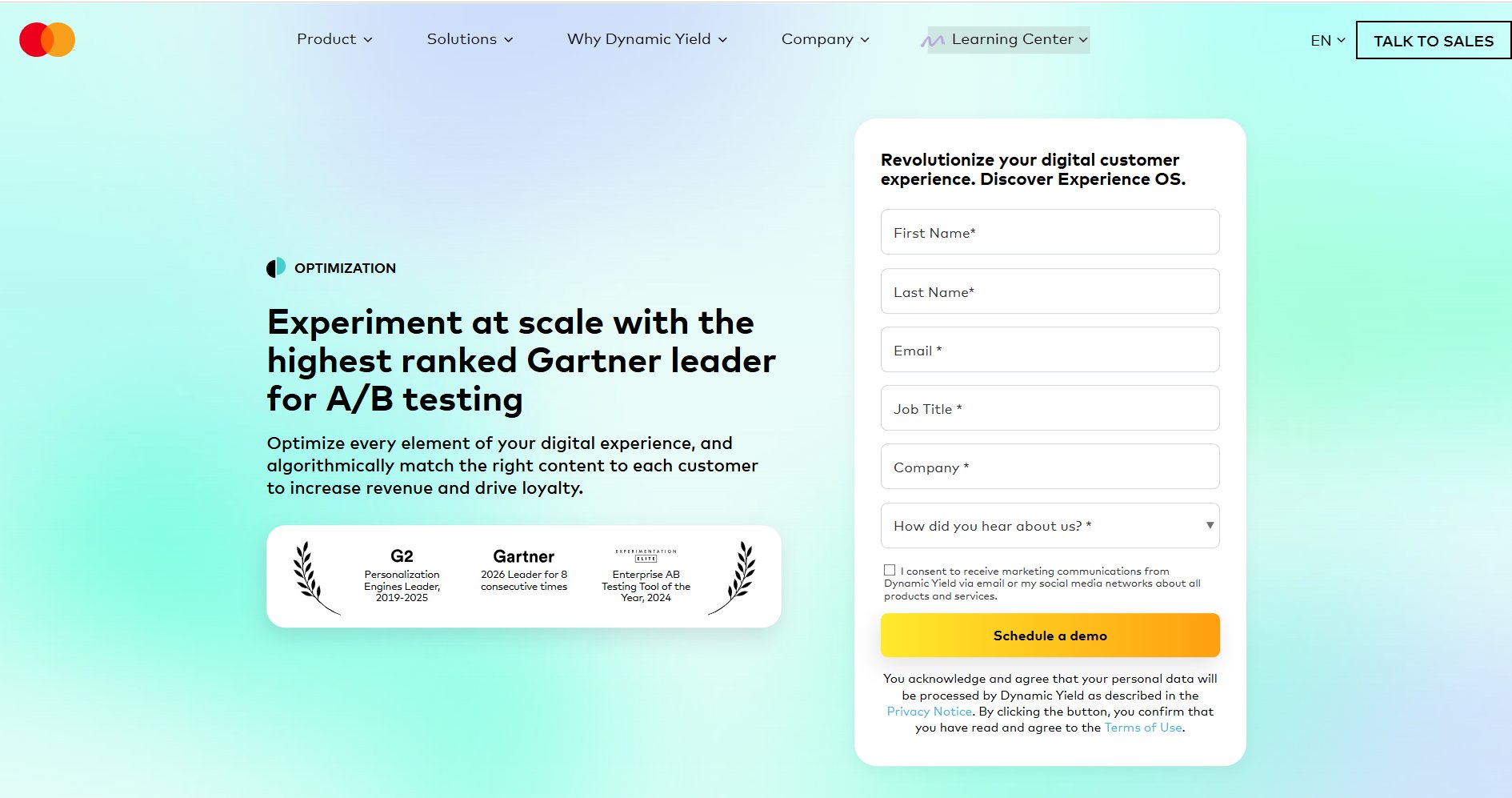
An enterprise-grade platform that rose to prominence through its focus on personalization. Following its acquisition by Mastercard and subsequent evolution, Dynamic Yield specializes in "Experience OS," which allows teams to collect and activate customer data across web, mobile, and email.
- Key Features: Multi-armed bandit testing, which uses machine learning to automatically allocate traffic to the winning variation in real-time.
- Best For: High-volume retailers with complex, omnichannel customer journeys.
Convert Experiences
Known for its commitment to data privacy and affordability, Convert Experiences has become the preferred choice for privacy-conscious brands in the EU and North America. It offers a full-stack solution that supports both frontend and backend experiments.
- Key Features: Advanced audience targeting with over 40 filters and a unified QA overlay.
- Pros: High performance with minimal site flicker and strong integration with third-party analytics.
Kameleoon
Kameleoon distinguishes itself through "prompt-based experimentation." This allows non-technical users to generate test ideas and variations using natural language processing, significantly lowering the barrier to entry for marketing teams.
- Key Features: AI-powered targeting and a dedicated "Widgets Studio."
- Best For: Teams looking to scale experimentation velocity without increasing developer headcount.
Omniconvert
Specifically tailored for Direct-to-Consumer (D2C) brands, Omniconvert focuses on the entire customer lifecycle, including retention. Its "Reveal" product allows brands to segment users based on RFM (Recency, Frequency, Monetary) analysis.
- Key Features: Stack testing and advanced retention tracking.
- Best For: Growth-stage D2C brands focused on maximizing customer lifetime value (CLV).
Shogun
For merchants operating exclusively on Shopify or BigCommerce, Shogun offers a native testing environment. It allows for rapid experimentation on themes and product pages directly within the store’s admin interface.
- Key Features: Visual drag-and-drop editor and native Shopify integration.
- Best For: Small to mid-sized Shopify merchants who need a code-free solution.
Unbounce
While primarily known as a landing page builder, Unbounce has integrated sophisticated A/B testing into its workflow. It is particularly effective for eCommerce brands running heavy paid media campaigns.
- Key Features: Smart Traffic (AI-powered routing) and a WYSIWYG editor.
- Best For: Optimizing dedicated campaign landing pages and top-of-funnel traffic.
Technical Frameworks: Integration and Methodology
The effectiveness of an A/B testing tool is often determined by its implementation method. In 2026, three primary integration paths dominate the industry:
- Client-Side Integration: The most common method, involving a JavaScript snippet that modifies the browser’s view. This is ideal for UI/UX changes such as button colors, layout adjustments, and copy updates.
- Server-Side Integration: This method occurs before the page reaches the user’s browser, using an API or SDK. It is the gold standard for testing complex backend logic, such as search algorithms, pricing structures, or checkout flows.
- Native Platform Integration: Specifically designed for SaaS platforms like Shopify, these tools offer one-click installations that reduce technical overhead but may offer less flexibility than full-stack solutions.
The Human and AI Element: Industry Perspectives
Experts emphasize that software is only one component of a successful experimentation program. Cameron Calder, Founder of Hype Digital, notes that the most effective teams use data to validate internal assumptions. "Teams often rely on ideas like ‘we should change this,’ but what they really need is proof of concept backed by data," Calder stated in a recent industry podcast. "Every change must be measured against its actual impact and aligned with business goals, rather than implemented on instinct."
Furthermore, the role of Artificial Intelligence is evolving from a novelty to a necessity. Anirban Chakraborty, Founder of ConvertPolo, highlights that AI is reshaping the speed of experimentation. "AI is already helping teams move faster—generating ideas, writing code, or understanding what needs to be tested," Chakraborty explained. This efficiency is expected to be the primary driver of the 16.2% CAGR projected for the market.
Metrics that Matter: Measuring Success in 2026
To derive value from these tools, eCommerce businesses must track high-impact Key Performance Indicators (KPIs):
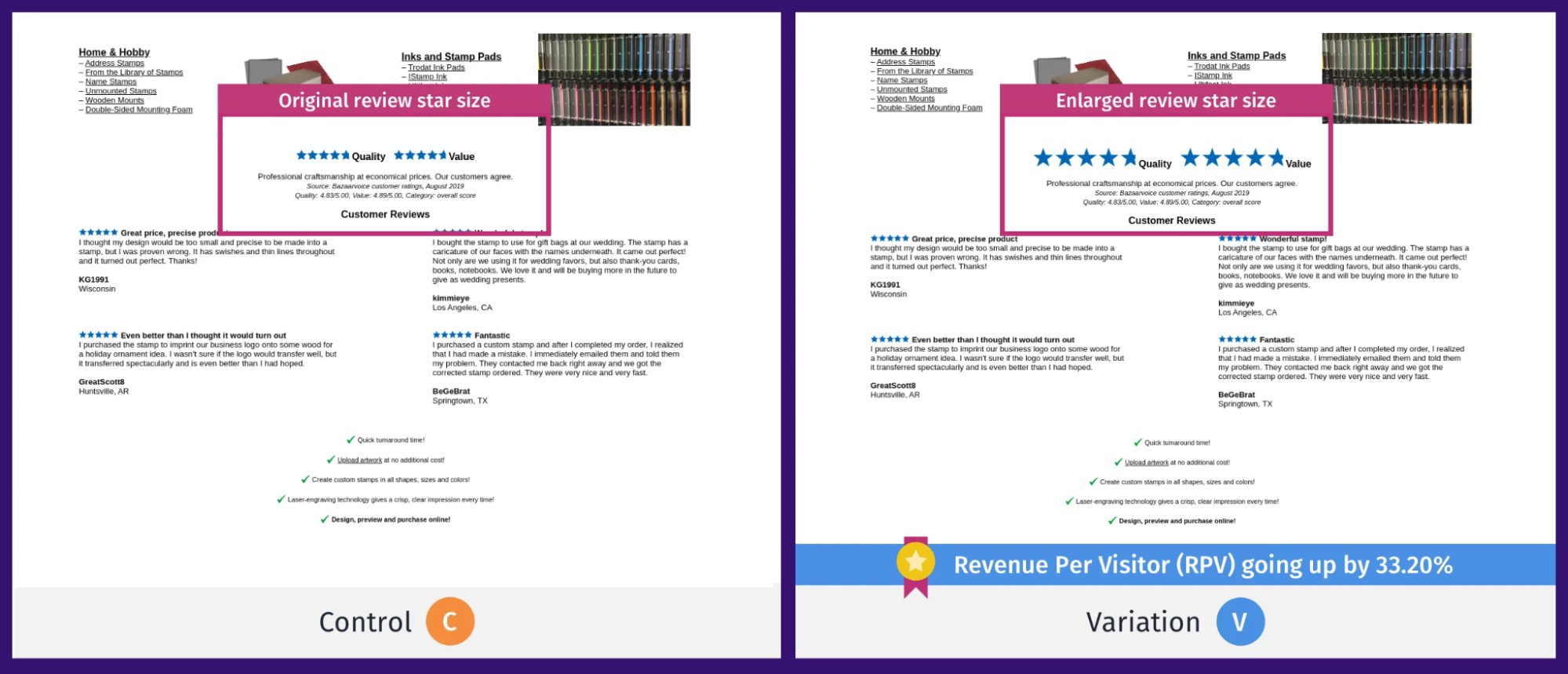
- Revenue Per Visitor (RPV): A holistic metric that combines conversion rate and Average Order Value (AOV), providing the clearest picture of financial impact.
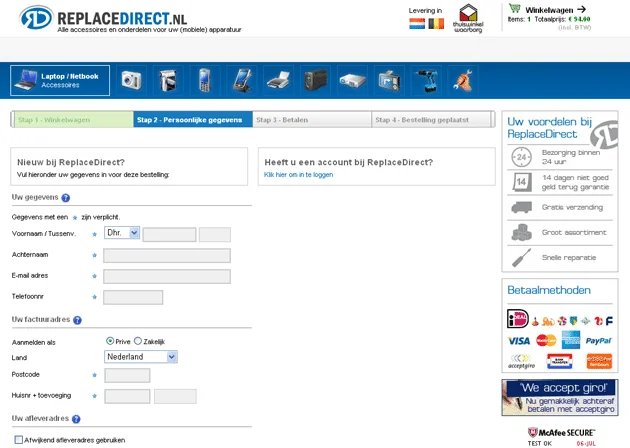
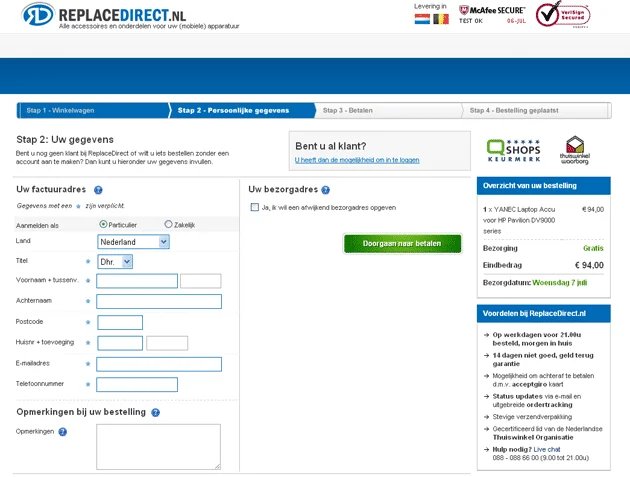
- Cart Abandonment Rate: A critical friction metric. Case studies from retailers like ReplaceDirect show that simplifying checkout flows through testing can reduce abandonment by up to 25%.
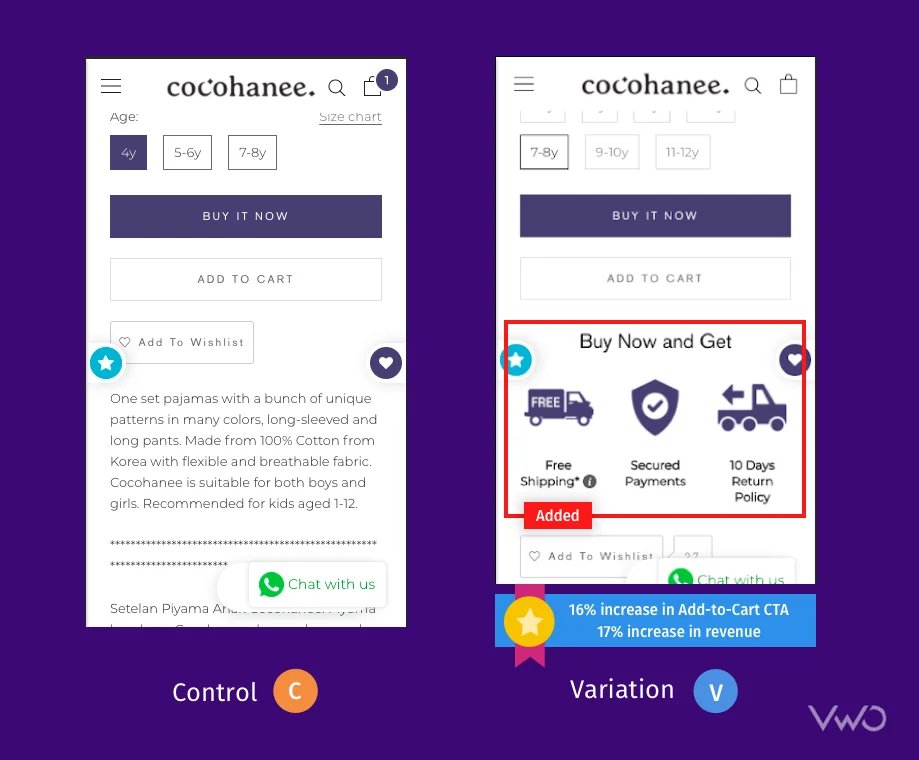
- Checkout Completion Rate: Measures the final stage of the funnel. Even small adjustments to trust signals or payment options can yield significant lifts, as seen with brands like e5, which saw a 19.39% increase in completion after optimizing cart notifications.
- Customer Lifetime Value (CLV): Long-term experimentation on loyalty programs and post-purchase flows ensures that growth is sustainable rather than just transactional.
Future Outlook and Broader Implications
As the eCommerce sector moves toward the end of the decade, the convergence of A/B testing, AI, and first-party data will define the next generation of digital retail. The projected $12.5 billion market size suggests that experimentation will become increasingly automated, with machines handling the routine tasks of traffic allocation and variation generation, while human strategists focus on high-level hypothesis creation.
For businesses yet to adopt a formal experimentation framework, the risks are mounting. In an era where acquisition costs (CAC) continue to rise, the ability to squeeze more value from existing traffic through testing is the only viable path to maintaining healthy margins. The transition from "testing as a project" to "testing as a culture" will likely be the defining characteristic of the decade’s most successful eCommerce brands.







