The pursuit of top-tier public relations campaign ideas often feels like navigating a labyrinth, demanding not just boundless creativity but also significant investment of time and the courage to champion an idea with conviction. In an increasingly crowded media landscape, the stakes are higher than ever, and merely having a “good idea” is no longer sufficient to cut through the noise. Success in modern PR hinges on a strategic, research-backed approach that drastically elevates the probability of a campaign achieving widespread coverage, securing valuable backlinks, and generating substantial social engagement. This article outlines a robust, two-step methodology for developing winning PR campaigns, leveraging powerful research tools like BuzzSumo and drawing critical inspiration from past triumphs and near-misses.
The Evolving Landscape of PR Ideation
For decades, PR ideation was often synonymous with brainstorming sessions fueled by intuition and creative flair. While creativity remains indispensable, the digital age has ushered in an era where data and analytics provide a powerful compass. The sheer volume of content produced daily means that campaigns must resonate deeply and immediately with target audiences and media outlets alike. A recent industry report indicated that only a fraction of PR pitches result in actual coverage, underscoring the urgent need for strategies that de-risk ideation and enhance relevance. This framework moves beyond guesswork, grounding creative concepts in verifiable insights about what genuinely captivates and compels, positioning PR professionals as strategic partners rather than mere creative executors.
Step 1: Unearthing Resonant Content Themes and Emotional Drivers
The foundational step to developing a successful PR campaign is a deep understanding of the content landscape, specifically identifying themes that consistently capture public attention and elicit strong emotional responses. To confidently assert that a PR idea will succeed, one must first ascertain which topics are not only frequently discussed but also consistently shared and linked to by authoritative sources. For the purpose of this discussion, campaign success is primarily measured by securing editorial coverage and valuable backlinks from reputable websites, with social media engagement serving as a crucial secondary Key Performance Indicator (KPI) that signals audience resonance and amplifies reach. This dual focus ensures both SEO value and broad public reach.
It is critical to approach this initial research phase without the pressure to immediately formulate a concrete campaign idea. Breakthrough concepts rarely emerge fully formed from a single brainstorming session or the initial data dive. Instead, the process is iterative, beginning with broad exploration and gradually narrowing the focus. A powerful tool for this exploratory phase is BuzzSumo’s Content Analysis Report, which provides a quantitative lens into content performance across the web.
Strategic Keyword Exploration for Theme Identification
The journey begins by inputting core product or brand-related terms into BuzzSumo’s Content Analysis Report. For instance, if a client specializes in honeymoon packages, an initial search might start with “Honeymoons.” The data derived from this initial query will reveal content trends, popular formats, and engagement metrics around this direct keyword. However, to uncover broader opportunities and tap into adjacent interests, the research must expand beyond the immediate offering. This involves branching out to related, but not identical, themes such as “Engagement rings,” “Wedding planning,” “Destination weddings,” or even “Couples travel.” The objective is to cast a wide net, systematically exploring related search terms until the themes become too tangential to the core brand or product offering. This methodical expansion allows PR professionals to identify overarching narratives and sub-topics that may offer fertile ground for campaign development, even if they are not directly about the client’s immediate product. This technique mirrors the “hub and spoke” model in content strategy, ensuring comprehensive coverage of relevant topics.
The BuzzSumo Content Analysis Report offers invaluable insights by showcasing the volume of articles published over time for various keywords, the average social engagement across platforms, and crucially, the dominant emotions associated with content on these themes. For example, a search for “Honeymoons” might reveal consistent interest but perhaps a plateau in recent article production, indicating a mature topic with less “newsworthy” potential. Expanding to “Weddings” could show a broader, more consistent stream of content and higher engagement, suggesting a more robust theme with ongoing relevance. Further exploration into “Engagement Rings” might reveal strong emotional resonance, particularly around joy, surprise, or even anxiety, coupled with significant coverage. This layered research helps in understanding the “opportunity space” – where there’s sustained media interest and audience engagement, providing a data-backed rationale for ideation.
Case Study: Unveiling the “Light Pollution” Campaign Opportunity
Consider the genesis of a highly successful campaign titled “A World Without Light Pollution,” developed for a star map client, Under Lucky Stars. The initial product theme, “Star maps,” while inherently romantic and visually appealing, lacked the breadth and dynamic angles needed for a standalone, high-impact PR campaign. The research process, however, systematically broadened this focus:
- Product Theme: Star maps (identified as having insufficient scope for a major campaign).
- Secondary Theme 1: Supermoons (revealed significant social engagement, offered potential for reactive PR due to regular occurrences).
- Secondary Theme 2: Night sky (demonstrated consistent, high social engagement, indicating deep public interest).
- Secondary Theme 3: Light pollution (emerged as a theme with substantial social engagement, current relevance, and significant scope for creative ideas).
The “light pollution” theme, in particular, was experiencing a surge in public discourse at the time of research. SpaceX’s satellite constellation launches were sparking debates about their impact on astronomical observation and the pristine night sky, raising concerns among astronomers and environmentalists. Concurrently, the global COVID-19 pandemic had temporarily reduced urban pollution levels due to lockdowns, leading to a renewed appreciation for nature and environmental concerns, and briefly allowing city dwellers to witness clearer night skies. This confluence of events created a timely and highly relevant window for a campaign centered on light pollution, transforming it from an abstract environmental issue into a deeply personal and visually compelling narrative.
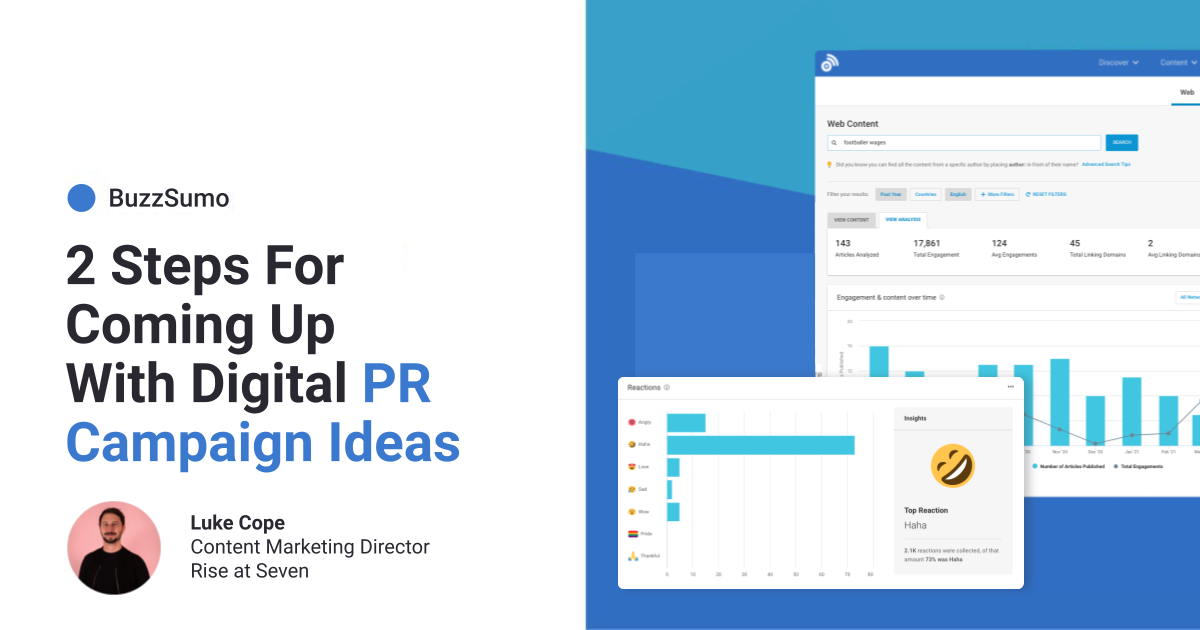
Further analysis of reader reactions to existing articles on light pollution revealed two primary emotional responses: a sense of profound sadness or loss at the degradation of the night sky, and an overwhelming “wow factor” when presented with visuals of starry skies in remote, unpolluted areas. This emotional blueprint was critical, providing clear direction for the campaign’s messaging and visual execution. The objective became clear: create a campaign that would be visually stunning, evoke a powerful emotional response, and prompt reflection on the impact of light pollution. The inferred client statement would likely be: “We aimed to connect with audiences on a deeper, emotional level, linking our product to a universal wonder that is increasingly under threat.” The campaign’s success implied a heightened public awareness of light pollution’s environmental and cultural impact, aligning the brand with a pertinent global issue.
Case Study: The “Footballer Car Cost Calculator” – Tapping into Aspirational Envy
Another illustrative example, though less explicitly detailed in the original framework, is the concept for a “Footballer Car Cost Calculator” campaign, likely for a private number plates client. The initial product theme, “Private number plates,” while having some humorous content, didn’t offer broad enough appeal for a high-volume link-building campaign. The strategic expansion of themes began to uncover more fertile ground:
- Product Theme: Private number plates (some novelty content, but limited for a major campaign).
- Secondary Theme 1: Celebrity cars (revealed a high volume of published articles, indicating sustained media and public interest).
- Secondary Theme 2: Footballers’ cars (showed an even greater volume of content and, crucially, a torrent of reactions in comment sections).
A deep dive into the comments sections of articles about footballers’ opulent car collections proved to be the pivotal insight. Readers’ reactions were often characterized by strong emotions, including envy, resentment, competitiveness, and a tendency to make direct personal comparisons. This indicated a powerful underlying human desire for aspiration or, conversely, a sense of indignation at perceived excess. The core idea emerged from this observation: why not create a tool that makes this comparison literal? A calculator that allowed users to input their own salary and determine how many years it would take them to afford a footballer’s car directly tapped into these potent emotions of comparison and aspiration. This campaign exemplified how understanding audience sentiment, even negative emotions like envy or frustration, can be strategically leveraged to create highly engaging content that resonates with everyday financial realities. The implied brand message was one of relatable luxury and aspiration, even if tinged with a dose of economic reality.
In both these examples, the systematic research into content themes and associated emotions provided an objective foundation for ideation. Moving through this phase with a concept demonstrably linked to popular themes and capable of eliciting one or two strong emotions significantly increases the likelihood of campaign success. This research-first approach is not merely a suggestion; it’s a critical prerequisite for every high-performing campaign in today’s data-driven PR landscape.
Step 2: Optimizing Format and Adding Strategic Depth
Once a compelling, emotionally resonant theme is identified, the next critical step is to determine the absolute best format for its delivery and to imbue the idea with sufficient depth and multiple outreach angles. A brilliant idea can fall flat if presented in an unsuitable format. For instance, the “light pollution” campaign, designed to evoke a “wow factor,” would have been severely diminished as a simple blog post. Its visual impact and interactive potential required a more immersive and dynamic presentation. Data from content marketing studies consistently shows that interactive content generates significantly higher engagement rates than static content.
The Power of Interactive Visualizations
For the “light pollution” campaign, merely showcasing re-designed skylines might have worked, but the inclusion of a simple slider code that allowed users to toggle between “before” (light-polluted city) and “after” (city without light pollution, revealing a vibrant night sky) added a crucial layer of interactivity. This format didn’t just present information; it invited engagement and allowed users to personally experience the dramatic transformation, thereby amplifying the emotional impact and memorability. The visual journey from obscured to breathtaking made the abstract concept of light pollution tangible and immediate, fostering a personal connection to the issue.
The format choice is paramount, as is the inherent depth and versatility of the idea, which translates into multiple angles for media outreach. While a single strong angle can sometimes suffice, adding layers of data and perspective significantly broadens a campaign’s appeal. In the light pollution example, a compelling statistic revealed that 85% of Americans had never seen the Milky Way – a powerful main angle for US-based media. This was further enriched by incorporating data from the Bortle scale, which quantifies sky darkness. The campaign visually depicted cities rated 10 on the Bortle scale (heavily polluted) alongside their hypothetical appearance as a 1 (pristine night sky). While the initial focus might have been on the USA, expanding the scope to global cities made logical sense, as light pollution is a universal issue, thereby increasing its international media appeal and relevance to a broader array of publications, from environmental journals to travel magazines.
Case Study: The “Germs on Heads” Campaign – Justifying Scale Through Format
A particularly impactful campaign, often referenced as “Touch the Germs” or related to “Stavely Heads” (likely a public health or hygiene awareness initiative, given the context), showcased how an exceptional format can elevate a potentially simple concept into a major media event. What could have been a basic graphic or a list of data points detailing germ prevalence was transformed into an interactive experience featuring a “microscope function.” This allowed users to visually explore the microscopic world of germs in a visceral and