The pursuit of a seamless omnichannel retail experience, where physical stores serve as strategic extensions of online operations, is a cornerstone of modern retail strategy. However, not all multichannel initiatives are created equal, and a careful, data-driven approach is essential to ensure investments yield tangible returns. Stephan Jacob, co-founder and Chief Global Officer at Cotopaxi, a prominent apparel and outdoor gear retailer, shared his company’s pragmatic perspective on this complex landscape with Digital Commerce 360, emphasizing that the allure of industry buzzwords should not overshadow fundamental business realities.
Cotopaxi, which launched as a digitally native brand approximately 12 years ago, has since evolved to encompass a physical retail presence, now operating over 20 stores. This expansion has provided fertile ground for experimenting with various omnichannel strategies. Yet, as Jacob detailed, the company has strategically chosen not to fully commit to certain integrations, particularly those requiring significant technological and operational overhauls, if the projected return on investment and operational feasibility were not compelling. This measured approach underscores a commitment to sustainable growth rather than a blind adherence to prevailing retail trends.
The Store as a Fulfillment Hub: A Test of Practicality
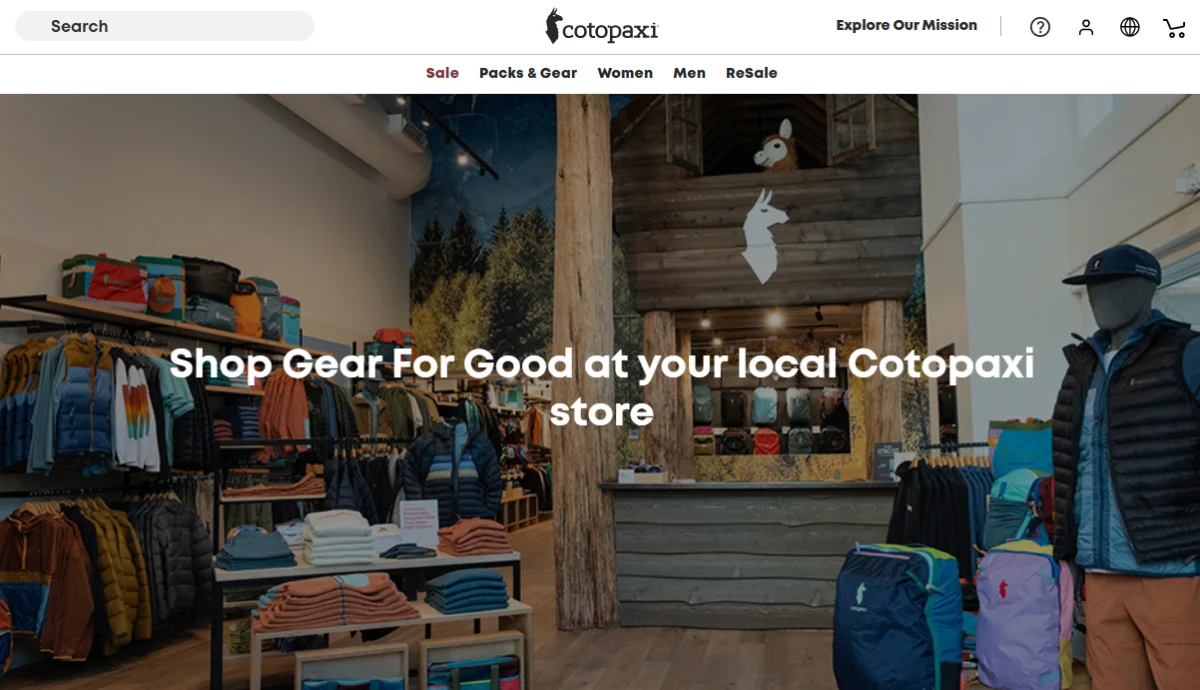
One of the most frequently explored omnichannel functionalities is the use of physical stores as fulfillment centers for online orders. Cotopaxi, too, delved into this model, testing its viability. “Our stores are relatively small – 1,200 square feet, on average,” Jacob explained. “There’s not a ton of physical space to run a fulfillment operation there.” This constraint immediately highlights a primary challenge for retailers with compact store footprints. While the potential benefit of exposing in-store inventory to online demand and potentially increasing sell-through velocity is acknowledged, the practical implications of such a model can outweigh the advantages.
The operational complexity associated with store-based fulfillment is a significant deterrent. Cotopaxi’s analysis factored in the intricate requirements of space allocation, the rigorous training needed for staff to manage dual roles (customer service and order fulfillment), the seamless integration of disparate technological systems, and the meticulous management of inventory across multiple points of sale and fulfillment. Ultimately, the company concluded that the burden of these operational demands, coupled with the limited physical capacity of its stores, made this particular omnichannel avenue not worth the substantial investment. Consequently, Cotopaxi now exclusively fulfills online orders from its dedicated distribution center, a decision rooted in efficiency and scalability.
Cotopaxi is currently ranked No. 1,415 in the Digital Commerce 360 Top 2000 Database, a comprehensive ranking of the largest online retailers in North America. This places the company among a significant cohort of e-commerce players. For comparative context, established retail giants like Nordstrom rank No. 21, and Bloomingdale’s, operating under the umbrella of Macy’s, which holds the No. 18 spot in the Top 2000, often leverage their extensive store networks for more robust omnichannel services.
Cotopaxi’s Evolving Sales Strategy: From DTC to a Balanced Ecosystem
Cotopaxi’s journey began with a pure direct-to-consumer (DTC) model, focusing entirely on its online presence. This initial phase, which lasted for approximately five to six years, allowed the brand to build a strong foundation and cultivate a direct relationship with its customer base. Following this period of digital immersion, Cotopaxi strategically expanded its reach by embracing wholesale partnerships.
“Wholesale grew rapidly to over 50% of total sales,” Jacob recalled, illustrating the significant impact this channel shift had on the company’s revenue streams. However, Cotopaxi has since recalibrated its approach, aiming for a more balanced sales ecosystem. “We’ve now brought it back to what we feel is a healthier level of wholesale being about 25%-30%, DTC the vast majority, and then we have some corporate business, and international is a fast-growing channel.” This strategic adjustment reflects a desire to diversify revenue while maintaining a strong core in direct-to-consumer engagement, which typically offers higher margins and more direct customer data.
The brand also leverages a mobile app, which has been instrumental in connecting with customers through outdoor adventure events. This digital interface is carefully integrated with its physical store presence, creating a richer omnichannel experience. “That was an amazing way to have tens of thousands of people exposed to the brand in a very organic manner and then become raving brand fans,” Jacob noted. “Physical activation through our stores and trigger events is a big part of our strategy. We obviously do the traditional performance marketing across all the big platforms and carefully measure, monitor with all the attribution challenges that comes with that.”
This multi-pronged approach to customer engagement, encompassing digital marketing, experiential events, and physical retail touchpoints, is a hallmark of a mature omnichannel strategy. However, Cotopaxi’s history is also marked by a period of “opportunistic spending with high return,” as Jacob described it, particularly in its early adoption of social media and search engine optimization (SEO). While these channels proved beneficial, they also came with escalating costs.
“We, for several years, became a little addicted to chasing that growth and expending the dollars in order to drive top line,” Jacob admitted. “We’ve really pulled that back and have become a lot more mindful about how we’re spending and ensuring that the long-term benefit is there.” This introspection and subsequent recalibration of marketing spend demonstrate a shift from a growth-at-all-costs mentality to a more sustainable and profitable growth strategy. This evolutionary process has also informed Cotopaxi’s understanding of when to scale back certain omnichannel integrations, prioritizing impact and efficiency.
Discerning the True Value of Omnichannel Initiatives
The decision to pull back from certain omnichannel features is not a rejection of the concept itself, but rather a testament to Cotopaxi’s analytical rigor. For a period, the company did provide visibility into in-store inventory levels online, allowing customers to locate its products not only in its own stores but also through its retail partners. This transparency is a valuable component of an omnichannel strategy, enabling customers to plan their purchases effectively.
“We’ve gone back and forth on this,” Jacob shared. “We invested several years ago into buy online, pick up in store [BOPIS], endless aisle, et cetera. It drove fine results, but it does add operational complexity. We’re still balancing what really adds value and drives significant volume for the customer, versus a buzzword to accommodate what’s currently en vogue in the industry. And so, in terms of in-store technology, we’ve experimented with a lot and have ultimately landed on being somewhat agnostic how the customer wants to engage with us.” This sentiment highlights a critical distinction: distinguishing between genuine customer value drivers and fleeting industry trends.
Cotopaxi’s physical store footprint is concentrated primarily in the western United States, with a smaller presence in the Northeast. The brand also operates several stores in Japan and South Korea, indicating an international retail strategy. These stores are strategically utilized to drive foot traffic, particularly as key sales periods approach their shipping cutoff dates. However, Jacob candidly noted the limitations of their current store density. “But we also don’t have the full-country coverage like a Home Depot or something like that,” he stated. “We know that the vast majority of our consumers that engage with us online do not have a store in their immediate proximity. From that perspective, it’s not as crucial and critical just because the truest of the omnichannel – online-offline – opportunity is only available to a small subset of our customer base with the current store footprint that we have.”
This geographical limitation is a key factor in why Cotopaxi has approached full-scale omnichannel infrastructure investments with caution. The potential reach and impact of certain in-store omnichannel services are inherently constrained by the number and distribution of physical locations relative to the broader customer base.
The Omnichannel Experiment During a Transformative Period
The COVID-19 pandemic served as a significant catalyst for the widespread adoption of omnichannel features by retailers. During this period, many businesses, particularly those within the Digital Commerce 360 Top 1000, rapidly implemented services such as BOPIS, curbside pickup, and in-store stock status displays. Data from the 2026 edition of Digital Commerce 360’s Omnichannel Report indicates a consistent trend: retail chains within the Top 1000 offering these services between 2021 and 2025 generally experienced higher conversion rates compared to those that did not.
“Where we did offer it, there was adoption, yes,” Jacob confirmed, acknowledging the customer uptake of these services. However, he quickly tempered this with a pragmatic assessment of their impact on store economics. “But it didn’t change the four-wall economics of a store location by offering buy online, pick up in store. At the same time, it does increase complexity when it comes to pull-push planning, replenishment in store, et cetera, if you suddenly direct a ton of ecom demand into an individual store location that may not be ready for that.”
The added operational burden associated with managing BOPIS and similar services was a critical consideration for Cotopaxi. The intricate dance of inventory management, staff allocation, and the potential for disruption to in-store operations meant that the perceived benefits did not justify the increased complexity. “The juice wasn’t worth the squeeze, essentially,” Jacob summarized, underscoring the company’s cost-benefit analysis. “And so we folded some of these initiatives. I’m not saying it doesn’t make sense. It depends on size, scale and geographic coverage, but that was our experience back then.”
This candid reflection from Cotopaxi offers valuable insights for other retailers navigating the evolving omnichannel landscape. It underscores that while certain omnichannel features can drive adoption and potentially boost conversion rates, their true value must be assessed against the operational costs and complexities they introduce. For Cotopaxi, the strategic decision to forgo certain omnichannel integrations is not a sign of retail naivete, but rather a demonstration of disciplined management, prioritizing sustainable profitability and operational efficiency over the uncritical adoption of industry trends. The company’s focus remains on building a robust and responsive retail ecosystem that aligns with its brand identity and its customers’ evolving needs, while ensuring that every investment serves a clear and measurable purpose.
Assessing the Broader Implications for Retail Strategy
Cotopaxi’s experience offers a compelling case study for the broader retail industry, particularly for brands that have transitioned from digital-native to multichannel operations. The analysis highlights a critical juncture where retailers must move beyond simply offering omnichannel services to strategically evaluating their impact. The data from Digital Commerce 360’s reports consistently shows a correlation between omnichannel offerings and conversion rates, suggesting that for many, these services are indeed beneficial. However, Cotopaxi’s story introduces a crucial nuance: the cost of those benefits.
For retailers with a dense store network, like Nordstrom or Macy’s, the operational overhead of fulfilling online orders from stores, managing inventory across numerous locations, and training staff for complex roles may be more absorbable due to scale and existing infrastructure. These larger players can often amortize the costs over a higher volume of transactions and a broader geographical reach. Cotopaxi, with its more modest store footprint, faces a different economic reality. The fixed costs associated with implementing and maintaining sophisticated omnichannel technologies and processes can disproportionately impact profitability when the customer base that can effectively utilize these services is limited.
The implication for other retailers, especially those in the mid-market or emerging brands, is the importance of a data-driven, segment-specific approach. Instead of a blanket implementation of all popular omnichannel features, retailers should:
- Analyze Customer Geography: Understand where the majority of online customers are located relative to physical stores.
- Quantify Operational Costs: Accurately assess the investment required in technology, training, and ongoing management for each omnichannel feature.
- Model ROI by Store and Channel: Determine the true return on investment for each initiative, considering not just incremental sales but also operational efficiencies and potential disruptions.
- Prioritize Customer Value: Focus on features that genuinely enhance the customer experience and drive significant purchasing behavior, rather than chasing trends.
Cotopaxi’s decision to focus on its distribution center for fulfillment, while maintaining its stores as valuable brand touchpoints and drivers of foot traffic, exemplifies a strategic prioritization. It suggests that a strong DTC foundation, complemented by well-integrated wholesale and international channels, can be highly effective, even without embracing every facet of omnichannel fulfillment. The brand’s success in the Top 2000 database further validates that a focused and profitable growth strategy, rather than a diffuse and costly omnichannel deployment, can lead to significant market presence and sustained success. The retail landscape continues to evolve, and lessons from companies like Cotopaxi are invaluable for charting a course toward both customer satisfaction and business resilience.