Azzam Bilal Chamdy
As of June 5, 2026, the strategic importance of choosing a robust email marketing platform has never been more pronounced for businesses navigating an increasingly competitive digital landscape. Beyond superficial feature comparisons, the decision often hinges on a platform’s inherent ability to support growing teams, accommodate escalating sending volumes, and consistently meet stringent requirements for performance, collaboration, and regulatory compliance. This comprehensive guide delves into the compelling reasons driving companies to migrate from Mailchimp to Sinch Mailjet and outlines the essential steps for a seamless transition of contacts, email templates, and vital historical data.
The modern email marketing ecosystem is characterized by rapid technological advancements and evolving consumer expectations. What once sufficed as a simple newsletter tool has transformed into a critical component of a business’s entire digital communication infrastructure, demanding capabilities that extend far beyond basic email dispatch. For many rapidly expanding enterprises, the limitations of platforms designed primarily for smaller operations become increasingly apparent, prompting a strategic re-evaluation of their marketing technology stack. Sinch Mailjet, a product of Sinch, a global leader in cloud communications, is emerging as a preferred solution for businesses seeking enterprise-grade scalability, advanced features, and unwavering reliability.

The Evolving Landscape of Email Marketing Platforms
The past decade has witnessed a significant maturation in email marketing, moving from bulk sending to highly segmented, personalized, and automated campaigns. This evolution has been fueled by several factors, including the explosion of e-commerce, the imperative for customer relationship management (CRM) integration, and the global push for stringent data privacy regulations like GDPR and CCPA. Consequently, businesses are no longer merely seeking a platform; they are seeking a strategic partner capable of ensuring optimal deliverability, providing granular analytics, and facilitating complex automation workflows.
Mailchimp, traditionally popular among small businesses and startups for its user-friendly interface and accessible entry points, has served as a foundational tool for many. However, as businesses scale their operations, expand their contact lists into the hundreds of thousands or millions, and require more sophisticated integrations and compliance assurances, the need for a more robust infrastructure becomes paramount. This is where platforms like Sinch Mailjet, backed by Sinch’s extensive global communications network, offer a compelling alternative.
Strategic Drivers Behind the Migration Wave to Sinch Mailjet
The decision to migrate from one email service provider (ESP) to another is a significant undertaking, often spurred by a confluence of operational and strategic imperatives. For businesses transitioning from Mailchimp to Sinch Mailjet, several key factors consistently emerge:
- Scalability for Growing Enterprises: A primary driver for migration is the need for a platform that can effortlessly scale with a business’s expansion. As contact lists grow and sending volumes increase, Mailchimp’s pricing structure can become less cost-effective, and its infrastructure, while robust for SMBs, may not offer the same level of performance and dedicated resources required by large-scale senders. Sinch Mailjet is engineered for high-volume sending, offering dedicated IP options, robust API capabilities, and a global infrastructure designed to handle millions of emails per hour without compromising deliverability or speed.
- Enhanced Team Collaboration and Account Management: For larger marketing teams, agencies managing multiple clients, or multi-brand organizations, Mailchimp’s team access and sub-account features can sometimes feel restrictive. Sinch Mailjet provides more sophisticated user management, granular role-based permissions, and multi-user environments that foster seamless collaboration, streamline workflows, and maintain brand consistency across diverse teams and projects. An industry analyst from MarTech Insights commented, "Efficient team collaboration within an ESP is no longer a luxury but a necessity for modern marketing departments. Platforms that offer advanced permissioning and shared asset management significantly boost productivity."
- Superior Performance and Deliverability: In email marketing, deliverability is king. Even the most perfectly crafted email is useless if it doesn’t reach the inbox. Businesses migrating often seek platforms that offer proactive deliverability management, real-time analytics, and dedicated support to ensure high inbox placement rates. Sinch Mailjet’s focus on transactional and marketing email, coupled with Sinch’s infrastructure, translates to a strong reputation with Internet Service Providers (ISPs), leading to better deliverability outcomes, particularly for critical communications.
- Robust Compliance and Data Security: With an increasingly complex global regulatory landscape, adherence to data privacy laws (e.g., GDPR, CCPA, CAN-SPAM) is non-negotiable. Enterprise-level businesses require ESPs that demonstrate robust security protocols, data handling practices, and clear compliance certifications. Sinch Mailjet offers advanced security features, ISO certifications, and a commitment to data protection that provides peace of mind for organizations operating under strict legal frameworks.
- Advanced Automation and API Integration: As businesses mature, their marketing strategies demand deeper integration with existing CRM systems, e-commerce platforms, and other business intelligence tools. While Mailchimp offers integrations, Sinch Mailjet’s API-first approach and extensive documentation make it a preferred choice for developers and businesses requiring highly customized, automated workflows and real-time data synchronization. This enables sophisticated trigger-based emails, personalized customer journeys, and seamless omnichannel experiences.
- Cost-Effectiveness at Scale: Although Mailchimp’s free tier and lower-priced plans are attractive for small entities, the cost can escalate sharply as contact lists and sending volumes grow. Businesses often find that Sinch Mailjet offers more competitive and predictable pricing models for high-volume senders, providing better value and ROI as their email marketing efforts expand.
A recent report by "Digital Marketing Dynamics" highlighted that 45% of mid-market companies cited "scalability limitations and escalating costs" as primary reasons for switching ESPs in 2025, with another 30% pointing to "insufficient compliance features and integration capabilities." These statistics underscore the strategic importance of choosing an email platform aligned with long-term business growth.
Navigating the Migration: A Step-by-Step Guide for Businesses
Migrating an email marketing platform, while a strategic necessity for growth, requires careful planning and execution to ensure minimal disruption and maximum data integrity. The process can be broken down into distinct, manageable phases.
Phase 1: Pre-Migration Planning and Assessment

Before initiating any data transfer, businesses should conduct a thorough assessment. This includes auditing existing contact lists for quality, reviewing all active email templates, identifying critical automation workflows, and documenting current reporting needs. Engaging key stakeholders from marketing, IT, and legal departments is crucial to ensure a smooth transition and address any potential challenges proactively.
Phase 2: Contact Data Transfer from Mailchimp to Sinch Mailjet
The meticulous transfer of contact data is perhaps the most critical step in the migration process. Ensuring all subscriber information, including opt-in status, is accurately moved is paramount for legal compliance and maintaining sender reputation.
-
Exporting Contacts from Mailchimp:
- Log in to Mailchimp: Access your Mailchimp account dashboard.
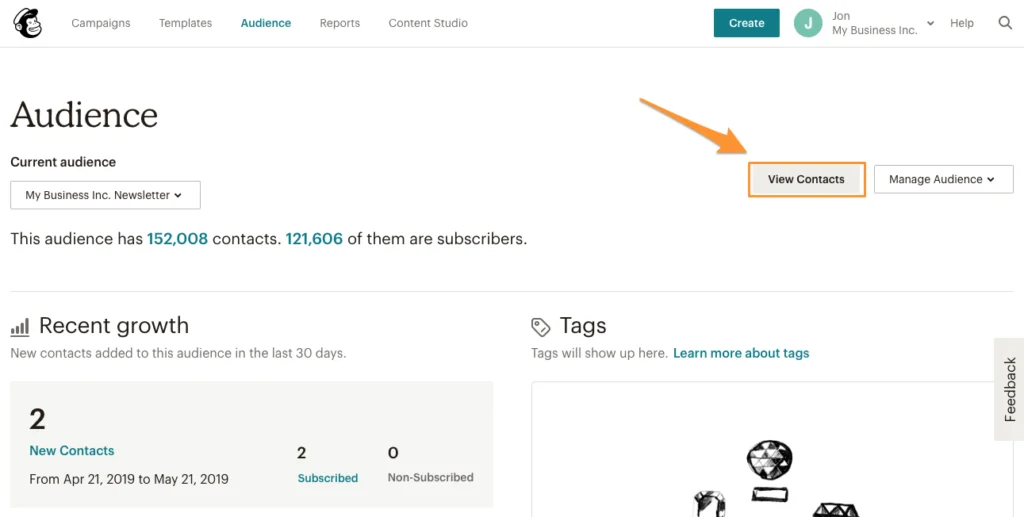
- Navigate to Audience: From the main menu, click on "Audience," then select "View Contacts."
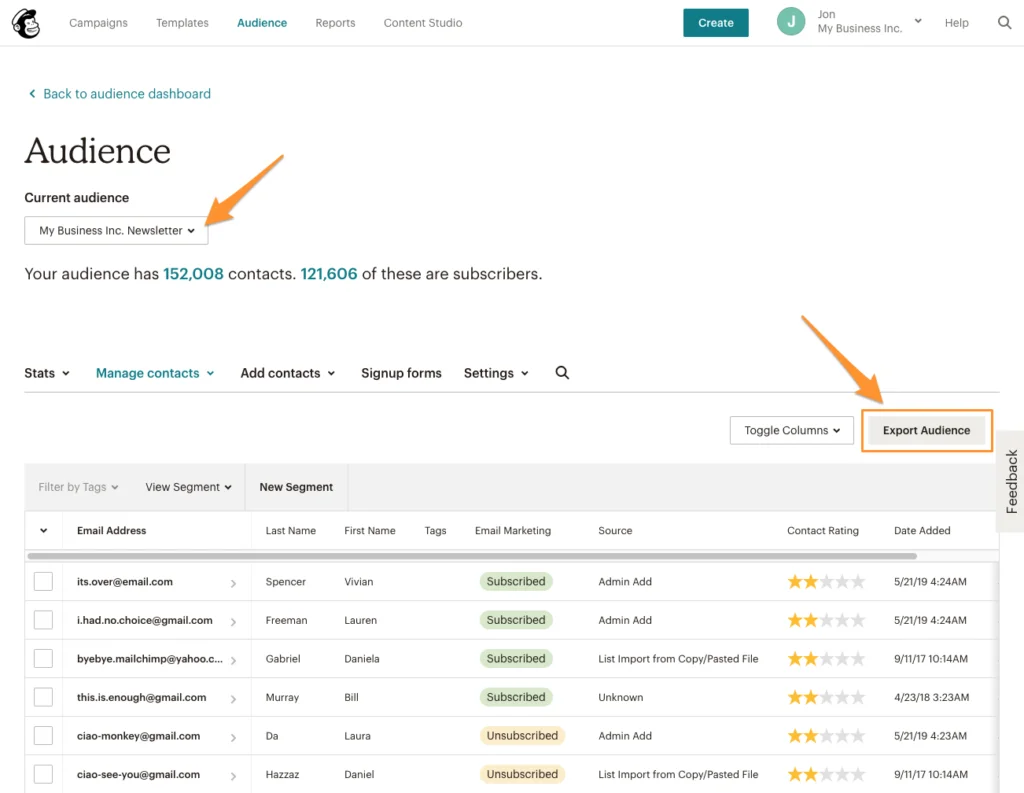
- Export Each Audience: For every distinct audience (contact list) you manage, click "Export Audience." Mailchimp typically provides options to export subscribed and unsubscribed contacts separately.
- Download and Unzip: Download the generated CSV file(s) and unzip them. You will usually find separate CSV files for subscribed and unsubscribed members. It is vital to keep these distinct for accurate import.
- Expert Insight: "The export process from Mailchimp is relatively straightforward, but businesses often overlook the crucial step of segregating unsubscribed contacts," noted Sarah Jenkins, a Data Compliance Specialist. "Failing to import these into the new platform can lead to sending emails to opt-out individuals, which not only damages sender reputation but can also incur significant legal penalties under global anti-spam laws."
-
Importing Contacts into Sinch Mailjet:
- Log in to Mailjet: Access your Sinch Mailjet account.
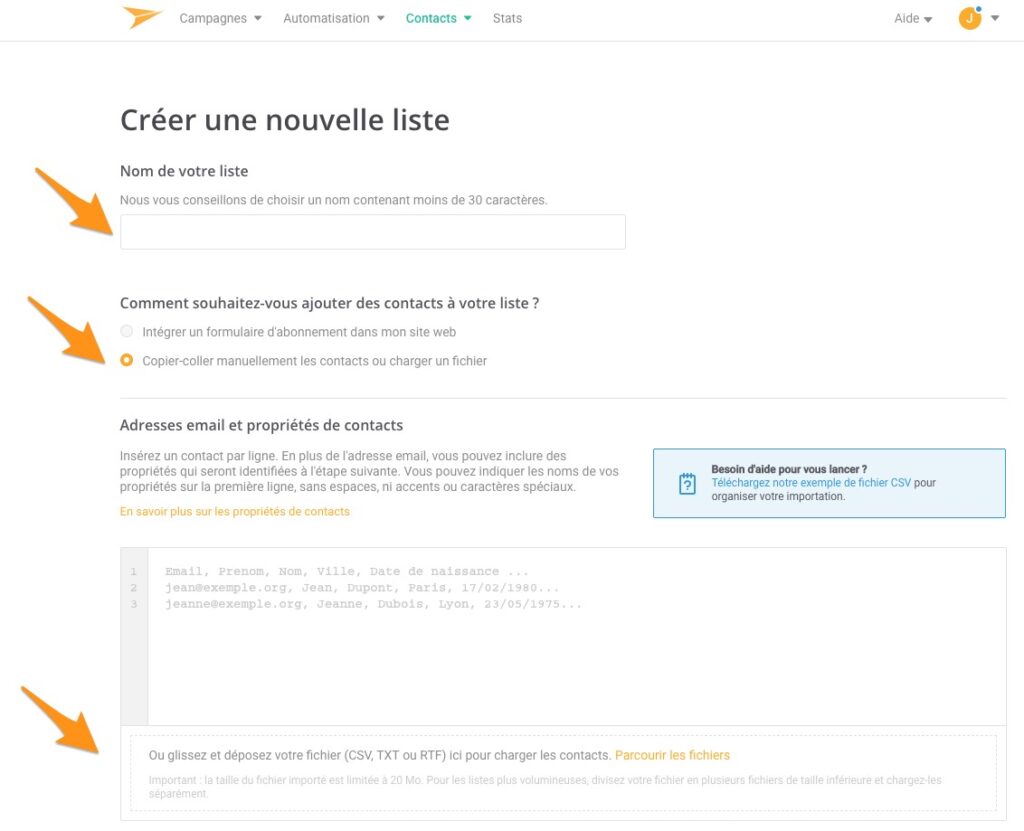
- Create New Contact Lists: Navigate to "Contacts" > "Contact Lists," then click "Create a new list." It is strongly recommended to create a separate list in Mailjet for each audience you exported from Mailchimp. This maintains segmentation and organization.
- Upload Subscriber Data: Select "Paste contacts manually or upload a file," then upload the CSV file containing your subscribed contact data for that specific list.
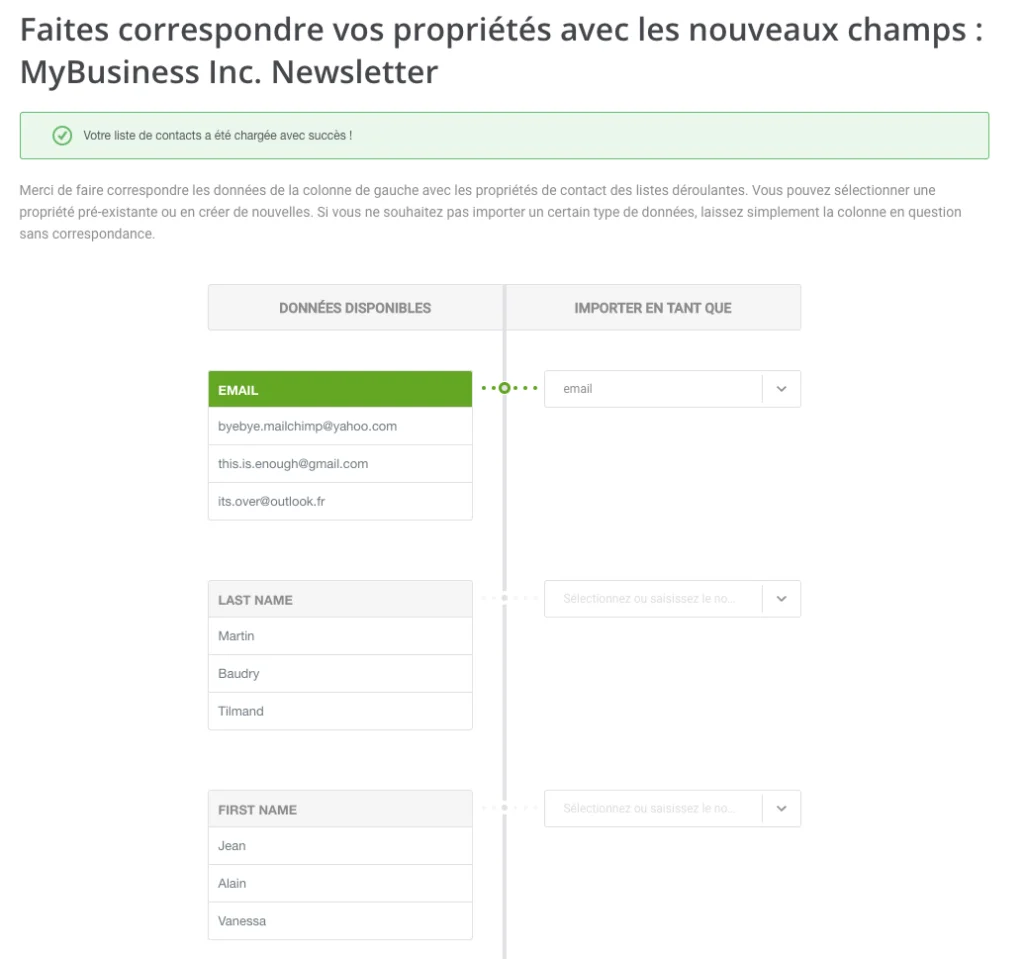
- Map Contact Fields: Mailjet will prompt you to map the contact properties (e.g., Email, First Name, Last Name, Company, Birthday) from your CSV file to Mailjet’s fields. This ensures all custom data is transferred correctly, allowing for continued segmentation and personalization. Once mapping is complete, click "Save and continue."
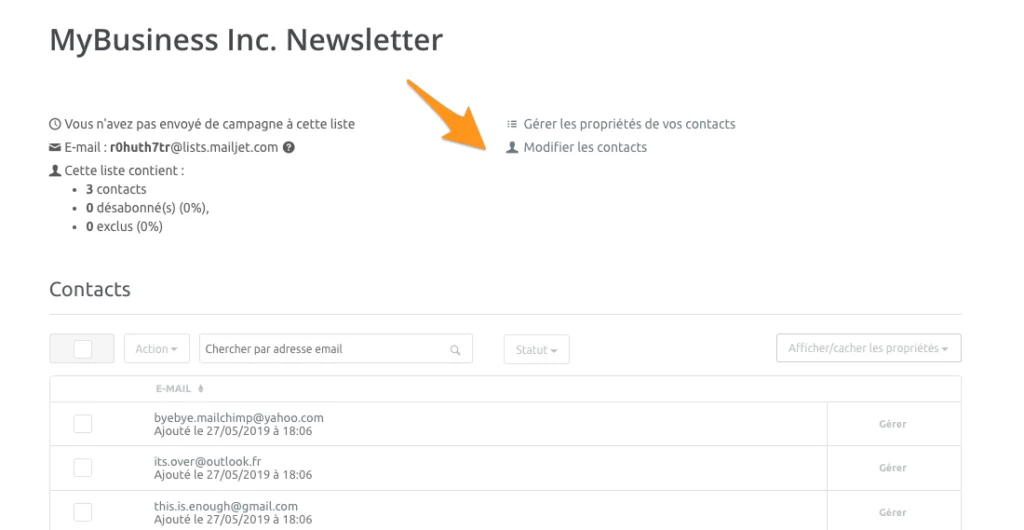
- Import Unsubscribed Contacts: This is a non-negotiable step. After importing your subscribed contacts into their respective lists, click "Manage contacts" for each list. Select "Unsubscribe contacts" as the update type, then drag and drop the CSV file containing your unsubscribed contacts for that specific list. Map fields as necessary. This action registers these email addresses as unsubscribed within Mailjet, preventing any accidental sends.
Phase 3: Email Template Transition
Direct, editable template migration between different ESPs is often technically challenging due to proprietary template builders and coding structures. However, businesses have viable options:
- Rebuilding Templates within Mailjet’s Editor: This is often the recommended approach. It allows businesses to leverage Mailjet’s intuitive drag-and-drop Email Editor, optimize templates for the new platform’s features, and ensure responsiveness across all devices. This also provides an opportunity for a brand refresh or design update.
- Exporting and Importing HTML Templates:
- Export from Mailchimp: In your Mailchimp account, go to "Templates." For each template you wish to retain, click "Export as HTML." This will download the raw HTML code of your email design.
- Import into Mailjet: In your Sinch Mailjet account, go to "Campaigns" and select "Create a new template." Choose "Code it in HTML" and then upload your downloaded HTML file. While this preserves the original design, editing these templates within Mailjet’s visual editor may be limited, often requiring direct HTML code adjustments for changes.
- Marketing Director’s Viewpoint: "We opted to rebuild our most critical templates in Mailjet’s editor," stated Alex Chen, Marketing Director at TechSolutions Inc., a recent Mailjet migrant. "It was a small investment of time that paid off by allowing us to fully utilize Mailjet’s dynamic content features and ensure our emails were perfectly optimized for their sending infrastructure."
Phase 4: Historical Data Archiving
While reporting data cannot be directly transferred and integrated into Sinch Mailjet’s analytics, retaining historical performance data is crucial for strategic decision-making and benchmarking future campaigns.
- Exporting Reports from Mailchimp:
- In your Mailchimp account, navigate to "Reports."
- Select "Download All Reports" to export a comprehensive overview of your past campaign performance, including open rates, click-through rates, bounce rates, and subscriber activity.
- These reports should be securely archived for future reference, allowing businesses to compare past performance with new campaigns launched from Sinch Mailjet.
Post-Migration Imperatives and Optimization
With contacts and templates successfully migrated, the focus shifts to ensuring optimal performance and leveraging Mailjet’s full potential.
- Domain Validation and Sender Authentication: Before sending any campaigns, it is absolutely critical to validate your sending domains and configure SPF (Sender Policy Framework), DKIM (DomainKeys Identified Mail), and DMARC (Domain-based Message Authentication, Reporting & Conformance) records. These protocols authenticate your emails, significantly improve deliverability, and protect your brand from spoofing and phishing attempts. Mailjet provides clear guidance and tools for setting these up.
- Sender Reputation Warm-up: For businesses with large contact lists or high sending volumes, it is advisable to implement a gradual "warm-up" process. This involves slowly increasing your sending volume over several days or weeks from the new platform to build a positive sender reputation with major ISPs.
- Leveraging Mailjet’s Advanced Features: Explore and implement Mailjet’s powerful collaboration features, advanced segmentation capabilities, transactional email API, A/B testing, and automation workflows. These features are designed to enhance personalization, optimize campaign performance, and improve operational efficiency.
- Continuous Monitoring and Optimization: Regularly monitor campaign performance within Mailjet, analyze key metrics, and use insights to refine your email strategy. Mailjet’s robust analytics provide the data needed to continually optimize your marketing efforts.
The migration from Mailchimp to Sinch Mailjet represents a strategic evolution for businesses aiming for sustainable growth in a complex digital environment. By embracing a platform built for scale, performance, and compliance, companies can unlock new levels of marketing effectiveness, drive deeper customer engagement, and secure their position for future success. This transition is not merely a change in software but a strategic investment in the future of a business’s communication infrastructure.


 Iffa Jayyana

 Pevita Pearce