The landscape of e-commerce marketing platforms continues to evolve, presenting businesses with critical decisions regarding their technology stack. Among the leading contenders, Brevo (formerly Sendinblue) and ActiveCampaign stand out, each offering distinct advantages tailored to different operational needs and budget considerations. This analysis delves into their core offerings, pricing structures, feature sets, and strategic implications for e-commerce marketers looking to optimize their outreach and customer relationship management in the projected market conditions of 2026.
Market Context and the Evolving Role of Marketing Automation
The digital marketing sphere has witnessed rapid transformation, with e-commerce businesses increasingly relying on sophisticated tools to manage customer journeys, personalize communications, and drive sales. Integrated marketing automation platforms, which combine email marketing, CRM, SMS, and increasingly, artificial intelligence (AI) capabilities, have become indispensable. ActiveCampaign, with its long-standing presence and robust automation, has carved a niche among businesses prioritizing complex customer journeys and frequent engagement. Brevo, which rebranded from Sendinblue in May 2023, has repositioned itself as a comprehensive platform focusing on affordability for large contact bases and flexible communication volumes. This strategic divergence reflects a broader market trend where providers are specializing to meet varied business demands, from agile startups to large enterprises. The year 2026 is anticipated to be a period where AI integration moves from a novel feature to a foundational expectation, influencing platform choices significantly.
Divergent Pricing Philosophies: Volume vs. Contacts
The fundamental difference between Brevo and ActiveCampaign lies in their core billing models, which dictate their suitability for various e-commerce strategies. Brevo operates on a monthly email volume basis, making it a compelling option for businesses with extensive contact lists but infrequent sending patterns. ActiveCampaign, conversely, employs a contact-based pricing model, which scales with the size of the contact list but typically includes a higher allowance for monthly sends per contact. This distinction is crucial for budget-conscious marketers.
A comparative analysis of pricing, based on projected figures for September 2026, reveals this disparity:
| Contacts | Brevo Starter | Brevo Standard | Brevo sends/month | ActiveCampaign Starter | ActiveCampaign Plus |
|---|---|---|---|---|---|
| 1,000 | $17 | $35 | 10,000 | $19 | $59 |
| 2,500 | $25 | $49 | 15,000 | $49 | $119 |
| 10,000 | $32 | $69 | 20,000 | $189 | $239 |
| 20,000 | $32 | $69 | 20,000 | $389 | $409 |
Prices are based on monthly billing without discounts. Brevo offers 10% off annual plans, and ActiveCampaign offers 20% off.
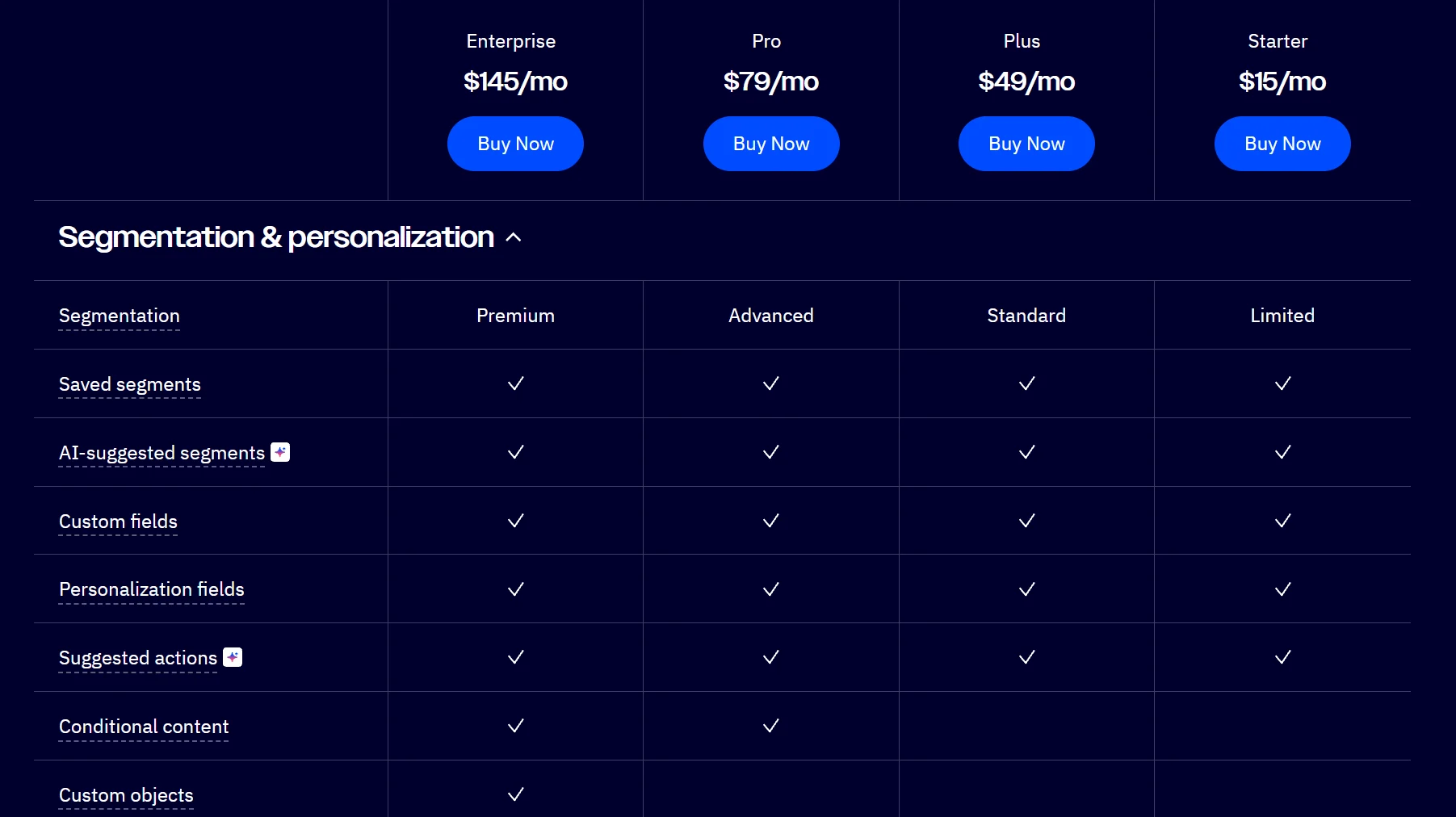
For a list of 1,000 contacts, Brevo’s Starter plan is marginally cheaper at $17/month compared to ActiveCampaign’s Starter at $19/month, both offering ample send volumes for this tier (10,000 Brevo vs. 10x contacts ActiveCampaign). However, Brevo’s cost-effectiveness becomes significantly more pronounced as contact lists grow. At 10,000 contacts, Brevo’s Starter plan remains at $32/month for 20,000 sends, while ActiveCampaign’s Starter jumps to $189/month. This considerable difference of $157/month highlights Brevo’s strategic advantage for businesses with large audiences that do not require extremely high-frequency communication. Brevo’s Starter tier, remarkably, supports up to 500,000 contacts within its $32/month bracket (for 20,000 sends), a feature that underscores its value proposition for mass list storage. ActiveCampaign’s model, conversely, is tailored for marketers who leverage their contact base for frequent, multi-touch campaigns, often sending 10-15 emails per contact monthly. This pricing structure suggests ActiveCampaign is targeting businesses focused on deep engagement and sophisticated automation rather than sheer list size.
Feature Landscape and E-commerce Fit
The utility of any marketing platform ultimately hinges on its feature set and how well it integrates with e-commerce operations. Both platforms offer robust capabilities, but their accessibility across different pricing tiers varies significantly.
| Feature | Brevo | ActiveCampaign |
|---|---|---|
| Ecommerce integrations | All plans | Standard in Starter/Plus; premium from Pro |
| Automation templates | All plans, 15+ | All plans, 950+ |
| Abandoned cart | All plans | All plans |
| Browse abandonment | All plans (requires tracker) | Plus ($59) |
| Back-in-stock | Starter ($9) | All plans |
| Content feeds/conditional content | All plans | Pro ($89) |
| Product blocks | All plans | Plus ($59) |
| Generative AI | All plans | Plus ($59) |
| AI segments | Professional ($499) | All plans |
| AI product recommendations | Professional ($499) | Not available (requires integration) |
| AI send time optimization | Standard ($18) | Pro ($89) |
| Pop-ups | Professional ($499) | Plus ($59) |
| Coupons | Professional ($499) | Plus ($59) |
| Loyalty | Enterprise (custom) | Not available (requires integration) |
| Revenue tracking | All plans | Pro ($89) |
| Ads retargeting | All plans | Plus ($59) |
| Transactional email | All plans (counts toward sends) | All plans (requires paid add-on) |
| SMS | All plans (prepaid credits) | Plus ($59) |
| Web push notifications | Starter ($9) | Not available (requires integration) |
Features accurate as of September 2026.
For e-commerce, ActiveCampaign generally offers more advanced features at lower price points. For example, essential tools like pop-ups, coupons, and AI-suggested segments are available from its Plus plan ($59/month for 1,000 contacts), while Brevo restricts these to its Professional plan ($499/month). ActiveCampaign also boasts a significantly larger library of automation templates (950+ vs. Brevo’s 15+), indicating a stronger focus on out-of-the-box complex automation for e-commerce.
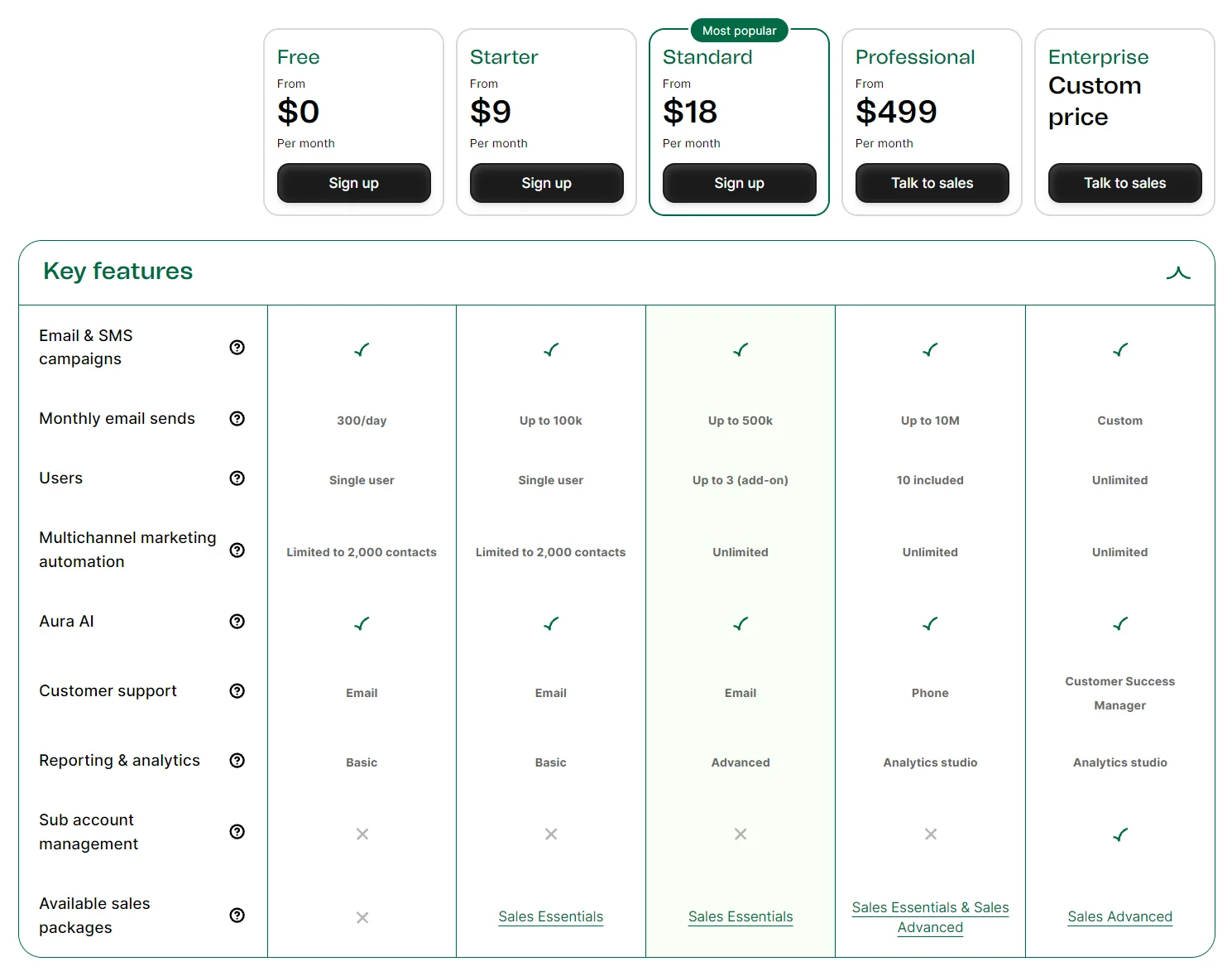
Brevo’s strength lies in its comprehensive multi-channel approach, offering SMS, MMS, web push, mobile push, and WhatsApp capabilities across various plans, often with more flexible payment structures (e.g., non-expiring SMS credits). Its web push notifications are even available at the Starter tier ($9). However, its most sophisticated e-commerce features, such as AI product recommendations and advanced segmentation, are reserved for the Professional tier, making it less accessible for smaller or mid-sized online stores.
The AI Revolution in Marketing
Artificial Intelligence is rapidly reshaping how businesses interact with their customers, and both Brevo and ActiveCampaign are investing heavily in AI capabilities.
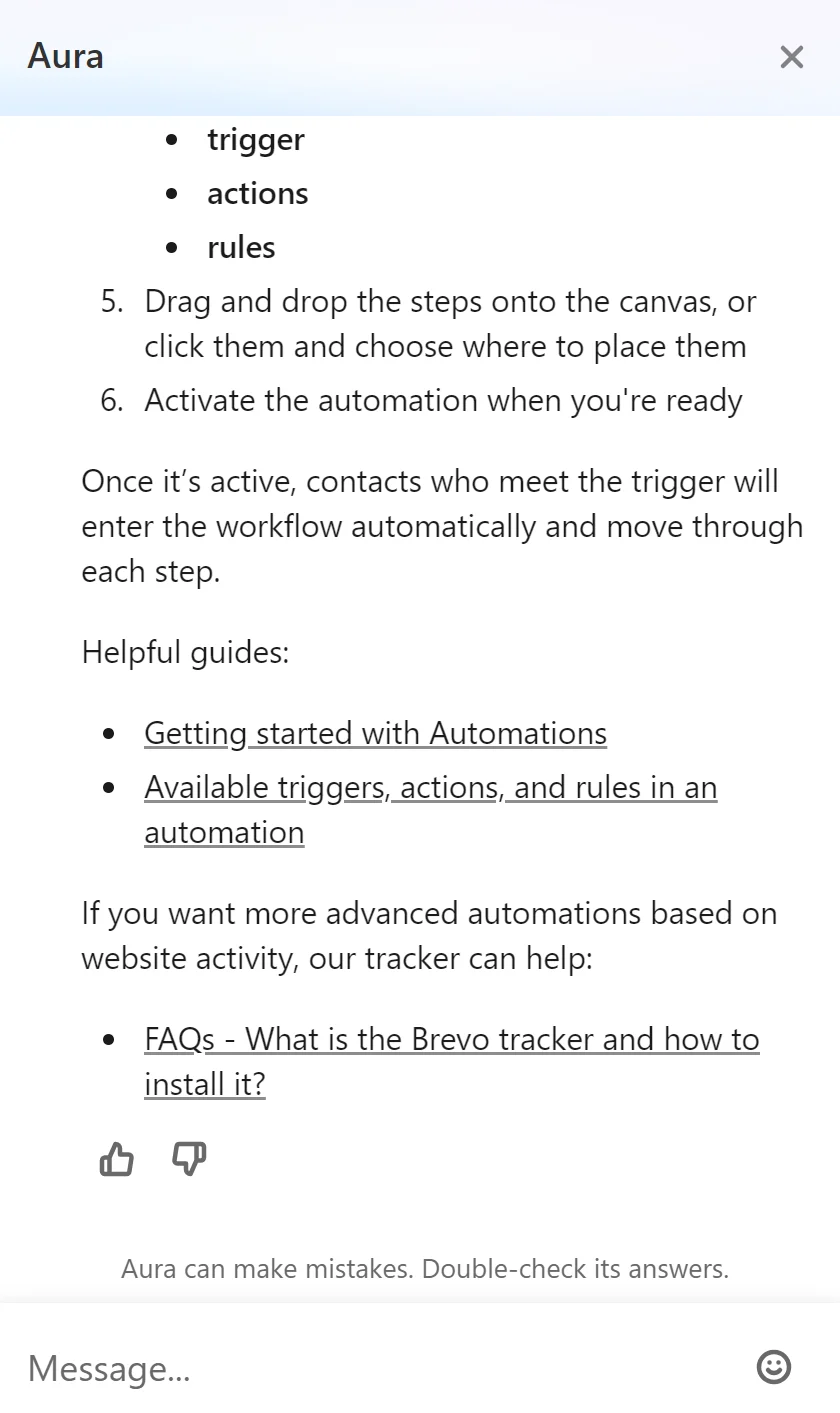
Brevo’s "Aura AI" is available across all plans and features four distinct agents:
- Marketing agent: Generates content, builds automations, and optimizes send times.
- Sales agent: Creates sales sequences, updates contact profiles, and drafts emails (requires Sales Essentials add-on).
- Data management agent: Answers plain-language data queries.
- Conversations agent: Summarizes live chats and refines reply tone.
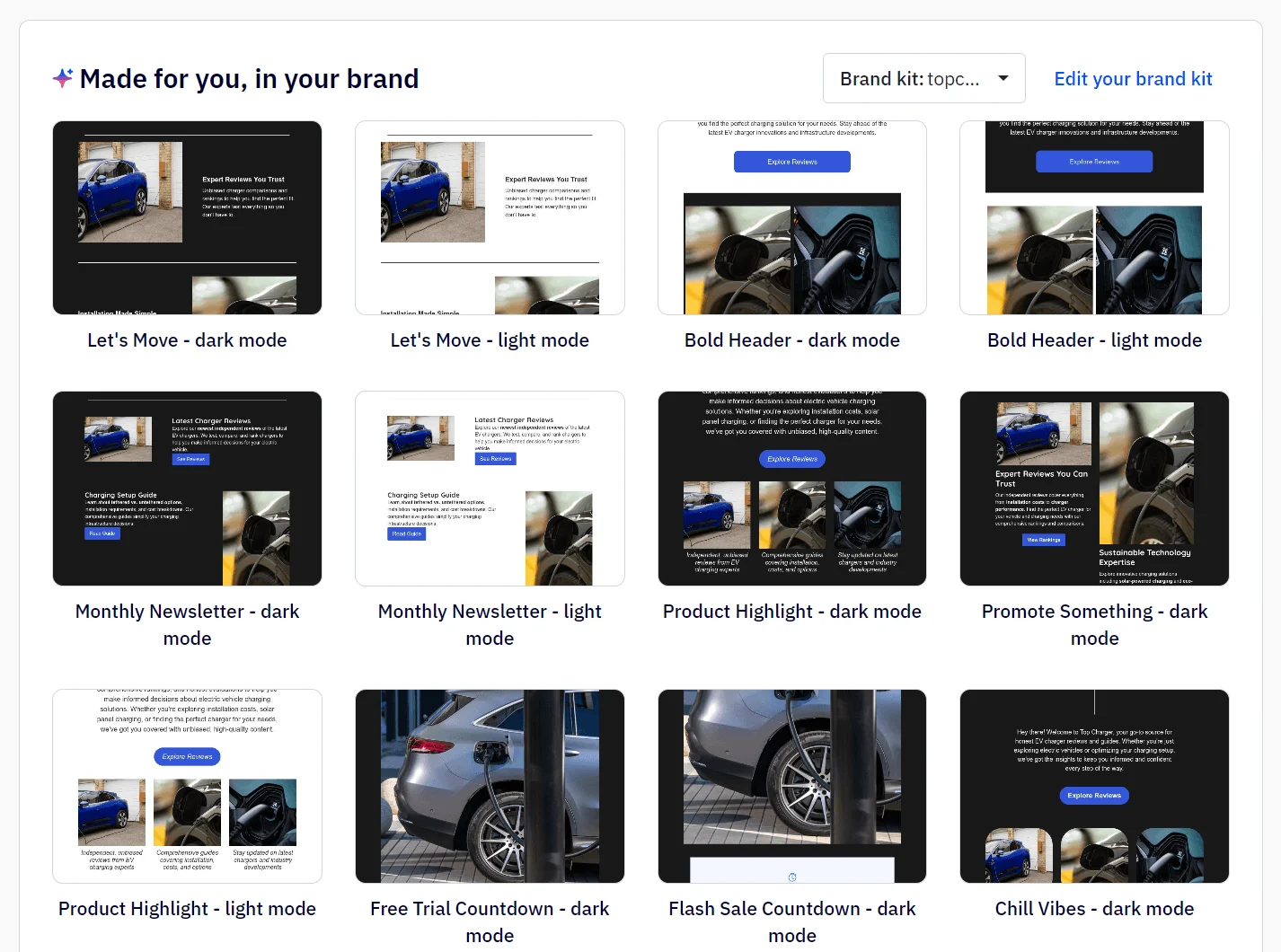
ActiveCampaign’s "Active Intelligence" is also integrated into all plans, with feature restrictions based on the tier. Its AI capabilities include:
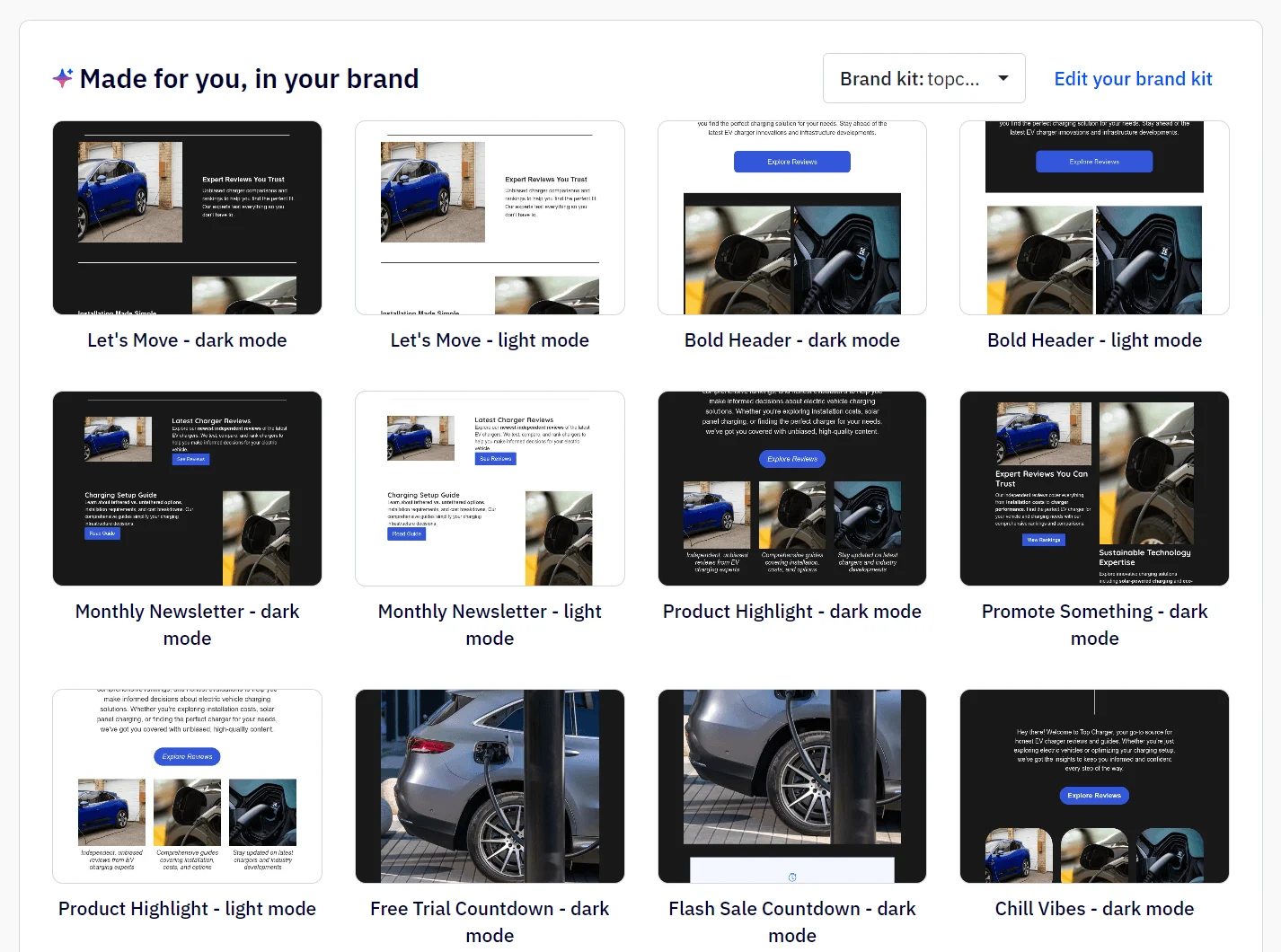
- AI translations, actions, content generation, image generation, brand kit, campaign builder, automation builder, suggested segments, and reply suggestions.
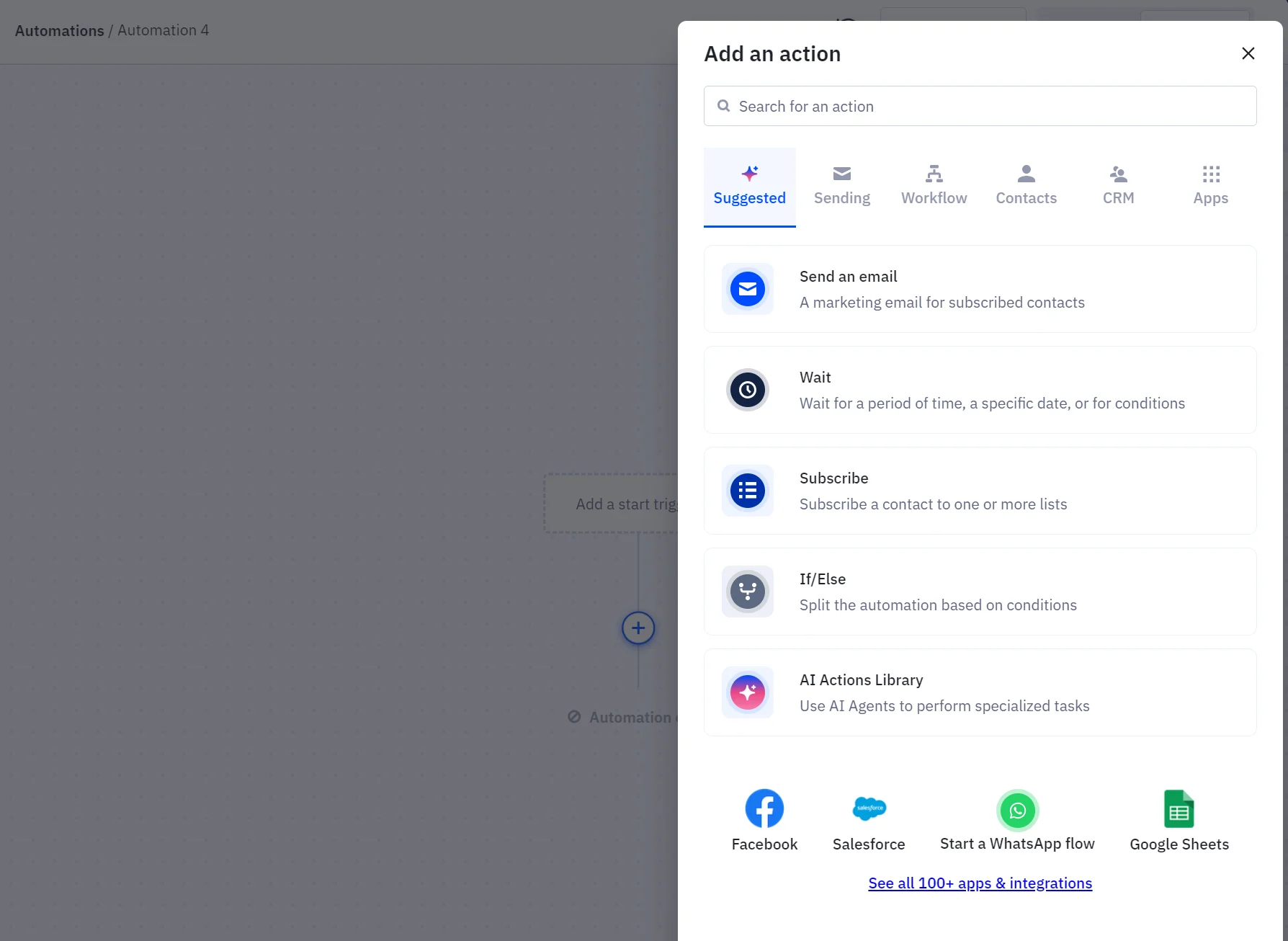
In practice, ActiveCampaign’s AI tools, particularly its automation builder and content generator, tend to be more sophisticated and user-friendly for complex tasks. Its AI can generate entire automation sequences from natural language prompts, complete with triggers, emails, and delays, in a matter of seconds. Similarly, its content generator can rewrite entire email blocks or campaigns to match a specific tone or purpose. Brevo’s AI, while helpful for queries and basic content generation, demonstrated limitations in creating complex, multi-step automations directly from prompts during testing, often requiring manual additions like delays. This suggests ActiveCampaign is further along in leveraging AI for workflow efficiency and advanced personalization, making it a stronger contender for businesses prioritizing an AI-first marketing approach.
Add-ons and Advanced Functionality: Beyond the Base Plan
Beyond core marketing features, CRM and multi-channel communication add-ons significantly impact the total cost and functionality.
Sales Pipelines (CRM):
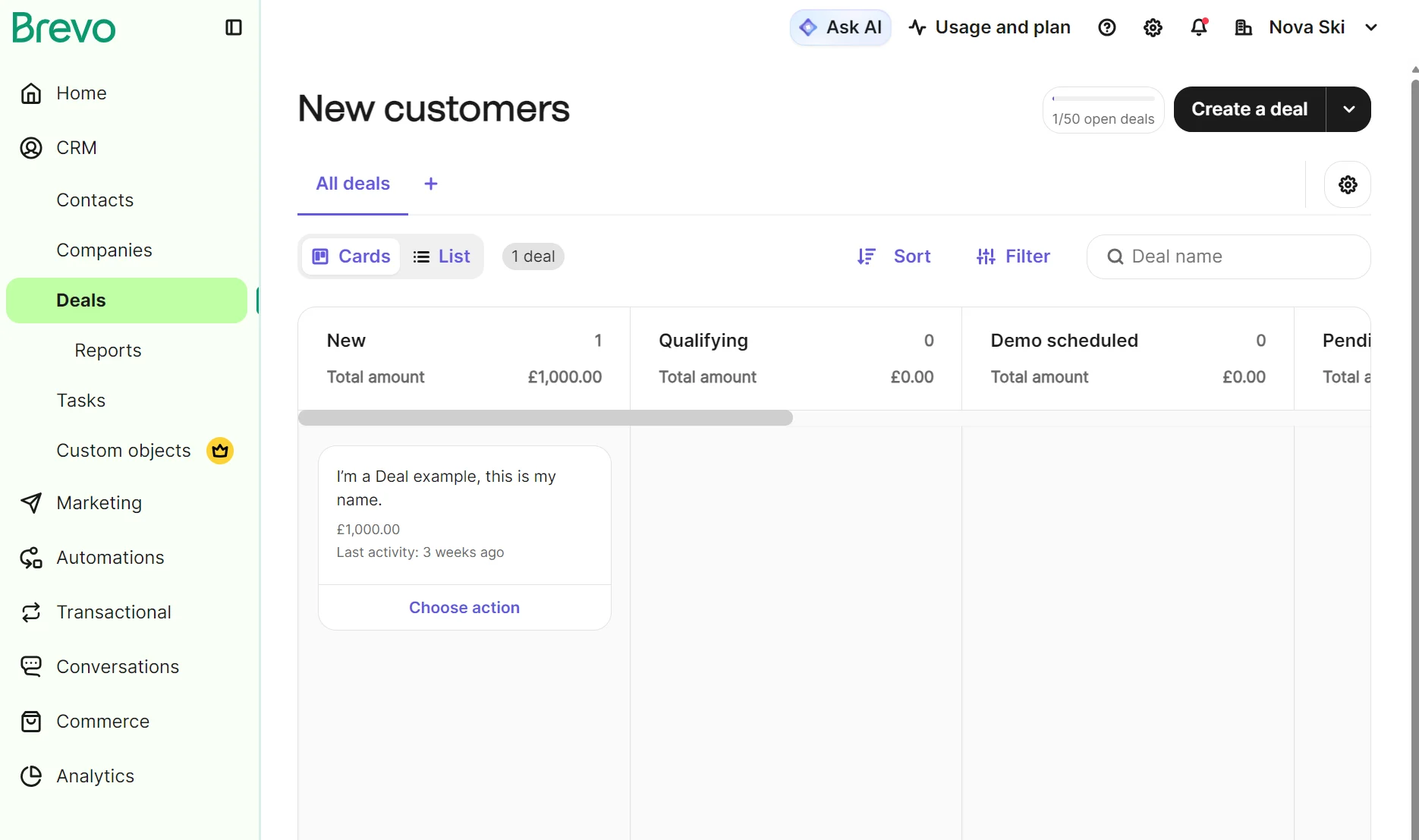
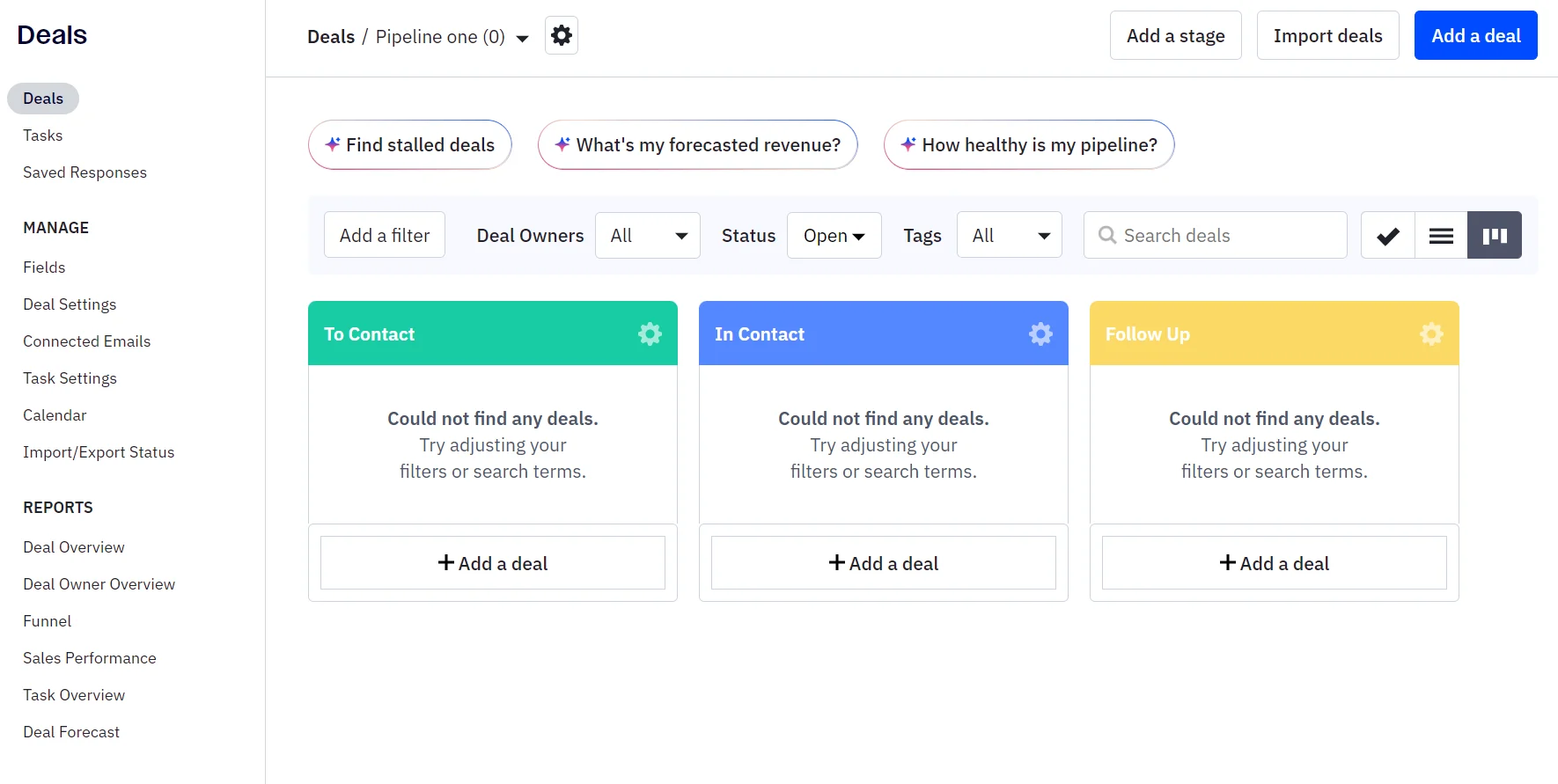
Brevo includes a sales CRM with pipelines in all plans, with the free tier offering 50 open deals. Its Sales Essentials and Advanced add-ons ($31/month and $65/month per seat, respectively) offer unlimited deals and advanced automation. This makes Brevo a more economical choice for businesses needing integrated sales and marketing CRM. ActiveCampaign requires its Enhanced CRM add-on, starting at $77/month, for pipelines and lead scoring, with a more advanced Sales Engagement Enhanced CRM at $125/month for automated 1:1 emails and win probability. This represents a higher barrier to entry for sales functionality within ActiveCampaign.
SMS and WhatsApp:
Brevo’s SMS marketing is available in all plans via prepaid, non-expiring credits, starting at $1.09 for 100 message credits. WhatsApp messaging is a Professional plan feature, also with non-expiring prepaid bundles. ActiveCampaign offers an SMS add-on from its Plus plan, starting at $19/month for 1,000 credits, but these credits expire monthly. Its WhatsApp messaging is also available from the Plus plan, starting at $79/month for 1,000 credits and 5,000 contacts, with monthly expiring credits. Brevo’s approach to SMS and WhatsApp credits, being prepaid and non-expiring, offers greater flexibility and potentially lower costs for businesses with fluctuating messaging needs.
Transactional Email:
Transactional emails are crucial for e-commerce (e.g., order confirmations, shipping updates). Brevo supports transactional email in all plans via API and SMTP, and these emails count towards the monthly email volume. ActiveCampaign requires a separate paid add-on for transactional emails, starting at $15/month for 10,000 sends, regardless of the base marketing plan. While e-commerce platforms often handle basic transactional emails, integrating them with a marketing platform for unified tracking and branding can be beneficial. Brevo’s inclusion of transactional emails within its main volume is a notable cost-saving aspect.
User Experience and Practical Application
The practical usability of a platform significantly influences user adoption and efficiency.
Email Builder:
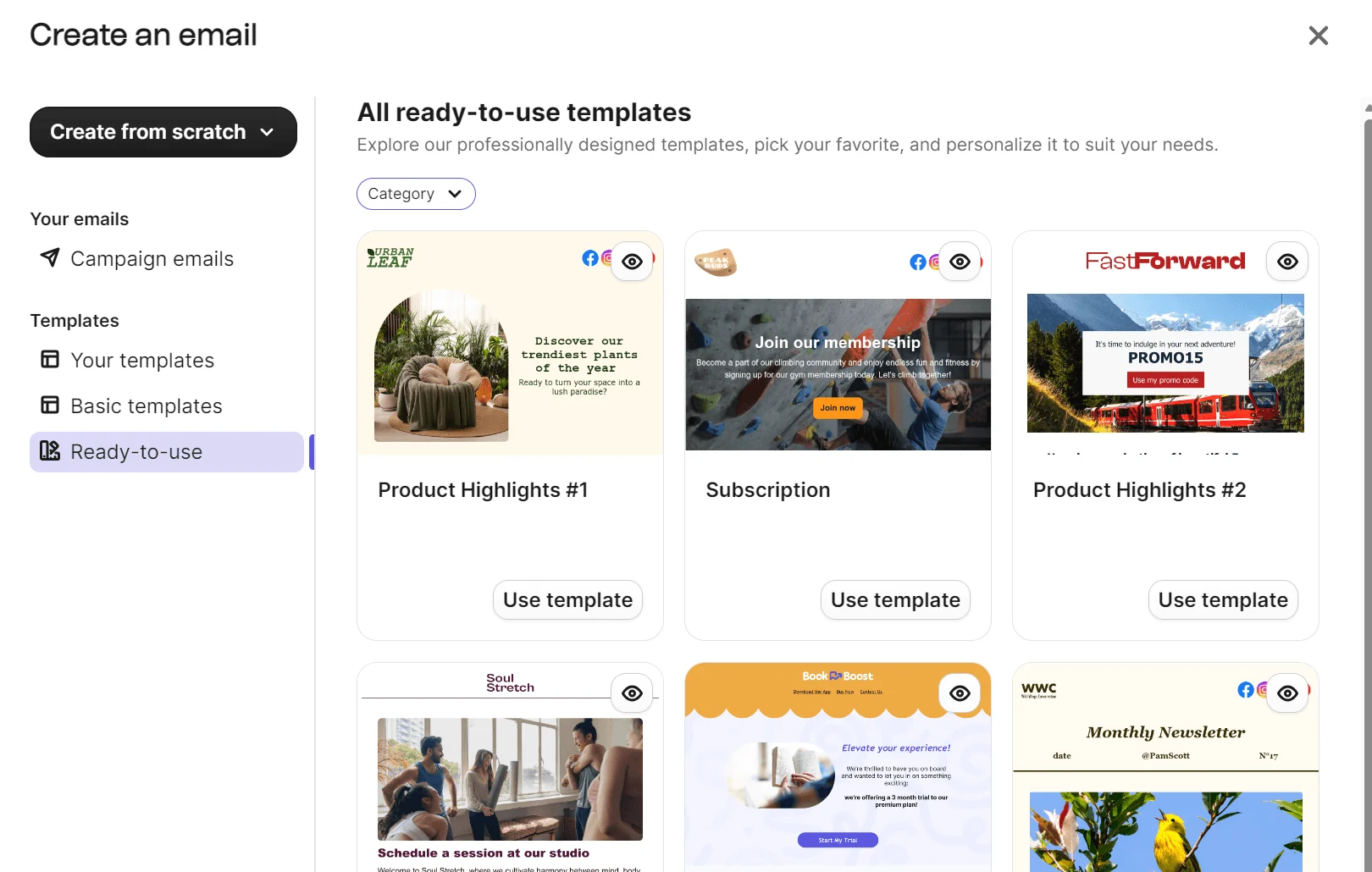
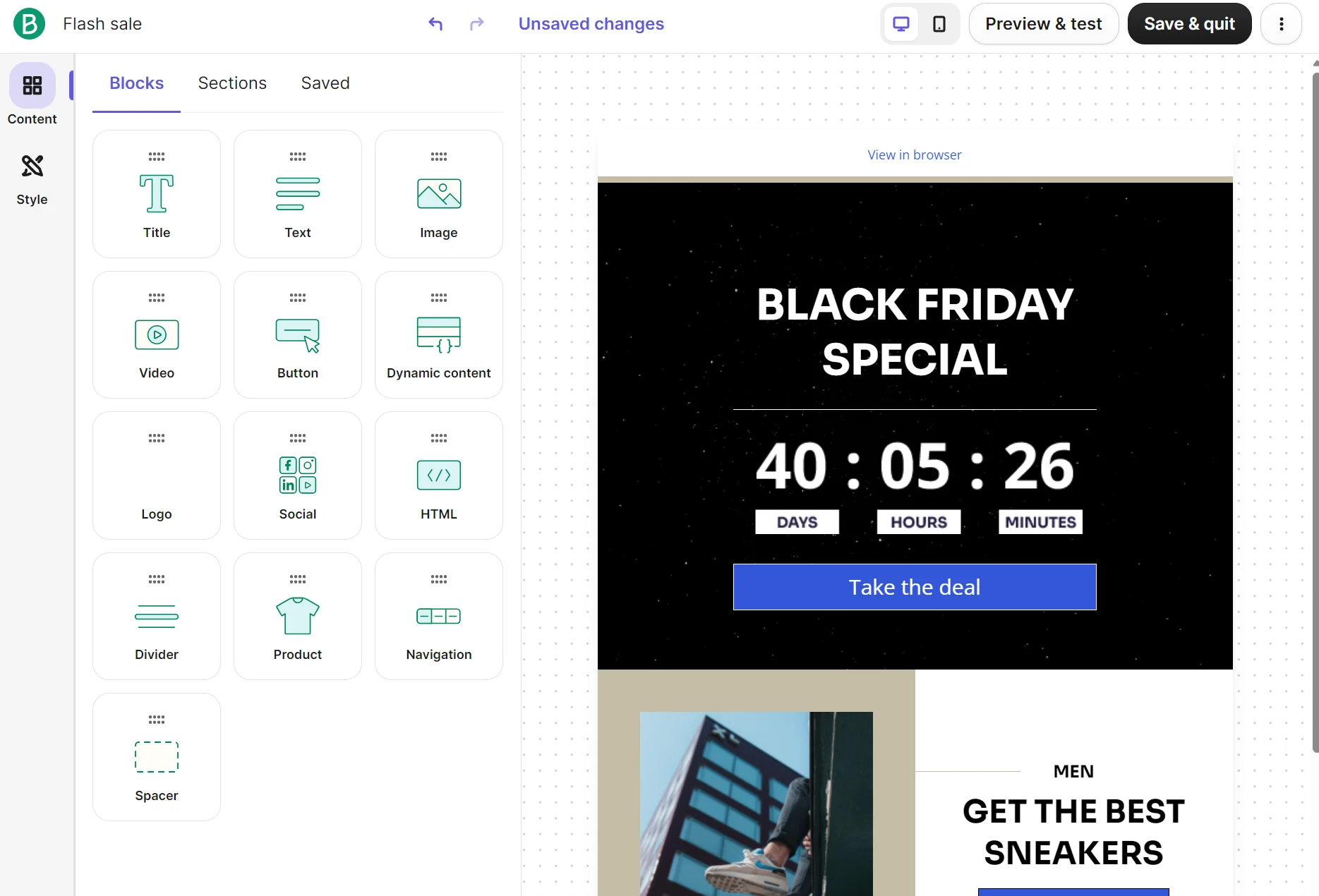
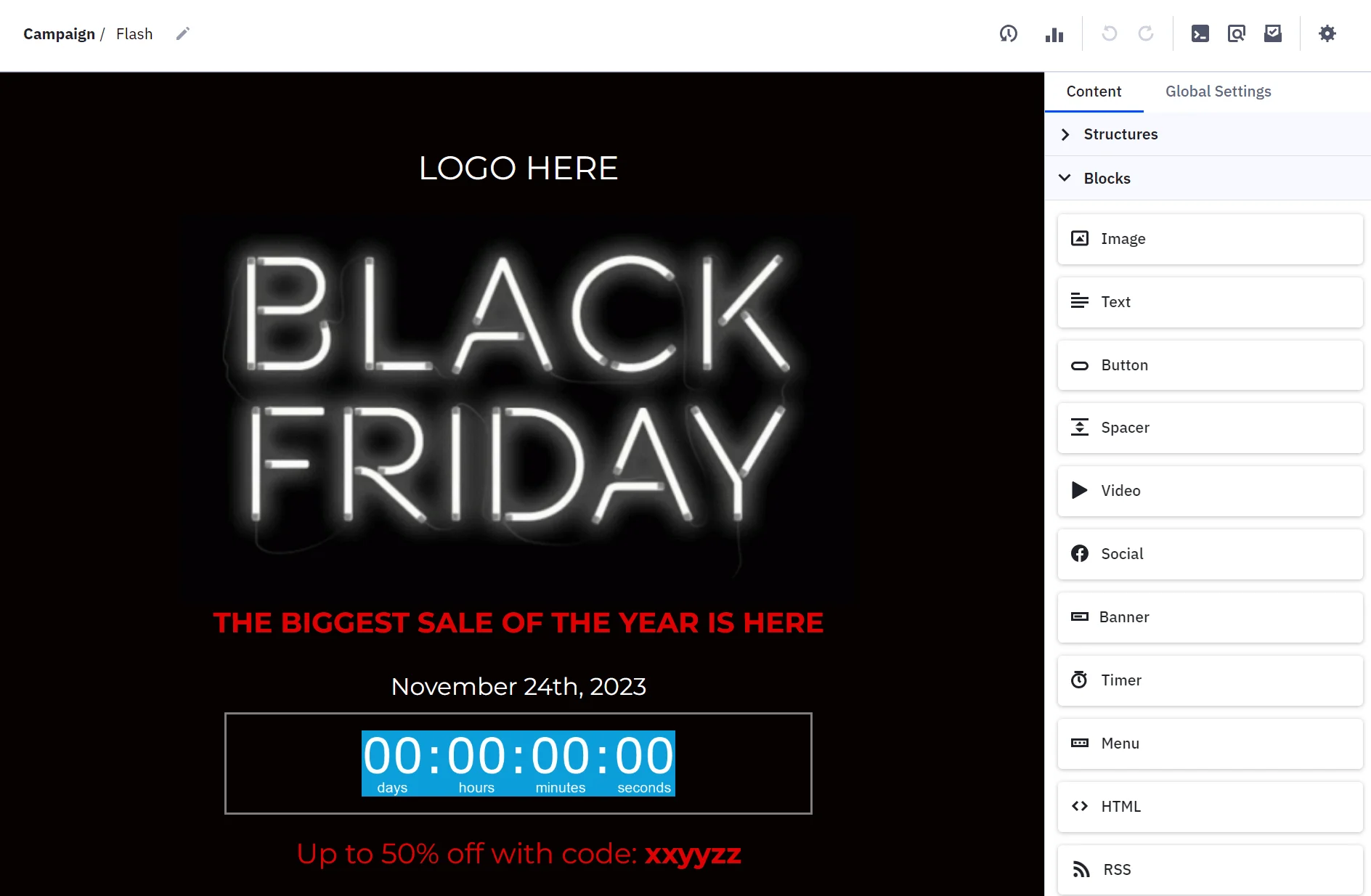
Brevo’s drag-and-drop email builder is noted for its intuitive interface with large, distinguishable icons in a left-hand sidebar, making element discovery straightforward. It offers 50+ templates, including ready-to-use e-commerce designs, and allows for brand asset uploads. ActiveCampaign, with over 250 templates, leverages AI to generate branded templates automatically, significantly reducing design time. Its editor, while also drag-and-drop, lists elements in a right-hand sidebar in series, which can require more scrolling and visual effort to locate specific components compared to Brevo. ActiveCampaign’s AI-powered template generation is a strong differentiator for speed and brand consistency.
Automation Builder:
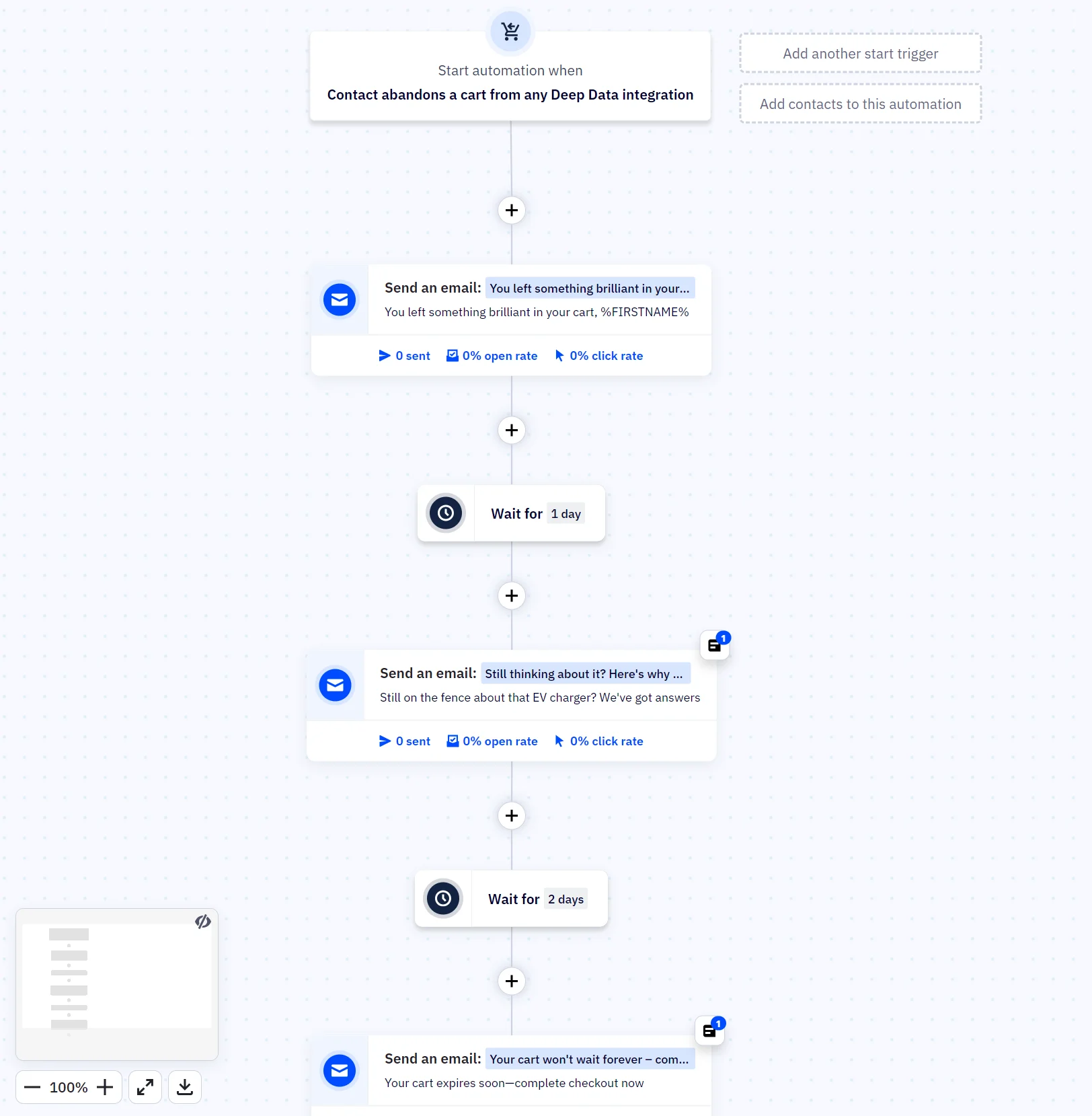
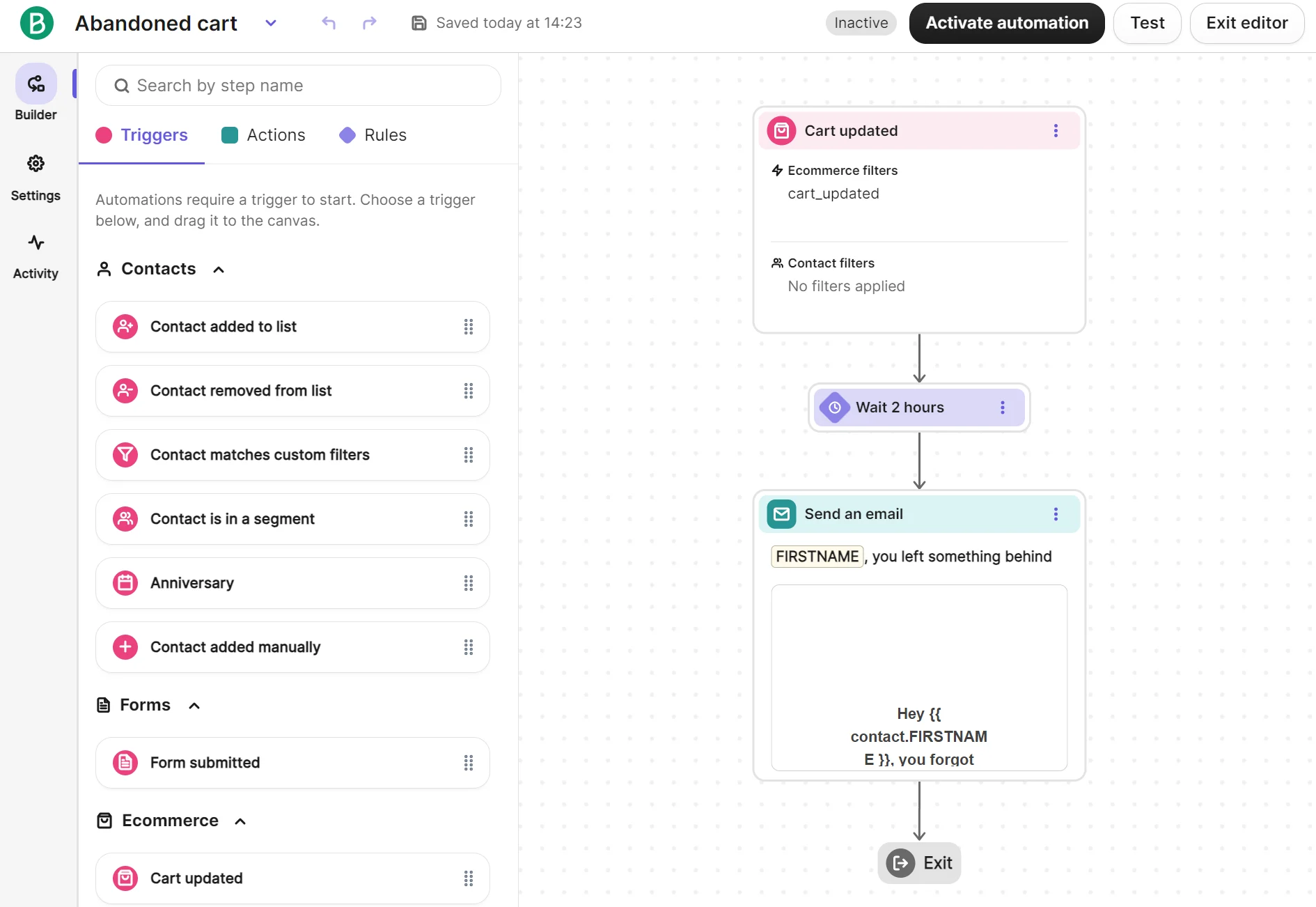
ActiveCampaign excels in automation building, especially with its AI-powered builder that creates complex sequences from natural language prompts in seconds. Its extensive library of 950+ automation "recipes" (templates) also provides a rich starting point. The visual editor is logical, with clear prompts for adding triggers and actions. Brevo’s automation builder, while offering 15 templates and AI assistance, was observed to be less sophisticated in its AI generation, sometimes requiring manual refinement (e.g., adding delays between steps). This implies a steeper learning curve or more manual effort for complex automation workflows in Brevo compared to ActiveCampaign’s more guided AI experience.
Strategic Choice: Who Benefits Most?
The decision between Brevo and ActiveCampaign hinges on a business’s specific priorities:
- For businesses prioritizing automation and deep engagement: ActiveCampaign’s robust automation engine, extensive template library, and advanced AI features make it ideal for e-commerce stores that thrive on frequent, personalized, and multi-touch customer journeys. Its contact-based pricing, while higher for large lists, is justified by the higher send allowances and sophisticated engagement tools. This platform is well-suited for businesses with a high customer lifetime value and a strategy focused on nurturing leads through complex funnels.
- For businesses with large contact lists and infrequent sending needs: Brevo offers unparalleled cost-effectiveness. Its volume-based pricing model allows companies to store hundreds of thousands of contacts at a fraction of the cost of ActiveCampaign, provided their monthly email send volume remains within budget. This is particularly beneficial for businesses focused on seasonal promotions, periodic newsletters, or those with a significant historical database they wish to retain without incurring prohibitive storage costs.
- For those needing an integrated sales pipeline: Brevo’s included CRM with pipelines, even in its free tier, and more affordable sales add-ons, positions it as the superior choice for businesses seeking a unified platform for both marketing and sales without significant additional investment. ActiveCampaign’s sales CRM, while powerful, comes at a higher additional cost.
- For early-stage or growing e-commerce stores requiring specific features: ActiveCampaign generally offers more e-commerce-centric features like pop-ups, coupons, and AI segments at its Plus plan ($59/month), which is significantly more accessible than Brevo’s Professional tier ($499/month) for the same functionalities. This makes ActiveCampaign a better value proposition for growing online stores that need these conversion-focused tools without breaking the bank.
In essence, Brevo’s strategy appears to be capturing the market segment that values low-cost storage for large lists and flexible, multi-channel communication, while ActiveCampaign targets businesses willing to invest more for advanced automation, deep AI integration, and comprehensive e-commerce tools for high-frequency engagement.
Beyond Brevo and ActiveCampaign: Exploring Alternatives
While Brevo and ActiveCampaign are strong contenders, the market offers other solutions tailored for specific needs. Omnisend, for instance, positions itself as an e-commerce-first alternative, offering competitive contact-based pricing and making core features accessible across all plans.
| Omnisend | Brevo | ActiveCampaign | |
|---|---|---|---|
| Billed on | Contacts | Email volume | Contacts |
| Starting price | $16/month | $9/month | $19/month |
| A/B testing | All plans | Standard | All plans |
| Coupons | All plans | Professional | Plus |
| Pop-ups | All plans | Professional | Plus |
| Landing pages | All plans | Standard | Plus |
| Customer lifecycle maps | All plans | No | No |
| CRM | Not available | All plans | All plans |
| AI content generator | All plans | All plans | All plans |
| AI segmentation | All plans | Professional | All plans |
| SMS | Pro | All plans | Add-on |
| Web push | All plans | Starter | Not available |
| Transactional email | All plans | All plans | Add-on |
| Support on entry plan | 24/7 live chat & email | Email & chat |
Features accurate as of September 2026.
Omnisend’s emphasis on e-commerce features being available from its entry-level plans, combined with its 24/7 live chat support, presents a compelling option for online retailers who require a comprehensive toolkit without high-tier upgrades. The absence of a CRM in Omnisend suggests it caters to businesses that might use a separate, specialized CRM or rely more heavily on their e-commerce platform’s customer data.
Conclusion
The choice between Brevo and ActiveCampaign in 2026 will be a strategic one, deeply intertwined with a business’s communication frequency, list size, budget, and reliance on advanced AI and automation. Brevo offers an economically attractive solution for businesses with large contact databases that engage in moderate to infrequent communication, coupled with robust multi-channel capabilities and an integrated sales CRM. ActiveCampaign, while potentially more expensive for larger lists, provides a powerful suite of automation tools, superior AI integration for complex marketing tasks, and more accessible e-commerce-specific features at mid-tier pricing. As AI continues to embed itself deeper into marketing operations, the platforms that can seamlessly integrate these capabilities into user-friendly workflows will hold a significant competitive edge. Ultimately, marketers must carefully evaluate their current and future needs against the distinct strengths and pricing models of each platform to make an informed decision that drives sustainable growth and customer engagement.