rifanmuazin
Most SEO strategies are meticulously crafted with a singular, primary objective: to usher potential customers through the digital door. This often translates into a relentless pursuit of increased website traffic, dominance in high-volume keyword rankings, and the constant influx of new users. However, a critical juncture in the customer journey frequently remains an underserved, if not entirely ignored, segment of the SEO funnel: the period after someone signs up for a service or completes a purchase. This article posits that SEO’s influence extends far beyond mere acquisition; it represents a powerful, yet often untapped, resource for supporting retention, enhancing the onboarding or post-purchase experience, and ultimately making a product or offering more understandable and valuable to existing users. Ignoring this phase not only leaves significant organic growth opportunities on the table but also undermines the long-term sustainability of a business.
The traditional paradigm of SEO has long been anchored in the top-of-funnel activities, focusing on attracting prospects and converting them into initial customers. Metrics like organic traffic, keyword rankings, and new user sign-ups have historically been the primary indicators of success. While these remain vital for initial growth, a burgeoning understanding within the digital marketing landscape recognizes that conversion is not the finish line, but rather a critical midpoint in an ongoing relationship. Once a user has committed to a brand, their journey with that product or service has only just begun. They continue to search, learn, and evaluate whether their initial investment was worthwhile. It is precisely at this juncture that SEO can be strategically deployed to support crucial business objectives such as reducing churn, fostering loyalty, and driving repeat purchases.
The Evolving Landscape of Customer Acquisition and Retention
The economic climate and digital marketplace dynamics have profoundly shifted, placing an unprecedented emphasis on customer retention. The cost of acquiring new customers (CAC) has been steadily rising across industries, making it an increasingly expensive endeavor. Industry reports consistently highlight that acquiring a new customer can be five to twenty-five times more expensive than retaining an existing one, depending on the sector. Furthermore, a widely cited Harvard Business Review study indicated that increasing customer retention rates by just 5% can boost profits by 25% to 95%. These statistics underscore a fundamental truth: sustainable business growth is not solely about how many new customers a company can attract, but how effectively it can keep them engaged and satisfied over the long term.
This economic imperative has fueled a broader shift towards customer-centric marketing and product development. Businesses are increasingly realizing that a positive customer experience (CX) is a powerful differentiator and a key driver of profitability. SEO, when strategically applied to the post-conversion phase, becomes an integral part of this customer-centric approach. By anticipating and addressing user needs and questions after they’ve converted, companies can significantly enhance their CX, turning satisfied customers into loyal advocates and reducing the likelihood of churn.
The Post-Conversion Customer Journey: A Continuum of Search Intent
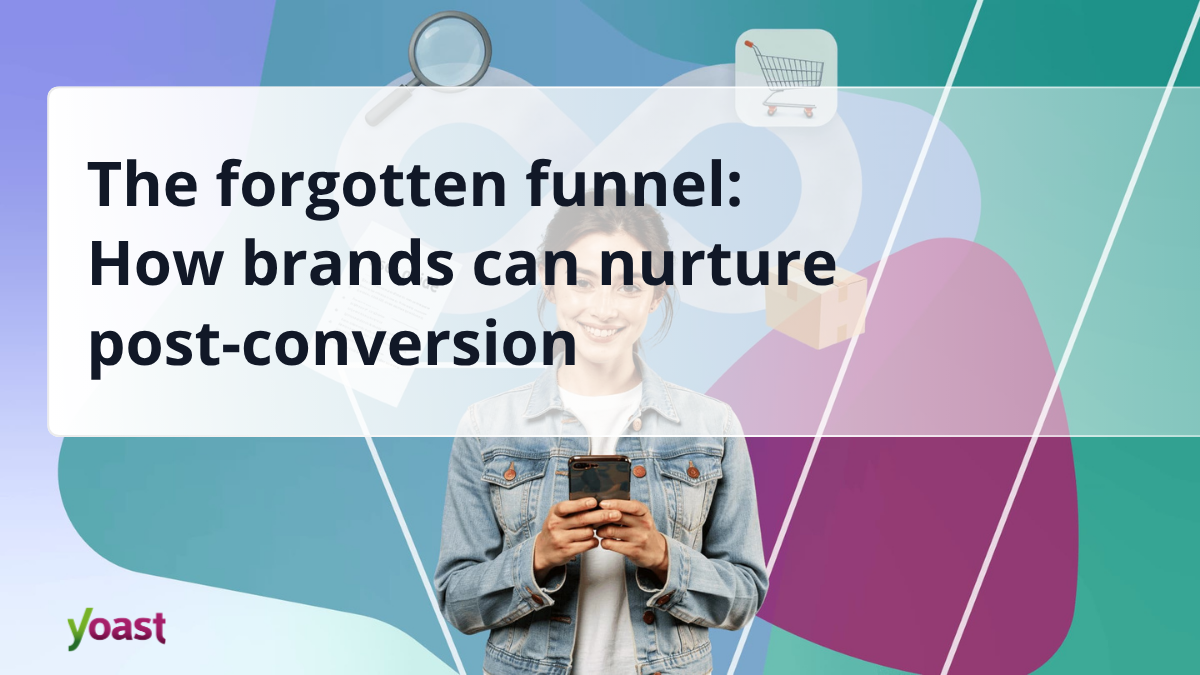
The customer journey does not conclude with a purchase; it merely transforms. Post-conversion, users embark on a new series of interactions and potential challenges, each presenting an opportunity for SEO to intervene constructively. This journey can be segmented into distinct phases, each characterized by specific user needs and search behaviors:
- Phase 1: Onboarding and Initial Setup: Immediately after signing up for a software product or receiving a physical item, users are typically seeking guidance on how to get started. This includes product activation, assembly instructions, basic feature navigation, or understanding initial settings. Their searches are often direct and problem-oriented, such as "how to set up [product name]" or "getting started with [service]."
- Phase 2: Usage, Troubleshooting, and Feature Exploration: As users become more familiar, they inevitably encounter questions or minor difficulties. They might search for solutions to common errors, tips for optimizing usage, or ways to leverage specific features they haven’t yet explored. Queries here tend to be more specific and diagnostic, like "troubleshooting [error code]" or "how to use [specific feature] in [product]."
- Phase 3: Deepening Engagement and Loyalty: For engaged users, the search intent evolves towards maximizing value and exploring advanced functionalities. They might look for advanced tutorials, best practices, integration guides, or community discussions to share experiences and learn from others. Examples include "advanced tips for [product]" or "integrating [product] with [third-party tool]." This phase also sees users seeking out customer reviews and success stories to validate their choices and reinforce their loyalty.
- Phase 4: Renewal and Repurchase Decisions: For subscription services or products with consumables, users eventually face decisions about renewal, upgrades, or repeat purchases. They may search for comparison guides, information on new versions, or testimonials from long-term users. Content that reinforces the product’s ongoing value and addresses potential concerns about upgrading or renewing becomes crucial.
In each of these phases, users instinctively turn to search engines (both external and internal) for answers. If a brand can consistently provide clear, accessible, and optimized content at these critical moments, it not only fulfills an immediate need but also builds trust and reinforces the value proposition.
Data-Driven Insights: Quantifying the Value of Retention SEO
The strategic investment in post-conversion SEO is not merely anecdotal; it is supported by compelling data.
- Reduced Support Costs: Effective self-service content, such as comprehensive help centers and FAQs, has been shown to significantly reduce the volume of customer support tickets. Studies suggest that 81% of consumers attempt to resolve issues themselves before contacting support. By providing readily available answers through optimized content, businesses can empower users, lighten the load on support teams, and redirect resources to more complex customer issues. This directly impacts operational efficiency and profitability.
- Enhanced Customer Lifetime Value (CLTV): When users can easily find solutions and maximize their product’s utility, their satisfaction and loyalty increase. This translates into longer subscription periods, more frequent repeat purchases, and a higher overall CLTV. Engaged customers are also more likely to explore additional offerings, contributing to upselling and cross-selling opportunities.
- Positive Engagement Signals for Search Engines: Google and other search engines are increasingly sophisticated in evaluating user experience as a ranking factor. Engaged users who spend more time on a site, navigate through internal links, generate branded searches, and leave positive reviews send strong signals of authority and relevance. This positive feedback loop can boost overall domain authority, improving rankings for both acquisition and retention-focused content.
- The Power of Long-Tail Keywords: Post-conversion searches are inherently specific and often phrased as questions or detailed problem descriptions. These constitute a rich source of long-tail keywords – highly specific, often lower-volume search terms that, collectively, can drive significant, high-intent traffic. Optimizing content for these queries ensures that a brand captures users precisely when they need help, demonstrating direct relevance and expertise.
Unearthing High-Value Content: A Systematic Approach
Identifying the most impactful post-conversion content is not guesswork; it’s a data-driven investigative process that taps directly into the real questions and friction points users experience.
- Customer Support Tickets: The most common questions and issues flagged in support tickets are a goldmine of insights. Repeated queries indicate gaps in documentation, unclear product features, or difficult-to-find information. Analyzing ticket categories and frequently asked questions can reveal patterns of confusion or frustration.
- Actionable Strategy: Transform top support issues into easily searchable help documents, detailed step-by-step tutorials, or even short video explainers embedded within a knowledge base or relevant product pages. Ensure the language used mirrors the customer’s own terminology to improve search discoverability.
- Direct Customer Interactions: Customer-facing teams – including sales, account managers, and customer success representatives – possess invaluable qualitative insights. They hear firsthand why certain products, features, or steps in the customer journey cause confusion or excitement. Their anecdotal evidence can often highlight subtle friction points that quantitative data might miss.
- Actionable Strategy: Establish regular feedback loops with customer-facing teams. Conduct interviews or create shared documentation where they can log common questions, user frustrations, or areas where customers consistently struggle to derive value. Use this intelligence to create content that supports onboarding, clarifies underutilized features, or expands on key steps to maximize product value. Leveraging customers’ direct language in content creation can significantly enhance relevance and search matching.
- Internal Search Analytics: The queries users type into a website’s internal search bar or a knowledge base search function are a direct reflection of their immediate intent and struggles after they have converted. This is arguably one of the most powerful indicators of content gaps.
- Actionable Strategy: Regularly review internal site search logs. Identify top queries that either yield poor results, no results at all, or lead users to irrelevant pages. Prioritize creating or improving content that directly addresses these unanswered questions. Optimize titles, headers, and metadata to ensure the most relevant article appears first, improving user satisfaction and reducing bounce rates. For WordPress users, dedicated plugins and analytical tools can provide deep insights into internal search behavior, allowing for precise optimization.
- Product Usage and Engagement Data: For digital products and services, analytics on feature adoption and user engagement can highlight areas where users might be struggling to understand or utilize the full potential of an offering. Low usage of a high-impact feature doesn’t always signify low interest; it could point to unclear setup instructions, poor discoverability, or hidden value.
- Actionable Strategy: Collaborate with product teams to identify features or products with low adoption but high potential impact. Conduct user interviews with those who do successfully use these features to reverse-engineer their journey and uncover what made it work. Then, build targeted content – tutorials, case studies, or inspirational guides – that educates other users on how to achieve similar positive outcomes, effectively guiding them towards greater product value.
Crafting Effective Post-Conversion Content Types
Once high-value topics are identified, the next step is to produce content that is not only optimized for search but also genuinely helpful and engaging.
- Comprehensive Help Centers and Knowledge Bases: These are central repositories for all post-conversion information. They should be intuitively organized, easily searchable, and regularly updated. Each article should focus on solving a specific problem or answering a direct question.
- Step-by-Step How-To Guides and Tutorials: These pieces, often incorporating screenshots, GIFs, or short videos, walk users through processes, from basic setup to advanced feature utilization. They are particularly effective for visual learners and complex tasks.
- Detailed Product Explainers: These delve into the nuances of specific features or product components, explaining their purpose, benefits, and optimal use cases. They can clarify the "why" behind certain functionalities.
- Dynamic FAQ Sections: Beyond simple questions and answers, modern FAQs should be comprehensive, category-based, and ideally integrated with a larger knowledge base. They are prime candidates for rich snippets and schema markup to appear prominently in search results.
- Community Forums and Q&A Sections: User-generated content is incredibly powerful. Community forums allow users to ask questions, share solutions, and provide feedback, creating a self-sustaining ecosystem of support. This content, being naturally rich in long-tail keywords, is a significant SEO asset. Moderated Q&A sections on product pages also serve a similar purpose.
- Product Care and Maintenance Guides: For physical products, content on cleaning, maintenance, sizing, or return policies can significantly enhance the post-purchase experience and reduce buyer’s remorse. Nike’s product care section, for instance, directly addresses common customer questions about shoe maintenance, extending product lifespan and reinforcing brand trust.
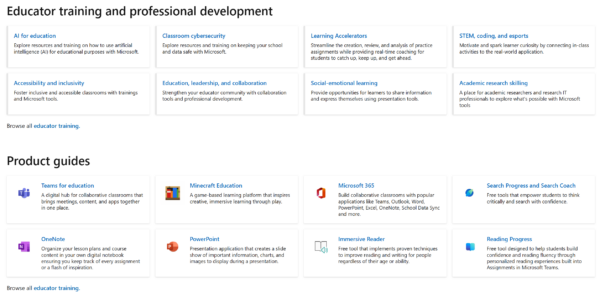
- Training Hubs and Certification Programs: For complex software or professional tools, dedicated training hubs, like Microsoft’s Educator Center, offer structured learning paths. These not only onboard users but also empower them to become proficient, deepening their engagement and perceived value of the product.
Strategic Internal Linking: Weaving a Web of Engagement
Even the most insightful post-conversion content will fall flat if it isn’t easily discoverable. Strategic internal linking is crucial for ensuring this content reaches users at their moment of need and strengthens the overall SEO value of a site. Post-conversion content should never exist in isolation; it must be interwoven into the fabric of the entire digital ecosystem.
- Contextual Links on Product and Service Pages: As users browse product features or pricing, contextual links to relevant help articles, FAQs, or setup guides can proactively address potential questions, reducing friction before it even arises.
- Integration within Onboarding Sequences and Email Campaigns: Automated email sequences triggered after signup or purchase are ideal for surfacing relevant tutorials, tips, and knowledge base articles, guiding users through their initial experience.
- In-App or In-Product Prompts: For software, discreet in-app prompts or tooltips linking to detailed guides can provide just-in-time support without disrupting the user flow.
- Transactional and Confirmation Pages: Order confirmation pages, welcome screens, or subscription renewal reminders can include links to relevant support documentation or next steps.
- Cross-Linking within the Knowledge Base: A well-structured knowledge base should heavily cross-link related articles, allowing users to easily navigate from a basic explanation to an advanced tutorial, creating a seamless learning path.
- Blog Content Integration: Evergreen blog posts that discuss broader industry topics or use cases can link to specific product guides or how-to articles, bringing a wider audience into the post-conversion content ecosystem.
When executed effectively, this internal linking strategy transforms post-conversion content into a robust internal SEO web. It improves user engagement by making information readily accessible, enhances overall site authority by demonstrating comprehensive coverage of a topic, and aids search engine crawlers in discovering and indexing valuable content.

Beyond Metrics: The Broader Business and Brand Impact
Investing in post-conversion SEO extends its benefits far beyond direct traffic and ranking improvements. It forms a cornerstone of a holistic business strategy, impacting brand reputation, customer loyalty, and long-term financial health.
- Enhanced Brand Reputation and Authority: A brand that consistently provides excellent support and readily available information post-conversion builds a reputation for reliability and customer care. This fosters trust, which is invaluable in today’s competitive landscape. Search engines, through various signals, increasingly reward brands that offer a superior user experience, further solidifying their authority.
- Competitive Differentiation: In markets saturated with similar products or services, a superior post-conversion experience, driven by accessible and optimized content, can be a significant differentiator. It shows a commitment to the customer beyond the initial transaction, setting a business apart from competitors who only focus on acquisition.
- Synergy with Product Development and Customer Success: The insights gleaned from analyzing post-conversion search queries, support tickets, and user engagement data are incredibly valuable for product development teams. They highlight areas of confusion or unmet needs, guiding future product improvements. Similarly, customer success teams benefit immensely from having a rich library of optimized resources to direct users to, making their work more efficient and impactful.
- Long-Term, Defensible Growth: By focusing on retention and customer satisfaction, businesses build a more stable and defensible growth trajectory. Loyal customers are less susceptible to competitor offers, more likely to refer new customers, and represent a predictable revenue stream. SEO, in this context, moves beyond a tactical marketing function to become a strategic pillar of sustainable business growth.
Conclusion: SEO as a Catalyst for Holistic Business Growth
If an SEO strategy remains solely fixated on acquisition, businesses are undoubtedly leaving significant revenue, traffic, and brand equity on the table. The opportunity presented by post-conversion content is immense and multifaceted. It enables users to extract greater value from their purchases, mitigates friction points, and cultivates enduring loyalty. Simultaneously, it generates a wealth of indexable, intent-driven pages that search engines can surface precisely when users are most in need.
The core message is clear: SEO is not merely about discovery; it encompasses usability, confidence-building, and ensuring that users not only arrive but also choose to stay. For businesses aspiring to construct long-term, resilient growth, the focus must shift to nurturing the customer relationship through every stage, including the crucial post-conversion period.
To embark on this journey, businesses should initiate a comprehensive audit of their existing post-conversion content. Map out the critical touchpoints and potential pain points that arise after a customer signs up or makes a purchase, and ensure robust support is available at each juncture. Proactively surface help documentation, feature guides, and tutorials where they are most pertinent, connecting them seamlessly with clear, purposeful internal links. The future of SEO is intrinsically linked to the entire customer lifecycle, prioritizing user value, trust, and sustained engagement as the ultimate drivers of digital success.