

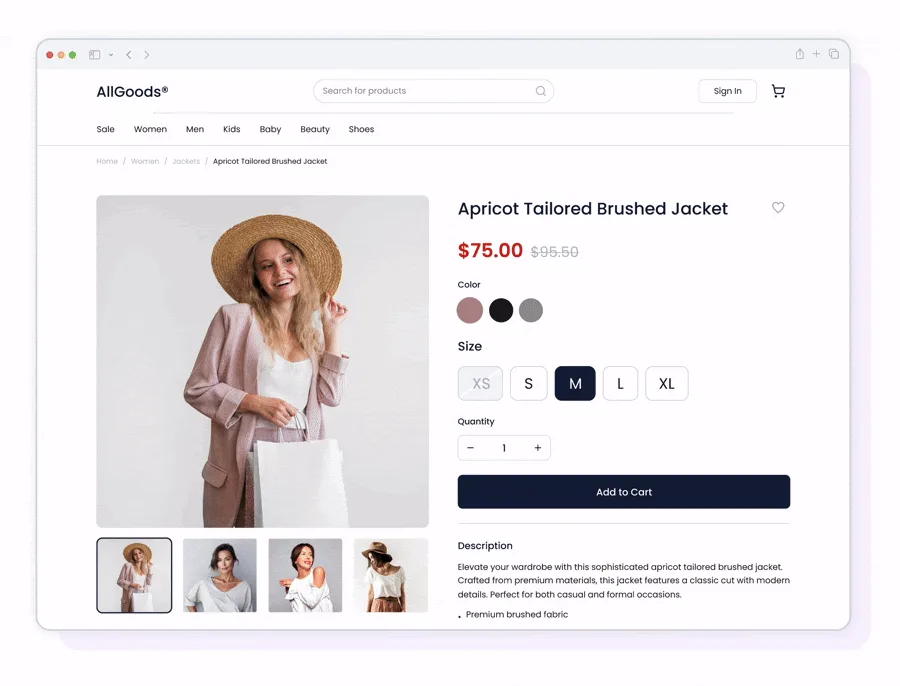
The landscape of global eCommerce is undergoing a fundamental shift as consumer expectations evolve from simple brand recognition to deep, situational relevance. In an era where digital noise is at an all-time high, the traditional methods of tailoring the shopping journey—once heralded as the pinnacle of digital marketing—are increasingly viewed as insufficient. Modern shoppers no longer find value in being categorized by broad demographic segments or being reminded of a purchase they made six months ago. Instead, they demand experiences that reflect their immediate needs, current frustrations, and real-time motivations. This shift has given rise to intent-based personalization, a predictive AI-driven approach that prioritizes live visitor behavior over historical data.
The Evolution of Digital Personalization: From Segments to Seconds
For the better part of two decades, eCommerce brands have sought to replicate the intuitive service of a physical retail environment. In a brick-and-mortar store, an experienced sales associate can observe a customer’s body language, the speed at which they browse, and the specific items they touch to offer tailored assistance. Recreating this online has historically depended on the accumulation of massive amounts of customer data, including purchase history, geographic location, and device type.
However, the chronology of personalization technology shows a clear progression toward immediacy. In the early 2000s, personalization was limited to "Hello, [Name]" email headers. By the 2010s, brands moved toward rule-based segmentation, where users were bucketed into groups like "High-Value Loyalists" or "Discount Seekers." Today, the industry has entered the era of hyper-personalization, where the focus has moved from "who the visitor is" to "what the visitor is doing right now."
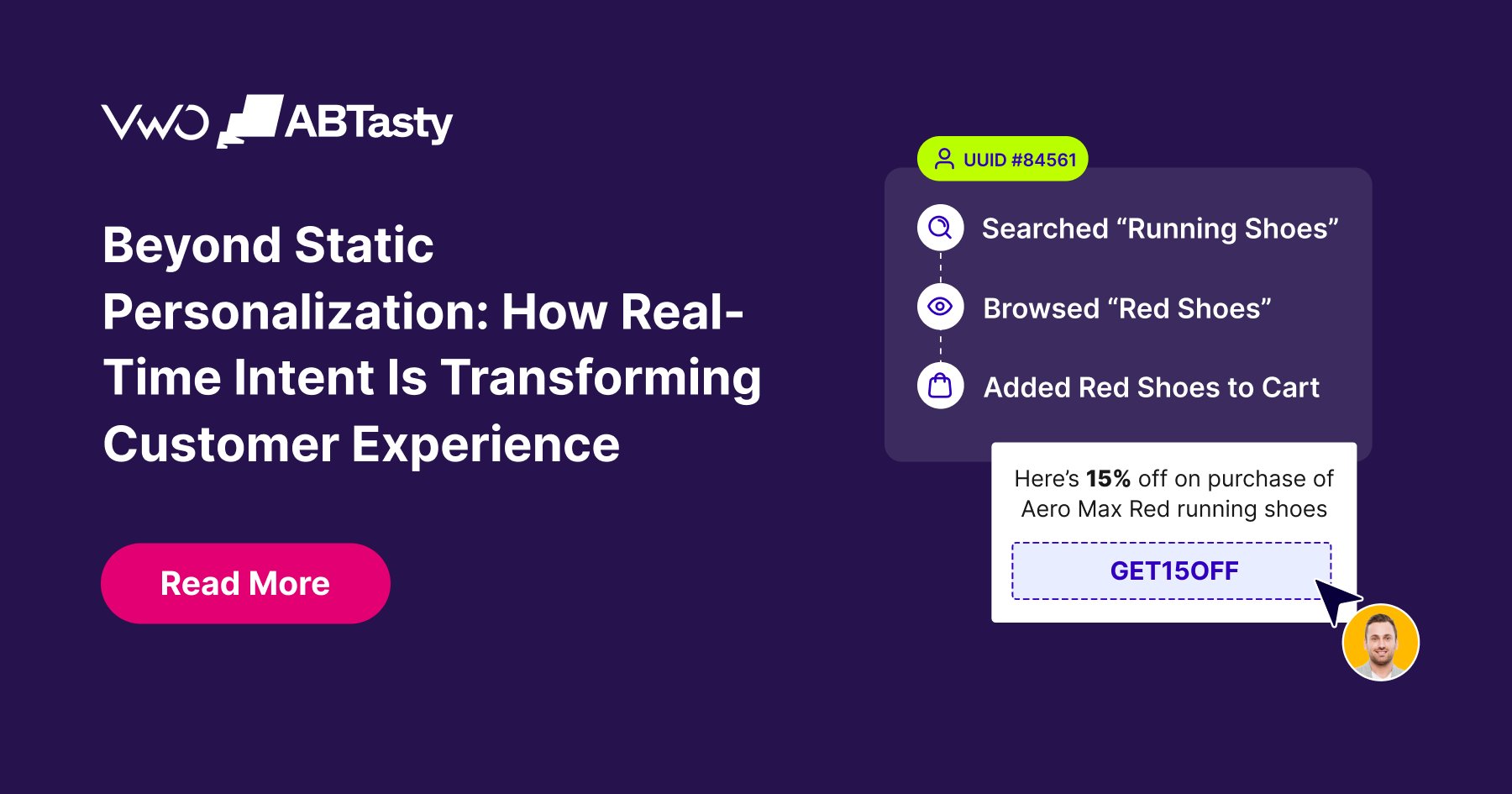
Industry research underscores the urgency of this transition. Data from McKinsey & Company indicates that 71% of consumers now expect personalized interactions as a standard feature of their digital journey. Perhaps more importantly, 76% of consumers report feeling a sense of frustration when a brand fails to provide a relevant experience. The economic stakes are equally high: companies that excel at personalization generate 40% more revenue from those activities than their slower-moving competitors. Furthermore, effective personalization strategies have been shown to increase marketing ROI by 10% to 30% and drive conversion rate lifts of up to 60%.
The Failure of Static Rule-Based Systems
Despite the clear benefits of personalization, many traditional strategies are reaching their functional limits. Most conventional systems are built on static rules and predefined audience groups. For example, a marketing team might set a rule to show a specific discount banner to any user who has visited the site three times in the last week. While logical, this approach assumes that the user’s intent remains constant across those visits.
The reality of digital behavior is much more fluid. A shopper may browse a luxury fashion site casually during a lunch break but return in the evening with a high-intent mindset, ready to purchase for an upcoming event. Static rules often fail to capture this pivot, delivering a "welcome back" message when the user actually needs "expedited shipping" information.
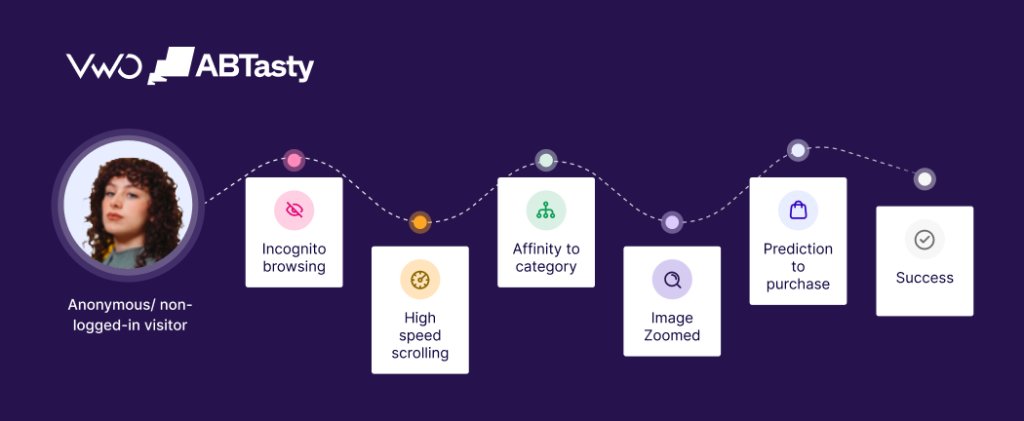
Furthermore, traditional personalization faces a significant "identity gap." Current industry data suggests that upwards of 90% of visitors to an eCommerce site are anonymous. These are first-time visitors, users who have cleared their cookies, or those browsing in private modes to avoid tracking. Because legacy personalization systems rely on recognized profiles and historical data, they often default to a generic "one-size-fits-all" experience for this vast majority of traffic. In an increasingly privacy-conscious world where third-party cookies are being phased out by major browsers, the ability to personalize without relying on permanent identity markers has become a strategic necessity.
Moving Toward Intent-Based Prediction with AdaptiveCX
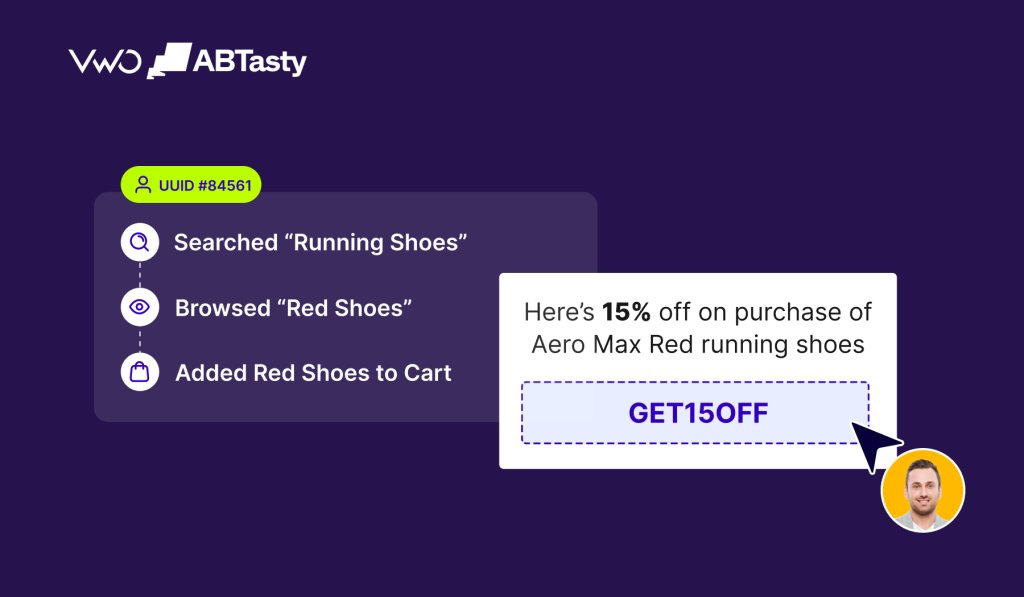
To bridge the gap between anonymous browsing and high-conversion experiences, brands are turning to real-time platforms like AdaptiveCX from VWO AB Tasty. This technology represents a shift from identity-based targeting to intent-based prediction. Rather than waiting for a visitor to log in or match a historical profile, the platform analyzes "micro-signals" emitted during a live session.
These signals include behavioral data such as:
- Click patterns and frequency: Distinguishing between a "window shopper" and a "determined buyer."
- Scroll depth and velocity: Identifying how deeply a user is engaging with product descriptions versus skimming for price.
- Mouse movement and hovering: Gauging hesitation or specific interest in product features.
- Browser and context data: Understanding the referral source and device type to infer the user’s current environment.
By processing these signals through machine learning algorithms, the system can predict the likelihood of a visitor purchasing, churning, or returning. This allows the digital experience to be both reactive—responding to what has happened—and proactive—anticipating what the user will need next.
Case Study: Kurt Geiger and the Science of Discovery
The practical application of intent-based personalization is best illustrated through the success of Kurt Geiger, a prominent global fashion and accessories brand. Operating in highly competitive markets across the UK, US, and Mexico, Kurt Geiger faced a common eCommerce challenge: surfacing the most relevant products from an expansive catalog to a diverse visitor base.
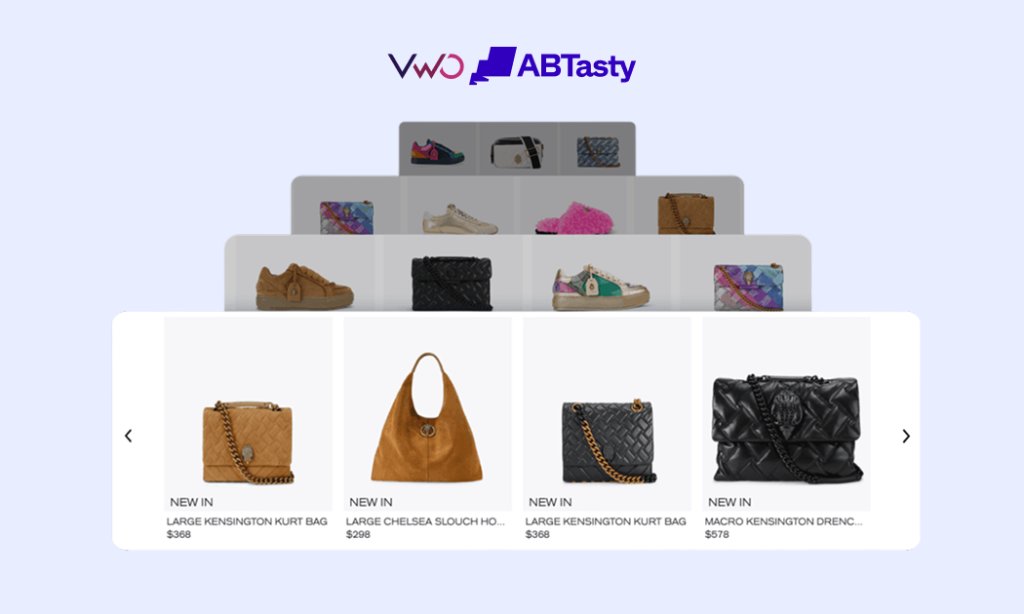
Traditional recommendation engines often rely on "frequently bought together" logic, which can be repetitive. Kurt Geiger sought to make its homepage more dynamic by utilizing AdaptiveCX to deliver targeted product recommendations based on real-time affinities. By analyzing the categories a user engaged with during their current session—such as handbags versus footwear—the brand could instantly reconfigure its homepage carousel.
The results of this shift were significant. Kurt Geiger reported a 10.12% increase in its conversion rate and a 12.02% boost in revenue per visitor (RPV). Gareth Rees-John, Chief Digital Officer at Kurt Geiger, noted that the technology allowed the brand to predict user intent and connect individuals with the right products instantly, effectively turning product discovery into a high-efficiency revenue driver.
Case Study: AttractionTickets.com and Adaptive Search
The travel and experience sector presents unique personalization challenges, as purchase cycles are often longer and involve more research. AttractionTickets.com, a major ticket provider for global attractions, recognized that its homepage search experience was a point of friction, particularly for anonymous, first-time visitors.
Without historical data to guide suggestions, the search bar provided generic options that often missed the mark. By implementing an adaptive search experience, the brand began proposing search terms based on real-time, in-session behavior. If a user hovered over Florida-based attractions, the search suggestions would instantly prioritize Orlando-themed results, supported by high-quality imagery to capture attention.

This nuanced approach led to a 1.64% increase in conversion rates and an 11.23% increase in revenue per visitor. By focusing on the "now" rather than the "then," the brand was able to guide users toward their destination with significantly less friction.
Broader Implications for the Retail Industry
The transition to real-time intent has implications that extend beyond simple conversion metrics. It represents a new frontier in margin protection and inventory management. Traditional "blanket" discounting—where a 20% off code is shown to every visitor—is often a waste of margin when shown to high-intent buyers who would have purchased at full price. Intent-based systems can identify "hesitant" shoppers and offer incentives only to those who truly need them to complete a transaction, while maintaining full price for those showing high purchase confidence.
Moreover, this technology addresses the growing tension between personalization and privacy. Because intent-based prediction relies on session-specific behavior rather than the tracking of personal identity across the web, it is inherently more aligned with modern privacy standards like GDPR and CCPA. It provides the relevance consumers crave without the "creepy" factor often associated with invasive retargeting ads.
The Future of the Adaptive Experience
As AI and machine learning continue to mature, the concept of a "static website" may soon become obsolete. Industry analysts predict a future where the entire architecture of a digital storefront—from the layout and color scheme to the tone of the copy—will adjust in real time to match the cognitive load and emotional state of the visitor.
The data is clear: the future of eCommerce is adaptive. Brands that continue to rely on rigid segments and historical assumptions risk alienating a consumer base that moves faster than their systems can track. By leveraging real-time intent, companies can transform their digital presence from a passive catalog into a responsive, intelligent entity that understands the visitor in the moment, turning fleeting intent into long-term loyalty.
For brands looking to maintain a competitive edge, the mandate is certain: move beyond who the customer was, and start responding to who they are becoming right now. The integration of platforms like AdaptiveCX is no longer just an experimental luxury; it is the foundational infrastructure for the next generation of digital commerce.







