The landscape of e-commerce for international brands entering the U.S. market is undergoing a significant transformation, moving beyond the traditional dominance of Amazon. While the e-commerce giant remains a powerful entry point, emerging channels like branded e-commerce sites and the rapidly expanding TikTok Shop are increasingly offering compelling alternatives, capable of delivering explosive growth under the right circumstances. A recent case study of a U.S. launch by a haircare brand exemplifies this shift, demonstrating how perseverance, strategic creator partnerships, and an adaptable platform infrastructure can lead to unexpected viral success, even after initial market entry struggles.
This haircare brand, which initially entered the U.S. market in 2021, pursued a multi-channel strategy that included Instagram, Shopify, and eventually, TikTok Shop. With an average basket value of $59, the company dedicated two years to a rigorous testing phase. This involved providing products to a network of small, specialized content creators, investing in paid advertising, and exploring affiliate marketing opportunities. Despite these efforts, the expected traction remained elusive. The initial strategy, while comprehensive, failed to ignite substantial consumer interest or sales, underscoring the unpredictable nature of early-stage market penetration and the need for innovative approaches.
The Viral Spark: A Turning Point on TikTok
The turning point for the brand came unexpectedly when a single product video went viral on TikTok. This singular event triggered a dramatic surge in sales, multiplying the company’s revenue by an astonishing 50-fold. The subsequent growth trajectory was steep, propelling the brand’s annual revenue to over $1 million. This remarkable performance did not go unnoticed, quickly attracting the attention of major distributors eager to partner with a brand that had demonstrated such potent market appeal.
This dramatic success story, however, was not a result of serendipity alone. It was the culmination of two years of persistent experimentation and strategic groundwork, undertaken with no guarantee of a payoff. The unpredictable nature of social media algorithms, particularly on platforms like TikTok where algorithm changes are frequent, means that a viral moment cannot be planned. What enabled the brand to capitalize on this fortunate turn of events was a combination of unwavering perseverance, a robust e-commerce infrastructure designed for conversion, and a consistent presence of dozens of small creators actively publishing content. When the viral video struck, all the necessary components were in place to effectively capture the surge in demand it generated.
Localized Creators: Tapping into Diverse U.S. Communities
A particularly insightful and often overlooked tactic employed by the haircare brand was the strategic matching of content creators to specific language communities within the U.S. This approach, rarely addressed by mainstream marketers, involved partnering Spanish-speaking creators with Spanish-speaking audiences, and similarly connecting Russian- and Ukrainian-speaking creators with their respective communities.
The United States, a nation characterized by its rich linguistic diversity, presents a unique challenge and opportunity for brands. TikTok’s algorithm is adept at segmenting and serving content to these distinct language communities independently. By leveraging this capability, the brand was able to cultivate more authentic connections and resonance within these niche demographics, moving beyond a one-size-fits-all marketing approach. This localization strategy is particularly effective for beauty and personal care products, where cultural nuances and direct relatability can significantly influence purchasing decisions.
Niche Creators Over Celebrities: Authenticity and Reach

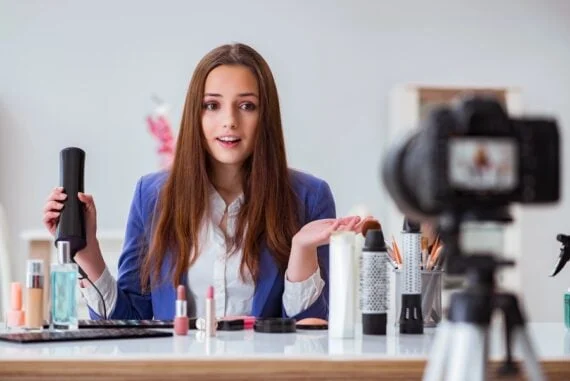
Crucially, the brand maintained its focus on engaging with small, niche creators rather than pursuing high-profile celebrities. This strategic choice offered several advantages. Niche creators are generally more accessible and exhibit greater flexibility in their collaborations. Furthermore, their recommendations often carry a higher degree of perceived authenticity, feeling more like advice from a trusted friend, a specialist, or, in this case, an expert esthetician or haircare professional.
This approach allows a business to engage with a multitude of creators simultaneously, enabling them to test various content styles and product features to discern what resonates most effectively with different audience segments. The beauty and personal care sector, in particular, benefits immensely from this strategy. Consumers in this category actively seek visible results demonstrated on real individuals, a demand that short-form video content on platforms like TikTok is ideally positioned to fulfill. This explains why beauty and personal care consistently ranks as TikTok Shop’s largest product category, with an estimated market size exceeding $10 billion globally and growing.
TikTok’s Dual Role: Sales Channel and Demand Generator
TikTok serves a dual purpose in the modern e-commerce ecosystem: it functions as a direct sales channel through features like TikTok Shop and live shopping events, and simultaneously acts as a powerful demand generator for external online and offline stores. While live shopping sessions can directly spur on-platform sales, other forms of content can effectively drive shoppers to branded websites or even physical retail locations.
The "halo effect" of social media content is a tangible phenomenon. Observations have shown instances where hundreds of thousands of views on TikTok have corresponded with thousands of additional branded searches on platforms like Amazon. This indicates a clear pathway: consumers discover a product on their social media feeds, are intrigued by its presentation or benefits, and then proactively search for it by name on e-commerce marketplaces. This symbiotic relationship between social media platforms and traditional e-commerce channels is more pronounced than many merchants initially assume.
The Evolving Definition of the "Best Channel"
This evolving e-commerce landscape does not render Amazon obsolete, particularly for consumable goods or products that consumers actively search for based on specific needs or keywords. For instance, the U.S. market for beauty and personal care products is projected to reach over $100 billion by 2025, with Amazon capturing a significant portion of online sales for established product categories.
However, the question of the "best channel" for U.S. market launches is becoming increasingly nuanced and dependent on the product’s discoverability and consumer behavior. Products that can visually demonstrate a tangible result on camera, especially at an accessible price point, are well-suited for platforms like TikTok. Conversely, products that rely on expertise, in-depth information, or a more considered purchase decision may find a stronger foothold on Amazon, where search-driven discovery is paramount.
The ideal scenario, as demonstrated by the haircare brand’s success, is often a complementary relationship between these channels. For a $59 haircare product, the immediate and widespread appeal on TikTok proved to be the optimal launchpad. After an extensive period of unglamorous, yet essential, testing and refinement, the brand achieved what many would perceive as an "overnight success," a testament to the power of adapting to new platforms and leveraging the evolving dynamics of digital consumer engagement. This strategic pivot underscores the imperative for brands to continuously evaluate and diversify their e-commerce strategies, recognizing that innovation and adaptability are key to navigating the increasingly complex and dynamic online marketplace. The data suggests that brands investing in creator economy platforms, particularly those that allow for visual storytelling and direct community engagement, are positioning themselves for significant growth in the coming years.