For decades, Google has stood as the undisputed monarch of online search, its algorithms dictating visibility and driving trillions of dollars in economic activity. However, the advent of sophisticated generative AI models has introduced a new paradigm, compelling the tech giant to innovate at an unprecedented pace to defend its long-held turf. The most visible manifestation of this defense is Google’s AI Mode, officially known as Search Generative Experience (SGE), which has now gone live globally for billions of users. Powered by the company’s advanced Gemini model, AI Mode integrates conversational AI summaries directly at the apex of search results pages. This functionality allows users to engage with Google in a manner akin to interacting with a chat assistant, enabling them to ask follow-up questions and refine their queries iteratively without ever navigating away from the initial search results page.
This strategic pivot is undeniably advantageous for users seeking rapid, contextually rich answers to their inquiries. The convenience of an AI-synthesized summary, often complete with links to source material, streamlines the information-gathering process. However, for publishers, content creators, and digital marketers, the implications are far more complex and, in many cases, concerning. Early data emerging from the extensive testing phases and initial global rollout suggests a significant disruption to traditional web traffic patterns. Industry reports and preliminary analyses from SEO analytics firms indicate a sharp decline in click-through rates (CTRs) for websites that appear below these AI overviews, with some cases reporting drops exceeding 50%. This phenomenon, termed the "zero-click" dynamic—where users find their answers directly on the search results page without visiting an external site—is not entirely new, having been a gradual trend with featured snippets and knowledge panels. However, the pervasive nature and comprehensive summaries offered by AI Mode are accelerating this trend dramatically, fundamentally altering the value proposition of organic search rankings.
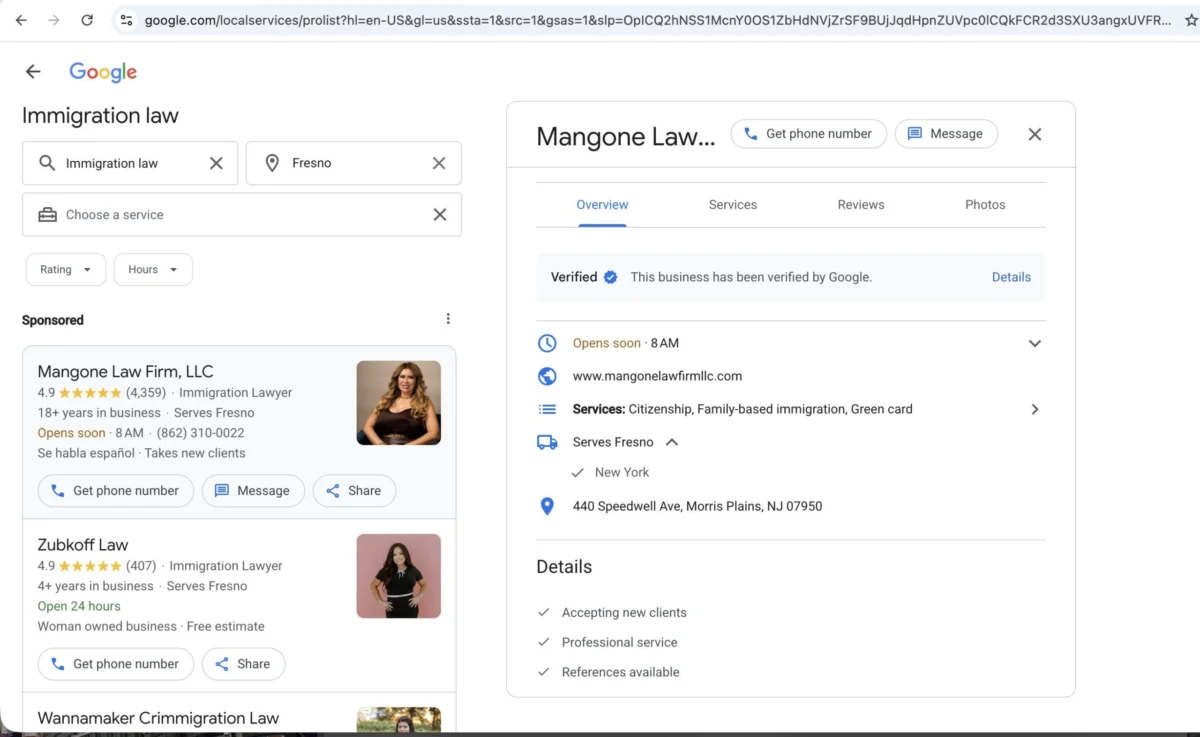
Despite these concerns from the publishing and marketing communities, Google maintains that advertisers have little to fear. The company is actively integrating advertising directly into these AI-generated answers. Shopping placements and search ads are now designed to appear seamlessly within the conversational summaries themselves, rather than being confined to the periphery or separate ad blocks. Furthermore, Google has introduced AI Max, a novel campaign type that leverages AI to match creative assets with user intent, reducing the traditional reliance on explicit keywords. This represents a significant shift in search engine marketing (SEM), signaling that the old rules of campaign management are being rewritten. Advertisers who have been piloting AI Max campaigns are reportedly experiencing double-digit performance lifts, suggesting increased efficiency and reach. Yet, this enhanced performance often comes at the cost of relinquishing greater control to Google’s proprietary "black box" algorithms, raising questions about transparency, optimization capabilities, and the potential for reduced insight into specific keyword performance and audience targeting. The overarching message from Google is unambiguous: in an AI-first search environment, visibility will hinge less on traditional ranking positions and more on the algorithm’s discretion to surface content or ads within its synthesized answers.
While Google meticulously fortifies its long-held position with AI-driven innovation, two formidable rivals, Meta and TikTok, are simultaneously and aggressively pursuing strategies to carve out their own slices of the search and discovery pie. Their moves are not merely opportunistic but represent a concerted effort to leverage their massive user bases and unique platform dynamics to challenge Google’s dominance.
Meta, the parent company of Facebook, Instagram, and WhatsApp, has historically focused on social discovery and interest-based content rather than explicit keyword search. However, the company has long hinted at its ambition to automate advertising across its vast ecosystem, and the integration of AI provides a powerful catalyst for this vision. Agency executives familiar with Meta’s internal developments confirm that the company is now quietly but actively testing AI-powered search functionalities across Instagram and Facebook. This initiative is laying the groundwork for a robust search product designed not only to significantly improve content and product discovery for users but also to unlock entirely new streams of ad inventory for advertisers. The noticeable improvements in Instagram’s search functionality over recent months, offering more relevant and predictive results, are widely regarded as a tangible preview of Meta’s broader AI-driven search ambitions. The ultimate strategic goal for Meta is clear: to keep users—and their valuable advertising dollars—firmly entrenched within its own walled gardens, creating a comprehensive discovery and commerce ecosystem that rivals traditional search engines. With over three billion active users across its platforms, Meta possesses an unparalleled dataset and reach, making its foray into AI-driven search a formidable challenge to the established order.
TikTok, the immensely popular short-form video platform, is taking an even more direct and aggressive approach to capturing search market share. Its search ads business has rapidly evolved into a significant growth engine for the company. Recognizing that a substantial and growing segment of users, particularly Gen Z, increasingly turns to TikTok for discovery and information, the platform has rolled out sophisticated ad solutions. Brands can now deploy keyword-based campaigns that precisely target high-intent queries, with their advertisements appearing directly within TikTok’s search results. Reports from advertising agencies indicate a dramatic surge in adoption for these ad formats, with some noting a doubling in recent months. Brands leveraging TikTok search ads are reporting impressive performance metrics, including lower cost-per-acquisition (CPA) and significantly higher engagement rates, particularly when these search campaigns are strategically combined with upper-funnel social spending on the platform. Crucially, these TikTok-driven campaigns are not merely generating conversions within the app; there is growing evidence to suggest they also contribute to an uplift in Google search performance downstream. This symbiotic relationship implies that, for many users, TikTok is becoming an initial touchpoint in a multi-platform search journey, feeding intent that eventually manifests on Google. This insight further underscores a fundamental shift in user behavior: for a significant and influential demographic like Gen Z, the search journey often commences on platforms like TikTok or Instagram, definitively breaking the long-held synonymity between "search" and "Google."
Behind these divergent yet equally aggressive strategies lies a shared, overarching objective among the major tech players: to meticulously own the "discovery moment" and efficiently monetize it through the pervasive application of artificial intelligence. This concerted drive is fueled by several interconnected factors that are reshaping the digital landscape. Firstly, the exponential advancements in generative AI, particularly large language models (LLMs) and multimodal AI, have made it technically feasible to deliver conversational, personalized, and highly efficient search experiences that were previously confined to science fiction. These AI capabilities allow platforms to understand complex queries, synthesize information, and even generate creative content, fundamentally altering the interaction model between users and information.
Secondly, changing consumer behavior is a powerful catalyst. Younger demographics, particularly Gen Z, have grown up in an app-first, visual-first world. They instinctively turn to platforms like TikTok for product reviews, travel recommendations, and even news, preferring short-form video, influencer endorsements, and authentic user-generated content over traditional text-based search results. Instagram’s visual nature makes it a natural hub for fashion, food, and lifestyle discovery. This shift away from a purely textual, link-based search model necessitates new forms of content, new optimization strategies, and new advertising placements. Thirdly, the intense competition for user attention and advertising spend in an increasingly fragmented digital ecosystem compels these giants to innovate or risk obsolescence. Each platform seeks to maximize time spent within its environment, believing that greater engagement directly translates into more robust advertising opportunities. By integrating search and discovery more deeply, they aim to capture users at the earliest stages of intent, guiding them through a curated journey within their own digital walls.
For marketers and brands, these profound shifts demand a comprehensive re-evaluation of both strategic approaches and measurement methodologies. The era of a monolithic search landscape is definitively over; instead, it is fragmenting into a multi-platform, AI-driven mosaic, with user behavior becoming increasingly nuanced and distributed.
- Diversify Search Strategy Beyond Google: Relying solely on Google for search visibility is no longer sufficient. Brands must actively explore and invest in optimizing their presence and ad spend across emerging search channels like TikTok and Meta. This includes understanding the unique content formats (e.g., short-form video on TikTok, visually rich posts on Instagram) and user expectations specific to each platform.
- Content Optimization for AI Summaries: With Google’s AI Mode prioritizing synthesized answers, content strategies must adapt. This means creating clear, concise, authoritative, and fact-based content that is easily digestible by AI models. Structured data, clear headings, and direct answers to common questions will become even more critical for appearing within AI overviews and as source material.
- Embrace New Ad Formats and AI-Driven Campaigns: Advertisers need to become proficient with Google’s AI Max and similar AI-powered campaign types. While they offer performance lifts, understanding the "black box" and developing strategies to provide the AI with optimal inputs (creative assets, audience signals) will be key. Simultaneously, exploring keyword-based ad campaigns on TikTok and Meta’s emerging search ad products is essential to capture intent on those platforms.
- Rethink Measurement and Attribution: The fragmented search journey necessitates a more sophisticated approach to tracking performance. Traditional last-click attribution models may fail to capture the full picture of a customer’s multi-platform path to purchase. Marketers must invest in advanced analytics that can attribute value across different touchpoints, understanding how a TikTok search might influence a later Google search or a direct website visit.
- Focus on Brand Building and Direct Engagement: As zero-click searches become more prevalent, cultivating a strong brand identity and fostering direct relationships with consumers will become paramount. Brands that build loyal communities and encourage direct navigation to their sites or apps will be less vulnerable to algorithmic changes and third-party platform shifts.
- Invest in Visual and Conversational Search Optimization: Beyond text, optimizing for visual search (e.g., product images on Instagram, video snippets on TikTok) and conversational queries will be crucial. This includes investing in high-quality imagery, video content, and natural language processing (NLP) friendly text.
- Data-Driven Adaptation: The pace of change demands continuous monitoring of performance metrics across all channels. Marketers must be agile, ready to test new strategies, analyze data, and pivot quickly based on user behavior and platform updates.
The future of search is unequivocally a distributed, AI-driven experience spanning multiple platforms. For Google, the monumental challenge lies in continuing to innovate at the cutting edge of AI without alienating its vast ecosystem of publishers and advertisers, whose trust and investment have been foundational to its success. Balancing user convenience with the needs of the content creators who fuel its index will be a delicate act. For Meta and TikTok, the prize is immense: to transform their colossal user bases, currently engaged primarily in social and entertainment contexts, into powerful intent engines that can divert significant portions of traditional search budgets. By offering compelling, AI-enhanced discovery experiences and effective advertising solutions, they aim to establish themselves as indispensable starting points in the consumer journey. Ultimately, the brands, agencies, and businesses that will thrive in this evolving landscape are those that demonstrate the foresight, flexibility, and courage to adapt their strategies, embrace new technologies, and understand the multifaceted, AI-powered ways consumers are now discovering the world around them. This is not merely a technical evolution; it is a fundamental redefinition of digital discovery, demanding a paradigm shift in how marketing and advertising are conceived and executed.