rifanmuazin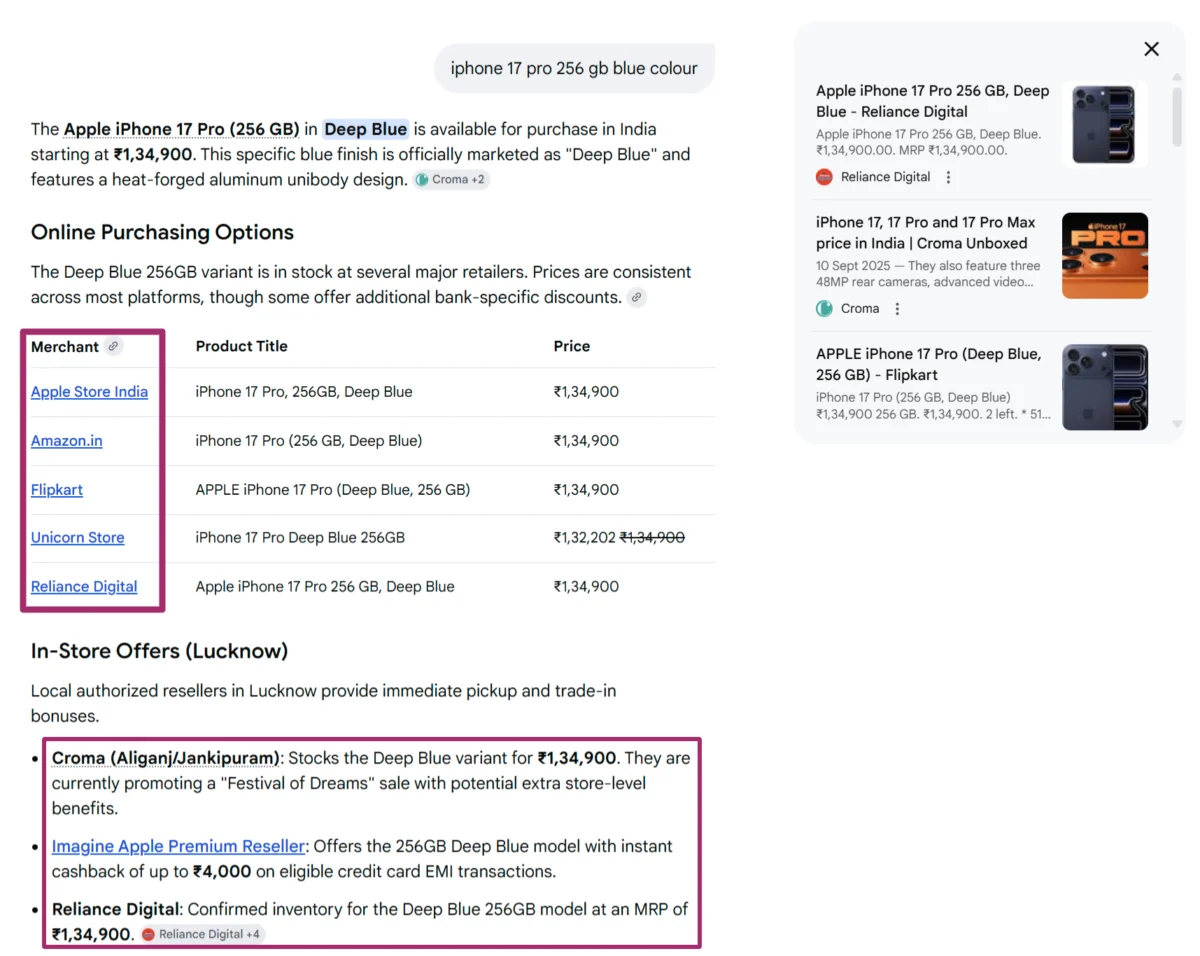
The landscape of online search is undergoing a profound transformation, fundamentally altering how information is discovered and how brands achieve visibility. With the advent of artificial intelligence, users are increasingly receiving direct, synthesized answers to their queries rather than a list of clickable links, thereby reducing traditional opportunities to drive web traffic. In this seismic shift, AI citations have emerged as the new arbiters of authority, determining which sources are featured and credited within AI-generated responses. This evolution marks a significant departure from the traditional search engine optimization (SEO) paradigm, moving from ranking individual web pages to actively selecting and validating sources, ushering in an era of AI-driven visibility.
The Paradigm Shift: From Blue Links to AI-Generated Answers
For decades, the internet’s primary discovery mechanism relied on the "blue link era," where search engine results pages (SERPs) presented users with a ranked list of websites. Success in this environment was largely defined by securing high rankings, as a higher position directly correlated with increased click-through rates and, consequently, more website traffic. SEO strategies revolved around optimizing content for keywords, building authoritative backlinks, and ensuring technical crawlability and indexability. The goal was to outrank competitors and capture user clicks.
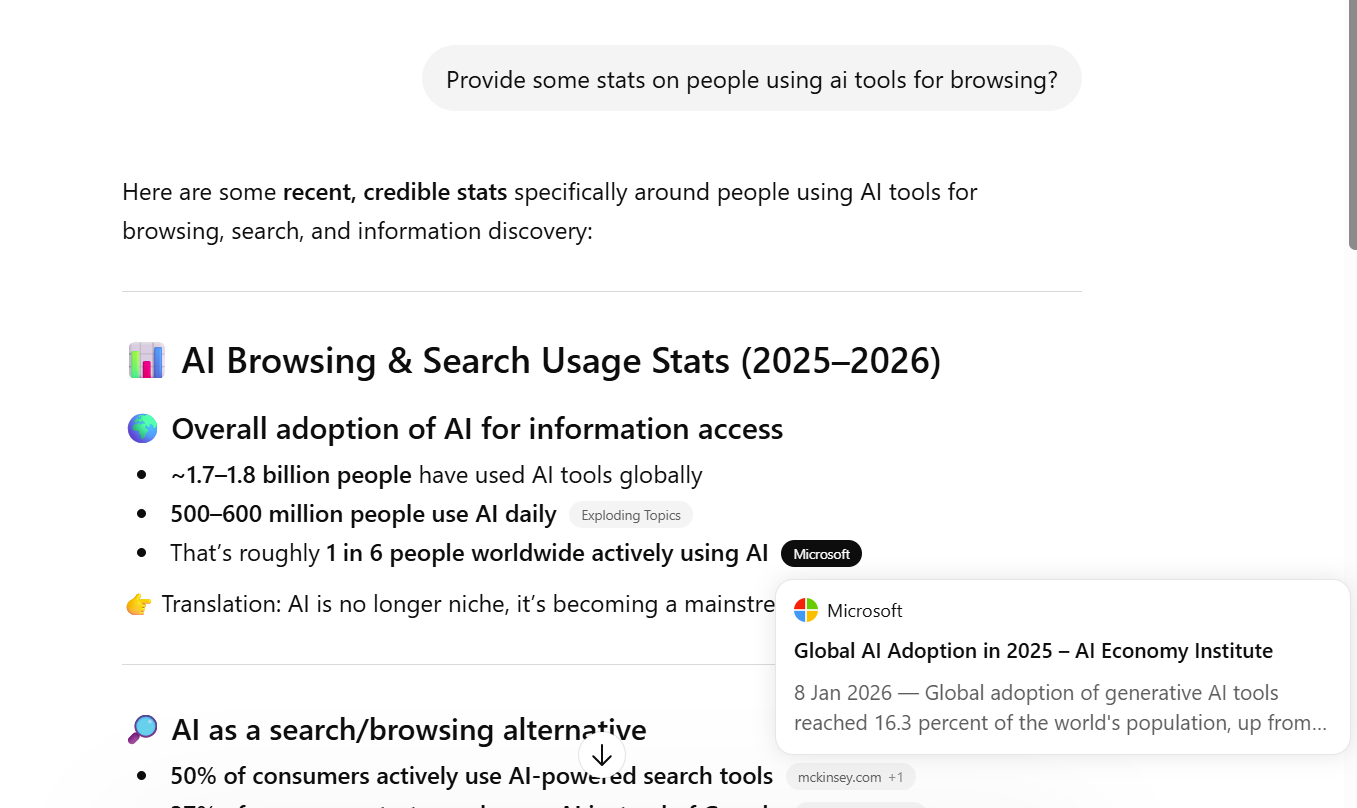
However, the rapid integration of large language models (LLMs) into search experiences, exemplified by Google’s AI Overviews, ChatGPT, Gemini, and Perplexity, has introduced a new layer of interaction. Users can now pose complex questions and receive concise, comprehensive answers, often without the need to navigate away from the search interface. This convenience, while beneficial for users, poses a challenge for content creators and businesses reliant on organic traffic. The value proposition of a "click" is diminishing as "instant answers" become the norm.
This is where AI citations step in. Much like academic citations lend credibility to research papers, AI citations are the references included by generative AI tools to substantiate the information they provide. When an AI tool like ChatGPT or Gemini furnishes an answer, it frequently points to specific web pages or other sources that underpin its response. These references serve as vital signals of credibility, enabling users to understand the origin of the information and providing a pathway to explore the original content in greater depth. Essentially, if content is cited, it becomes an integral part of the AI’s answer, transcending its former status as merely another link in a search result.
A Brief Chronology of Search Evolution
To fully appreciate the significance of AI citations, it’s crucial to contextualize them within the broader history of search:
- Late 1990s – Early 2000s: Keyword Matching Era. Early search engines like AltaVista and Yahoo relied heavily on keyword density and basic indexing. SEO was rudimentary, often involving keyword stuffing.
- Mid-2000s: The Rise of PageRank and Backlinks. Google’s PageRank algorithm revolutionized search, emphasizing the importance of backlinks as votes of confidence. This era saw the professionalization of link building and off-page SEO.
- 2010s: Content Quality and User Experience. Algorithm updates like Panda and Penguin shifted focus towards high-quality content, user experience, and mobile responsiveness. Semantic search began to gain traction, moving beyond exact keyword matches. The introduction of E-A-T (Expertise, Authoritativeness, Trustworthiness) became a critical quality signal for content creators.
- Late 2010s – Early 2020s: Deep Learning and E-E-A-T. Advancements in deep learning, particularly with algorithms like BERT and MUM, allowed search engines to understand context and intent with unprecedented accuracy. E-A-T evolved into E-E-A-T, adding "Experience" as a crucial component, emphasizing real-world knowledge.
- 2022 – Present: Generative AI Integration. The public release of ChatGPT in late 2022 marked a turning point. Large language models quickly found their way into search engines, leading to features like Google’s AI Overviews and integrated AI assistants. This period initiated the shift from traditional SERPs to AI-synthesized answers, making AI citations a new, critical metric for online visibility and authority.
The Mechanics of AI Citation: How AI Systems Select Sources
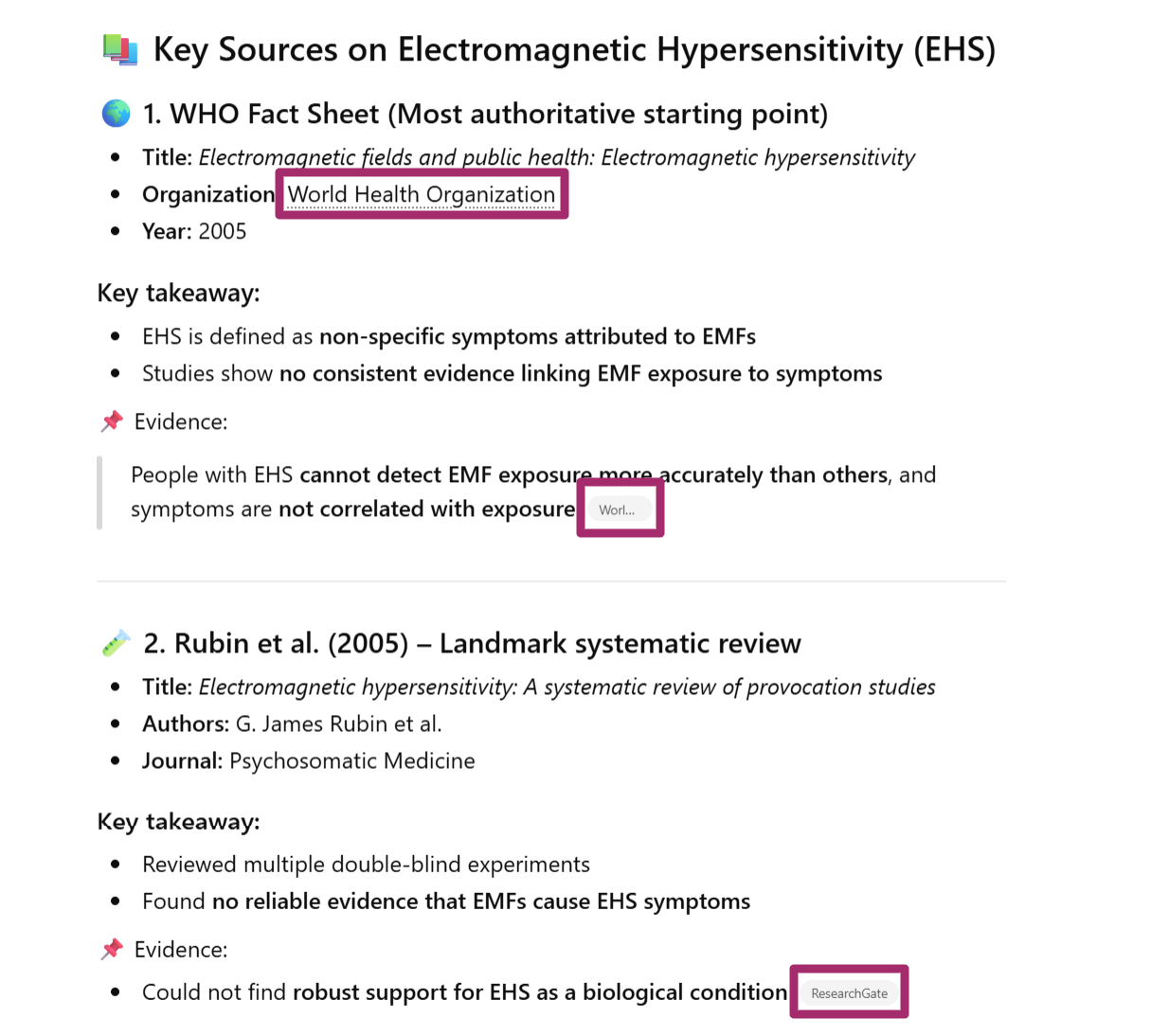
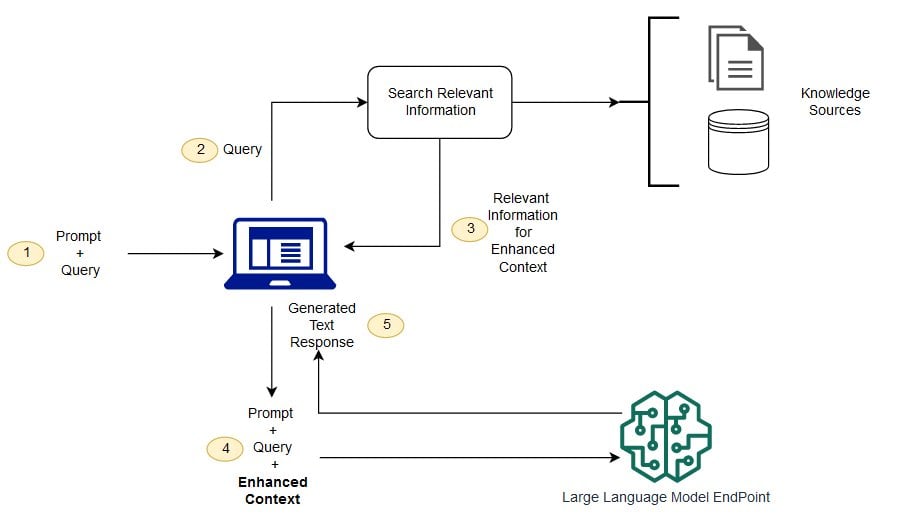
Understanding how AI systems decide what to cite is paramount for content creators. The process is sophisticated, moving beyond simple keyword matching or even traditional ranking signals. Most AI-powered search systems operate on a retrieval-and-synthesis model, frequently powered by approaches such as Retrieval-Augmented Generation (RAG). This means AI doesn’t merely generate answers from its pre-trained knowledge base; it actively finds, evaluates, and assembles information from a multitude of external sources before formulating a response and deciding which to cite.
The RAG process typically involves several key stages:
- Query Understanding: The AI first interprets the user’s intent—whether it’s informational, navigational, or transactional. This initial step dictates the nature of the sources the AI will seek.
- Retrieval of Sources: The system then pulls potential information sources from a vast ecosystem that includes indexed web pages (blogs, articles, news sites), structured data, academic papers, multimedia content, and even internal knowledge bases. This is the crucial point where a brand’s content enters the AI’s consideration set.
- Source Evaluation: Not all retrieved sources are treated equally. AI models rigorously evaluate them based on several critical factors:
- Relevance: How closely the source matches the query’s intent.
- Credibility: The perceived trustworthiness and authority of the source. This is heavily influenced by E-E-A-T signals (Experience, Expertise, Authoritativeness, Trustworthiness).
- Accuracy: The factual correctness of the information presented.
- Freshness: The recency of the content, especially for rapidly evolving topics.
- Clarity and Structure: How easily the information can be extracted and understood.
- Consensus: Whether the information is corroborated by multiple reputable sources.
- Answer Synthesis: The AI then synthesizes insights from these evaluated sources, combining them into a single, coherent, and comprehensive answer. A brand’s content might contribute to this synthesis even if it isn’t directly cited.
- Citation Selection: Finally, the model decides which specific sources to display as citations, attribute as references, or link for further exploration. This final step is what determines a brand’s direct visibility within the AI’s response.
Recent analyses underscore the nuanced nature of citation selection. For instance, a study of Google’s AI Overviews revealed that only approximately 38% of cited sources rank within the top 10 traditional search results, indicating that a significant portion originates from deeper pages or alternative content formats. Another key insight from CXL highlighted that AI models tend to prioritize clear, early answers within content, often extracting information from the top sections of a page. This suggests that AI systems are not merely re-ranking content but are actively selecting the most useful, trustworthy, and easily digestible pieces of information across the entire digital ecosystem.
Types of AI Citations and Their Implications
AI citations are not monolithic; they manifest in various forms depending on the query’s intent:
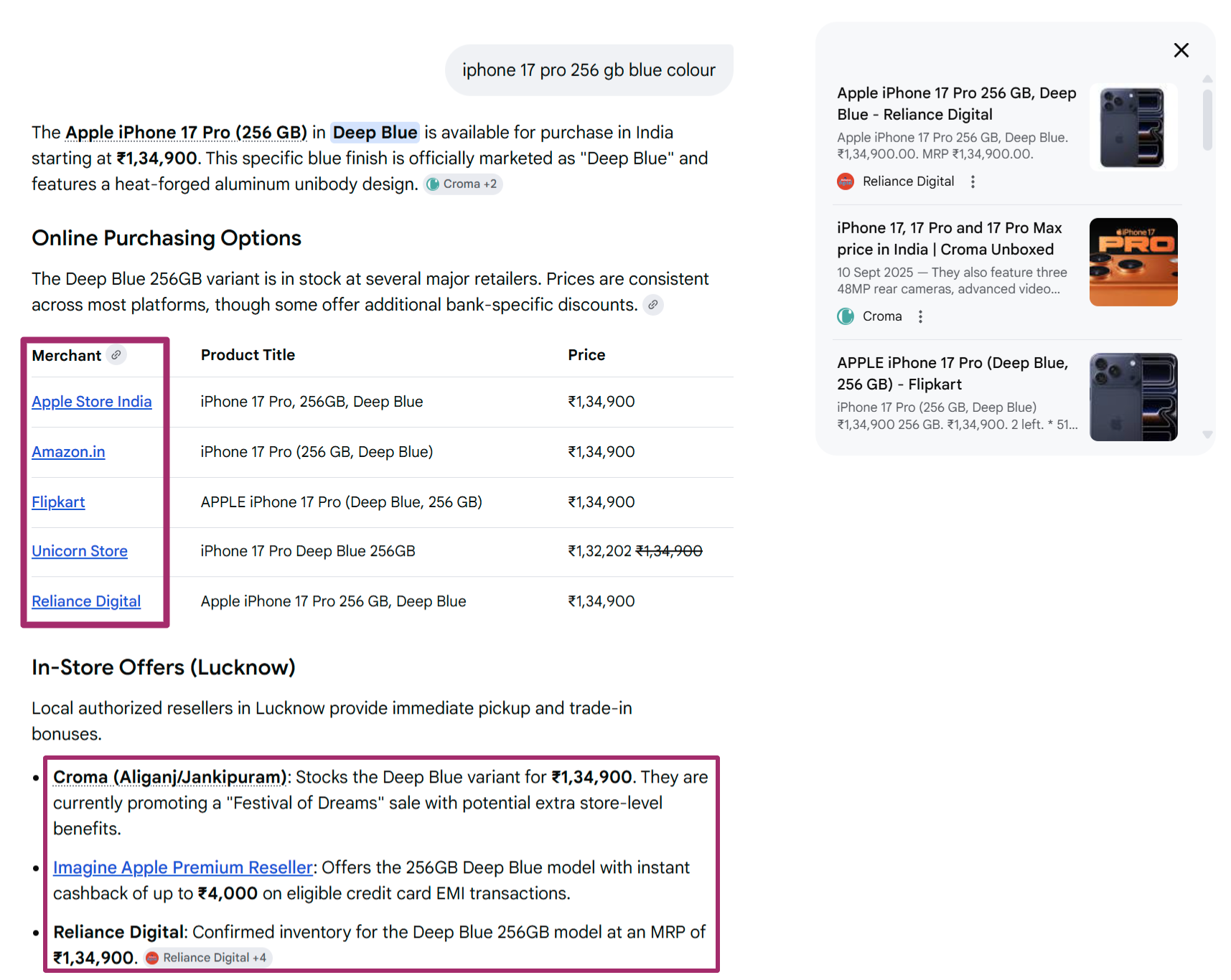
- Informational Citations: These are the most prevalent, referencing blog posts, guides, and educational content to explain concepts or answer general questions. For example, a query like "what is AI" would likely yield informational citations from encyclopedic or educational websites.
- Product Citations: Appearing in commercial or comparison-focused queries (e.g., "best SEO tools" or "top project management software"), these citations point to product pages, review sites, or listicles that support recommendations. They play a critical role in influencing pre-purchase decisions.
- Multimedia Citations: Recognizing that information isn’t solely text-based, AI can also cite videos, images, or other visual formats. These are particularly common for queries requiring tutorials, demonstrations, or visual explanations.
Impact on Brand Credibility and Consumer Behavior
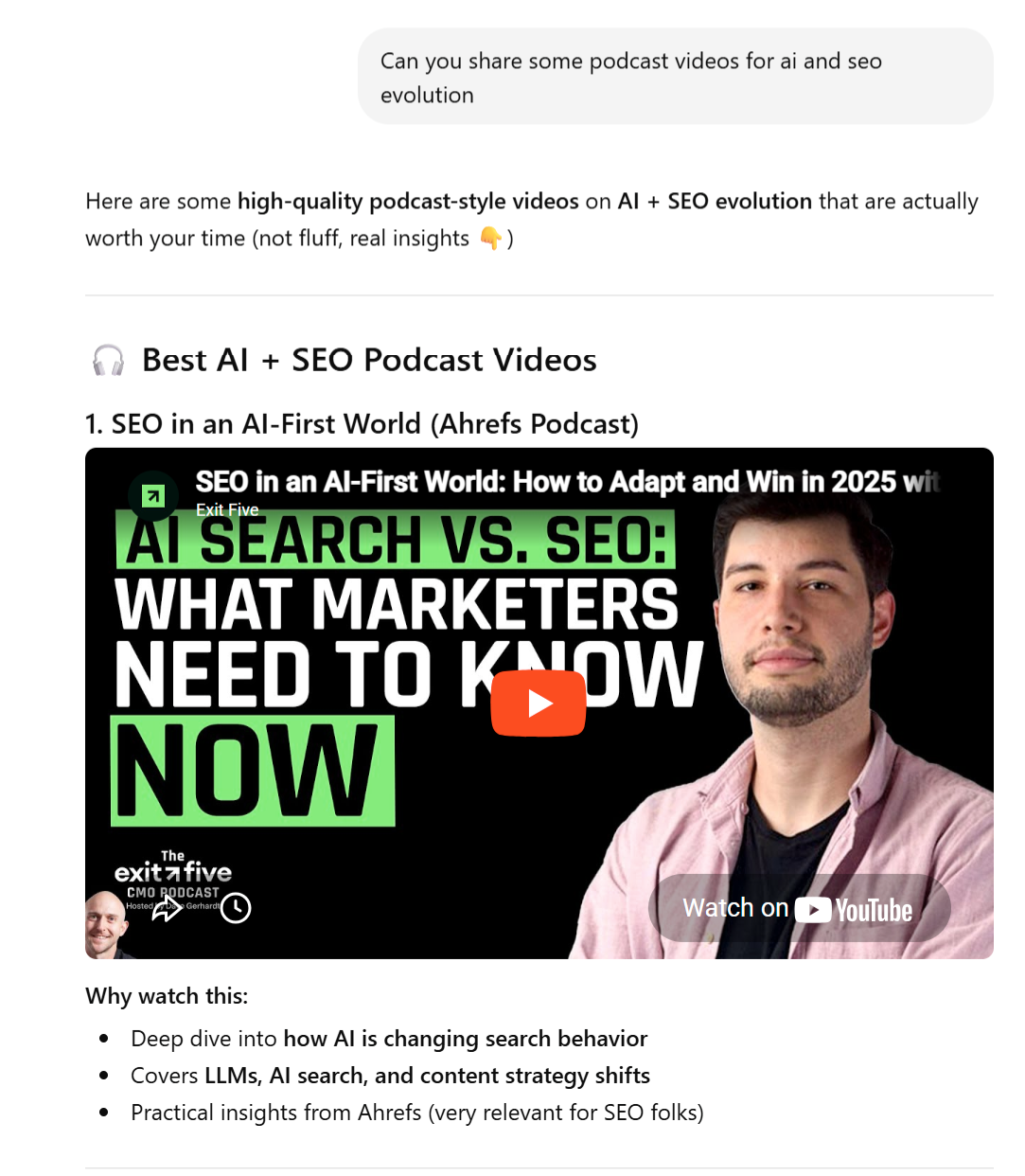
The ramifications of AI citations extend far beyond mere visibility; they profoundly shape a brand’s perceived credibility. When a brand’s content is cited in an AI-generated answer, a portion of the AI’s inherent trustworthiness transfers to that brand. The brand is no longer just another listing on a search page; it becomes an acknowledged contributor to the "answer itself," fundamentally altering how users interpret its authority.
This shift also accelerates the buyer’s journey. Users may form opinions, shortlist options, or even make purchase decisions directly from AI responses, often bypassing the need to click through to a website. If a brand is not cited, it risks exclusion from this initial consideration set, potentially losing out before it even registers on the user’s radar. Being included in AI answers signals that content is not just optimized but genuinely useful and contextually relevant, affirming its value to both users and algorithms. Over time, consistent citation builds a powerful compounding effect, associating the brand with specific topics and fostering familiarity, authority, and trust.
Strategies for Earning AI Citations
To thrive in this evolving landscape, content creators must strategically optimize for AI citations. The goal is to send clear signals that your content is not only valuable but also inherently citable:
-
Create Citation-Friendly Content: This involves producing content that offers original thought, unique insights, and verifiable information. Content types that consistently attract AI citations include:
- Original Research: Studies, surveys, or data analyses that provide new answers or explore unexplored questions.
- Case Studies: Real-world examples demonstrating how a solution or concept works in practice, offering empirical proof.
- Thought Leadership: Opinion-led pieces backed by unique perspectives, expertise, and forward-thinking analysis.
- News Content: Timely, accurate coverage of recent developments, filling knowledge gaps that pre-trained AI models might have.
-
Build Topical Authority (Content Clusters): AI models assess a brand’s expertise across a topic, not just on individual pages. By publishing multiple, interconnected pieces on a specific subject, addressing various facets, a brand signals depth, expertise, and reliability. This directly feeds into the E-E-A-T framework, making the content more trustworthy and, thus, more citable. Practically, this means creating a robust "pillar page" and supporting "cluster content" that interlink, demonstrating comprehensive coverage.
-
Strengthen Entity Signals (Brand, Authorship, Schema): AI systems evaluate the entity behind the content. Clear entity signals help models understand a brand’s identity, its authors’ credentials, and its overall credibility within a niche. This involves:
- Robust "About Us" Pages: Detailing the brand’s mission, history, and values.
- Author Bios: Providing clear, credentialed author profiles that showcase expertise and experience.
- Structured Data (Schema Markup): Implementing Organization and Person schema to explicitly communicate brand and author information to search engines and AI.
- Consistent Brand Messaging: Ensuring uniformity in brand representation across all platforms.
-
Earn External Validation Signals: AI models cross-reference information from multiple sources. A brand’s credibility isn’t solely built on its own website but by how consistently it appears across trusted third-party platforms. This "web-wide validation layer" reinforces the brand’s authority through independent sources. Traditional SEO practices like link building evolve here; it’s less about sheer link volume and more about earning high-quality, consistent mentions from reputable sites that strengthen the brand entity. Strategies include public relations, media outreach, industry awards, and positive mentions on authoritative forums and review sites.
-
Keep Content Fresh and Updated: AI models prioritize current information, especially for dynamic topics. Regularly updating content signals relevance and reliability. Implementing content audits, refreshing outdated statistics, and adding new insights are crucial for maintaining citable status.
-
Structure Content for Answer Extraction: AI models don’t read like humans; they extract answers. Most AI-generated responses are built by identifying clear, concise "answer blocks" within content. An IWAI poll found that 67% of users find AI tools more efficient for getting answers, underscoring the preference for direct responses. Therefore, content must be structured to make answers easy for AI to find, interpret, and reuse. This includes:
- Clear Headings and Subheadings: Using H1, H2, H3 tags to logically segment content.
- Direct Answers at the Start: Providing concise answers to questions early in the content, followed by detailed explanations.
- Summaries and Key Takeaways: Offering brief overviews that AI can easily extract.
- Bullet Points and Numbered Lists: Presenting information in easily digestible formats.
- FAQ Sections: Directly addressing common questions in a structured Q&A format.
Tracking AI Brand Presence: The New Analytics Frontier
In this new ecosystem, traditional analytics tools, primarily focused on website traffic, fall short. They cannot reveal whether a brand is being mentioned in AI answers, how it’s being perceived, or which sources AI systems trust when referencing it. This represents a significant blind spot, especially as AI answers increasingly influence user decisions pre-click.
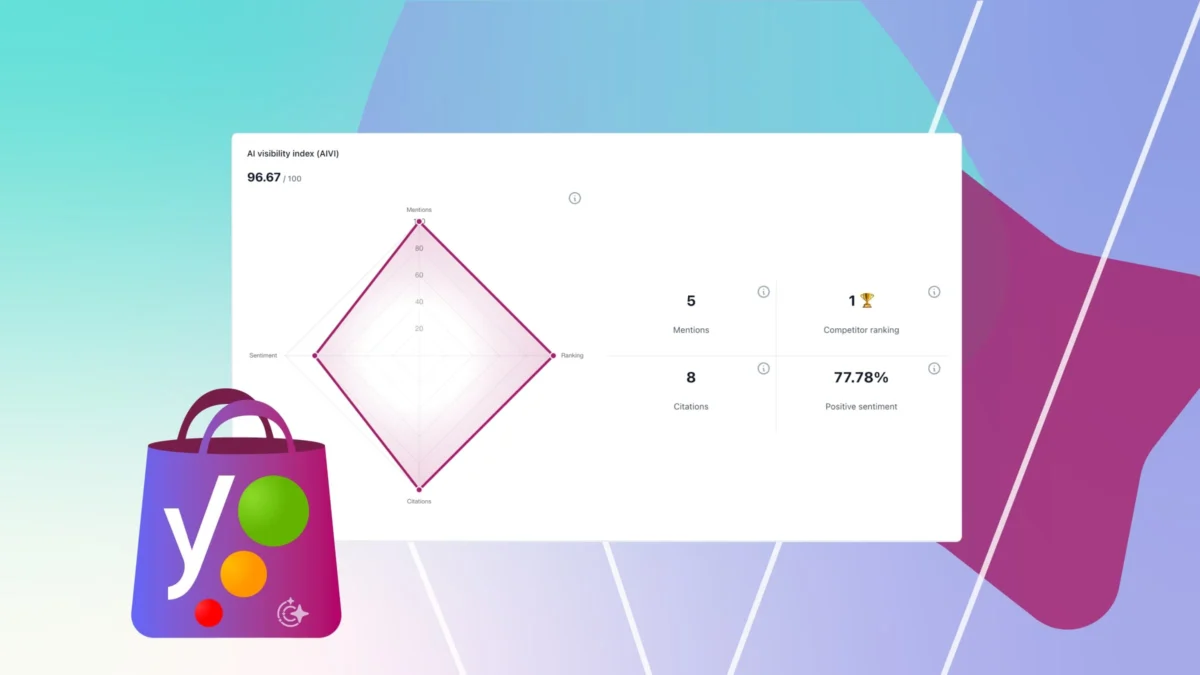
Innovative solutions are emerging to address this gap. Platforms like Yoast AI Brand Insights aim to help businesses track and understand their AI visibility, citations, and brand mentions across various AI platforms (e.g., ChatGPT, Gemini, Perplexity). Such tools typically offer functionalities like:
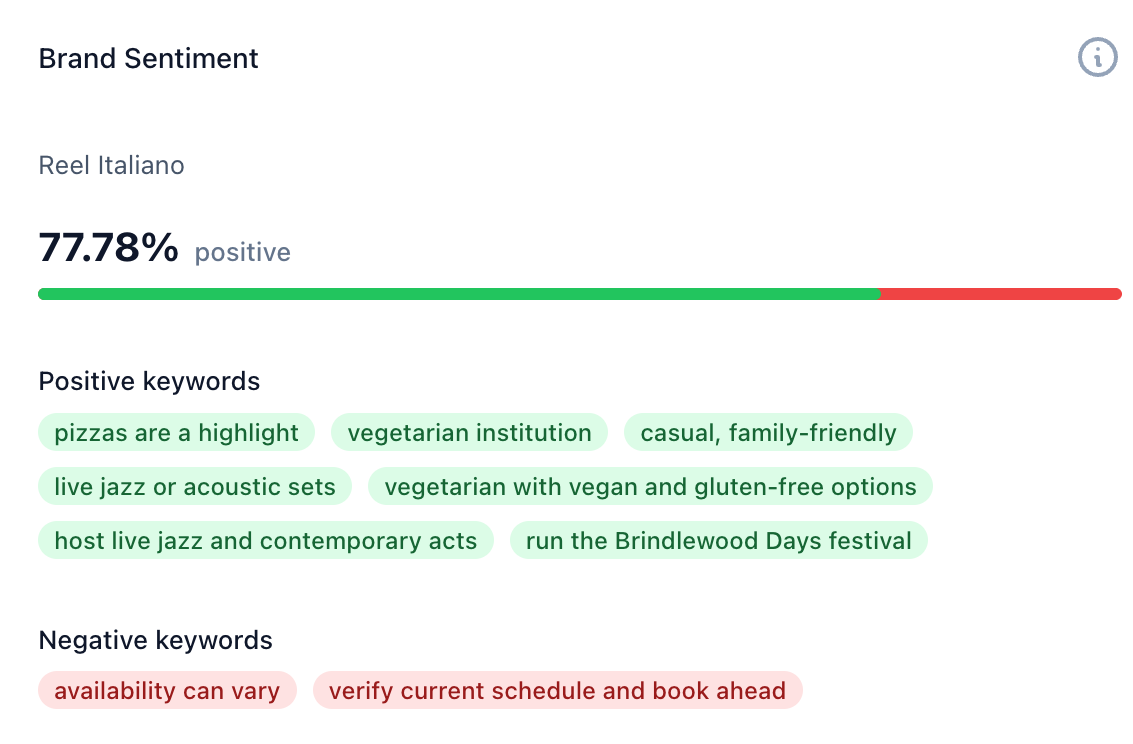
- Sentiment Tracking: Analyzing keywords associated with a brand to gauge the overall positive or negative sentiment in AI-generated responses.
- Citation Analysis: Identifying when and where a brand is cited, and critically, which other sources are referenced alongside it, revealing opportunities and gaps.
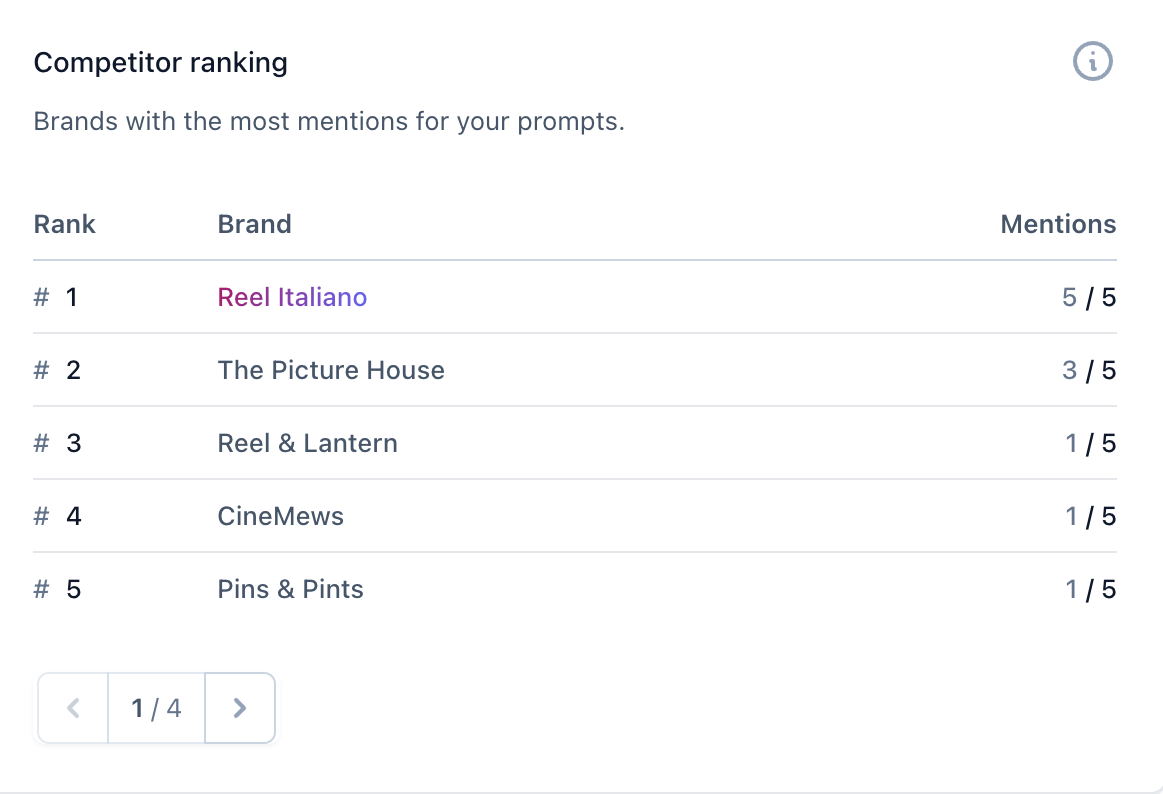
- Competitor Benchmarking: Comparing a brand’s AI citations, mentions, and sentiment against rivals to understand relative performance.
- Question Monitoring: Tracking specific industry or brand-related queries to see if the brand appears in the answers, providing direct insight into AI visibility.
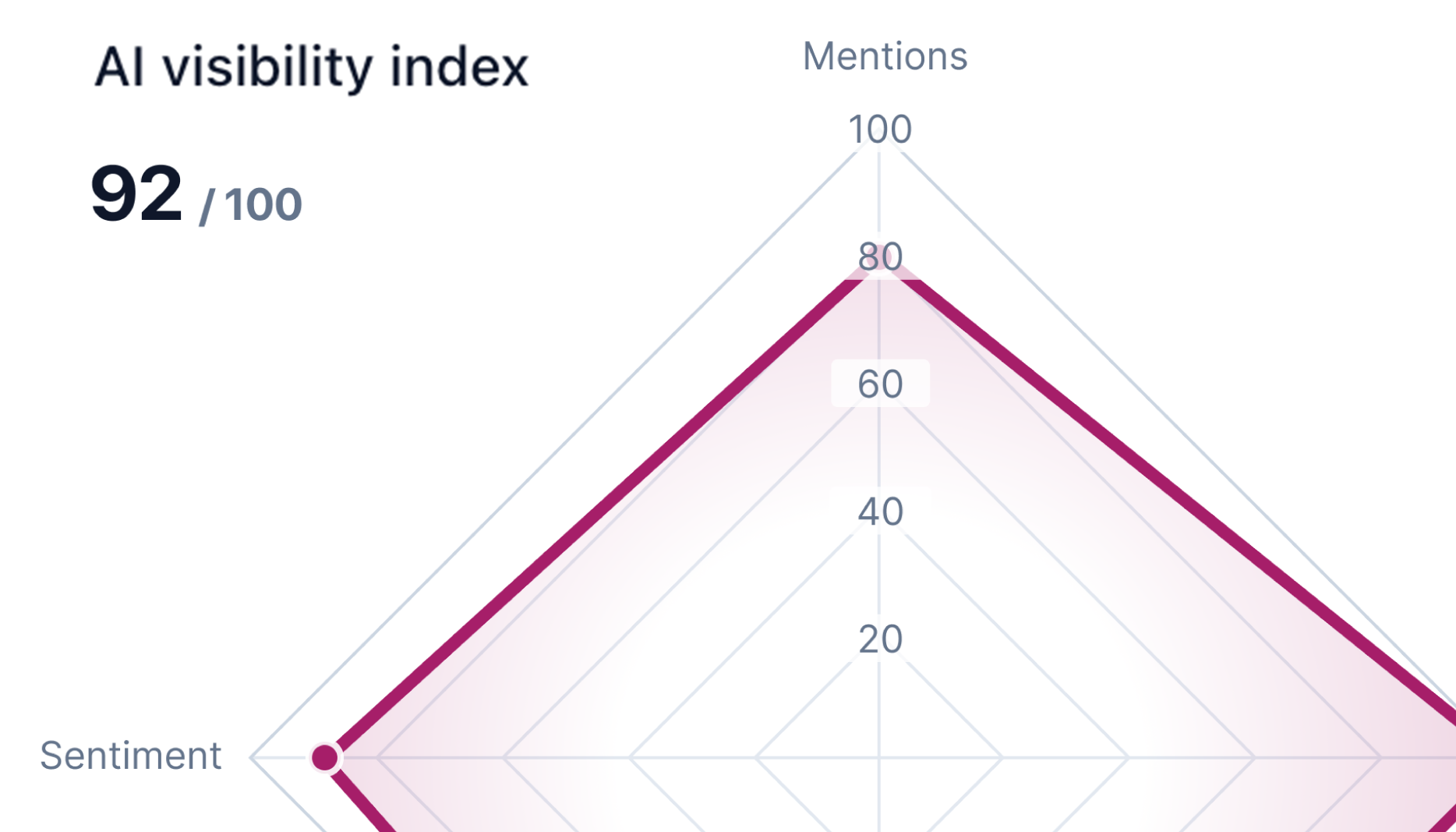
- AI Visibility Index: A unified score that combines various AI signals (citations, mentions, sentiment, rankings) to offer a comprehensive picture of a brand’s performance across AI systems over time.
Additionally, tools like llms.txt, a feature in Yoast SEO, offer a proactive approach by allowing websites to create a structured, LLM-friendly markdown file that highlights their most important pages. This helps LLMs better understand and prioritize key content when generating answers, essentially communicating directly to AI which content matters most.
AI Citations: The Currency of the AI-Driven Web
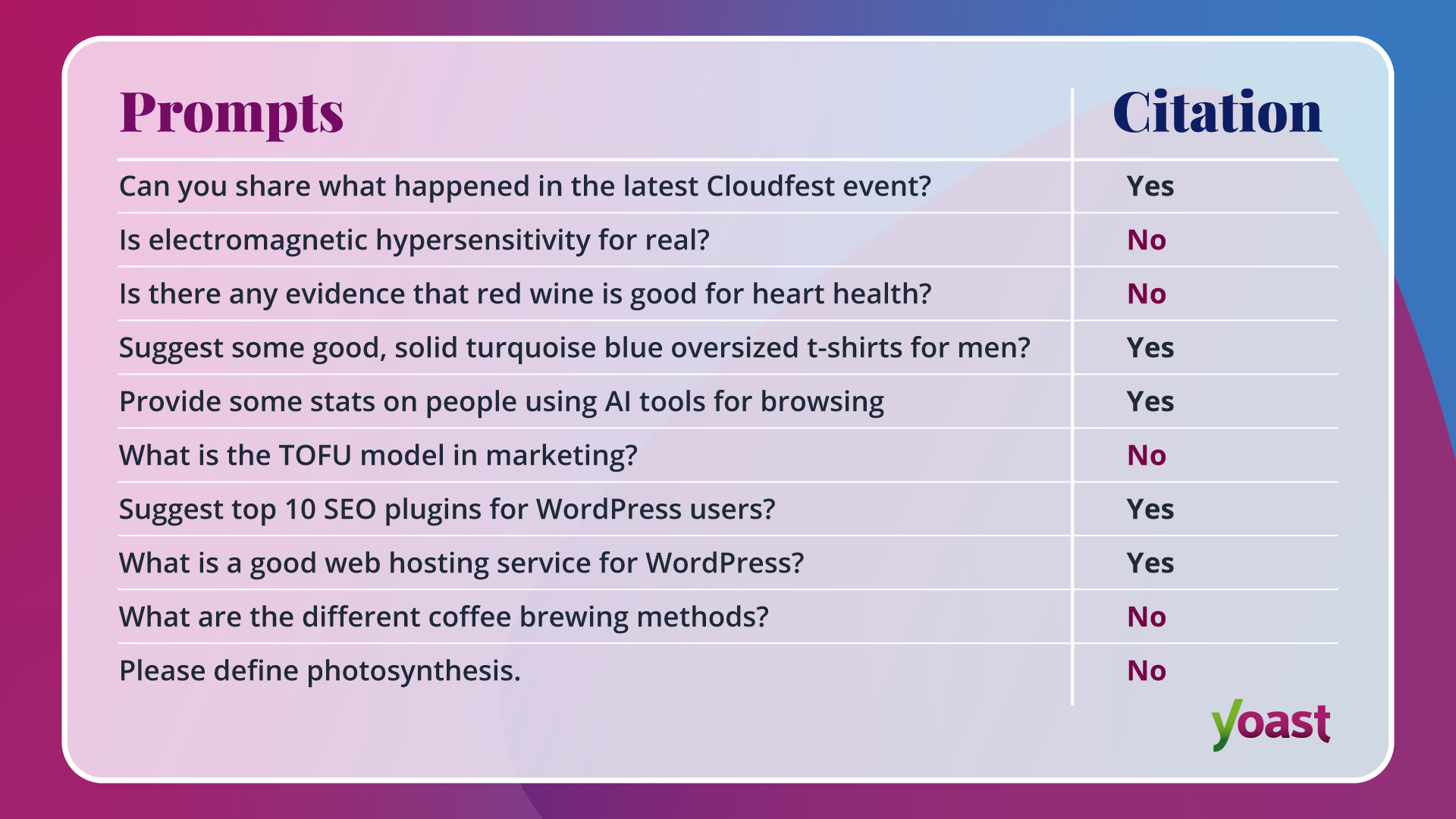
AI citations are fundamentally redefining how users discover and trust information online. They are not merely an adjunct to traditional rankings but a transformative force that determines which sources become an intrinsic part of the answer itself. In an increasing number of scenarios, users no longer need to click a link to explore; if content is cited, it achieves visibility. If not, it risks becoming digitally invisible within the AI-powered search experience.
This profound shift necessitates a re-evaluation of optimization strategies. The focus expands beyond merely driving traffic to encompassing trust, relevance, and inclusion within the answer layer. As articulated in industry discussions, the central question for SEO is evolving. It is no longer just, "Can Google find my website?" but rather, "Does the AI have a compelling reason to remember and cite my brand?" Adapting to this new reality means investing in genuinely authoritative, clearly structured, and externally validated content that not only ranks but earns its place as a trusted source in the AI-driven web.