

The traditional architecture of digital commerce is facing a fundamental challenge as consumer behavior becomes increasingly non-linear and privacy regulations tighten across the globe. For years, the industry relied on historical data, persistent cookies, and logged-in profiles to deliver personalized experiences. However, modern digital journeys rarely follow a straight path; a visitor might arrive via an email link, browse anonymously across multiple tabs, depart to compare prices elsewhere, and return through a generic search query with an entirely different category of interest. This fluid behavior has exposed a significant gap in legacy personalization tools that rely on fixed segments or known customer identities.
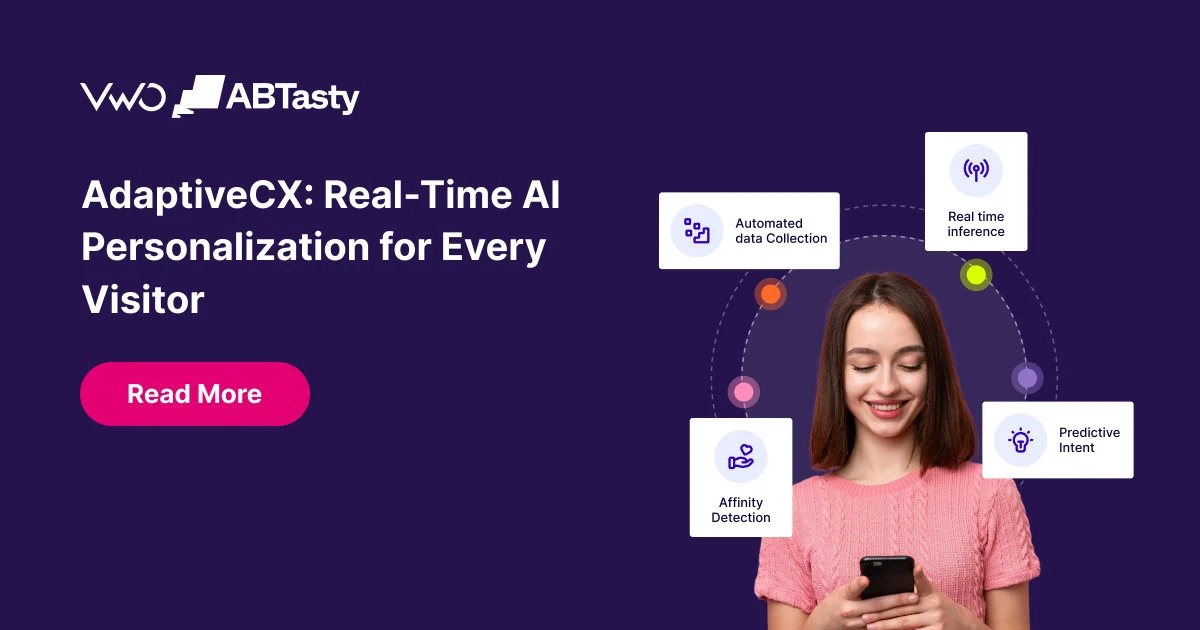
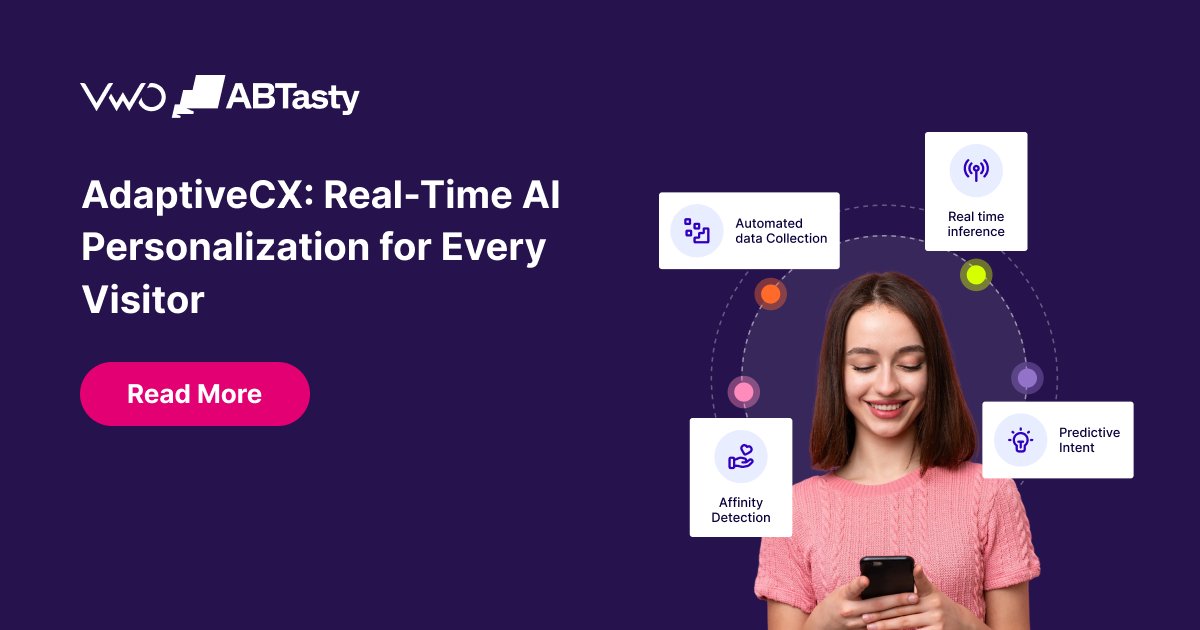
AdaptiveCX has emerged as a strategic solution to this disconnect by shifting the focus from who a visitor is to what they intend to do in the current moment. By utilizing in-session behavioral signals, the platform allows brands to predict intent and adapt the user interface in real time, even for the vast majority of visitors who remain anonymous. This shift marks a transition from reactive, profile-based marketing to proactive, intent-based experience orchestration.
The Evolution of Digital Personalization and the Identity Gap
To understand the necessity of real-time personalization, one must examine the current state of eCommerce traffic. Industry benchmarks suggest that upwards of 70% to 90% of site visitors are not logged in and remain unidentified during their browsing session. Traditional personalization systems are often "blind" to these users, serving them a generic, one-size-fits-all experience. When a system relies exclusively on CRM data or past purchase history, it fails to capture the immediate context of a visit.
The limitations of static, rule-based personalization are becoming increasingly apparent. Most current strategies are built on rigid "If/Then" logic: if a visitor is from a specific geographic region, show a specific banner; if they have purchased before, show a "Welcome Back" message. While useful, these rules are inherently limited because they assume past behavior is the only predictor of current needs. In reality, a shopper in New York might be buying a gift for a friend in a tropical climate, or a repeat buyer of winter coats might suddenly be in the market for summer swimwear. When a digital platform cannot pivot in response to these live signals, it creates friction, leading to abandoned carts and diminished brand loyalty.
The Chronology of an Adaptive Session: From Signal to Activation
The functional core of AdaptiveCX is built upon a continuous, three-step cycle that occurs within milliseconds of a user’s interaction. This process ensures that the digital environment evolves alongside the visitor’s journey.
Phase 1: Capture of Live Behavioral Signals
The process begins the moment a visitor lands on a page. AdaptiveCX collects non-personally identifiable information (non-PII) based on direct interactions. These signals include mouse movement patterns, scroll depth, the speed of navigation, hesitation over specific elements, and the sequence of pages viewed. Unlike traditional analytics which aggregate this data for later review, AdaptiveCX processes it instantly to build a "live intent profile."
Phase 2: Real-Time Intent Prediction
Using machine learning models, the system interprets these signals to categorize the visitor’s current state. Is the user "just browsing," or are they showing "high-intent" signals like repetitive viewing of a specific SKU or checking shipping policies? The AI can predict various outcomes, such as the probability of a purchase, the likelihood of abandonment, or even signs of frustration. Because this analysis is based on current session behavior, it remains highly accurate for first-time visitors who have no historical data on file.
Phase 3: Immediate Experience Activation
Once intent is predicted, the platform triggers a specific modification to the website. This could involve reordering a product list, surfacing a specific promotional offer, or changing the hero image on the homepage to reflect the category the visitor has just explored. This activation happens while the visitor is still engaged, ensuring the relevance of the content is at its peak.
Strategic Business Value and Performance Benchmarks
The implementation of real-time AI personalization is driven by the need to optimize key performance indicators (KPIs) in an environment where customer acquisition costs (CAC) are rising. By making every session more relevant, brands can extract more value from their existing traffic.
Data from implementations of AdaptiveCX indicates several high-impact outcomes:
- Conversion Rate Optimization: Brands typically see a lift of approximately 10% for audiences targeted with adaptive experiences compared to those receiving a static journey.
- Revenue Per Visitor (RPV): By surfacing the most relevant products faster, the average RPV often grows by 15%, as visitors are less likely to bounce and more likely to discover items they wish to purchase.
- Retention and Customer Lifetime Value: A relevant first experience significantly impacts long-term behavior. Users exposed to adaptive journeys are up to 2.5 times more likely to return for subsequent visits.
- Operational Efficiency: Because the system is delivered as a SaaS solution with no-code configuration options, marketing teams can deploy and test new strategies in days, bypassing the traditional bottlenecks of the IT development cycle.
High-Impact Use Cases in Modern eCommerce
The versatility of AdaptiveCX is best demonstrated through its application in specific, high-friction areas of the customer journey.
Adaptive Homepage Orchestration
The homepage is often the most expensive real estate on a website, yet much of its content goes unseen. Standard carousels often bury relevant promotions in the fifth or sixth position. AdaptiveCX monitors early session signals and dynamically reorders these carousels. If a visitor hovers over a "New Arrivals" link or spends time on a specific category page, the homepage carousel will automatically prioritize that content upon their return to the main page. For example, Colony Brands transitioned from static displays to adaptive prediction, resulting in a 40% to 60% increase in pageviews for prioritized categories.
Intelligent Incentive Management
One of the most significant drains on profit margins is the "blanket discount"—offering a 10% or 15% coupon to every new visitor. This often results in giving away margin to customers who were already prepared to buy at full price, while failing to provide enough incentive to those on the fence. AdaptiveCX identifies "price-sensitive" visitors versus "high-intent" visitors. It can then reserve discounts for those who show signs of hesitation or abandonment, protecting the brand’s margins while still securing the conversion.
Out-of-Stock Recovery and Search Optimization
Discovery failure is a primary cause of churn. When a visitor lands on an out-of-stock product, the journey usually ends. AdaptiveCX turns this into a pivot point by immediately recommending alternatives based on the visitor’s specific browsing history and intent. Similarly, in the search bar, the platform can personalize "empty states"—the suggestions that appear before a user types—based on what they were just looking at. Statistics show that making search adaptive typically drives a 10% to 15% conversion lift post-search.
The Shift Toward Transparent and Privacy-Conscious AI
As the digital landscape moves toward a "cookieless" future, the methodology of AI personalization is under scrutiny. AdaptiveCX distinguishes itself through two primary pillars: transparency and privacy.
Unlike "black box" AI systems that provide recommendations without explanation, AdaptiveCX is designed with transparent decisioning. Marketers can see exactly which signals influenced a prediction—such as a specific sequence of page views or a certain level of scroll depth. This allows human teams to maintain strategic control over the AI’s logic and ensure it aligns with broader brand goals.
From a privacy perspective, the platform is built for the post-GDPR and CCPA era. Because it focuses on first-party, in-session behavioral data rather than third-party tracking or personally identifiable information, it minimizes the risk associated with data privacy compliance. It proves that personalization does not require intrusive tracking; it only requires an intelligent understanding of the visitor’s current actions.
Broader Implications for the Retail Sector
The move toward adaptive experiences represents a broader maturation of the digital economy. In the early days of eCommerce, the goal was simply to get products online. In the second phase, the goal was to collect as much data as possible. We have now entered a third phase where the goal is the intelligent, real-time application of that data.
For enterprise and mid-market retailers, the ability to adapt to "the now" is becoming a competitive necessity. As consumers grow accustomed to the highly tailored experiences provided by streaming services and social media algorithms, their expectations for eCommerce sites have risen accordingly. They no longer view personalization as a luxury; they view it as a standard of service.
AdaptiveCX provides the infrastructure for this new standard. By treating every click as a conversation and every session as a unique opportunity, brands can move away from the limitations of the past. The result is a digital ecosystem that is more efficient for the business and more rewarding for the consumer—a journey where the website doesn’t just host the visitor, but actively assists them in finding exactly what they need.







