

The digital optimization landscape underwent a significant shift in January 2026 following the high-profile merger of VWO and AB Tasty, a move that consolidated two of the industry’s most prominent enterprise experimentation engines. As businesses navigate this new ecosystem, the choice between Crazy Egg and the newly expanded VWO platform has become a central point of strategic debate for marketing technology (MarTech) stacks. While Crazy Egg has maintained its position as a streamlined, high-value bundle offering a comprehensive suite of tools in a single subscription, VWO has doubled down on its role as a high-complexity, multi-product solution for large-scale experimentation. This analysis explores the technical capabilities, financial implications, and strategic utility of both platforms to determine their suitability for various business models in the current fiscal year.
The Evolving Landscape of Conversion Rate Optimization
The discipline of Conversion Rate Optimization (CRO) has transitioned from a niche marketing tactic into a core pillar of digital business strategy. In the early 2020s, the market was characterized by a fragmentation of tools—one for heatmaps, another for A/B testing, and a third for user surveys. However, the 2026 market environment demands integration. The merger of VWO and AB Tasty reflects an industry-wide push toward "Experimentation at Scale," targeting Global 2000 companies that require server-side testing and deep personalization.
In contrast, Crazy Egg has pursued a philosophy of "Accessible Intelligence." By bundling heatmaps, A/B testing, surveys, error tracking, and web analytics into a single, unified price point, Crazy Egg caters to agile teams that prioritize speed of implementation and predictable overhead. The fundamental divergence between the two platforms lies not just in their feature sets, but in their philosophical approach to data: one favors the depth of individual product modules, while the other favors the breadth of an all-in-one ecosystem.
Visual Behavior Mapping: Heatmaps and User Interaction
Heatmapping remains the foundational element of behavioral analysis. Both Crazy Egg and VWO offer sophisticated visual representations of user engagement, but their methodologies for data segmentation differ significantly.
The Crazy Egg Approach: Confetti and Precision
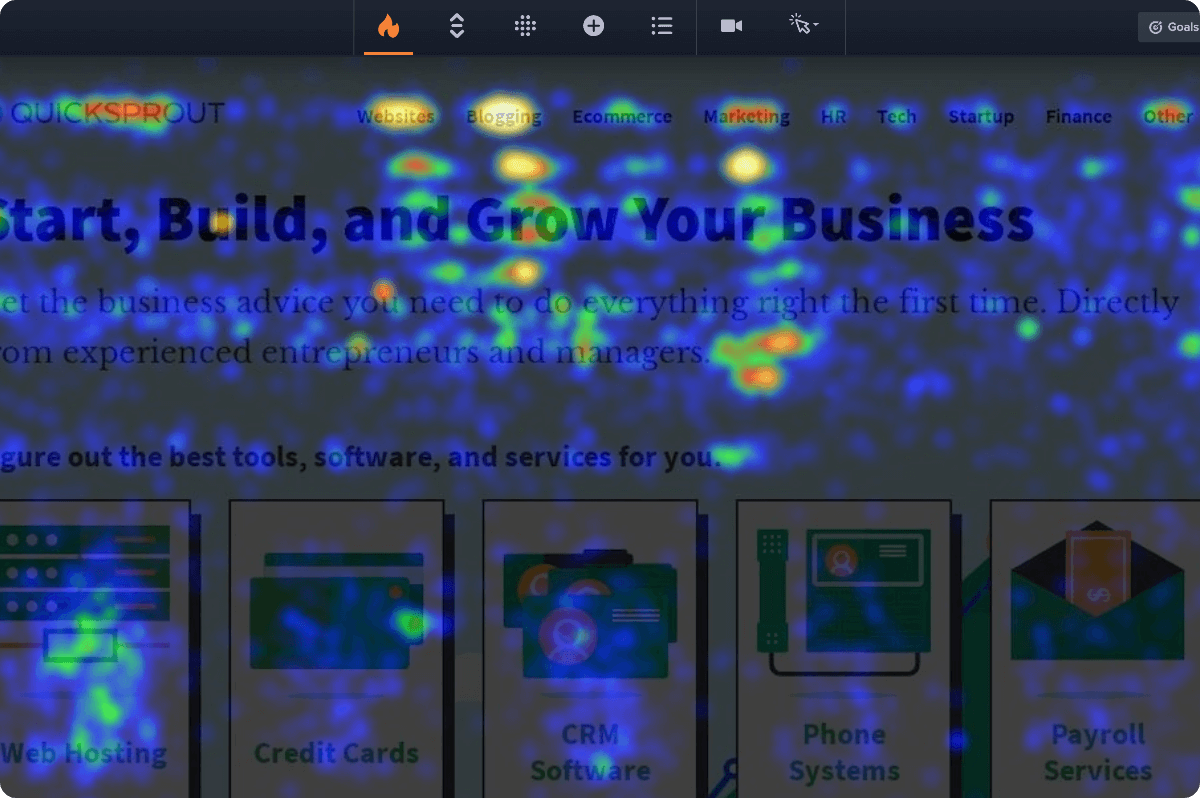
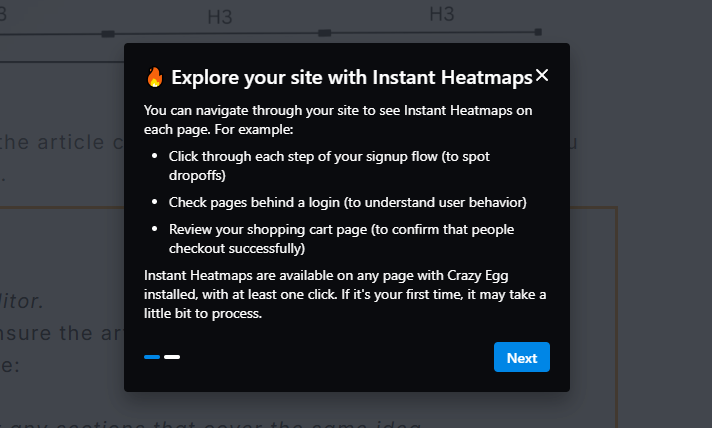
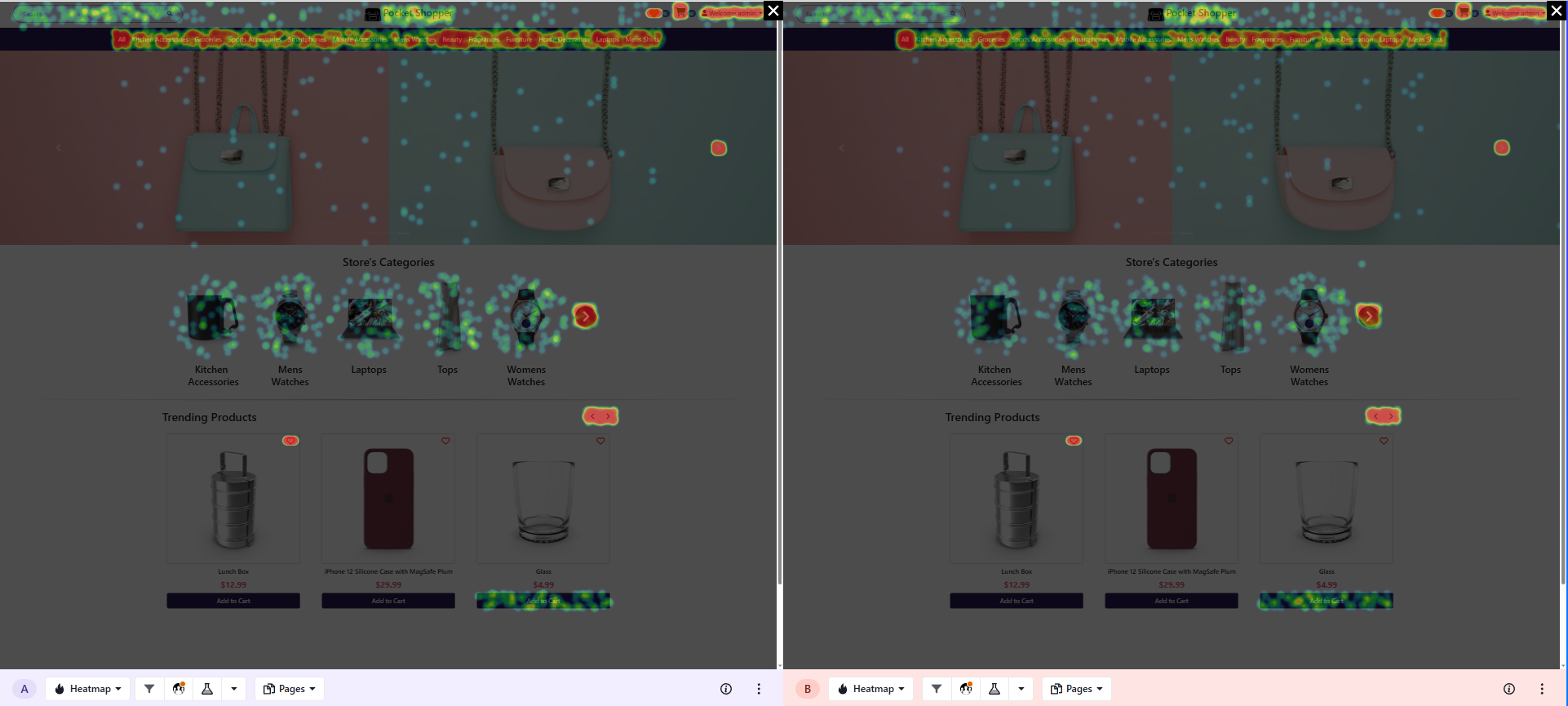
Crazy Egg’s visual suite is anchored by five distinct map types, most notably its proprietary Confetti Map. Unlike standard heatmaps that aggregate all clicks into a "glow," the Confetti Map allows for per-click segmentation. Users can filter clicks by traffic source, device type, or even custom UTM parameters directly on the visual overlay. This level of granularity enables marketers to see, for instance, how organic search visitors interact with a page differently than those arriving via a specific LinkedIn campaign. Additionally, Crazy Egg’s introduction of "Instant Heatmaps" provides an auto-generated overview across an entire site, removing the need for manual setup on every individual page.
The VWO Approach: Friction and Dynamics
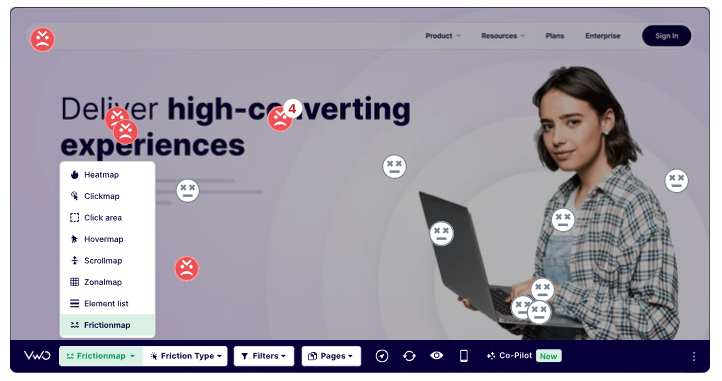
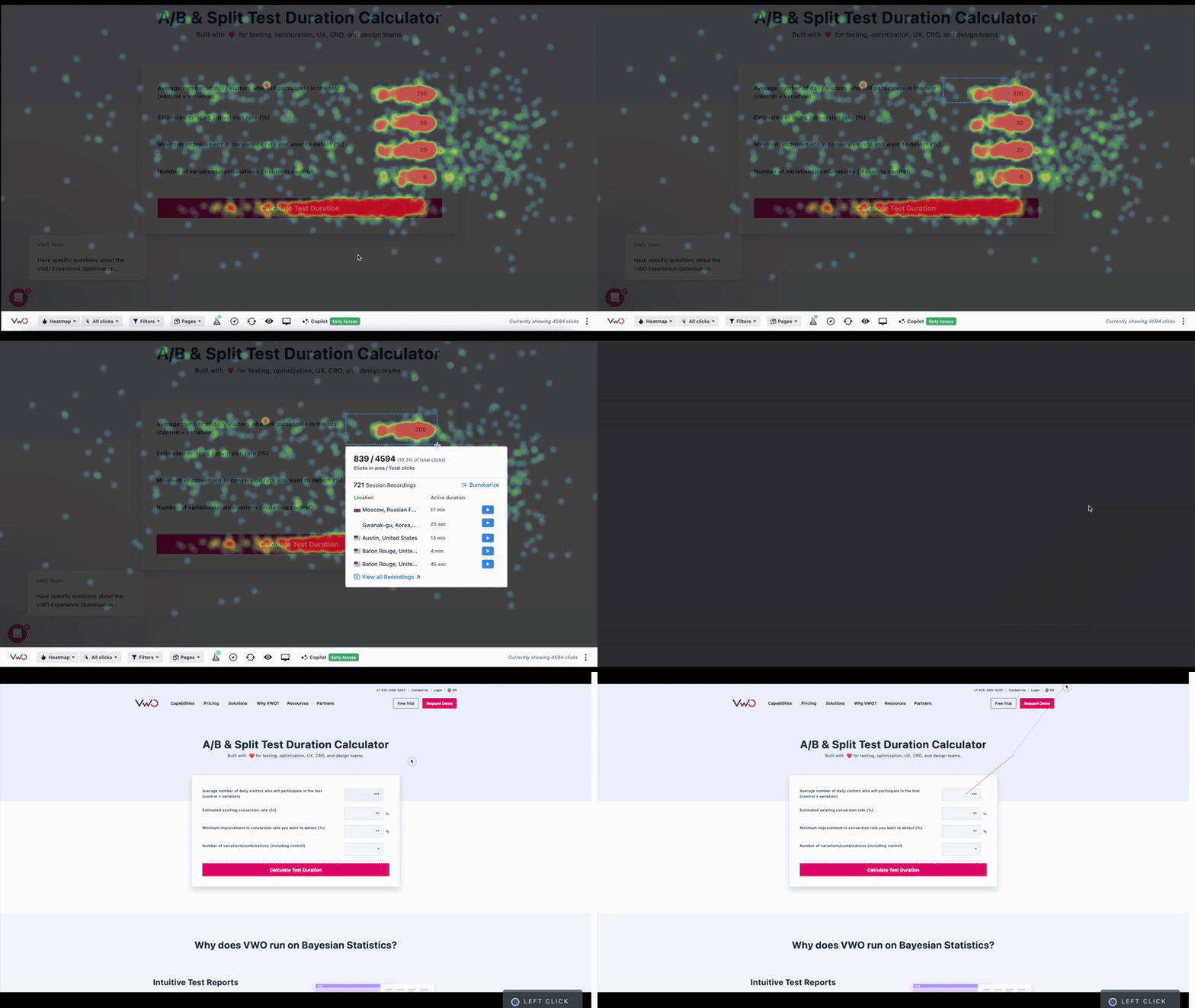
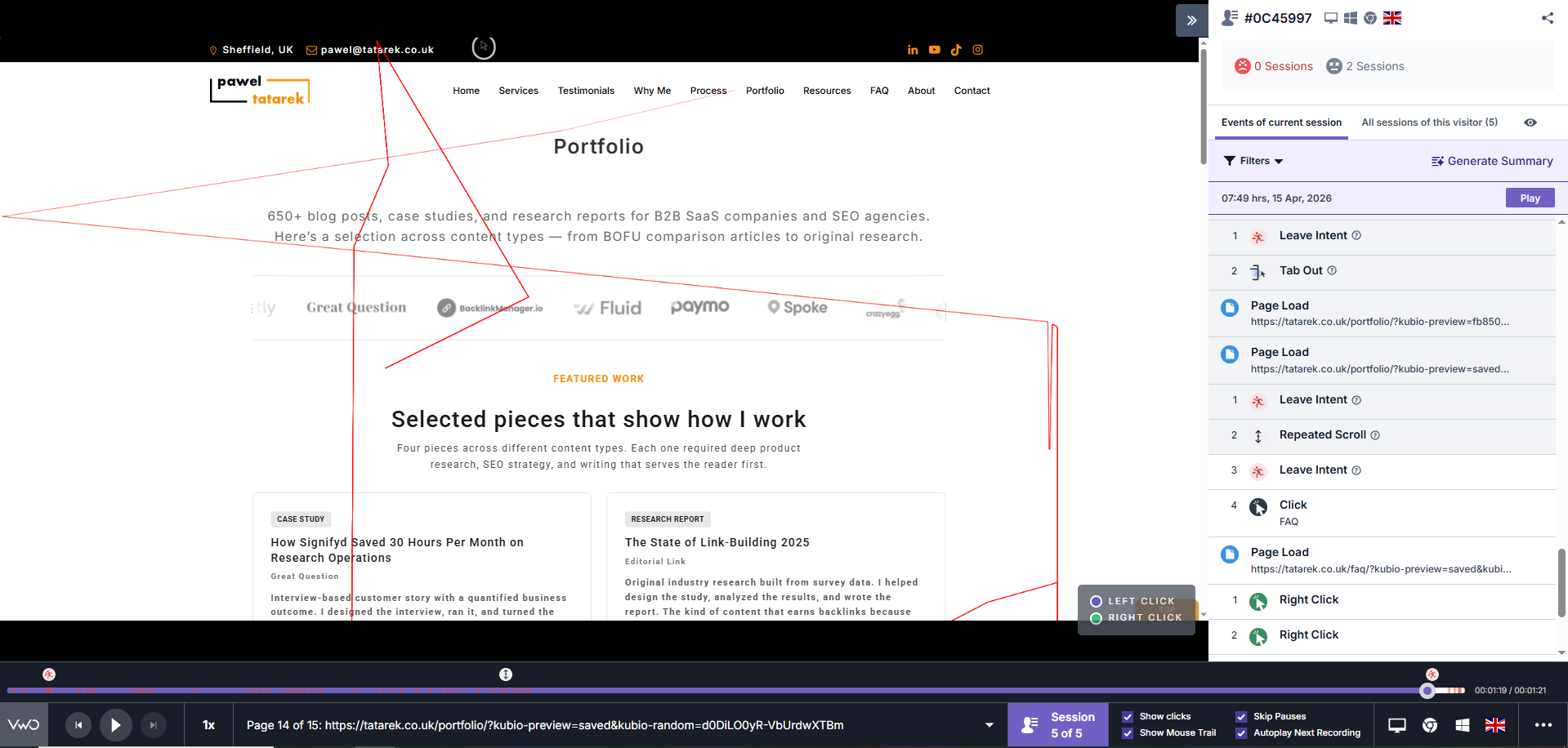
VWO, through its "Insights" module, offers seven map types, including specialized views like the Frictionmap and Zonalmap. These tools are designed to identify where users encounter "stuck" points or "rage clicks" with high precision. VWO’s strength lies in its dynamic heatmaps, which can track interactions with moving elements like carousels or modal pop-ups. However, VWO lacks a direct equivalent to the Confetti Map, meaning users often have to rely on side-by-side comparisons of two segments rather than seeing multi-segment data on a single view.
Behavioral Forensics: Session Recordings and Data Retention
Session recordings provide the qualitative "why" behind the quantitative "what" of web analytics. The primary differentiator in 2026 remains the tension between data sampling and data retention.
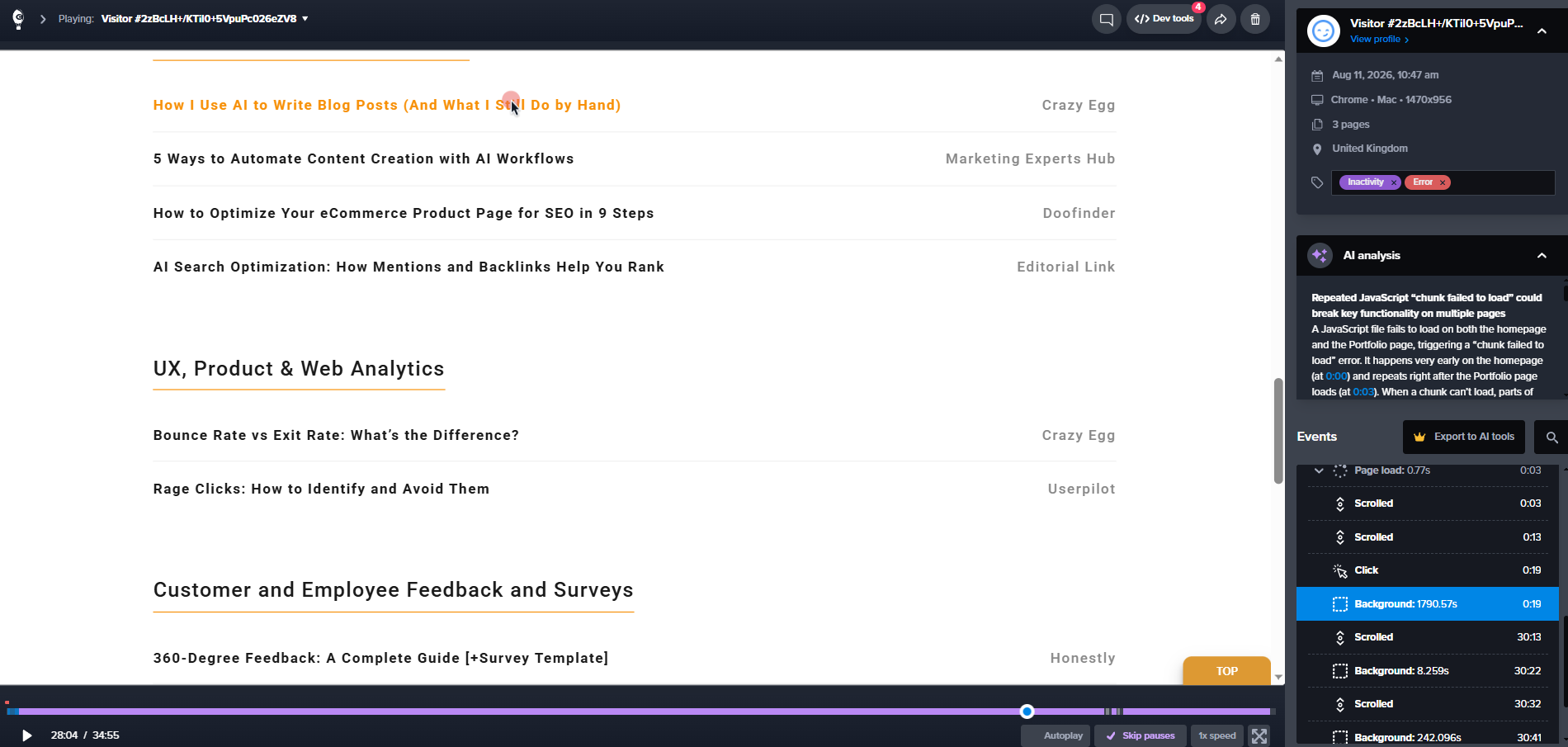
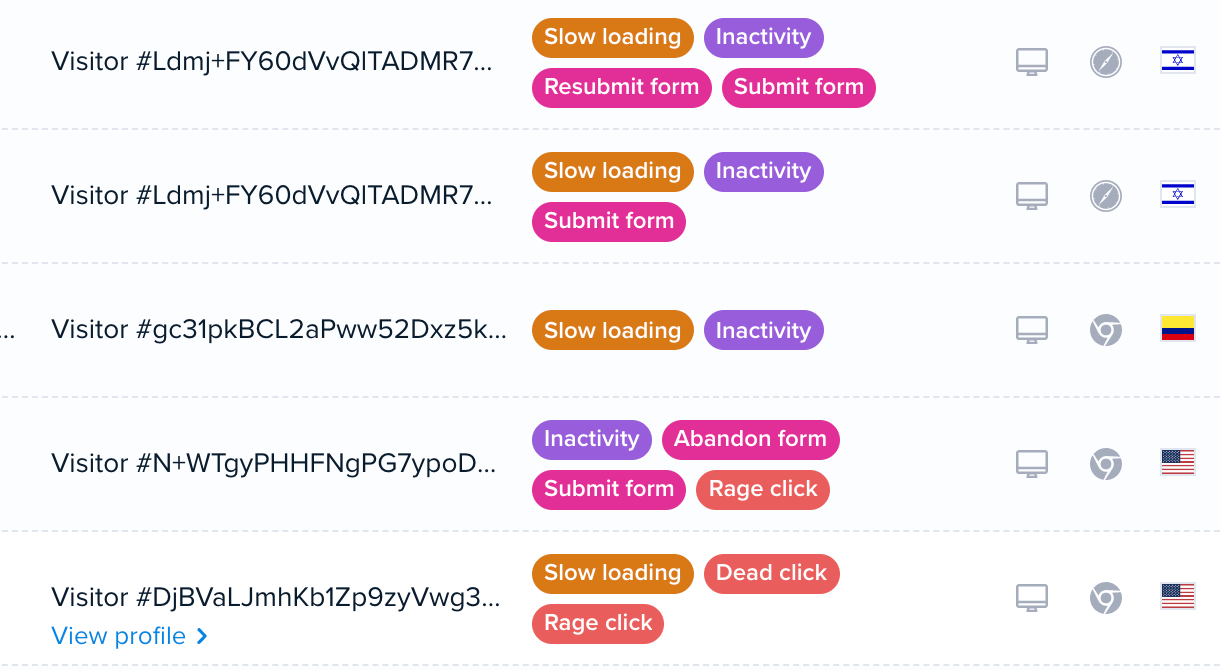
Crazy Egg has adopted a high-retention model. Depending on the plan, recordings are stored for six months to two years. This allows businesses to conduct long-term longitudinal studies of user behavior, comparing how a site redesign in Q1 affects behavior in Q4. Furthermore, Crazy Egg’s recordings are auto-tagged with over 13 event types, including behavioral signals (excessive scrolling), ecommerce actions (checkout abandonment), and technical errors, linking directly to their Error Tracking module.
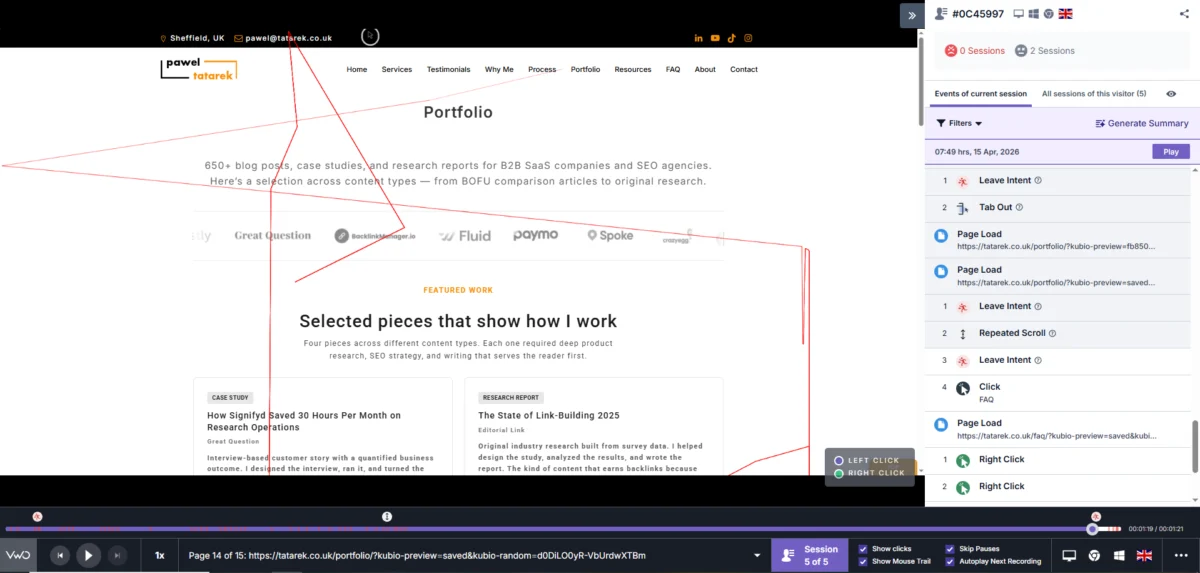
VWO’s "unlimited" recording model comes with a caveat: sampling. Not every visitor is recorded, which can lead to gaps in data for low-traffic pages or specific edge-case user journeys. Furthermore, VWO’s data retention typically tops out at three months, necessitating a more immediate analysis cycle. To compensate, VWO offers robust collaboration features, such as the ability to annotate recordings and download files for offline review, features that are particularly valuable for large, cross-functional teams.
Experimentation Frameworks: A/B Testing and Personalization
The core of any optimization program is the ability to test hypotheses. VWO and Crazy Egg offer radically different entry points into experimentation.
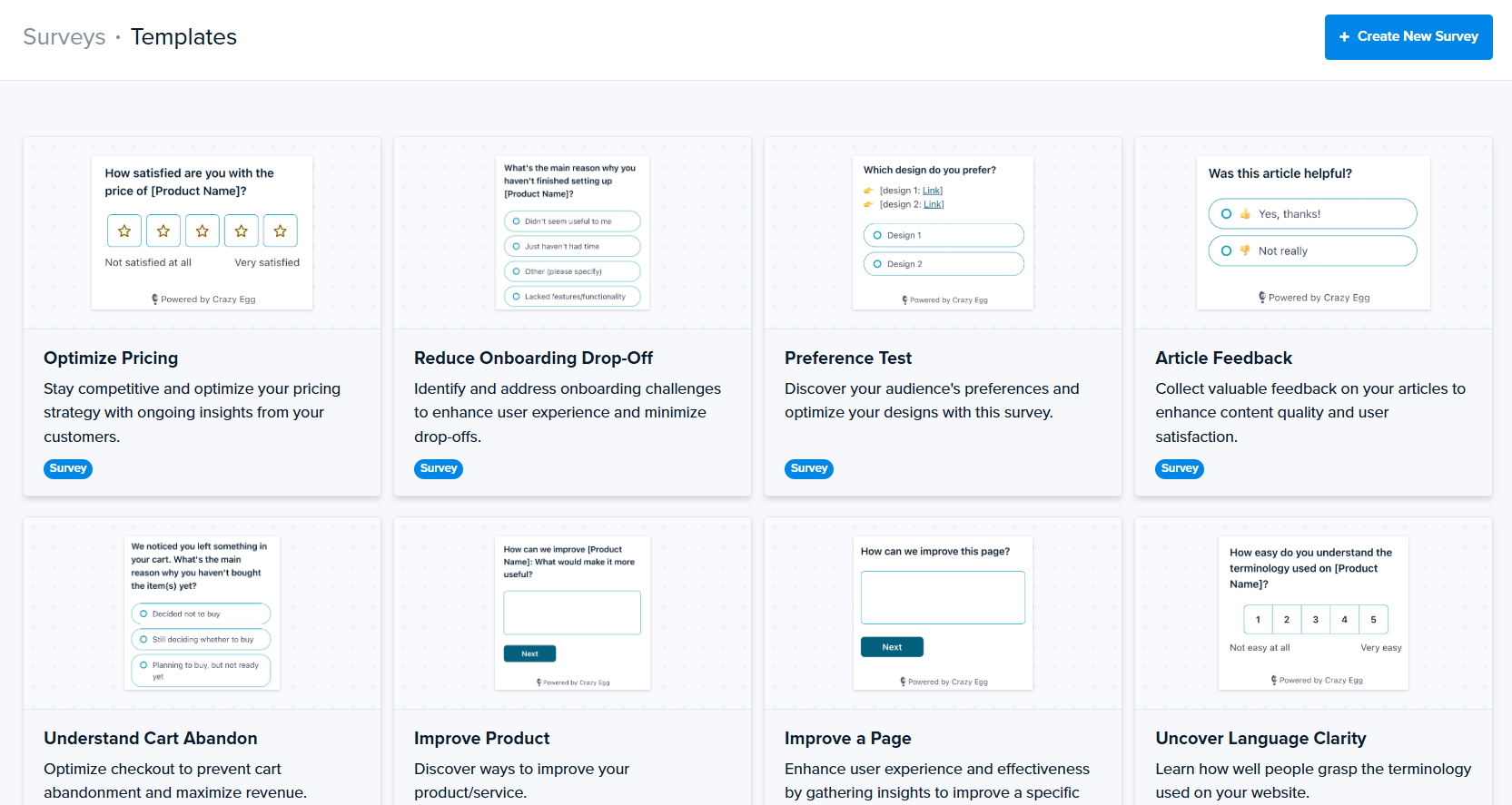
Crazy Egg provides a visual editor and multi-armed bandit (MAB) testing as part of its core subscription. Its focus is on "always-on" personalization. By using targeted variants, a marketing team can send specific segments (e.g., returning customers from a specific region) to a customized version of a page indefinitely. This effectively turns an A/B test into a permanent personalized experience without requiring a separate personalization engine.
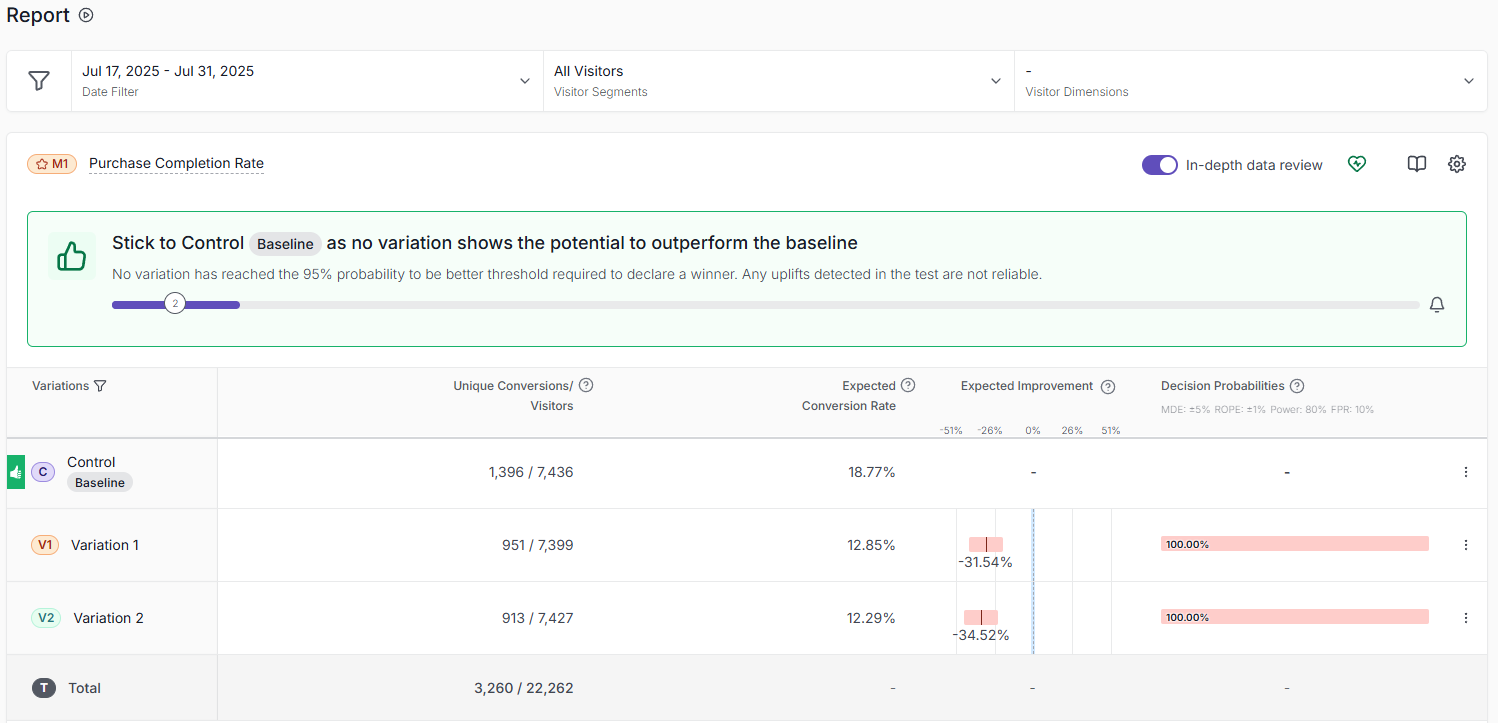
VWO Testing, now bolstered by AB Tasty’s technology, is a more powerful engine designed for developers and data scientists. It supports server-side experiments, feature flags, and mobile app testing. These capabilities are essential for companies that need to test backend logic or rollout new features gradually. However, VWO treats testing as a separate product, meaning a company using VWO for heatmaps must pay an additional subscription fee to unlock A/B testing capabilities.
Data Logic: Retroactive Funnels vs. Granular Form Analytics
Understanding the user journey through conversion funnels is a critical requirement for 2026 digital strategy. The two platforms handle this data with different logic.
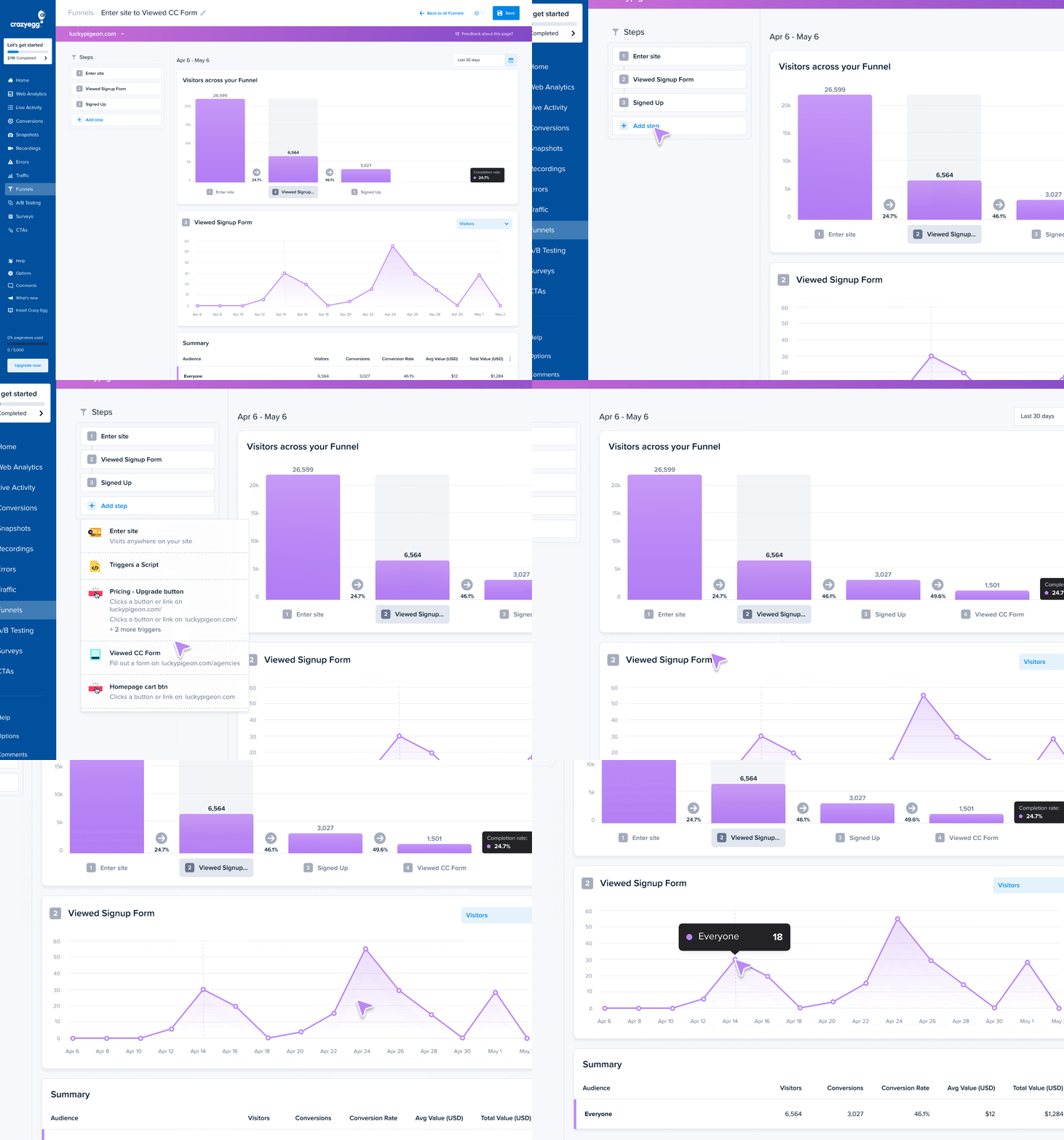
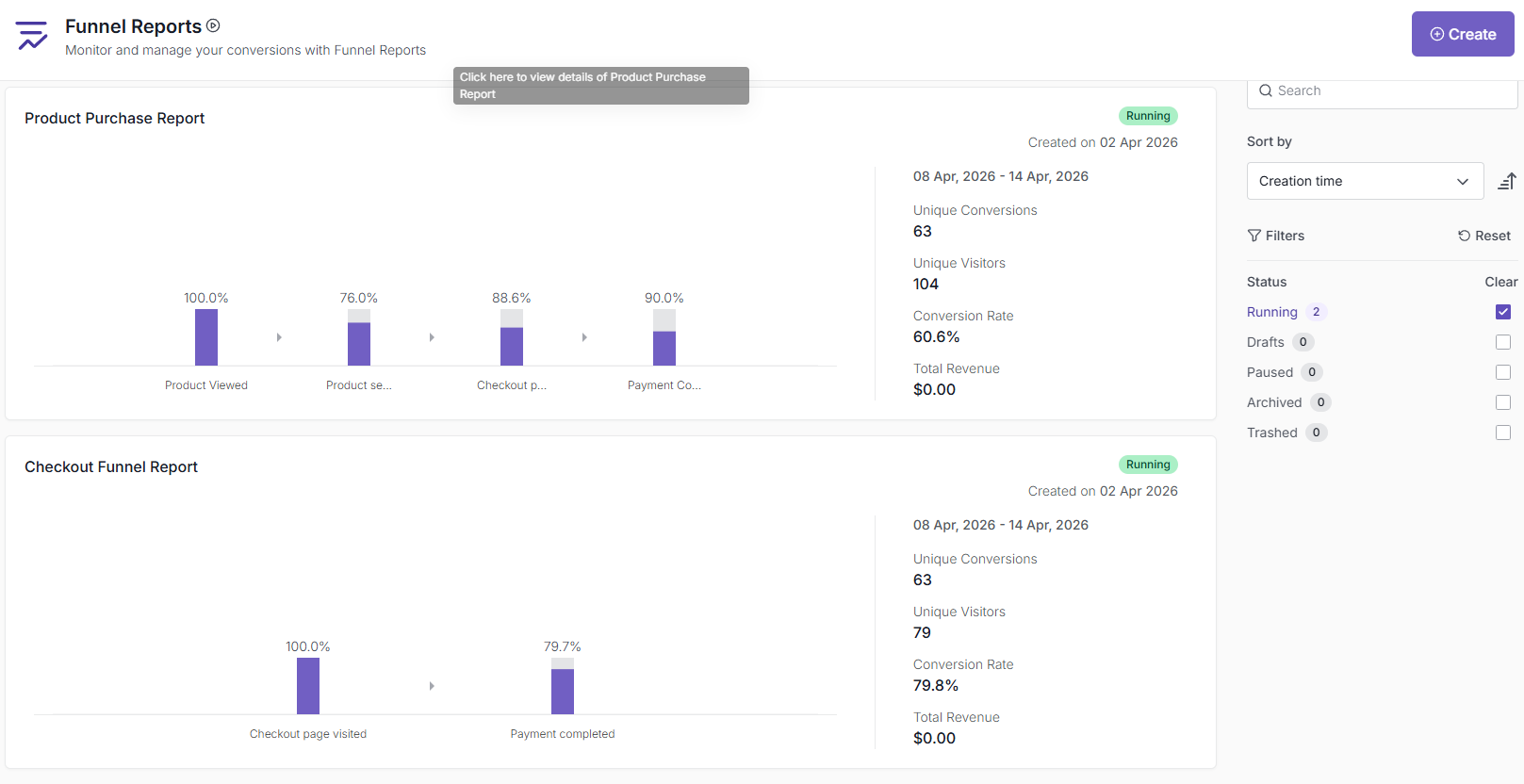
Crazy Egg utilizes retroactive funnels. Because the tool tracks data continuously, a user can build or rearrange a funnel today and see how it would have performed six months ago. This "no-limit" approach to funnel creation encourages exploration and hypothesis testing without the fear of data loss. Additionally, Crazy Egg offers "Conversion Analytics" as a free feature, tracking button clicks and ad pixels from Google, Meta, and TikTok.
VWO’s funnels are not retroactive. If a marketer decides to add a step to a funnel, the historical data is flushed, and the tool begins collecting data from that point forward. To offset this, VWO offers superior "Form Analytics." This tool provides field-level data, showing exactly which part of a form (e.g., a phone number field) causes the most hesitation or abandonment. For lead-generation businesses, this granular insight into form friction can be more valuable than retroactive funnel data.
The Advent of Agentic AI in Digital Marketing
2026 has been defined by the transition from generative AI to agentic AI—systems that don’t just create content but execute workflows.
Crazy Egg has integrated "Tasks," an agentic workflow builder. This system reads a company’s heatmaps and recordings, identifies patterns of friction, and then automatically generates an executive-ready PDF report with prioritized recommendations. It can even draft new page variants for A/B tests based on its findings. By offering an MCP connector, Crazy Egg also allows users to query their behavioral data directly from external AI models like Claude or ChatGPT, ensuring that the user is not locked into a single AI ecosystem.

VWO’s AI layer, branded as "Wandz," consolidates the legacy VWO Copilot with AB Tasty’s Evi assistant. Wandz excels at test ideation and copy recommendations. It provides an AI chat assistant for feature experimentation and can generate variations of a webpage with minimal manual input. While VWO’s AI is highly integrated into the experimentation workflow, many of its most advanced features remain in "Early Access" with separate pricing structures yet to be fully transparently disclosed.
Financial Models and Scalability
The most significant divergence between Crazy Egg and VWO lies in their billing philosophy.
Crazy Egg utilizes a "Tracked Pageview" model. Customers are only billed for pages where they have actively enabled heatmaps or A/B tests. Passive features like web analytics and surveys do not count against the quota. This leads to a predictable cost structure; a year of Crazy Egg’s Enterprise tier is priced at approximately $7,188.
VWO operates on a "Monthly Tracked User" (MTU) model. Every unique visitor who lands on a site where VWO’s code is installed counts toward the billing limit, regardless of whether they interact with a test or a heatmap. Industry data from 2025 and 2026 suggests a median contract value for VWO of approximately $16,660 per year, often including annual price escalation clauses. For high-traffic sites, the cost of VWO can scale rapidly, making it a significant capital expenditure.
Security, Compliance, and Data Integrity
Both platforms have achieved high standards of data security, though they cater to different regulatory needs. Crazy Egg maintains GDPR and CCPA compliance with a focus on simplicity, offering field masking and IP anonymization as standard. VWO offers a more extensive list of certifications, including SOC 2 Type II, ISO 27001, and PCI DSS. This makes VWO the preferred choice for highly regulated industries such as banking or healthcare, where third-party security audits are a mandatory part of the procurement process.
Strategic Implications and Market Outlook
The choice between Crazy Egg and VWO in 2026 ultimately depends on the maturity of the organization’s optimization program.
Crazy Egg represents the "Agile Optimization" path. It is designed for teams that need to move fast, minimize costs, and have all their tools in one place. Its move into agentic AI with "Tasks" suggests a future where the tool acts as an automated CRO consultant, reducing the need for high-headcount marketing teams.
VWO represents the "Deep Experimentation" path. Following the AB Tasty merger, it is a powerhouse for organizations that view experimentation as a core product development function rather than just a marketing tactic. While more expensive and complex, its ability to handle server-side testing and native mobile app analytics makes it indispensable for enterprise-level digital products.
As the fiscal year progresses, the market expects further consolidation in the MarTech space. However, the clear distinction between the bundled value of Crazy Egg and the specialized modularity of VWO ensures that both platforms will continue to serve distinct, vital roles in the global digital economy. Companies are advised to audit their actual usage of experimentation tools over the previous four quarters before committing to the high-ticket renewals typical of the VWO/AB Tasty ecosystem.







