rifanmuazin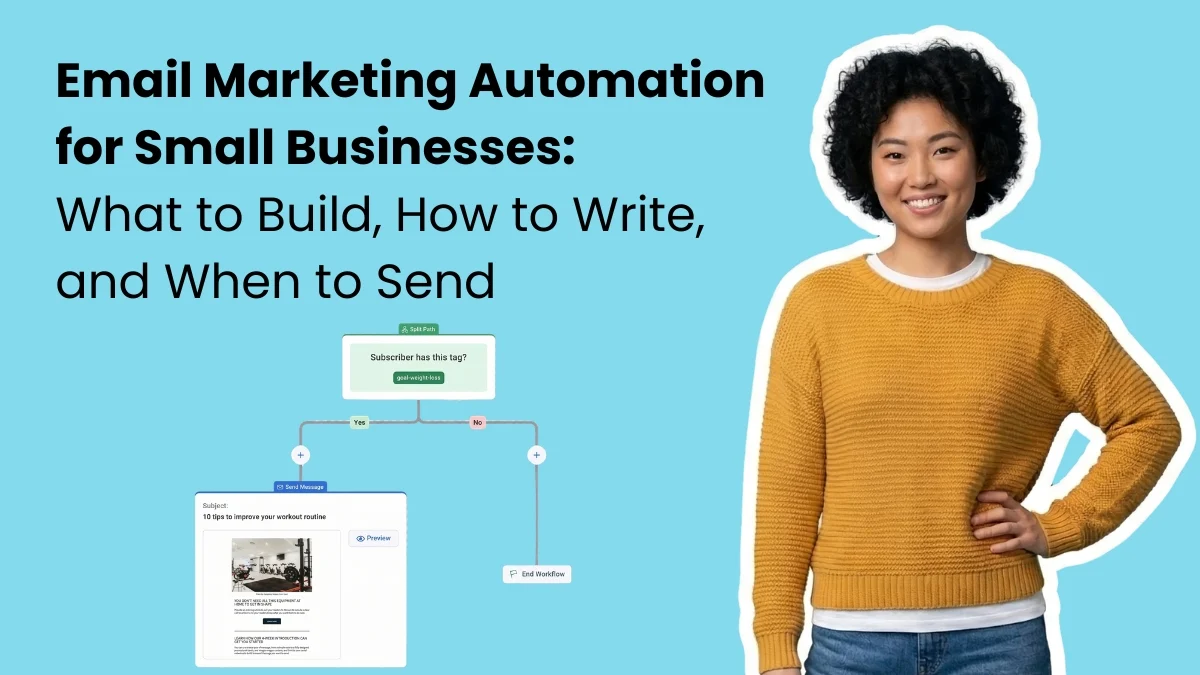
In today’s fiercely competitive digital arena, the journey from a nascent lead to a loyal customer is often fraught with distractions and missed opportunities, particularly for small businesses operating with lean teams and limited resources. A new subscriber, having taken the initial step of engaging with a brand and providing their email address, often finds themselves in a vacuum of communication if follow-up is not immediate and consistent. This lapse, often a consequence of competing demands on a small business owner’s time, frequently results in the subscriber forgetting the brand, leading to a significant loss of potential revenue and relationship building. The solution, increasingly recognized as not merely a convenience but a strategic imperative, is email marketing automation.
Email marketing automation represents a sophisticated yet accessible system designed to dispatch tailored communications precisely when a subscriber takes a specific action, or inaction. Whether it’s a new sign-up, a purchase, a link click, or a period of inactivity, this system ensures timely and relevant engagement without requiring manual intervention for each individual instance. Instead, the sequence of emails is meticulously crafted and configured once, then operates autonomously, creating a perpetual engagement engine. For small businesses, this capability transcends the realm of "nice-to-have" and firmly entrenches itself as a "must-have." Many small enterprises traditionally engage in reactive email marketing, sending messages only when there’s an immediate announcement, a sale to promote, or when someone on the team remembers to do so. This sporadic approach inevitably leads to cold leads, such as the individual who downloaded a valuable guide days ago but has received no further communication. Automation bridges this gap, ensuring that crucial follow-up messages are delivered precisely when they are most impactful.
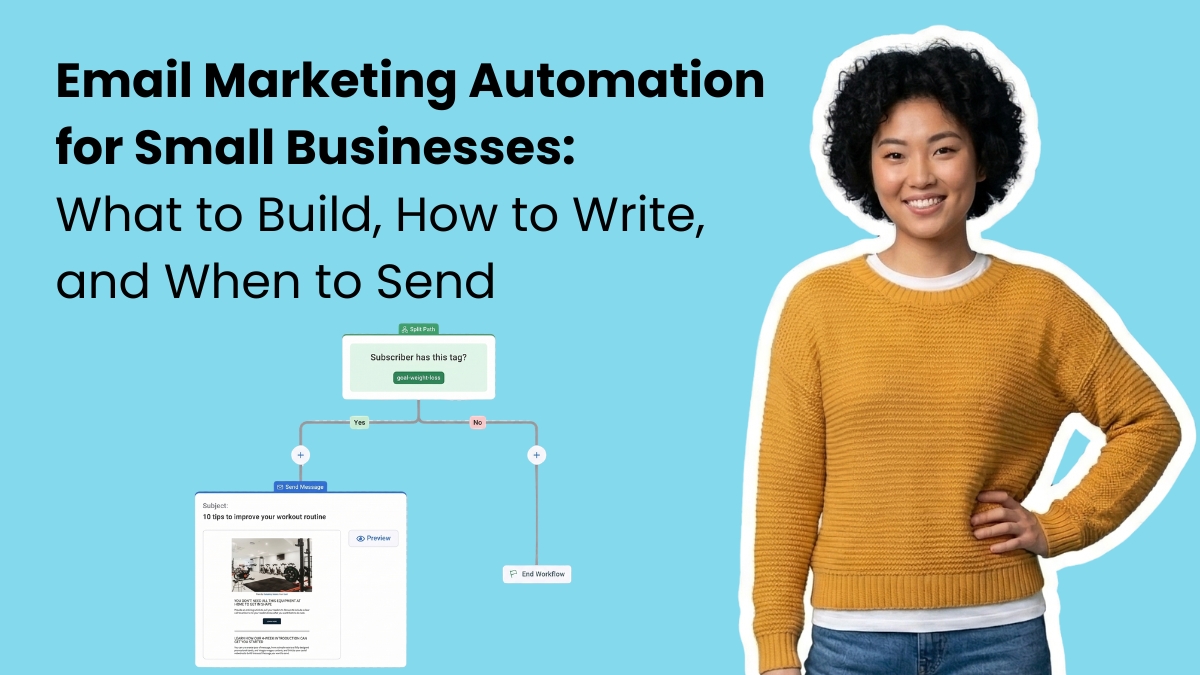
This comprehensive guide delves into the strategic deployment of email marketing automation, specifically tailored for small businesses. It moves beyond a rudimentary explanation of what automation entails, instead focusing on which automations to prioritize and how to implement them for maximum impact. It is designed for solo operators, agile teams, and entrepreneurs dedicated to making their email communications work harder and smarter.
The Paradigm Shift: From Manual to Automated Engagement
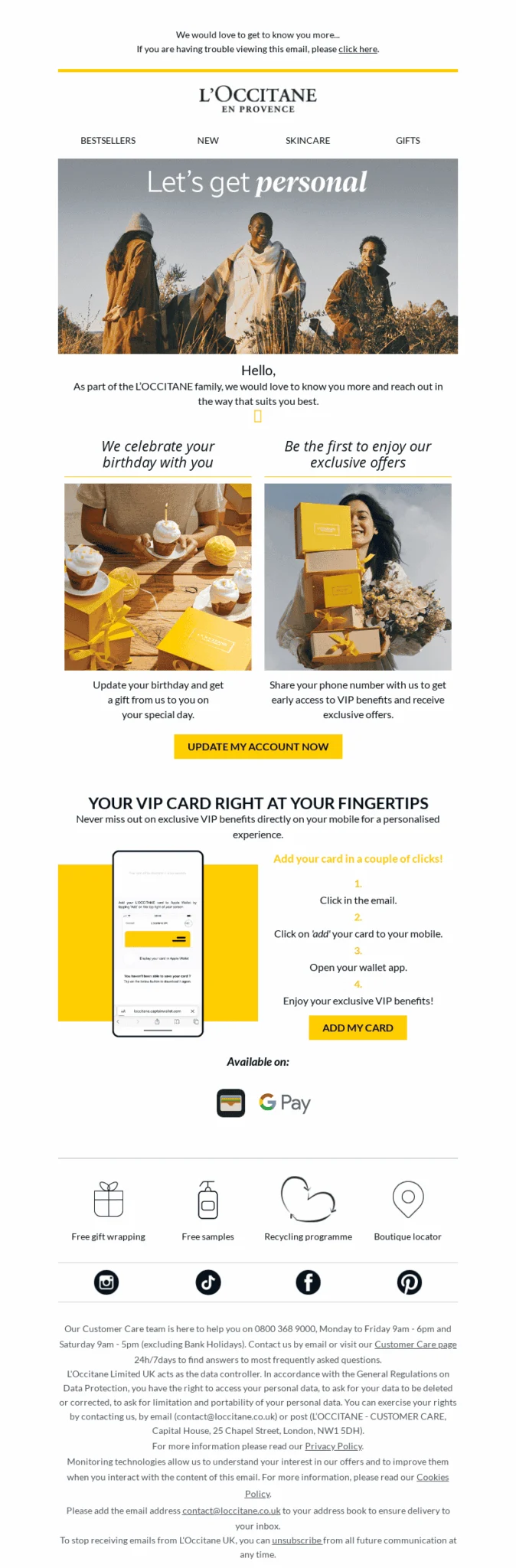
The evolution of digital marketing has been marked by a constant pursuit of efficiency and personalization. Historically, email marketing was a laborious, manual process. Businesses would painstakingly craft individual emails or blast generic messages to their entire list, irrespective of individual subscriber behavior or preferences. This approach, while a step up from no digital communication, was inherently inefficient and often led to low engagement rates. The advent of email marketing automation, however, heralded a paradigm shift. It allowed businesses to segment their audiences based on specific triggers and behaviors, delivering highly personalized content at scale. This move from mass communication to intelligent, triggered sequences has transformed email from a mere broadcast channel into a dynamic, interactive engagement platform.
In an increasingly crowded digital landscape, customer expectations have also risen. Subscribers now anticipate relevant, timely, and personalized communication. They are less tolerant of generic blasts and more likely to disengage if their interactions are not acknowledged or followed up on promptly. For small businesses, competing with larger entities that possess extensive marketing teams and budgets, automation provides a crucial equalizer, enabling them to deliver a sophisticated customer experience without the associated overhead.
Understanding Email Marketing Automation: A Strategic Definition
At its core, email marketing automation is a system that orchestrates the sending of emails (or sequences of emails) automatically in response to predefined triggers. These triggers are specific actions or conditions met by a subscriber, such as subscribing to a mailing list, completing a purchase, clicking a particular link within an email, or even exhibiting a prolonged period of inactivity (e.g., 90 days without opening an email). The key distinction is that these emails are not manually composed and sent each time; rather, they are pre-written and programmed to deploy automatically when the designated trigger "fires."
This capability allows for the automation of a single, immediate email (like a welcome message) or an entire, multi-stage sequence designed to nurture a lead or re-engage a dormant contact over an extended period. Industry research consistently underscores the strategic importance of email marketing for small businesses. According to AWeber’s research, a significant 79% of small businesses consider email marketing important or very important to their overarching business strategy. Automation is the engine that makes this strategy sustainable, particularly for lean operations where time and manpower are precious commodities. It ensures consistency, scales effortlessly with growth, and personalizes the customer journey in a way that manual efforts simply cannot replicate.
The Unseen Costs of Inconsistency: Why Automation is Non-Negotiable
One of the most significant challenges for small businesses is maintaining consistent engagement. AWeber’s research indicates that while 86% of small businesses send emails at least once a month, only 54% manage to send them weekly. This inconsistency is a primary culprit behind cold leads and missed opportunities. It’s not necessarily that subscribers lose interest; rather, the absence of continuous, relevant communication allows the initial spark of interest to fade.
Automation resolves this by ensuring that follow-up is not only consistent but also precisely timed. Consider a scenario where a subscriber downloads a valuable resource but then hears nothing for three weeks. This represents a substantial missed opportunity to deepen the relationship. Conversely, an automated three-email nurture sequence, initiated the moment the download occurs, transforms a transactional event into the beginning of a meaningful engagement. This consistent, timely delivery of value keeps the brand top-of-mind and incrementally builds trust.
Furthermore, automation provides unparalleled scalability. A small business owner might realistically manage to personally follow up with a handful of new leads, perhaps ten at most. However, this model quickly breaks down when the number of leads grows to one hundred or one thousand. Automation, by its very nature, is tireless. It processes an unlimited number of triggers and sends without fatigue, ensuring that every subscriber receives the intended communication regardless of list size. This scalability is critical for businesses aiming for sustainable growth without perpetually increasing their operational burden.
Pillars of Engagement: Essential Automations for Small Businesses
To maximize impact, small businesses should strategically prioritize the implementation of automation sequences. The following five automations represent the highest-impact starting points, ideally built in the order presented.
The Crucial First Impression: The Welcome Series (3 to 5 emails)
The welcome email holds a unique position in email marketing; it is, statistically, the most-opened email a subscriber will ever receive. This moment of peak attention, immediately following a sign-up, is invaluable. A welcome series extends this initial introduction over several days or weeks, allowing for a more comprehensive brand immersion. A typical structure might include:
- Email 1 (Day 0 – Immediate): The immediate welcome and delivery of any promised lead magnet (e.g., a guide, discount code). This email should confirm subscription, set expectations, and introduce the brand’s core value proposition.
- Email 2 (Day 2): Share a popular piece of content (blog post, video, case study) that reinforces the brand’s expertise or value.
- Email 3 (Day 4): Introduce the team or the "why" behind the business, fostering a more personal connection.
- Email 4 (Day 6): Offer a specific call to action, perhaps a soft pitch for a flagship product or service, or an invitation to connect on social media.
- Email 5 (Day 8): A final piece of value or a testimonial, solidifying trust before transitioning to regular broadcast emails.
The efficacy of welcome emails is well-documented. Studies by WordStream and others indicate that welcome emails can generate up to 320% more revenue per email compared to standard promotional messages and boast open rates four times higher than other email types. This makes the welcome series the foundational automation, essential for converting new interest into active engagement.
Cultivating Connection: The Lead Nurture Sequence
Not every subscriber is immediately ready to make a purchase. In fact, most are not. A lead nurture sequence is designed to systematically build a case for your brand over time, educating and influencing potential customers so that when they are ready to buy, your business is the unequivocal choice. A simple nurture sequence might follow this pattern:
- Email 1 (Triggered by interest in a specific topic): Deliver further valuable content related to the initial interest, establishing authority.
- Email 2 (A few days later): Share a success story, case study, or testimonial that demonstrates the tangible benefits of your offerings.
- Email 3 (Later in the week): Address common objections or pain points that your target audience typically faces, positioning your solution as the answer.
- Email 4 (End of the sequence): A soft call to action, inviting them to learn more, book a consultation, or explore a specific product.
The objective here is not aggressive selling but rather earning the decision through consistent value delivery. As brand coach Coleen Otero emphasizes, "having someone’s attention and high open rates means they’re interested. They’re just not ready yet. Your job is to keep showing up with value until they are." Nurture sequences are particularly vital for businesses with longer sales cycles, transforming initial interest into informed, qualified leads.
Recapturing Lost Revenue: Abandoned Cart Recovery (E-commerce Focus)
For e-commerce businesses, an abandoned cart is not a definitive lost sale but a warm lead that simply got sidetracked. Customers frequently add items to their carts but leave for various reasons: distractions, a sudden change of mind, unexpected shipping costs, or a desire to compare prices. Automated abandoned cart recovery emails are designed to re-engage these potential buyers.
These emails are most effective when sent within the first hour of abandonment. A multi-email sequence typically outperforms a single reminder:
- Email 1 (1 hour after abandonment): A gentle reminder of the items left in the cart, perhaps with a compelling image.
- Email 2 (24 hours later): A follow-up that might address common objections (e.g., free shipping reminder, customer support link) or highlight product benefits.
- Email 3 (48-72 hours later): A final nudge, potentially including a small incentive (e.g., a limited-time discount, free gift) to encourage completion of the purchase.
Industry statistics from sources like Stripo.email reveal that the typical conversion rate for abandoned cart emails ranges from 10% to 15%, making them among the highest-performing sequences in email marketing. For a small e-commerce business, this automation directly translates into recaptured revenue that would otherwise vanish.
Reviving Dormant Relationships: The Re-engagement Campaign
All email lists experience natural decay. Subscribers’ interests change, email addresses become inactive, or they simply stop opening messages. A subscriber who signed up 18 months ago and hasn’t opened an email in 90 days not only represents a missed opportunity but can also negatively impact your overall email deliverability by signaling to inbox providers that your content isn’t engaging.
A re-engagement sequence serves a dual purpose: it attempts to win back subscribers who might still be interested and provides a clear mechanism to remove those who are no longer engaged. A standard three-email re-engagement sequence might look like this:
- Email 1 (Triggered by 90 days of inactivity): A "We miss you!" message, reminding them of your value and asking if they still wish to receive communications.
- Email 2 (7-14 days later): Highlight recent popular content or a new offering, attempting to spark renewed interest.
- Email 3 (Another 7-14 days later): A final "last chance" email, clearly stating that if no action is taken, they will be unsubscribed, often with a simple click-to-stay-subscribed option.
Subscribers who do not engage after this sequence can be confidently removed from your list. This list hygiene practice improves your deliverability rates, enhances the accuracy of your engagement metrics, and ensures your open rates reflect a genuinely interested audience.
Building Lasting Loyalty: Post-Purchase Follow-Up
The transaction should never be viewed as the end of the customer relationship; rather, it is the beginning. A post-purchase sequence is instrumental in converting one-time buyers into repeat customers and brand advocates. This series of automated emails fosters loyalty and enhances the overall customer experience:
- Email 1 (Immediate after purchase): A thank-you message, order confirmation, and details on shipping/delivery.
- Email 2 (After delivery): A "How’s your new [product/service]?" email, offering tips for use, support resources, or asking for feedback.
- Email 3 (A week or two later): Suggest complementary products or services, or invite them to join a loyalty program.
- Email 4 (Later): Request a review or testimonial, which can be invaluable for social proof.
This sequence systematically handles the relationship maintenance that many small businesses, due to time constraints, often overlook. Automation ensures these critical touchpoints are consistently delivered, transforming satisfied customers into repeat business.
Strategic Implementation: Setting Up Your Automated Campaigns
Every effective email automation sequence comprises three fundamental elements: a trigger, a carefully crafted series of emails, and precise timing between each message. Mastering these components simplifies the setup process on any modern email marketing platform.
-
Choose Your Trigger: The trigger is the specific action or condition that initiates the automation sequence. For beginners, the most common and logical starting point is a new subscriber joining your email list. Other powerful triggers include a completed purchase, a click on a specific link within an email, or the application of a particular tag to a subscriber’s profile. Begin with a single, clear trigger, knowing that more complex conditional logic can be integrated as you gain experience.
-
Write the Emails Before Building the Workflow: A common pitfall is to immediately dive into the workflow builder of an email platform. This often leads to frustration and stagnation. A more effective approach is to first write all the emails for your sequence in a separate document, organizing them in their intended order. This allows you to focus solely on the messaging, value proposition, and call to action for each email. Having the content ready transforms the workflow setup from a daunting creative task into a straightforward technical configuration.
-
Define the Timing: The interval between emails is crucial for optimal engagement. For a welcome series, a proven structure often involves sending emails on Day 0 (immediate), Day 2, Day 4, Day 6, and Day 8. For re-engagement campaigns, a longer spacing of 7 to 14 days between emails allows subscribers sufficient time to respond before the next message arrives. Experimentation and monitoring will help refine these intervals for your specific audience.
-
Integrate Tags at Key Junctions: Tags are powerful tools for segmentation and personalization. They allow you to mark subscribers based on their actions or progression through a sequence. For example, apply a "welcomed" tag to anyone who completes your welcome series, preventing them from receiving it again if they somehow rejoin your list. Similarly, tagging subscribers who click a specific link or complete a purchase enables highly targeted future communications, ensuring relevance and avoiding redundant messages.
-
Rigorous Testing Before Activation: Never launch an automation sequence without thorough testing. Send every email in the sequence to yourself (and ideally a few colleagues) to simulate the subscriber experience. Check mobile rendering for readability, verify that every link functions correctly, and confirm that the wait times between emails are accurately configured. A broken link or an incorrectly spaced sequence can create a negative first impression, undermining the entire effort.
-
Activate and Continuously Monitor: Once confident in your testing, activate the automation. The work doesn’t stop there. Closely monitor the performance metrics—open rates, click-through rates, and conversion rates—after the first 50 to 100 subscribers have completed the sequence. If a particular email exhibits a significantly lower open rate, it may indicate an issue with the subject line or the timing of its delivery, necessitating adjustments. Most modern email platforms, such as AWeber, offer intuitive visual workflow builders, often with point-and-click interfaces and pre-built templates, significantly simplifying the setup process without requiring coding expertise.
Crafting Compelling Automated Emails: Best Practices for Impact
While setting up the technical automation is relatively straightforward, writing emails that resonate with your audience is where many small businesses falter. Adhering to a few core principles can dramatically enhance the effectiveness of any automated sequence:
- Lead with Value, Not Offers: The "value-value-value-offer" sequence is a time-tested strategy. Delivering three pieces of useful, free content or insights before making any explicit sales pitch builds trust and rapport. This approach positions your brand as a helpful resource rather than just a seller.
- Write for One Person: Although automated emails are sent to many, each subscriber reads it individually. Avoid generic phrases like "Hey everyone" or "Dear customers." Instead, adopt a conversational, one-on-one tone. Address the reader directly, as if you were speaking to a single individual, to create a more intimate and engaging experience.
- Maintain a Consistent Sender Name: Recognition fosters trust. Use a consistent sender name, preferably your personal name (e.g., "Sean from [Your Business Name]") rather than just your brand name in the "From" field. People are more likely to open emails from individuals they perceive as familiar.
- Prioritize Brevity: Automated emails are not newsletters intended for extensive reading. They are designed to be concise conversations, guiding the subscriber to a specific next step. Two or three well-crafted paragraphs with a single, clear call to action will almost always outperform a lengthy, information-dense message.
- Thorough Testing is Non-Negotiable: Reiterate the importance of sending test emails. Check how the email renders on various devices, especially mobile, and click every single link. A broken link in a welcome series is not just a technical glitch; it’s a detrimental first impression. Modern platforms often include features like URL checkers to proactively identify and prevent such issues.
- Leverage AI for Initial Drafts, Then Personalize: Tools like AWeber’s AI Writing Assistant, integrated directly into email editors, can generate a complete first draft from a concise prompt. For example, a prompt like "Write a welcome email for a [type of business] that delivers a [lead magnet] and tells the subscriber what to expect over the next week. Warm, direct tone. Under 200 words" can quickly produce a usable starting point. The goal is not to automate your voice entirely, but to eliminate the daunting blank page, allowing you to focus on refining the message with your unique brand voice and specific details.
Tailoring Automation to Your Business Model
The most effective automation strategies are those specifically adapted to a business’s operational model and customer journey.
- Service Businesses (Coaches, Consultants, Freelancers, Agencies): For businesses selling expertise and time, welcome series and lead nurture sequences are paramount. Their sales cycles are typically longer, requiring a sustained effort to build trust and demonstrate value over several weeks. A high-value addition is a discovery-call confirmation automation, which triggers a preparatory sequence upon booking, setting expectations and significantly reducing no-show rates.
- E-commerce and Retail: These businesses should prioritize welcome series and abandoned cart recovery first, as these directly impact immediate revenue. Post-purchase follow-up then becomes crucial for driving repeat sales and fostering customer loyalty.
- Restaurants and Local Businesses: A compelling welcome email often includes an immediate offer (e.g., a first-time discount, a free item). Pre-visit reminder sequences (for reservations) and post-visit follow-ups requesting reviews are highly effective. A re-engagement campaign on a 60-day cycle can be instrumental in bringing back regular patrons.
- Nonprofits: A robust welcome series introducing the organization’s mission and impact is vital. This should be followed by a donor nurture sequence that builds a compelling case for giving before a direct ask is made. A post-donation thank-you sequence is critical for improving donor retention, as research shows that donors receiving strong, personalized thank-you messages are significantly more likely to contribute again.
- B2B Businesses: Lead nurture is the undisputed priority. B2B buyers typically have extended decision-making processes and rarely convert on first contact. A 4-to-6-week nurture sequence that systematically addresses potential objections, shares robust proof points (case studies, whitepapers), and establishes authority will generally outperform any single, isolated campaign.
- Creators and Bloggers: A welcome series that curates and delivers your best content is essential for new subscribers. This should be followed by a sequence that introduces your paid products, memberships, or premium offerings. Utilizing tags to segment subscribers based on their clicked content allows for future emails to remain highly relevant to their specific interests.
The One Automation Most Small Businesses Skip: Re-engagement
Despite its critical importance, the re-engagement campaign is frequently overlooked by small businesses. While it may not be as glamorous as a welcome series or an abandoned cart recovery, consistent list hygiene directly impacts email deliverability. Inbox providers, such as Gmail or Outlook, observe subscriber engagement. If a significant percentage of your list consistently fails to open your emails, these providers may begin routing your messages to the spam folder for all subscribers, including those who genuinely wish to receive them. Running a re-engagement campaign every 6 to 12 months ensures your list remains clean, composed of active, interested subscribers, thereby safeguarding and improving your overall deliverability and the health of your email marketing program.

Frequently Asked Questions about Email Automation for Small Businesses
What is the best email automation platform for small businesses?
The ideal email automation platform for a small business is one that capably handles the core automation sequences—welcome series, abandoned cart, re-engagement, and post-purchase—without demanding extensive technical expertise or a prolonged setup. Essential features include 24/7 customer support, readily available pre-built templates, and a pricing structure that scales fairly with list growth rather than penalizing it. Platforms like AWeber are specifically designed with these criteria in mind, offering features like intuitive visual workflow builders, AI writing assistants, and transparent pricing. For a detailed comparison, comprehensive guides on the best email automation tools often provide side-by-side analyses of leading options.
How many emails should be in an automated sequence?
The optimal number of emails is highly dependent on the type of sequence and its objective:
- Welcome Series: Typically 3 to 5 emails to provide a thorough introduction without overwhelming.
- Lead Nurture: 3 to 7 emails, spread over several weeks, to build trust and educate.
- Abandoned Cart: 2 to 3 emails, sent within a few days of abandonment, for optimal recovery.
- Re-engagement: 2 to 3 emails, spaced 7-14 days apart, to give subscribers a clear choice.
- Post-Purchase: 3 to 5 emails, spread over several weeks, to foster loyalty and encourage repeat business.
The guiding principle is that each email in a sequence must serve a distinct purpose. If an email’s value or necessity cannot be clearly articulated, it should be removed to maintain brevity and impact.
Is email automation worth it for a small business with a small list?
Unequivocally, yes. A small list is, paradoxically, often the best time to implement automation. AWeber’s research indicates that small businesses with 500 or fewer subscribers report effective email strategies at roughly half the rate of those with larger lists. This disparity is less about list size and more about the consistency of follow-up. A 100-person list equipped with a well-designed welcome series, a nurturing sequence, and a re-engagement campaign will invariably outperform a 1,000-person list that only receives sporadic broadcast emails. Automation instills that crucial consistency, and the sequences built for a small list will scale seamlessly as your audience grows, requiring no fundamental changes.
How much does email automation cost?
The cost of email automation tools varies widely, from free tiers to several hundred dollars per month, influenced by factors such as list size, feature sets, and support levels. Most small businesses find robust solutions within the $15 to $50 per month range. Many platforms, including AWeber, offer free plans that include automation for smaller lists (e.g., up to 500 subscribers), allowing businesses to start without immediate financial commitment. Paid plans unlock advanced features, unlimited automations, sophisticated tagging, and behavioral triggers. For those seeking to bypass the setup time entirely, "Done-For-You" services, such as AWeber’s, can build a complete, branded email system including workflows and landing pages for a one-time fee.
How long does it take to set up email automation?
Setting up a basic welcome series typically requires 2 to 3 hours for most small business owners: approximately one hour for drafting the email content and another hour or two for configuring and testing the workflow within the platform. More intricate sequences involving conditional branching or multiple behavioral triggers will naturally demand more time, but these are not prerequisites for initiating your automation journey. For businesses constrained by time, services that professionally build a complete system—including welcome workflows, branded templates, landing pages, and customized automations—offer a rapid solution, often delivering a fully functional setup within 7 days. The primary barrier to implementing automation is often the inertia of not starting, a hurdle that both self-setup and done-for-you services aim to remove.
What’s the difference between an email sequence and an email campaign?
The terms "email sequence" (also known as an automated series or workflow) and "email campaign" are often used interchangeably, but they denote distinct approaches. An email sequence is a series of pre-written emails that are automatically sent based on a specific trigger and a predetermined schedule. Once configured, it operates autonomously, requiring no further manual input. An email campaign, conversely, typically refers to a single broadcast email—such as a newsletter, a promotional announcement, or a one-time update—that is manually composed and sent to a segment of a list at a specific point in time. Campaigns necessitate manual creation and sending each time, whereas sequences do not. Most effective small business marketing strategies integrate both: sequences handle consistent relationship building and automated follow-up, while campaigns address timely news, urgent promotions, and broader announcements.
The Automated Advantage: A Comprehensive Recap
To recap, embracing email marketing automation is a pivotal step for any small business aiming for sustained growth and efficient customer engagement in the digital age.
What to Build: Initiate your automation strategy with a welcome series, as it capitalizes on peak subscriber interest. Progress to lead nurture to cultivate long-term relationships, followed by abandoned cart recovery for e-commerce to recapture immediate revenue. Integrate post-purchase follow-up to foster loyalty, and finally, implement regular re-engagement campaigns for optimal list hygiene and deliverability. Each sequence systematically addresses a critical gap that might otherwise lead to lost leads or revenue.
How to Write It: Adopt a personal, one-on-one tone, writing as if addressing a single individual. Always lead with value before introducing any offers. Keep messages concise and focused, aiming for two to three paragraphs with a single, clear call to action. Ensure your sender name is consistent and recognizable, ideally incorporating your personal name. Leverage AI writing assistants to overcome the initial blank page, then personalize the drafts with your unique brand voice and specific business details.
When to Send It: Automation platforms manage the timing through predefined triggers. A welcome email dispatches the instant a subscriber signs up. An abandoned cart recovery email deploys within an hour of cart abandonment. A re-engagement email activates after a specified period of inactivity, such as 90 days. You establish these rules once, and the system consistently applies them to every subscriber, at the precise moment, eliminating the need for continuous manual decision-making.
Ultimately, email marketing automation does not replace your marketing acumen; it amplifies it. It ensures that your strategic judgment regarding communication, value delivery, and customer journey touchpoints is applied consistently, to every individual, at the most impactful moment, regardless of your weekly schedule or operational demands. This consistent, intelligent engagement is the cornerstone of sustainable small business growth in the modern digital economy.