rifanmuazin
The digital landscape is undergoing a profound transformation, fundamentally altering how consumers discover and engage with brands. At the heart of this shift is the ascendancy of Artificial Intelligence (AI) in search, rewriting the foundational rules of online visibility. For brands, merely ranking #1 on traditional search engines like Google is no longer sufficient; the imperative has shifted to ensuring prominence within AI-generated answers, which are rapidly becoming the primary conduit for trust, credibility, and customer recommendations. Failure to adapt to this AI-driven paradigm creates a critical blind spot, potentially severing connections with a rapidly growing segment of the audience that expects AI to curate and recommend optimal choices across virtually every digital touchpoint.
The Evolution of Search: From Links to Curated Intelligence
For decades, search engine optimization (SEO) has revolved around optimizing websites for relevance and authority to secure top positions in lists of hyperlinks. Google, as the undisputed titan of search, has continually refined its algorithms, moving from keyword matching to understanding user intent, semantic relationships, and the quality of content. However, the advent of Large Language Models (LLMs) such as OpenAI’s ChatGPT, Google Gemini, and Perplexity AI marks a pivotal inflection point, introducing a new era of conversational, curated search experiences.
Unlike classic search engines that primarily present a list of links for users to explore, these AI tools synthesize information from vast datasets and the live web to provide direct, context-aware, and often personalized answers. This evolution is not a fringe phenomenon; it is rapidly being integrated into the core search experience. Google’s Search Generative Experience (SGE), currently in beta, exemplifies this convergence, blurring the lines between traditional link-based results and AI-generated summaries and recommendations. This means that users are increasingly bypassing the "10 blue links" in favor of an AI’s definitive answer, treating these algorithmic recommendations with a level of trust akin to personal advice.
The Blind Spot: Why Traditional SEO Falls Short
In this evolving environment, traditional SEO metrics, such as keyword rankings and organic traffic, offer an incomplete picture. A brand could hold the top organic spot for a critical keyword but remain entirely invisible if an AI system overlooks its content when generating an answer. This creates a significant blind spot for many businesses. While traditional SEO tools meticulously track where a brand ranks in a list of links, they do not monitor how a brand is perceived or mentioned within the summary responses provided by AI platforms. This oversight can lead to competitors dominating AI recommendations in a given market without the impacted brand even realizing it.
Furthermore, the sentiment associated with a brand in AI-generated answers holds immense weight. If AI platforms consistently describe a competitor with positive attributes like "innovative" or "reliable," while a brand is either absent or associated with neutral or even negative sentiment, it can severely undermine reputation and drive potential customers away. Recent data from various industry reports indicates a growing reliance on AI for product research and recommendations, with some studies suggesting that over 60% of consumers would trust an AI’s recommendation as much as, or even more than, a human expert in certain categories. This underscores the urgency for brands to actively manage their presence in these AI-driven conversations.
Yoast AI Brand Insights: A New Tool for a New Era
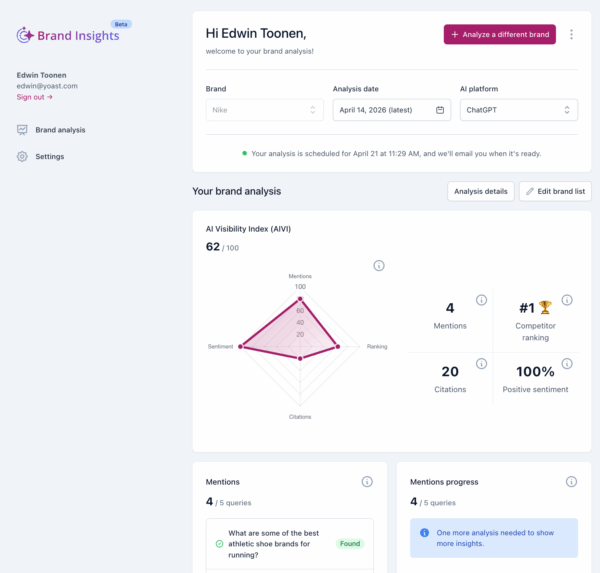
Recognizing this critical need, Yoast, a leader in SEO tools, has introduced Yoast AI Brand Insights. This innovative tool is designed to bridge the visibility gap by providing brands with a clear, actionable view of their presence, sentiment, and credibility across major AI platforms like ChatGPT, Perplexity, and Google Gemini. Its core function is not merely to gather data but to transform the "AI black box" into tangible insights that empower brands to proactively shape their narrative and secure their position in the AI-driven future of search.
Key Metrics for AI Visibility
Yoast AI Brand Insights offers a suite of metrics crucial for understanding and improving a brand’s AI visibility:
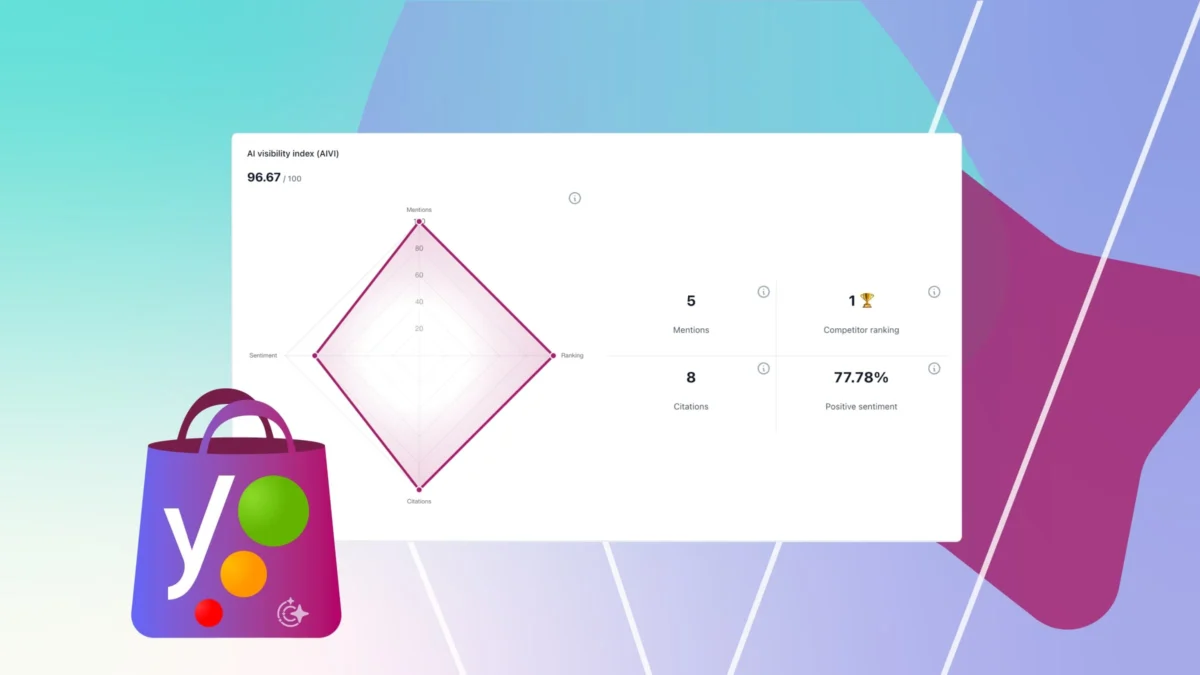
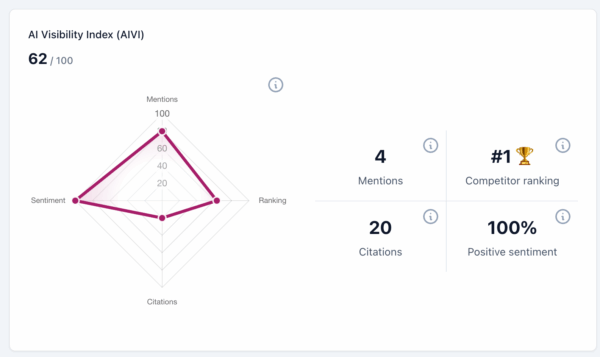
- AI Visibility Index (AIVI): This proprietary score, ranging from 0 to 100, quantifies a brand’s overall visibility across AI platforms for tracked terms. A higher AIVI indicates greater prominence in AI search results. A low score signals a need to focus on increasing mentions, citations, and cultivating positive sentiment.
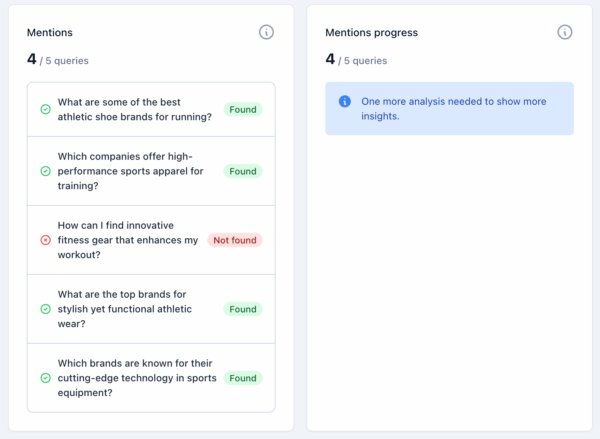
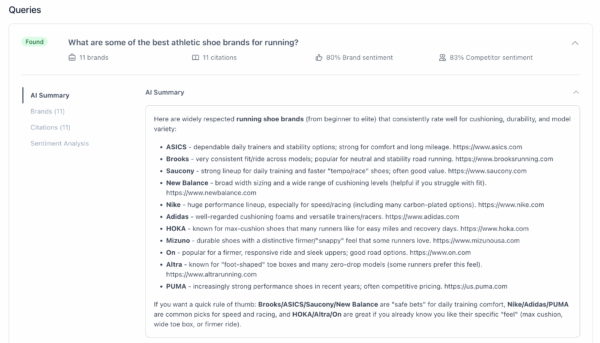
- Mentions: This metric tracks the specific queries for which a brand appears in AI responses. For instance, if a user asks, "What is the best project management software for remote teams?" and a brand’s name is included in the AI’s curated answer, that constitutes a mention. More mentions generally correlate with greater visibility and brand recognition in AI-driven interactions.
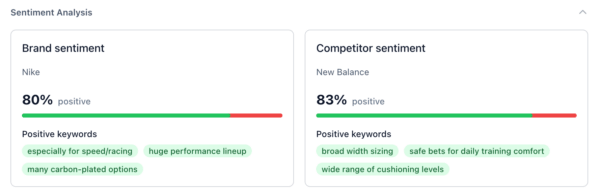
- Sentiment: Sentiment analysis measures the percentage of positive versus negative language used by AI platforms when describing a brand. Terms like "innovative," "user-friendly," or "reliable" contribute to positive sentiment, while "overpriced," "unreliable," or "poor customer service" reflect negative sentiment. Managing sentiment is paramount, as AI-generated negativity can significantly erode trust and deter potential customers.
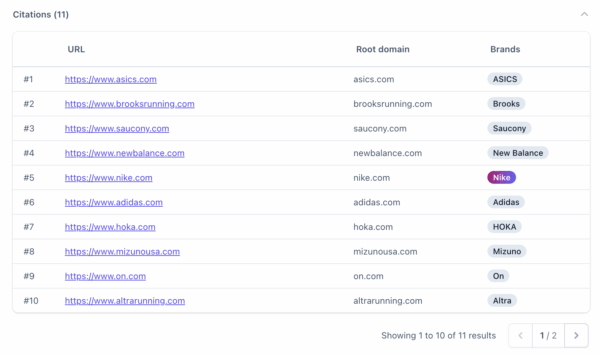
- Citations: Citations refer to the external sources that AI platforms explicitly reference to validate their answers. While a citation is attributed to the publisher (e.g., The New York Times) rather than a brand mentioned within the article, consistent inclusion in high-authority, relevant publications significantly increases the likelihood of a brand being surfaced in AI responses over time. AI systems prioritize credible sources, making strategic citation building a cornerstone of AI visibility.
Strategies for Influencing AI and Building Brand Visibility
Leveraging insights from tools like Yoast AI Brand Insights, brands can adopt a multi-faceted strategy to enhance their AI presence:
-
Optimize for AI Citations: AI platforms rely on a network of trusted sources to formulate their answers. To become a preferred source, brands must:
- Secure Mentions on Authoritative Sites: Actively pursue features, guest posts, and mentions on industry-specific publications, news outlets, and educational domains. Prioritize relevance over sheer volume; a mention in a niche industry journal can be more impactful than a generic news site.
- Encourage Reviews and Testimonials: Platforms like Capterra, G2, Trustpilot, and Google Reviews serve as powerful signals of brand credibility and user experience. Proactively solicit and respond to reviews to build a robust online reputation that AI can leverage.
- Structure Content for AI Consumption: Implement clear, hierarchical headings, bullet points, and concise summaries. Use FAQ sections and schema markup (e.g., FAQPage, HowTo, Product schema) to provide AI crawlers with an unambiguous framework for understanding key information and unique selling points.
- Regularly Update Content: AI platforms prioritize fresh, up-to-date information. Regularly auditing and refreshing existing content ensures its continued relevance and improves its chances of being cited.
-
Control the Brand Narrative and Improve Sentiment: AI platforms synthesize a brand’s story from diverse online sources. A consistent, positive narrative is critical:
- Unified Messaging: Ensure that core brand messages (e.g., "affordable luxury," "sustainable innovation") are consistently articulated across all digital touchpoints—website, social media, press releases, and interviews.
- Proactive Reputation Management: Monitor online conversations and reviews. Promptly address misinformation or negative feedback by publishing clarifications or engaging directly with customers. This prevents AI from amplifying outdated or incorrect details.
- Amplify Positive Attributes: Integrate positive terms and testimonials into marketing campaigns and website content. Highlight awards, customer success stories, and unique value propositions.
- Monitor Sentiment Shifts: Tools like Yoast AI Brand Insights provide weekly scans, allowing brands to quickly identify and investigate any drops in sentiment, which could signal broader issues requiring strategic reconsideration.
-
Benchmark Against Competitors: AI visibility is a competitive arena. Understanding how a brand stacks up against rivals is crucial:
- Analyze Competitor Strategies: Use competitive analysis features to identify which competitors are frequently mentioned by AI and the context of those mentions. Examine their content strategies, review site activity, and public relations efforts.
- Identify Differentiation Opportunities: If a competitor is consistently labeled as "the fastest" or "most affordable," a brand can adjust its messaging to highlight its own unique selling points, such as "unparalleled customer support" or "eco-friendly production."
- Track Progress Historically: Regularly review historical data to assess the effectiveness of implemented strategies and refine approaches based on observed trends in AI visibility and sentiment.
-
Optimize for Conversational Queries and Answer Brand-Specific Questions: LLMs excel at answering natural language questions. Brands must optimize their content for these direct queries:
- Target Long-Tail Keywords: Focus on specific, conversational questions (e.g., "Is [Your Brand] reliable for small businesses?" instead of just "CRM").
- Direct Answers: Craft content that directly and concisely answers common brand-related questions in the opening paragraphs, making it easy for AI to extract definitive responses.
- Utilize Question-Focused Headings: Structure content with headings that directly pose and answer questions, mirroring typical user inquiries.
- Implement FAQ Schema: Enhance FAQ pages with structured data to provide AI platforms with clear, pre-formatted answers.
- Research User Intent: Employ tools like AnswerThePublic, AlsoAsked, and Google’s "People Also Ask" sections to uncover prevalent questions in the industry.
-
Ensure Technical Accessibility for AI Crawlers: If AI crawlers cannot discover and index a brand’s content, it cannot appear in AI responses:
- Robust Technical SEO: Ensure fast site loading speeds, mobile-friendliness, clean URLs, and optimized meta tags.
- Strategic Schema Markup: Implement comprehensive schema markup across the site to help AI crawlers understand the context and relationships of content.
llms.txtFile: Utilize the proposedllms.txtstandard (supported by Yoast SEO) to explicitly guide AI crawlers to the most important content and manage their access.- Robots.txt Audit: Regularly check the
robots.txtfile to ensure AI crawlers are not inadvertently blocked from valuable content.
-
Engage in Online Communities: LLMs are trained on vast datasets, including user-generated content from forums, social media, and community platforms. Active participation can enhance AI visibility:
- Provide Value on Q&A Platforms: Answer questions on platforms like Quora and Reddit, offering expert insights that naturally incorporate brand mentions without being overtly promotional.
- Participate in Niche Forums and Groups: Engage in relevant Slack channels, Discord servers, and industry-specific forums, sharing expertise and linking to valuable content when appropriate.
- Thought Leadership on Social Media: Publish insightful content on LinkedIn, X (formerly Twitter), and Facebook, positioning the brand as an authority in its field.
The Future is AI-Driven
The shift towards AI-powered search is not a fleeting trend but a fundamental re-architecture of the digital discovery process. Brands that recognize this early and proactively adapt their strategies will gain a significant competitive advantage, securing trust, credibility, and customer loyalty in an increasingly AI-mediated world. Tools like Yoast AI Brand Insights are no longer just an advantage; they are becoming an essential component of a modern digital marketing arsenal, providing the necessary visibility and actionable intelligence to navigate this new frontier. The time for action is now, as the race for AI visibility is already underway, shaping the future of brand perception and customer acquisition.