
 rifanmuazin
Digital marketing has transitioned from an era of creative intuition to one of rigorous scientific validation, where data-driven experimentation serves as the cornerstone of every successful campaign. In this high-stakes environment, understanding the nuances of user behavior requires more than simple observation; it demands a structured approach to testing that can dissect complex interactions on a webpage. While A/B testing has long been the standard for comparing isolated changes, the increasing complexity of user interfaces has necessitated the rise of multivariate testing (MVT). This advanced methodology allows marketers to evaluate multiple variables simultaneously, offering a comprehensive view of how various page elements—such as headlines, imagery, and call-to-action (CTA) buttons—interact to drive conversions. By systematically analyzing these combinations, organizations can move beyond incremental improvements to achieve radical optimization of their digital assets.

The Architectural Framework of Multivariate Testing
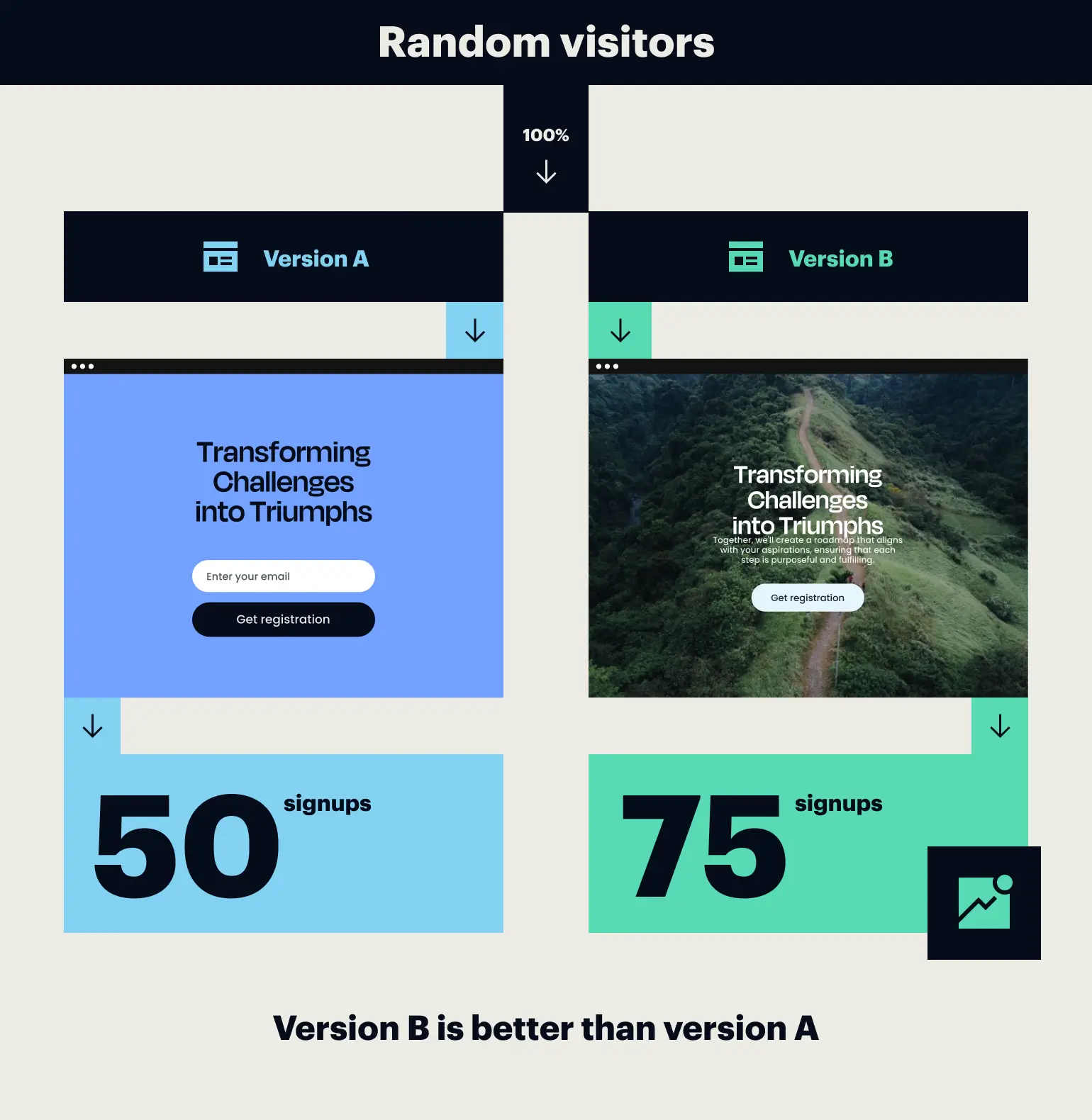
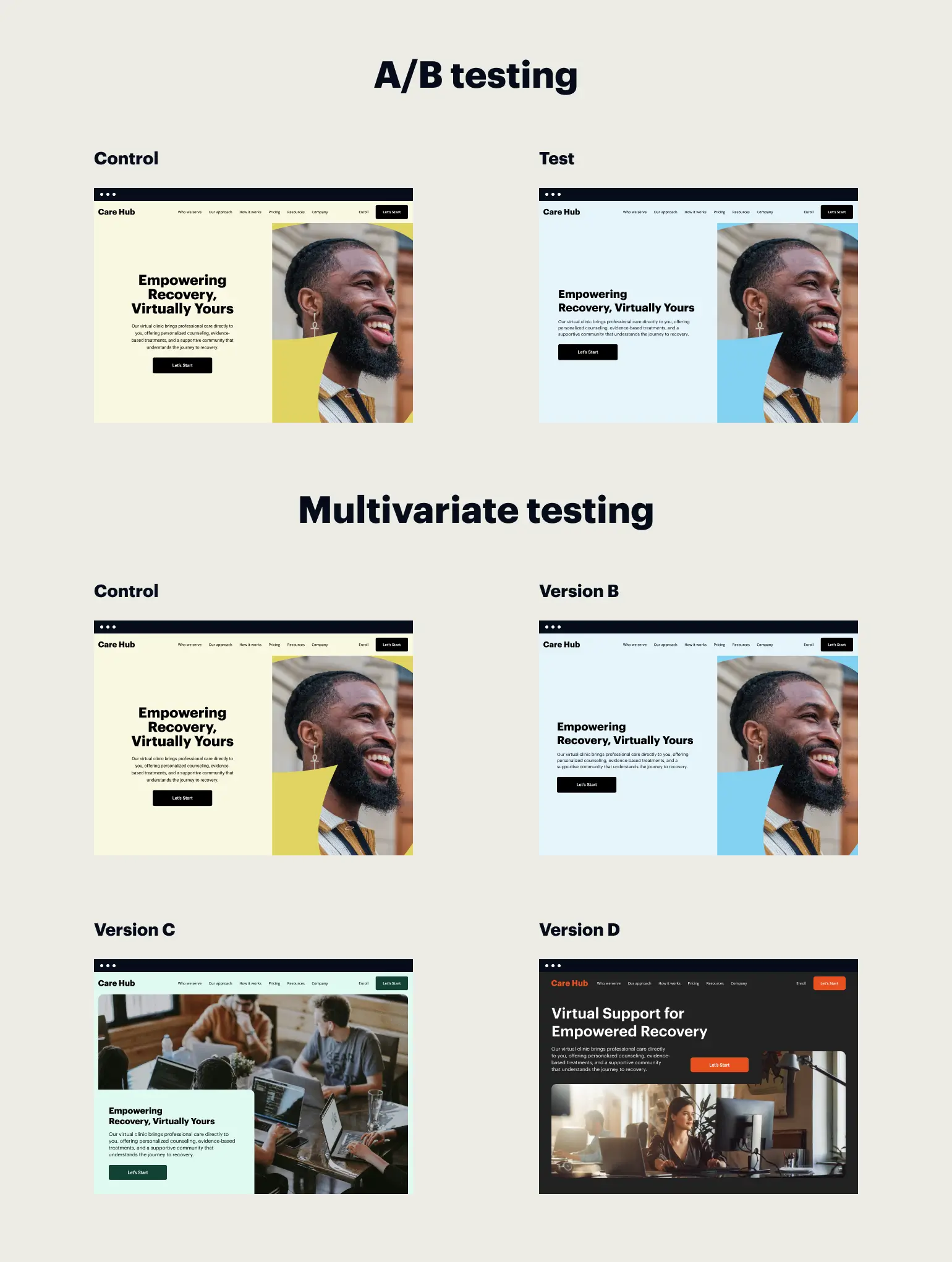
Multivariate testing is defined as a technique for testing a hypothesis where multiple variables are modified to determine which combination of these variables produces the best result. Unlike A/B testing, which typically compares two versions of a single element (such as a red button versus a green button), MVT examines the relationship between several elements at once. These variables often include headlines, hero images, web forms, CTA placements, and link structures. The primary objective of MVT is not just to find the "best" headline or the "best" image, but to identify the specific combination of these elements that maximizes user engagement and conversion rates.
In a professional marketing ecosystem, MVT serves as a sophisticated diagnostic tool. It allows for the validation of multiple hypotheses in a single experiment, providing a higher level of insight into user psychology. For instance, a marketer might discover that while a specific headline performs well in isolation, it only reaches its peak effectiveness when paired with a particular background color and a specific form length. This "interaction effect" is the unique value proposition of multivariate testing, offering a granular level of detail that simpler testing methods cannot replicate.
Mathematical Foundations and Experimental Design
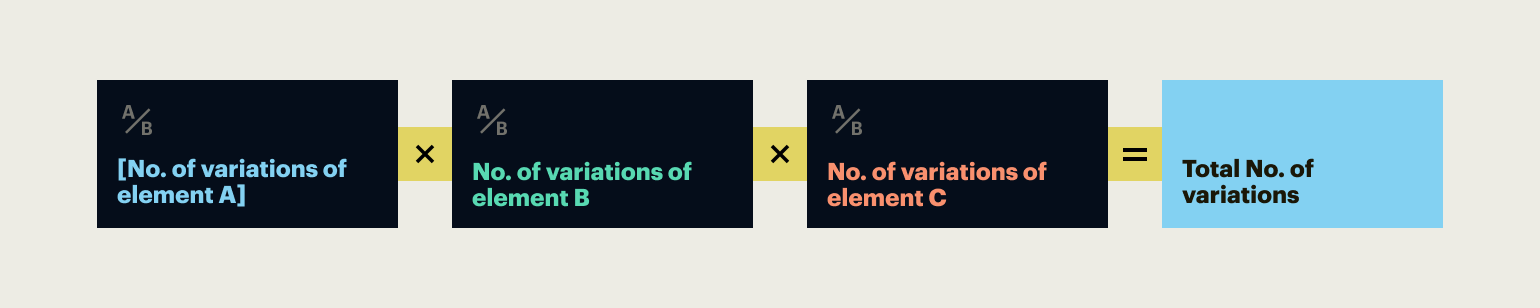
The execution of a multivariate test is governed by a specific mathematical formula that determines the number of variations required for a study. The total number of combinations is calculated by multiplying the number of variations for each element. For example, if a marketer decides to test three different headlines and two distinct images, the formula $(3 times 2)$ results in six unique versions of the page. If the complexity increases to include two CTA button colors and two different button labels alongside three headlines, the experiment expands to 12 variations $(3 times 2 times 2)$.
There are three primary methodologies used to conduct these experiments:
- Full Factorial Testing: This is the most comprehensive and accurate method. It involves testing every possible combination of variables. While it provides the most reliable data regarding interaction effects, it requires a significant amount of traffic to reach statistical significance for every variation.
- Fractional Factorial Testing: This approach tests only a subset of the total combinations. It is designed for environments where traffic is limited but marketers still wish to gain insights into element interactions. Mathematical models are used to "fill in the blanks" for the combinations that were not explicitly tested.
- Taguchi Method: Originally derived from manufacturing and industrial engineering, this method is less common in digital marketing. It focuses on reducing the number of experiments required by identifying the most influential variables early in the process.
Comparative Analysis: Multivariate vs. A/B Testing
The choice between A/B testing and MVT is often dictated by the volume of traffic and the specific goals of the optimization project. A/B testing, or split testing, is characterized by its simplicity and speed. It divides the audience into two groups (Variant A and Variant B) to measure the impact of a single change. This method is ideal for pages with lower traffic or when a marketer needs to make a quick decision about a major structural change.
In contrast, MVT is a high-complexity, high-resource approach. The following table highlights the key differences between the two methodologies:

| Aspect | Multivariate Testing (MVT) | A/B Testing |
|---|---|---|
| Experiment Complexity | High | Low |
| Testing Speed | Slower (Requires more data) | Faster |
| Interaction Effects | Identifies how elements work together | Does not identify interactions |
| Sample Size | Requires large traffic volumes | Works with smaller audiences |
| Implementation Ease | Lower | Higher |
| Precision of Results | Deep, granular insights | High-level performance data |
| Cost | Higher (In terms of time and tools) | Lower |
Industry experts often suggest that A/B testing is best for "radical" changes—such as testing two completely different page layouts—while MVT is better for "refinement," where the goal is to fine-tune the existing elements of a proven layout to squeeze out the maximum possible conversion rate.
Case Studies in Optimization: From KardiaMobile to Groove
The practical application of these testing methods is best illustrated through real-world corporate case studies. These examples demonstrate how structured experimentation leads to measurable financial gains.
AliveCor: The Power of Visual Cues
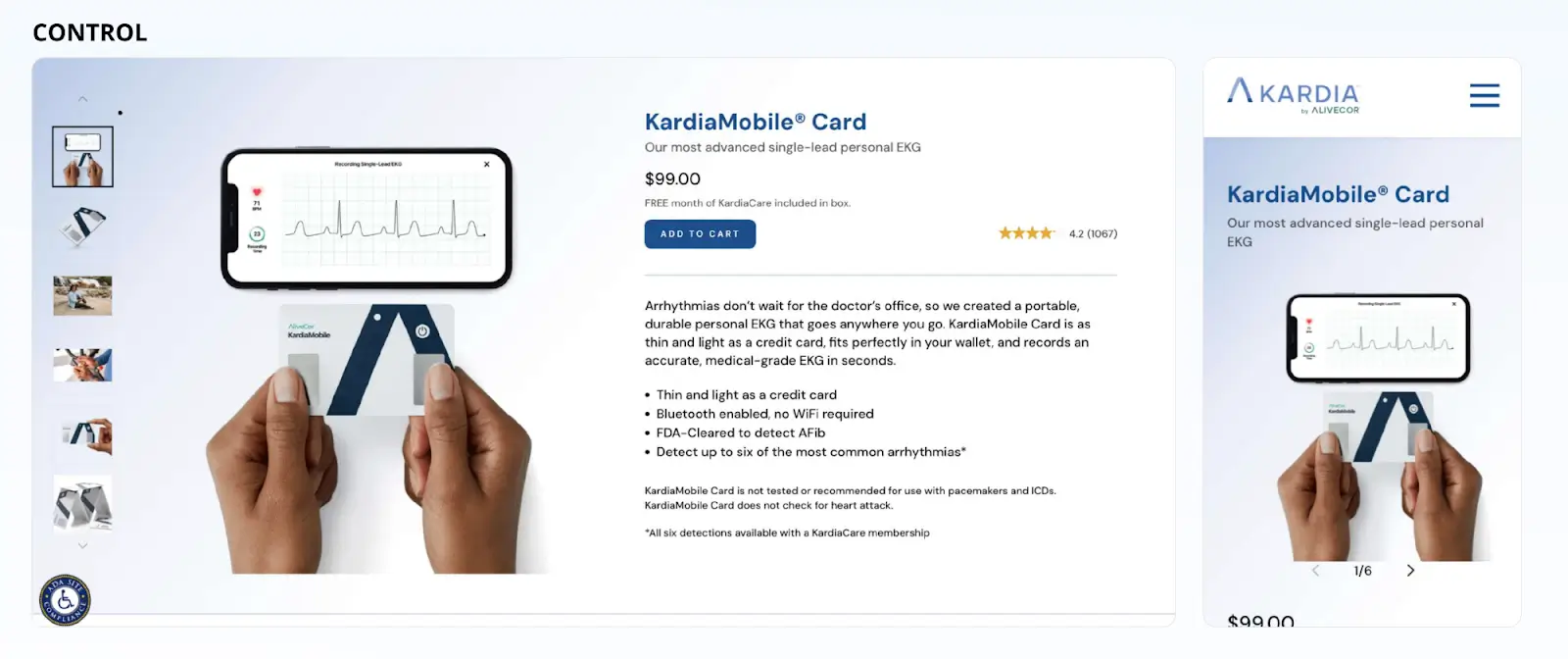
AliveCor, a leader in personal EKG technology, sought to launch its KardiaMobile Card without cannibalizing the sales of its existing product line. The company hypothesized that visitors would interact more frequently with products that featured prominent visual badges. They designed a test focusing on the "New" badge on the product detail and listing pages.
The experiment compared a control version (no badge) against variations featuring badges of different sizes and placements. The results were definitive: the implementation of the "New" badge led to a 25.17% increase in conversion rates and a 29.58% increase in revenue per user. This experiment validated the psychological principle that visual highlights can effectively guide user attention and drive purchase intent without requiring a complete redesign of the user interface.

Groove: The "Copy-First" Redesign
Groove, a customer support management platform, utilized extensive testing to overhaul its landing page strategy. Initially, the company faced a modest conversion rate of 2.3%. By conducting tests that focused on "copy-first" layouts—emphasizing benefits over features—Groove was able to test different headlines and narrative structures.
The experiment wasn’t just about changing a button; it was about the synergy between the headline, the sub-headline, and the supporting imagery. By analyzing how these elements worked together to tell a cohesive story, Groove successfully boosted its conversion rate to 4.3%, nearly doubling its lead generation efficiency. This case underscores the importance of MVT in optimizing complex narratives where the interaction between different pieces of text is critical.

Chronology of a Standard Multivariate Experiment
Successfully executing an MVT requires a disciplined workflow. The timeline typically follows these phases:
- The Audit Phase (Week 1): Marketers analyze existing heatmaps, bounce rates, and user session recordings to identify high-friction areas on the landing page.
- Hypothesis Formulation (Week 2): Based on the audit, the team develops a hypothesis. For example: "Changing the hero image to a lifestyle shot and simplifying the headline will increase trust and conversion."
- Design and Variation Creation (Weeks 3-4): Designers and copywriters create the different versions of the elements to be tested (e.g., three headlines, two images, two CTA colors).
- Technical Setup and Quality Assurance (Week 5): The testing tool (such as Instapage or Optimizely) is configured. Tracking pixels are verified to ensure data integrity.
- Data Collection (Weeks 6-10): The experiment goes live. Traffic is split among the various combinations. This phase continues until statistical significance (usually 95% or higher) is reached.
- Analysis and Implementation (Week 11): The winning combination is identified. Analysts look for unexpected "interaction effects" that could inform future tests. The winner is then pushed to 100% of the live traffic.
Strategic Implications and Future Trends
As artificial intelligence (AI) and machine learning (ML) continue to integrate with marketing technology, the landscape of multivariate testing is shifting. Traditional MVT can be slow because it requires massive amounts of human-led traffic to validate every combination. However, AI-driven optimization tools are now capable of "Evolutionary Testing." These systems use algorithms to automatically retire underperforming combinations and shift traffic to high-performing ones in real-time, significantly reducing the "opportunity cost" of a failing test variant.
Furthermore, the industry is seeing a move toward "Personalized MVT." Instead of finding a single winning combination for all users, marketers are using data to find the best combination for specific segments. For example, a returning visitor might see a combination that emphasizes loyalty rewards, while a first-time visitor sees a combination focused on brand education and trust signals.
Conclusion: Balancing Precision with Practicality
While multivariate testing offers the most sophisticated insights available to modern marketers, it is not a universal solution. The requirement for high traffic volumes means that smaller businesses or low-traffic niche pages may find A/B testing more practical. However, for enterprise-level organizations and high-volume e-commerce platforms, MVT is an indispensable tool for achieving peak performance.

The ultimate goal of any experimentation program is to replace guesswork with certainty. By understanding the intricate dance between headlines, images, and buttons, companies can create digital experiences that resonate more deeply with their audiences. Whether through the surgical precision of an A/B test or the comprehensive analysis of a multivariate experiment, the path to growth in the digital age is paved with continuous, data-driven optimization. As tools like Instapage continue to simplify the technical barriers to entry, the competitive advantage will increasingly belong to those who can test the fastest and learn the most from their data.








