rifanmuazin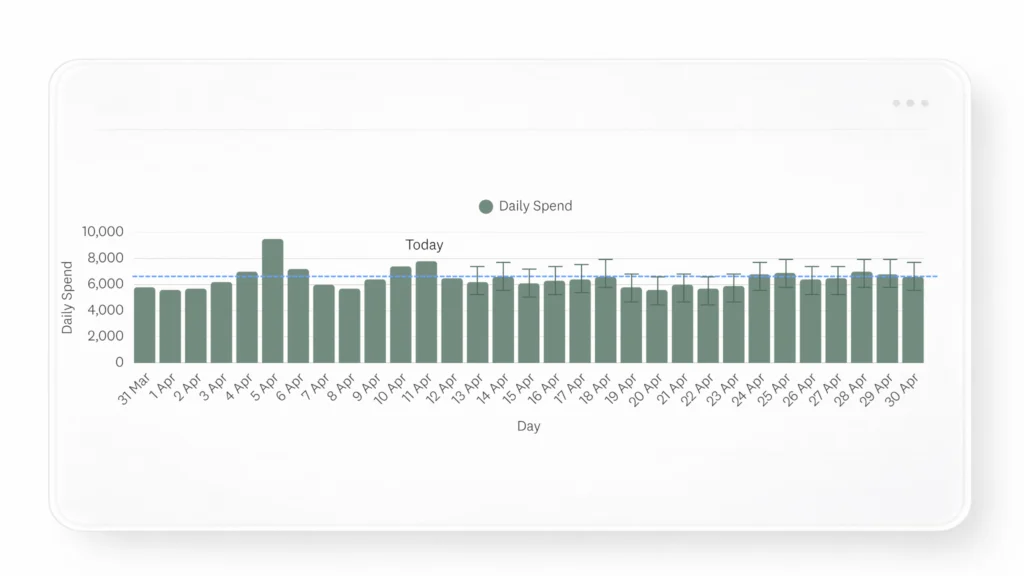
Many digital marketing professionals approach budget adjustments in Google Ads with a simplistic mindset: increase spend for more sales, decrease it to save money. However, the reality within the Google Ads ecosystem is considerably more nuanced, with a slower, more intricate learning process that can prove costly if mismanaged. Pacing, the system’s method of distributing budgets, is not a static setting but a dynamic behavior that the algorithm continuously learns from with every modification. This comprehensive guide delves into the actual mechanics of budget changes in Google Ads, offering clarity for specialists seeking to move beyond guesswork and optimize their campaign performance.
Understanding Google Ads Pacing: Beyond the Daily Target
At its core, pacing refers to how Google Ads strategically allocates a campaign’s daily budget across the entire day, week, and month to achieve predefined performance targets. Two fundamental aspects of this process are frequently misunderstood by advertisers:
Firstly, the daily budget displayed in the Google Ads interface is a target, not an immutable ceiling. Google’s algorithm is permitted to spend up to twice the daily budget on any given day. This flexibility allows the system to capitalize on periods of high user activity and optimal conversion opportunities. Subsequently, the system self-corrects over the course of the month, ensuring that the total expenditure does not significantly exceed approximately 30.4 times the daily budget. This monthly multiplier accounts for the varying number of days in a month and provides a degree of flexibility for strategic spend allocation.
Secondly, the true financial constraint is the monthly spend limit. This overarching figure, rather than the daily figure visible in the user interface, is the primary target the algorithm actively works to protect. Understanding this distinction is crucial for deciphering seemingly anomalous spending patterns. A campaign that, for example, spent $180 on a particular day with a $100 daily budget is not necessarily malfunctioning; it is likely engaging in its pacing mechanism to optimize for monthly targets.
The Immediate Impact of Budget Modifications
The moment a budget is edited within Google Ads, a series of interconnected processes are initiated, significantly impacting campaign performance. While not a complete reset of the algorithm’s learning, these changes introduce sufficient turbulence to influence key performance indicators.
When a budget is increased, the system interprets this as a signal to expand reach and drive more conversions. This typically leads to an immediate increase in ad impressions and clicks. However, this expansion often comes at a cost. The algorithm may begin bidding more aggressively or entering less competitive auction segments to utilize the increased budget, potentially leading to a higher Cost Per Acquisition (CPA). For many accounts, this can result in a CPA increase of 15% to 30% for a period of three to seven days as the system recalibrates.
Conversely, a budget decrease signals to Google Ads that the advertiser wishes to conserve spend. The algorithm will then actively work to reduce impressions and clicks, often by moderating bid levels or reducing ad frequency. While this aims to lower overall expenditure, it can also lead to a decline in conversion volume. The impact on CPA can be variable; in some cases, a more focused spend might lead to a lower CPA as the algorithm prioritizes more efficient auctions. However, if the decrease is too abrupt or significant, it can lead to missed opportunities and a potential increase in CPA due to reduced impression share in valuable auction segments.
The system also initiates a "learn and adapt" cycle. This involves re-evaluating auction dynamics, audience targeting, and keyword performance in light of the new budget constraints. This adaptation phase is critical for ensuring the campaign aligns with the revised spending strategy, but it introduces a period of volatility.
Furthermore, the Quality Score evaluation may be temporarily affected. While not a direct reset, changes in spend can influence how Google perceives the campaign’s relevance and user engagement, especially if the budget adjustment leads to significant shifts in impression share or ad position. This can have a downstream effect on ad rankings and click-through rates.
Identifying Performance-Detrimental Budget Changes
While budget adjustments are an inherent part of campaign management, certain patterns consistently lead to performance degradation. Through extensive analysis of numerous accounts, two primary culprits emerge:
The first critical error is frequent, bidirectional budget changes. The guiding principle for account managers should be to maintain a consistent direction of budget adjustment. If a budget has been increased, the subsequent actions should either involve further increases or maintaining the current elevated level. Similarly, if a budget has been reduced, subsequent edits should involve further reductions or holding the decreased amount. The rule of thumb for teams is to never change budgets in the opposite direction within a seven-day window. This consistent, one-directional approach allows the algorithm to stabilize and learn effectively from the new spending parameters.

The second detrimental pattern involves abrupt and drastic budget modifications. Instead of incremental adjustments, excessively large increases or decreases can shock the system, leading to prolonged periods of instability and performance dips. For instance, doubling a daily budget overnight from $100 to $200 can force the algorithm to rapidly explore new, potentially less efficient, bidding strategies or audience segments. Conversely, slashing a budget by 50% can severely limit the campaign’s ability to compete in auctions, leading to a precipitous drop in visibility and conversions.
Strategic Approaches to Budget Management Without Performance Disruption
To navigate the complexities of Google Ads budget pacing and avoid performance degradation, a more refined protocol is recommended. This approach, honed across Performance Max, Shopping, and Search campaigns, emphasizes gradual, informed adjustments:
- Incremental Adjustments: Instead of large, sweeping changes, opt for smaller, more frequent adjustments. For example, if increasing a budget, aim for 10-20% increments every few days, rather than a 100% jump. This allows the algorithm to absorb the changes gradually and adapt more smoothly.
- One-Directional Movement: As previously emphasized, maintain a consistent direction with budget changes. If you increase the budget, do not decrease it within the following week. This principle is crucial for algorithmic stability.
- Observe and Wait: After making a budget change, allow the system at least three to seven days to stabilize and demonstrate performance trends before making further significant adjustments. Patience is a key virtue in budget management.
- Align with Business Goals: Ensure budget adjustments are directly tied to overarching business objectives and marketing goals. A budget increase should be justified by a corresponding increase in lead generation targets, sales volume, or return on ad spend (ROAS) expectations.
- Utilize Performance Max Budgets Strategically: For Performance Max campaigns, which leverage automation across multiple Google channels, understanding budget impact is paramount. Increased budgets allow the algorithm more freedom to explore diverse placements and audiences, potentially leading to greater reach and conversion volume, but also requiring careful monitoring of ROAS.
- Leverage Lifetime Budgets: For campaigns with a defined end date, such as seasonal promotions or product launches, lifetime budgets offer a more predictable way to manage spend. This allows advertisers to set a total budget for the campaign’s duration, and Google’s algorithm will pace the spend accordingly, optimizing for performance within that fixed financial ceiling.
Navigating the Monthly Cap Trap
A common pitfall that often triggers unnecessary panic among advertisers is the "monthly cap trap." If a campaign has consistently overspent its daily budget early in the month, the system will begin to throttle its spend in the final week to ensure it does not exceed the overall monthly cap. This can manifest as the "limited by budget" label appearing, even if the daily budget itself has not been altered. It is crucial to understand that the system is not broken; it is actively protecting the predetermined monthly expenditure limit.
This scenario is a frequent cause for advertisers to prematurely pause campaigns that were otherwise performing well. Before making any drastic decisions, it is essential to examine the campaign’s lifetime spend in relation to its monthly maximum. If the campaign is approaching this cap, the appropriate solution is to implement a permanent, higher daily budget that aligns with the campaign’s demonstrated performance and the overall monthly financial strategy. A temporary pause will only disrupt the campaign’s momentum and learning.
The Strategic Advantage of Lifetime Budgets
Lifetime budgets, also referred to as campaign total or flighted budgets, offer a powerful alternative to traditional daily budget management, particularly for campaigns with a defined operational lifespan. This feature allows advertisers to set a fixed total amount that a campaign is authorized to spend throughout its entire run, shifting the focus from daily fluctuations to a holistic financial commitment.
The user experience is streamlined: advertisers specify the campaign’s start date, end date, and the total investment they are willing to allocate. Google’s intelligent systems then manage the pacing of this budget across the campaign’s duration. This approach is particularly beneficial for time-bound initiatives such as seasonal sales events, new product launches, event-driven marketing pushes, or any activity tied to a finite window where the total spend is a more critical planning metric than the daily spend rhythm.
Lifetime budgets represent a powerful synergy between advertiser control and algorithmic automation. The advertiser retains absolute control over the maximum expenditure, providing financial teams with the certainty required for budgeting and forecasting. Simultaneously, Google’s automation takes charge of pacing, intelligently distributing the spend across the campaign’s flight. This means the system will strategically invest more on days and moments when performance indicators are strongest and scale back when conditions are less favorable, ensuring optimal utilization of the allocated budget.
By adopting lifetime budgets, advertisers can liberate themselves from the constant need to micromanage daily spending figures and the ensuing second-guessing. Instead, they can concentrate on higher-level strategic decisions that genuinely influence campaign success. This allows for a more focused and effective allocation of resources, ensuring that marketing investments are made with maximum impact and predictability.
Seven Commonly Overlooked Aspects of Google Ads Pacing
While many guides focus on the basic mechanics of budget changes, several critical elements often escape attention, leading to suboptimal pacing strategies:
- Time of Day and Day of Week Performance Fluctuations: Google Ads data reveals significant performance variations across different times of day and days of the week. Understanding these patterns is crucial for setting daily budgets that align with peak performance windows. For instance, a campaign targeting B2B clients might see higher conversion rates during business hours, while a B2C campaign might perform better in the evenings and on weekends. Ignoring these nuances can lead to overspending during low-performance periods and underutilization during high-performance times.
- The Impact of Ad Scheduling: Ad scheduling, which allows advertisers to control when their ads are shown, directly interacts with pacing. If ads are scheduled to run only during specific hours, the daily budget must be paced accordingly. A budget set too high for a limited ad schedule can lead to rapid depletion, while a budget too low can result in missed opportunities within the active scheduling window.
- Seasonality and External Factors: Market seasonality, competitor activity, economic shifts, and even global events can profoundly influence campaign performance and, consequently, pacing. A rigid adherence to historical pacing without considering these external factors can lead to inefficient spend. For example, a sudden surge in demand for a product due to an unforeseen event may necessitate a temporary budget increase to capitalize on the opportunity.
- Conversion Lag and Attribution Models: The time it takes for a conversion to occur after a click (conversion lag) and the attribution model used (e.g., last-click, data-driven) significantly impact how Google perceives the value of different touchpoints. Pacing strategies should account for conversion lag; if conversions typically take several days, a sudden budget decrease might prematurely halt spend on promising, but not yet converted, leads.
- The Role of Bid Strategy: The chosen bid strategy (e.g., Maximize Conversions, Target CPA, Target ROAS) is intrinsically linked to pacing. A Target CPA strategy, for instance, will attempt to maintain a specific cost per conversion, influencing how the budget is spent to achieve that goal. Misaligning budget adjustments with the bid strategy can lead to conflicting signals for the algorithm.
- Geographic and Demographic Performance Variance: Performance often varies significantly across different geographic locations and demographic segments. Pacing should ideally consider these granular performance differences. For example, if a particular region consistently delivers higher ROAS, it might warrant a larger share of the budget and thus require adjusted pacing within that area.
- The Influence of Campaign Structure and Ad Groups: The structure of a Google Ads account, including how campaigns and ad groups are organized, impacts pacing. A tightly themed ad group with highly relevant keywords might perform differently than a broader, more general ad group. Budget allocation and pacing should reflect the performance and strategic importance of these structural elements.
Conclusion: Pacing as a Relationship, Not a Control Panel
Ultimately, Google Ads pacing should be viewed not as a simple control panel to be manipulated, but as a complex, evolving relationship with the advertising platform. Every budget edit serves as a learning input for the algorithm, shaping its behavior and future performance. Consequently, small, confident, and consistently one-directional moves consistently outperform large, reactive adjustments.
By treating the budget as a strategic instruction rather than a mere lever, advertisers can move beyond the "noise" often attributed to the platform’s perceived unpredictability. This nuanced understanding and disciplined approach to budget management will foster a more stable, predictable, and ultimately more profitable advertising ecosystem. The key lies in patience, observation, and a commitment to understanding the algorithm’s intricate learning process.