
 rifanmuazin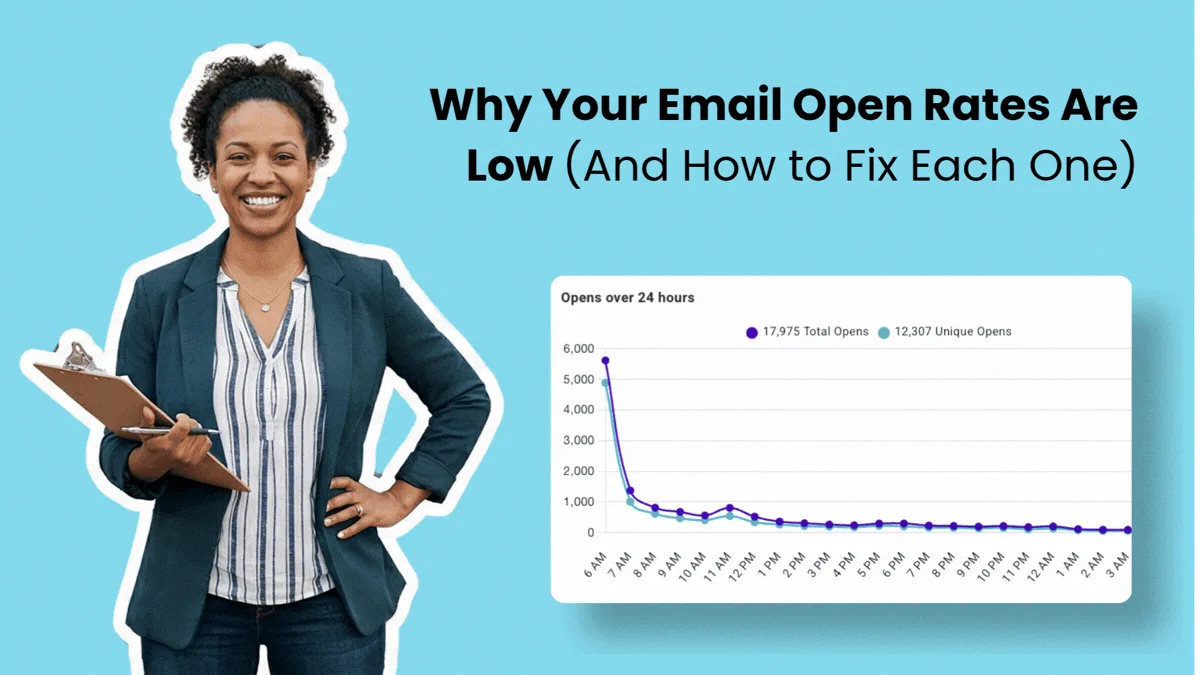
Email marketing remains a cornerstone for small businesses and large enterprises alike, serving as a direct line of communication with customers and prospects. At the forefront of its effectiveness is the open rate—the initial signal of whether a message resonates with its intended audience. If subscribers are not opening emails, the meticulously crafted copy, compelling offers, and strategic calls to action remain unseen and unacted upon, rendering the entire campaign ineffective. Many businesses grapple with identifying the root cause of low open rates, often unsure whether the issue lies with a poorly conceived subject line, a systemic deliverability problem, or an elusive tracking anomaly exacerbated by evolving privacy measures. A precise diagnosis is paramount, as the remedy is entirely dependent on understanding the underlying issue. This comprehensive guide delves into eight critical areas where email open rates can falter, offering actionable strategies and expert insights to address each challenge, including the significant impact of Apple Mail Privacy Protection.
The Foundational Importance of Open Rates in Email Marketing
In the competitive digital arena, an email’s journey from sender to recipient’s inbox is fraught with potential pitfalls. The open rate, expressed as a percentage, measures the proportion of emails opened by recipients out of the total successfully delivered. While not the sole metric for success, it is the gatekeeper to all subsequent engagement. A robust open rate signifies that a sender has successfully piqued interest, built trust, and navigated the complex landscape of spam filters and inbox algorithms. Conversely, consistently low open rates are a red flag, indicating potential issues that can harm sender reputation, diminish brand visibility, and ultimately impact revenue. The shift in digital privacy, particularly with Apple’s Mail Privacy Protection, has further complicated the interpretation of this metric, requiring marketers to adopt a more nuanced approach to data analysis.
Crafting Compelling Subject Lines: The First Impression
The subject line is arguably the single most critical component in securing an email open. It is the only element subscribers see before deciding whether to engage or discard the message. Its singular purpose is to earn that crucial open. Research consistently shows that a few key principles dramatically influence open rates. Brevity is vital, particularly given the prevalence of mobile email consumption; subject lines should be concise enough to be fully visible on smaller screens without truncation. Personalization, even a simple inclusion of the recipient’s name, can significantly boost engagement. Moreover, crafting subject lines that speak directly to the reader’s situation or provide clear value, rather than merely promoting a product, tends to yield better results.
Experimental data reinforces the power of seemingly minor adjustments. John Oszajca, founder of Music Marketing Manifesto, conducted a test on capitalization in subject lines, comparing a lowercase version against a sentence-case version. The lowercase subject line astonishingly outperformed its capitalized counterpart by 35%, highlighting that even subtle stylistic choices can have a profound impact. Modern email platforms, such as AWeber, now offer AI-assisted subject line tools that generate optimized suggestions based on email content, further streamlining this critical step. Beyond these general principles, a deeper dive into optimal length, strategic use of emojis, and formatting nuances is crucial for maximizing subject line effectiveness across diverse devices and email clients.
Optimizing Send Timing: Reaching Your Audience When It Matters
The timing of an email’s dispatch plays a far more significant role in open rates than many businesses realize. An email arriving when a subscriber is actively checking their inbox during work hours will likely elicit a different response than one sent in the middle of the night. There is no universally "best" time to send an email; optimal timing is highly dependent on the target audience, the nature of the content, and the geographic distribution of subscribers. For lists spanning multiple time zones, a single global send time can lead to wildly inconsistent delivery experiences, with some recipients receiving emails at opportune moments and others at inconvenient hours. Many advanced email platforms now offer features to schedule sends based on individual subscriber time zones, a valuable capability for geographically diverse lists.
The most effective strategy involves analyzing proprietary data. Email marketing analytics often provide insights into peak engagement periods for specific audiences. For instance, if data consistently shows a surge in opens on Tuesday mornings around 10 a.m., that becomes a clear signal for optimizing future send times. For businesses without sufficient historical data, practical starting points include Tuesdays through Thursdays, generally between 9 a.m. and 2 p.m. local time, which often align with typical work routines. Consistency in send timing is also crucial, as predictability helps establish trust and trains subscribers to anticipate and look for a sender’s emails. This cultivation of routine contributes to sustained engagement and higher open rates over time.
Ensuring Deliverability: The Unseen Battle for the Inbox
Deliverability is the bedrock of email marketing success, dictating whether an email even reaches the intended inbox. An engaging subject line and a highly qualified list are rendered useless if emails are consistently routed to the spam folder or the less-visible promotions tab. The first line of defense in ensuring deliverability is proper email authentication. Protocols like DomainKeys Identified Mail (DKIM) and Domain-based Message Authentication, Reporting & Conformance (DMARC) are vital. These technical configurations verify that an email truly originates from the stated sender, significantly bolstering sender reputation with Internet Service Providers (ISPs). As AWeber’s CEO, Tom Kulzer, succinctly put it, "Your email didn’t land in the spam folder because of bad luck. It landed there because your domain authentication wasn’t set up right when you hit send." Robust email service providers (ESPs) like AWeber often verify domain authentication at broadcast send time, holding emails in draft if configurations are incorrect, thereby preventing potential deliverability issues before they arise.

The choice of ESP profoundly impacts deliverability. Coleen Otero, a brand strategist, experienced a dramatic drop in open rates from 30-40% down to a mere 5% after switching to a platform that did not prioritize deliverability infrastructure. Upon returning to a provider with a strong reputation in this area, her open rates quickly rebounded above 30%. This anecdote underscores the critical role of the sending platform in maintaining a healthy sender reputation. Beyond technical authentication, maintaining a clean list by regularly removing inactive or invalid addresses, and avoiding excessive use of spam-triggering keywords or overly promotional language, are crucial for protecting sender reputation. If open rates experience a sudden, unexplained drop, deliverability issues should be the primary suspect, warranting an immediate investigation into authentication settings and sender health. ESPs with dedicated Deliverability Teams, like AWeber, proactively monitor dozens of email signals, working tirelessly to maintain platform-wide sending reputation, which benefits all legitimate senders.
Managing Email File Size: Avoiding the Gmail Clipping Trap
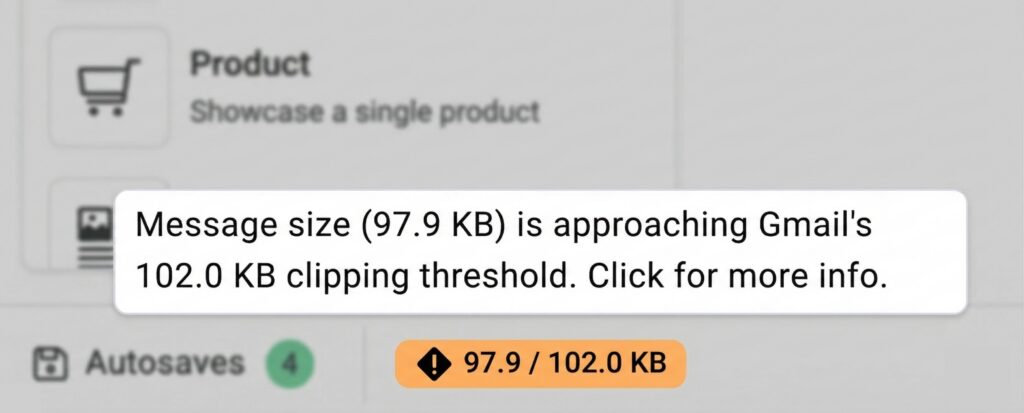
A frequently overlooked factor impacting open rate tracking, particularly for small businesses, is email file size. Gmail, a dominant email client, automatically clips any email that exceeds 102 KB. When this occurs, subscribers encounter a "Message clipped" link at the bottom of the email, and most do not click it, assuming the message has simply ended. Crucially, the tracking pixel—the tiny, invisible image that registers an email as "opened"—is often hidden within this clipped section. This means a subscriber may have opened and even read a portion of the email, but the open is never recorded because the tracking pixel failed to load.
The culprits behind oversized emails are typically not extensive blocks of text, but rather elements such as elaborate social media icon grids in the footer, HTML bloat from pasting content directly from word processors, decorative fonts, and an excessive number of embedded images or links. Simpler email designs are inherently less likely to cross the 102 KB threshold. Recognizing this challenge, advanced ESPs integrate features like live message size indicators within their editors, alerting senders if their email approaches the clipping limit before it is sent. Post-send analytics can also flag historical emails that were large enough to have been clipped by Gmail, providing valuable insights into potentially underreported past open rates. Understanding and proactively managing email file size is essential for accurate performance measurement and ensuring the full message reaches the recipient.
Navigating Apple Mail Privacy Protection: Redefining "Open"
The landscape of email analytics underwent a significant transformation in September 2021 with Apple’s introduction of Mail Privacy Protection (MPP). This feature, rolled out for Apple Mail users on iOS 15, iPadOS 15, macOS Monterey, and watchOS 8, pre-loads email content, including tracking pixels, regardless of whether the user actually opens or views the email. For marketers, this means that many "opens" from Apple Mail users now register automatically, even if the subscriber did not actively engage with the message. Given that Apple holds over 51% of the email client market share, this has profoundly distorted raw open rate data for millions of senders globally.
MPP does not render open rates entirely useless; they remain a valuable directional signal. However, marketers must now adjust their expectations and avoid comparing current open rates directly against pre-2021 benchmarks. The focus should shift from chasing a specific percentage to analyzing trends over time. A consistent upward trend in open rates, even if inflated, still suggests that subject lines and sender names are effectively capturing attention. In this new paradigm, more reliable engagement signals have gained prominence:
- Click-through rates (CTR): This metric accurately reflects active engagement with the email’s content.
- Conversion rates: Tracking how many recipients complete a desired action (e.g., purchase, sign-up) provides a direct measure of campaign effectiveness.
- Replies: Direct responses indicate strong engagement and interest.
- Website activity: Monitoring traffic and behavior on linked pages offers insight into post-email engagement.
By diversifying their analytical approach, marketers can gain a more accurate understanding of campaign performance beyond the potentially inflated open rate metric, using it as a diagnostic starting point rather than a final verdict.
Prioritizing List Hygiene: Cultivating an Engaged Audience
Sending emails to subscribers who have ceased engaging is detrimental to an email marketing program. Inbox providers increasingly leverage engagement signals—such as opens, clicks, and replies—to assess a sender’s reputation. A list replete with non-openers and inactive addresses signals low-quality sending, which can lead to emails being shunted to spam folders. While it may seem counterintuitive, regular list cleaning does not equate to simply deleting subscribers; rather, it involves a deliberate, strategic process to cultivate an engaged, responsive audience.
The process typically involves:
- Identifying inactive subscribers: Defining a period of inactivity (e.g., 90 or 180 days without an open or click).
- Running re-engagement campaigns: Sending targeted emails with compelling offers or content designed to win back attention.
- Segmenting unengaged users: Separating those who still don’t respond after re-engagement efforts.
- Making the decision to remove: For subscribers who remain unresponsive, removing them from the active list is often the best course of action. This reduces bounce rates, minimizes spam complaints, and improves overall deliverability and sender reputation.
While a smaller subscriber count might initially feel like a step backward, a lean, engaged list consistently outperforms a large, disengaged one. AWeber’s research has shown that small businesses with 500 or more active subscribers are twice as likely to have an effective email strategy compared to those with smaller, poorly maintained lists. This emphasis on quality over quantity not only boosts open rates but also leads to higher click-through rates, better conversion rates, and a stronger return on investment.
Leveraging List Segmentation: Delivering Hyper-Relevant Content
Sending the identical email to every subscriber is one of the quickest ways to erode engagement over time. When recipients consistently receive content that feels irrelevant to their specific interests or needs, they inevitably stop opening. Segmentation directly addresses this challenge by enabling marketers to send highly targeted emails to smaller, specific groups within their overall list, based on shared characteristics, behaviors, or preferences. A gardening store, for instance, might segment its list into "houseplant enthusiasts" and "outdoor garden growers," sending tailored advice and product recommendations to each group. Similarly, a business coach could segment new subscribers from long-term clients, providing different onboarding sequences or advanced strategies.
The underlying logic is straightforward: a more relevant email is inherently more likely to be opened and engaged with. A subscriber who initially signed up for tips on running a restaurant will find a generic marketing newsletter less compelling than one specifically addressing restaurant management challenges. Starting with even one or two basic segments can yield significant improvements over a "one-size-fits-all" approach. Effective segmentation strategies include:
- Demographic segmentation: Based on age, location, gender, or income.
- Behavioral segmentation: Based on past purchases, website activity, email engagement (opens, clicks), or cart abandonment.
- Psychographic segmentation: Based on interests, values, or lifestyle.
- Acquisition source: Segmenting by how subscribers joined the list (e.g., specific lead magnet, website form, event).
Even a rudimentary segmentation strategy, such as differentiating subscribers based on their initial point of entry or expressed interests, will invariably outperform a blanket approach, leading to higher open rates, increased click-throughs, and ultimately, greater overall campaign effectiveness.
Optimizing Sender Name: Building Trust and Recognition
The "From" name, often an overlooked element, is a powerful lever in influencing open rates. Subscribers make near-instantaneous decisions about an email’s worthiness. A recognizable and trustworthy sender name fosters immediate confidence, while a generic or unfamiliar one is frequently skipped. For small businesses, where the owner or founder often embodies the brand, sending from a personal name (e.g., "Sean from AWeber" instead of just "AWeber") tends to perform better. People inherently prefer to open emails from individuals they recognize and trust.
Testing different sender names—such as a personal name versus a company name—can provide valuable insights into audience preferences. The goal is to establish a clear, consistent identity that resonates with the subscriber and signals value before the email is even opened. This small but impactful detail reinforces brand identity and contributes significantly to the likelihood of an email being opened.
Strategic Optimization: Open Rates vs. Click-Through Rates
It is crucial to understand that open rates and click-through rates (CTR) address distinct aspects of email performance. Open rates primarily indicate the effectiveness of the subject line and sender name in grabbing attention and inspiring the initial interaction. CTR, on the other hand, measures whether the email’s content successfully delivered on the promise made by the subject line, compelling recipients to take further action. The approach to optimization should target the specific layer that is underperforming. If open rates are low, the immediate focus should be on refining subject lines, sender names, and ensuring robust deliverability. If open rates are strong but CTR remains low, the problem lies within the email’s body—its copy, visuals, offer, or call to action—rather than the initial impression.
A sudden, unexplained drop in open rates almost always points to a deliverability issue. This could stem from a deteriorated sender reputation, problems with domain authentication, or a high proportion of unengaged subscribers dragging down overall engagement signals. Additionally, checking for Gmail clipping (emails exceeding 102KB) is vital, as clipped messages often fail to load tracking pixels, leading to unrecorded opens despite actual engagement.
Ultimately, segmenting an email list demonstrably improves open rates. By tailoring content to specific groups based on their interests or how they joined the list, emails become more relevant, and recipients are far more likely to open messages that directly address their needs or curiosities. Even basic segmentation, such as differentiating subscribers by their lead magnet source, can significantly outperform a generic, unsegmented approach, fostering a more engaged and responsive audience over the long term.
In conclusion, maintaining healthy email open rates requires a multi-faceted approach, encompassing meticulous attention to subject lines and send timing, a robust deliverability strategy, careful management of email file size, and a nuanced understanding of privacy impacts like Apple Mail Privacy Protection. Coupled with diligent list hygiene and intelligent segmentation, these strategies form the backbone of a successful email marketing program, ensuring that messages not only reach the inbox but are also seen, opened, and acted upon by an engaged audience.









