rifanmuazin
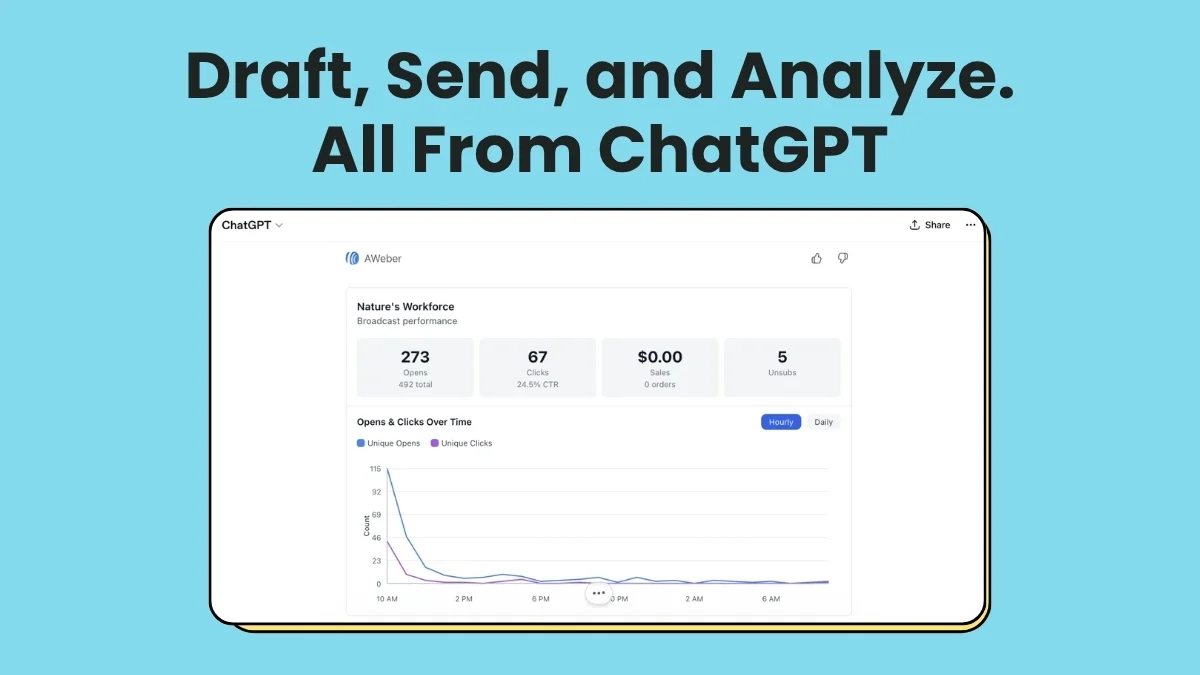
In a significant advancement for digital communication, the integration of AWeber with ChatGPT is poised to redefine email marketing strategies, transforming the process from generic content generation to highly personalized, context-aware campaigns. Announced on April 30, 2026, this collaboration directly addresses the long-standing challenge of creating impactful email content that resonates with individual subscribers amidst an increasingly crowded digital landscape. While artificial intelligence has offered speed in content creation, its outputs have often lacked the crucial elements of specific audience understanding and brand voice, leading to forgettable and easily discarded messages. This new integration positions ChatGPT not merely as a ghostwriter, but as an intelligent thinking partner, empowered by real-time subscriber data from AWeber, to craft emails that are both authentic and high-performing.
The core of this innovation lies in solving what industry experts term "the context problem." ChatGPT, in its default state, operates without a deep understanding of a business’s unique audience, established brand voice, or historical communication patterns. This void typically results in emails that are structurally sound but stylistically generic, failing to capture the unique essence of a brand or the specific interests of its recipients. In a competitive digital environment where consumers are bombarded with promotional content, generic emails are often overlooked, quickly deleted, or relegated to spam folders. Research consistently shows that personalized emails significantly outperform generic ones, with studies indicating a 6x higher transaction rate and a 29% higher open rate for personalized messages. This underscores the critical need for context in AI-driven content generation.
Addressing the Contextual Gap in AI-Driven Content
For years, marketers have sought to harness the power of AI to streamline content creation, particularly for high-volume tasks like email marketing. ChatGPT, since its public introduction, has demonstrated remarkable capabilities in drafting text, generating subject lines, and structuring calls to action at unprecedented speeds. However, its initial utility was often limited by its lack of inherent knowledge about a specific brand’s ecosystem. It couldn’t discern if an audience preferred concise messages over detailed newsletters, or identify the subject line styles that historically yielded the highest open rates. Crucially, it had no memory of previous communications sent to subscribers, making continuity and personalized follow-ups a manual, labor-intensive effort.
Chris Vasquez, Chief Product Officer at AWeber and owner of Dinki, a pickleball paddle company, eloquently describes this dilemma: "Think about it like giving a project brief to a copywriter for the first time that’s never worked with you and knows nothing about what you want or your business or your offer." In such a scenario, while a copywriter might produce text, its quality and relevance would be significantly compromised without proper background. The AWeber-ChatGPT integration directly remedies this by embedding vital contextual information directly into the AI’s operational framework. By connecting ChatGPT to an AWeber account via its official app in the ChatGPT marketplace, users empower the AI with unprecedented access to their actual email data, enabling it to learn and adapt based on real-world performance metrics and audience engagement.
Building a Dynamic Brand Voice Document Through Data Analysis
One of the most transformative features of this integration is the ability to automatically construct a comprehensive brand voice document. Instead of manually inputting brand guidelines or stylistic preferences, users can leverage a simple prompt: "Look at my last 20 emails on my [list name] list. Analyze my tone, sentence length, how I open emails, how I close them, and how I structure CTAs. Then write a comprehensive brand voice document I can use to prompt you going forward."
This prompt triggers ChatGPT to perform an in-depth analysis of actual sent emails, extracting patterns related to tone, linguistic style, structural elements, and call-to-action efficacy. The resulting brand voice document serves as a dynamic, data-driven style guide that can be easily referenced in subsequent prompts. This capability dramatically reduces the time and effort traditionally required to onboard a new writer or ensure brand consistency across campaigns. Chris Vasquez demonstrated the efficiency of this process, noting how he built a robust voice guide from scratch in under five minutes. He elaborated, "You can come at it with nothing and walk away with a working copywriter that understands your brand voice, that you can then refine and continue to train on your content as you’re producing it." This iterative learning process allows the AI to continually refine its understanding of the brand’s evolving communication strategy.
The practical implications are far-reaching. For instance, an AWeber customer with 35,000 subscribers utilized this feature to identify top-performing subject line keywords and optimal send times across a 90-day period. These data-backed insights fundamentally altered their email writing and scheduling practices, leading to demonstrably improved engagement metrics. This moves beyond mere content generation; it’s about leveraging existing performance data to inform future strategies, turning ChatGPT into a sophisticated analytical tool that also writes.
The Mechanism: How AWeber-ChatGPT Ensures Performance
The fundamental shift facilitated by this integration is the reversal of the traditional email marketing workflow. Historically, marketers would craft an email and then hope it performed well. With AWeber and ChatGPT, the process is inverted: emails are built to perform from their inception. By accessing historical data, ChatGPT can identify patterns within top-performing campaigns—those with the highest open rates, click-through rates, and ultimately, conversions. It then applies these proven patterns to new drafts, ensuring that each new email is not only aligned with the brand’s voice but also optimized for subscriber engagement. This data-driven approach dramatically reduces the guesswork involved in email marketing, leading to more effective campaigns and a higher return on investment (ROI).
A Step-by-Step Guide to High-Performing Email Creation
The process of generating and deploying effective emails using the AWeber-ChatGPT integration is streamlined into three primary steps:
-
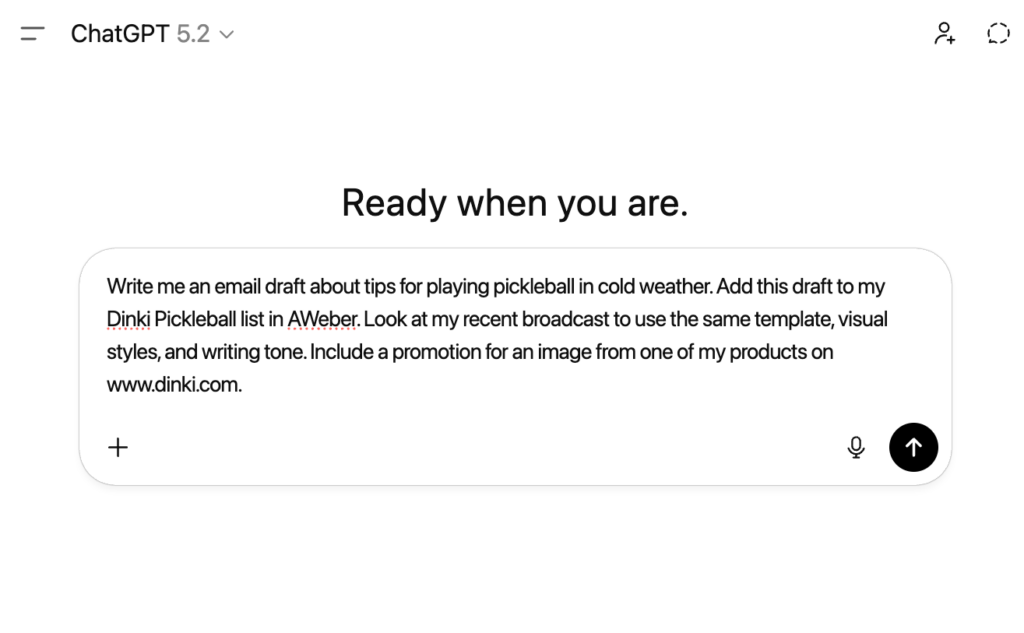
Precise Prompting: Users begin by providing ChatGPT with a specific prompt outlining their email needs. Clarity and detail are paramount here. For example, a prompt could be: "Write an email about [topic], focusing on a persuasive tone. Utilize patterns from my best-performing emails on the ‘Product Launch’ list. Apply my standard ‘Newsletter’ template. Insert an image from [URL] below the second paragraph, and ensure the call to action encourages sign-ups for the webinar."
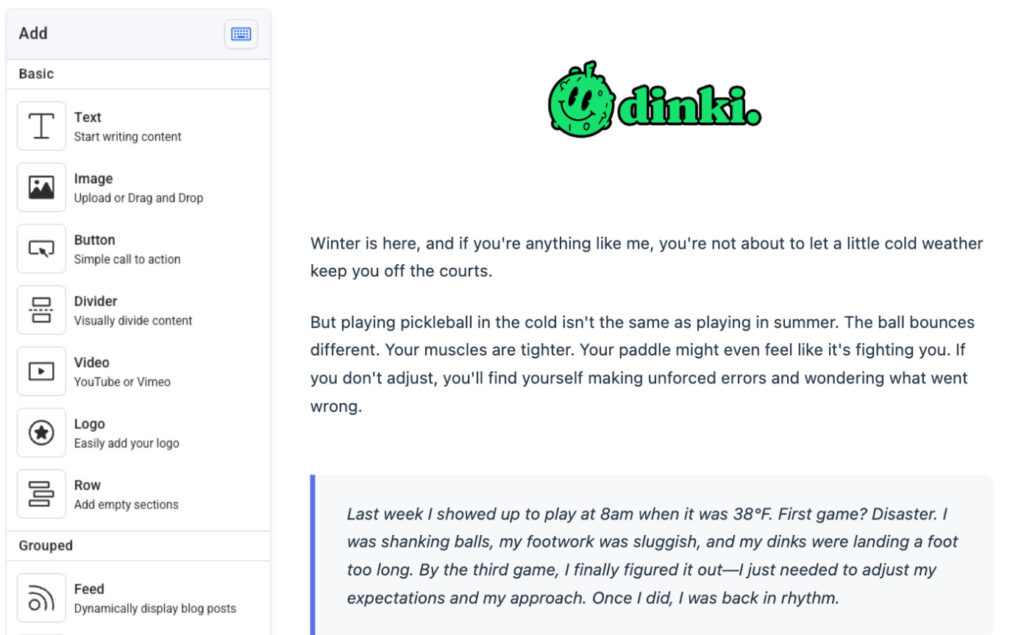
This detailed instruction allows ChatGPT to not only generate the textual content but also to integrate it seamlessly into a pre-defined AWeber template, incorporate specific visual assets, and save the draft directly into the user’s AWeber account. This holistic approach significantly reduces manual formatting and content placement tasks, accelerating the drafting process. AWeber also provides a comprehensive email prompt library to guide users in crafting effective instructions, further enhancing the utility of the integration. -
Efficient Review and Refinement: Once the draft is generated by ChatGPT and saved in AWeber, it becomes accessible for review and refinement. The draft will already incorporate the learned brand voice, optimal subject line styles, and content structure derived from past high-performing emails. Marketers can then make fine-tuned adjustments, such as tightening a sentence for conciseness, tweaking the call to action for stronger impact, or swapping an image to better align with current messaging. This stage emphasizes human oversight, ensuring that the AI-generated content perfectly aligns with strategic objectives and maintains a genuine human touch. The speed of the initial draft frees up valuable time for strategic refinement rather than laborious creation from scratch.
-
Strategic Deployment: With the email polished and perfected, the final step involves scheduling or sending the message directly from the AWeber platform. What once consumed hours of brainstorming, writing, designing, and integrating can now be accomplished from concept to deployment in as little as five minutes. This efficiency not only saves time but also enables marketers to be more agile, responding quickly to market trends, news, or customer feedback with targeted email campaigns. Furthermore, the knowledge that the email is built upon patterns of past success provides a significant confidence boost, knowing that the communication is inherently designed for performance.
It’s important to clarify that ChatGPT does not directly send emails. It acts as a powerful drafting and optimization engine, saving content to AWeber. This separation ensures that marketers retain full control over critical aspects like timing, audience segmentation, and final content approval, blending AI speed with essential human oversight.
Five Strategies for Maximizing Results with AWeber and ChatGPT
To truly unlock the potential of this integration, marketers can adopt several best practices:
-
Leverage Existing Performance Data: Proactively ask ChatGPT to analyze which subject line styles led to higher open rates, which email lengths correlated with more clicks, and which send times yielded the best engagement. Then, instruct the AI to incorporate these proven patterns into future drafts. This transforms anecdotal experience into actionable, data-driven strategy.
-
Demonstrate, Don’t Describe Your Tone: Instead of attempting to articulate your brand’s voice through adjectives, let your existing content speak for itself. A prompt like "Look at my last 10 emails and write a new one about [topic] using the same tone" allows ChatGPT to directly learn and replicate your authentic voice from actual communications.
-
Iterate Within the Same Chat Session: The conversational nature of ChatGPT is ideal for refinement. If the first draft isn’t perfect, use follow-up prompts within the same chat to make quick adjustments: "Make the intro paragraph shorter," "Add a customer testimonial after paragraph two," or "Soften the call to action." Each revision is updated and saved back to AWeber, maintaining a clear version history and iterative improvement.
-
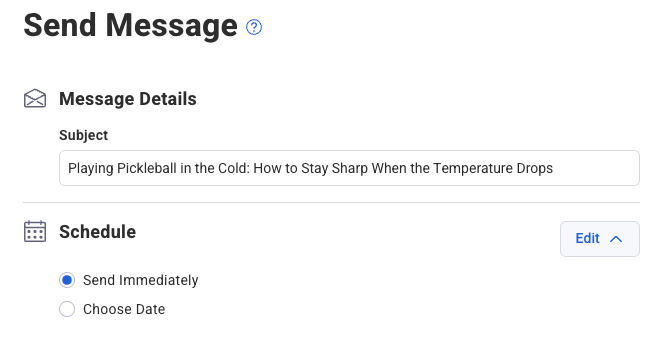
Enforce Consistent Templates: If your brand utilizes a standardized email layout for visual consistency and brand recognition, ensure ChatGPT is instructed to apply it. This maintains a professional and cohesive visual identity across all communications, reinforcing brand recall and trustworthiness.
-
Generate Subject Lines from Top Performers: Subject lines are critical for email open rates. Task ChatGPT with analyzing your emails with the highest open rates and generating new subject line options based on the characteristics of those successful examples. This ensures that even the gateway to your message is optimized for engagement.
Broader Impact and Implications for the Future of Marketing
The AWeber-ChatGPT integration signifies a pivotal moment in the evolution of digital marketing. By democratizing access to advanced personalization capabilities, it levels the playing field for businesses of all sizes, enabling even small teams to execute sophisticated email strategies typically reserved for large enterprises with extensive resources. This innovation is not merely about efficiency; it’s about elevating the quality and relevance of digital communication.
For marketers, the role shifts from exhaustive content creation to strategic oversight and refinement. Instead of battling the blank screen, they can focus on higher-level strategy, audience segmentation, and campaign performance analysis. The ability to rapidly generate contextually relevant drafts frees up time for creative ideation, A/B testing, and deeper engagement with customer insights.
Furthermore, this development underscores a broader trend in AI application: moving beyond basic automation to intelligent augmentation. ChatGPT, when combined with platforms like AWeber, evolves into a sophisticated "email assistant" that not only understands language but also comprehends performance data and adapts its output accordingly. This sets a new benchmark for AI tools in marketing, emphasizing the critical interplay between AI’s processing power and a rich dataset of real-world interactions.
In an era where consumer attention is a precious commodity, highly personalized and relevant emails are no longer a luxury but a necessity. The AWeber-ChatGPT integration offers a tangible pathway for businesses to meet this demand, ensuring their messages cut through the noise, resonate deeply with their audience, and drive measurable results. It heralds a future where email marketing is not just fast, but genuinely smart, impactful, and intrinsically aligned with the unique relationship between a brand and its subscribers. This development positions AWeber at the forefront of AI-driven marketing solutions, empowering its users to embark on a new era of highly effective and deeply personalized email communication.