rifanmuazin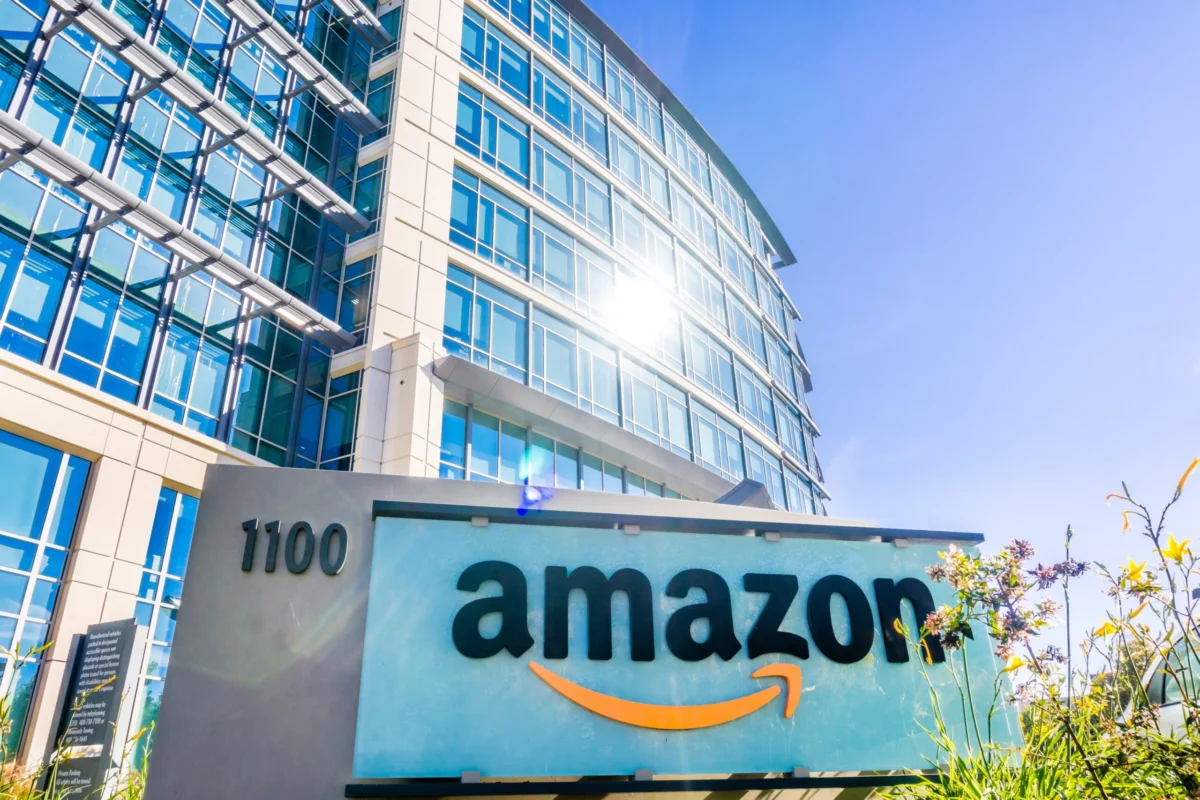
In a move that sent ripples through the e-commerce landscape, GameStop, the video game and electronics retailer, formally proposed a staggering $56 billion acquisition of eBay on May 3rd. This ambitious bid, spearheaded by GameStop CEO Ryan Cohen, is not merely a financial maneuver but a calculated strategic gambit aimed at creating a formidable challenger to the omnipresent Amazon. Cohen articulated his vision in a March 4th report to The Wall Street Journal, stating, "It could be a legit competitor to Amazon." The core of this proposed synergy lies in leveraging GameStop’s extensive network of physical retail locations to enhance eBay’s e-commerce operations, particularly in areas like omnichannel fulfillment, product authentication, and last-mile delivery. While the ultimate fate of this monumental deal remains uncertain, the proposal itself has illuminated the persistent and complex challenge faced by retailers and online marketplaces of all scales: how to effectively compete against an e-commerce behemoth like Amazon, which benefits from deeply entrenched advantages.
GameStop currently holds the 81st position in Digital Commerce 360’s Top 2000 Database, a comprehensive ranking of North American online retailers by annual e-commerce sales. In contrast, Amazon reigns supreme at the No. 1 spot. The proposed acquisition would drastically alter this dynamic, potentially catapulting the combined entity into a more competitive tier. Furthermore, within Digital Commerce 360’s Global Online Marketplaces Database, which ranks the top 100 marketplaces by third-party gross merchandise value (GMV), Amazon is positioned at third, with eBay following closely at sixth. This acquisition, if successful, would consolidate two significant players, creating a powerful force capable of challenging Amazon’s market share.
The Omnichannel Imperative: A Pathway to Compete Against Amazon
Ryan Cohen’s strategic thinking echoes a growing consensus among industry leaders: omnichannel services represent a critical battleground where retailers can carve out advantages against Amazon. While Amazon has demonstrably expanded its physical footprint through initiatives like acquiring Whole Foods and experimenting with its own brick-and-mortar stores, its physical presence remains comparatively limited when contrasted with established retail chains. The recent announcement of Amazon’s decision to close its Amazon Go and Amazon Fresh stores, with some locations slated for conversion into Whole Foods Market sites, underscores this point. Despite these shifts, Amazon has often relied on strategic partnerships to bridge the gap in its physical retail network. Examples include its collaborations with Kohl’s for package return drop-offs and its ongoing experiments with grocery delivery through partners like Winn-Dixie.
The data supports the strategic importance of omnichannel capabilities. In 2025, Digital Commerce 360’s Top 1000 Database revealed that a significant majority of retail chains—76.6%—offered "buy online, pick up in store" (BOPIS) as a customer option. Additionally, 64.9% of these retailers provided real-time in-store stock status information to online shoppers, further integrating their physical and digital channels. This widespread adoption highlights a clear industry trend toward leveraging physical assets to enhance the online customer experience, a strategy that GameStop aims to supercharge for eBay.
Navigating the Last-Mile: Challenges in Online Grocery and Delivery
Amazon’s partnership with Winn-Dixie for grocery delivery in specific regions also serves as a stark reminder of the gaps that still exist for the e-commerce giant, particularly in the burgeoning online grocery sector. The U.S. online grocery market experienced robust growth, expanding by 25% year-over-year in 2025, according to data from Brick Meets Click. This surge has been met with a proactive response from major U.S. grocers, including Walmart, Costco, and Kroger, who have been diligently developing and expanding their own in-house delivery capabilities.
To navigate the complexities of last-mile delivery, many of these grocers have embraced third-party logistics providers. Kroger, for instance, has notably expanded its delivery network through collaborations with DoorDash and has significantly deepened its existing partnership with Instacart, designating the latter as its "primary delivery fulfillment partner." This strategic reliance on specialized delivery services allows grocers to offer more flexible and rapid fulfillment options to their customers.
The impact of these partnerships is evident in the growth metrics. During Costco’s fiscal first quarter, Chief Financial Officer Gary Millerchip reported that same-day delivery services, facilitated by partners like Instacart, Uber Eats, and DoorDash, outpaced overall Costco digital sales growth. This success has prompted further expansion, with Costco and Instacart extending their collaboration to international markets, including Spain and France, at the beginning of 2026. These developments underscore the critical role of efficient and scalable last-mile delivery solutions in capturing market share in the competitive online retail space, an area where the proposed GameStop-eBay merger could see significant strategic integration.
The "Deal Day" Phenomenon: Counterprogramming Amazon Prime Day
As Amazon Prime Day continues to solidify its position as a premier online sales event, it has inadvertently created a calendar anchor for competitors. A growing number of retailers now strategically time their own promotional events to coincide with Prime Day, effectively capitalizing on the heightened consumer interest in online deals. This trend has transformed Prime Day from a purely Amazon-centric event into a significant sales pillar for non-Amazon retailers as well.
In 2025, during Amazon’s Prime Day, which saw a 32% surge in Amazon.com web traffic compared to the preceding 21 days, other major retailers also experienced substantial traffic increases. Walmart, Target, Best Buy, and Temu each reported double-digit percentage growth in their own web traffic, according to analytics from Similarweb. This phenomenon indicates a strategic consumer behavior where shoppers actively seek out deals across multiple platforms during this peak promotional period.
In response, retailers have launched their own branded deal events, such as Walmart Deals, Target’s Circle Week, and Temu Week. These promotions are meticulously scheduled to attract shoppers who are already in a deal-hunting mindset, directly competing for consumer attention and spending during a critical sales window. This adaptive strategy demonstrates how online merchants are evolving to not only survive but thrive amidst Amazon’s overwhelming market influence, even if they do not participate directly in Amazon’s ecosystem. The GameStop-eBay proposal could potentially leverage this strategy, creating integrated promotional events that draw consumers away from Amazon’s offerings.
The Strategic Rationale Behind GameStop’s eBay Ambition
The $56 billion valuation proposed by GameStop for eBay underscores the significant market perception and potential that Ryan Cohen sees in the online marketplace. This valuation is considerably higher than eBay’s current market capitalization, suggesting a premium for the perceived strategic synergies and future growth potential that Cohen envisions. The core of this proposition rests on integrating GameStop’s physical retail infrastructure with eBay’s vast online marketplace.
GameStop operates thousands of brick-and-mortar stores across North America and Europe. These locations, often situated in high-traffic areas, represent a tangible asset that could be repurposed to enhance eBay’s operational capabilities. Potential applications include:
- Enhanced Fulfillment Centers: GameStop stores could serve as localized hubs for order fulfillment, reducing shipping times and costs for eBay sellers and buyers. This would directly challenge Amazon’s extensive fulfillment network by decentralizing operations.
- Customer Service and Returns: Physical locations could offer convenient drop-off points for returns and a physical touchpoint for customer service inquiries, addressing a common pain point for online shoppers who value tangible support.
- Authentication Services: For high-value items traded on eBay, such as collectibles or luxury goods, GameStop’s physical presence could facilitate secure authentication processes, adding a layer of trust and combating counterfeit goods. This is particularly relevant given GameStop’s own history with collectibles and merchandise.
- In-Store Pick-up and Local Commerce: Integrating eBay listings with GameStop’s in-store pickup options could create a seamless omnichannel experience, driving foot traffic to GameStop locations and providing a convenient option for local buyers.
The proposed acquisition also signals a potential shift in GameStop’s own business strategy. While traditionally known for its focus on new and pre-owned video games, the company has been exploring diversification initiatives. A successful acquisition of eBay would represent a monumental leap into the broader e-commerce marketplace, leveraging GameStop’s capital and operational expertise in a new and expansive domain.
The Competitive Landscape and Amazon’s Enduring Strengths
Despite the strategic maneuvers of competitors, Amazon’s dominance remains a significant factor. Its success is built on a foundation of unparalleled logistical capabilities, a vast customer base, a sophisticated recommendation engine, and a commitment to customer convenience. Amazon’s Prime membership program, with its bundled benefits of free shipping, streaming services, and exclusive deals, creates a powerful ecosystem that fosters customer loyalty and recurring purchases.
Furthermore, Amazon’s data analytics capabilities allow it to deeply understand consumer behavior, enabling personalized marketing and product offerings that are difficult for competitors to replicate. The company’s continuous innovation in areas like artificial intelligence, cloud computing (AWS), and smart home devices further solidifies its market position and creates interconnected revenue streams.
However, the GameStop-eBay proposal highlights that even the largest players are not immune to competitive pressures. The e-commerce market is dynamic, and evolving consumer preferences, coupled with innovative strategies from competitors, can create opportunities for disruption. The success of the GameStop-eBay bid would hinge on its ability to effectively integrate their respective strengths and present a compelling alternative to Amazon for both buyers and sellers. The proposed synergy aims to exploit Amazon’s relative weakness in physical retail presence and leverage eBay’s established marketplace infrastructure, creating a unique value proposition. The coming months will reveal whether this ambitious vision can translate into a concrete reality, reshaping the competitive dynamics of the global e-commerce sector.
Implications and Future Outlook
The proposed GameStop acquisition of eBay, if it proceeds, would represent a significant consolidation in the e-commerce market and a direct challenge to Amazon’s reign. The strategic rationale, centered on leveraging physical retail assets for omnichannel growth, is a testament to the evolving nature of online commerce. This move could potentially redefine the competitive landscape, forcing other players to re-evaluate their own strategies for reaching and retaining customers.
The financial implications of such a deal are substantial, requiring intricate financing and regulatory approvals. The market will be closely watching the negotiation process, the integration plans, and the ultimate impact on consumers and sellers alike. This bold proposal from GameStop serves as a powerful reminder that even in the face of seemingly insurmountable market leaders, strategic innovation and bold ambition can pave the way for significant shifts in the industry. The outcome of this potential merger will undoubtedly be a critical development to monitor in the ongoing evolution of global e-commerce.