rifanmuazin
June 2026 presents a rich tapestry of opportunities for e-commerce marketers, woven from the threads of major global events, perennial seasonal demands, and significant cultural moments. This convergence offers a fertile ground for developing engaging content that resonates with consumers, connecting products to their lifestyles, celebrations, and spending habits. The fundamental aim of content marketing—to attract, engage, and retain customers—can be powerfully amplified by strategically aligning marketing efforts with these timely occasions. This article explores five key thematic areas that businesses can leverage in June 2026 to create impactful content.
The FIFA World Cup: A Global Spectacle Driving Consumer Engagement
The Federation Internationale de Football Association (FIFA) World Cup stands as one of the planet’s most universally celebrated sporting events, rivaling even the Olympic Games in its global reach and viewership. The 2022 tournament in Qatar captivated an estimated 5 billion fans worldwide, underscoring its unparalleled ability to unite diverse audiences under a shared passion for the beautiful game. In June 2026, the tournament’s unique North American edition, co-hosted by Canada, Mexico, and the United States, will kick off, spanning from mid-June through July and encompassing 16 metropolitan areas across the three nations. This widespread geographical distribution is poised to amplify fan engagement and consumer spending across a broad spectrum of industries.
The sheer scale and continental scope of the 2026 FIFA World Cup offer e-commerce content marketers an extraordinary platform to link a vast array of products to the fervent enthusiasm surrounding soccer. The tournament’s timing, commencing in mid-June, directly aligns with peak consumer interest for associated merchandise and viewing experiences. Brands can tap into this excitement by creating content that celebrates the sport, its teams, and the communal spirit of watching games.
For instance, retailers specializing in apparel and accessories can develop content around fan gear, team jerseys, and national flag merchandise. This could include guides on "How to Dress for the World Cup," showcasing comfortable and stylish options for watching games at home or in public viewing events. Electronics retailers might focus on optimal viewing experiences, offering content on high-definition televisions, sound systems, and streaming device recommendations. The shared experience of watching matches often extends to social gatherings, creating opportunities for businesses selling food and beverage-related products. Content could revolve around "World Cup Party Planning," featuring recipes for international snacks, beverage suggestions, and tips for hosting watch parties, thereby promoting cookware, serving ware, and themed decorations.
Beyond immediate game-day needs, the World Cup fosters a sense of national pride and camaraderie that can be translated into longer-term brand loyalty. Content that delves into the history of the World Cup, profiles legendary players, or explores the cultural significance of soccer in different regions can build deeper connections with consumers. For example, a travel e-commerce site could offer content on "Dream Destinations for Football Fans," highlighting cities that have hosted past World Cups or are part of the 2026 tour, subtly promoting travel packages and related gear.

The economic implications of such a global event are substantial. Beyond direct sales of merchandise, the World Cup stimulates spending in sectors like hospitality, media, and tourism. E-commerce marketers have a distinct advantage in reaching consumers directly and facilitating purchases related to the event. By providing valuable, engaging, and timely content, businesses can position themselves as essential partners in fans’ World Cup experience, from the initial excitement of the opening matches to the crowning of the champions. The co-hosting arrangement across North America also presents an opportunity for cross-cultural content, celebrating the unique contributions of each host nation to the tournament and the sport.
Wedding Season: Capitalizing on Timeless Celebrations
June has long been recognized as the quintessential month for weddings in the Northern Hemisphere, a tradition deeply ingrained in many cultures. While August often presents a strong second-tier contender for matrimonial ceremonies, June consistently holds the title as the most popular month for tying the knot. This seasonal surge in weddings translates into a significant economic driver, with the average American wedding costing an estimated $36,000, according to Fidelity. Even capturing a modest share of expenditures across venue bookings, catering, jewelry, bridal attire, and floral arrangements represents a substantial marketing opportunity for e-commerce businesses.
Content marketing efforts focused on wedding season should aim to be both informative and participatory, subtly integrating products without overt sales pitches. The goal is to become a trusted resource for couples navigating the complexities of wedding planning. Articles, videos, or podcasts offering practical advice, inspirational ideas, and checklists can resonate deeply with this audience.
For example, a jewelry retailer could produce content titled "Beyond the Engagement Ring: Must-Have Bling for Your Big Day," featuring guides on wedding bands, anniversary gifts, and bridesmaid jewelry. A home goods e-commerce store might offer "Setting Up Your Newlywed Nest: Essential Items for Your First Home Together," showcasing registries, starter kits for kitchens, and décor items that couples can register for or purchase as gifts. Apparel brands could focus on "Dressing the Part: From Engagement Party to Honeymoon," providing fashion advice for various wedding-related events.
The financial commitment associated with weddings also opens doors for content related to budgeting and financing. An e-commerce platform offering financial planning tools or services could create content like "Smart Spending for Your Dream Wedding," offering tips on where to save and where to splurge, subtly linking to products that offer value or are considered essential investments.
Beyond direct purchases, the emotional significance of weddings provides an avenue for content that focuses on the journey and the memories created. A photography or videography service could offer guides on "Capturing Your Special Moments: Tips for Stunning Wedding Photos," showcasing their services and the types of equipment that contribute to high-quality imagery. Even businesses not directly involved in wedding services can find creative angles. For instance, a bookstore might feature "Love Stories to Inspire Your Vows," curating romantic literature. A travel agency could promote "Honeymoon Destinations: From Tropical Paradises to European Escapes," detailing romantic getaway packages.

The key is to provide value that extends beyond immediate transactional needs. By offering helpful advice, inspirational content, and a sense of understanding of the wedding planning process, e-commerce marketers can build a strong rapport with couples, fostering trust and encouraging repeat business. The widespread tradition of gift-giving surrounding weddings also means that a broad range of products can be integrated into wedding-themed content, from practical household items to luxury goods and personalized keepsakes.
D-Day and the 250th: Commemorating History and Patriotism
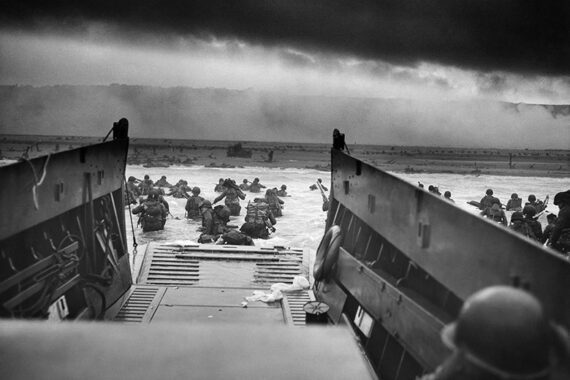
June 6, 2026, marks the 82nd anniversary of D-Day, the pivotal Allied amphibious invasion of Normandy, France, that commenced the liberation of Nazi-occupied Europe and ultimately signaled the beginning of the end of World War II. This monumental event, a testament to courage, sacrifice, and international cooperation, holds profound historical significance, particularly for the United States and its allies. The battles fought on Utah and Omaha beaches, among others, represent critical turning points in the war and are often explored through articles and documentaries that highlight American and Allied history, heritage, and the spirit of unity.
This particular year presents a unique and potent confluence of historical commemoration. Following closely on the heels of the D-Day anniversary, July 4th, 2026, will mark a monumental milestone: the 250th anniversary of the United States’ independence. This double dose of significant historical reflection creates a powerful opportunity for e-commerce marketers, especially those with a strong presence or customer base within the U.S.
Content marketers in the United States can strategically align their June and July campaigns with these historical observances. For the D-Day anniversary, content could focus on themes of remembrance, heroism, and the enduring legacy of those who fought for freedom. This might include profiling the stories of individual veterans, exploring the historical context of the invasion, or highlighting museums and memorials dedicated to World War II. Products that symbolize durability, service, or historical significance could be subtly integrated. For example, a brand selling high-quality outdoor gear might create content on "Gear for the Modern Explorer: Inspired by the Spirit of Adventure," drawing parallels between the explorers of D-Day and contemporary adventurers. A retailer of historical books or documentaries could offer curated selections related to World War II.
The subsequent celebration of America’s 250th birthday provides an even broader canvas for patriotic-themed content. Marketers can create articles and features that explore American history, from the Founding Fathers to contemporary achievements. This could involve profiling influential figures, examining pivotal moments in the nation’s development, or celebrating American innovation and culture. Products that are uniquely American-made, or that represent American craftsmanship and heritage, would be particularly relevant.
For instance, a company selling American-made furniture could develop content titled "Crafted in the USA: Pieces That Tell an American Story," showcasing their products and their connection to national craftsmanship. A food and beverage company might focus on "A Taste of America: Iconic Foods and Drinks for Your 250th Celebration," promoting products that are culturally significant to the U.S. A fashion brand could explore "Red, White, and Blue Style: Celebrating 250 Years of American Fashion," showcasing patriotic-themed apparel.

The intersection of these two significant dates allows for content that bridges the past and the present, emphasizing themes of resilience, freedom, and national identity. A brand could create content that highlights how the sacrifices made during World War II paved the way for the freedoms celebrated today, thereby connecting the legacy of D-Day to the enduring spirit of American independence. This approach can foster a deeper emotional connection with consumers, positioning brands as thoughtful participants in national commemorations rather than mere retailers. The opportunity to weave narratives of courage, perseverance, and national pride into marketing efforts is particularly potent in 2026, offering a chance to engage consumers on a more profound level.
Outdoor Cooking: Embracing Summer Culinary Adventures
As the summer months unfurl, the allure of outdoor cooking intensifies, offering a delightful departure from indoor kitchens. Whether on a patio, at a campsite, or even in a fully equipped outdoor kitchen setup, the warmer weather invites culinary exploration al fresco. June content can play a crucial role in helping consumers discover practical ways to simplify their outdoor food preparation and expand their repertoire of grilled and smoked dishes.
The focus for outdoor cooking content should extend beyond mere recipe sharing to encompass the entire outdoor culinary experience. This includes providing valuable insights into equipment, techniques, and lifestyle integration. For example, a retailer of barbecue grills and accessories could offer content such as "The Ultimate Guide to Summer Grilling: From Weeknight Dinners to Weekend Feasts," detailing different grilling methods, essential tools, and tips for achieving perfect results. This could naturally lead to showcasing their range of grills, smokers, charcoal, and grilling utensils.
Beyond the grill itself, the broader ecosystem of outdoor cooking presents numerous content opportunities. Businesses selling outdoor dining furniture, portable coolers, food storage solutions, or even bug repellent can find relevant angles. Content on "Creating Your Outdoor Oasis: Essential Gear for Summer Entertaining" could feature picnic blankets, outdoor tableware, and ambient lighting, while also promoting grilling equipment.
For brands specializing in cookware and kitchenware, the challenge is to adapt their offerings to the outdoor context. Content could focus on "Campfire Cooking Made Easy: Lightweight and Durable Cookware for Your Next Adventure," highlighting pots, pans, and utensils designed for portability and resilience. Similarly, a business offering spices and marinades could create "Flavor Boosters for Your BBQ: Elevating Your Outdoor Meals," providing recipes and pairing suggestions that complement grilled meats, vegetables, and seafood.
The practical aspects of outdoor cooking, such as food safety, fuel management, and cleaning, also offer fertile ground for informative content. A brand selling propane tanks or charcoal briquettes could produce guides on "Safe and Efficient Outdoor Cooking: Tips for Fueling Your Fun." Content addressing the cleanup process, such as tips for cleaning grills and outdoor kitchen surfaces, could be valuable for manufacturers of cleaning products or specialized grill brushes.
Ultimately, the goal of outdoor cooking content marketing in June should be to empower consumers to embrace the joy and convenience of cooking outdoors. By providing practical advice, inspiring ideas, and highlighting the right products, e-commerce businesses can position themselves as indispensable allies in their customers’ summer culinary endeavors. The focus on usefulness and practical application, rather than just replicating existing recipes, can differentiate brands and foster a deeper connection with customers seeking to enhance their outdoor living experiences.
Time with Dad: Experiential Content for Father’s Day
Father’s Day, celebrated in many countries on the third Sunday in June, represents a significant marketing opportunity for e-commerce businesses. While traditional gift guides offering lists of potential presents are commonplace, consumers increasingly seek more meaningful ways to connect with their fathers, emphasizing shared experiences over material possessions. This evolving consumer preference presents a compelling opportunity for content that focuses on activities and shared moments.
Content marketing efforts for Father’s Day in 2026 can transcend the predictable gift-giving narrative by highlighting opportunities for quality time and bonding. The key is to identify activities that resonate with a wide range of fathers and their children, and then subtly integrate relevant products into these narratives. This approach allows businesses to demonstrate how their products can enhance these shared experiences, rather than simply promoting them as standalone items.
For instance, a sporting goods retailer could create content titled "Score Big This Father’s Day: Activities for the Sports-Loving Dad," featuring ideas for father-son or father-daughter outings like playing catch in the park, going for a hike, or attending a local game. This content could naturally incorporate recommendations for sports equipment, athletic apparel, or outdoor gear. Similarly, a retailer of tools and DIY supplies might develop content around "Building Memories Together: Father’s Day Projects for the Handy Dad," suggesting collaborative projects like building a birdhouse, a small piece of furniture, or even tackling a home improvement task together. This would allow for the promotion of tools, safety equipment, and project kits.
The culinary aspect of Father’s Day also offers rich potential for experiential content. Instead of just suggesting gifts for dads who love to cook, content could focus on "Cooking Up Memories: A Father’s Day Feast for the Whole Family," detailing how to plan and execute a special meal together, from preparing the dishes to setting the table. This approach would allow for the promotion of kitchen gadgets, cookware, serving dishes, and even themed food items.
For businesses in the entertainment or technology sectors, content could revolve around "Unwinding Together: Father’s Day Entertainment Ideas for Every Dad," suggesting movie marathons, gaming sessions, or creating a backyard movie theater experience. This would open avenues to promote streaming subscriptions, gaming consoles, high-quality audio equipment, or projectors.

The overarching theme for Father’s Day content in 2026 should be about fostering connection and creating lasting memories. By shifting the focus from "what to buy" to "what to do," e-commerce marketers can tap into a deeper consumer need for meaningful experiences. This approach not only aligns with evolving consumer values but also allows for a more organic and impactful integration of products, demonstrating their utility in enhancing cherished family moments. The goal is to inspire customers to create memorable Father’s Day celebrations, with the brand’s products serving as enablers of these special occasions.