
 rifanmuazin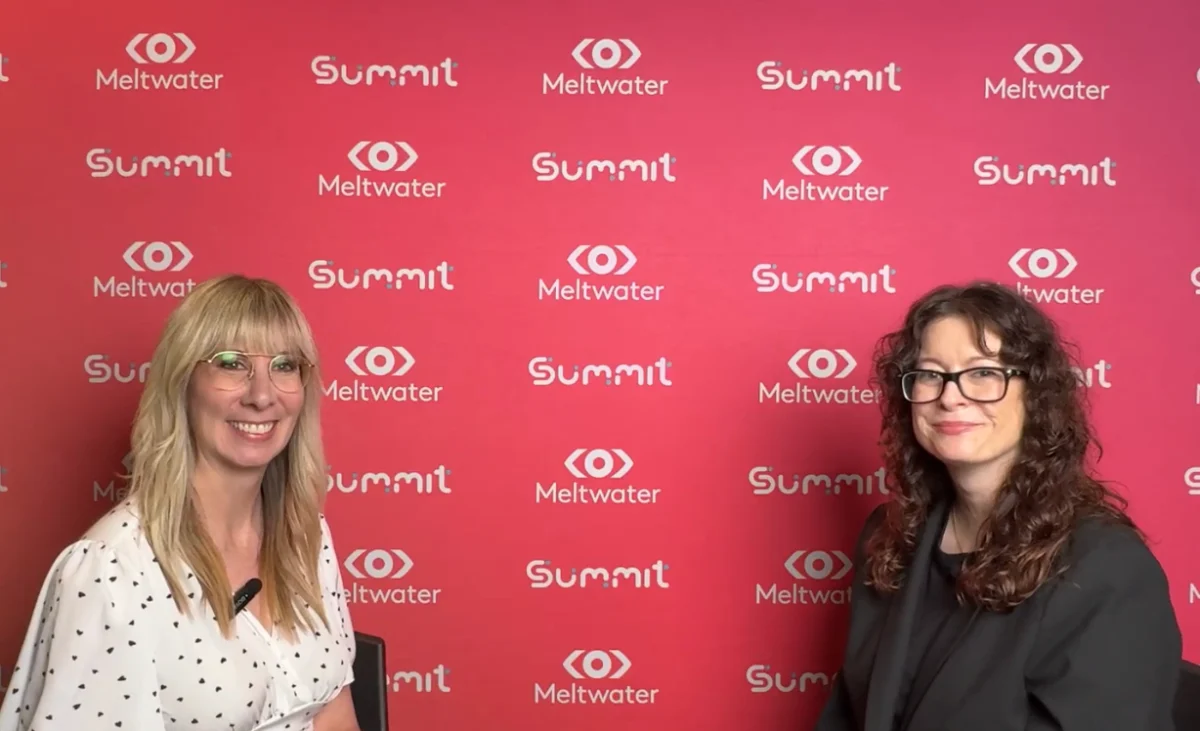
The 2026 Meltwater Summit in New York City served as a critical platform for industry leaders to discuss the evolving landscape of public relations and consumer engagement, highlighted by a deep dive into the recent successes of global e-retailer SHEIN. Lisa Zlotnick, Head of U.S. Brand PR at SHEIN, sat down with Nicole Schuman, Managing Editor of PRNEWS, to dissect the strategy behind the brand’s "Festival House" campaign. The discussion revealed how the company is pivoting away from traditional top-down marketing toward a model defined by data-driven "considered purchases" and the breaking of internal organizational silos. This shift comes at a time when Gen Z consumers are increasingly resistant to traditional advertising, demanding instead that brands build communities alongside them rather than simply targeting them with advertisements.
The core of SHEIN’s recent success lies in a massive undertaking of consumer listening. Zlotnick revealed that the brand’s spring strategy was birthed from a comprehensive survey of 18,000 active app users. This data set provided a granular look at the shopping habits of festival-goers, a demographic that has historically been associated with last-minute, high-volume impulse buying. However, the 2026 data suggested a more methodical approach among modern shoppers. According to the findings, nearly 70% of SHEIN’s customers now begin planning and purchasing their festival attire three to four weeks in advance. This pre-planning phase is characterized by strict budgetary constraints and a high volume of specific needs, with respondents indicating they require two to three distinct outfits per day of a festival.
A Data-Driven Approach to Experimental Retail
The survey results challenged the long-held industry assumption that fast-fashion consumers are primarily driven by whim. Instead, Zlotnick described the modern SHEIN customer as a "considered" shopper. The data provided specific price ceilings that the brand used to curate its offerings: consumers were unwilling to spend more than $25 on individual tops or shorts, and they capped their accessory spending—such as sunglasses and hats—at $10. By aligning their inventory and marketing with these exact figures, SHEIN was able to meet the consumer exactly where their financial comfort zone resided.
This insight led directly to the creation of "Festival House," an experiential pop-up located on the iconic Melrose Avenue in Los Angeles. The activation was designed to bridge the gap between SHEIN’s digital-first identity and the tactile needs of its audience. While the brand dominates the e-commerce space, Zlotnick emphasized that physical spaces allow consumers to "see, touch, and feel" the quality of the products, a crucial step in building trust with a discerning Gen Z audience. The Los Angeles location acted as a physical manifestation of the app’s community, offering a VIP-style experience that was eventually opened to the general public.
Chronology of the Festival House Campaign
The "Festival House" initiative followed a strategic timeline designed to maximize social proof and digital momentum before opening to the masses. The campaign began with the internal analysis of the 18,000-user survey, which dictated the timing of the launch to coincide with the three-to-four-week pre-festival shopping window identified by the data.
The activation launched with an exclusive, high-profile opening. SHEIN’s influencer team, led by Jennifer Brown, curated a guest list of media professionals, top-tier influencers, celebrities, and VIPs. This initial phase was designed to generate high-quality content and "FOMO" (fear of missing out) across social media platforms like TikTok and Instagram. By allowing tastemakers to shop the collection first, SHEIN ensured that the brand was already trending before the doors opened to the broader public.
Following the influencer launch, the space transitioned into a four-day public activation over a long weekend. This allowed thousands of everyday consumers to engage with the brand in a curated environment that featured photo-ready "moments" and interactive displays. The timing was crucial; by hosting the event weeks before major music festivals like Coachella and Stagecoach, SHEIN positioned itself as the primary source for "festival fits." The success of the timing was validated during the festivals themselves, as the brand’s PR and social teams tracked an influx of user-generated content featuring clothing purchased at the Festival House during both "Weekend One" and "Weekend Two" of the major festival circuits.
Breaking Organizational Silos for Integrated Success
A recurring theme in Zlotnick’s interview was the necessity of internal integration. She argued that the success of the Festival House was not merely the result of a good PR idea, but the product of a unified marketing front. In many traditional corporate structures, PR, social media, influencer marketing, and experiential teams operate in isolation, often leading to disjointed campaigns. Zlotnick advocated for a "seat at the table" for all departments from the very inception of a project.
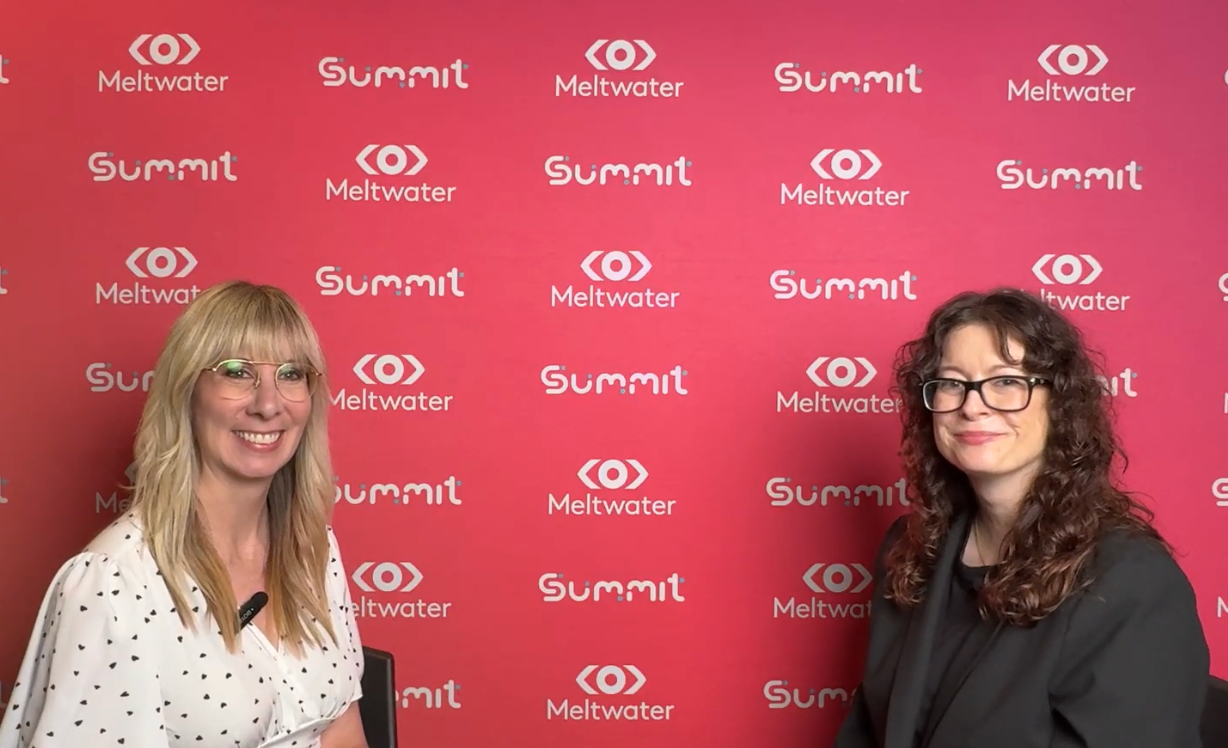
"It is so important for teams to break down silos," Zlotnick stated during the summit. She noted that social media teams are often brought into a campaign during the final stages as an afterthought, a practice she believes limits the strategic potential of a launch. At SHEIN, the Festival House was a collaborative effort from day one. The content team, social media team, experiential team, and influencer team worked in tandem to ensure that every physical aspect of the pop-up was optimized for digital sharing. This integrated approach ensured that the campaign’s narrative remained consistent across all touchpoints, from the initial app survey to the final festival post.
Engaging the Discerning Gen Z Audience
The 2026 Meltwater Summit highlighted a growing challenge for brands: the "cultural intelligence" of Gen Z. Nicole Schuman noted during the interview that this demographic is arguably the most discerning commercial audience in history. They have grown up in a saturated digital environment and possess an innate ability to detect inauthenticity or predatory marketing tactics.
Zlotnick agreed with this assessment, emphasizing that Gen Z knows when they are being "marketed at." To counter this, SHEIN’s strategy focuses on "building with" the audience. This involves fostering a sense of community where the consumer feels like a participant rather than a target. The 18,000-person survey was the first step in this collaborative process, giving users a voice in how the brand’s physical presence would be shaped. By listening to their price concerns and shopping timelines, SHEIN demonstrated a level of responsiveness that resonates with Gen Z’s values of transparency and utility.
The concept of "community building" was described by Schuman as the "heart of PR." For SHEIN, this means moving beyond transactional relationships. The brand’s presence at the Meltwater Summit signaled its intention to continue using sophisticated data analytics to understand the nuances of these communities, ensuring that their marketing efforts feel like a natural extension of the consumer’s lifestyle rather than an intrusion.
Broader Industry Context and Implications
The insights shared by Zlotnick at the Meltwater Summit reflect broader trends within the retail and communications industries. The 2026 summit featured other high-profile speakers, including a keynote by Gwyneth Paltrow, who discussed the evolution of her brand, Goop, and the importance of brand authority in a crowded market. Zlotnick noted that hearing from other leaders reinforced the idea that consumers across all sectors are becoming more deliberate and discerning with their purchases.
From a retail perspective, the "phygital" trend—the blending of physical and digital experiences—continues to gain steam. For e-commerce giants like SHEIN, temporary physical activations serve as a low-risk, high-reward method to test "brick-and-mortar" viability while gathering invaluable face-to-face consumer feedback. These pop-ups also serve as content factories, providing the raw material for social media campaigns that can reach millions of users who are unable to attend the event in person.
The success of the Festival House campaign also has significant implications for the timing of seasonal marketing. By identifying that the peak shopping window occurs nearly a month before an event, SHEIN was able to capture market share before its competitors, who may still be focusing on "at-event" activations. This "early-mover" advantage is a direct result of the brand’s commitment to data over intuition.
Conclusion: The Future of Brand PR
As the 2026 Meltwater Summit concluded, the takeaway for the gathered communications and marketing leaders was clear: the future of PR lies in the intersection of deep data and human-centric community building. SHEIN’s ability to mobilize 18,000 users for a survey and translate that data into a high-impact physical activation provides a blueprint for how global brands can remain relevant in a rapidly changing cultural landscape.
By prioritizing internal integration and breaking down the silos that often hinder creative strategy, Lisa Zlotnick and her team have demonstrated that PR is most effective when it is part of a holistic, brand-wide conversation. For the discerning Gen Z audience, the message is simple: they want to be heard, they want value, and they want to be part of a community. Brands that can deliver on all three, while remaining agile enough to respond to real-time data, will be the ones that thrive in the years to come. SHEIN’s Festival House was more than just a pop-up; it was a testament to the power of listening in an age of constant noise.










