rifanmuazin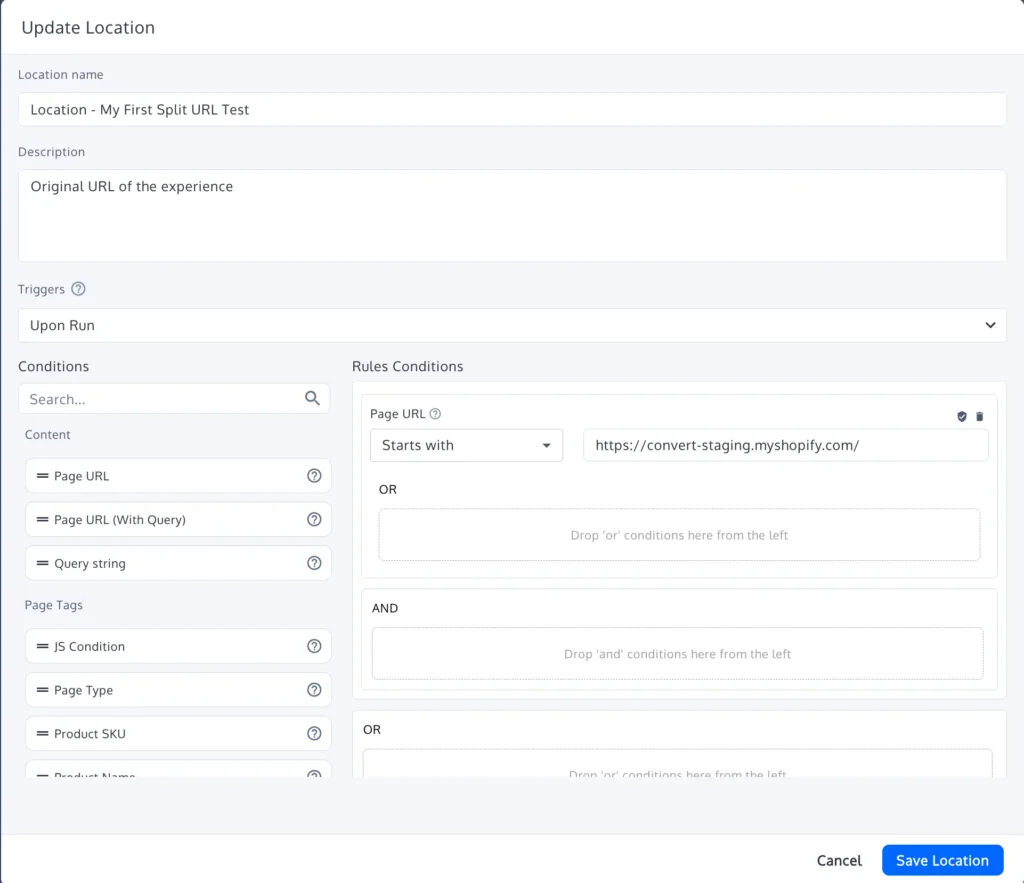
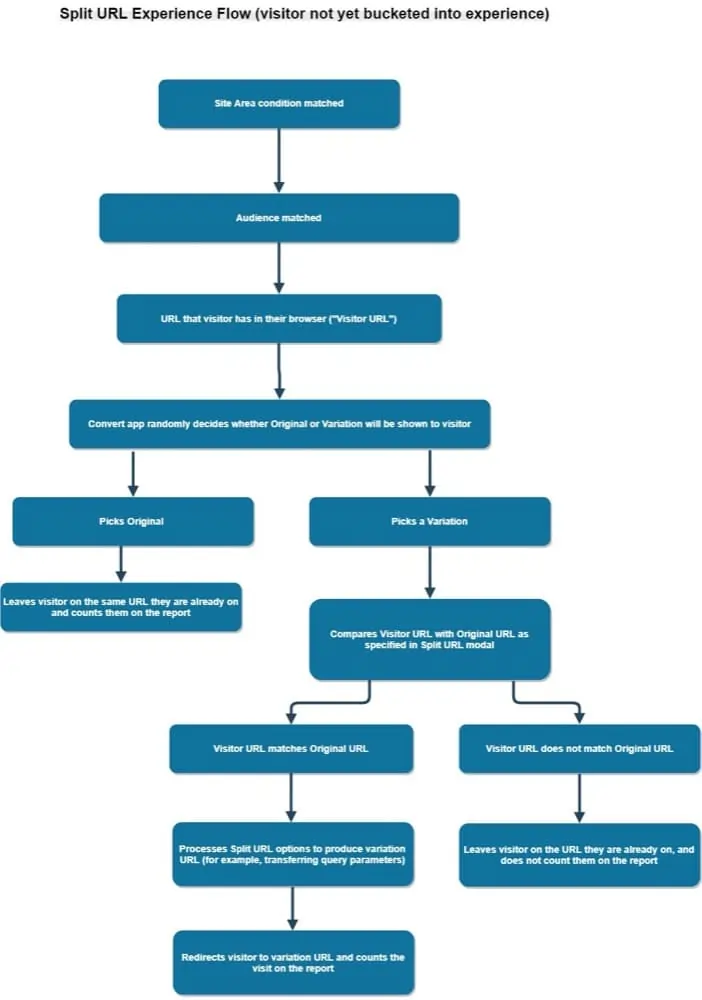
Split URL testing is a technical process that compares two or more distinct versions of a webpage hosted on separate URLs to determine which variant produces superior performance metrics. Unlike standard A/B testing—where variations are typically rendered on the same URL via a visual editor—split URL tests utilize a redirection mechanism. When a visitor arrives at the original URL, the testing platform assigns them to a specific "bucket." If assigned to a variation, the visitor is immediately redirected to a different URL, allowing for a clean, server-side or pre-rendered experience that is unconstrained by the limitations of a browser-based visual editor.

The Evolution and Industry Standards of Split URL Testing
The experimentation industry has reached a consensus on the fundamental mechanics of split URL testing, yet different platforms offer varying philosophical approaches to its application. Leading platforms such as VWO, Kameleoon, and OptiMonk agree that the method is essential for large structural changes rather than minor UI tweaks. However, a divide exists in how the results are interpreted.
CRO-native platforms often frame split URL testing through the lens of direct conversion: which specific page layout results in more sales or sign-ups? Conversely, behavioral analysis tools like Amplitude and Kameleoon emphasize the "user path," seeking to understand how a structural change alters the entire journey through a website. This distinction is critical for enterprise teams; the choice between a conversion-focused or path-focused lens determines how a test is structured and what data is prioritized during the post-test analysis phase.
Strategic Benefits of the Split URL Methodology
Organizations adopt split URL testing when the scope of work exceeds the capabilities of standard visual editors. The primary advantages include:
- Architectural Flexibility: Testing different backend technologies or tech stacks (e.g., comparing a legacy CMS page against a new headless CMS variant) is only possible through split URLs.
- Design Freedom: Designers and developers can build pages from scratch without worrying about "flicker" or the technical debt associated with stacking visual editor changes on top of existing code.
- User Path Testing: It allows for the comparison of entirely different funnels, such as a one-step checkout versus a multi-step checkout process.
- SEO and Performance Integrity: By using proper redirection and canonical tags, teams can test radical changes without permanently impacting their search engine rankings or page load speeds.
The Lifecycle of a Split URL Experiment
The execution of a successful split URL test requires a rigorous, multi-stage framework to ensure data integrity and actionable insights.
Phase 1: Hypothesis Generation and AI Integration
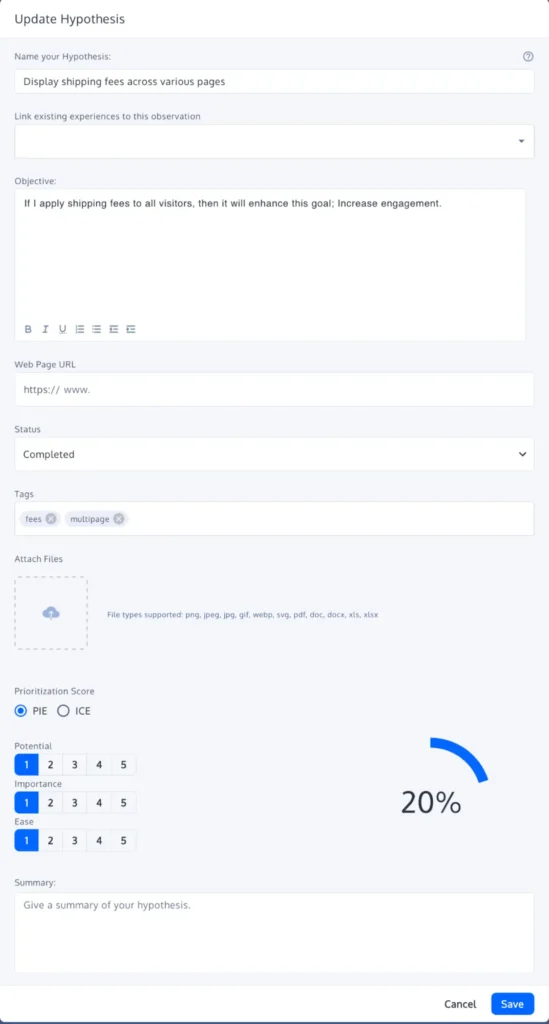
A test without a strong foundation is merely a gamble. Experts suggest that a hypothesis should address a specific friction point in the user journey. Ben Labay, CEO of Speero, notes that while AI tools like ChatGPT or Claude can assist in synthesizing research and surfacing patterns from session data, teams must remain vigilant. Labay cautions against treating all AI-generated insights as universal truths, recommending that practitioners filter behavior-based insights from opinion-based ones before committing to the cost of building a new URL variation.
Phase 2: Statistical Power and Sample Size Calculation
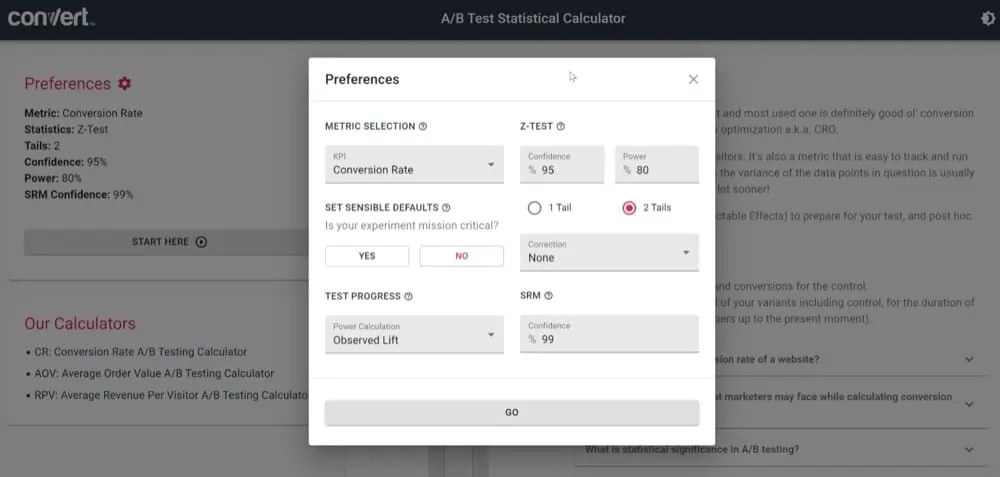
Before any code is written, teams must determine the necessary sample size to achieve statistical significance. Using a Chi-square goodness of fit test or a standard A/B testing calculator, teams should aim for at least a 90% to 95% significance level. This prevents the "peeking problem," where teams stop tests early due to a perceived lift that is actually the result of random variance.
Phase 3: Development and Variation Hosting
Because split URL tests do not use a visual editor, variations must be designed and hosted independently. Johann Van Tonder, CEO of AWA Digital, highlights the rise of "vibe coding" and rapid generation tools to iterate on these pages. Once built, these pages are hosted on public-facing URLs (e.g., site.com/landing-page-v2) to allow the experimentation engine to split traffic effectively.
Technical Implementation and QA Protocols
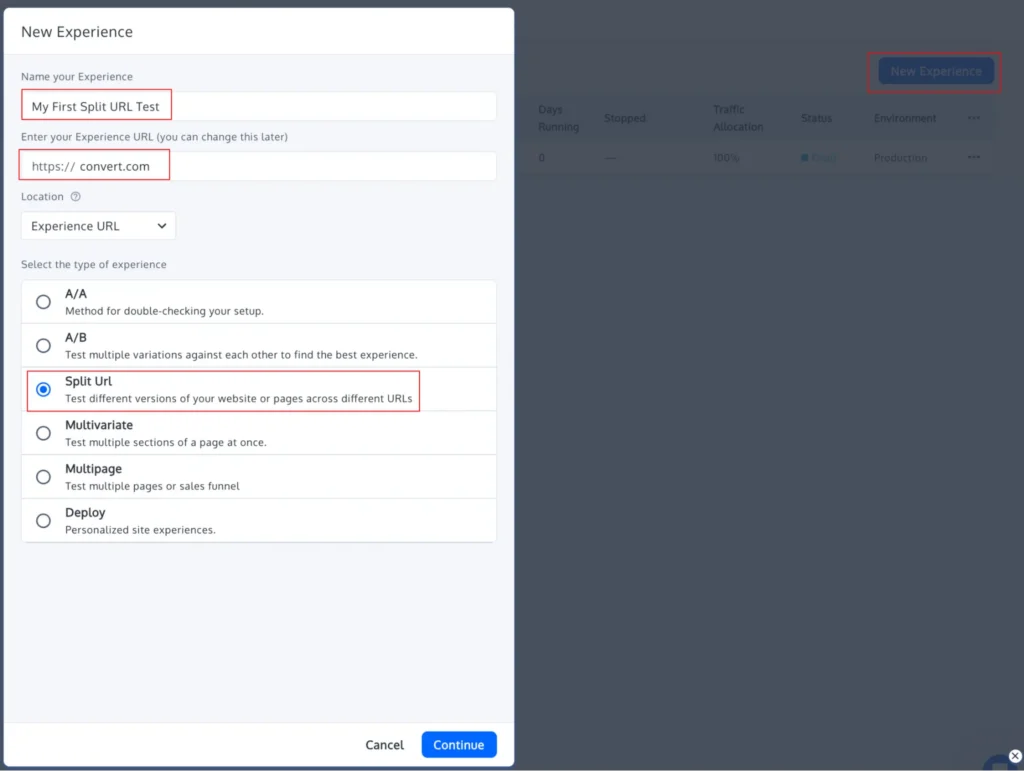
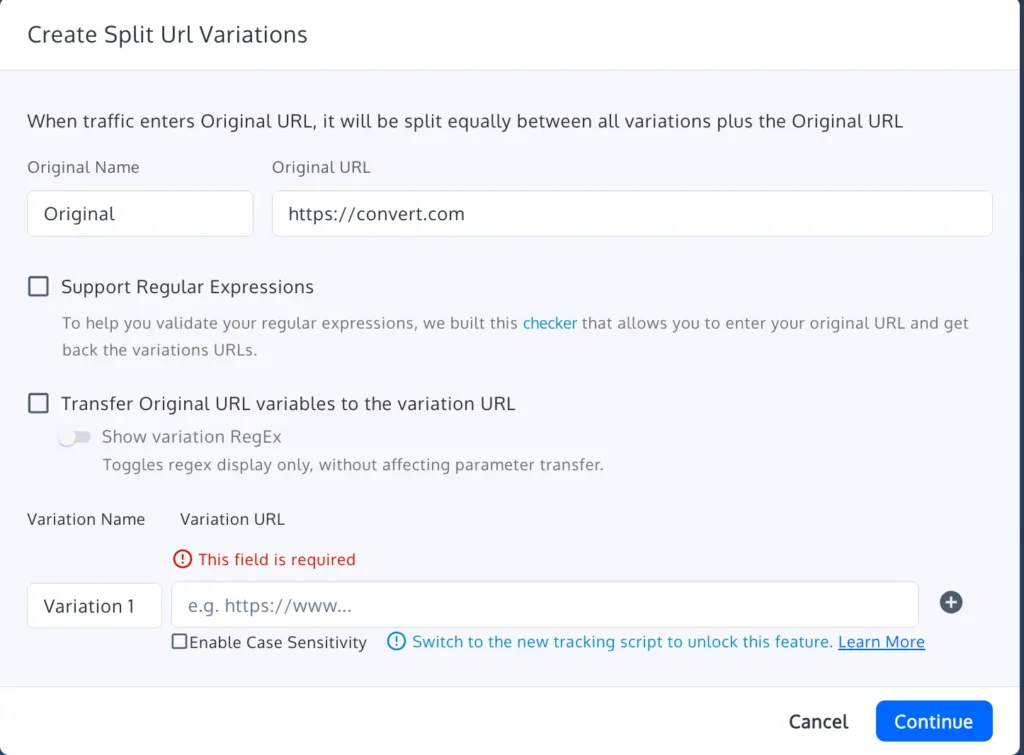
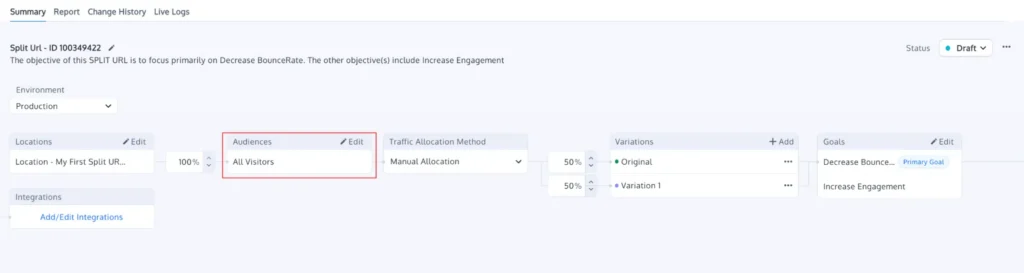
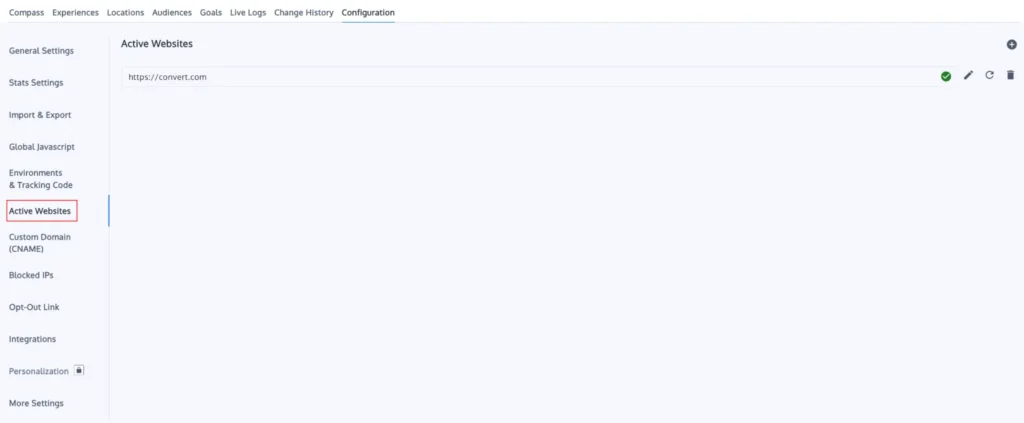
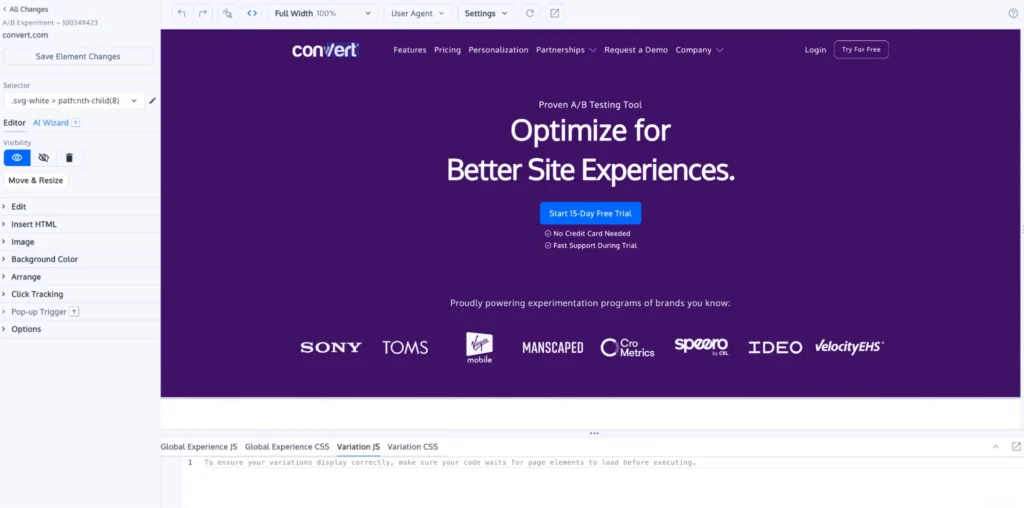
Setting up a split URL test involves several technical layers, particularly within platforms like Convert Experiences. The process requires defining the "Original" and "Variation" URLs and configuring traffic allocation, which is typically split 50/50 for a two-variant test.
Advanced URL Targeting and Regex
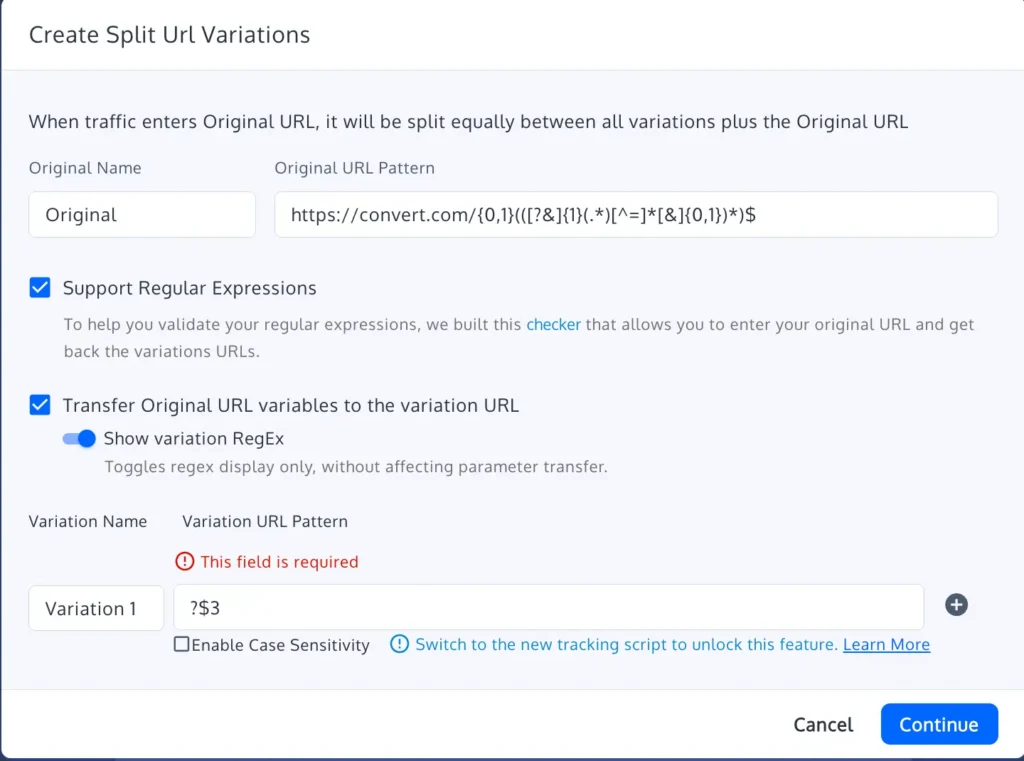
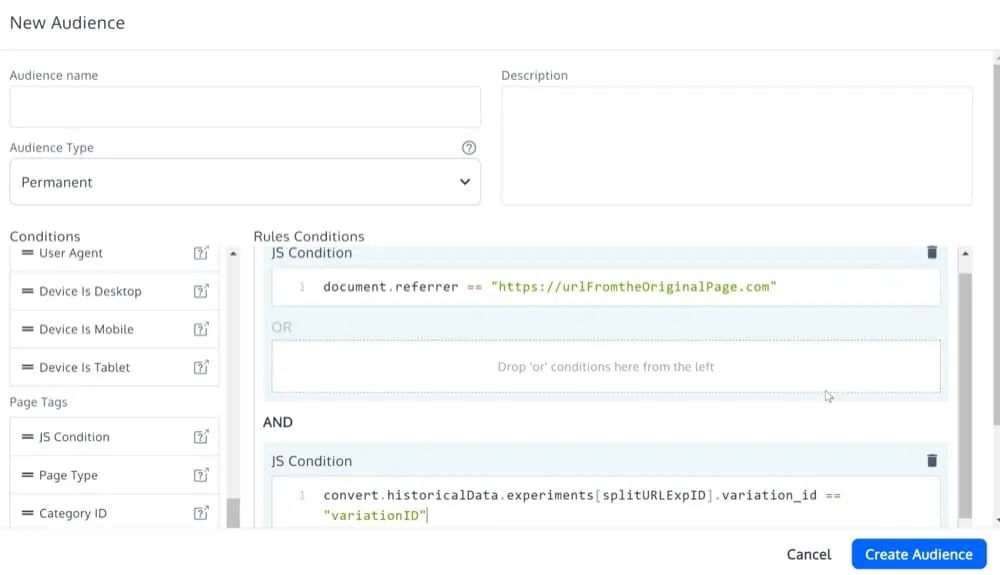
For dynamic sites, simple URL matching is often insufficient. Regular Expressions (Regex) are frequently used to handle query parameters, such as those from Google AdWords. Ensuring that UTM parameters transfer from the original URL to the variation URL is vital for maintaining clean attribution in analytics suites.
The Critical Role of Quality Assurance
Craig Sullivan, a prominent experimentation consultant, emphasizes that a single undetected bug can invalidate weeks of testing. Sullivan advocates for a "real device" QA process, arguing against the sole use of mobile emulators or simulators. His recommended protocol includes:
- Verifying the redirect triggers correctly across all targeted browsers.
- Ensuring that "back button" functionality does not break the user experience.
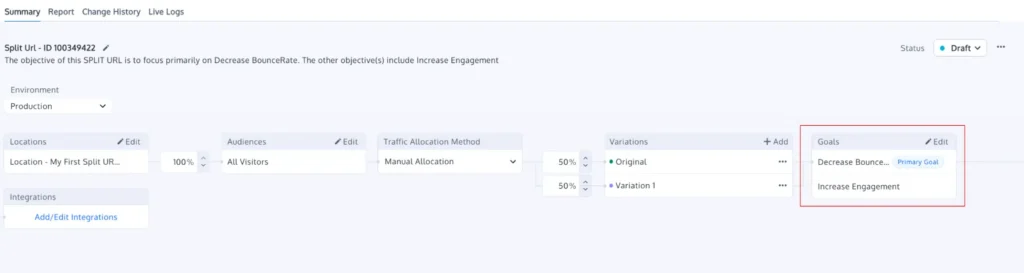
- Confirming that goals (clicks, form submissions, revenue) are firing on both the original and variation URLs.
- Checking for redirect loops, which occur when a variation page accidentally links back to the original page, triggering a continuous cycle of redirects.
Addressing Sample Ratio Mismatch (SRM)
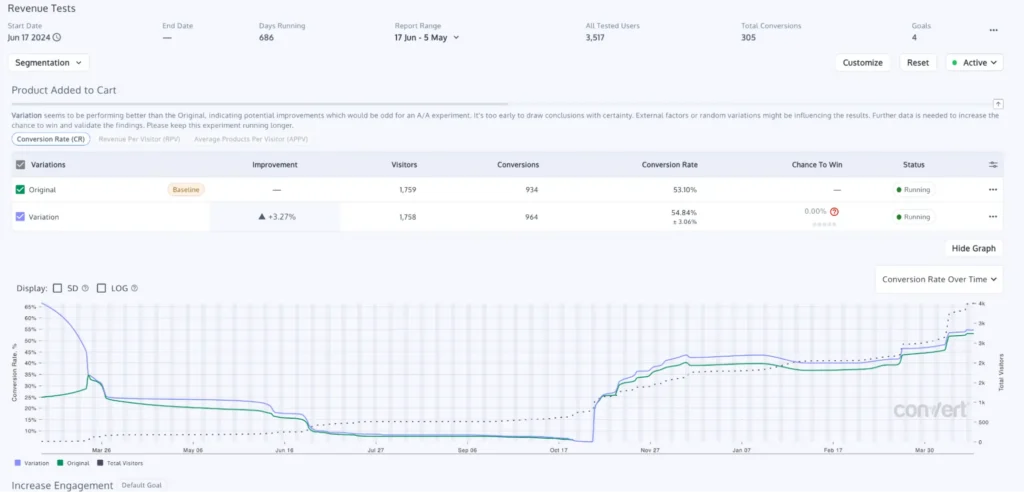
One of the most significant threats to split URL testing is Sample Ratio Mismatch (SRM). SRM occurs when the actual traffic distribution deviates significantly from the intended split (e.g., a 50/50 split resulting in 60/40 data).
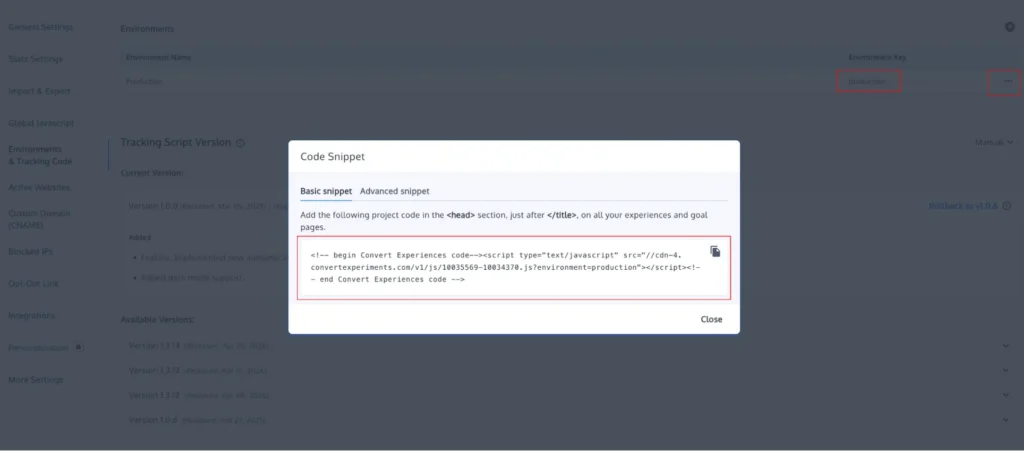
The causes of SRM in split URL tests are often technical:

- Missing Scripts: If the tracking code is missing from one of the variation pages, that traffic goes unrecorded.
- Bot Interference: Unusual user agents or bots may disproportionately land on one variant, skewing the data.
- Slow Redirects: If a redirect takes too long, users may bounce before the tracking script fires, leading to under-reporting on the variation.
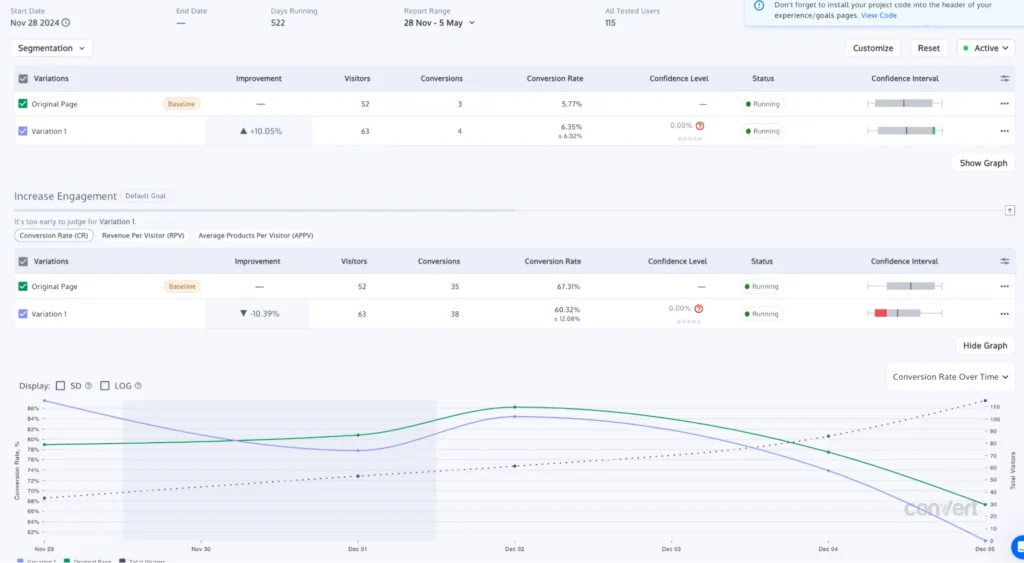
Modern platforms now include automated SRM detection, flagging tests where the variance is statistically improbable. This serves as an "early warning system," telling practitioners to investigate the setup before drawing conclusions.
SEO and Search Engine Considerations
A common concern with split URL testing is the potential for "duplicate content" penalties from search engines like Google. To mitigate this risk, the industry follows three primary SEO protocols:
- Use 302 Redirects: Unlike 301 redirects, which are permanent, 302 redirects tell search engines that the change is temporary. This ensures the original URL remains indexed.
- Implement Rel="canonical": Variation pages should include a canonical tag pointing back to the original URL. This signals to crawlers that the original page is the authoritative version.
- Avoid Cloaking: Traffic should be split randomly. Organizations should never show one version specifically to search engine bots and another to humans, as this violates Google’s Webmaster Guidelines.
E-commerce and Specialized Use Cases
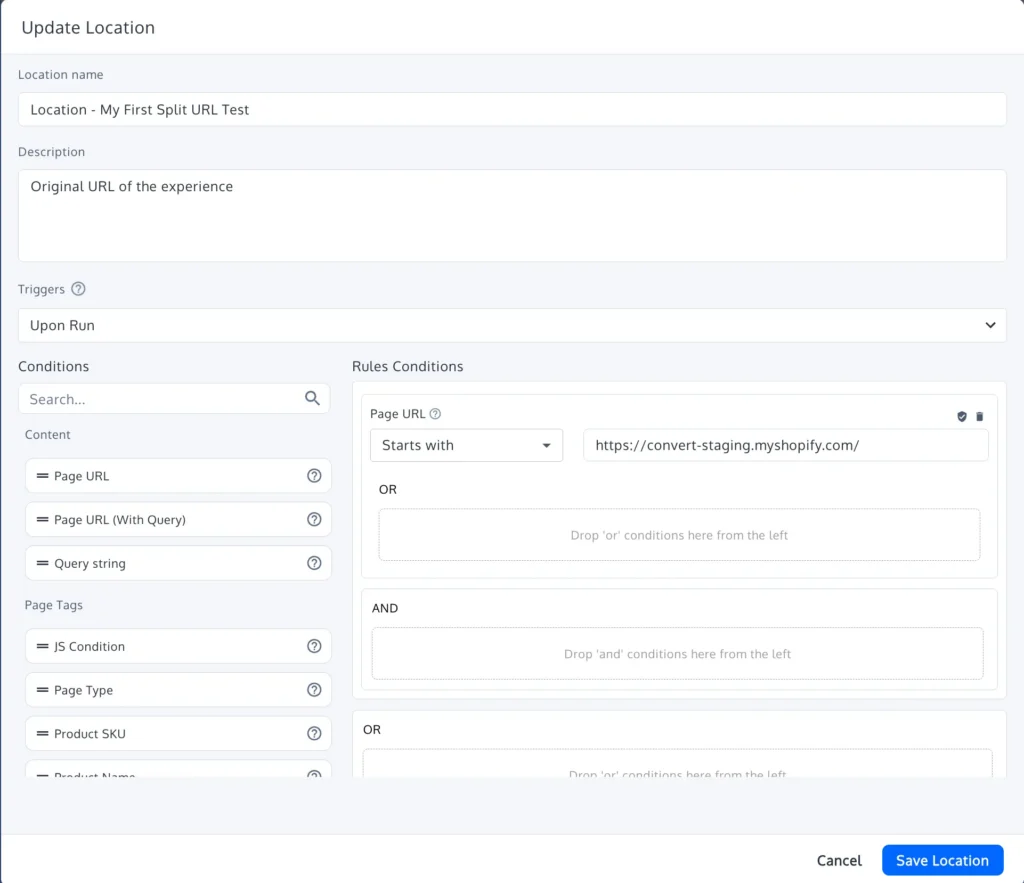
In the e-commerce sector, particularly on platforms like Shopify, split URL testing is frequently used to compare different themes. Since a theme change affects every element of the site architecture, a standard A/B test is technically impossible. By hosting a variation theme on a separate subdomain or preview URL, merchants can measure the impact of a new design on "Revenue Per Visitor" (RPV) and "Average Order Value" (AOV) across the entire store.
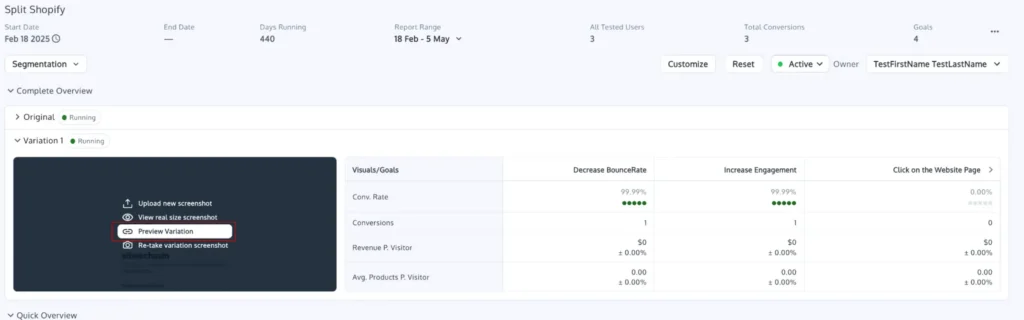
Furthermore, multipage or "funnel" testing allows teams to track a user’s progress through a sequence of pages. If a user is assigned to "Variation A" on the landing page, they must remain in that bucket through the checkout and thank-you pages to ensure data consistency.
Conclusion and Future Implications
Split URL testing represents the "heavy lifting" of the experimentation world. While it requires more development resources and a higher level of technical oversight than element-level A/B testing, the rewards are proportional. It enables organizations to take calculated risks on massive structural changes, backed by rigorous statistical evidence.
As the industry moves toward "server-side" experimentation and more integrated AI development workflows, the line between A/B and split URL testing may blur. However, the fundamental principle remains: the ability to cleanly redirect traffic between distinct experiences is essential for any mature optimization program. By avoiding common pitfalls like SRM, ensuring SEO compliance, and maintaining a strict QA process, businesses can transform their digital properties from static assets into evolving, data-driven ecosystems. In the words of industry leaders, the goal is not just to find a winner, but to understand the "why" behind user behavior to fuel long-term strategic growth.