


The global e-commerce landscape has reached a point of saturation where the cost of acquiring new traffic often outpaces the margins of the products being sold. In this hyper-competitive environment, industry analysts and digital strategists are shifting their focus from top-of-funnel acquisition to the internal efficiency of the sales process, a discipline known as Conversion Rate Optimization (CRO). Central to this discipline is the CRO audit, a comprehensive evaluation of a website’s performance that functions much like a medical health check-up for a digital storefront. While many businesses mistakenly view these audits as a reactive measure to be taken only when sales plummet or cart abandonment rates spike, modern market data suggests that regular, proactive audits are essential for maintaining a competitive edge and identifying untapped revenue opportunities.
The Strategic Framework of a Conversion Rate Optimization Audit
A CRO audit is defined as a systematic evaluation of an online store’s key conversion touchpoints, including product pages, checkout flows, site navigation, and technical performance metrics. The objective is to identify friction points that prevent a visitor from completing a desired action. Industry experts categorize the audit process into three distinct phases: the collection of quantitative data, the gathering of qualitative insights, and the prioritization of high-impact optimizations.
The necessity of this proactive approach is underscored by recent economic shifts. With global inflation affecting consumer spending habits, the "leaky bucket" syndrome—where expensive traffic is wasted on a poorly optimized site—has become a terminal risk for mid-sized e-commerce enterprises. By conducting regular audits, businesses can ensure their digital infrastructure evolves alongside changing user behaviors and technological standards.
Phase One: The Quantitative Foundation and Technical Performance
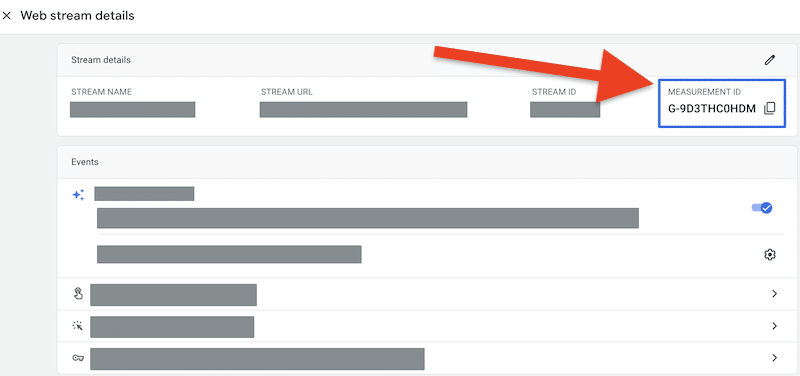
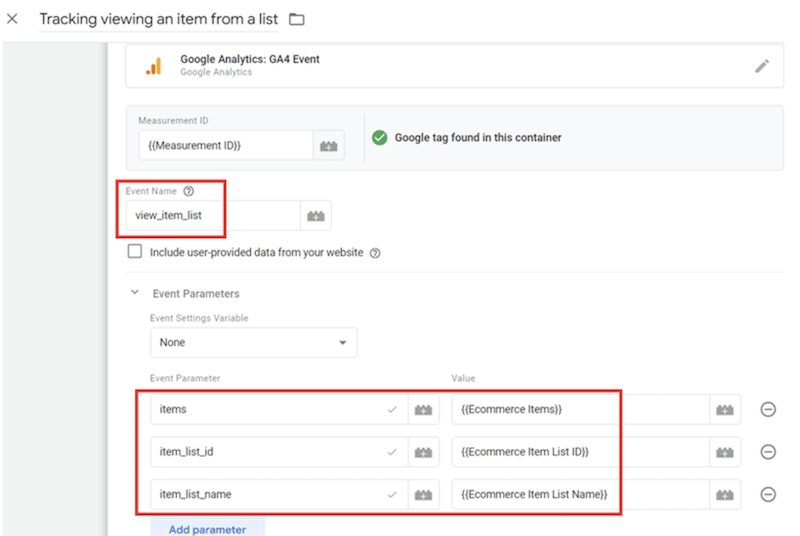
The first step in a professional CRO audit involves the analysis of "hard data," or the quantitative "what" of user behavior. This phase relies heavily on robust analytics configurations, primarily through Google Analytics 4 (GA4). Unlike its predecessor, GA4 is event-based, allowing auditors to track specific interactions such as "view_item," "add_to_cart," "begin_checkout," and "purchase."
Data from the Baymard Institute reveals that the average documented online shopping cart abandonment rate is approximately 70.19%. Without precise event tracking, a business cannot determine where in the funnel this abandonment occurs. For instance, a high drop-off between the "add to cart" and "begin checkout" stages typically indicates issues with price transparency or shipping cost shocks, whereas a drop-off during the final purchase step suggests technical friction or a lack of trust in payment security.
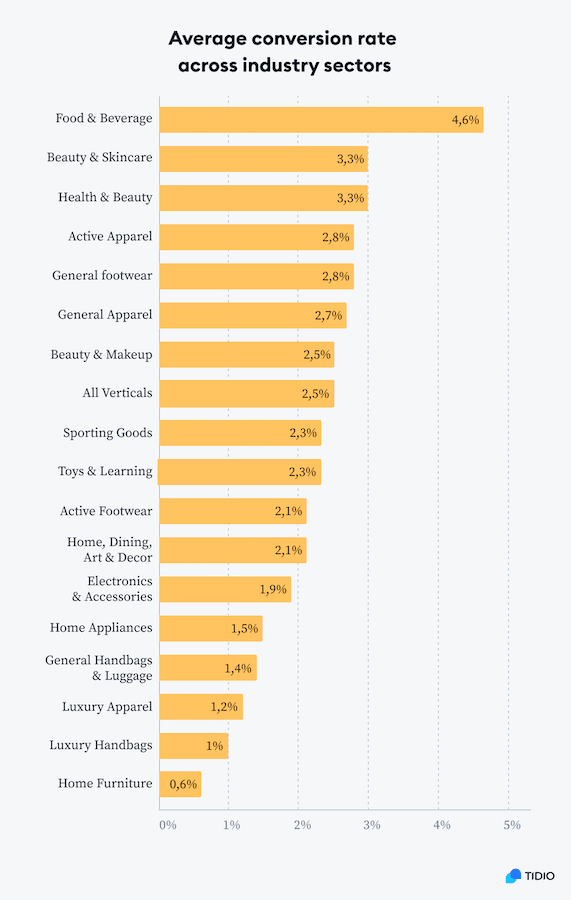
Furthermore, the quantitative phase must address "Core Web Vitals," a set of metrics Google uses to measure user experience. These include:
- Largest Contentful Paint (LCP): Measuring loading performance. A target of 2.5 seconds or less is required for an optimal user experience.
- Interaction to Next Paint (INP): Assessing responsiveness. Sites should aim for an INP of 200 milliseconds or less.
- Cumulative Layout Shift (CLS): Measuring visual stability. A score of 0.1 or less ensures that elements do not jump around as the page loads.
According to Google’s internal research, as page load time goes from one second to three seconds, the probability of a bounce increases by 32%. This technical foundation is the prerequisite for all subsequent optimization efforts.
Phase Two: Qualitative Insights and the Human Element
While quantitative data identifies where users leave, qualitative data explains why they leave. This phase utilizes tools such as heatmaps, session replays, and user testing to understand the psychological barriers to conversion.
Heatmaps and Behavioral Mapping
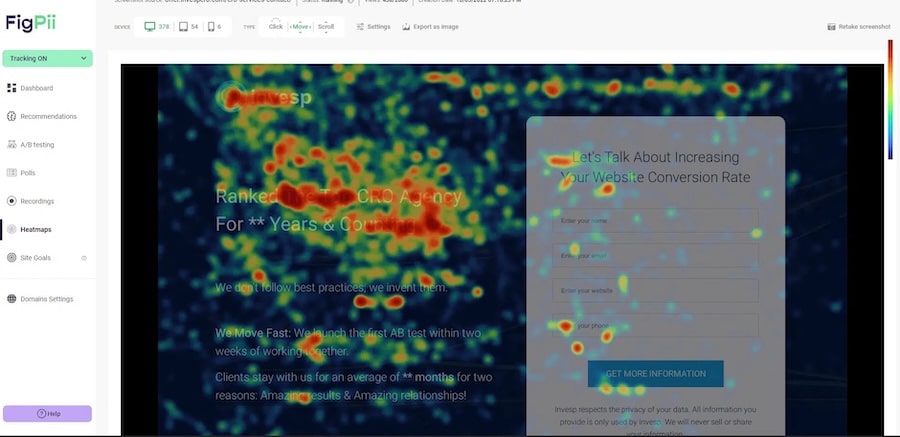
Heatmaps provide a visual representation of user engagement. Auditors typically analyze three types:
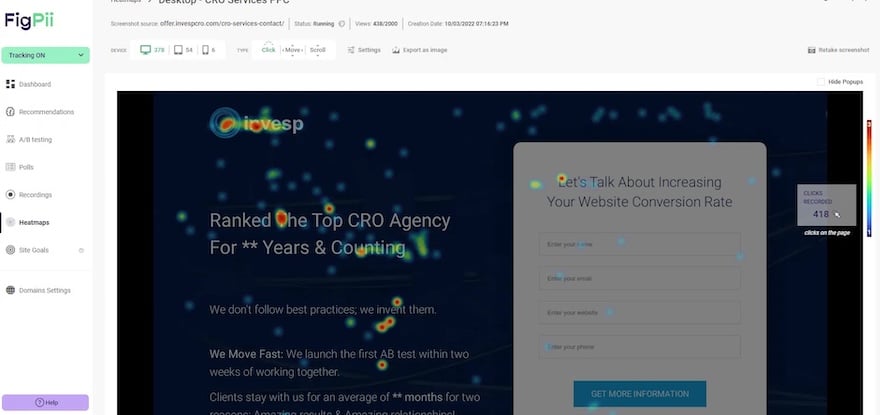
- Click Maps: These reveal which elements (images, buttons, or text) attract the most interaction. A common finding in audits is "dead clicks," where users attempt to click on non-interactive elements, signaling design confusion.
- Scroll Maps: These show how far down a page users travel. If vital social proof or "Add to Cart" buttons are located in "cold" zones (where only 20% of users reach), the page layout requires immediate restructuring.
- Movement Maps: On desktop, these track cursor movement, which often correlates with eye movement and cognitive focus.
User Testing and the "Rule of Five"
One of the most cost-effective methods in the qualitative phase is moderated or unmoderated user testing. Research by the Nielsen Norman Group has consistently shown that testing with just five users can uncover up to 85% of usability issues. During these sessions, participants are asked to complete specific tasks, such as finding a specific item or navigating the checkout with a discount code. Observing the hesitation and frustration of a real user provides insights that no spreadsheet can replicate.
Customer Feedback Loops
Direct communication through exit-intent polls and post-purchase surveys adds a final layer of context. Questions such as "What almost stopped you from buying today?" or "Was there any information missing from this page?" can reveal specific concerns regarding sizing, return policies, or product specifications that the brand may have overlooked.

Phase Three: Optimizing High-Impact Pages
The final stage of the audit focuses on the two most critical areas of any e-commerce site: the Product Detail Page (PDP) and the Cart Page.
The Product Detail Page (PDP)
The PDP is the "moment of truth" in the customer journey. Auditors evaluate four primary elements:
- Visual Assets: High-quality imagery is no longer optional. Modern standards require 360-degree views, zoom functionality, and lifestyle videos. Research indicates that consumers are six times more likely to purchase if a page includes social media photos of real people using the product.
- Copywriting and Storytelling: Effective product descriptions move beyond technical specifications to highlight benefits. A classic example is Apple’s early marketing for the iPod, which focused on "1,000 songs in your pocket" rather than the technical storage capacity in gigabytes.
- Call-to-Action (CTA): The "Add to Cart" button must be the most prominent element on the page, ideally positioned above the fold with contrasting colors to ensure visibility across all device types.
- Social Proof: Ratings, reviews, and trust badges alleviate the "perceived risk" of online shopping. A case study by Invesp demonstrated that adding urgency cues, such as "Only 3 items left," based on user feedback, increased conversions by 17%.
The Cart and Checkout Experience
The cart page must be characterized by clarity, simplicity, and speed. Common "conversion killers" identified in audits include hidden taxes, forced account creation, and a lack of diverse payment options (such as digital wallets like Apple Pay or PayPal). Digital strategists recommend a "distraction-free" checkout, where the header and footer navigation are removed to keep the user focused solely on completing the transaction.
Analysis of Implications and Broader Impact
The shift toward regular CRO auditing reflects a broader maturation of the e-commerce industry. In the early 2010s, growth was driven by cheap social media advertising and a rapidly expanding online audience. In the current decade, however, the "Customer Acquisition Cost" (CAC) has skyrocketed, making it unsustainable to rely solely on new traffic.

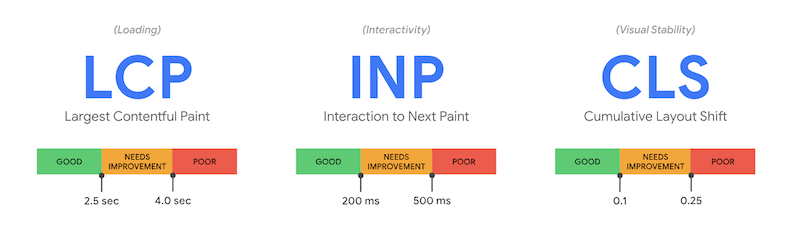
Industry analysts suggest that a 1% increase in conversion rate can lead to a 10% to 20% increase in revenue for established brands without increasing their marketing budget. This makes CRO the most efficient lever for increasing the "Return on Ad Spend" (ROAS). Furthermore, the insights gained from an audit often inform broader business strategies, such as product development, customer service improvements, and inventory management.
Conclusion
A Conversion Rate Optimization audit is far more than a technical troubleshooting session; it is a strategic deep dive into the digital health and psychological resonance of an e-commerce brand. By balancing the "what" of quantitative data with the "why" of qualitative insights, businesses can transform their websites from passive catalogs into high-performance sales engines. As the digital marketplace continues to evolve, those who view CRO as a continuous cycle of improvement—rather than a one-time fix—will be best positioned to capture market share and achieve long-term fiscal stability. The data is clear: in the modern economy, an unoptimized website is not just a missed opportunity; it is a significant financial liability.







