rifanmuazin
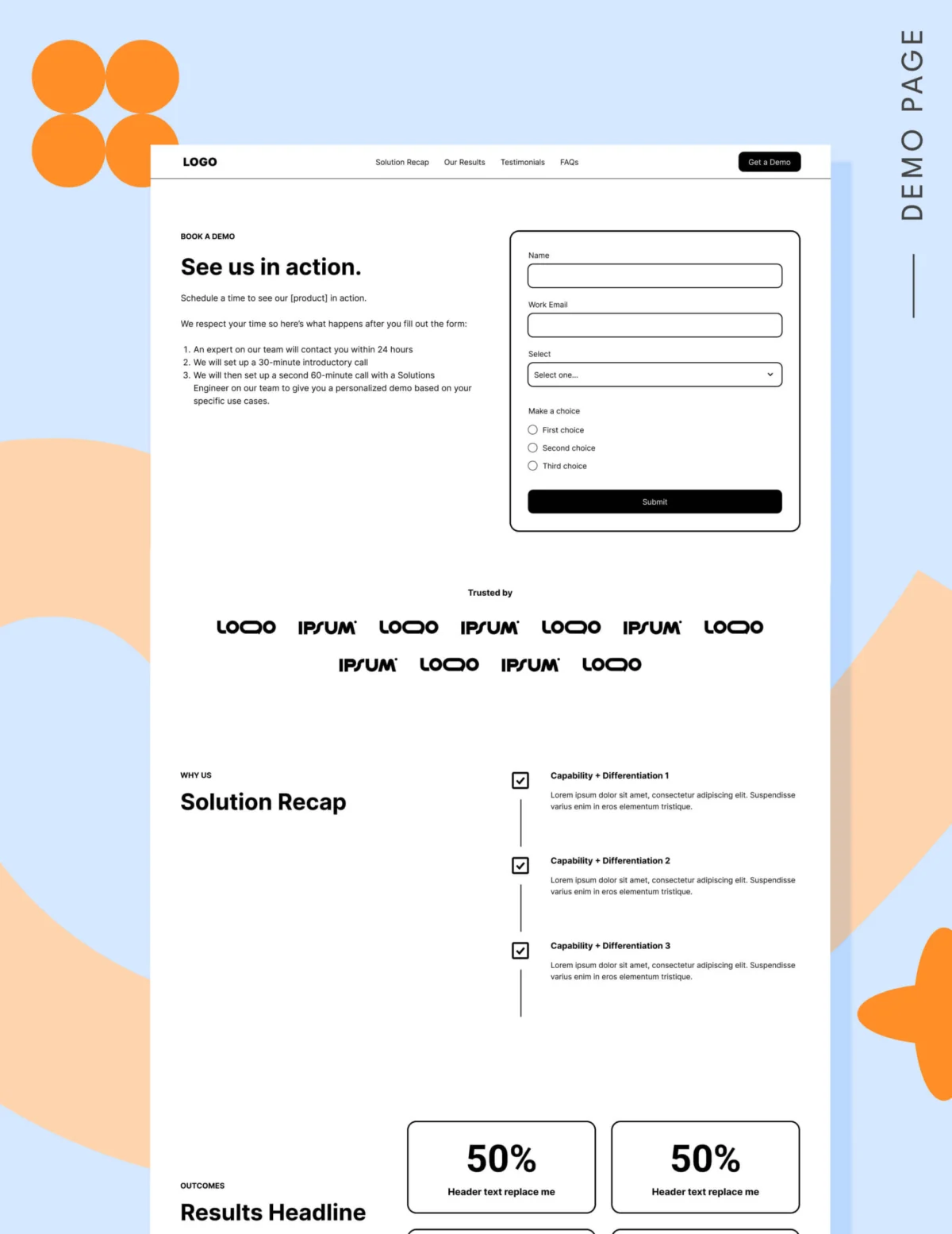
In the highly competitive landscape of digital marketing, the creation of a high-performing landing page remains one of the most significant challenges for brands seeking to maximize their return on investment. The architecture of a successful landing page requires more than just aesthetic appeal; it necessitates a precise alignment of ad-to-page relevance, a compelling value proposition, and a cohesive arrangement of design elements that guide the user toward a conversion. However, even when marketing teams adhere to industry best practices, conversion rates frequently fall short of internal benchmarks. Industry data suggests that the average conversion rate across various sectors hovers between 2% and 5%, leaving a vast margin for improvement. When performance stagnates, the solution is not to abandon the project but to employ rigorous scientific methodology through A/B testing to identify and rectify friction points.
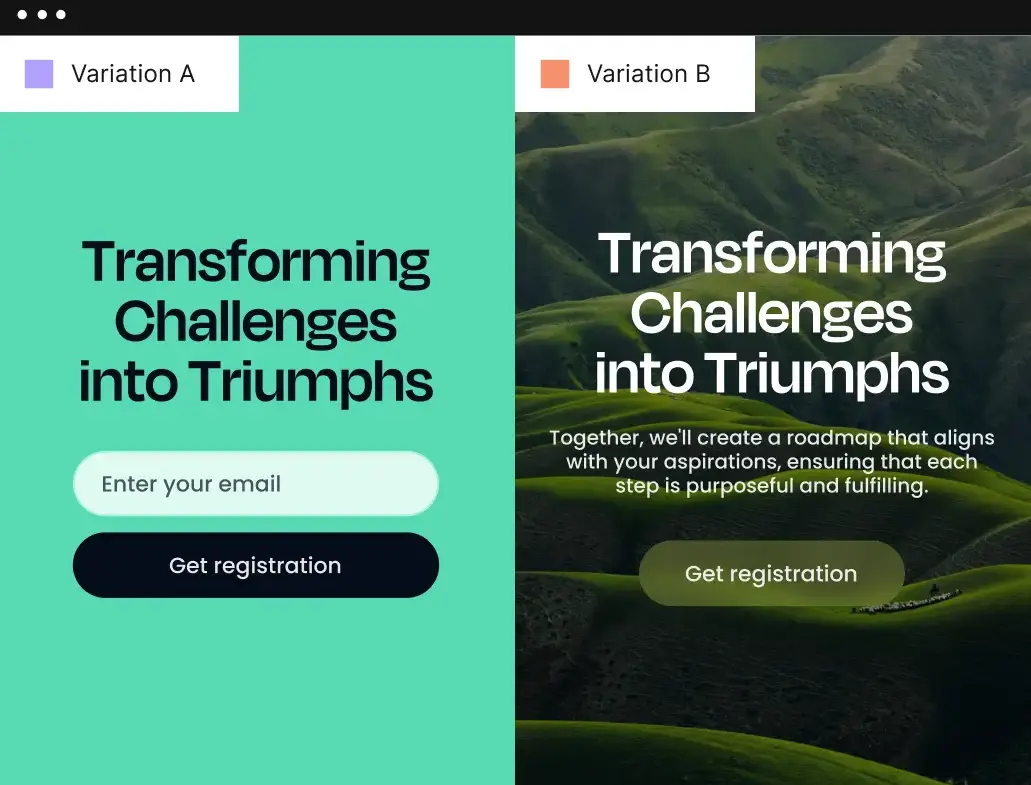
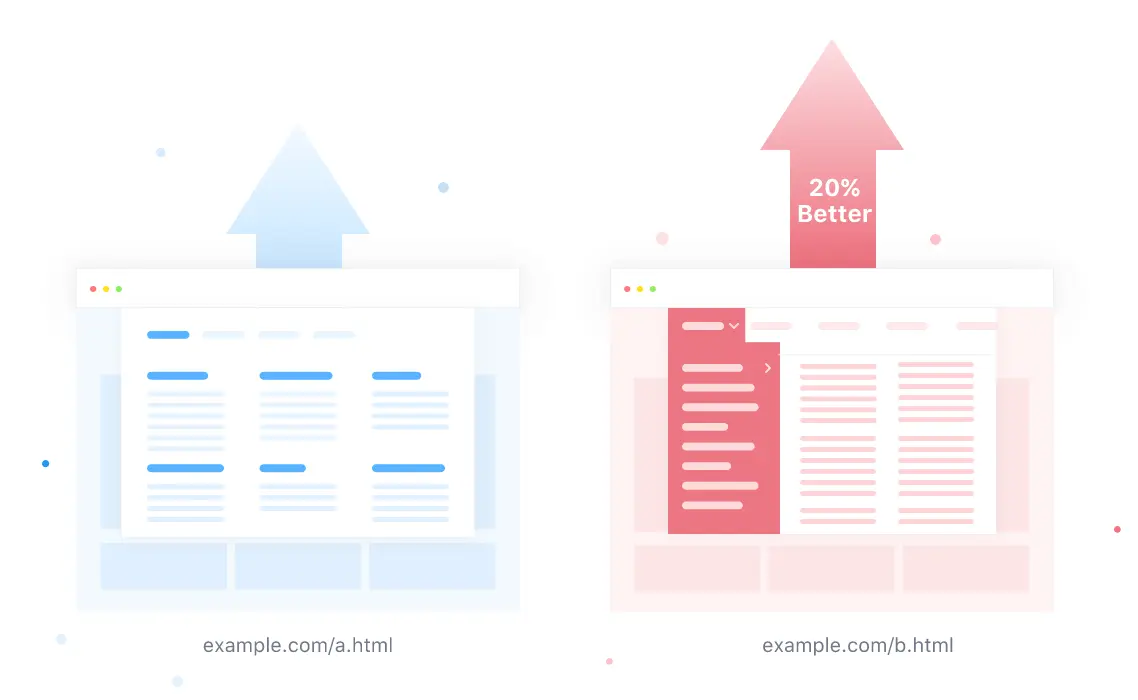
A/B testing, also known as split testing, is a controlled experiment wherein two or more versions of a webpage are shown to different segments of website visitors simultaneously. By comparing the performance of these variations, marketers can determine which specific elements—ranging from headlines and call-to-action (CTA) buttons to imagery and layout—resonate most effectively with their target audience. This data-driven approach eliminates guesswork, allowing organizations to make informed decisions that directly impact their bottom line.

The Evolution of Conversion Rate Optimization
The practice of A/B testing has evolved significantly over the past two decades. In the early 2000s, digital experimentation was largely the domain of data scientists and developers who manually coded variations and analyzed raw logs. The introduction of dedicated testing platforms in the late 2000s and early 2010s democratized the process, allowing marketers to launch experiments without deep technical expertise. Today, the industry has entered a new era defined by server-side experimentation and artificial intelligence.
Modern conversion rate optimization (CRO) is no longer just about changing the color of a button. It involves sophisticated "Dynamic Traffic Allocation," where machine learning algorithms monitor experiment progress in real-time and automatically direct more traffic to the winning variation, thereby minimizing "regret"—the lost conversions that occur when traffic is sent to an underperforming version during a traditional test.
Key Criteria for Evaluating A/B Testing Platforms
Selecting the appropriate tool for landing page optimization is a strategic decision that depends on an organization’s technical resources, budget, and testing volume. When evaluating the current market offerings, industry experts typically focus on several critical factors:
- Implementation Method: Whether the tool uses client-side (JavaScript-based) or server-side execution. Server-side testing is often preferred for its ability to eliminate the "flicker effect," where the original page is briefly visible before the variation loads.
- Ease of Use: The availability of no-code visual editors that allow non-technical staff to modify page elements.
- Statistical Integrity: The robustness of the analytics engine, including the use of Frequentist or Bayesian statistics to determine when a result has reached statistical significance.
- Integration Capabilities: How well the tool connects with existing marketing stacks, such as CRMs, analytics suites (Google Analytics 4), and advertising platforms.
- Advanced Features: Inclusion of auxiliary tools like heatmaps, session recordings, and AI-driven content generation.
Leading A/B Testing Solutions for 2024
1. Instapage: The Integration of Creation and Experimentation
Instapage has established itself as a leader in the landing page sector by merging the building process with advanced experimentation. Unlike standalone testing tools, Instapage provides a unified environment where users can design, launch, and optimize pages within a single interface.
The platform’s server-side experimentation capabilities provide a significant advantage in page load speed and user experience. By handling the variations on the server before the page reaches the browser, it ensures a seamless transition for the visitor. Furthermore, Instapage has integrated AI-powered features that allow marketers to generate headlines, paragraphs, and CTAs instantly. This reduces the time required for creative development and allows for a higher velocity of testing.
One of the platform’s standout features is "AI Experiments." While traditional A/B testing splits traffic evenly until a winner is declared, AI Experiments use dynamic traffic allocation. This method continuously monitors the conversion rate of each variation and shifts traffic toward the better-performing version throughout the duration of the test. This approach is particularly beneficial for short-term campaigns where every conversion counts.
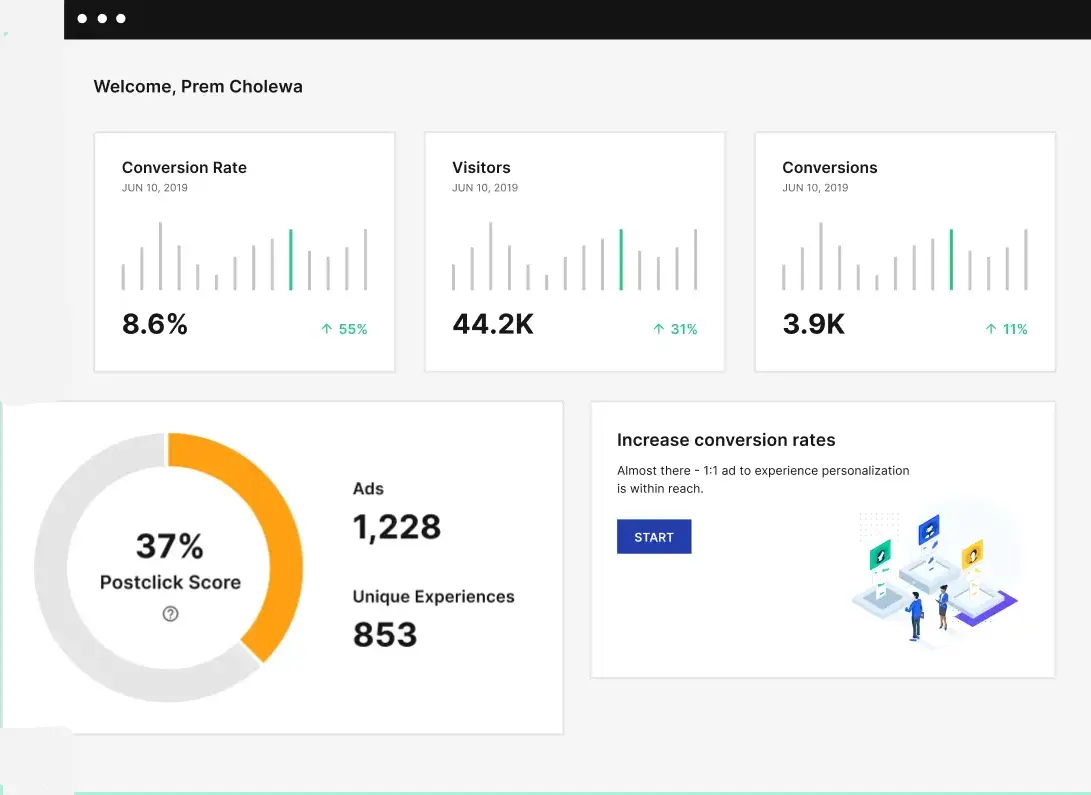
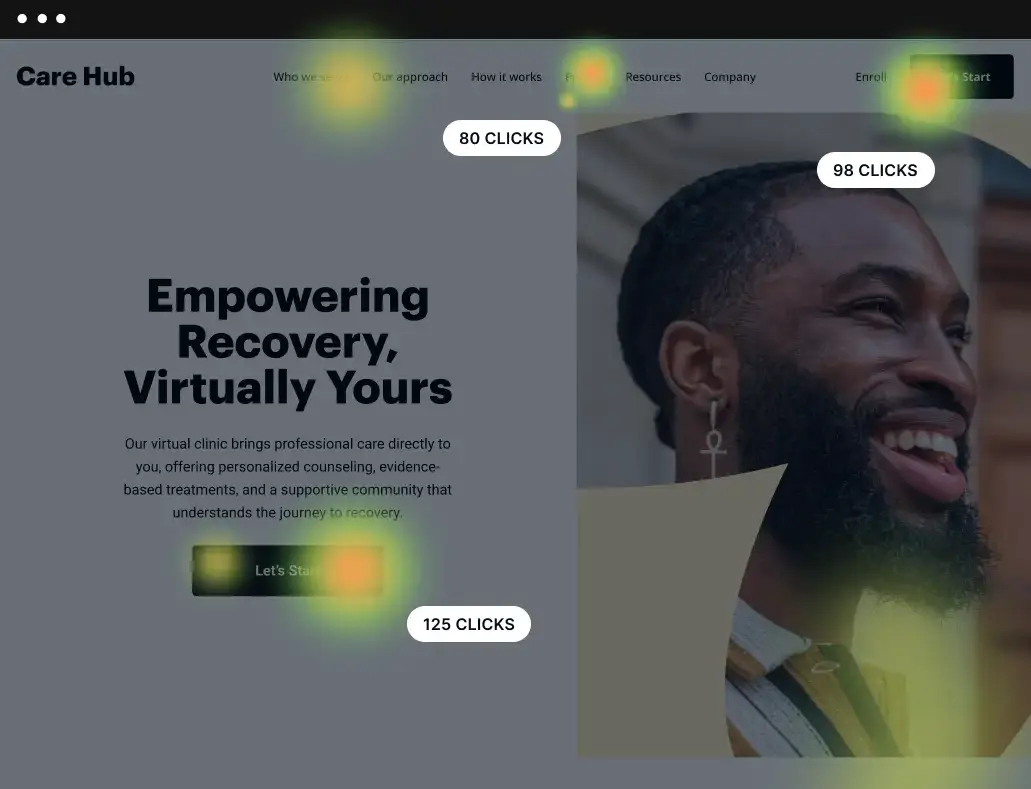
The efficacy of this methodology was demonstrated in a case study involving Verizon (VDMS). By utilizing Instapage’s A/B testing and heatmap features, the Verizon team was able to validate which page elements drove engagement. This data-led strategy reportedly resulted in a reduction of their cost-per-conversion by more than 50%.
2. VWO (Visual Website Optimizer): Comprehensive Funnel Analysis
VWO is a veteran in the CRO space, recognized for its comprehensive suite of tools that go beyond simple split testing. The platform allows for Split URL testing, which is essential when testing two entirely different designs or technological stacks against one another.
VWO’s strength lies in its ability to track multiple metrics across a single experiment. This allows marketers to see how a change on a landing page affects downstream behavior in the sales funnel. For instance, a headline change might increase initial sign-ups but decrease lead quality; VWO provides the data necessary to identify such nuances. Their use of Bayesian statistics provides a "probability to be best" metric, which many marketers find more intuitive than traditional p-values.
3. Optimizely: Enterprise-Grade Experimentation
Optimizely is widely considered the gold standard for large-scale enterprise experimentation. After its acquisition and integration into a broader digital experience platform, it has focused on providing "low-code" solutions and extension templates that cater to both developers and marketing teams.
Optimizely’s Web Experimentation tool is designed for high-traffic environments where performance is paramount. By running experiments from the "network edge," the platform ensures that testing does not compromise site speed. Additionally, its embedded AI capabilities offer suggestions for copy variations, helping teams scale their experimentation programs across thousands of pages. It is frequently the choice for organizations that require rigorous security, compliance, and multi-team collaboration features.
4. GrowthBook: The Open-Source Alternative
Reflecting a growing trend toward data sovereignty, GrowthBook offers an open-source experimentation platform that integrates directly with a company’s existing data warehouse (such as Snowflake, BigQuery, or Redshift). This allows organizations to maintain full control over their data without being locked into a specific vendor’s ecosystem.
GrowthBook supports unlimited A/B testing and provides "feature flags," a tool commonly used by product teams to roll out new features to specific segments of users. For companies with strong internal data teams, GrowthBook provides the flexibility to add custom metrics to past experiments and conduct deep-dive analyses that are often restricted in "black-box" SaaS platforms.
The Broader Impact of Continuous Testing
The shift toward a culture of experimentation has profound implications for the digital economy. Companies that embrace A/B testing are essentially adopting a philosophy of continuous improvement. This reduces the risk associated with major website redesigns, as changes are validated by actual user behavior rather than subjective internal opinions.
Furthermore, the rise of AI in A/B testing tools is lowering the barrier to entry. Small and medium-sized enterprises (SMEs) can now access optimization technology that was once reserved for tech giants like Amazon or Netflix. As these tools become more autonomous, the role of the marketer is shifting from manual execution to strategic oversight—defining the hypotheses and goals while the software handles the logistical distribution of variations.
Conclusion
The data is clear: businesses that prioritize testing and optimization consistently outperform those that rely on intuition alone. Whether through the integrated design and testing environment of Instapage, the comprehensive funnel tracking of VWO, the enterprise scale of Optimizely, or the data-centric flexibility of GrowthBook, the tools available today provide a clear path to improved conversion rates.
As the cost of digital advertising continues to rise, the ability to convert a higher percentage of existing traffic is no longer a luxury—it is a competitive necessity. Organizations are encouraged to begin with a clear testing roadmap, focusing on high-impact elements first, and using the insights gained from each experiment to build a more resonant and effective digital presence. The transition from stagnant conversion rates to a high-growth trajectory begins with the first test.