

In the fiercely competitive landscape of digital marketing, the quest for increased clicks, signups, and sales from email campaigns remains a top priority for businesses worldwide. A potent, yet often underutilized, strategy to achieve these objectives lies in the strategic deployment of social proof—demonstrating that others have already validated and benefited from a product, service, or content offering. This psychological phenomenon, deeply rooted in human decision-making, operates effectively across every touchpoint of the email marketing journey, from initial subscription forms to welcome sequences and subsequent promotional messages.
Understanding the Core Mechanism of Social Proof
Social proof, a concept famously popularized by psychologist Robert Cialdini in his seminal work "Influence: The Psychology of Persuasion," refers to the tendency for individuals to assume the actions of others in an attempt to reflect correct behavior for a given situation. In a consumer context, this translates to people looking to their peers, experts, or even anonymous crowds for guidance when making purchasing decisions, subscribing to a newsletter, or engaging with a brand. This inherent human inclination is closely linked to the "fear of missing out" (FOMO), a pervasive anxiety that one might miss desirable experiences or opportunities that others are enjoying.
When confronted with a decision—be it signing up for an email list, purchasing an online course, or trying new software—individuals instinctively seek external validation. Lacking direct acquaintances who have experience with a specific product or service, they turn to the next best source: the collective wisdom and experiences of strangers. This can manifest as perusing reviews on platforms like Trustpilot, examining comments on social media, or being swayed by numerical indicators such as "trusted by 300,000 creators" or "4.8/5 stars from 2,000 reviews." The evidence provided by these external voices serves as a powerful convincer, shifting the narrative from a brand’s self-proclamation of excellence to a demonstrable truth affirmed by its user base. The fundamental takeaway for marketers is clear: prospective customers are already actively seeking validation; the critical question is whether this proof is readily available and compellingly presented within your controlled communication channels, such as email, or if they are left to search for it elsewhere, potentially encountering less favorable information.
The Evolution and Impact of Social Proof in Digital Marketing
The concept of social proof is not new, but its application and significance have dramatically intensified with the advent of the internet and digital marketing. Historically, word-of-mouth recommendations and community endorsements played a crucial role in commerce. However, the digital age has democratized and amplified this phenomenon, making it scalable and measurable.
Chronology of Influence:
- Pre-Internet Era (Before 1990s): Social proof primarily existed as personal recommendations, expert endorsements in traditional media, and the visible popularity of physical stores or products. Trust was built slowly through direct experience and local reputation. Brand reputation was largely localized and built through direct interaction and community standing.
- Early Internet (1990s – Early 2000s): The emergence of basic e-commerce platforms saw the first rudimentary forms of online social proof, often limited to simple star ratings or text testimonials directly on product pages. Early forums and discussion boards also allowed for peer-to-peer recommendations, marking the nascent stages of digital word-of-mouth.
- Web 2.0 and Social Media Boom (Mid-2000s – Early 2010s): The rise of social media platforms (Facebook, X/Twitter), dedicated review sites (Yelp, TripAdvisor), and user-generated content (blogs, YouTube videos) dramatically expanded the avenues for social proof. Consumers gained powerful voices, and brands began to understand the imperative of managing their online reputation. Email marketing began to evolve, incorporating links to these burgeoning external proofs to enhance campaign credibility.
- Current Digital Landscape (2010s – Present): Social proof is now an integral component of comprehensive digital strategies. With the proliferation of information and increased consumer skepticism towards traditional advertising, authentic peer validation has become paramount. Email marketing, as a direct and personalized line to consumers, has become a primary channel for delivering curated social proof, leveraging advanced data analytics to personalize its presentation and maximize impact. This era sees sophisticated integration, where social proof is not just an add-on but a core strategic element in the conversion funnel.
Supporting Data: Quantifying the Power of Peer Validation
Numerous studies underscore the profound impact of social proof on consumer behavior and conversion rates across various digital touchpoints.
- Conversion Rate Uplifts: Research from leading conversion optimization agencies, such as Speero (formerly CXL), consistently demonstrates that integrating testimonials and reviews onto landing pages can increase conversion rates by as much as 34% or more. Similarly, the thoughtful inclusion of social proof elements within email campaigns has been directly linked to significantly higher click-through rates (CTRs) and improved conversion rates for targeted offers.
- Consumer Trust in Reviews: A survey conducted by BrightLocal, a prominent local SEO platform, revealed that a remarkable 79% of consumers trust online reviews as much as personal recommendations from friends or family. This statistic critically highlights the immense power and growing credibility of anonymous peer validation in shaping modern purchasing decisions.
- Influence on Purchase Decisions: A global report by Nielsen, a leader in consumer insights, indicates that while 83% of consumers worldwide trust recommendations from friends and family, a substantial 70% trust online consumer opinions. This narrowing gap underscores the increasing weight consumers place on digital social proof, recognizing its widespread availability and collective wisdom.
- FOMO Prevalence: Statistics suggest that approximately 56% of people experience Fear of Missing Out (FOMO), a psychological trigger that, when effectively addressed by social proof, can be a significant driver of engagement and purchase decisions. This is particularly true when consumers are confronted with compelling evidence that others are actively benefiting from a product or experience they are considering.
- Value of User-Generated Content (UGC): Data from Stackla, a user-generated content platform, found that 79% of people report that UGC highly impacts their purchasing decisions. Brands that strategically incorporate UGC into their marketing strategies consistently observe significantly higher engagement rates, as this content is perceived as more authentic and relatable than brand-produced material.
These compelling statistics collectively demonstrate that social proof is not merely an optional marketing tactic but a fundamental psychological lever that, when skillfully and authentically applied, can dramatically enhance the effectiveness of email marketing efforts across the entire customer journey.
Diverse Manifestations: Eight Key Types of Social Proof
Marketers have a rich palette of social proof types to draw from, each suited for different contexts and objectives. Understanding and strategically deploying these variations is crucial for maximizing impact.
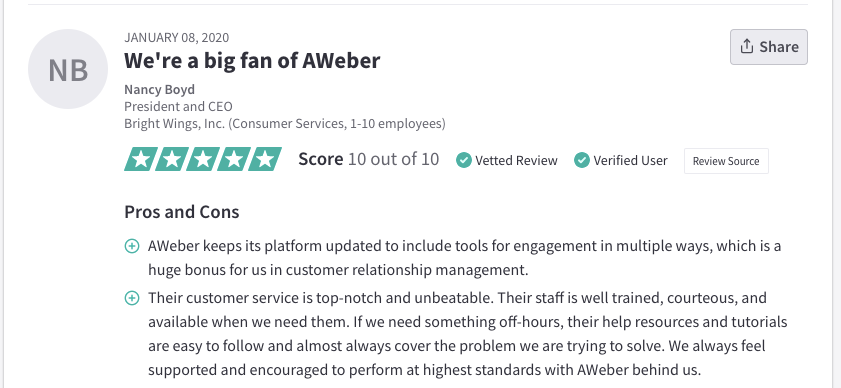
- Customer Reviews: These are direct, often unsolicited feedback from customers, typically aggregated on neutral, third-party platforms such as Trustpilot, Google Reviews, Yelp, Amazon, or industry-specific review sites. For businesses that have been operational for more than a few months, a valuable trove of these insights likely exists. Highlighting positive star ratings and incorporating succinct snippets of favorable reviews can significantly bolster a brand’s credibility and provide quick validation for prospects.
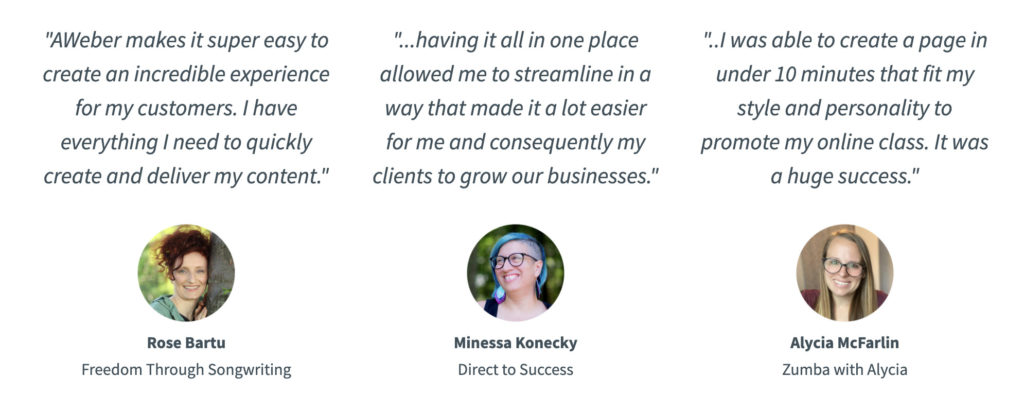
- Testimonials: Distinct from broader reviews, testimonials are usually solicited directly by the business from highly satisfied customers. They are curated quotes, ideally accompanied by a credible name, a professional photo, and a relevant title or affiliation, which collectively lend them an air of authenticity and authority. Video testimonials are particularly powerful, offering an unfiltered, personal endorsement that can convey emotion and conviction more effectively than text alone.
- Case Studies: These provide an in-depth, narrative account of a customer’s journey, meticulously detailing their initial problem or challenge, how the product or service offered a precise solution, and the measurable positive outcomes achieved. Case studies are especially effective for complex products, high-value services, or B2B offerings, as they offer a comprehensive "before-and-after" story that profoundly resonates with prospective clients facing similar operational or strategic challenges.
- Customer Data: This refers to quantitative proof, which offers a powerful, concise demonstration of popularity and widespread acceptance. Examples include phrases like "join 25,000 subscribers," "trusted by over 10,000 businesses," "over 1 million products sold," or "4.8/5 stars from 2,000 reviews." These numerical indicators instantly convey a sense of community, reliability, and established success, acting as a quick heuristic for trust.
- Social Media Feedback: This category encompasses authentic and often raw expressions of positive sentiment from real users on platforms such as X (formerly Twitter), Instagram, or Facebook. Screenshots of positive posts, comments, direct mentions, or public shoutouts provide organic, highly engaging proof. The informal nature of social media can make these endorsements feel particularly genuine and relatable, reflecting real-world usage and satisfaction.
- Expert and Influencer Endorsements: These are recommendations from individuals or organizations recognized as authorities in their field, or from influencers whose audience demographics and interests align perfectly with the target market. The trust and credibility that these figures have already meticulously established with their followers transfer, in part, to the endorsed product or service. Crucially, transparent disclosure of any sponsored content or commercial relationships is legally and ethically required in many jurisdictions to maintain consumer trust.
- Award and Trust Badges: Industry awards, recognized certifications (e.g., ISO standards, secure payment processing badges like McAfee Secure or SSL certificates), and inclusions on authoritative "best of" lists or media features serve as robust external validation from reputable third parties. These badges visually communicate professionalism, reliability, and excellence, instantly building confidence and mitigating perceived risk for potential customers.
- User-Generated Content (UGC): This broad category encompasses any form of content—photos, videos, blog posts, creative projects—created by customers showcasing their authentic experience with a product or service. UGC is highly authentic, relatable, and often more persuasive than brand-produced content, acting as a powerful form of peer recommendation that can foster a vibrant sense of community and advocacy around a brand.
For nascent businesses lacking an extensive volume of reviews, initiating with customer data (e.g., "join 500 subscribers") or proactively requesting brief, one-line testimonials from early satisfied customers is a pragmatic and highly effective starting point. The immediate goal is not necessarily sheer volume but rather the compelling presence of at least one credible, relatable voice to establish initial trust.
Strategic Placement: Integrating Social Proof Across the Email Marketing Funnel
The effectiveness of social proof is significantly amplified by its strategic placement throughout the subscriber and customer journey. Here are five critical junctures for its deployment within email marketing, each designed to address specific psychological needs at different stages:
1. Enhancing Signup Forms with Testimonials
Before an individual even becomes a subscriber, they must make a critical decision: "Is this offering genuinely worth my inbox space and attention?" A strategically placed testimonial adjacent to a signup form can preemptively and effectively address this fundamental question. Whether embedded on a blog, a dedicated landing page, or a website pop-up, integrating a glowing review—sourced from a reputable review site or a positive social media mention—directly above or beside the subscription field provides immediate, third-party validation. The most impactful testimonials for this crucial stage are those that specifically articulate the tangible value derived from your emails or newsletter content. Proactively soliciting feedback from highly engaged subscribers about the specific benefits they gain from your communications can yield exceptionally powerful, tailored quotes. Crucially, always include a picture, the full name, and a relevant title or affiliation (e.g., "Sarah M., Founder of a 6-figure Etsy Shop") to significantly bolster credibility and relatability, as anonymous endorsements carry far less weight. Modern AI-powered form builders can streamline the process of embedding such high-converting testimonials.
2. Bolstering Credibility in Welcome Emails
The welcome email is arguably the most crucial communication in the initial subscriber relationship, serving as a pivotal moment to solidify a new subscriber’s decision. It represents the prime opportunity to prevent them from relegating your emails to the dreaded promotions tab and to foster sustained engagement. Having successfully acquired their address, the immediate next step is to earn their continued attention and trust. Incorporating a distinct review or testimonial (ideally a different one than that used on the signup form) as a prominent section within the middle or towards the end of your welcome email serves as a powerful third-party endorsement. This external validation reinforces your initial claims and builds confidence, setting a positive and credible tone for all future interactions. For customers who have just made a purchase, this also helps to mitigate any potential buyer’s remorse by reaffirming their decision.
3. Pairing Every Sales Pitch with Compelling Proof
Promotional emails consistently yield significantly higher conversion rates when sales pitches are fortified with undeniable evidence of success and satisfaction. Consider a scenario where you are promoting an online course focused on financial stability. The sales email should meticulously outline the course content, its duration, and its precise target audience. Following this exposition, the inclusion of a compelling review from a past participant becomes indispensable. The most effective testimonials at this stage detail specific, tangible results and transformations, such as "I paid off my student loans eight months after finishing this course," which resonates far more powerfully and persuasively than a generic "great course!" For an even more impactful approach, consider structuring an entire email around a single, detailed customer success story or case study. Begin by presenting the challenge the customer faced, then illustrate precisely how your product or service provided the optimal solution. Such case study emails not only offer compelling proof but also provide a valuable framework for content creation, essentially allowing your satisfied customers to craft your most persuasive marketing messages.
4. Leveraging Trust Badges for Enhanced Referrals
Referrals, the original and arguably most potent form of social proof, represent genuine recommendations from trusted friends or colleagues. Actively harnessing this power for your email list and broader brand advocacy is a highly effective strategy. Integrate a concise, non-intrusive section into your regular emails, gently encouraging subscribers to forward the message to friends or coworkers who might genuinely find its content or offerings beneficial. To lend further authority and gravitas to this request, prominently display any industry awards, recognized certifications, or security badges your business has earned. Subscribers are often more inclined to share content when doing so enhances their own credibility and demonstrates their association with a reputable, trusted source








