

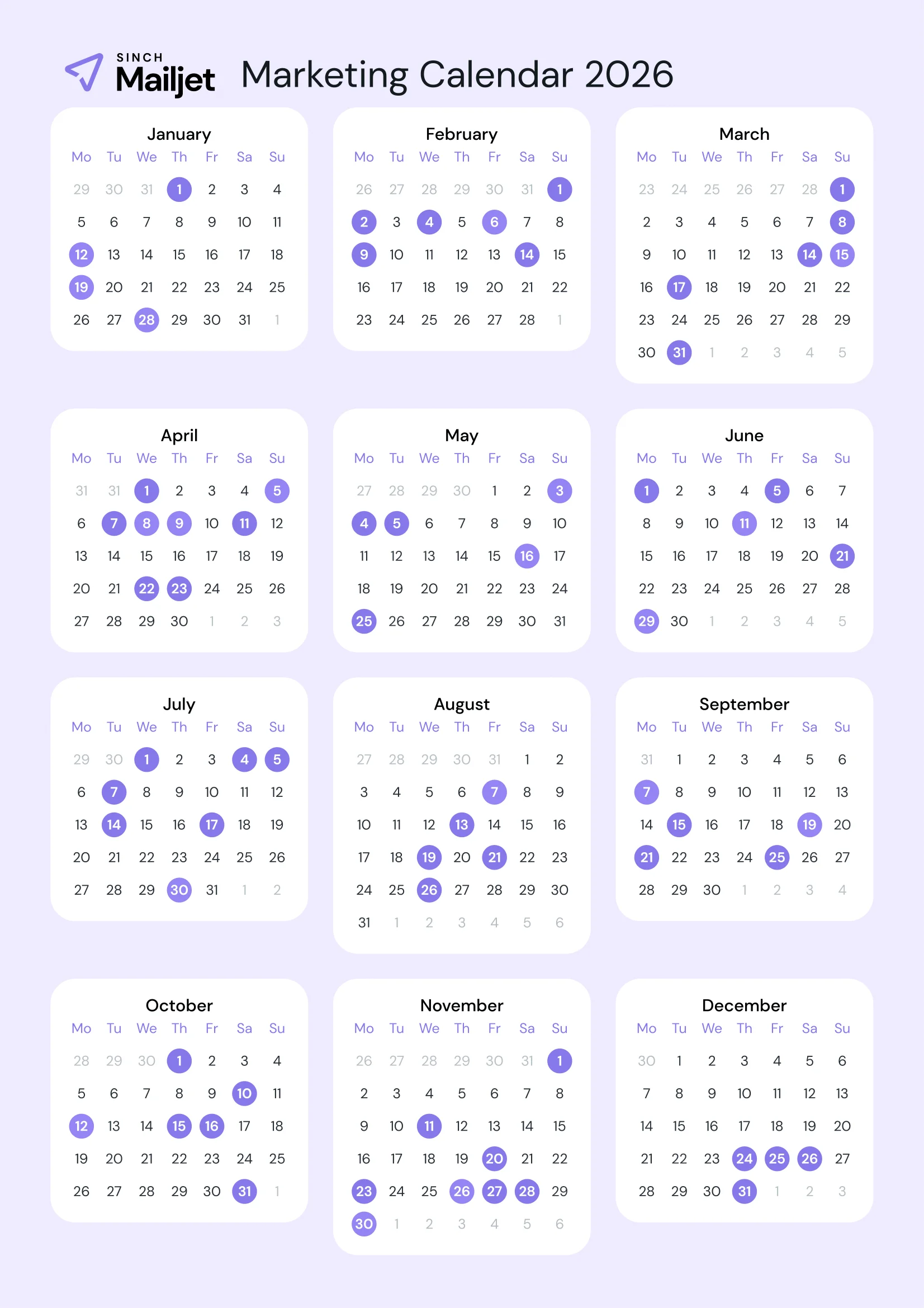
As 2025 draws to a close and the first quarter of 2026 rapidly approaches, businesses worldwide are meticulously finalizing their strategic blueprints for the year ahead. For marketing professionals, this period marks the critical juncture for establishing robust goals and devising comprehensive strategies to ensure a impactful start and sustained momentum. The landscape of consumer engagement is dynamic, necessitating a proactive and well-structured approach, with the development of a detailed marketing calendar standing as a cornerstone of successful campaigns.
The Imperative of a Strategic Marketing Calendar for 2026
Contrary to common misconceptions, the most arduous phase of marketing strategy development is not its implementation, but rather the meticulous planning that precedes it. True strategic depth emerges from the careful setting of objectives and the establishment of clear priorities. Early and thorough planning for every facet of a marketing strategy is paramount, serving as a preventative measure against unforeseen challenges and ensuring a smoother execution trajectory. In a rapidly evolving digital environment, characterized by shifting consumer behaviors and emergent trends, a well-defined marketing calendar becomes an indispensable tool. It enables brands to anticipate key moments, adapt communication strategies, and optimize engagement with their target audiences, thereby maximizing the return on marketing investments. The past few years have underscored the necessity for brands to exhibit agility, requiring adaptable communication strategies to resonate effectively amidst unpredictable circumstances.
Crafting Your 2026 Marketing Strategy: Beyond Dates
Before populating a calendar with specific dates, marketing teams must address fundamental questions that underpin their entire strategy. These include defining overarching business goals, identifying target demographics, understanding consumer pain points, assessing competitive landscapes, and evaluating past campaign performance. This foundational work informs the selection of promotional activities—such as special deals, product launches, or seasonal sales—that will serve as anchors for marketing initiatives. Aligning promotional strategies with established goals is crucial; misdirected efforts can significantly impact key performance indicators (KPIs).
Effective campaign planning, particularly for holiday or special day marketing, necessitates a phased approach:

- Pre-Campaign Phase: This involves market research, audience segmentation, content creation, and platform preparation, often beginning months in advance.
- Launch Phase: The initial rollout of campaigns, carefully timed to precede the actual event, building anticipation.
- Active Phase: Continuous monitoring, optimization, and engagement during the event period.
- Post-Campaign Analysis: Evaluation of performance metrics, collection of feedback, and identification of lessons learned for future strategies.
This structured methodology ensures that every campaign is not merely reactive but strategically positioned for maximum impact, taking into account the nuances of consumer readiness and market saturation.
Optimizing Channel Selection for Broader Impact
Once the strategic framework and promotional calendar are established, the next critical step is to determine the most effective channels for disseminating marketing messages. For promotions centered around specific dates, an omnichannel approach is widely regarded as the most effective. This involves integrating various channels—such as in-store promotions, online advertising, social media campaigns, SMS marketing, and email marketing—to create a cohesive and consistent brand experience. Omnichannel strategies foster deeper engagement and unlock significant opportunities for upselling and cross-selling by interacting with customers across their preferred touchpoints.
While a multitude of channels exists, judicious selection is key. Not every platform is suitable for every business; for instance, TikTok might not be the primary channel for highly specialized B2B services. However, certain channels remain universally effective. Email marketing, for example, consistently demonstrates a high return on investment, frequently cited as generating between $35 and $40 for every dollar spent. Its inherent advantages include the ability to personalize communications, segment audiences for targeted messaging, and optimize campaigns through detailed analytics. Crucially, email ensures that marketing messages, including promotional codes and store information, persist in contacts’ inboxes, readily accessible when consumers are ready to engage.
Leveraging Technology for Calendar Management
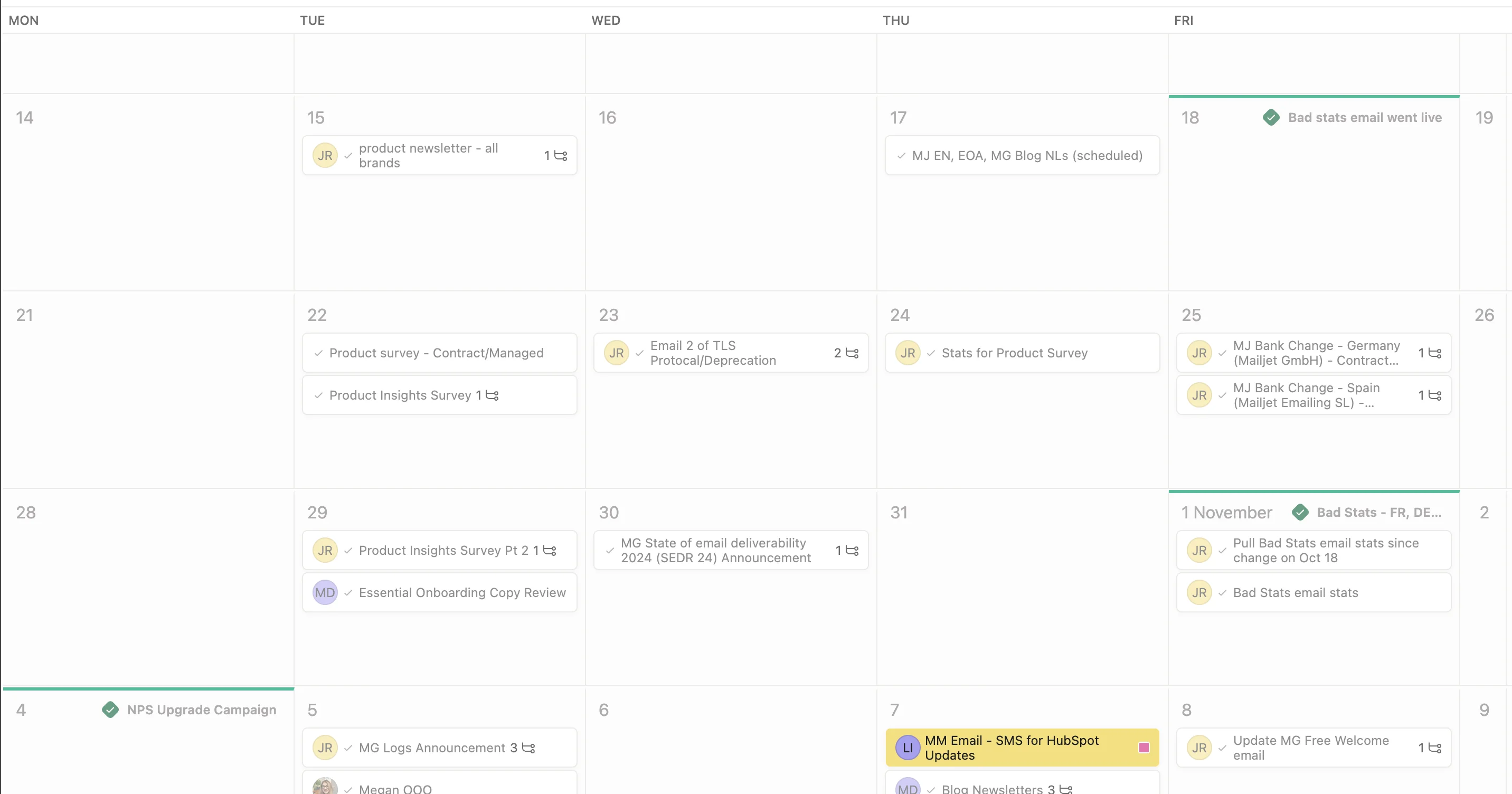
The complexity of modern marketing demands sophisticated tools for organization and project management. Relying solely on memory for a year’s worth of dates and associated tasks is impractical. Marketers can significantly enhance efficiency and focus by utilizing various digital tools:
- Project Management Software: Platforms like Asana, Trello, or Monday.com facilitate task assignment, deadline tracking, and collaborative workflows.
- Content Calendars: Specialized tools or spreadsheets dedicated to mapping out content publication across blogs, social media, and email.
- Email Marketing Platforms: Solutions that offer scheduling, automation, and analytics capabilities to ensure timely campaign deployment.
- CRM Systems: Customer Relationship Management tools help segment audiences and personalize communications based on historical data.
- Digital Asset Management (DAM) Systems: For organizing and accessing creative assets efficiently across teams.
- Analytics Dashboards: To monitor campaign performance in real-time and make data-driven adjustments.
These tools free up mental bandwidth, allowing marketers to concentrate on creativity and strategic thinking rather than administrative oversight, ensuring that email campaigns and other initiatives are launched precisely when intended.
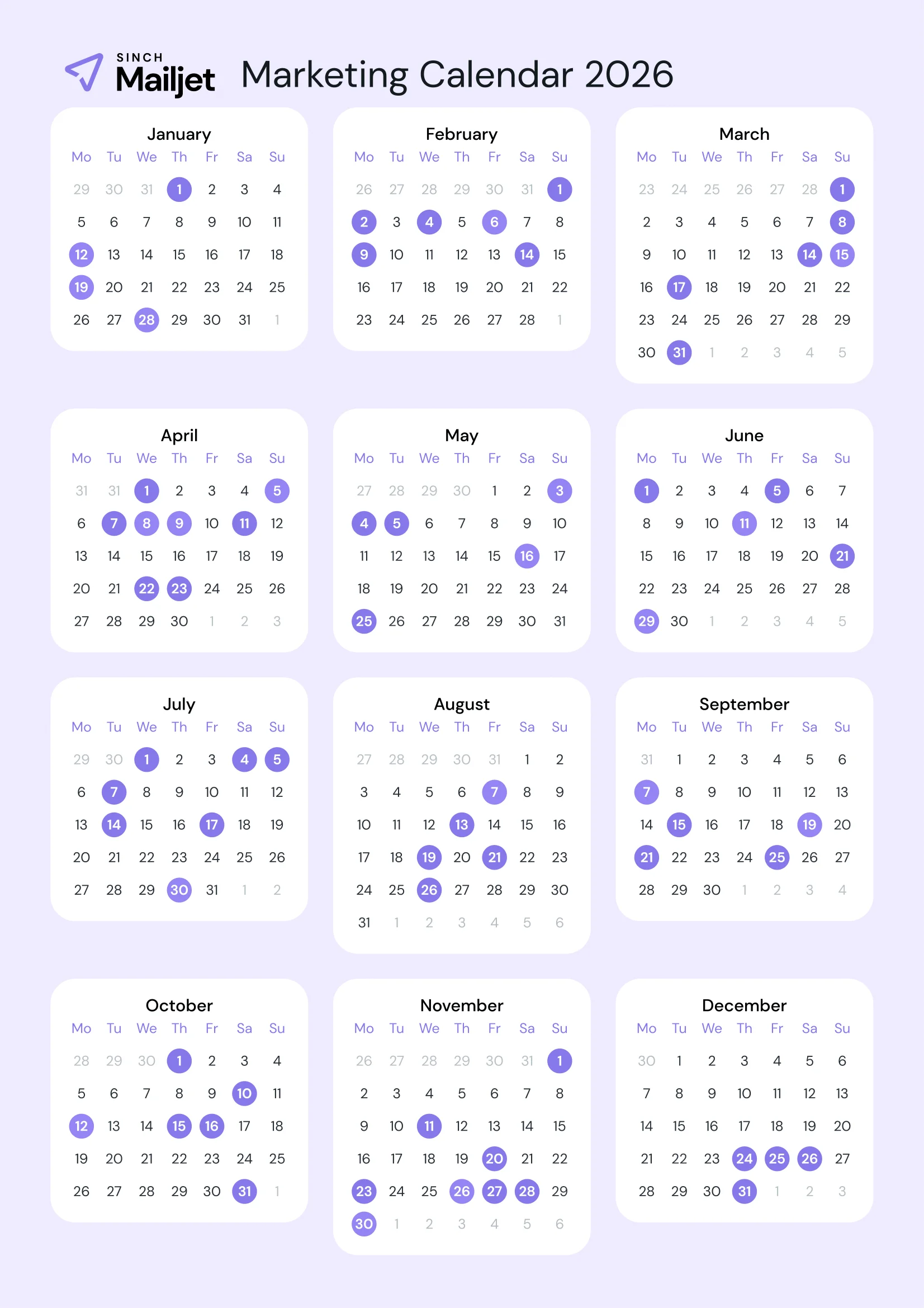
Key Dates for 2026: A Monthly Breakdown for Strategic Planning
January
January typically revolves around New Year’s resolutions, fresh starts, and the post-holiday recovery. Marketers should capitalize on this by extending New Year greetings and offering promotions aligned with self-improvement, wellness, organization, or skill development.
- January 1: New Year’s Day (Global) – Opportunity for "new beginnings" campaigns, reflecting on past achievements and setting future goals.
- January 6: Epiphany / Three Kings’ Day (Christian) – Significant in many European and Latin American countries, often involving gift-giving.
- Early-Mid January: Winter Sales (Europe) – A traditional period for discounts on seasonal goods.
- Third Monday in January: Blue Monday (Various) – Often cited as the most depressing day of the year; a chance for uplifting, mood-boosting campaigns.
- January 25: Burns Night (Scotland) – A cultural celebration offering niche marketing opportunities.
- Late January: Data Privacy Day (Global) – A moment to reinforce trust and transparency regarding customer data.
February
February is a compact but highly impactful month for marketing, featuring major cultural and commercial events.
- February 1 – 28/29: Black History Month (US, Canada, UK) – A crucial period for promoting diversity, inclusion, and celebrating Black culture and contributions. Brands can engage through educational content, supporting Black-owned businesses, or highlighting internal diversity initiatives.
- February 2: Groundhog Day (US, Canada) – A lighthearted cultural observance.
- February 14: Valentine’s Day (Global) – A significant commercial holiday. In 2025, US consumers were projected to spend $27.8 billion on gifts. Campaigns should focus on romance, friendship (Galentine’s Day), and self-love, offering gift ideas, experiences, and personalized promotions.
- First Sunday in February: Super Bowl (US) – A massive cultural and sporting event with immense advertising potential. In 2025, spending on food, decorations, and apparel for the Super Bowl reached approximately $18.6 billion, with an average spend of $91.58 per person. Brands can leverage the hype with themed promotions, watch party essentials, and sports-related content.
- Late February/Early March: Mardi Gras / Carnival (Global) – Celebrations vary by region; offers opportunities for festive, colorful campaigns.
March
March is characterized by celebrations of women, significant religious observations, and the onset of spring in the Northern Hemisphere.
- March 1 – 31: Women’s History Month (US, UK, Australia) – An extended opportunity to champion gender equality, share stories of influential women, and highlight corporate initiatives supporting women in the workplace.
- March 1: Start of Ramadan (Islamic, estimated) – A sacred month of fasting, prayer, and reflection for over 1.9 billion Muslims worldwide. Marketing efforts should be respectful, focusing on community, family, and reflection, with considerations for Eid al-Fitr preparations.
- March 3: World Wildlife Day (Global) – A chance to promote environmental awareness and conservation efforts.
- March 8: International Women’s Day (Global) – A powerful day for advocacy, recognition, and solidarity. Brands can amplify women’s voices, offer special promotions, or donate to women’s causes.
- March 17: St. Patrick’s Day (Global, particularly Ireland/US) – A cultural celebration often associated with Irish heritage, green themes, and festivities.
- March 31: International Transgender Day of Visibility (Global) – An important day for affirming transgender people and raising awareness of the discrimination they face.
April
April ushers in spring festivities, environmental awareness, and lighthearted traditions.
- April 1: April Fools’ Day (Global) – A playful opportunity for humorous, non-misleading campaigns that can boost engagement and brand personality.
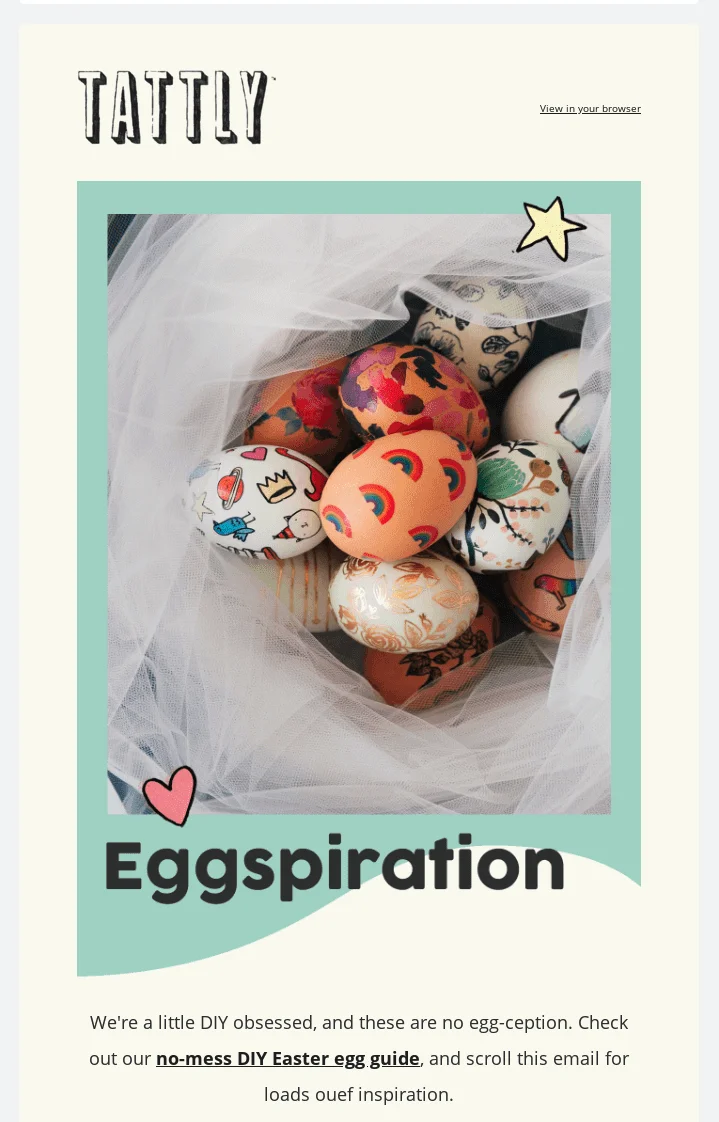
- Mid-April (Variable): Easter (Christian) – In 2026, Easter will likely fall in April. A major holiday with significant consumer spending on confectionery, gifts, and family gatherings. Campaigns can feature themes of renewal, family, and joy, perhaps incorporating interactive "Easter egg hunts" within digital content.
- April 22: Earth Day (Global) – A critical day for promoting sustainability, environmental responsibility, and eco-friendly products or initiatives.
- April 23: World Book Day (Global) – Encourages reading and can be leveraged by publishers, bookstores, and educational platforms.
- April 28: Workers’ Memorial Day (Global) – A day to remember those who have died at work and to advocate for safer workplaces.
May
May brings cultural celebrations, maternal appreciation, and significant international events.
- May 1: May Day / International Workers’ Day (Global) – A public holiday in many countries, often marked by protests or celebrations of labor rights.
- May 4: Star Wars Day (Global) – A massive pop culture phenomenon. Brands can tap into fan enthusiasm with themed content, product tie-ins, and social media engagement ("May the Fourth be with you").
- Second Sunday in May (US/Canada/Australia): Mother’s Day – A major commercial holiday for honoring mothers and mother figures. Campaigns should offer gift suggestions, personalized tributes, and special experiences. Industry best practice suggests offering an opt-out for subscribers who may find this day sensitive.
- Mid-May: Eurovision Song Contest Final (Europe, Australia) – A hugely popular international music competition with a dedicated fanbase, offering opportunities for themed content and engagement.
- Late May: Memorial Day (US) – A federal holiday honoring military personnel who died in service, often marking the unofficial start of summer with retail sales.
June
June heralds the arrival of summer, significant LGBTQ+ celebrations, and the ramping up of major sporting events. This month often sees a shift in consumer focus from traditional shopping to leisure and travel, potentially leading to a slight slump in sales for some sectors.
- June 1 – 30: Pride Month (Global) – A vital period for celebrating LGBTQ+ rights and culture. Brands can show solidarity through inclusive campaigns, supporting LGBTQ+ organizations, and highlighting diversity within their teams. Authenticity is key.
- Third Sunday in June (US/Canada/UK): Father’s Day – An occasion for honoring fathers and father figures, similar to Mother’s Day in its commercial potential for gifts and experiences.
- June 21: Summer Solstice (Northern Hemisphere) – Marks the official start of summer, inspiring campaigns around outdoor activities, travel, and seasonal products.
- Late June/Early July: Wimbledon Championships (UK) – A prestigious tennis tournament, offering opportunities for sports-themed marketing.
July
July is synonymous with peak summer holidays and national celebrations, alongside continued sporting excitement. Maintaining customer engagement during this period requires adaptable strategies.
- July 1: Canada Day (Canada) – National holiday.
- July 4: Independence Day (US) – A major national holiday with significant retail sales, travel, and celebratory events. Campaigns often feature patriotic themes, summer essentials, and promotional discounts.
- July 14: Bastille Day (France) – National holiday, can be leveraged by brands with French connections.
- Mid-July: Tour de France (France) – The world’s most famous cycling race, appealing to sports enthusiasts.
- July 17: World Emoji Day (Global) – A fun, informal day to engage audiences with creative and visual content.
- July 24: FIFA Club World Cup Final (Global, 2025/2026 TBD) – A major football tournament that can drive significant global viewership and marketing opportunities.
August
August typically marks the height of summer, often a slower month for commerce as many are on vacation. This presents an opportunity for strategic re-engagement.
- August (Variable): Back-to-School preparations begin (Late August, US/Europe) – While school starts in September, pre-planning and purchases for uniforms, supplies, and electronics begin in August.
- Mid-August: World Photography Day (Global) – Can inspire user-generated content campaigns and promotions for photography-related products.
- August 26: Women’s Equality Day (US) – Commemorates the 19th Amendment, reinforcing themes of gender equality.
To effectively re-engage customers who might have been offline, email segmentation is a powerful tool. Marketers can identify contacts who haven’t opened emails for a specific period and re-target them with personalized offers or summaries of missed promotions, drawing them back into the sales funnel.
September
September marks a significant transition: the end of summer, the "back-to-school" season, and for many, a renewed focus on work and projects, akin to a "second January."
- First Monday in September: Labor Day (US, Canada) – Marks the unofficial end of summer and is a significant retail holiday.
- September 1: Back to School/University (Various) – A huge commercial period for stationery, electronics, apparel, and educational services. Campaigns should target students, parents, and educators with relevant offers.
- Mid-September: Oktoberfest begins (Germany, Global) – A cultural festival that can inspire themed promotions, especially in food and beverage.
- September 22: Autumn Equinox (Northern Hemisphere) – Marks the official start of autumn, inspiring seasonal content and product launches.
- Late September: World Tourism Day (Global) – Relevant for travel and hospitality industries.
This month is crucial for re-engaging customers after the summer lull, utilizing incentives like special promotions, sweepstakes, and exclusive offers. Targeting customers who abandoned online shopping carts becomes particularly effective during this period of renewed purchasing intent.
October
October signals the official start of autumn and, more significantly for marketers, the kickoff of Q4 and the crucial holiday shopping season, culminating in Halloween.
- October 1: International Coffee Day (Global) – Popular for cafes, food brands, and office suppliers.
- Early October (Second Monday): Thanksgiving (Canada) – A national holiday with associated sales.
- October 31: Halloween (Global) – A major cultural and commercial event, particularly in Western countries, with significant spending on costumes, decorations, and candy. Marketers can leverage spooky themes, creative contests, and festive promotions.
- October (Throughout): Breast Cancer Awareness Month (Global) – An opportunity for brands to support research, raise awareness, and engage in cause-related marketing.
October is the ideal time to finalize holiday season strategies, allowing creativity to flow and setting a festive tone for the peak shopping months ahead.
November
November is arguably the most critical month for B2C sales, dominated by Thanksgiving and the subsequent wave of mega-shopping events.
- November 1: All Saints’ Day (Christian) – A public holiday in many countries.
- November 11: Veterans Day (US) / Remembrance Day (Commonwealth) – A day to honor military veterans; offers opportunities for respectful engagement and support.
- Fourth Thursday in November: Thanksgiving (US) – A national holiday focused on gratitude, family, and food.
- Day after Thanksgiving: Black Friday (Global) – The single biggest shopping day of the year, characterized by massive discounts and sales across all sectors.
- Saturday after Thanksgiving: Small Business Saturday (US) – Promotes shopping at local, independent businesses.
- Monday after Thanksgiving: Cyber Monday (Global) – The largest online shopping day, with significant deals on electronics and e-commerce.
- Tuesday after Thanksgiving: Giving Tuesday (Global) – A movement encouraging charitable giving, providing an opportunity for brands to highlight their social responsibility.
These dates are indispensable for any 2026 marketing calendar, necessitating robust promotional planning and offer deployment to capitalize on peak consumer spending.
December
December concludes the year with festive cheer, continued holiday shopping, and opportunities for heartfelt customer appreciation.
- December (Throughout): Christmas Shopping Season (Global) – The final push for holiday gifts, decorations, and festive supplies. Late shoppers contribute significantly to Q4 sales.
- December 24: Christmas Eve (Christian) – Often a day for last-minute shopping and family gatherings.
- December 25: Christmas Day (Christian) – A major global holiday focused on family, gifts, and celebration.
- December 26: Boxing Day (Commonwealth) – A traditional day for sales and gift returns.
- December 26 – January 1: Kwanzaa (African-American) – A cultural celebration emphasizing community and heritage.
- December 31: New Year’s Eve (Global) – A celebratory end to the year, often associated with parties, reflection, and anticipation of the new year.
Beyond sales, December is also a prime time for brands to express gratitude to their customers for their loyalty throughout the year. Creative campaigns, such as social media competitions (e.g., best holiday decorations) offering coupons or prizes, or personalized festive newsletters from the team, can foster strong customer relationships and end the year on a positive, engaging note.
Building a Bespoke Marketing Calendar for 2026: A Step-by-Step Guide
Constructing an effective marketing calendar goes beyond simply listing dates; it requires a deep understanding of business objectives, target audience behavior, and product lifecycles. For marketing teams, a structured approach simplifies this complex task:
- Define Your Annual Goals: Begin by articulating overarching business objectives for 2026. Are you aiming for increased sales, brand awareness, customer retention, or market expansion? These goals will dictate your calendar’s focus.
- Identify Your Target Audience: Understand who you are trying to reach. What are their demographics, psychographics, purchasing habits, and preferred communication channels?
- Map Key Business Events: Plot internal events such as product launches, service updates, company anniversaries, and major sales periods. These form the foundational structure of your calendar.
- Integrate Global and National Holidays: Incorporate culturally significant holidays, public holidays, and major retail events (like Black Friday, Valentine’s Day) that resonate with your target markets.
- Research Industry-Specific Dates: Include trade shows, conferences, awareness months, or seasonal trends relevant to your particular industry.
- Analyze Past Performance Data: Review data from previous years to identify successful campaigns, optimal posting times, and peak engagement periods.
- Allocate Resources and Budget: Determine the financial and human resources available for each campaign. This influences the scale and ambition of your initiatives.
- Brainstorm Campaign Concepts: For each key date or period, ideate specific campaign themes, messaging, content formats (e.g., email, social media posts, blog articles, videos), and calls to action.
- Assign Responsibilities and Deadlines: Clearly delegate tasks to team members and set realistic deadlines for content creation, review, and publication.
- Choose Your Marketing Channels: Select the most appropriate channels for each campaign, considering an omnichannel approach where beneficial.
- Plan for Contingencies: Build in flexibility to adapt to unforeseen events, market shifts, or emerging trends.
- Establish Measurement Metrics: Define the KPIs for each campaign to track performance and evaluate success.
- Regularly Review and Optimize: The calendar is a living document. Conduct periodic reviews (e.g., quarterly or monthly) to assess progress, make adjustments, and refine future plans.
Creating a comprehensive marketing calendar for the new year is a proactive measure that ensures alignment across teams, optimizes resource allocation, and strategically positions a business to capitalize on every opportunity throughout 2026. This systematic approach transforms potential chaos into a clear, actionable roadmap for sustained growth and engagement.








