rifanmuazin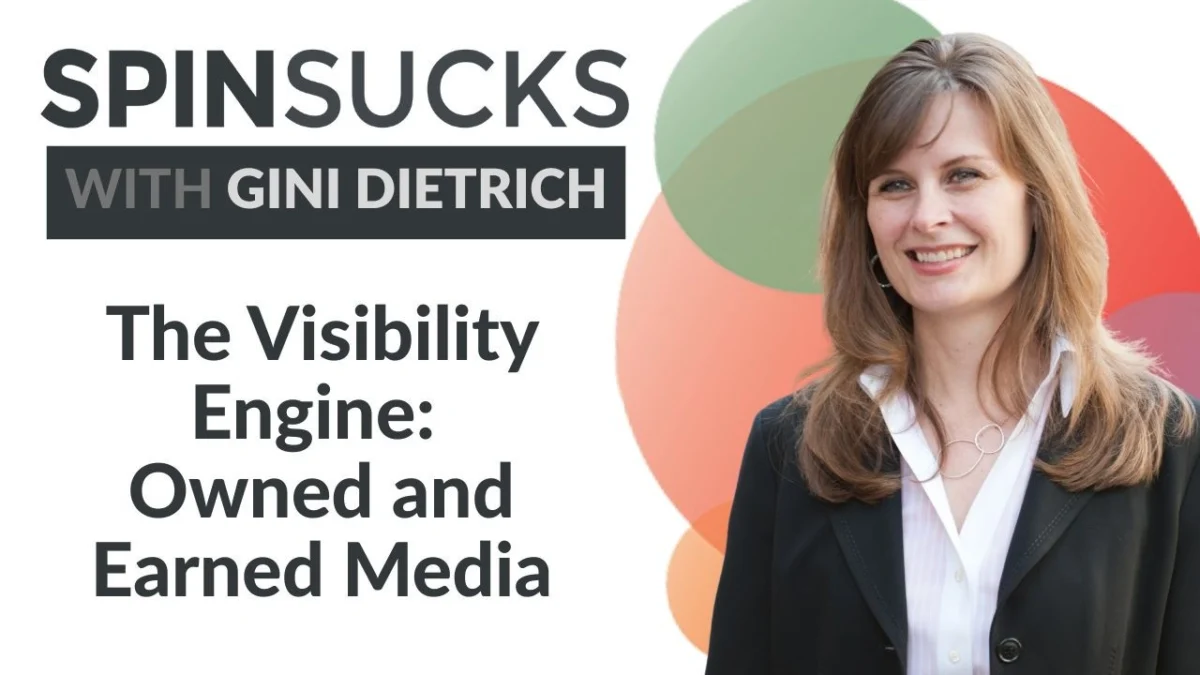
The landscape of digital discovery has undergone a fundamental transformation, shifting from a click-based economy to a system of immediate information retrieval where users often find answers without ever visiting a brand’s primary website. This shift, characterized by the rise of zero-click searches and generative artificial intelligence, has rendered traditional channel-first marketing strategies increasingly obsolete. In response, a new discipline known as visibility engineering has emerged, advocating for a systemic approach that treats owned and earned media as a single, unified engine designed to build consistent, proof-backed authority. By integrating these channels, organizations can establish a level of credibility that is recognized not only by human audiences but also by the AI systems and large language models (LLMs) that now mediate the majority of digital interactions.
The Paradigm Shift in Digital Discovery
For over two decades, the primary objective of digital marketing and public relations was to drive traffic to owned properties. However, recent data suggests that the "open web" is becoming less of a destination and more of a training ground for AI. According to a 2024 study conducted by SparkToro, for every 1,000 Google searches performed in the United States, only 374 result in a click to the open web. In the European Union, that number is even lower, at approximately 360. The remaining searches end in "zero clicks," meaning the user found their answer directly on the search engine results page (SERP) through AI-generated summaries, featured snippets, or knowledge panels.
This environment presents a significant challenge for communications professionals. If the audience is receiving summaries from Google, screenshots from social media creators, or recommendations from AI tools like ChatGPT and Perplexity without clicking through to a source, brand visibility is no longer a matter of search engine optimization (SEO) alone. It has become a systems problem. The traditional approach—where social media, content marketing, public relations, and paid advertising operate in silos—often results in a fragmented brand presence that fails to provide the consistent signals required for AI to validate and surface a brand’s expertise.
A Chronology of the PESO Model Evolution
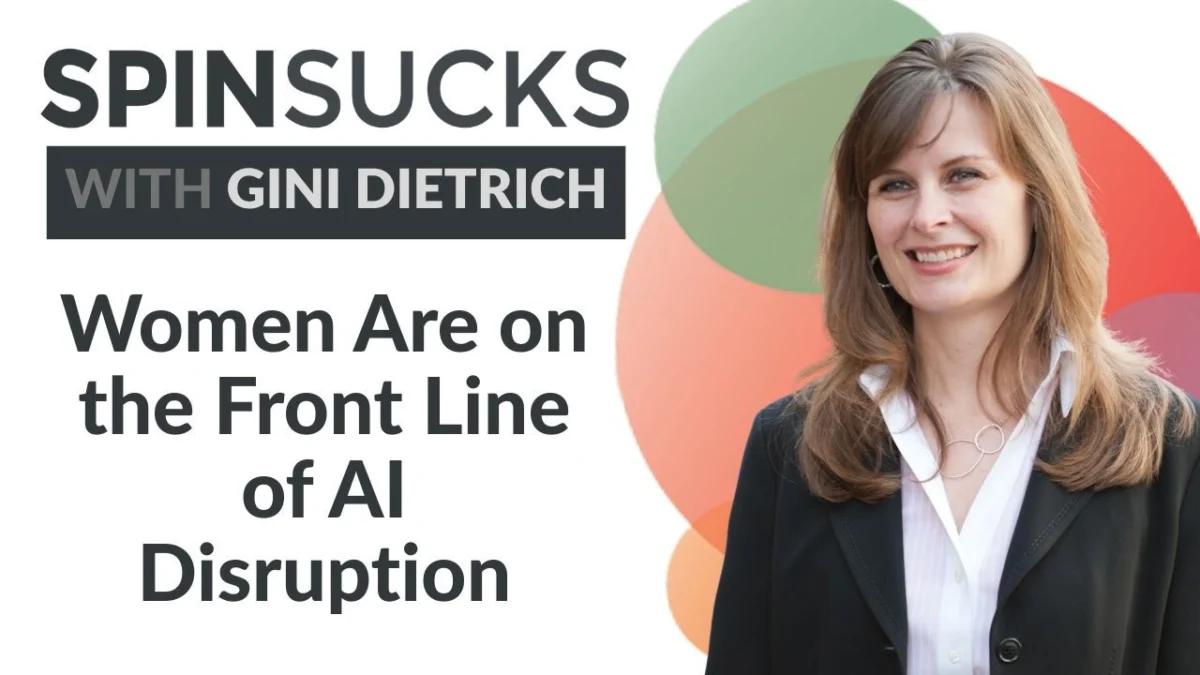
To understand the rise of visibility engineering, one must look at the evolution of the PESO Model (Paid, Earned, Shared, and Owned media). Originally introduced by Gini Dietrich in her 2014 book, Spin Sucks, the model was designed to help communicators integrate various marketing and PR tactics into a cohesive strategy.
In the mid-2010s, the focus of the PESO Model was primarily on integration for the sake of consistency and measurement. Communicators were encouraged to ensure that their PR efforts (Earned) were supported by social media (Shared) and amplified by advertising (Paid). By the early 2020s, as search algorithms became more sophisticated and prioritized "Expertise, Authoritativeness, and Trustworthiness" (E-A-T), the model shifted toward building long-term digital authority.
In 2024 and 2025, the model evolved again to address the "AI-first" world. This latest iteration, often referred to as visibility engineering, prioritizes the relationship between Owned and Earned media as the primary foundation. This evolution acknowledges that while Shared and Paid media remain important for reach, they do not provide the same level of foundational "truth" and third-party validation that AI systems require to verify a brand’s claims.
Owned Media as the Strategic Foundation
In a visibility engineering framework, owned media serves as the "home base" or the "source of truth." It is no longer sufficient to view a blog or a website as a repository for occasional updates or promotional content. Instead, owned media must be structured as an authoritative proof-of-concept for an organization’s expertise.
Journalistic analysis of current content trends suggests that the most successful brands are moving away from high-volume publishing toward "structured expertise." This involves focusing on a small set of defensible themes that the organization can consistently prove through data, methodology, and case studies. These "authority anchors" are designed to be repeatable points of view that appear consistently across all platforms.
The importance of consistency in owned media cannot be overstated, particularly concerning LLMs. AI systems ingest vast amounts of data to identify patterns and truths. If an organization’s website, executive communications, and white papers offer contradictory messaging, the AI is less likely to recognize that organization as a reliable source. Therefore, the foundation of visibility engineering is the creation of a consistent narrative that remains stable regardless of algorithmic shifts or social media trends.
Earned Media and the Transfer of Credibility
While owned media establishes what an organization claims to be true, earned media provides the necessary validation. In the context of visibility engineering, earned media is defined as a "credibility transfer." When a third-party entity—such as a trade publication, a respected podcast, an industry analyst, or an academic institution—validates an organization’s expertise, it provides a signal of trust that cannot be bought.
The role of earned media has expanded beyond traditional press releases and media relations. It now encompasses:
- Mentions in industry-specific newsletters and community forums.
- Inclusion in analyst reports and association roundups.
- Guest appearances on authoritative podcasts.
- Citations in academic or technical papers.
For communications professionals, the challenge is ensuring that earned media efforts are not random. A fragmented earned media strategy—pitching a product launch one month and a CEO profile the next without a connecting thread—fails to build authority. Visibility engineering requires that every earned "win" reinforces the themes established in the owned media foundation. This creates a compounding effect: as more third parties validate the organization’s core themes, the organization becomes easier for both humans and AI systems to recognize as a leader in its field.
Data and Technical Analysis: How AI Views Authority
The technical shift in how information is surfaced has led to new metrics for success. Traditional PR metrics, such as "Potential Reach" or "Ad Value Equivalency," are increasingly viewed as inadequate. Instead, visibility engineers look at "Brand Mentions" and "Sentiment Consistency" across the digital ecosystem.
Insights from Muck Rack and other industry analysts suggest that AI models prioritize sources that demonstrate a high degree of "interconnectedness." For example, if a brand publishes a proprietary data study (Owned), which is then cited by a major news outlet (Earned), and subsequently discussed by industry experts on LinkedIn (Shared), the AI recognizes a "consensus of authority."
This consensus is what triggers AI tools to include a brand in their generated summaries. Without the external validation of earned media, an organization’s owned content remains "self-published," which carries a lower trust score in the eyes of sophisticated algorithms.
Industry Reactions and Professional Standards
The shift toward an integrated, systems-based approach has met with varying reactions across the communications industry. Many veteran PR professionals have welcomed the change, noting that it brings a more rigorous, data-driven methodology to a field often criticized for its lack of clear ROI.
"The job of the communications professional is no longer just to get a story in the paper," notes an industry analysis of the PESO Model Certification. "The job is to build an engine of trust that survives the era of zero-click search."
However, the transition is not without its hurdles. Many marketing departments still struggle with internal silos, where the "content team" and the "PR team" rarely coordinate their efforts. This lack of alignment is the primary cause of what visibility engineers call an "authority problem." When the signals are inconsistent, the brand becomes invisible to the systems that manage discovery.
To address these challenges, specialized training and certifications, such as the PESO Model Certification, have become more prominent. these programs aim to provide communicators with a repeatable framework for building integrated systems rather than running disconnected programs.
Broader Impact and Future Implications
The long-term implications of visibility engineering extend beyond marketing and PR. As AI becomes the primary interface through which the public interacts with information, the ability to engineer visibility will become a critical skill for organizations in every sector, including healthcare, finance, and public policy.
We are entering an era where "being found" is no longer enough; a brand must be "verified" by the digital ecosystem. This requires a move away from the "scrapbook" approach to content—where posts are created based on immediate needs—toward a "spine" approach, where every piece of content and every media mention serves to strengthen a central, defensible expertise.
As the industry moves forward, the integration of Shared and Paid media will further layer onto the Owned and Earned foundation, creating a fully functioning operating system for brand visibility. Those who fail to adopt a systemic approach risk being filtered out by AI summaries, leaving them invisible in a world where the click is no longer the primary unit of value. The future of communications lies not in chasing the latest algorithm, but in engineering a system of authority that is too consistent to be ignored.