rifanmuazin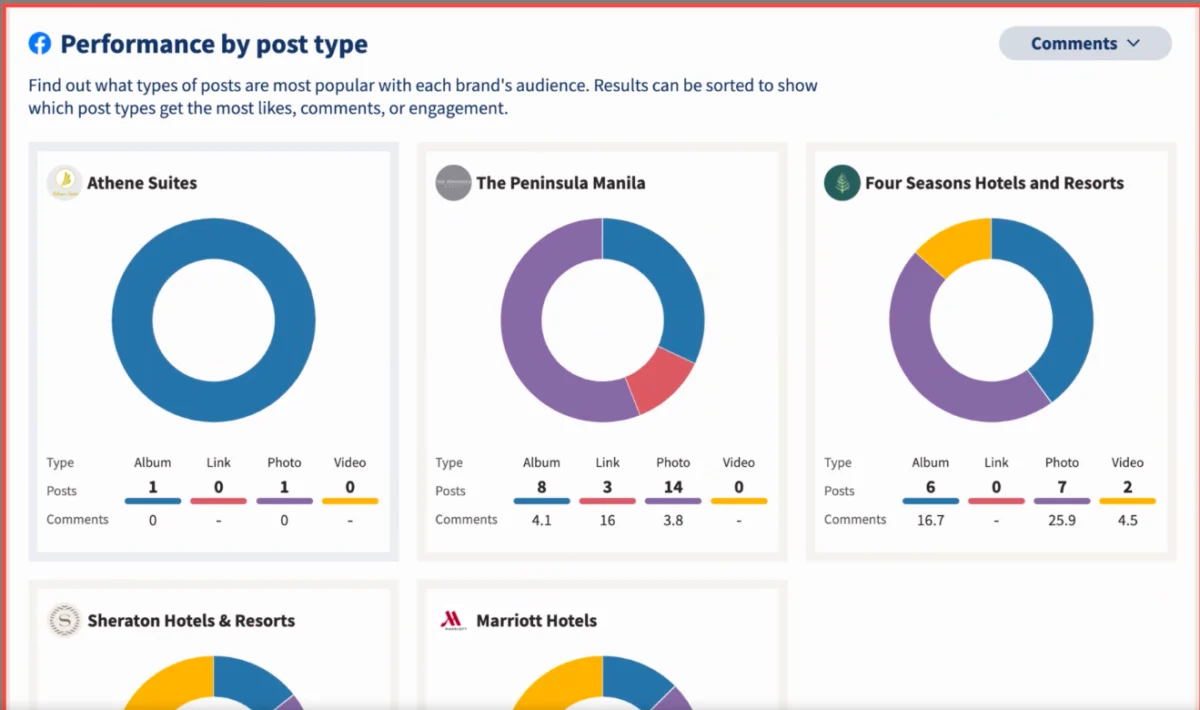
In an increasingly digitized and interconnected global marketplace, the ability of businesses to monitor, analyze, and strategically respond to their rivals’ performance on social media platforms has become an indispensable component of sustained success. Social media competitor analysis tools are specialized software solutions designed to provide businesses with a crucial comparative perspective, allowing them to contextualize their own social performance against that of their peers and identify actionable insights to outperform the competition. As the digital landscape continues its rapid evolution, particularly looking ahead to 2026, the strategic deployment of these tools is no longer merely advantageous but has become a fundamental requirement for market leadership.

The contemporary business environment is characterized by fierce competition across virtually every sector. Social media, once primarily a platform for personal connection, has transformed into a powerful arena for brand building, customer engagement, and direct sales. With billions of active users globally, platforms like Facebook, Instagram, X (formerly Twitter), LinkedIn, and TikTok represent vast opportunities for reaching target audiences. However, this immense potential is matched by an equally immense challenge: standing out amidst a constant barrage of content from countless brands vying for attention. This is where competitive analysis tools prove their worth, offering a structured approach to understanding the dynamics of this digital battlefield.
The evolution of social media analytics has mirrored the growth of the platforms themselves. Early social media marketing relied heavily on rudimentary metrics like follower counts and basic likes. However, as algorithms became more sophisticated and user behavior more complex, marketers recognized the inadequacy of isolated data. A high engagement rate might seem impressive in a vacuum, but its true value is only understood when compared to industry averages or the performance of direct competitors. This realization spurred the development of specialized tools capable of aggregating, analyzing, and visualizing competitor data, transforming raw numbers into strategic intelligence. The demand for such tools has intensified, driven by the desire to not only track trends but to anticipate market shifts and capitalize on emerging opportunities before rivals.

Core Functionalities: Unpacking the Power of Competitive Intelligence Platforms
At their core, social media competitor analysis platforms offer a suite of functionalities designed to provide a panoramic view of the competitive landscape. These tools excel at data collection, meticulously gathering public information from competitor profiles, posts, and audience interactions. This raw data is then processed and presented through intuitive visualizations, allowing marketers to quickly grasp complex trends and performance differentials. Key capabilities typically include:
- Performance Benchmarking: Comparing metrics such as engagement rates, follower growth, reach, and impression volumes against selected competitors.
- Content Analysis: Identifying top-performing posts, content themes, formats (e.g., video, image, text), and publishing frequencies that resonate with competitor audiences.
- Audience Insights: Gaining a deeper understanding of competitor audiences, including their demographics, interests, and interaction patterns.
- Sentiment Tracking: Monitoring public perception and sentiment surrounding competitors and their campaigns.
- Hashtag and Keyword Analysis: Discovering effective hashtags and keywords utilized by rivals to expand reach and target specific niches.
Industry analysts consistently emphasize that data-driven decision-making is paramount for social media success. These platforms democratize access to sophisticated analytics, enabling businesses of all sizes to move beyond guesswork and implement strategies informed by real-time market data.
A Comprehensive Overview of Leading Social Media Competitor Analysis Tools
The market for social media competitor analysis tools is diverse, offering solutions tailored to various business needs and scales. From all-encompassing platforms to niche-specific tools, the options empower marketers to gain a competitive edge.
1. Hootsuite
Positioned as an all-in-one social media management platform, Hootsuite offers robust competitor analysis and industry benchmarking capabilities integrated directly within its Analytics suite. This makes it particularly suitable for mid-sized to enterprise teams seeking a unified solution for managing their social presence and gaining competitive insights.

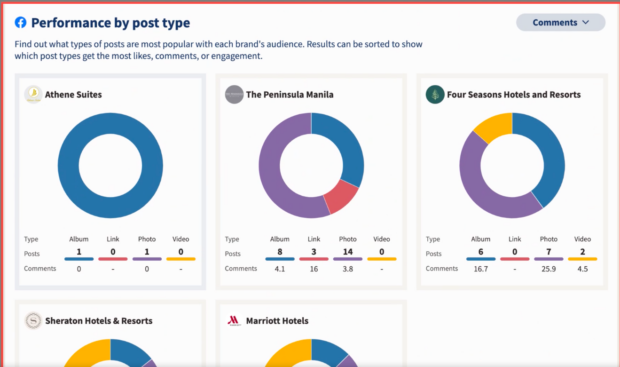
- Competitor Analysis: Users can establish a watchlist of up to 20 competitive accounts (varying by plan). Comprehensive competitive benchmarking reports include metrics such as follower growth, engagement rates, top-performing content, and share of voice across Facebook, Instagram, and X. Deeper insights extend to post type performance, audience demographics, and optimal posting times.
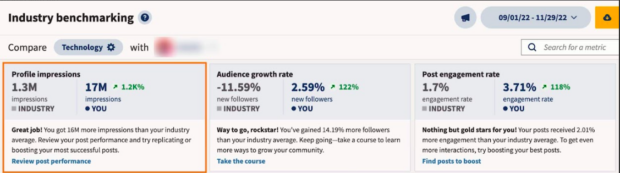
- Industry Benchmarking: This feature allows businesses to compare their performance against industry averages, particularly useful for identifying broad market trends or for new entrants understanding their competitive standing. It covers Facebook, Instagram, X, LinkedIn, and TikTok.
- Social Listening: Hootsuite Listening, powered by AI, enables real-time aggregation of competitor content and mentions into a single dashboard. Its Quick Search function facilitates analysis of mentions, sentiment, and trends related to specific keywords or brands.
2. Phlanx
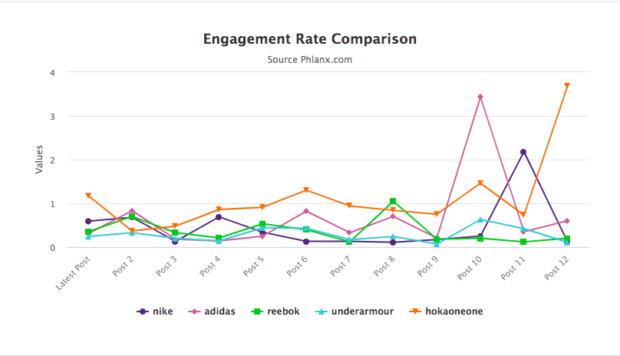
Phlanx serves as a straightforward tool primarily focused on quick engagement comparisons across specific social channels. It provides a simple dashboard for tracking engagement rates on Instagram, YouTube, X, and Twitch. While its benchmarking is limited primarily to engagement metrics, it offers a accessible option for creators and solo marketers who need a rapid overview of competitor engagement.
3. Sprinklr
Sprinklr is an enterprise-level solution that offers deep competitor insights and sentiment tracking across Facebook, Instagram, X, and YouTube. It excels at analyzing competitor content themes, post categories, and public sentiment, providing a detailed understanding of market perception. However, its premium pricing, starting at approximately $3,600 per user per year, makes it a significant investment primarily for large corporations with extensive analytical needs.

4. Social Blade
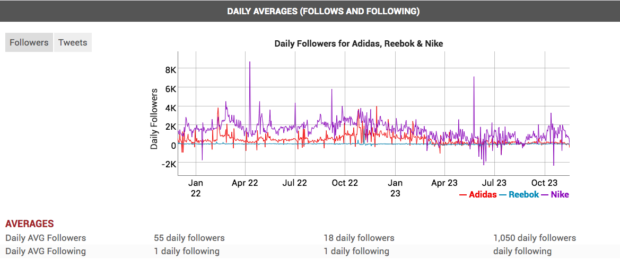
Social Blade offers a free, high-level tracking service for comparing competitor performance, particularly on X, YouTube, and Twitch. It monitors key metrics such as follower growth, post volume, and engagement. A unique feature is its "grade" assignment to competitor accounts based on their overall Social Blade ranking, offering a quick, albeit general, performance assessment. It is a valuable resource for creators and small businesses seeking basic competitive data without financial outlay.
5. Later
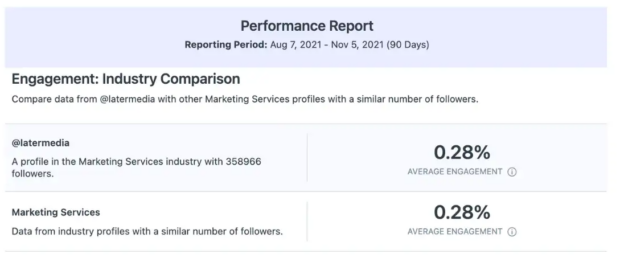
Primarily known for Instagram scheduling, Later also provides focused Instagram benchmarking. It allows users to compare their Instagram engagement rates against industry averages for accounts with similar follower counts. Additionally, it offers weekly reports on top-performing industry hashtags. Later is ideal for businesses with a primary focus on Instagram marketing but may fall short for broader, multi-platform analysis.
6. Sprout Social
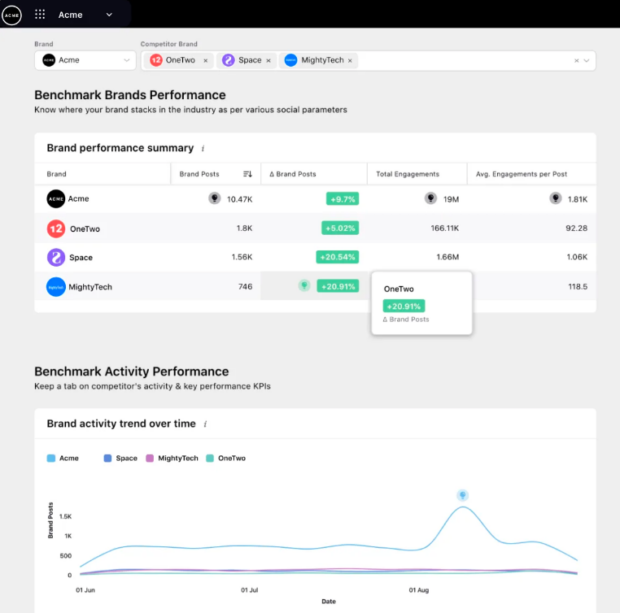
Sprout Social delivers a comprehensive suite of competitor analysis tools, facilitating benchmarking and performance comparison within reporting workflows. It includes robust social listening capabilities to identify key industry keywords and hashtags. While praised for its strong analytics, some users note a potential lack of customization options. Its pricing structure, averaging $332 per user seat, positions it for agencies and growing teams requiring advanced analytical reporting across Facebook, Instagram, and X.
7. BuzzSumo
BuzzSumo is fundamentally a content marketing tool that incorporates powerful competitor analysis features. It tracks competitor metrics across the web, with a pronounced emphasis on Facebook for social insights. Users can analyze engagement based on post type, length, and publication time. It also identifies top-shared content across social networks via keyword searches, providing a breakdown of popular platforms within specific niches. BuzzSumo is most beneficial for content-focused teams, especially those with a strong presence on Facebook.
8. Keyhole
Keyhole offers a social media competitive analysis tool that includes free competitor keyword and hashtag research. Its search bar reveals platforms where a hashtag is prevalent, along with top referring sites and accounts, which is highly useful for tracking branded or campaign-specific hashtags. Paid plans unlock more detailed competitive analytics and comprehensive benchmarking across X, Instagram, Facebook, YouTube, and broader web sources.
9. Mentionlytics
Mentionlytics functions as a social media monitoring tool tailored for competitive analysis. It tracks mentions of a brand, competitors, or any keyword across X, Instagram, Facebook, YouTube, Pinterest, and various web sources, including news sites and blogs. A notable feature is its sentiment analysis, which gauges public feeling surrounding mentions. Mentionlytics integrates with Hootsuite, allowing users to consolidate monitoring efforts.
10. Brandwatch
Brandwatch is a consumer intelligence platform recognized for its powerful competitive analysis features. One of its standout capabilities is the clear visualization of a brand’s social share of voice, a critical metric indicating how frequently a brand is discussed online relative to its competitors. This tool is instrumental for deep consumer insights and comprehensive share of voice analysis across X, Instagram, Facebook, Reddit, blogs, and forums.
11. SEMrush
While widely celebrated for its SEO and broader digital marketing prowess, SEMrush also provides substantial social competitor analysis features. It enables tracking and comparison of competitor social media performance across Facebook, Instagram, X, and LinkedIn. SEMrush distinguishes itself with deep data analysis and reporting, although its extensive feature set can be initially overwhelming for new users. It is best suited for teams that require integrated SEO and social insights.
12. Similarweb
Primarily known as a traffic analysis tool, Similarweb’s social media capabilities should not be underestimated. It allows users to track social media traffic trends for competitors across platforms like Facebook, Instagram, and YouTube, alongside other web sources. This provides a holistic overview of competitor online performance, from social traffic origins to engagement metrics, making it ideal for understanding the comprehensive customer journey and the role of social media within it.
Strategic Deployment: Maximizing Competitor Intelligence for Social Success
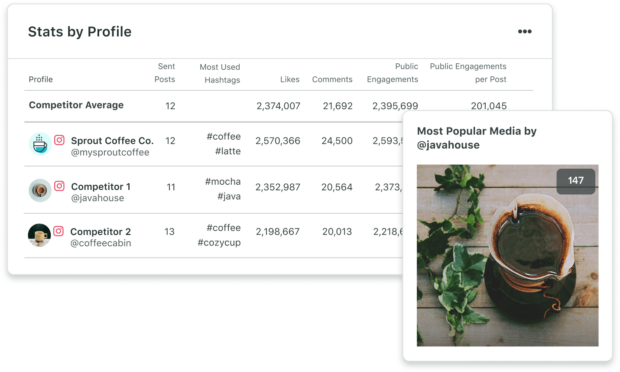
The mere availability of these tools is not enough; their effective utilization is what transforms data into strategic advantage. Businesses must integrate competitor intelligence into their broader social media strategy to achieve optimal outcomes.
1. Setting Realistic Goals:
Competitive data provides an essential external benchmark for goal setting. Understanding the performance metrics (e.g., average engagement rates, follower growth velocity) of successful competitors allows brands to establish achievable yet ambitious objectives for their own social media campaigns. This is particularly valuable when launching new accounts or expanding into new platforms where internal historical data is limited. By contextualizing performance against industry leaders, businesses can avoid unrealistic expectations and define meaningful key performance indicators (KPIs).
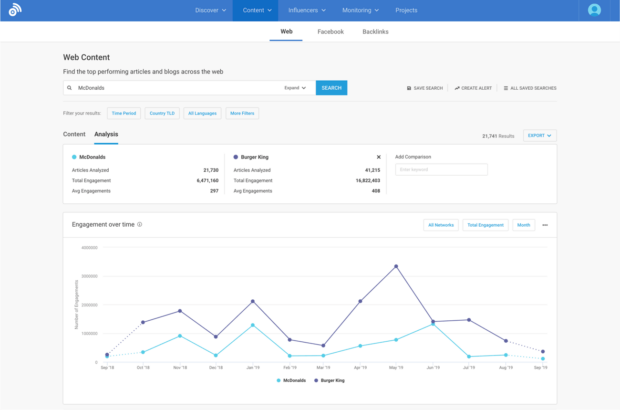
2. Performance Benchmarking Against Rivals:
Analyzing internal social media results in isolation can be misleading. Competitor data provides the necessary context to interpret performance fluctuations. If a brand experiences an unexpected dip in engagement, competitive analysis can reveal whether this is an isolated issue or a broader industry trend, perhaps due to an algorithm change or a shift in audience behavior. This external perspective is crucial for making informed decisions on content adjustments, platform strategies, or crisis responses.
3. Discovering New Ideas and Content Inspiration:
Social competitive intelligence tools efficiently consolidate competitors’ top-performing content, offering a streamlined view of what resonates with similar audiences. This eliminates the need for manual monitoring and provides a rich source of inspiration. By identifying successful content formats, themes, hashtags, and trends, brands can learn from competitor successes without resorting to direct imitation. This insight is also invaluable for influencer marketing strategies, revealing which influencers drive engagement within a competitor’s audience.
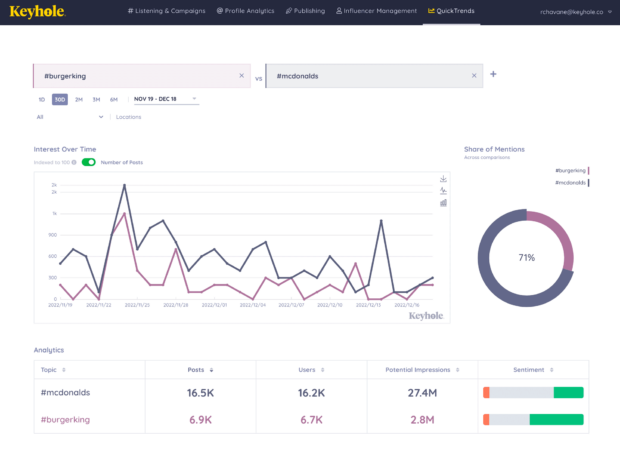
4. Defining and Reinforcing Brand Differentiation:
A thorough analysis of competitors helps a brand articulate and refine its unique selling proposition (USP). By understanding what rivals offer and how they position themselves on social media, a brand can identify its distinct strengths, unique benefits, and areas of excellence. This clarity is foundational for developing a compelling brand identity and messaging strategy that truly stands out. Ongoing competitive monitoring also enables early detection if a competitor begins to encroach on a brand’s established market space, allowing for proactive strategic adjustments.
5. Deepening Audience Understanding:
Competitor analysis tools offer powerful insights into the target audience. By examining how an audience engages with competitor content, businesses can infer preferences, pain points, and effective communication styles. Questions such as "What content types elicit the most comments for competitors?", "Which platforms are most active for their audience?", and "What kind of language do they use?" can be answered. This understanding complements internal audience research and informs a more effective content strategy, considering also the demographic nuances that may differentiate various audience segments.
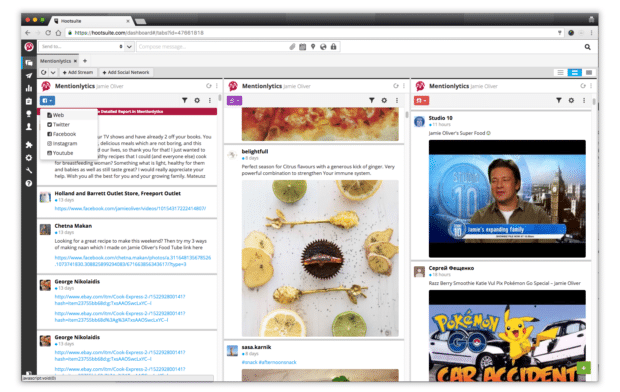
6. Expanding Reach Through Keywords and Hashtags:
High-performing competitor content often reveals the keywords and hashtags that significantly contribute to expanded reach beyond existing followers. While hashtags are readily apparent, a deeper analysis can uncover specific phrases or topics that attract new audiences. Integrating these insights into a social media marketing and social SEO strategy can lead to increased visibility and discoverability. Furthermore, monitoring market trends can help identify emerging keywords, enabling brands to be early adopters and capture new segments of their audience.
7. Informing a Comprehensive SWOT Analysis:
Competitor data forms a critical foundation for conducting a robust SWOT (Strengths, Weaknesses, Opportunities, Threats) analysis.

- Strengths: Identified by areas where a brand consistently outperforms competitors.
- Weaknesses: Revealed by areas where competitors show superior performance or capabilities.
- Opportunities: Uncovered by market gaps or underserved audience needs identified through competitor content or audience engagement.
- Threats: Posed by aggressive competitor campaigns, new market entrants, or shifts in competitor strategy that could erode market share.
Social media competitive analysis tools provide much of the external data required for this strategic assessment, enabling businesses to understand their market position comprehensively.
Future Trends and Conclusion
Looking ahead, the sophistication of social media competitor analysis tools is expected to grow, with increasing integration of artificial intelligence and machine learning for predictive analytics and more nuanced sentiment analysis. The ability to process vast quantities of data in real-time and translate it into actionable intelligence will become even more critical. As social media platforms continue to evolve and new ones emerge, the continuous need for adaptability in social media strategy will underscore the indispensable role of these competitive intelligence tools.

In conclusion, social media competitor analysis tools are no longer optional accessories but strategic necessities for any business aiming to thrive in the digital age. By providing crucial context for performance, fostering innovation, sharpening brand differentiation, and deepening audience understanding, these platforms empower brands to set realistic goals, refine strategies, and ultimately, secure a competitive advantage in a dynamic and ever-expanding digital landscape.