As the critical holiday shopping season for 2026 rapidly approaches, Meta has unveiled an extensive suite of resources designed to equip marketers, particularly small and medium-sized businesses (SMBs), with the strategic insights and tools necessary to maximize their promotional efforts. The company’s proactive guidance, encapsulated within a newly launched Holiday Insights Center and a detailed Holiday Marketing Playbook for SMBs, underscores the growing importance of digital platforms in driving consumer purchasing decisions during the year’s most lucrative retail period. These initiatives are built upon a foundation of proprietary data, including a global survey of nearly 15,000 holiday shoppers across 18 countries, providing a panoramic view of anticipated consumer behavior and spending patterns.
The Evolving Landscape of Holiday Commerce and Meta’s Strategic Positioning
The retail sector has undergone a profound transformation over the past decade, a shift dramatically accelerated by global events such as the COVID-19 pandemic. Consumers have increasingly migrated towards online channels for product discovery, research, and purchase, making digital marketing an indispensable component of any successful holiday strategy. Meta, with its vast ecosystem encompassing Facebook, Instagram, WhatsApp, and Messenger, occupies a pivotal position in this digital landscape, influencing billions of users daily. By offering granular insights and practical guidance, Meta aims not only to support its advertiser base but also to reinforce its role as a critical conduit between businesses and consumers, especially during peak shopping events.
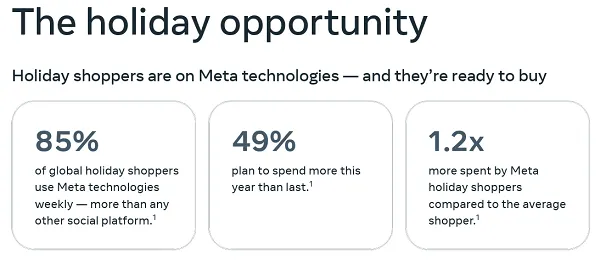
The 2026 holiday season is projected to be a period of significant economic activity. Meta’s analysis forecasts an impressive retail spend exceeding $1.4 trillion globally. This substantial figure highlights the immense opportunity for businesses capable of effectively reaching and engaging their target audiences. A key trend underpinning this forecast is the continued acceleration of online shopping, which is currently growing at a rate 2.5 times faster than in-store sales. This disparity underscores the imperative for marketers to prioritize and optimize their digital presence, with social media platforms like Meta’s at the forefront of this digital-first approach.
Deep Dive into Meta’s 2026 Holiday Insights and Playbook
The newly launched Holiday Insights Center serves as a comprehensive hub for marketers, offering access to a wealth of usage statistics, advertising best practices, and strategic tips tailored for the upcoming season. This centralized resource aims to demystify complex consumer trends and translate them into actionable strategies. Complementing this, the Holiday Marketing Playbook for SMBs provides a step-by-step guide, replete with data-backed recommendations and user engagement notes, designed to help smaller enterprises compete effectively with larger brands.
A standout finding from Meta’s extensive global survey reveals that nearly half (49%) of holiday shoppers who utilize Meta’s applications intend to increase their spending in 2026 compared to 2025. This statistic signals robust consumer confidence among a significant segment of Meta’s user base and represents a powerful opportunity for advertisers to capture a larger share of wallet. This anticipated surge in spending is likely driven by a combination of factors, including potentially improved economic conditions, pent-up demand, and the pervasive influence of social commerce in inspiring purchases.
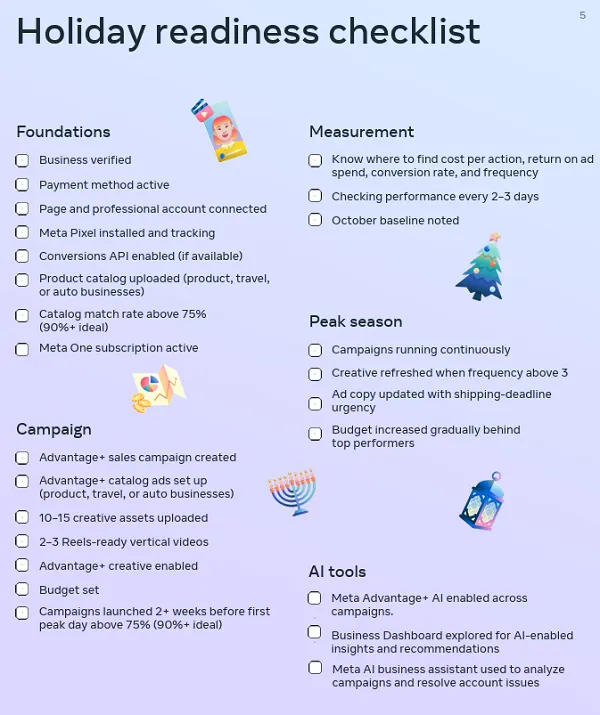
The playbook further details critical seasonal pointers to assist with promotional planning for 2026. A notable observation is the condensed timeframe for the holiday shopping rush: "Black Friday is November 27, 2026 – only 28 days until Christmas, about a week less than most years," Meta advised. This shorter window between the critical Black Friday-Cyber Monday (BFCM) sales event and Christmas necessitates an earlier and more intensified marketing effort. Meta explicitly recommends that marketers "start ads by mid-October to let Meta learn before the peak," emphasizing the importance of allowing the platform’s algorithms sufficient time to optimize campaign delivery. Furthermore, the guidance stresses that "more demand will compress into the Black Friday-Cyber Monday window – plan so budgets lean in, not pull back," urging advertisers to allocate resources strategically to capitalize on these high-conversion periods.
Chronology of Key Holiday Shopping Phases and Strategic Budgeting

The holiday shopping season is not a monolithic event but rather a series of distinct phases, each presenting unique opportunities and challenges. While the traditional view often centers on the period between Thanksgiving and Christmas, consumer behavior has evolved to embrace earlier shopping and prolonged promotional cycles.
- Early Bird Shopping (October to Early November): Many consumers begin their holiday research and purchases well before Black Friday, often seeking to spread out expenses, avoid last-minute stress, or secure popular items before stock runs out. Meta’s recommendation to start campaigns by mid-October directly addresses this trend, allowing businesses to capture early demand and leverage the learning phase of Meta’s ad algorithms for optimal performance. This period is crucial for brand awareness, product discovery, and building consideration.
- Black Friday – Cyber Monday (BFCM) Weekend (Late November): This four-day period remains the undisputed peak of holiday shopping, characterized by aggressive discounts and high consumer intent. The 2026 calendar, with Black Friday falling on November 27th, compresses the post-BFCM shopping window, making strategic budgeting and precise ad targeting during this period even more critical. Marketers are advised to ensure their budgets are front-loaded and flexible enough to scale up during this demand surge, rather than retracting, which could lead to missed opportunities.
- Cyber Week and Beyond (Early December): Following BFCM, "Cyber Week" extends promotional activities, often including "Cyber Monday Deals Week" and "Green Monday." This phase continues to capture shoppers who missed out on BFCM deals or are still completing their lists. Small Business Saturday, typically the day after Black Friday, is also a vital opportunity for local businesses to drive foot traffic and online sales, which Meta’s tools can help facilitate through localized targeting.
- Last-Minute Shopping (Mid to Late December): As Christmas approaches, focus shifts to expedited shipping and e-gift cards. Marketers need to adapt their messaging to reflect urgency and convenience. The shortened 2026 window means this phase will be even more compressed, demanding swift adjustments to ad creatives and delivery promises.
Leveraging Artificial Intelligence in Holiday Campaigns
A significant component of Meta’s 2026 guidance emphasizes the role of artificial intelligence (AI) in optimizing campaign setup and audience reach. AI-powered tools within Meta’s advertising platform are designed to enhance efficiency, personalize ad experiences, and ultimately improve return on ad spend (ROAS).
Key AI applications for holiday marketers include:
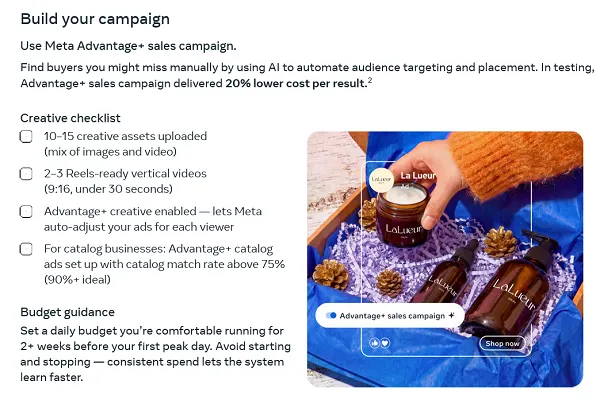
- Advantage+ Campaigns: Meta’s suite of AI-driven automation tools, such as Advantage+ Shopping Campaigns, leverages machine learning to streamline campaign creation, audience targeting, and budget allocation. These tools analyze vast datasets to identify the most receptive audiences, optimize ad delivery in real-time, and dynamically adjust bids to maximize conversions, freeing up marketers to focus on creative strategy.
- Dynamic Ads: AI enables dynamic ads to automatically show personalized product recommendations to users based on their past interactions with a business’s website or app. For holiday shopping, this means showing relevant gift ideas or previously viewed items, significantly increasing the likelihood of conversion.
- Automated Creative Optimization: AI can test various ad creatives (images, videos, text) and automatically prioritize those performing best, ensuring that the most effective messages reach the target audience.
- Audience Expansion: Beyond traditional demographic and interest-based targeting, AI helps identify "lookalike audiences" – users who share characteristics with a business’s existing high-value customers – thereby expanding reach to new, relevant prospects.
- Performance Forecasting and Budget Optimization: AI algorithms can predict campaign performance and recommend optimal budget allocations across different ad sets and platforms, ensuring resources are utilized efficiently during the high-stakes holiday period.
For SMBs, these AI tools democratize sophisticated marketing capabilities, allowing them to run highly effective campaigns without requiring extensive technical expertise or large dedicated teams.
Implications for Marketers and Small Businesses
The insights and tools provided by Meta carry significant implications for how businesses approach their holiday marketing in 2026:
- Strategic Planning is Paramount: The compressed shopping window demands meticulous planning. Marketers must develop a comprehensive strategy that spans from early October through late December, clearly defining objectives for each phase, from brand awareness to conversion.
- Budget Flexibility and Allocation: Rather than a static budget, businesses need to plan for dynamic allocation, ready to "lean in" during peak periods like BFCM. This requires continuous monitoring of campaign performance and agility in adjusting spend.
- Creative Excellence and Personalization: With increased competition for consumer attention, high-quality, engaging, and personalized ad creatives are essential. Video content, interactive formats, and authentic storytelling can cut through the noise. AI tools can assist in personalizing these creatives at scale.
- Embrace Social Commerce: Meta’s platforms are increasingly integrated with shopping features, from product tags in Instagram posts to in-app checkout. Businesses should leverage these features to shorten the path to purchase and provide seamless shopping experiences.
- Data-Driven Decisions: The abundance of data provided by Meta’s Insights Center and campaign dashboards must be utilized to inform decisions. Marketers should focus on key performance indicators (KPIs) like return on ad spend (ROAS), conversion rates, and customer acquisition costs.
- Omnichannel Integration: While digital is paramount, a truly effective holiday strategy integrates online efforts with any physical retail presence. Meta’s local awareness ads and store traffic optimization can bridge the gap between digital discovery and in-store purchases.
Broader Industry Impact and Expert Perspectives
Meta’s annual holiday guidance is not just a service for its advertisers; it’s a significant indicator of broader e-commerce trends and the ongoing evolution of digital marketing. Industry analysts often look to these reports for insights into consumer sentiment and the strategic priorities of major platforms.
Marketing experts generally concur with Meta’s emphasis on early planning and flexible budgeting. "The holiday season is won or lost long before Black Friday," noted Sarah Jenkins, a digital marketing strategist. "Brands that begin building excitement and capturing early demand in October are consistently better positioned for success. The compressed nature of the 2026 season only amplifies this need."
Furthermore, the focus on AI tools reflects a widespread industry trend towards automation and intelligent optimization. "AI is no longer a luxury; it’s a necessity for competitive digital advertising," commented David Chen, a retail technology consultant. "For SMBs, in particular, Meta’s AI capabilities offer a level playing field, enabling them to run sophisticated campaigns that once required large teams and budgets."
However, experts also caution businesses against solely relying on platform-specific advice without considering their unique brand identity and customer base. While Meta’s insights are invaluable, a holistic strategy that incorporates diverse marketing channels and a deep understanding of one’s specific target audience remains crucial. The challenge for marketers will be to synthesize Meta’s general guidance with their unique business context to craft truly effective campaigns.
Conclusion
The 2026 holiday shopping season presents a significant opportunity for businesses to drive substantial revenue, with Meta forecasting over $1.4 trillion in retail spend and continued robust growth in online sales. The company’s comprehensive Holiday Insights Center and Playbook for SMBs offer an invaluable roadmap for navigating this competitive period. By emphasizing early planning, strategic budget allocation during a compressed selling window, and the judicious application of AI-powered advertising tools, Meta is equipping marketers with the resources to capitalize on evolving consumer behaviors and heightened spending intentions. Success in this dynamic environment will ultimately hinge on a combination of data-driven strategy, creative agility, and a steadfast commitment to delivering exceptional customer experiences across all digital touchpoints.