rifanmuazin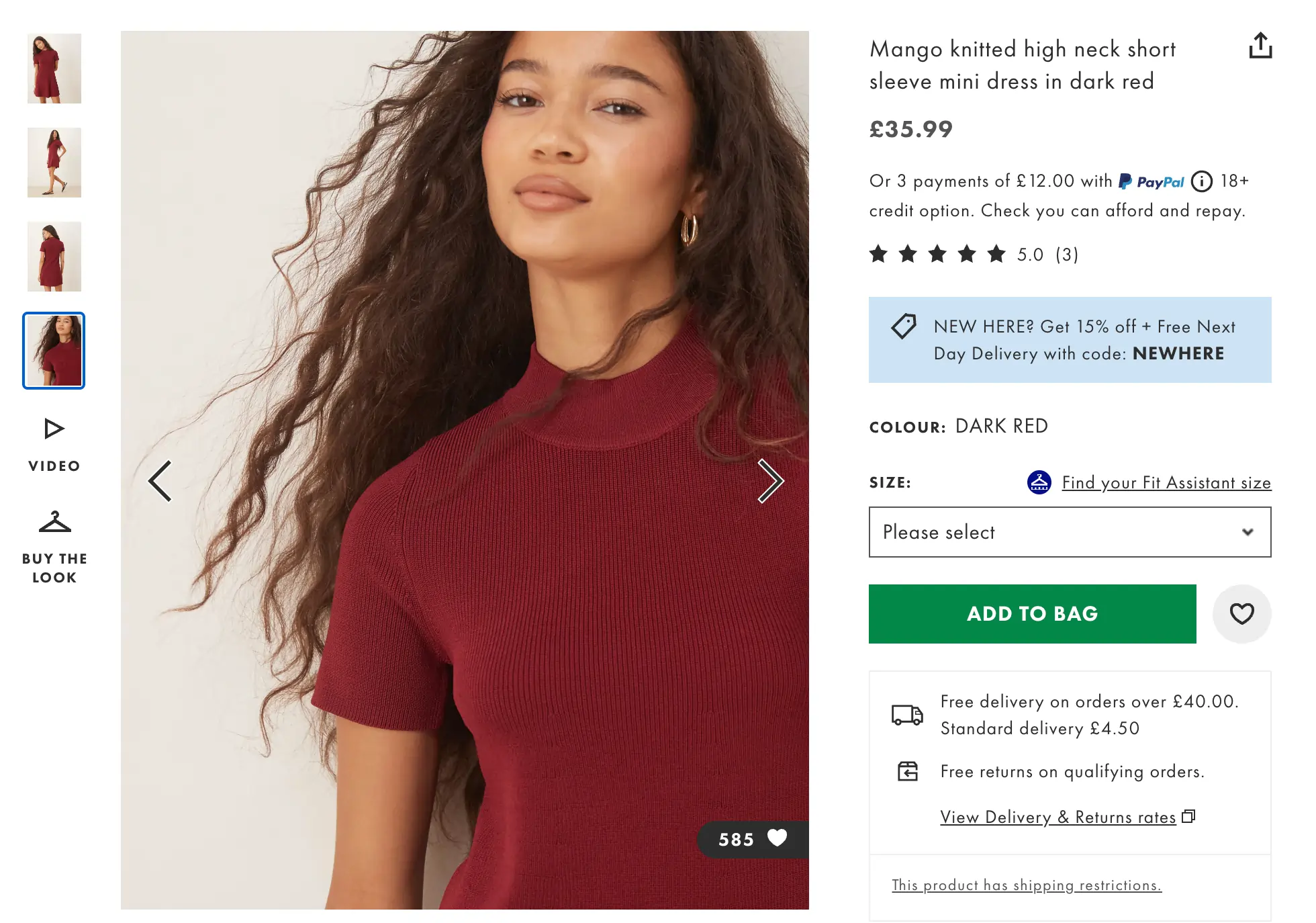
The Product Detail Page (PDP) image carousel has evolved from a simple photo gallery into a high-stakes conversion engine, serving as a critical touchpoint where potential customers transition from interest to intent. Industry data indicates that while users often ignore decorative sliders on homepages, the PDP carousel remains one of the most interacted-with elements on an e-commerce site. Heatmap analysis and session recordings consistently reveal that the majority of mobile shoppers engage with at least the first two images in a sequence, while the subsequent slides (three through five) act as the primary battleground for sanity-checking product details, seeking reassurance, and establishing brand trust.

Despite the proven utility of this digital real estate, many e-commerce brands continue to underutilize the space, relying on a repetitive series of high-gloss studio shots that fail to address the fundamental questions a consumer has before clicking the "Add to Cart" button. To remain competitive in an increasingly crowded digital marketplace, merchants must adopt a more sophisticated, data-driven approach to visual storytelling that combines mobile-first design, psychological objection handling, and advanced technological implementation.
The Strategic Importance of Visual Assets in Modern E-Commerce
The shift toward visual-centric shopping is driven by the rapid growth of mobile commerce, which now accounts for over 70% of total e-commerce traffic in many sectors. On a mobile device, the product carousel often occupies more than 50% of the screen real estate "above the fold." This makes it the primary vehicle for communication, surpassing the product description in immediate impact.

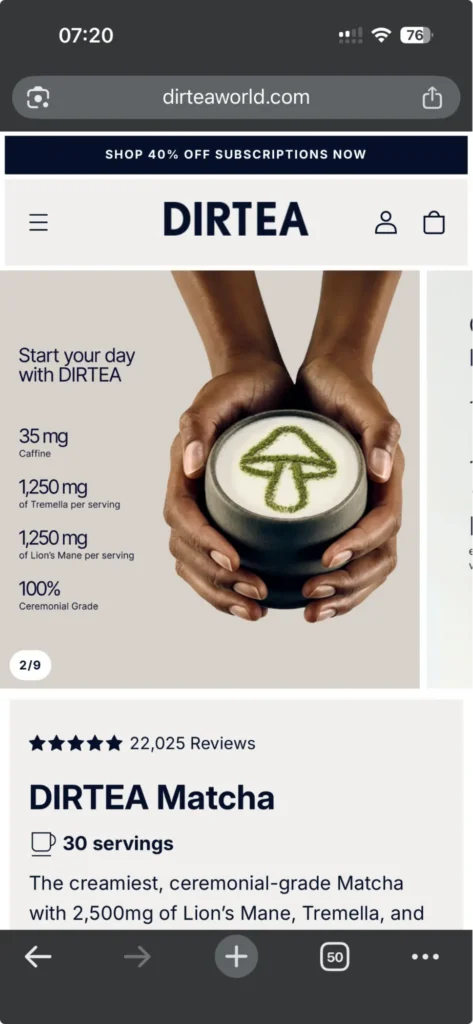
Industry experts, including conversion rate optimization (CRO) specialist Daphne Tideman, argue that the first image in a carousel—the "hero image"—must perform two simultaneous roles: establishing a powerful first impression and providing immediate clarity on the offer. This is particularly crucial for product bundles or offers that include a free gift with purchase. If a shopper has to scroll deep into the text to understand what is included in their purchase, the friction increases, and conversion rates typically plummet. For instance, the wellness brand Dirtea has successfully optimized this by displaying the primary product alongside any included gifts in the initial frame, removing the mental "stitching" required by the user to understand the value proposition.
Architecture of a High-Conversion Image Carousel
A high-performing carousel is structured not as a gallery, but as a persuasive narrative. The first image serves as the hook, while images two through five are designed to answer the "decision questions" that lead to a purchase.
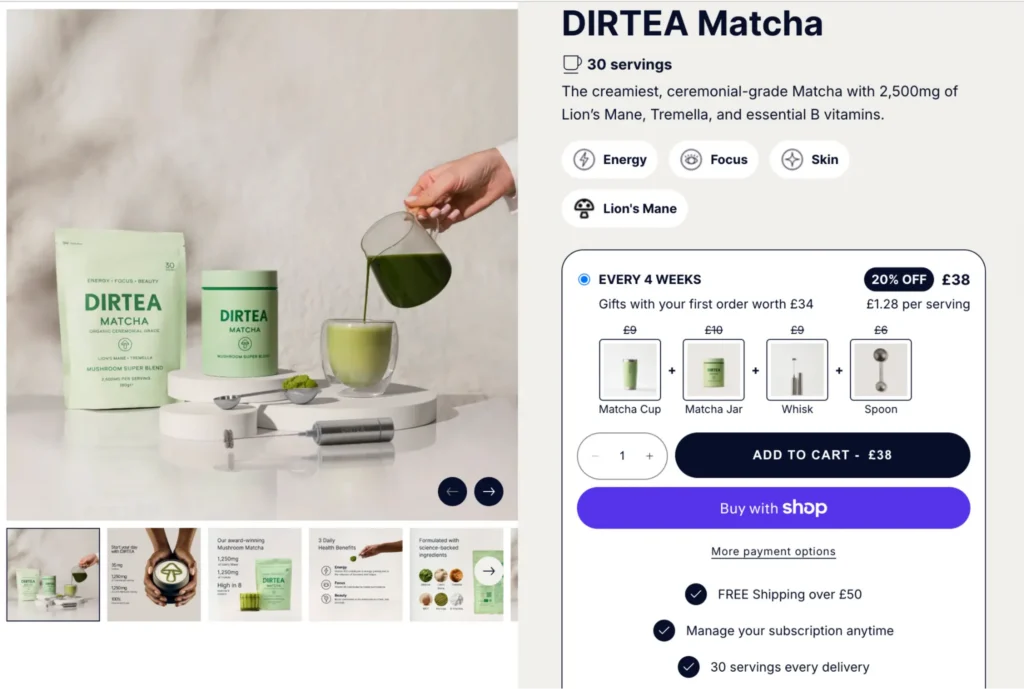
- The Hero Shot: This image should be clean, high-resolution, and devoid of clutter, yet it must clearly communicate exactly what is being sold. For bundles, every component must be visible.
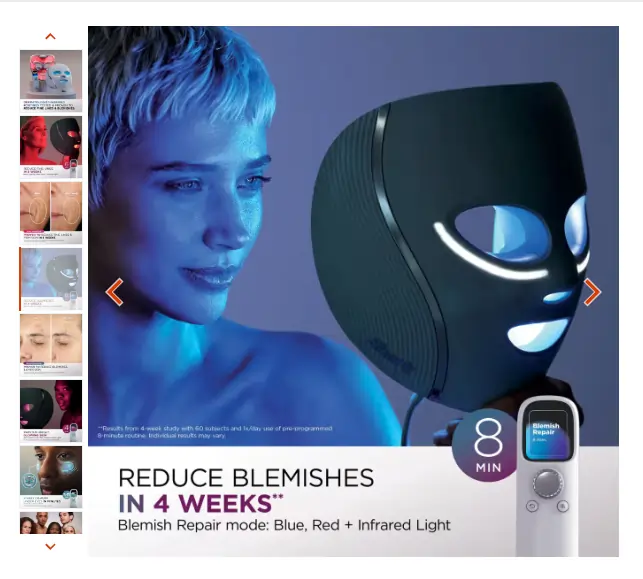
- The "How-To" and Utility: For complex products, the second or third slide should demonstrate usage. Brands like Shark utilize their carousel to show specific modes of their electronic beauty masks, setting clear expectations for usage duration and expected results.
- Texture and Detail: Especially in the beauty and skincare industries, shoppers need to see the "swatch" or the consistency of the product. The Ordinary, a global leader in skincare, follows a strict template: hero shot, texture shot, ingredients list, and finally, lifestyle or video content.
- Lifestyle Context: Seeing a product in a real-world environment helps shoppers gauge scale and application. This is vital for home goods and apparel.
- The Trust Builder: The final slides should incorporate certifications, expert endorsements, or scientific data. Wild Nutrition, for example, uses the carousel to highlight the science behind their magnesium supplements, using simple, bold text that can be easily read on a mobile device.
Sector-Specific Strategies: Wearables Versus Consumables
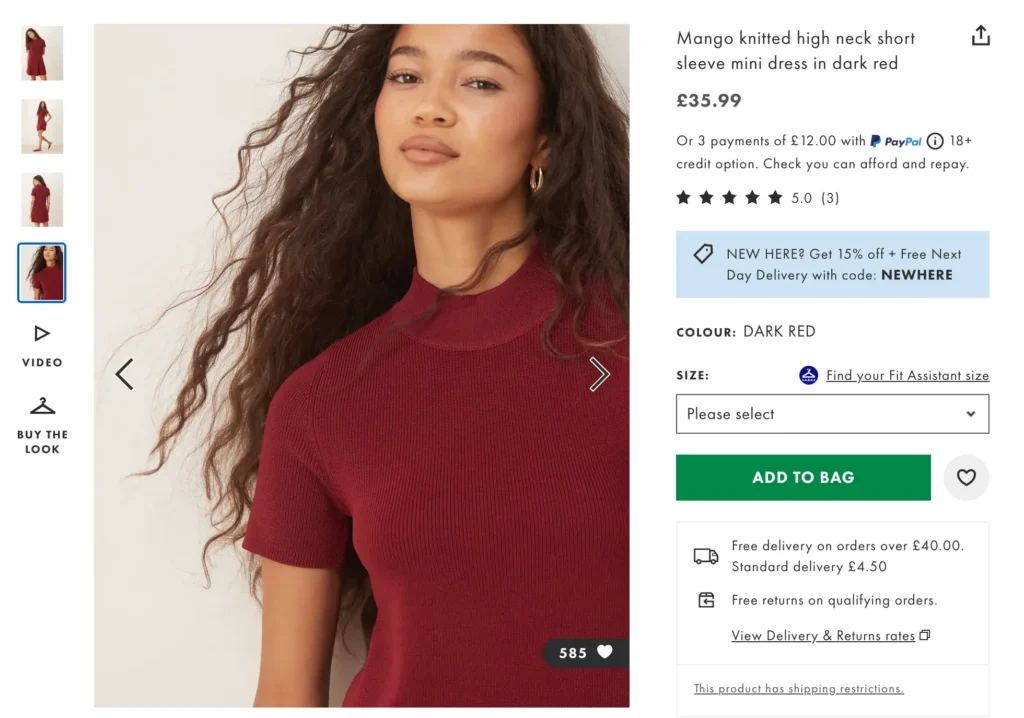
The depth and variety required in a carousel vary significantly depending on the product category. For wearables, such as clothing or accessories, the carousel must compensate for the lack of a physical fitting room. ASOS utilizes a combination of wide-angle shots, extreme close-ups to show fabric quality, and short "catwalk" videos to provide a 360-degree view of the fit. For these products, more images generally correlate with higher trust and lower return rates.
Conversely, consumables like food, supplements, or cleaning supplies require a different strategy. Shoppers do not need twelve angles of a vitamin jar. Instead, the focus should shift to the "why" behind the product: nutritional labels, benefit callouts, and flavor profiles. In this category, five nearly identical shots of a container provide zero incremental value and may even frustrate the user.
Technical Implementation and A/B Testing Protocols in Shopify
For merchants using the Shopify platform, testing the effectiveness of a carousel presents unique technical challenges because media is managed directly within the product administrative panel. Experts recommend three primary methodologies for testing carousel variations without disrupting the store’s backend architecture.
Option 1: JavaScript-Based Image Swapping
This is considered the most robust method for clean A/B testing. By using a testing tool like Convert or Optimizely, developers can write a script that swaps the order of images or replaces specific assets for a designated segment of the audience. This allows for a true split test where Version A (the original) and Version B (the optimized version) can be compared in real-time. The primary risk with this method is "flicker" or increased load times if the script is not optimized.
Option 2: Sequential Testing
Practical for smaller brands with limited development resources, sequential testing involves running one version for a set period (e.g., two weeks) and then switching to the second version. While simpler to implement, this method is susceptible to external variables such as seasonal trends, marketing campaign shifts, or changes in traffic sources.
Option 3: Interaction Analysis through Heatmaps
Before launching a formal A/B test, brands should utilize heatmaps (such as Hotjar or Microsoft Clarity) to identify where users are dropping off. If 90% of users see image one but only 10% see image three, the brand has a "hook" problem. If users are clicking on a static image of a complex ingredient list, it suggests they are trying to zoom in, signaling a need for a higher-resolution crop or a simplified text-based slide.

The Role of Artificial Intelligence in Visual Optimization
A major barrier to carousel optimization has historically been the cost and time required for professional photography. However, generative AI has fundamentally altered the economics of asset production. Brands can now take a single "base" studio shot and use AI tools to generate a wide array of lifestyle contexts and model variations.
Tools such as Midjourney, Canva’s Magic Edit, and specialized platforms like Nano Banana allow founders to create high-quality lifestyle imagery without the need for a studio. For example, a startup selling silk sleep masks can use AI to place their product on various models in different bedroom settings, providing the "lifestyle context" necessary for conversion at a fraction of the traditional cost. However, journalists and industry analysts warn that AI outputs must be carefully monitored for brand consistency; if the product’s appearance drifts too far from reality, it can lead to increased returns and a loss of consumer trust.

Analyzing Performance Metrics: Beyond Clicks and Swipes
When evaluating the success of a carousel optimization project, the primary metrics must remain conversion rate (CR) and Revenue Per Visitor (RPV). While interaction metrics—such as the number of swipes or clicks on an image—provide evidence that the carousel is being used, they are not ultimate indicators of success.
In some cases, a highly optimized carousel might lead to fewer swipes if the first three images are so effective at answering the customer’s questions that they move directly to the checkout. Conversely, adding lifestyle shoots and trust-building certifications has been shown to drive up Average Order Value (AOV), as customers feel more confident in the premium nature of the brand.
Broader Impact and Future Implications
As e-commerce continues to move toward "headless" commerce and augmented reality (AR), the role of the product carousel will likely expand. We are already seeing the integration of AR "Try-On" features directly within the carousel sequence, allowing users to see how a pair of glasses looks on their face or how a sofa fits in their living room.
The broader implication for the industry is a shift away from "aesthetic" photography toward "functional" visual communication. In an era of short attention spans and high competition, the brands that win will be those that view their image carousel as a dynamic, testable, and essential part of the sales funnel rather than a static gallery. The path to growth lies in the relentless optimization of these small, high-impact spaces, ensuring that every pixel serves a purpose in the customer’s journey toward a purchase.


 Asro
Asro
 Dwi Wanna