rifanmuazin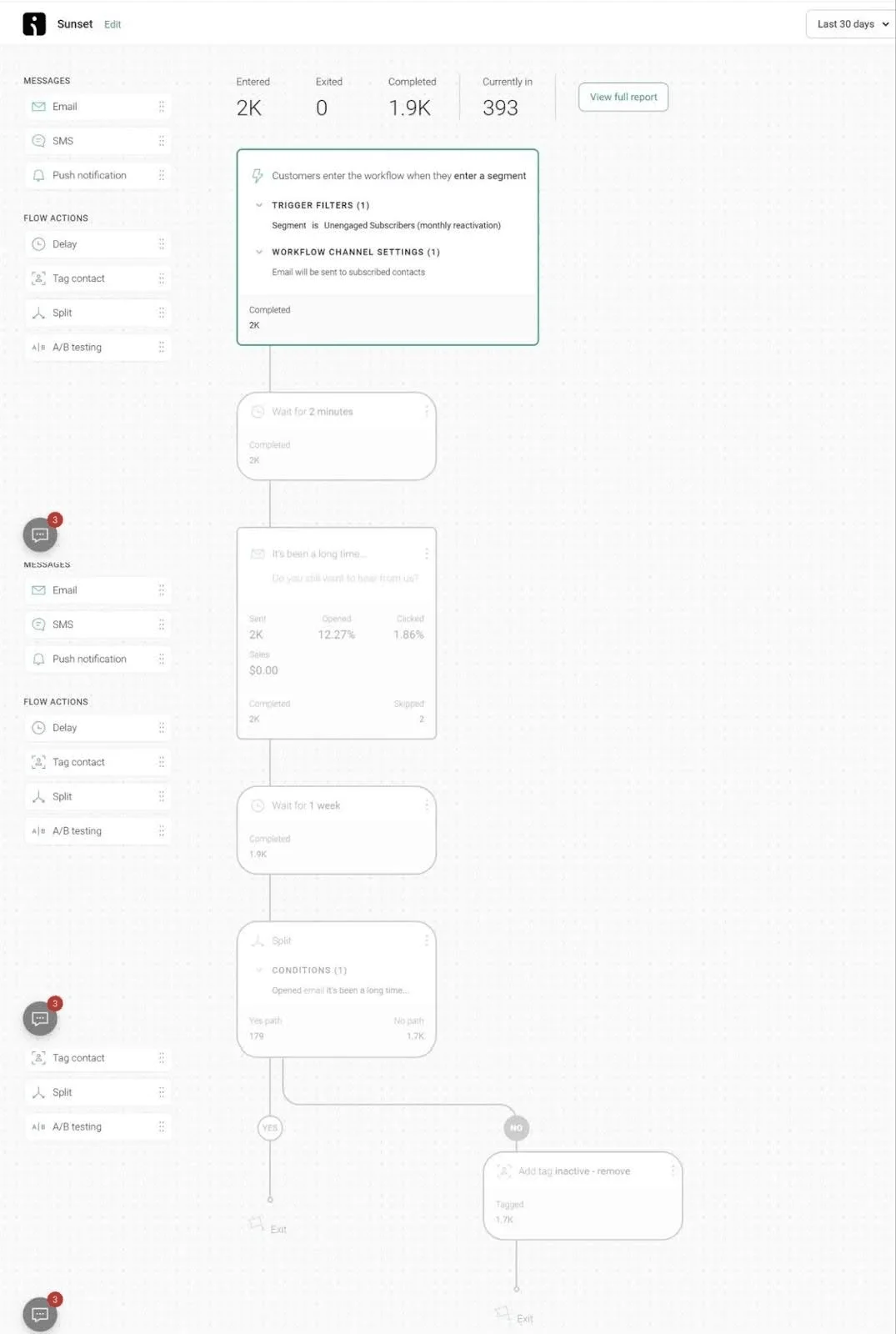
The digital marketing landscape has undergone a profound transformation, with email automation emerging as a pivotal technology that fundamentally reshapes how businesses interact with their customers. Moving beyond the era of static, manual email campaigns, automation leverages sophisticated software to deliver timely, personalized messages based on predefined triggers, user behavior, and schedules. This strategic shift allows marketers to transition from repetitive, labor-intensive tasks to focusing on high-level strategy, customer journey optimization, and sustained business growth. By constructing intelligent systems that react dynamically to subscriber actions and inactions, companies can ensure that every communication is relevant, impactful, and delivered at the optimal moment, thereby enhancing customer engagement and significantly driving sales.
The Evolution of Customer Expectations and Marketing Technology
The genesis of email automation can be traced back to the evolving digital ecosystem and the increasing sophistication of consumer behavior. In the early days of email marketing, the "batch and blast" approach—sending a single message to an entire list—was common. While effective for broad announcements, it lacked personalization and often led to subscriber fatigue and low engagement. However, as internet usage surged and consumers became accustomed to instant gratification and tailored experiences from other digital platforms, their expectations for brand communication heightened. They began to demand relevance, timeliness, and a clear understanding of their individual needs and preferences.
This shift coincided with the rapid development of marketing technology (MarTech) and Customer Relationship Management (CRM) systems. These platforms provided businesses with unprecedented capabilities to collect, analyze, and act upon vast amounts of customer data. The confluence of these factors—elevated customer expectations and advanced data processing capabilities—created fertile ground for the rise of email automation. It became clear that manual efforts could not scale to meet the demand for personalized, one-to-one communication across growing customer bases. Automation offered a solution, enabling marketers to design complex, multi-stage customer journeys that respond intelligently without constant manual oversight.
Understanding the Mechanics: Triggers, Conditions, and Actions
At its core, email automation operates on a simple yet powerful "if-then" logic, typically comprising three interconnected elements: triggers, conditions, and actions. This framework allows businesses to construct highly responsive and adaptive communication workflows.
-
Triggers: These are the initial events or customer behaviors that set an automation sequence in motion. Triggers are diverse and can include explicit actions such as signing up for a newsletter, making a purchase, adding an item to a shopping cart, or clicking a specific link within an email. They can also be based on passive behaviors or inactions, such as viewing a particular product page multiple times, browsing a specific category, or failing to open emails for a defined period (e.g., 60 days of inactivity). For instance, a new subscriber signing up for an email list instantly triggers a welcome message, while a customer clicking on a link related to running shoes could trigger a follow-up email showcasing similar athletic gear or a limited-time discount. The system’s ability to "notice" and react to these signals is fundamental to its efficacy.
-
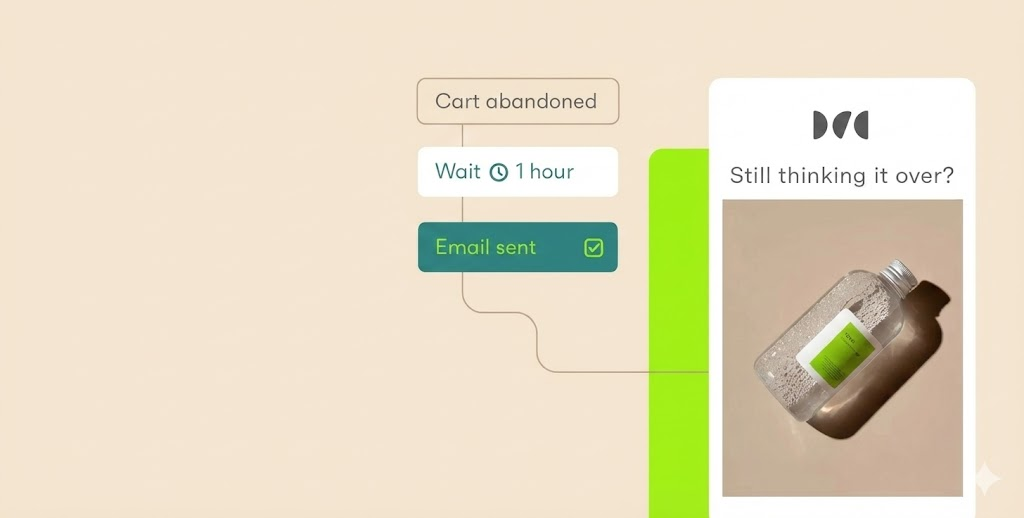
Conditions: Once a trigger is activated, conditions act as filters or decision points within the workflow. They introduce logic and personalization, determining whether an action should proceed and, if so, which specific path it should take. Conditions might involve waiting for a set amount of time (e.g., 30 minutes before sending an abandoned cart reminder), checking customer attributes (e.g., "Is this customer a first-time buyer?"), or evaluating past behavior (e.g., "Has this customer purchased from category X before?"). For example, after an abandoned cart trigger, a condition might dictate a 30-minute waiting period to allow the customer to return independently. If they don’t, the system proceeds to the next step.
-
Actions: These are the responses executed by the automation system once the trigger has fired and any specified conditions have been met. Actions are typically the sending of an email, but they can extend to other communication channels like SMS messages or push notifications. Actions can also involve updating customer data within the CRM, adding a customer to a new segment, or notifying a sales representative. In the abandoned cart scenario, if the 30-minute condition passes without a purchase, the action would be to send a reminder email featuring the exact product left in the cart, potentially with an incentive.
This logic-based framework ensures that communication is not only automatic but also contextually appropriate and highly personalized, dramatically reducing manual effort while significantly improving campaign performance.
Crafting Intelligent Customer Journeys: Workflows and Sequences
The true power of email automation lies in its ability to orchestrate entire customer journeys through "workflows" and "sequences." A workflow defines the complete path a customer takes after a trigger, encompassing multiple steps, conditions, and actions. A sequence, often a component of a workflow, refers to a series of automated emails delivered over a set period.
Most workflows incorporate "drip campaigns," where messages are sent at predetermined intervals, each building on the last. For example, a welcome workflow might involve:
- Email 1 (Immediate): A welcome message with a discount code.
- Email 2 (Day 3): An introduction to the brand’s story or best-selling products.
- Email 3 (Day 7): A call to action for a specific product category or an invitation to follow on social media.
The key here is strategic spacing, ensuring the brand remains top-of-mind without overwhelming the subscriber. Over-communication can quickly lead to unsubscribes. The most sophisticated workflows also incorporate branching logic. If a customer clicks a link in Email 2 about product A, the system can dynamically adjust their path, sending them deeper content on product A while skipping emails about product B. This adaptive approach ensures maximum relevance for each individual.
The Power of Precision: Segmentation and Personalization
Segmentation and personalization are not merely buzzwords in email marketing; they are critical drivers of engagement and conversion, made vastly more achievable through automation. Segmentation involves dividing an email list into smaller, more homogeneous groups based on shared characteristics, behaviors, or preferences. Personalization, conversely, is the act of leveraging this segmented data to craft messages that resonate individually with each recipient.
Consider an e-commerce business selling pet supplies. Without segmentation, both a customer who exclusively buys cat food and another who purchases dog toys would receive identical promotional emails. With segmentation, the system can automatically categorize customers into "cat owners" and "dog owners." Automation platforms continuously organize contacts, instantly placing new cat owners into the relevant segment upon signup. This allows for hyper-targeted communication: cat owners receive information on new litter boxes, scratching posts, or feline health tips, while dog owners are presented with chew toys, leashes, and training guides.
The impact of such precision is substantial. Studies consistently show that segmented and personalized email campaigns achieve significantly higher open rates, click-through rates, and conversion rates compared to generic blasts. Research from Litmus indicates that marketers who personalize emails see an average ROI of $42 for every $1 spent, underscoring the immense value of tailoring content. This relevance fosters a deeper connection with the brand, making subscribers feel understood and valued, which in turn drives greater engagement and ultimately, increased sales.
Building the Foundation: Key Components of an Automation System
A robust email automation system is built upon three interconnected pillars that ensure its effectiveness from initial contact to ongoing optimization: contact collection, analytics, and multi-channel integration.
-
Contact Collection and List Building: Automation begins the moment a prospect opts into receiving communications. Therefore, establishing diverse and effective entry points is paramount. These can include strategically placed signup forms on websites, exit-intent pop-ups designed to capture visitors before they leave, embedded forms within blog posts for engaged readers, and lead magnets (e.g., free guides, whitepapers) that offer value in exchange for an email address. The best collection tools not only capture contact information but also track the source of each signup. This allows for initial segmentation; for example, someone signing up for a discount code might enter a promotional workflow, while someone downloading an industry report might receive a sequence of thought leadership content followed by relevant product recommendations.
-
Analytics and Optimization: Every automated email campaign generates a wealth of data, providing critical insights into performance. Key metrics include:
- Open Rates: Indicate the effectiveness of subject lines and sender reputation.
- Click-Through Rates (CTR): Reveal how engaging the content is and its ability to drive action.
- Conversion Rates: Measure the ultimate business impact, such as sales or lead generation.
- Unsubscribe Rates: Signal potential issues with content relevance or frequency.
Modern email automation platforms automatically track these numbers, presenting them in intuitive dashboards. This allows marketers to quickly identify high-performing workflows and areas needing improvement. Optimization is an ongoing process involving A/B testing various elements—from subject lines and call-to-action buttons to email content and send times. For instance, testing whether sending an abandoned cart email after 15 minutes yields better results than after 30 minutes can lead to significant gains over time. Data-driven optimization is crucial for maximizing ROI.
-
Multi-Channel Integration: In today’s interconnected world, customer attention is fragmented across numerous platforms. Effective automation extends beyond email to embrace a multi-channel approach, reaching customers through their preferred communication methods.
- SMS (Short Message Service): Ideal for urgent updates, order confirmations, shipping notifications, and time-sensitive offers. SMS boasts exceptionally high open rates, often exceeding 90%.
- Push Notifications: Delivered via web browsers or mobile apps, these can grab immediate attention for flash sales, cart reminders, or content updates.
The synergy between channels is particularly powerful. For example, an abandoned cart automation might first send an email after 30 minutes. If that email remains unopened after two hours, a follow-up SMS could be triggered. If no purchase occurs after 24 hours, a push notification might serve as a final reminder. This layered approach ensures that messages cut through the noise, increasing the likelihood of engagement and conversion without requiring any additional manual effort from the marketer.
Strategic Impact: Why Automation is Indispensable for Businesses
The implications of email automation for businesses are far-reaching, touching upon efficiency, customer experience, and direct revenue generation.
-
Efficiency and Scalability: The most immediate benefit of automation is the immense time savings. A single, well-designed workflow can replace countless hours of manual effort, allowing marketing teams to focus on strategic planning, product development, or direct customer service. This efficiency is critical for scalability; manual campaigns quickly become unsustainable as a subscriber list grows from hundreds to thousands or even millions. Automation handles the increased volume seamlessly, ensuring consistent, personalized communication regardless of list size.
-
Enhanced Customer Experience: By delivering timely and relevant messages based on individual actions and preferences, automation significantly elevates the customer experience. Welcome emails arrive instantly, abandoned cart reminders nudge customers at the right moment, and post-purchase follow-ups build loyalty. This personalized journey makes customers feel valued and understood, fostering stronger relationships and increasing brand affinity.

-
Revenue Growth: The direct link between email automation and revenue growth is well-documented. Personalized, triggered emails consistently outperform generic campaigns in terms of open rates, click-through rates, and ultimately, conversions. Omnisend, a leading automation platform, has provided compelling evidence of this impact through various client success stories.
- Dukier, a pet accessories shop in Madrid, utilized behavior-based emails, segmentation, and smart targeting through Omnisend to achieve a remarkable 525% growth in revenue. This highlights how precision targeting can unlock substantial financial gains.
- Flextail, an outdoor gear company, saw over $234,000 in attributed sales and over 3,000 placed orders from its welcome email workflow alone, demonstrating the power of a strong first impression.
- Verpakgigant implemented an abandoned cart automation setup via Omnisend, which increased open rates by 46.4% and generated over €25,000 from 147 recovered orders, showcasing the direct recovery of lost sales.
- Kate Backdrop, a photography company, achieved an 87% post-purchase email open rate with Omnisend’s automation, illustrating how continued engagement after a sale can drive loyalty and future purchases.
- AcreValue, an online land technology platform, struggled with an unhealthy subscriber list but implemented a sunset automation with Omnisend to re-engage inactive subscribers. As AcreValue stated, "We’ve learned that sending a high volume of emails is only sustainable if you’re targeting the right people. With Omnisend’s help, we built a sunset automation that re-engages inactive subscribers while keeping our active audience highly engaged." This underscores the importance of list hygiene and targeted re-engagement for long-term health and profitability.
These examples underscore that automation is not merely about sending emails automatically; it’s about sending the right emails to the right people at the right time, consistently driving measurable business outcomes.
Practical Applications: Common Automation Workflows
Most businesses, regardless of size or industry, typically begin their automation journey by implementing a core set of workflows that address different stages of the customer lifecycle.
-
Welcome Emails: These are the first impression a new subscriber has of your brand via email, typically arriving within minutes of signup. Their primary purpose is to deliver on the promise made at signup (e.g., a discount code, access to a guide), introduce the brand’s value proposition, and set expectations for future communications. A well-crafted welcome series can significantly boost engagement from the outset.
-
Abandoned Cart Emails: With an average cart abandonment rate hovering around 70.22% according to the Baymard Institute, recovering these lost sales is a critical application of automation. A strategic sequence of messages can significantly mitigate this loss. The first email is usually sent within an hour of abandonment, serving as a gentle reminder. A second email, perhaps 24 hours later, might offer a small incentive like free shipping or a percentage discount. A final email after 48 hours could introduce urgency, mentioning low stock or an expiring offer. Effective timing and compelling incentives are key to converting these hesitant buyers.
-
Post-Purchase Follow-ups: The period immediately following a purchase is crucial for building customer loyalty and encouraging repeat business. These emails typically start with a thank you, order confirmation, and shipping details. However, automation extends their utility by:
- Requesting product reviews a few days after delivery.
- Suggesting complementary products or accessories based on the initial purchase.
- Providing helpful tips or usage guides for the purchased item.
- Announcing loyalty program benefits or exclusive offers for repeat customers.
This continuous engagement transforms one-time buyers into loyal advocates.
-
Re-engagement Campaigns: Subscriber lists naturally experience churn over time as interests change or content loses its appeal. Re-engagement emails are designed to reactivate inactive subscribers before they are permanently lost. Marketers often define inactivity as 60 to 90 days without opening an email. A typical re-engagement sequence might involve:
- A simple "We miss you" message, asking if the subscriber still wishes to hear from the brand.
- An offer of a discount or exclusive content to rekindle interest.
- A final email prompting them to update their preferences or risk being removed from the active list.
Maintaining a clean, engaged list is vital for deliverability rates and accurate data analysis. Removing truly disengaged subscribers is a healthy practice, as highlighted by AcreValue’s success.
Automation vs. Manual Campaigns: A Strategic Divide
The distinction between automated and manual email campaigns is not about one being inherently superior, but rather about their distinct applications. Manual campaigns, where each email is individually crafted, a segment is selected, and the send button is pressed, are suitable for one-off announcements such as flash sales, major product launches, or company news that requires broad, immediate dissemination. They offer flexibility for unique, non-recurring communications.
However, manual campaigns are fundamentally impractical and inefficient for sustained, personalized communication at scale. Attempting to manually send a tailored welcome message to every new subscriber, or a follow-up email to every customer three days after their purchase, is impossible for even small businesses and utterly unfeasible for larger ones.
Automation, conversely, excels at these recurring, behavior-driven tasks. It executes workflows flawlessly and without delay, adapting to individual customer data and actions. This allows marketers to allocate their valuable time and resources to strategic initiatives—such as developing new products, analyzing market trends, or refining overall marketing strategy—rather than being bogged down by repetitive operational tasks. It’s a fundamental shift from reactive, manual effort to proactive, intelligent system design.
The Future Landscape: AI and Advanced Automation
The trajectory of email automation is continuously evolving, with artificial intelligence (AI) poised to unlock even greater levels of sophistication. AI integration promises to move beyond rule-based automation to predictive, adaptive systems that can anticipate customer needs, dynamically generate content, and optimize send times with unprecedented precision. AI-powered automation will enable hyper-personalization at an individual level, tailoring not just product recommendations but also tone, messaging style, and even visual elements based on real-time data and predictive analytics. This will further enhance the customer experience, making interactions feel even more intuitive and relevant. The ongoing evolution of marketing technology, driven by AI and machine learning, ensures that email automation will remain at the forefront of effective digital communication, constantly adapting to new challenges and opportunities in the quest for deeper customer engagement and sustained business growth.


 Ammar Sabilarrohman
 Asro
Asro