rifanmuazin
The dynamic world of digital marketing in April 2026 presents businesses with a myriad of choices for email and marketing automation platforms. Among them, Moosend, a cloud-based email marketing and automation platform founded in 2012, has long been recognized for its value-focused solutions, catering primarily to small businesses, startups, and growing teams initiating their foray into email marketing. Its solid automation capabilities, clean interface, and practical feature set have served as a reliable starting point for many. However, as the digital ecosystem matures and marketing strategies demand greater sophistication, many organizations are now evaluating alternatives that offer expanded functionalities and deeper integrations. This comprehensive review, accurate as of April 2026, delves into Moosend’s inherent limitations and critically assesses ten leading alternatives, providing an informed perspective for businesses seeking to optimize their marketing infrastructure.
The Evolution of Email Marketing and Moosend’s Market Position
Email marketing has remained a cornerstone of digital strategy for decades, evolving from simple newsletters to highly personalized, automated customer journeys. In this evolving landscape, platforms like Moosend carved a niche by offering accessible, budget-friendly solutions. The platform gained traction for its user-friendly automation builder and foundational email campaign features, enabling nascent businesses to establish a digital communication channel without significant overheads. Its appeal lay in simplifying complex marketing tasks, making email marketing approachable for those with limited technical expertise or resources.

However, the increasing demand for omnichannel engagement, advanced data analytics, and seamless integration with broader e-commerce ecosystems has brought Moosend’s capabilities under scrutiny. A significant development in its chronology includes its acquisition by Constant Contact in June 2025, a move that repositioned Moosend within a larger marketing suite but also highlighted the strategic imperative for platforms to expand their offerings. This acquisition, while potentially enhancing Moosend’s future roadmap, has, in the interim, prompted many existing and prospective users to explore other platforms that already embody these advanced capabilities. The global email marketing software market is projected to continue its steady growth, with a strong emphasis on automation, personalization, and cross-channel integration becoming standard expectations rather than premium features.
Identified Limitations Driving the Search for Alternatives

Despite its foundational strengths, an analysis of user feedback across platforms like G2, Capterra, and Trustpilot, combined with hands-on testing in April 2026, reveals several key areas where Moosend falls short for businesses with evolving marketing needs. These limitations collectively suggest that while Moosend serves as an adequate entry-level solution, its capacity to support scaling businesses with complex, data-intensive, and multichannel marketing requirements is increasingly challenged by the more feature-rich alternatives available in April 2026.
-
Absence of a Perpetual Free Plan: A critical barrier to entry for many new businesses and startups is Moosend’s lack of a sustained free plan. While a 30-day free trial is offered, this limited window often proves insufficient for users to thoroughly test automation workflows, migrate existing data, and fully configure the platform, particularly when transitioning from another service. As one Trustpilot reviewer noted, the perception of a free plan leading only to a trial expiration after setup can be a source of frustration, hindering full adoption and long-term commitment and potentially driving away cost-conscious users seeking extended evaluation periods.
-
Basic Reporting and Analytics: For businesses focused on data-driven decision-making, Moosend’s reporting and analytics often lack the depth required for comprehensive revenue attribution and granular customer journey analysis. Users frequently report that insights are not as detailed as those provided by competitors, making it challenging to pinpoint specific touchpoints that lead to conversions or to fully understand campaign Return on Investment (ROI). Furthermore, the platform often locks advanced report customization behind higher-tier plans, a constraint that many alternatives address by offering richer performance insights and predictive analytics even at lower subscription levels. This limitation directly impacts a business’s ability to truly optimize its marketing spend and strategy, hindering strategic agility in a competitive market.
-
Limited Advanced Automation Capabilities: While automation is a key selling point for Moosend, it often lacks the sophisticated features found in more advanced platforms. The automation builder, though functional, is generally perceived as less flexible, struggling with complex logic such as multiple branching paths or highly conditional workflows. This restriction makes it difficult for marketers to construct intricate customer journeys that respond dynamically to diverse user behaviors and preferences. Moreover, Moosend’s segmentation options do not inherently support multichannel tagging, thereby preventing marketers from leveraging customer behavior data from channels beyond email, such as SMS, for holistic and targeted campaigns.
-
Fewer Direct Integrations with Key E-commerce Platforms: With over 80 integrations, Moosend offers a decent range, but a significant drawback for e-commerce businesses is the absence of direct, native integration with platforms like Shopify. This necessitates reliance on third-party integration tools such as Zapier, which not only introduces additional monthly fees but also adds a layer of complexity and potential points of failure in data synchronization. For e-commerce brands striving for seamless operational efficiency and a unified customer view, this indirect integration approach is a notable disadvantage, increasing administrative overhead and potential data latency.
-
Restricted Template Variety: Compared to many of its competitors, Moosend’s template library for e-commerce brands is often cited as limited. While a basic cart abandonment template exists, there is a noticeable dearth of pre-designed templates for critical e-commerce flows like welcome series, post-purchase follow-ups, or re-engagement campaigns. This limitation forces businesses to invest more time in designing emails from scratch or adapting generic templates, potentially impacting brand consistency and campaign launch speed, as echoed by a Capterra reviewer wishing for "a few more options." This lack of variety can be a bottleneck for rapid campaign deployment and consistent brand messaging.
The Competitive Landscape: An Overview of Leading Alternatives (April 2026)
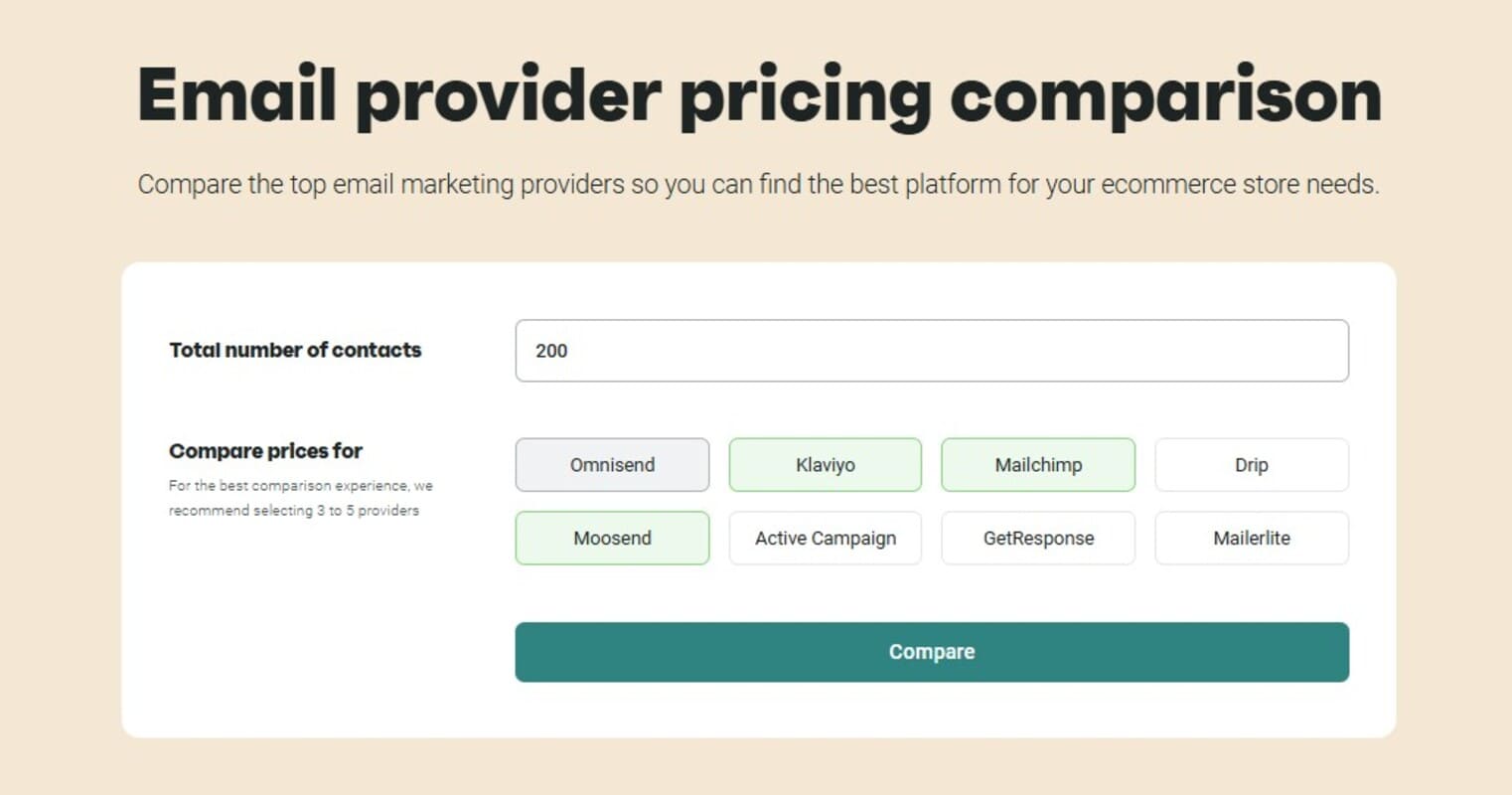
The market for email marketing and automation platforms is robust and competitive, with numerous providers offering specialized functionalities to meet diverse business needs. Based on extensive hands-on testing, evaluation of automation workflows, usability, template design, and performance, coupled with an analysis of current pricing plans and user ratings on G2, Trustpilot, and Capterra, ten prominent Moosend alternatives have been identified for their superior capabilities in specific areas. These insights are accurate as of April 2026.
- Omnisend: A leader for e-commerce businesses, excelling in email and SMS automation with pre-built workflows, product recommendations, and robust multichannel revenue attribution.
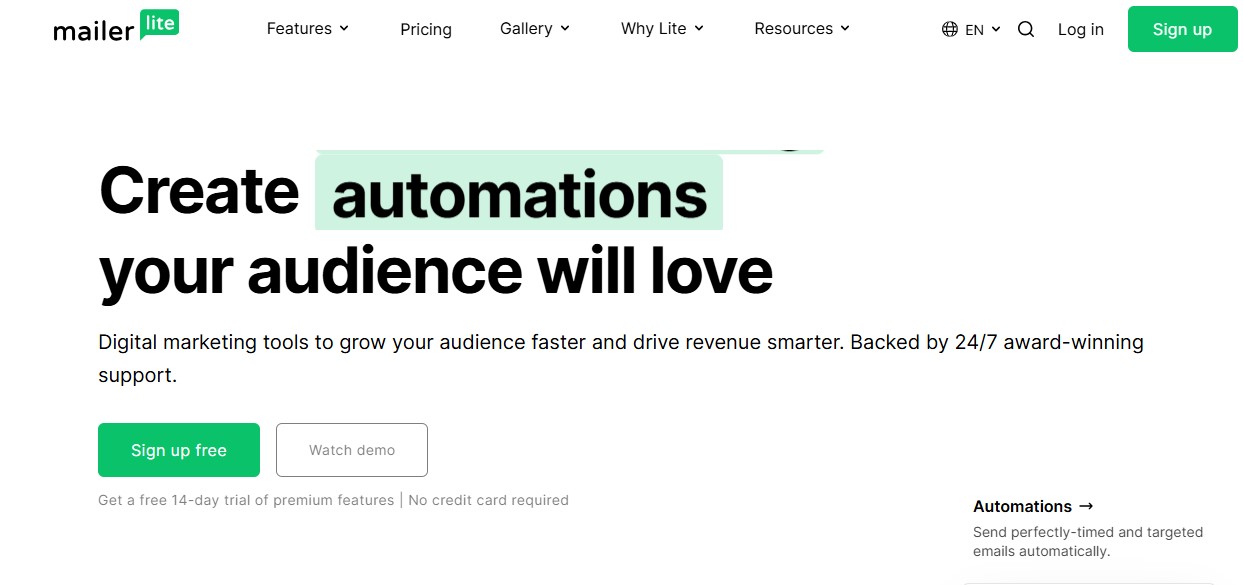
- MailerLite: Favored by businesses seeking professional campaigns with a low barrier to entry, offering an intuitive drag-and-drop editor and a built-in website builder.
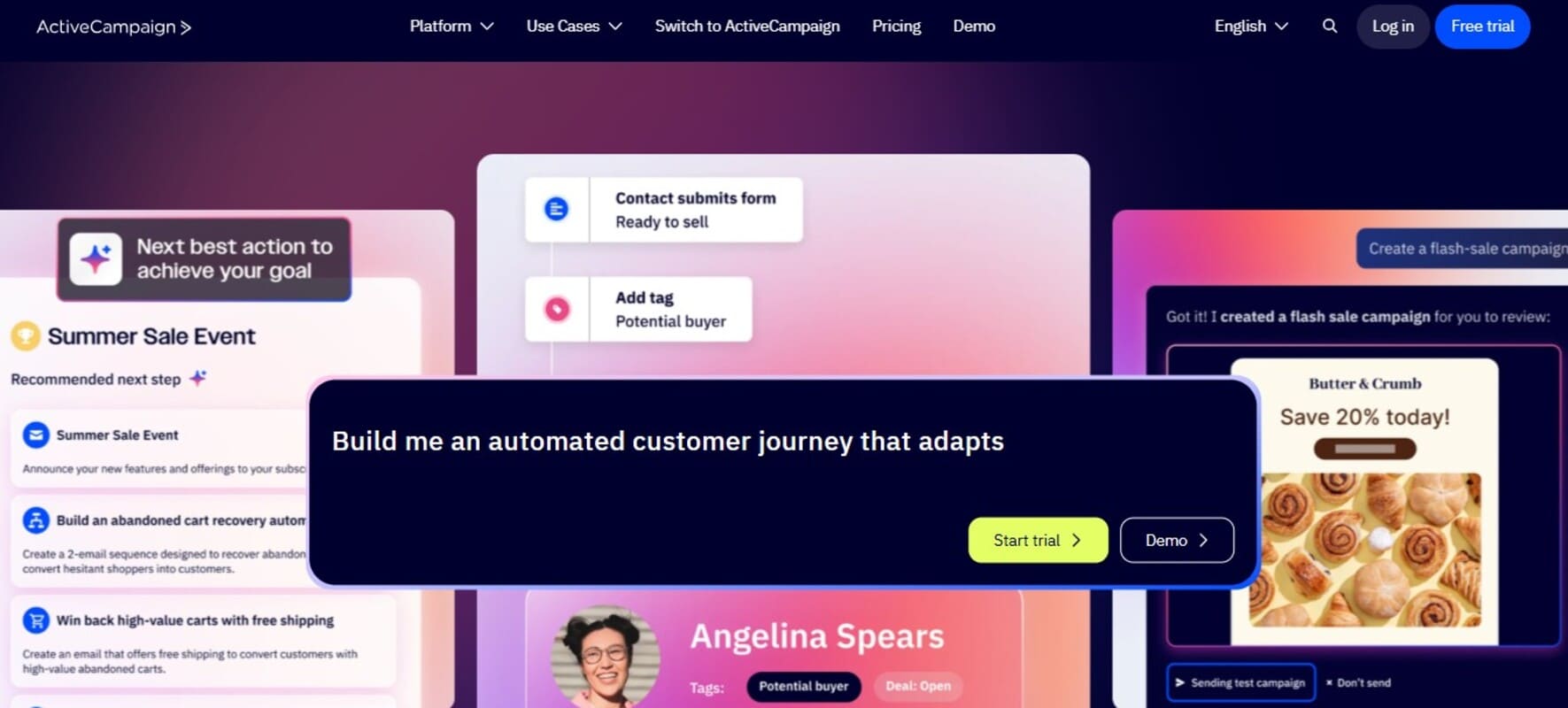
- ActiveCampaign: Stands out for advanced automation workflows and integrated CRM, catering to both B2B and B2C users with AI capabilities for customer behavior analysis.
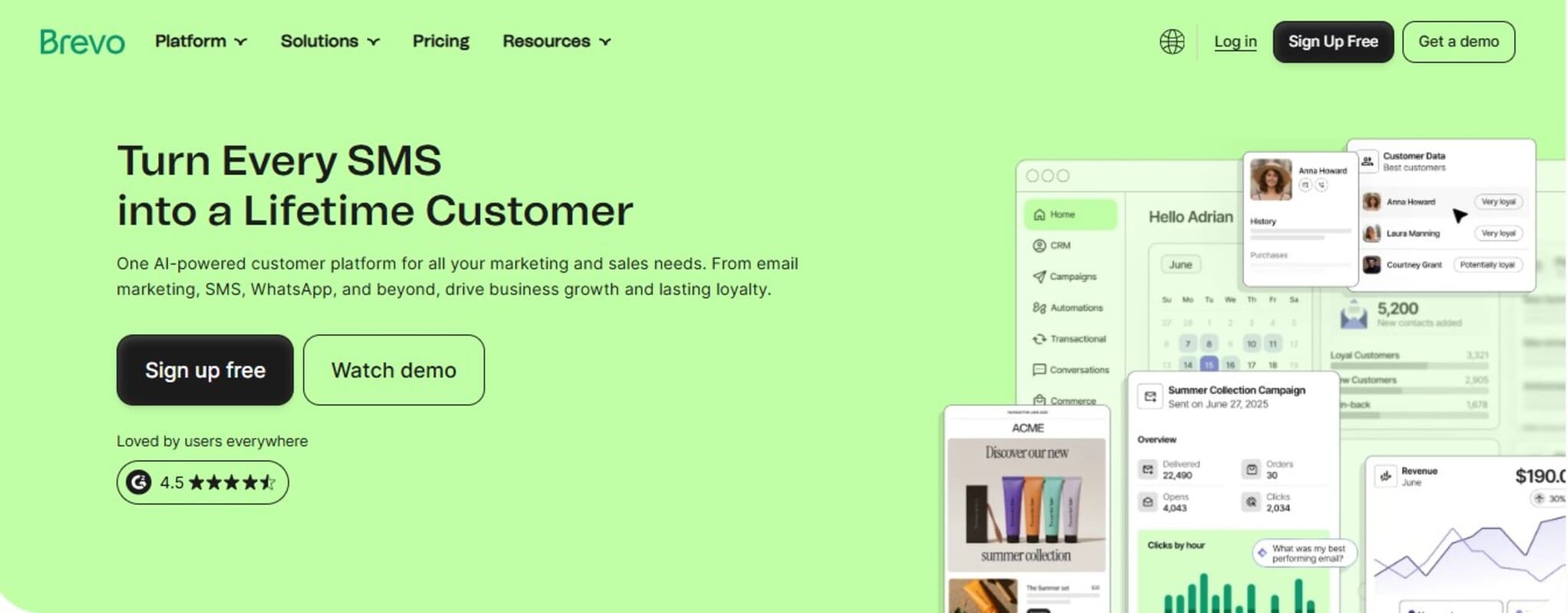
- Brevo (formerly Sendinblue): An attractive option for businesses with large contact lists due to its pricing model based on emails sent, offering email, SMS, and WhatsApp marketing.
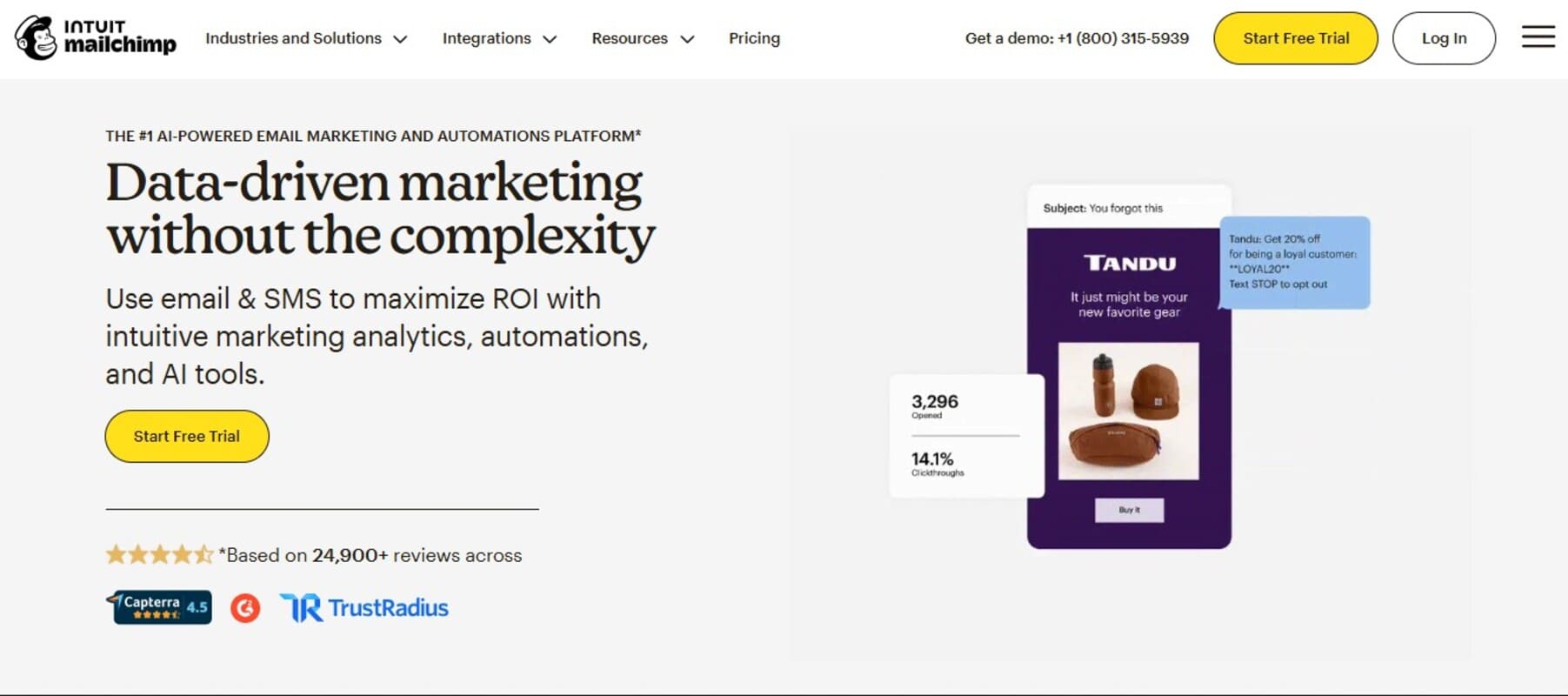
- Mailchimp: A comprehensive all-in-one marketing platform providing sophisticated data analytics, AI-powered insights, and multichannel marketing tools including SMS and social media.
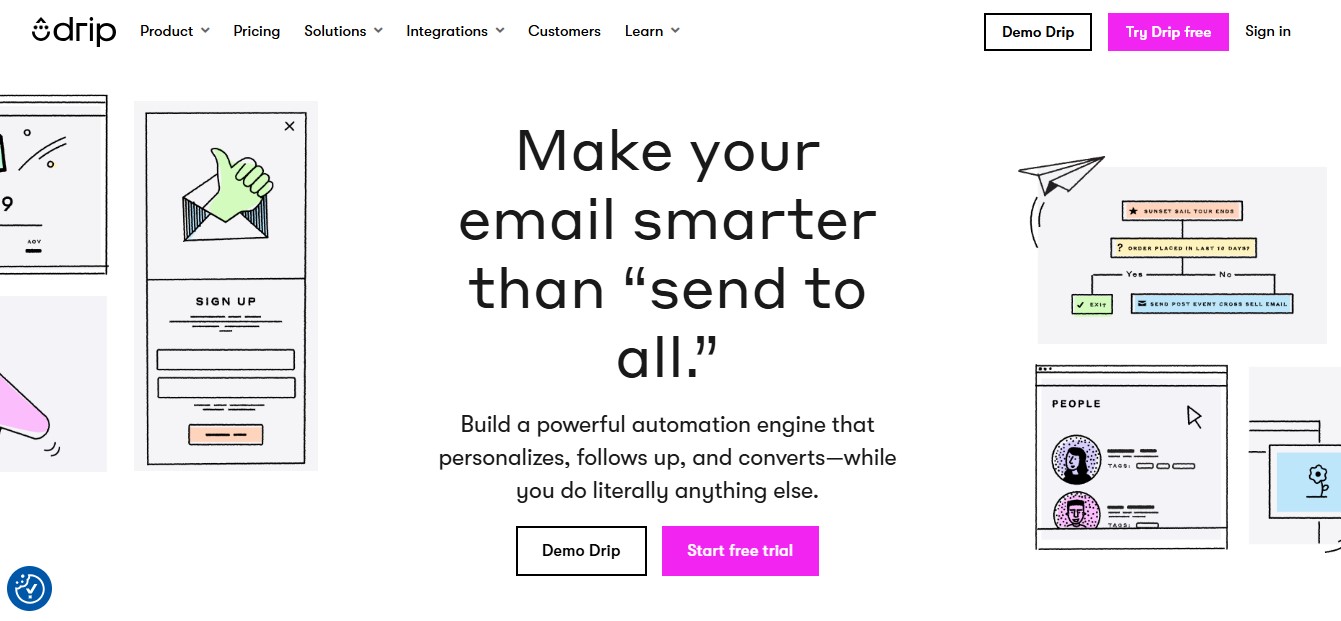
- Drip: Specializes in e-commerce lifecycle automation, leveraging real-time behavioral data to trigger highly personalized messages for B2C and DTC brands.
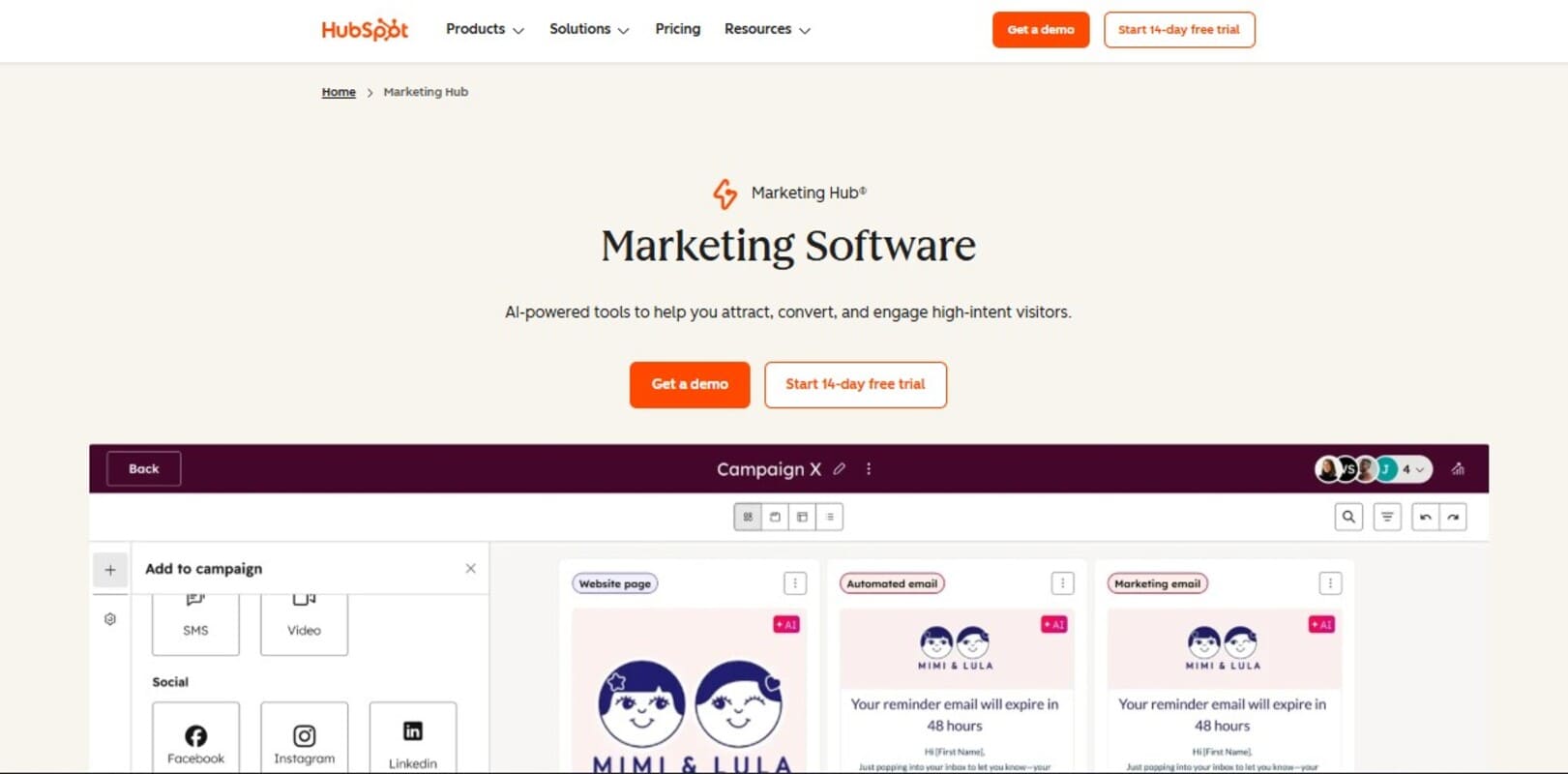
- HubSpot Marketing Hub: Integrated with a powerful CRM, ideal for teams needing a unified view of marketing, sales, and customer service data, enhanced by AI agents.
- Campaign Monitor: Best suited for agencies and businesses managing multiple clients, offering white-labeling, centralized account management, and features like template locking.
- Constant Contact: Given its acquisition of Moosend, a strong contender for businesses looking to integrate online events and marketing ads, offering native event marketing tools.
- AWeber: Focuses on essential marketing solutions for creators, bloggers, and small businesses, prioritizing ease of use and immediate human assistance.
Deep Dive into Leading Moosend Alternatives: Features and Strategic Advantages
Each alternative presents distinct advantages, addressing specific market needs that Moosend, in its current iteration, may not fully meet.
1. Omnisend – Powering E-commerce Automation:
With a G2 rating of 4.6/5, Omnisend distinguishes itself as a premier email and SMS marketing automation platform purpose-built for e-commerce. Unlike Moosend’s email-centric approach, Omnisend’s omnichannel capability is a game-changer. It enables businesses to automatically send SMS messages if customers don’t engage with emails, significantly enhancing reach and conversion potential. Its feature set includes advanced product recommendations, sophisticated multichannel revenue attribution, and the ability to target Facebook custom audiences directly from the platform. The platform allows for A/B testing on entire emails, not just subject lines, offering deeper optimization insights. Omnisend’s seamless integration with major e-commerce platforms means products can be pulled directly into emails, streamlining campaign creation. For e-commerce businesses aiming to drive sales on autopilot and gain a tangible return on investment, Omnisend’s reported average ROI of $79 for every $1 spent on campaigns (2026 e-commerce marketing report) provides compelling evidence of its effectiveness. It offers a free plan for up to 250 contacts and 500 emails, including most premium features like automation and segmentation. Paid plans start at $16/month, all supported by 24/7 customer support.
2. MailerLite – Simplicity Meets Professionalism:
Also boasting a G2 rating of 4.6/5, MailerLite presents itself as an exceptionally intuitive alternative to Moosend. Its balanced approach combines professional features with a clutter-free interface, ensuring a minimal learning curve. The drag-and-drop editor is notably more responsive than Moosend’s, facilitating the creation of mobile-optimized emails and custom newsletters, even allowing for custom HTML. A key differentiator is its integrated drag-and-drop website builder with Stripe integrations, offering bloggers, content creators, and entrepreneurs a unified platform for their storefront and email marketing, eliminating the need for numerous third-party tools that Moosend users often require. MailerLite provides a generous free plan for up to 500 subscribers and 12,000 monthly emails, encompassing automation and comparative reporting, with paid plans starting from $10/month.
3. ActiveCampaign – Orchestrating Complex Journeys:
With a G2 rating of 4.4/5, ActiveCampaign is a robust email marketing, automation, and CRM tool designed for intricate marketing strategies. It caters to both B2B and B2C users who require advanced automation workflows that go beyond Moosend’s "if this, then that" sequences, enabling complex branching paths and simultaneous management of different customer journeys


 Ammar Sabilarrohman
 Asro
Asro