rifanmuazin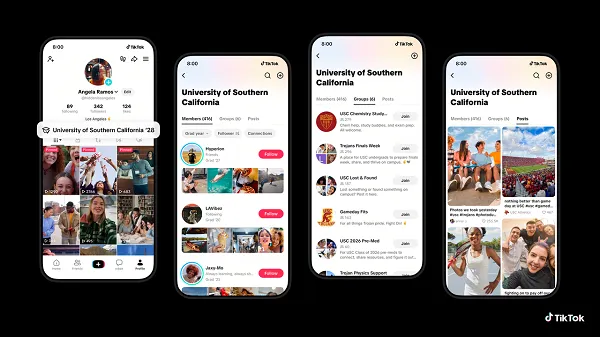
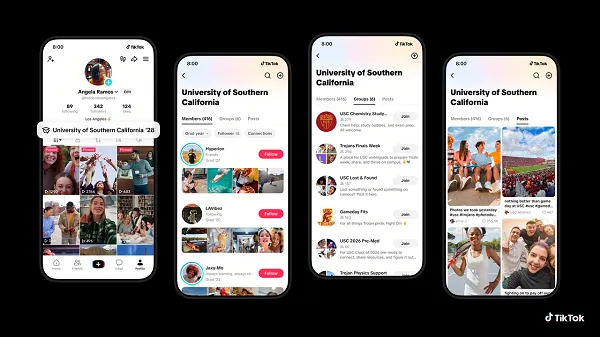
TikTok, the globally dominant short-form video platform, has announced a significant expansion of its in-stream student connection options, introducing a new "Campus Hub" display. This initiative is designed to provide verified students at over 6,000 U.S. college campuses with enhanced tools to foster community, stay abreast of campus-specific trends, engage with local events, and connect with peers and alumni. The rollout represents a strategic move by TikTok to solidify its presence within the crucial college demographic, offering a dedicated ecosystem for academic and social interaction.
A Historical Perspective on Campus Social Networks
The concept of digital platforms tailored for university students is not new. Indeed, Facebook itself famously began as "Thefacebook" within Harvard University in 2004, gradually expanding to other Ivy League institutions before its broader public launch. This early success underscored the profound need and desire among college students for digital spaces that facilitate connection within their specific campus communities. Over the years, various platforms have attempted to replicate or innovate on this model, often with mixed results.
One notable attempt was Yik Yak, an anonymous social media app popular in the mid-2010s that allowed users within a small geographic radius to create and view "yaks" (posts). While initially embraced for its candid and hyper-local nature, Yik Yak ultimately faced significant challenges with cyberbullying, harassment, and the spread of misinformation, leading to its shutdown in 2017. Though it later relaunched under new ownership, its initial trajectory serves as a cautionary tale regarding the complexities of anonymous or semi-anonymous campus-focused platforms.
More recently, Meta (then Facebook) launched "Facebook Campus" in September 2020, aiming to help college students connect with classmates and discover campus groups and events. Utilizing a similar concept of dedicated profiles and feeds for verified students, Facebook Campus sought to recapture some of the platform’s original collegiate appeal. However, despite Meta’s vast resources and experience, Facebook Campus struggled with adoption and, crucially, faced rising concerns around non-students gaining access and infiltrating these supposedly exclusive groups. This security vulnerability, coupled with a lack of significant user engagement, ultimately led Meta to announce the closure of Facebook Campus in March 2022, just two years after its launch. The swift demise of Facebook Campus highlighted the persistent challenges in creating and maintaining secure, vibrant, and exclusive digital communities for university students. These past failures underscore the critical importance of robust verification and stringent content moderation for any platform venturing into the campus social networking space.
The Mechanics of TikTok’s Campus Verification
Central to TikTok’s new Campus Hub is its "Campus Verification" feature, which requires students to confirm their enrollment status through a third-party provider, Unidays. Unidays is a well-established global student affinity network that partners with thousands of brands and universities to offer exclusive discounts and services to verified students. By leveraging Unidays’ existing infrastructure and expertise in student verification, TikTok aims to address one of the primary pitfalls that plagued previous campus-focused social platforms: the infiltration of non-students.
As TikTok elaborated in its announcement, "Students from more than 6,000 US universities can verify their status and link their campus directly to their TikTok profile. Once verified, they gain access to a dedicated campus space with new features tailored specifically for student communities." This extensive reach, covering a vast majority of U.S. higher education institutions, signifies TikTok’s ambition to create a ubiquitous network for American college students. The reliance on a specialized third-party verification system like Unidays suggests a more rigorous approach to identity confirmation compared to methods employed by earlier platforms, potentially offering a stronger safeguard against unauthorized access. This partnership is crucial for building trust and ensuring the integrity of the Campus Hub’s exclusive environment.
Deep Dive into Campus Hub Features
The Campus Hub display integrates two primary new functionalities designed to facilitate deeper engagement: dedicated college group chats and personalized content feeds.
-
Dedicated College Group Chats: Verified students will gain the ability to create and join group chats with up to 300 classmates. This feature is envisioned as a versatile tool for various campus interactions. For instance, students can form study groups for specific courses, organize club meetings, coordinate social events, or simply engage in casual discussions with peers who share their university affiliation. The 300-member limit suggests a balance between fostering large-scale community and maintaining a manageable, more intimate communication environment compared to massive public forums. This functionality directly competes with existing messaging apps like WhatsApp, Discord, GroupMe, and even university-specific communication platforms, aiming to consolidate student communication within the TikTok ecosystem.
-
Personalized Content Feeds: Beyond direct messaging, the Campus Hub will offer a personalized content feed that surfaces videos posted by other verified students from the same university, as well as content specifically related to their institution. This tailored feed differs significantly from TikTok’s main "For You Page" (FYP), which is driven by algorithmic recommendations based on individual viewing habits. The Campus Hub feed prioritizes relevance to the student’s immediate university environment, potentially showcasing campus news, student-produced content, local event promotions, and trends specific to that university’s culture. The original announcement also mentioned engaging with "trends among alumni," implying that while alumni might not be able to join current student group chats or post directly to the student-exclusive feed, they could potentially view content or trends originating from their alma mater, fostering a broader sense of connection across different generations of graduates. This could provide current students with insights into post-graduation life or career paths, albeit indirectly.
Strategic Rationale and Potential Benefits
TikTok’s expansion into campus-specific networking is driven by several strategic objectives and offers a multitude of potential benefits for both the platform and its student users.
For TikTok, this move represents a calculated effort to:
- Deepen Engagement and Retention: By integrating itself into the daily academic and social fabric of university life, TikTok can increase the time students spend on the platform and reduce their reliance on competing apps for campus-related communication.
- Strengthen Brand Loyalty: For many students, TikTok is already a primary source of entertainment and connection. The Campus Hub could transform it into an indispensable tool for their university experience, fostering stronger loyalty.
- Expand User Data and Insights: Gaining deeper insights into student behavior, interests, and communication patterns within a defined community can inform future product development and targeted advertising strategies (while adhering to privacy regulations).
- Diversify Offerings: Moving beyond purely entertainment-driven content, TikTok is positioning itself as a utility, a practical tool for community building and information exchange, broadening its appeal.
For students, the Campus Hub offers:
- Enhanced Community Building: A centralized platform to connect with peers, discover campus groups, and participate in university life.
- Streamlined Information Access: A dedicated feed for campus news, events, and relevant content, reducing the need to scour multiple sources.
- Networking Opportunities: Facilitating connections for academic collaboration, social outings, and potentially even professional development.
- Sense of Belonging: Fostering a stronger sense of identity and belonging within their university community, especially valuable for new students.
Navigating the Challenges: Security, Privacy, and Moderation
While the Campus Hub presents significant opportunities, TikTok must meticulously address the inherent challenges that have undermined previous attempts at campus-focused social networking.
-
Infiltration Risks: Despite the robust Unidays verification, the risk of non-students gaining access, however small, remains a critical concern. Past platforms have shown that even sophisticated verification systems can be circumvented. A single breach could erode trust and compromise the safety of the student community, leading to issues like harassment, spam, or even more serious threats. TikTok must ensure continuous vigilance and rapid response mechanisms for any reported unauthorized access.
-
Data Privacy Concerns: As a Chinese-owned company, TikTok has faced intense scrutiny regarding data privacy and security, particularly in the U.S. The collection of sensitive student data, even if anonymized or aggregated, will undoubtedly raise questions from students, parents, and university administrations. TikTok must be transparent about its data collection, storage, and usage policies, particularly within the Campus Hub, and adhere to the highest standards of data protection. This includes compliance with regulations like FERPA (Family Educational Rights and Privacy Act), although FERPA primarily governs educational records, its spirit of student privacy is highly relevant.
-
Content Moderation and Governance: Moderating content within private group chats and specialized feeds presents a complex challenge. While TikTok has established community guidelines for its main platform, enforcing these within closed, campus-specific groups requires nuanced approaches. The platform must develop clear policies for addressing cyberbullying, hate speech, misinformation, harassment, and other inappropriate content that could arise. The sheer volume of potential interactions across 6,000+ campuses necessitates a scalable and responsive moderation system, potentially involving both AI-driven tools and human review. The platform’s ability to swiftly identify and remove harmful content will be paramount to maintaining a safe and positive environment.

-
User Adoption and "Campus Fatigue": Students are already inundated with various communication channels—university emails, learning management systems (LMS), WhatsApp, Discord, Instagram, Snapchat, and dedicated university apps. TikTok’s Campus Hub needs to demonstrate clear, compelling value to overcome this "campus fatigue" and convince students that it offers a superior or more convenient solution than existing tools. Its success will depend on its ability to seamlessly integrate into students’ daily routines and genuinely enhance their university experience.
Industry Reactions and Broader Implications
The announcement of TikTok’s Campus Hub has garnered attention from various stakeholders across the social media and higher education landscapes.
A TikTok spokesperson, expanding on the official statement, might emphasize: "We are deeply committed to fostering safe, vibrant, and authentic communities. The Campus Hub, powered by our robust Campus Verification, is a testament to our dedication to empowering students with tailored tools that enrich their university journey. We believe this initiative will not only connect students more effectively but also provide a unique digital space for campus culture to thrive."
A representative from Unidays could highlight the critical role of their technology: "Our partnership with TikTok for Campus Verification underscores our commitment to creating secure and exclusive environments for students. Our proven verification processes ensure that only legitimate students gain access, thereby safeguarding the integrity of these dedicated campus communities on TikTok."
University administrators and student affairs deans, while cautiously optimistic, would likely stress the importance of student safety and well-being. A hypothetical statement might be: "We welcome innovative tools that can enhance student connection and community engagement. Our primary concern remains the safety and privacy of our students, and we look forward to observing how platforms like TikTok’s Campus Hub prioritize these aspects while fostering positive interactions."
Social media analysts view this as a significant strategic move for TikTok. "This is TikTok’s play to become an even more indispensable part of Gen Z’s digital life," commented Dr. Evelyn Reed, a digital media strategist. "By creating these hyper-local, verified communities, they’re not just offering another feature; they’re attempting to integrate themselves into the very fabric of student identity and daily routines. The success will hinge entirely on their ability to prevent the security and moderation issues that plagued predecessors like Facebook Campus and Yik Yak." The initiative also intensifies competition in the student demographic, directly challenging platforms like Snapchat, Instagram, and Discord, which are widely used for group communication and informal social networking among young adults.
Looking ahead, the Campus Hub could serve as a testing ground for further niche community development within TikTok, potentially expanding to other demographics or interest groups. If successful, it could also open new avenues for monetization through highly localized and targeted advertising partnerships with campus businesses, university services, or even career development opportunities. Furthermore, the U.S. rollout might be a precursor to a global expansion, adapting the Campus Hub model to universities in other countries.
Conclusion
TikTok’s launch of the Campus Hub marks an ambitious attempt to carve out a dedicated and secure space for U.S. university students within its immensely popular platform. By leveraging a robust third-party verification system and offering tailored features like group chats and personalized feeds, TikTok aims to address the shortcomings of previous campus-focused social networks. The initiative holds significant potential to foster stronger campus communities, streamline communication, and deepen student engagement with the platform. However, its long-term success will be contingent upon TikTok’s ability to meticulously manage the persistent challenges of security, data privacy, and content moderation. The Campus Hub represents a crucial test for TikTok, demonstrating its capacity not only to entertain but also to responsibly facilitate essential community building in the complex and dynamic environment of higher education. Its trajectory will undoubtedly shape the future of student social networking and influence the broader landscape of digital community platforms.