
 rifanmuazin
The global digital advertising landscape has reached a critical inflection point where sheer visibility no longer guarantees profitability. As marketing budgets face increased scrutiny in 2026, a recent industry-wide survey of 1,440 marketers conducted by Instapage has revealed a stark disconnect between platform popularity and actual return on ad spend (ROAS). While 87% of modern marketing teams continue to rely on the "duopoly" of Google and Meta Ads, the efficiency of these channels is being questioned. Only 44% of respondents identified Google as their top-performing channel, while a mere 25% cited Facebook as their primary driver of ROI. This performance gap suggests that the primary challenge for contemporary advertisers is no longer reaching an audience, but rather converting that audience once a click has been secured.

The Rising Cost of Digital Acquisition
The economic environment for digital marketing has grown increasingly competitive over the last twenty-four months. Data indicates that the average cost per lead across all digital channels rose from $66.69 in 2024 to $70.11 in 2025, with projections suggesting further increases throughout 2026. This inflationary trend in media buying is compounded by technical inefficiencies that plague the "post-click" experience.
Industry research highlights that mobile landing pages currently take an average of four seconds to load. In a market defined by instant gratification, even a one-second delay in page load time can result in a 20% reduction in conversion rates. Consequently, brands are frequently overpaying for high-intent traffic that "bounces" or exits the site before the content even renders. This systemic waste of ad spend has forced a strategic shift toward post-click automation and landing page optimization as the primary levers for maintaining profitability.
A Chronology of Platform Evolution: From Reach to Relevance
The trajectory of online advertising has shifted significantly over the last decade. The early 2010s were defined by the pursuit of reach, as brands flocked to Facebook and Google to capture massive, undifferentiated audiences. By 2020, the focus moved toward granular targeting through third-party cookies and pixel tracking. However, the 2026 landscape is defined by "The Privacy Era," characterized by the final phase-out of third-party cookies in major browsers and the tightening of global data regulations.
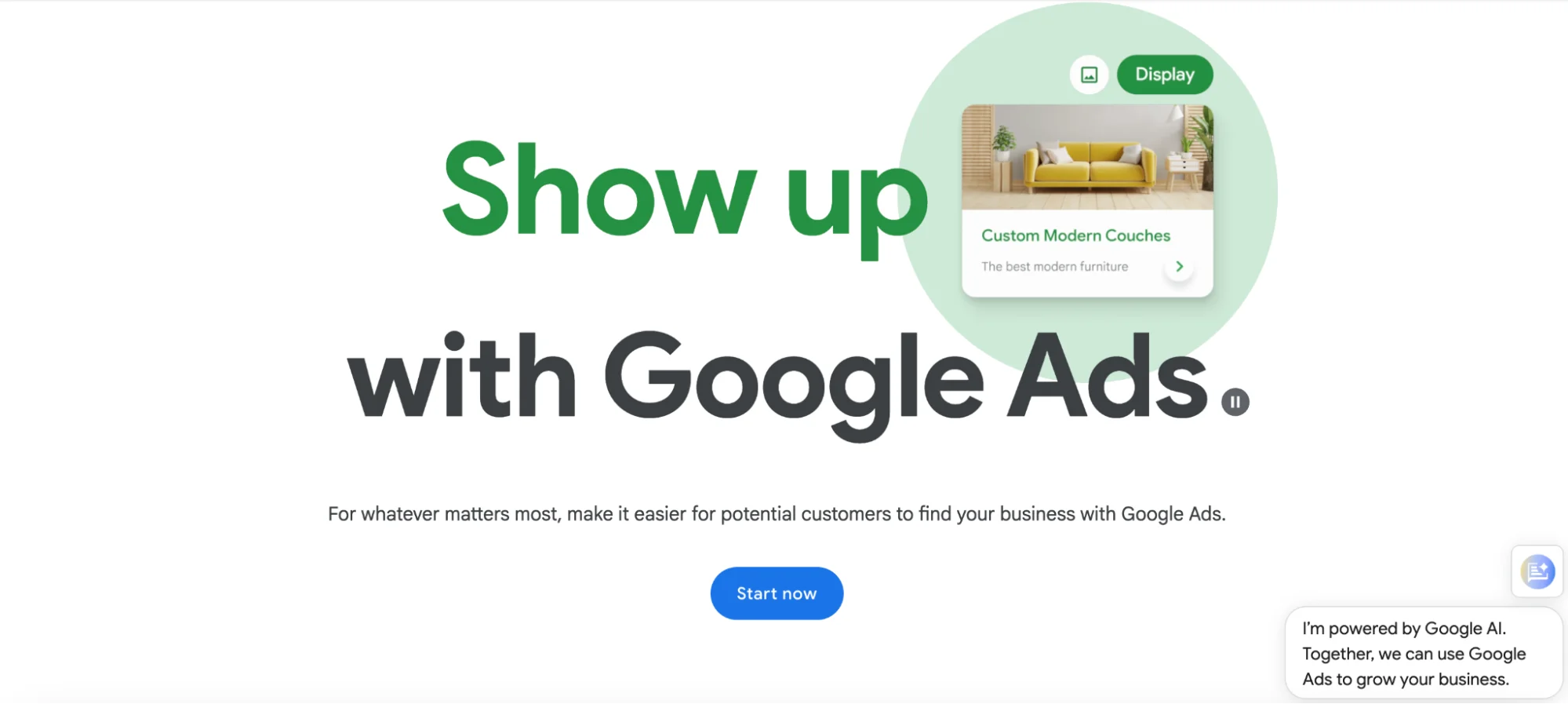
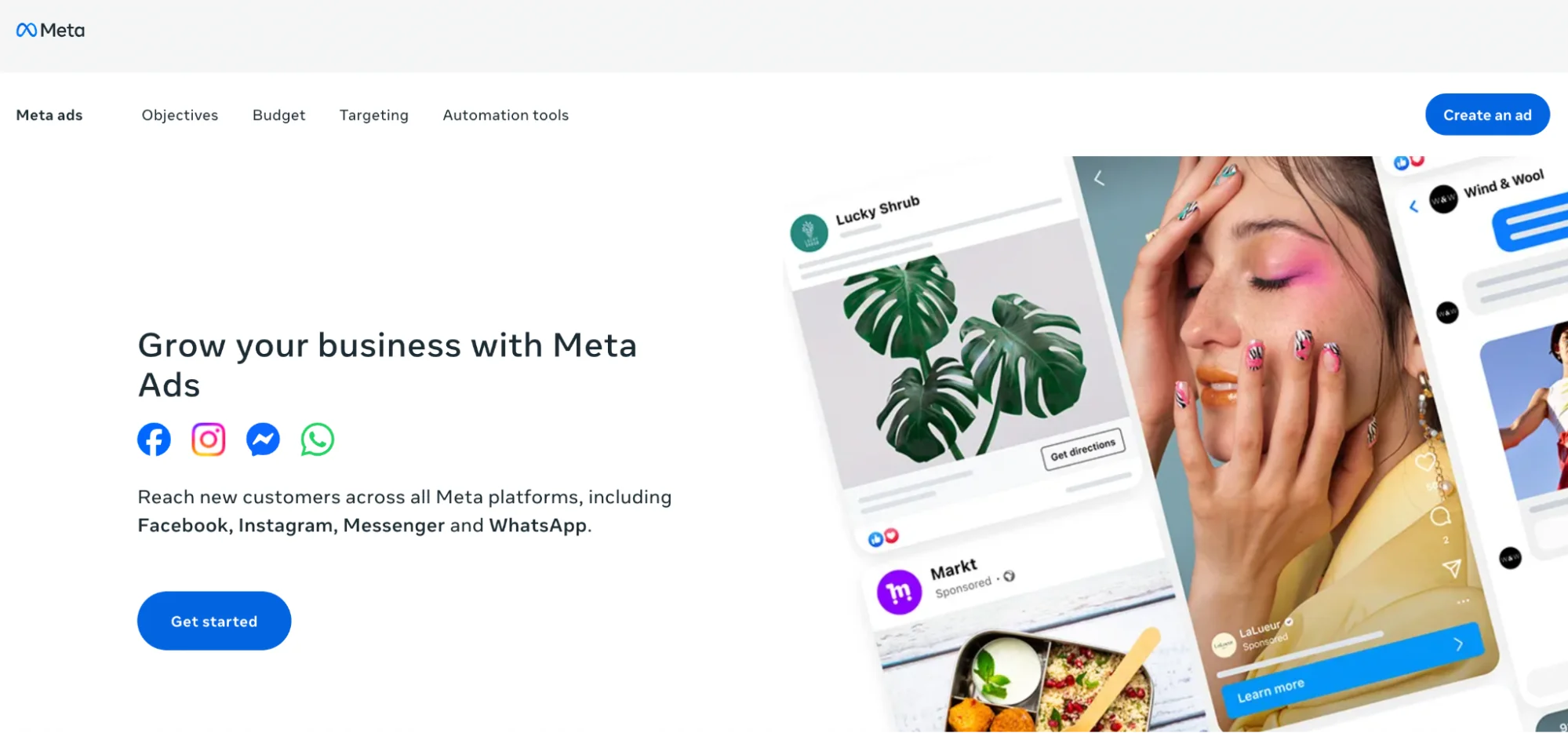
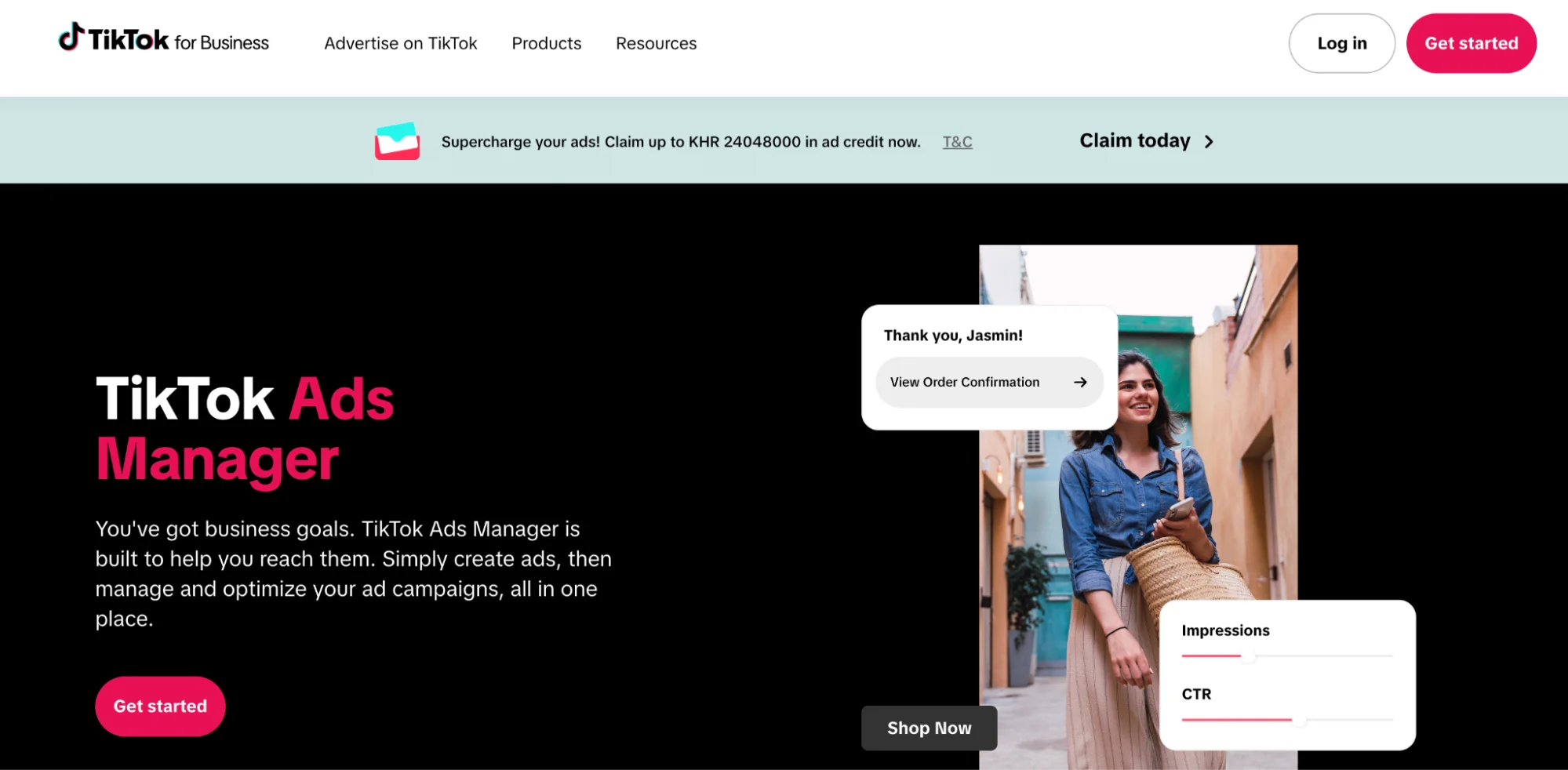
This evolution has forced platforms to pivot. Google has increasingly integrated AI-driven "Performance Max" campaigns, while Meta has transitioned toward "Advantage+" automation to compensate for the loss of deterministic tracking data. Simultaneously, the rise of TikTok has introduced a new paradigm of "entertainment-first" advertising, where native-looking content outperforms traditional high-production commercials. As of early 2026, 25% of marketers report plans to increase their TikTok spend, signaling a diversification away from traditional search and social giants.
Analysis of Search Advertising: Intent vs. Cost
Search advertising remains the cornerstone of digital marketing due to its unique ability to capture "high-intent" users. Google Ads, which maintains access to over 90% of global search traffic, remains the dominant force. The platform’s efficacy is largely determined by its Quality Score—a metric that rewards advertisers for relevance between the search query, the ad copy, and the landing page experience.
However, savvy advertisers are increasingly looking toward Microsoft Advertising (Bing) as a high-margin alternative. While Microsoft holds less than 10% of the global search market, it offers strategic advantages in the B2B sector and among older, high-net-worth demographics. Research indicates that cost-per-click (CPC) on Microsoft’s network can be 30% to 50% lower than on Google for identical keywords. The ability to import Google Ads campaigns directly into the Microsoft ecosystem has made it an essential "secondary" channel for brands seeking to lower their blended customer acquisition costs.
The Social Media Matrix: Engagement and Discovery
In the social sphere, the 2026 market is divided between legacy platforms and high-growth disruptors. Meta, encompassing Facebook and Instagram, remains the standard for audience targeting based on demographics and lookalike modeling. Despite privacy changes, Instagram remains a favorite for 80% of marketers, though its role has shifted toward brand discovery rather than direct-response sales.
TikTok Ads has emerged as the primary challenger to Meta’s dominance. The platform’s algorithm, which prioritizes engagement over follower counts, allows new brands to achieve viral reach without decades of organic brand building. Analysts note that TikTok works best for brands that can produce "low-fi," authentic video content that fits seamlessly into a user’s feed.
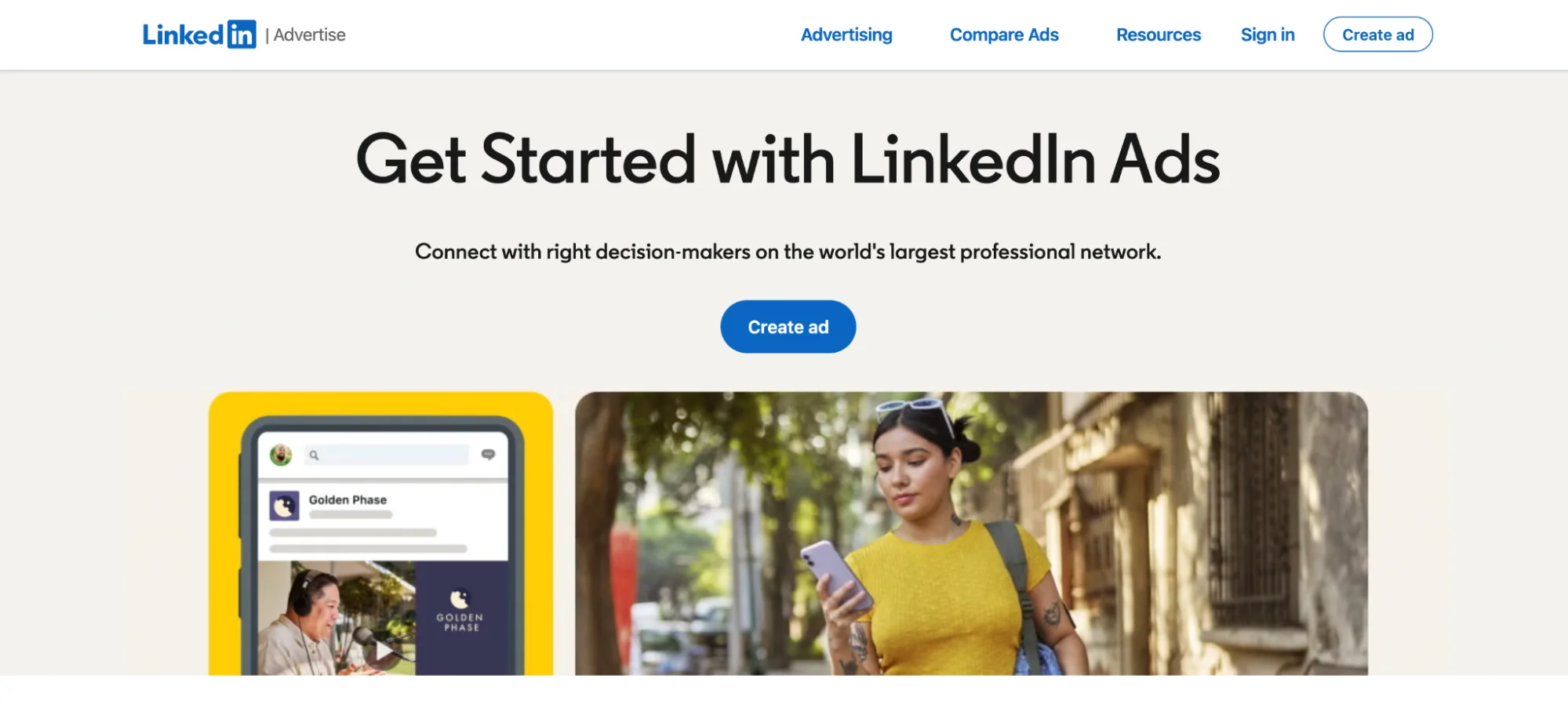
For B2B organizations, LinkedIn Ads remains the undisputed leader. By allowing advertisers to target users based on professional attributes such as job title, company size, and industry, LinkedIn reaches decision-makers in a high-trust environment. While CPCs on LinkedIn are notoriously higher than on other social platforms, the lead quality often justifies the premium for enterprise software and professional service providers.
The Emergence of Retail Media and Niche Channels
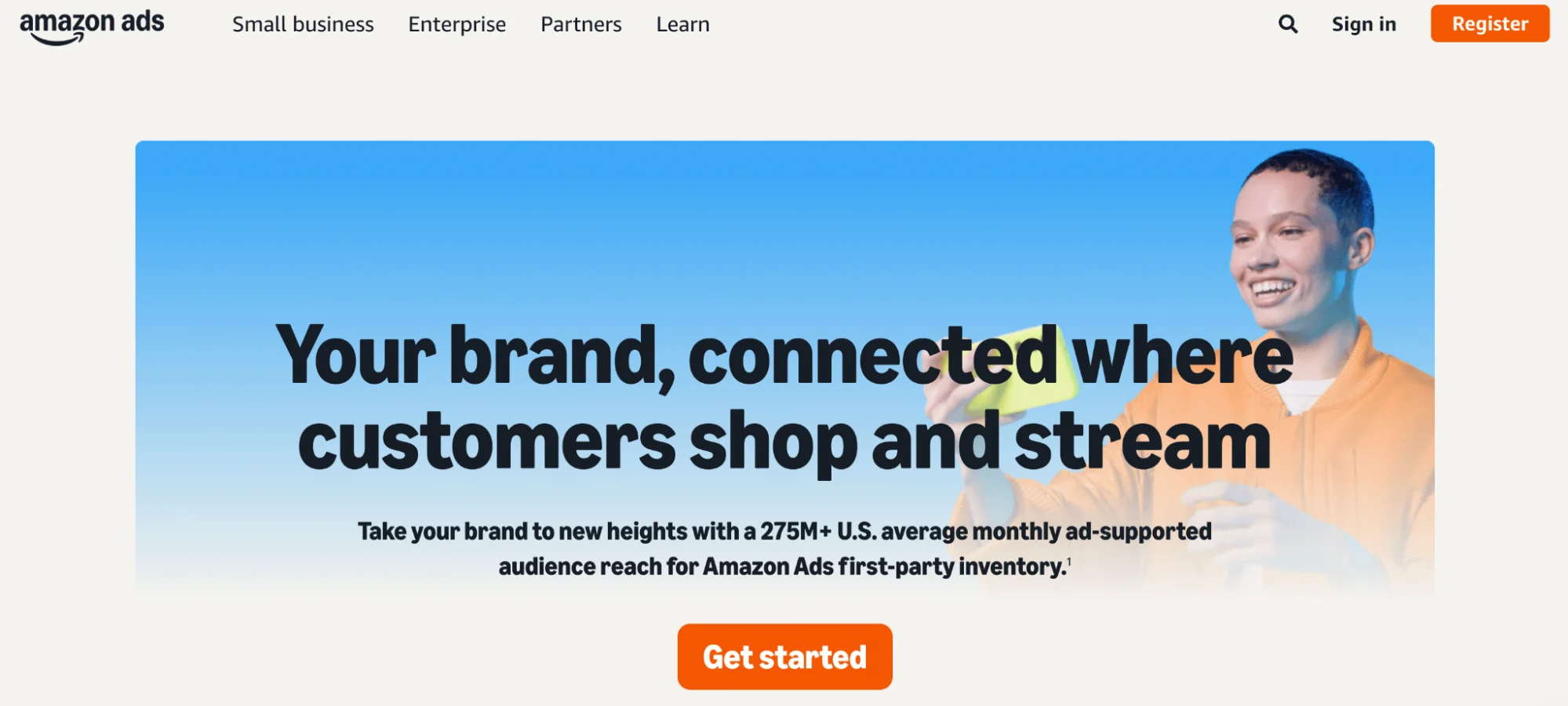
One of the most significant shifts in the 2026 advertising landscape is the explosion of Retail Media Networks (RMNs), led by Amazon Ads. By capturing shoppers at the very bottom of the funnel, Amazon allows brands to bypass the "discovery" phase and move straight to the "purchase" phase. Reports suggest that advertisers see an average of 34% sales growth within a month of launching sponsored product campaigns on the platform.
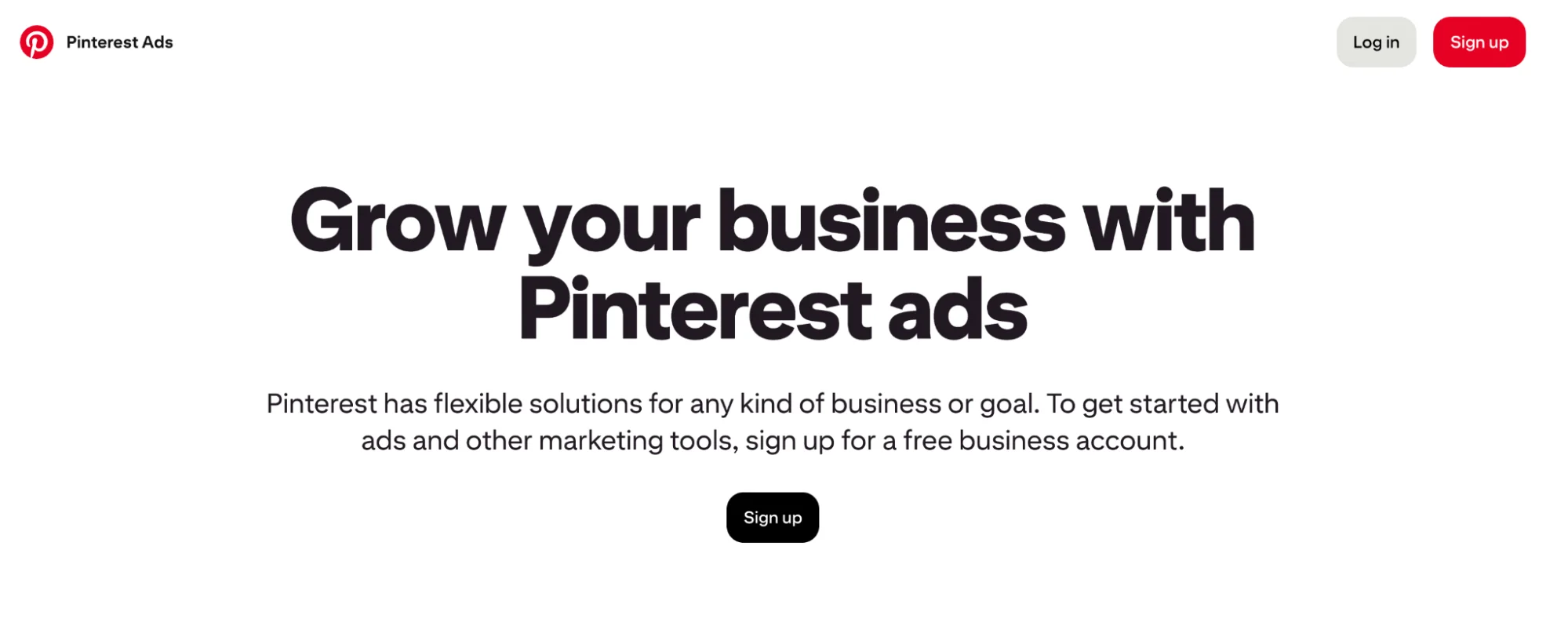
Beyond retail, Pinterest Ads has carved out a niche as a "planning" platform. Because users visit Pinterest to seek inspiration for home decor, fashion, and travel, ads on the platform are often viewed as helpful content rather than intrusive interruptions. This unique user psychology results in a longer "shelf life" for ads, as pins continue to drive traffic months after their initial promotion.
Privacy, Compliance, and the First-Party Data Mandate
The regulatory environment in 2026 has become a primary concern for digital advertisers. The General Data Protection Regulation (GDPR) in Europe and the California Consumer Privacy Act (CCPA) in the United States have set a high bar for data collection. Furthermore, jurisdictions such as Canada (PIPEDA) and Brazil (LGPD) have implemented similar frameworks, creating a complex web of compliance requirements.
The industry’s response has been the "First-Party Data Mandate." With third-party tracking largely obsolete, brands are now focusing on building their own databases through email sign-ups, content downloads, and account creations. Leading platforms have introduced Conversion APIs (CAPIs) to allow for server-side tracking, which bypasses browser-level blocks and provides a more accurate picture of campaign performance. Industry experts argue that the most successful brands in 2026 will be those that "own" their audience data rather than "renting" it from tech giants.
The Post-Click Revolution: Where ROAS is Won or Lost
The most critical finding of recent market analysis is that advertising failure is rarely the fault of the ad itself. Instead, "message mismatch" and generic post-click experiences are the primary drivers of wasted spend. When an ad makes a specific promise—such as a discount or a particular solution—and the landing page delivers a generic corporate homepage, the user experiences cognitive dissonance and exits.
To combat this, enterprise advertisers are adopting sophisticated post-click automation tools. These systems allow for:
- Dedicated Landing Pages: Creating unique pages for every ad group to ensure a 1:1 match between the ad’s promise and the page’s content.
- Personalization: Utilizing dynamic text replacement to show different headlines and social proof to different audience segments (e.g., showing enterprise-level case studies to B2B visitors while showing small-business testimonials to others).
- Continuous Experimentation: Implementing A/B testing as a standard practice rather than an occasional project. By testing layouts, CTAs, and offers against live traffic, brands can incrementally improve their conversion rates, often seeing jumps from the industry average of 3% to as high as 16%.
Strategic Implications and Future Outlook
As the industry moves through 2026, the distinction between "traffic generation" and "conversion optimization" is blurring. The most effective marketing teams are no longer operating in silos; instead, they are integrating media buying with web development and data science to create a seamless "click-to-customer" journey.
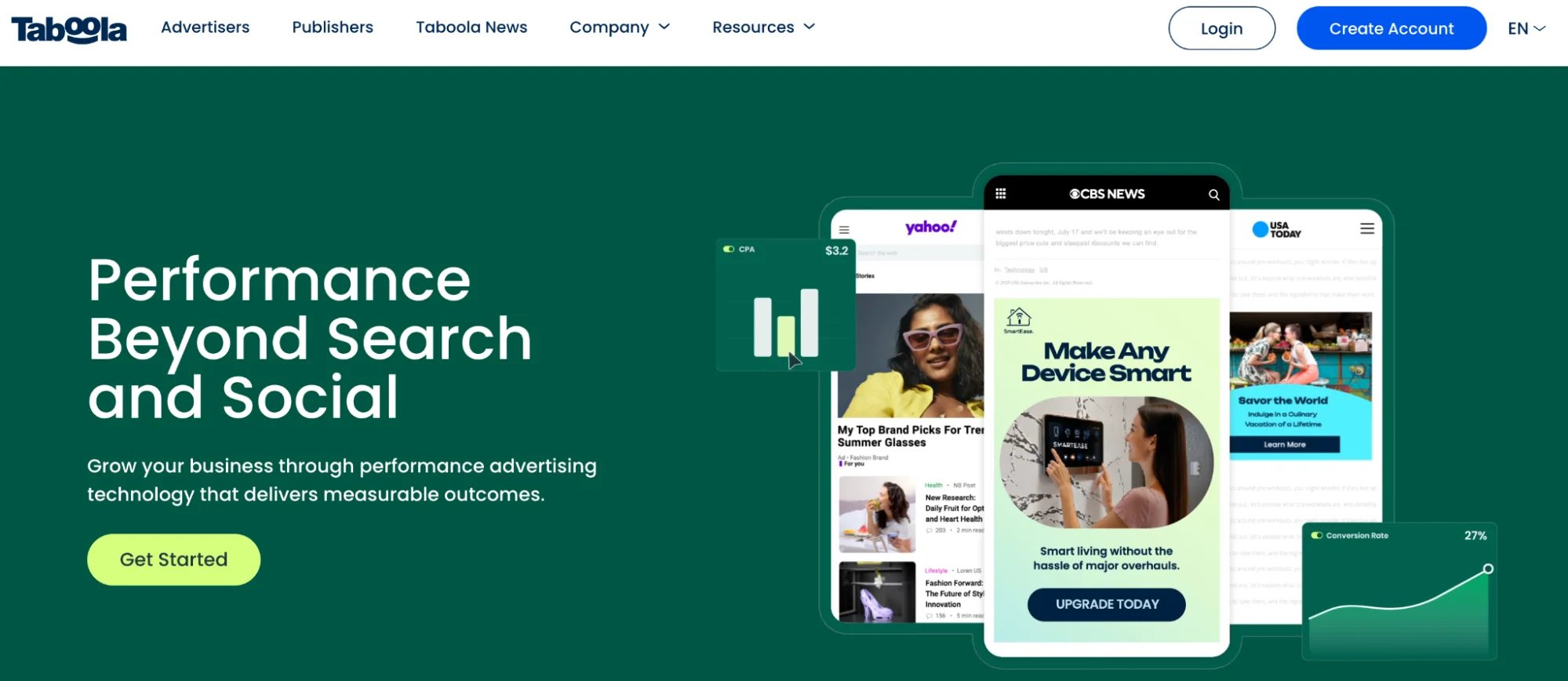
The broader impact of these trends suggests a consolidation of power among brands that can master the technical complexities of the modern web. Small businesses may find it increasingly difficult to compete on high-volume keywords, forcing them toward hyper-local targeting or niche social platforms like Pinterest. Meanwhile, enterprise brands are expected to invest heavily in programmatic platforms like The Trade Desk to manage omnichannel campaigns across connected TV (CTV), audio, and native display.
In conclusion, the 2026 digital advertising market rewards precision over volume. While Google and Meta remain the foundation of the industry, they are no longer sufficient on their own. Success now requires a diversified platform mix, a rigorous commitment to data privacy, and, most importantly, a relentless focus on the post-click experience. The era of "buying growth" through ads is being replaced by the era of "earning growth" through optimized, relevant, and lightning-fast user experiences.








